
Natural history of the British Isles
Farmland and city habitats of the British Isles
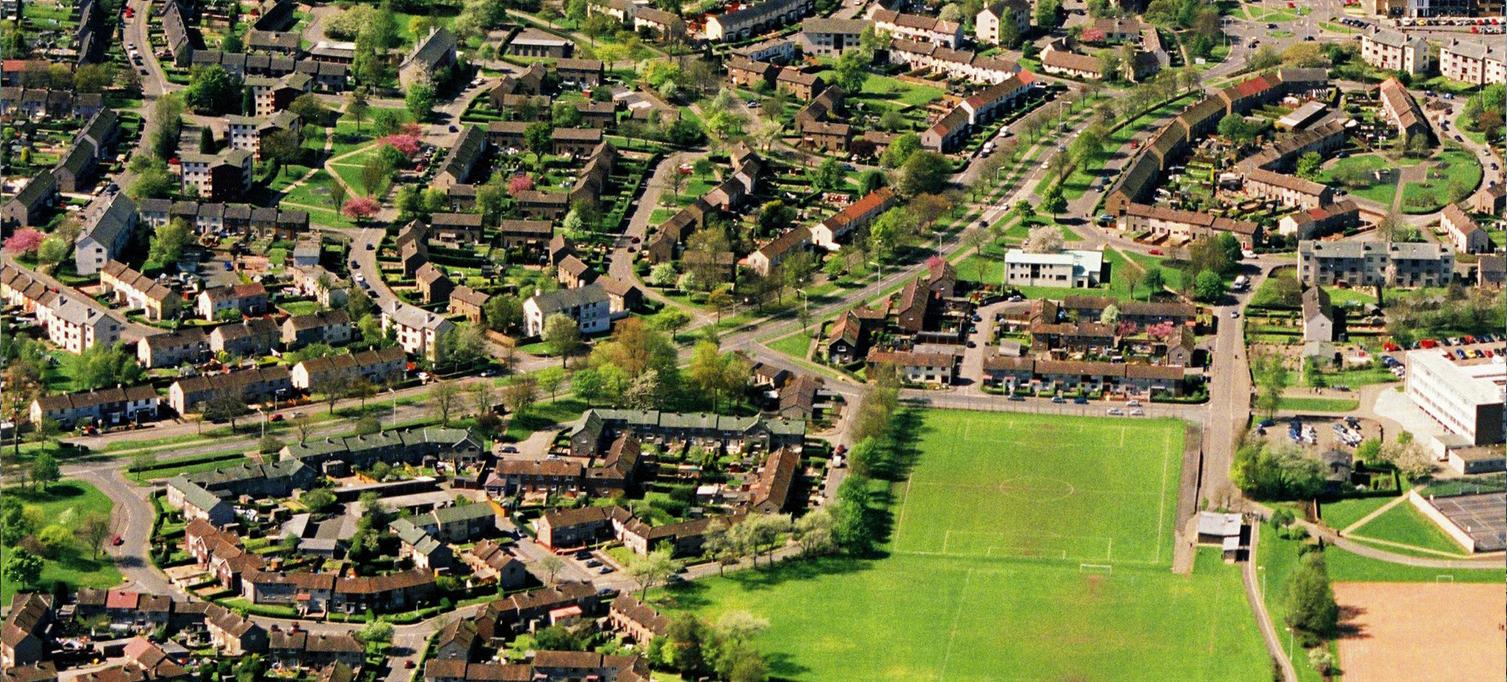
Nearly every habitat in the British Isles has been shaped in some way by human activity, but some have actually been created by humans. These manmade habitats include arable land, along with its network of hedgerows and strips of uncultivated margins, as well as towns and cities, parks, gardens, rubbish tips, roads and waste land.
Arable land
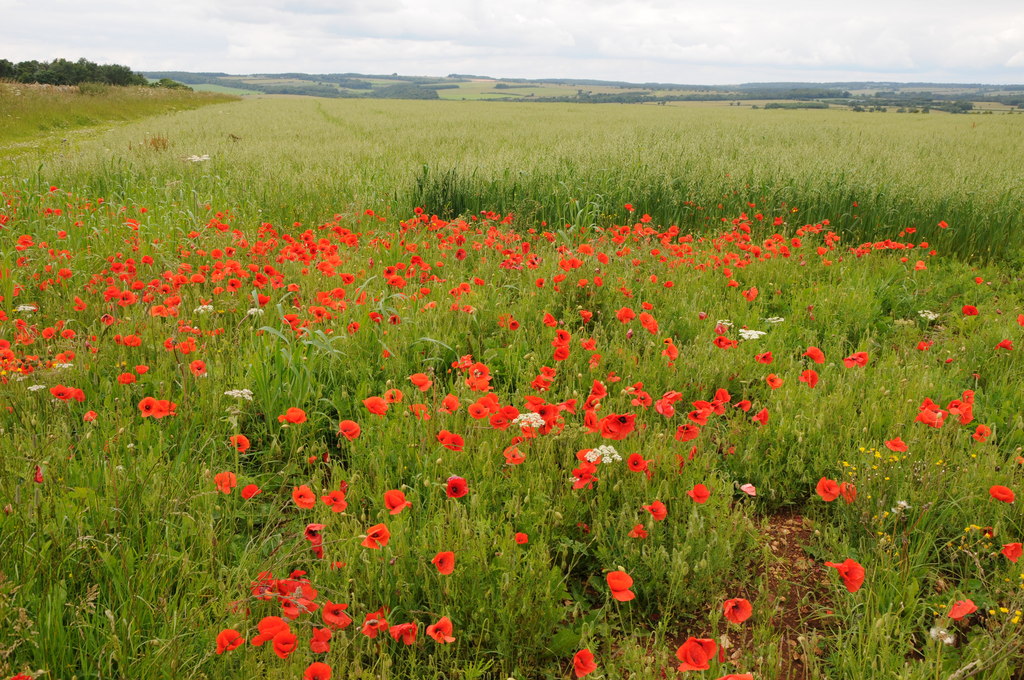
Around a third of the land in Britain and Ireland is used as arable land, for the cultivation of mainly wheat, barley, maize, sugar beet, vegetables and fodder crops. Most arable land is concentrated in the lowlands, with the most favourable areas being those with fertile soils, level ground, warm summer weather and low rainfall. Arable land is found all over the British Isles, but it is most extensive in eastern areas of Britain such as East Anglia.
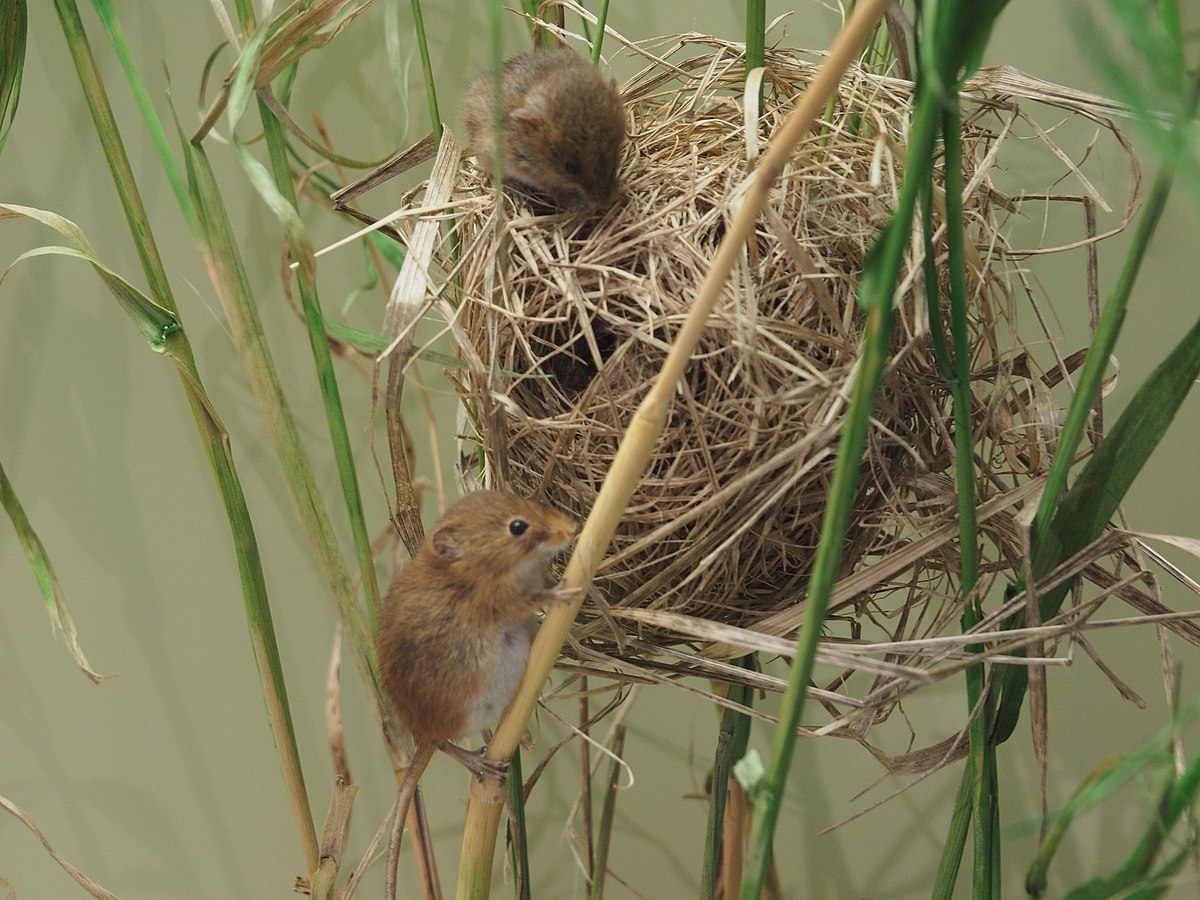
The regularly-disturbed soil of ploughed fields makes a good habitat for poppies and cornflowers, which grow best where the soil is churned up. Perching birds such as finches and sparrows feed on their seeds. The tiny harvest mouse lives in fields of cereal crops, where it makes a woven nest in the tall stems.
At the edge of a crop field, in between the crop and the hedgerow, is a strip of unploughed land called the field margin. Its longer grasses provide cover and shelter for voles and mice, making it good hunting ground for barn owls. Wildflowers such as cow parsley and willowherbs grow up here, providing an important source of food for insects.
Hedgerows
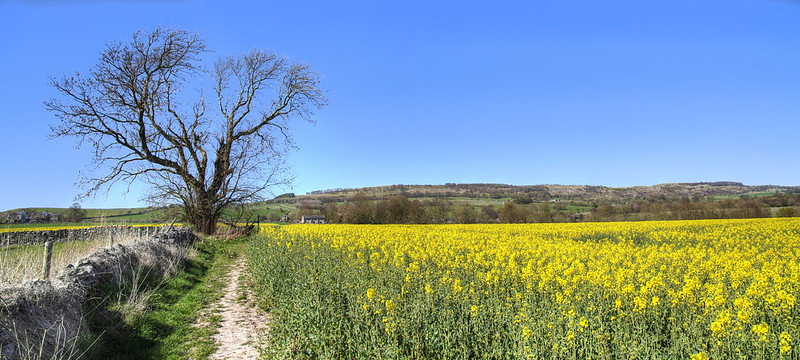
In some parts of Britain, farmland is criss-crossed with hedgerows, natural “walls” made up of small trees and shrubs. They also line many lanes and country roads. Hedgerows date back to the Bronze Age, when the first farmers cleared woodland to graze their animals and left strips of trees to act as boundaries between them. More hedgerows were laid (planted) in the early 19th century, when new laws led to large areas of open farmland being divided up into smaller fields, and farmers needed to lay even more hedgerows to mark their boundaries.

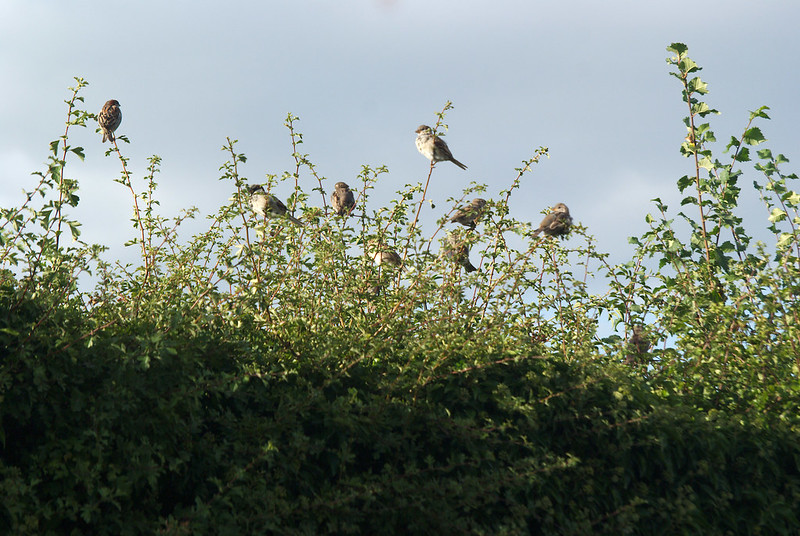
Hedgerows act as corridors for wildlife to move from one habitat to another. They need to be trimmed each year to maintain their bushy shape near the ground and to stop them growing too tall and loose. To protect the wildlife living in hedgerows, especially nesting birds, farmers are not allowed to have them cut between March and September, so that chicks can safely hatch and fly their nests.
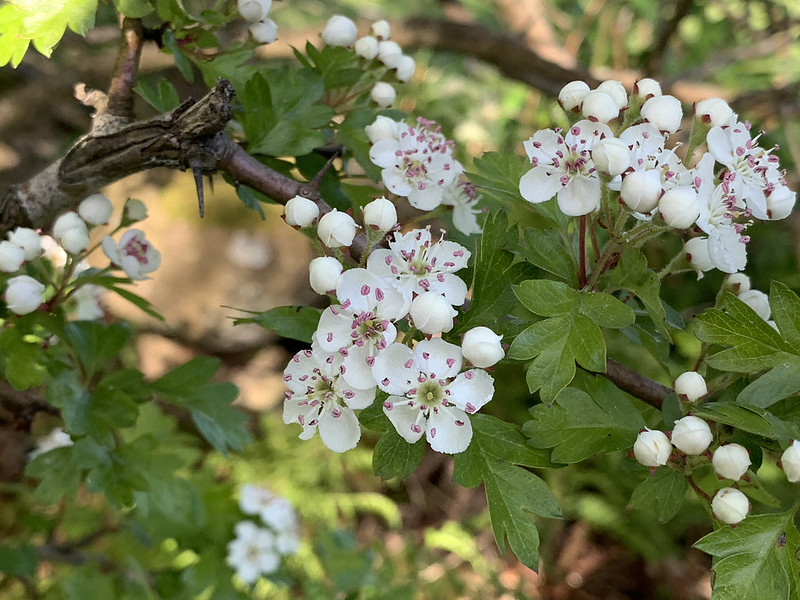
Insect larvae feed on the leaves of common hedgerow trees such as hawthorn, blackthorn and elder, while butterflies feed on their flowers or the wildflowers that grow at the base of hedgerows: red campion, bluebells, hedge garlic, cow parsley and many more. The dense branches provide year-round shelter for farmland rodents and small mammals such as rabbits and hares. These animals need mixed farmland habitats where they can shelter in hedgerows and tall grass, but also venture out into open fields to graze.
Towns and cities
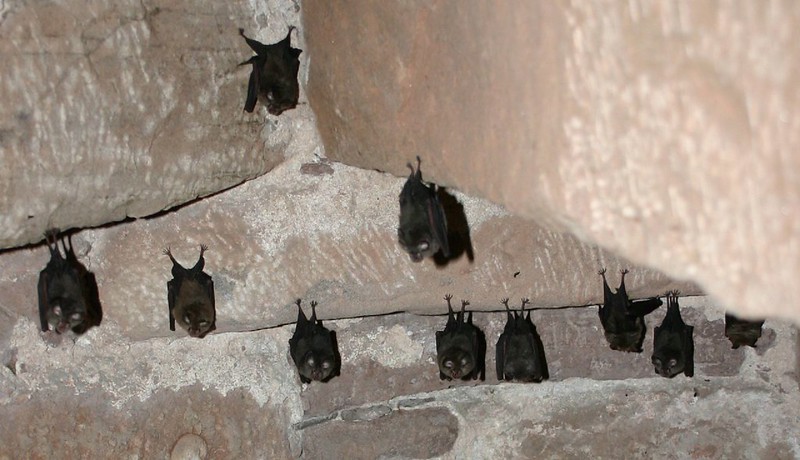
Some animals and birds live alongside people in towns and cities, feeding on scraps and benefitting from the warmth and shelter of buildings. Rats are extremely common wherever humans live. They can nest in any corner or crevice, and forage for scraps of food—they eat almost everything. Rooks and their close relations, jackdaws, make their nests in chimneys or on rooftops, whose flat bases provide perfect lookout spots. Swallows and house martins nest in the eaves (the overhanging part of the roof) of houses and barns, where predators cannot reach them. Warm, undisturbed attics can be good roosting sites for bats.
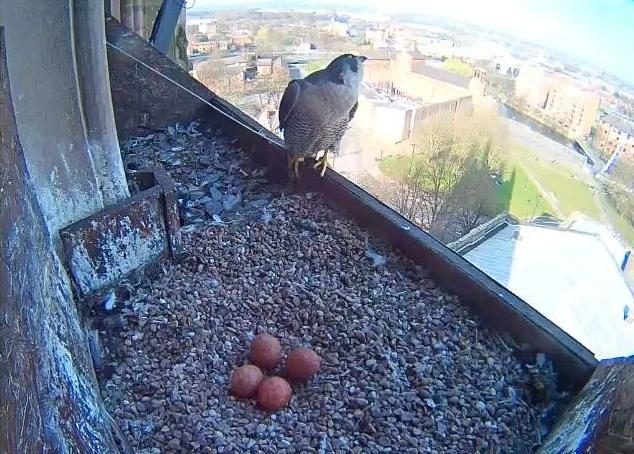
Peregrine falcons have adapted to hunt in cities, using high buildings as lookout perches and swooping from above to catch smaller birds—especially pigeons. Gulls are also commonly nest in the rooftops of towns and cities all over Britain, feeding on any waste food they find in the streets or on rubbish dumps.
Parks and gardens
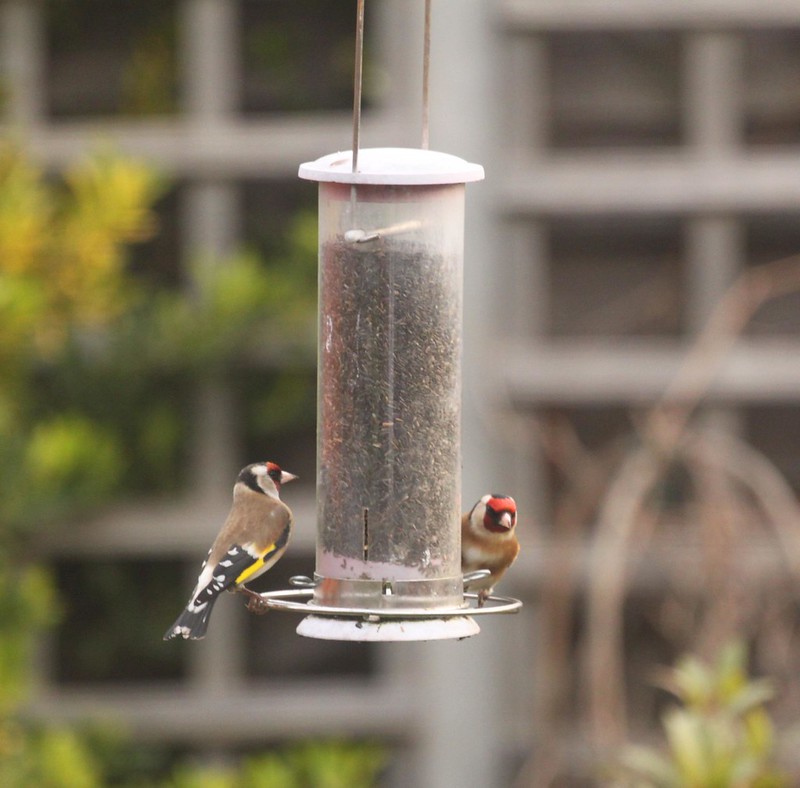
Parks and gardens provide green spaces for wildlife in the middle of towns and cities. These varied habitats offer a mix of flowering plants, rich soil and sheltered hiding spots such as compost heaps and leaf piles. In summer, bees and butterflies visit flowers to feed on nectar. Worms and insect larvae (grubs) live in the soil, providing a good source of food for garden birds such as blackbirds and thrushes. Smaller, seed-eating birds such as tits and sparrows come to garden bird feeders for nuts and seeds. Gardens can be useful corridors for foxes and hedgehogs as they travel around the city at night, hunting. Badgers may enter rural gardens searching for earthworms.
Brownfield land
Abandoned, undeveloped land in towns and cities is known as brownfield land. Made up of a mix of concrete, rubble and bare earth, these sites can become havens for wildlife. As flowering plants take root here, they attract insects, which in turn provide food for small invertebrates. Reptiles such as common lizards and adders bask on the sunny concrete, but can also find plenty of shady hideaways under bricks and clumps of weeds.
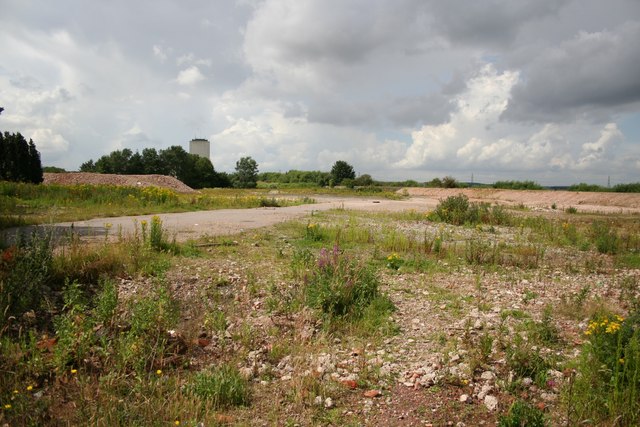
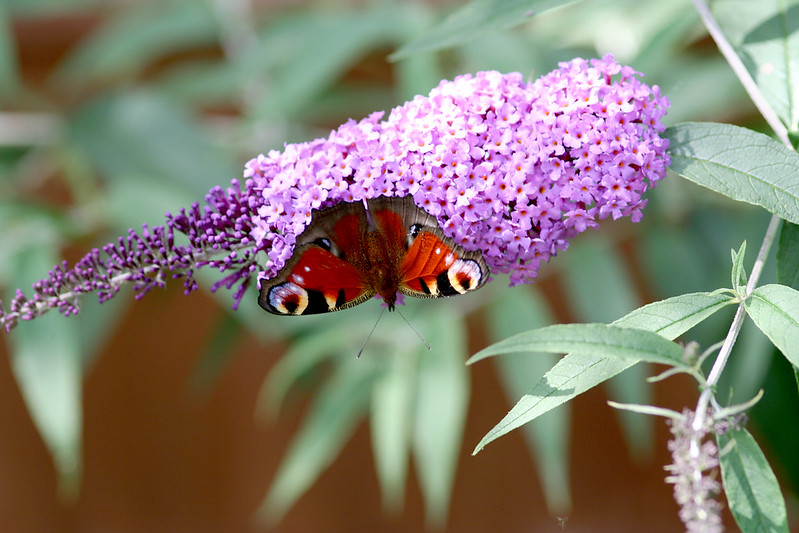
Brownfield sites, common in towns and cities all over Britain and Ireland, are often left undisturbed for long periods, which allows the wildlife living in them to flourish. Although the soil is poor and low in nutrients, this suits plants such as buddleia, Oxford ragwort, coltsfoot, bindweed and rosebay willowherb.
Consultant: Chris Jarvis