
Mathematics

CITE
We have made every effort to follow citation style rules, but there may be some minor differences. If in doubt, please refer to the appropriate citation style manual.
Measuring time. (2024). In Q-files Encyclopedia, Maths, Mathematics. Retrieved from
https://www.q-files.com/maths/mathematics/measuring-time
"Measuring time." Maths, Mathematics, Q-files Encyclopedia, 11 Sep. 2024.
https://www.q-files.com/maths/mathematics/measuring-time.
Accessed 22 Sep. 2026.
Measuring time 2024. Maths, Mathematics. Retrieved 22 September 2026, from
https://www.q-files.com/maths/mathematics/measuring-time
Maths, Mathematics, s.v. "Measuring time," accessed September 22, 2026.
https://www.q-files.com/maths/mathematics/measuring-time


Measuring time
Understanding the passing of time has always been a key human concern—knowing when to expect animal migrations, when to plant seeds, and when to seek shelter at sunset have been essential to our survival for millennia. The oldest calendars and other timekeeping devices date back thousands of years. The ability to accurately measure time has become increasingly important as human society has developed. Today, timekeeping is so vital that it is coordinated at an international level and we have learnt to measure time periods down to the zeptosecond (one trillionth of a billionth of a second).
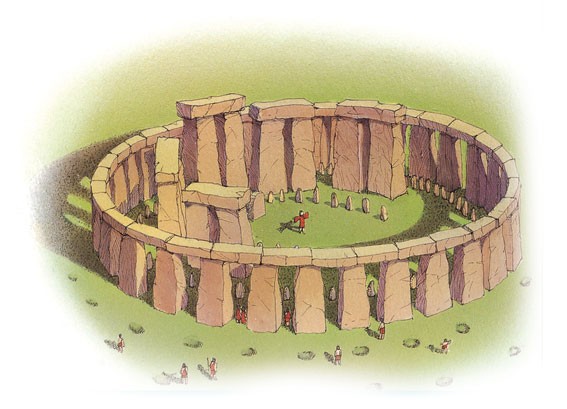
The time of day
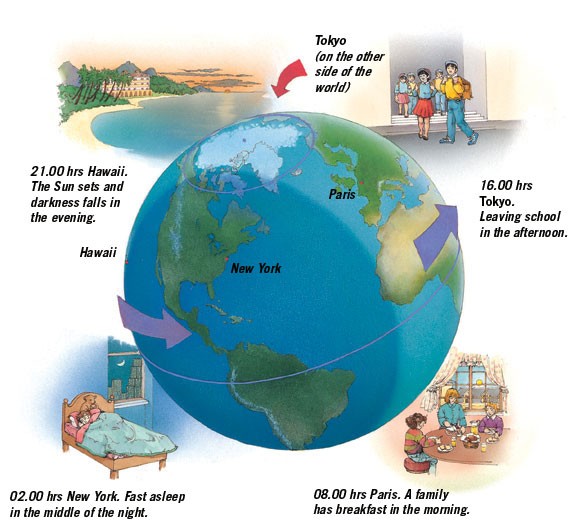
The Earth takes 24 hours, or one day, to complete one rotation. While one half of the Earth is lit up by the Sun, where it is daytime, the other half remains in night-time darkness. Clocks in any part of the world are set to a time roughly according to the Sun’s position. This is different from one part of the world to the next. So, at any one moment, clocks around the world tell different times. When it is mid-afternoon in Tokyo, Japan, it is evening on the previous day in Hawaii.
Calendars
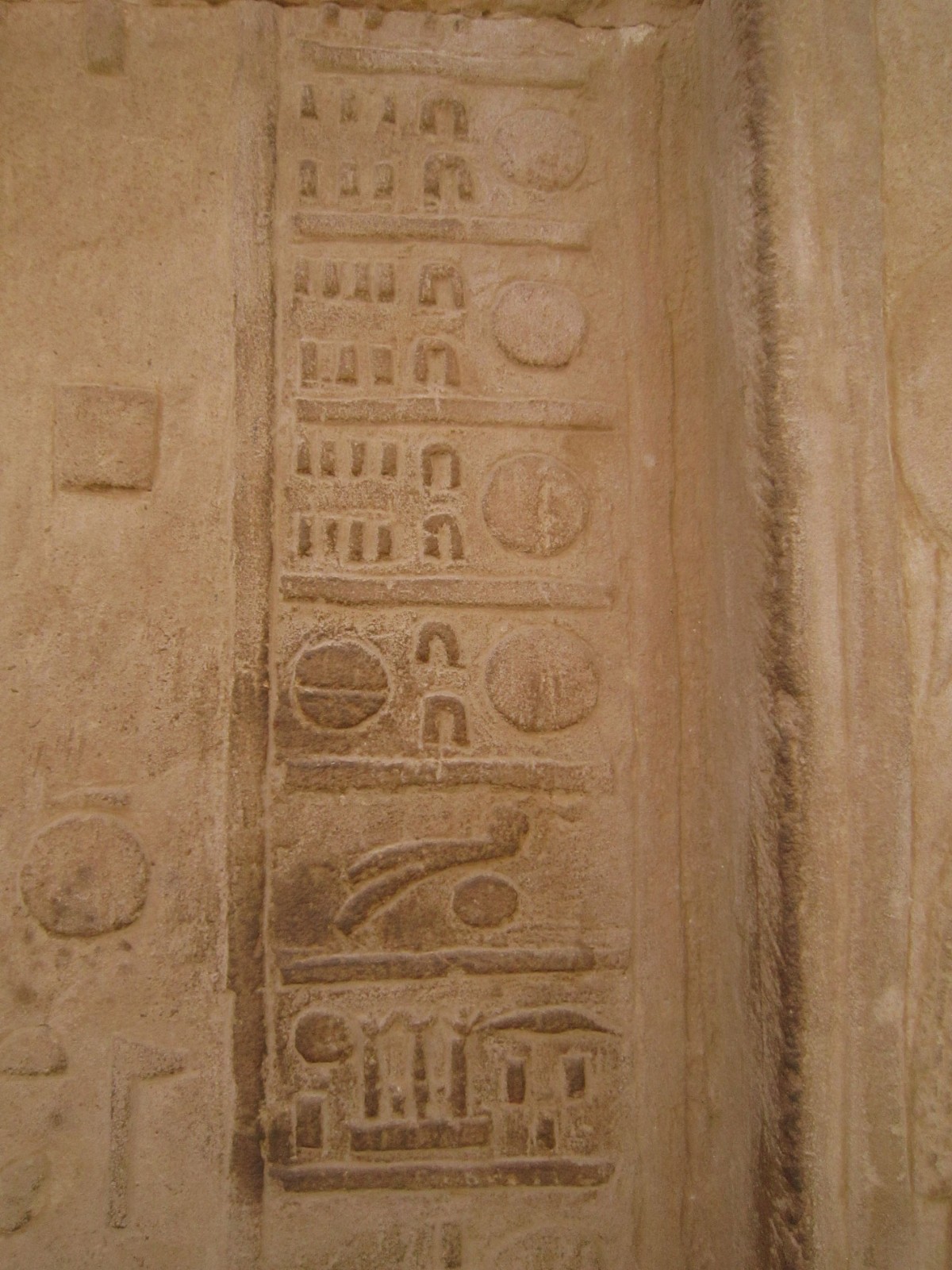
A calendar is a means of measuring out the passing of days, seasons or festivals. Calendars have been made in the forms of stones, sticks, bones, mounds, pits, paper—or on computer systems. Most calendars divide time into periods such as days, weeks, months and years. Calendars are usually based on the cycles of the sun (as in the Solar Hijri calendar, the official calendar of Iran and Afghanistan, which tracks the spring equinox, when the sun shines directly overhead at the Earth's equator, or of the Moon (as in the Islamic calendar, which is based on 12 lunar months and a year of 354 or 355 days).
Mayan calendar
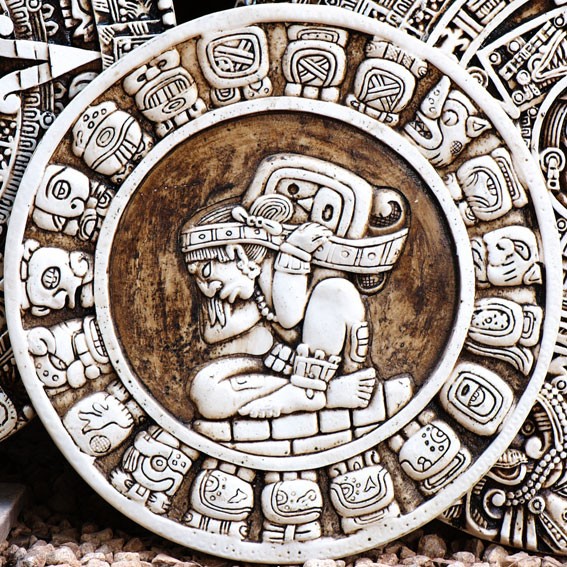
Among the most complex of the ancient calendars is that of the Maya of Central America, whose civilization thrived between 250 and 900 A.D. The Mayan calendar had two years, which ran at the same time: the Sacred Round (tzolk’in) of 260 days and the Vague Year (haab) of 365 days. The Sacred Round was used to determine the correct days for marriages, battles and festivals, while the Vague Year was used for agriculture.
Roman and Julian calendars
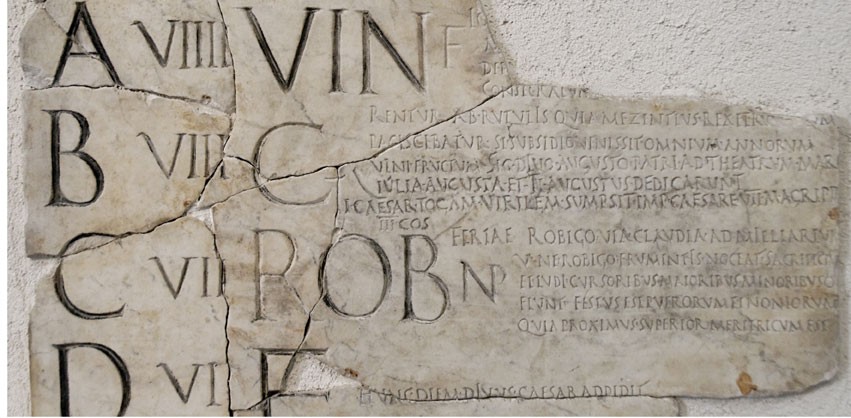
The Romans used a lunar calendar with a year of 304 days, 10 months (based on the Moon’s cycles) and eight-day weeks. Julius Caesar reformed the Roman calendar in 46 BC, basing it on a solar year of 365 days divided into 12 months, with a leap year of 366 days every four years. This was called the Julian calendar.

Gregorian calendar
The Julian calendar was the most commonly used in Europe until 1582, when Pope Gregory XIII introduced reforms to the system of leap years and reset the year to the date of the spring equinox. The Gregorian calendar omits three leap years every 400 years to almost perfectly bring it in line with the Earth’s movement around the Sun. It counts years forward from the traditionally recognized date of Christ’s birth, using the term Anno Domini (AD), meaning “in the year of our Lord”; it counts the years before using the term "Before Christ" (BC) or "Before Christian Era" (or "Before Common Era", BCE). Today, the Gregorian calendar is the unofficial international standard and is used by the United Nations.
The first clocks
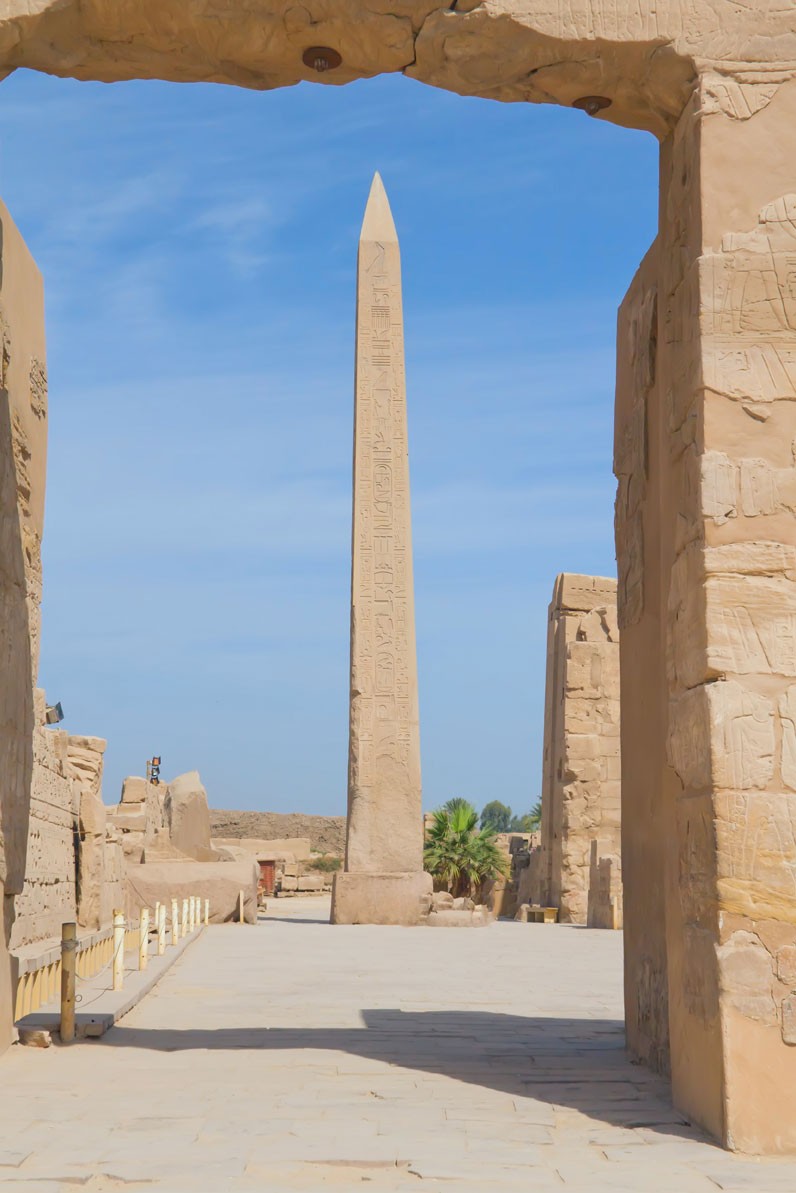
The earliest timekeeping devices used to measure parts of the day were shadow clocks. These use an upright stem or stick to cast a shadow on regularly spaced markers, thereby measuring the movement of the sun from sunrise to sunset. Among the first shadow clocks were Egyptian obelisks, which were first constructed from 3500 BC.
Despite lacking accurate clocks to record time, astronomers from ancient Babylon divided a day (the period from sunrise to sunrise) into 24 hours, each hour into 60 minutes and each minute into 60 seconds. Atlhough we have clocks today today that can measure time to within the tiniest fraction of a second, the ancient Babylonian units of time still survive.
Water clocks

Water clocks probably first appeared in Ancient Egypt and Babylon, from around 1600 BC. These used a steady flow of water into or out of a vessel, where the level of water could then be measured. By the Middle Ages, water clocks built by inventors such as Al-Jazari (1136–1206) of Turkey, had become sophisticated enough to use escapement mechanisms, in which interlocking waterwheels (or gears) created a regular turning or swinging action.

Mechanical clocks
The earliest truly mechanical clocks appeared in the 13th century. Like modern clocks, they were driven by an “oscillator”, which repeats the same motion, with a constant time interval between repetitions. The earliest oscillators were balance wheels (which rotate back and forth) and, later, swinging pendulums.
In a pendulum clock, a pendulum, a weight hung on a long arm, swings back and forth at regular intervals. It is connected to an escapement mechanism which turns a gear wheel, releasing it and stopping it, tooth by tooth (a clock's tick is the sound of the wheel stopping each time). The gear wheel is connected by a number of cogs to a heavy weight on a string: this falls gradually, second by second, driving the clock.
Standard time
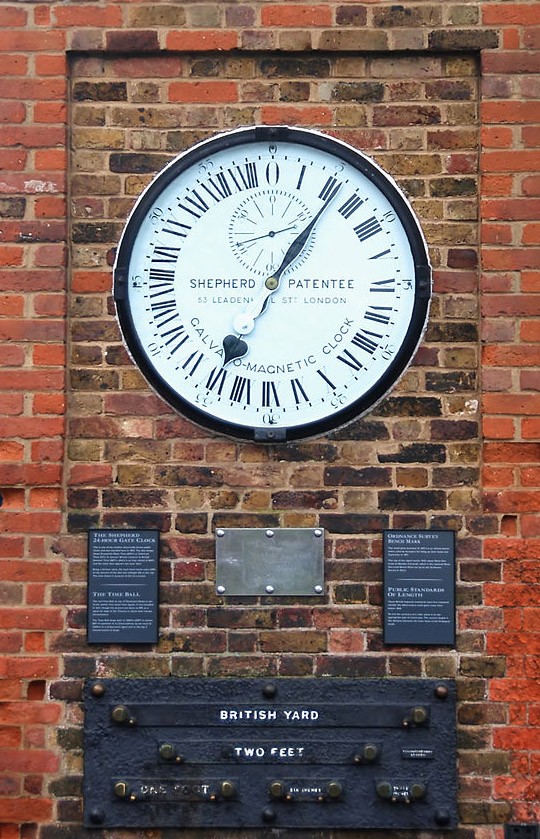
Before the mid-19th century, people kept their clocks set to “local solar time”, based on the position of the sun in the sky at their location. With the coming of railways and better telecommunications, the 10-minute solar time difference between London and Bristol (190 kilometres / 120 miles to the west), for example, became an issue. In 1675, the solar time at the Royal Observatory at Greenwich in London (Greenwich Mean Time, or GMT) had been established as the one to which all ships set their clocks. So British railway companies adopted GMT across their networks, too, and GMT became the world’s first standard time in 1847.
Time zones
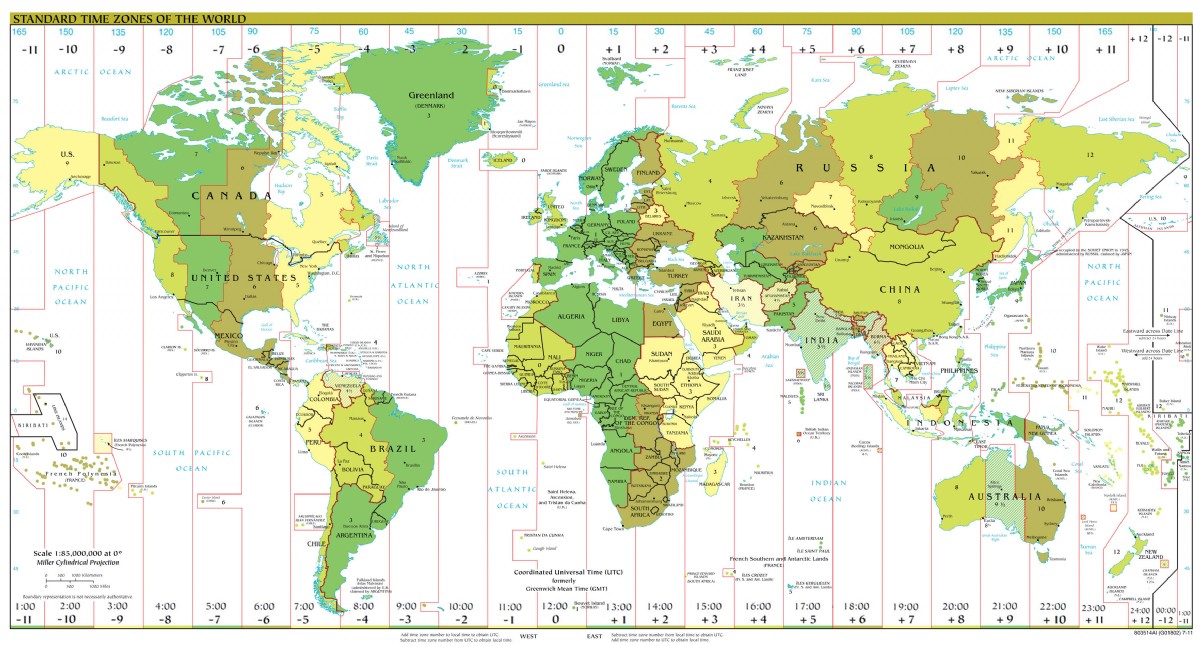
Time zones, 24 vertical bands drawn around the globe, set the time in any one location within each band. Places in time zones to the east of Greenwich, or Prime, Meridian (longitude 0°), are a certain numbers of hours ahead of Greenwich (for example, Auckland, New Zealand, at 175° East, is twelve hours ahead, or GMT + 12). Places in time zones to the west of Greenwich are certain numbers of hours behind Greenwich (for example, Lima, Peru, at 77° West, is five hours behind, or GMT – 5).
On the opposite side of the Earth to the Greenwich Meridian is the International Dateline (IDL, following 180°, but zigzagging here and there to avoid running across land or islands). Passing across the IDL going eastwards, you go back to the previous day; pass across it going westwards and you go forward to the next day.
Modern clocks
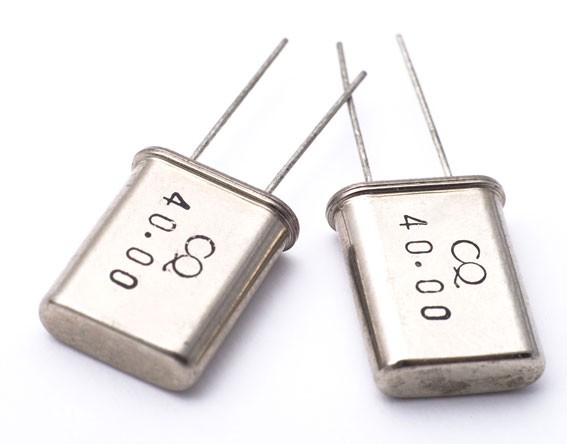
From 1840, electric clocks were developed, which use a battery or the mains electricity supply as their source of power. Since the 1980s, quartz oscillators (based on the steady vibrations of quartz crystals) have been the most widely used timekeeping technology.
Atomic time
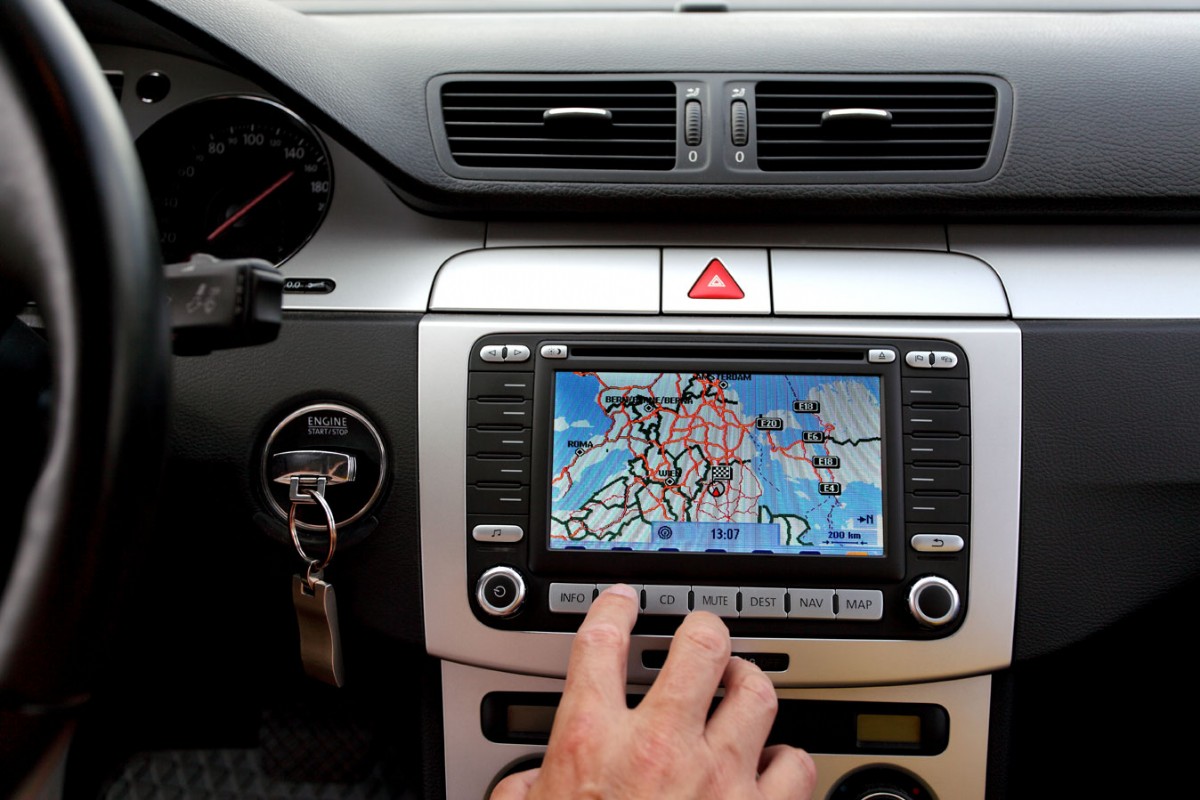
The first accurate atomic clock was built by English scientist Louis Essen (1908–97) in 1955. Atomic clocks keep time by the constant vibrations of the electrons inside atoms. These vibrations are so unchanging that today atomic clocks provide the modern international time standard: International Atomic Time (TAI). We set our clocks and watches to Coordinated Universal Time (UTC) which is linked to TAI. Occasionally leap seconds must be added to keep clock time synchronized (fixed in time) with the Earth’s rotation, which has been slowing down very slightly. Atomic clocks are also used in global navigation satellite systems, such as GPS (Global Positioning System).
Consultant: Mike Goldsmith
pics
Without in any way limiting Q-files Ltd’s exclusive rights under copyright, any use of this publication to “train” generative artificial intelligence (AI) technologies to generate text is expressly prohibited. Q-files Ltd reserves all rights to license use of this work for generative AI training and development of machine learning language models.