
Design
Dress and fashion
People have been wearing clothes and jewellery since prehistoric times. The history of dress is closely linked to the history of fashion—the style of clothing that is popular at a certain time. The idea of fashion as we know it began during the Renaissance period of the 15th century onwards, when new ideas about beauty and art encouraged people to dress in ways that celebrated their appearance. Over the next few centuries, the shapes, fabrics and styles of clothes such as dresses and coats changed dramatically every decade. These changes were often influenced by the tastes of a popular public figure, or by the availability of new materials. Sometimes, they simply reflected people’s changing lifestyles. In the 20th century, fashion became a major industry, as film and television spread fashion trends further—and faster—than ever before.

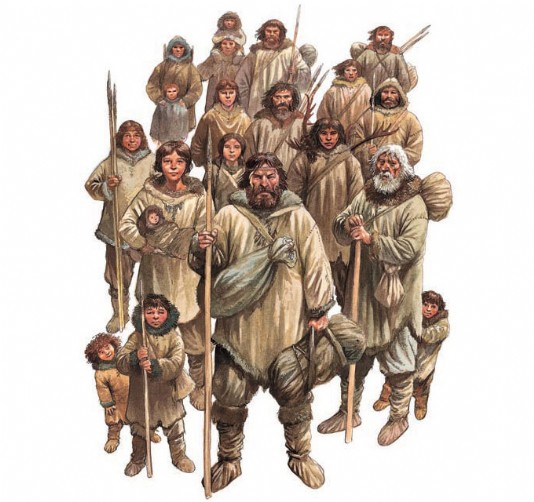
Early clothing
Our earliest ancestors wore clothes made from the furs and skins of the animals they hunted. They were wrapped or tied around their bodies and held together with pins made from bone and shell.
Prehistoric sewing needles made from bone have been discovered in Russia, showing that people were sewing leather and skins together to make clothing as far back as 30,000 years ago.
Ancient world
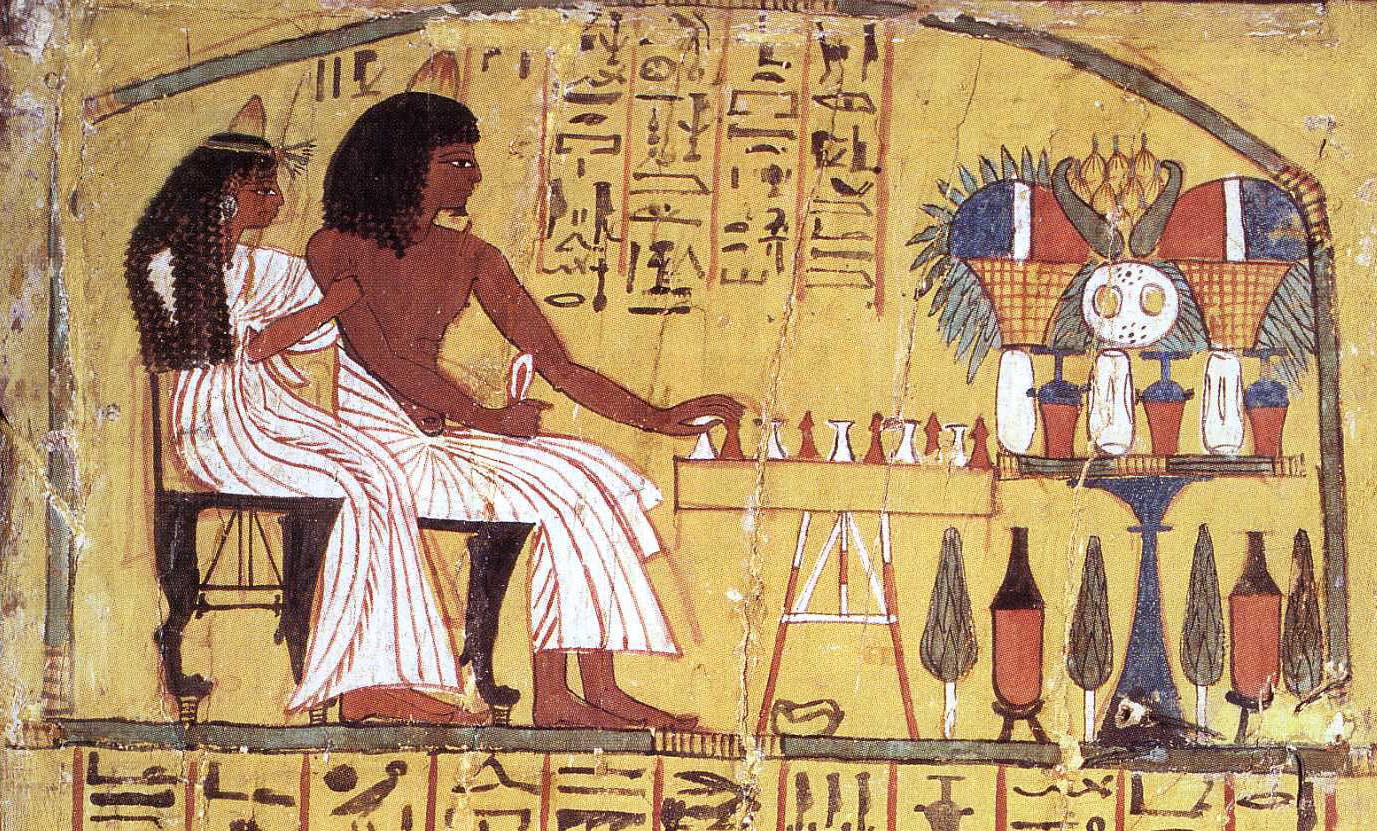
We can see what ancient Egyptians wore by looking at their artwork. Nearly all their clothes were made from linen, a lightweight material made from a plant called flax. Their clothes were knotted or fastened with pins. They were usually white, worn with colourful beaded jewellery. Rich Egyptians wore the most clothing and jewellery while their servants wore very little.
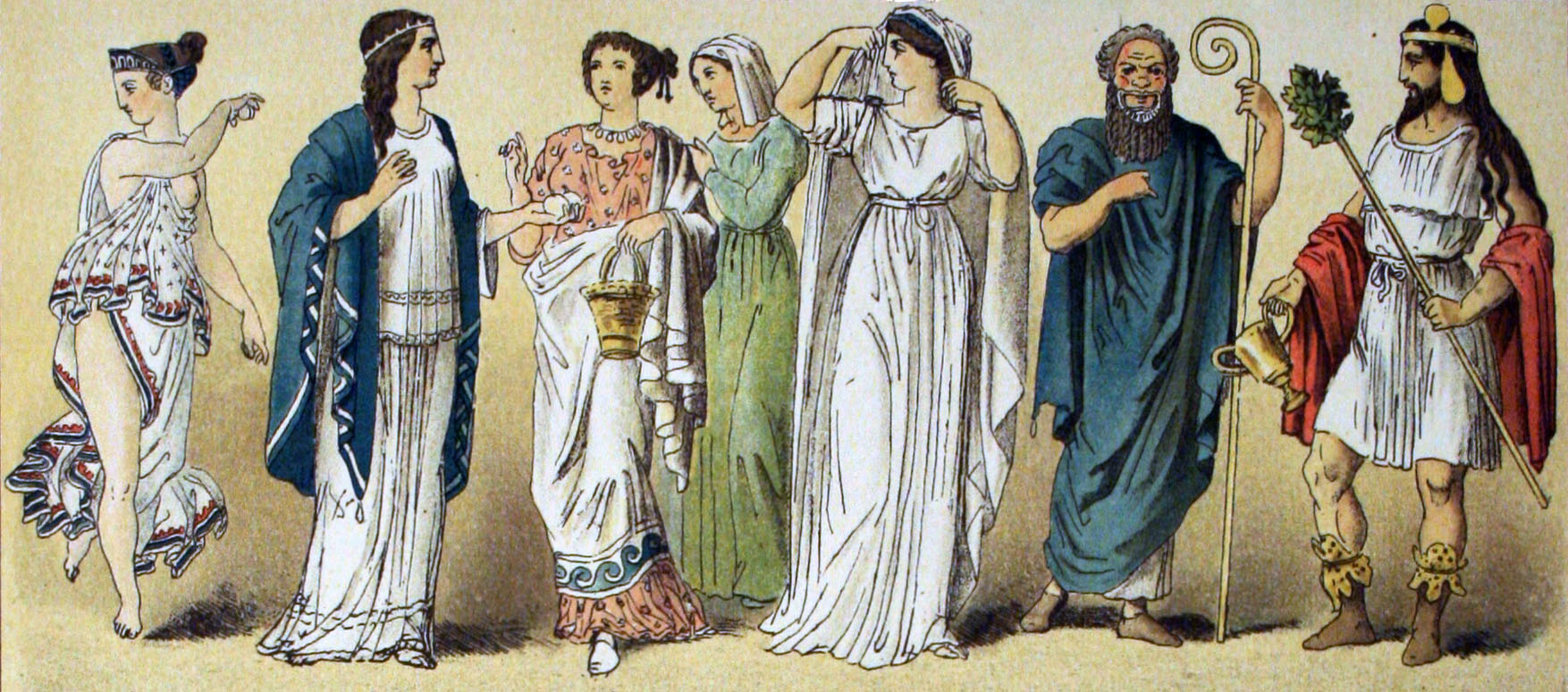
Ancient Greeks clothed themselves with pieces of fabric draped and pinned around their bodies. Paintings on pottery of the time show the bright colours and patterns of these fabrics. Both men and women wore a linen tunic called a chiton, which was a simple long shirt without sleeves, and a thin cloak called a himation. Each person wrapped and pinned their cloak differently to express their personality.
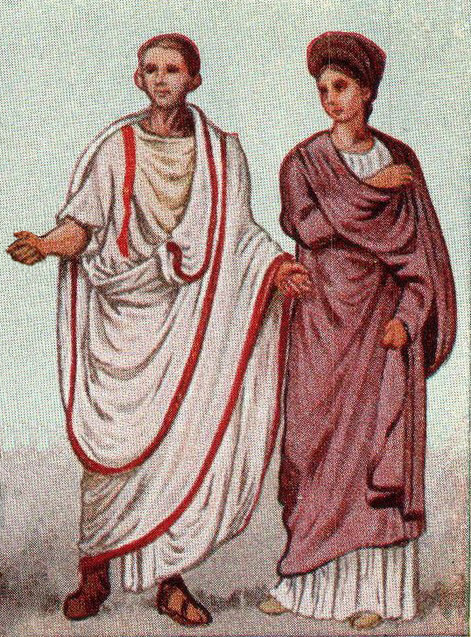
The linen tunic was also a staple item for men and women in ancient Rome. Men wore the tunica, a knee-length tunic, with a cloak. Women wore a longer tunic which reached to the ankles. Over the top they wore a loose dress called a stola, which was fastened with pins at the shoulders. It had two belts, one above the waistline and one at the waist, to give it several folds.
The highest-ranking members of society—male citizens of Rome—wore the toga, a heavy, draped shawl made from wool. It was worn on formal occasions, and when socializing. Female citizens wore a similar shawl called a palla over their stolas, made from linen or wool in rich colours. Women piled their hair high on the head and tied it into a conical shape, a style called a tutulus.
Medieval dress
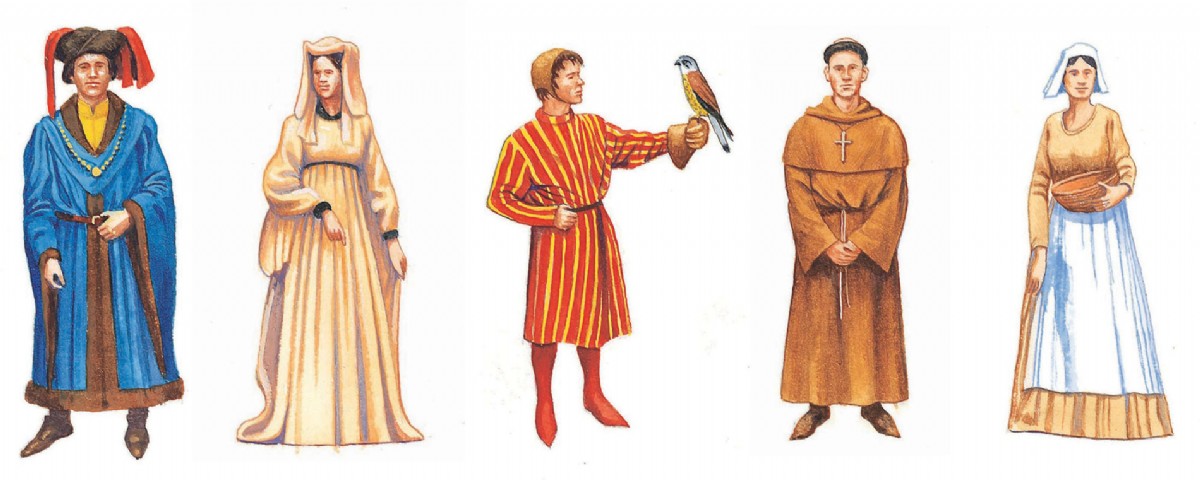
In early medieval Europe there were two main styles of dress. In countries that had once been part of the Roman Empire, people continued to dress in the old Roman style. Both men and women wore long-sleeved tunics, which were sometimes decorated around the neck and at the hems. Men wore roughly-sewn trousers under their tunics, held up with a belt. Women's tunics were ankle-length. Underwear for men and women was a shirt and a pair of loose-fitting shorts called braies, made from undyed linen.
Meanwhile, Germanic peoples such as the Franks and Anglo-Saxons adopted a different style. Men wore hip-length tunics over close-fitting leggings called hose. Women wore long, straight gowns with decorated hemlines and elegantly shaped sleeves. By the 12th century, this way of dressing had largely replaced the Roman style to become the most common look across Europe.
Among the best-dressed people in medieval times were citizens of the wealthy Byzantine Empire, the only people outside China who knew the secret of producing silk. Their silken robes were richly embroidered with threads of real gold and silver, and studded with jewels and pearls.

The birth of fashion
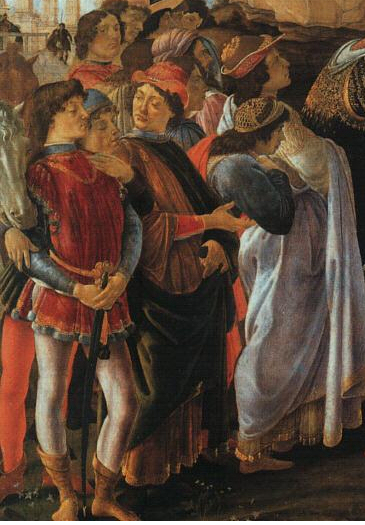
The arrival of the Renaissance in the 15th century changed the way Europeans dressed. People wanted to look elegant and show off their figures, and those who could afford it hired the services of tailors and dressmakers to make clothes that fit them well. Already by around 1350, men had begun to wear tunics and hose that fitted more closely to the shape of their bodies. Women's dresses had fitted bodices (top halves) and long skirts. Clothing designs started to become more and more sophisticated, changing regularly to include new design ideas that came from Italy and Spain. This was the beginning of fashion.
16th-century dress
In the 16th century Spain set the trends for fashion in Europe. Young, fashionable men wore a linen shirt under a close-fitting jacket called a doublet. The doublet was cut in a V-shape at the front to create the fashionable waistline. Over their legs they wore tight hose with puffy, padded shorts, called trunk hose, over the top.
The finest dresses in Tudor England were made from velvet or silk. Strips of metal or bone were sewn into their bodices to hold the upper body in a narrow shape, and their petticoats had structures underneath called farthingales to hold them out in the shape of a bell or a drum. Early 16th-century dresses had square necklines and long, draping sleeves. Black dye was expensive, and so black materials were used to display wealth and luxury.

The ruff collar—a piece of lacy material worn around the neck—was fashionable for both men and women during the 16th century. In the mid 1560s people began stiffening these collars by soaking them in a floury mixture called starch. This allowed ruffs to stand up in a stiff fan around the neck, and they soon became larger and more elaborate than ever before.

Formal dresses for women became more and more ornate in the second half of the 16th century, covered with detailed embroidery, lace and precious stones. The most elaborate gowns featured a decorated V- or U-shaped panel at the front called a stomacher. The fashionable skirt shape was a wide cone that narrowed sharply at the waist. Skirts were often divided at the front to show a coloured petticoat underneath. It was common for dresses to feature puffed sleeves at the shoulders to make the top of the body look wider.
From the 1560s onwards, Queen Elizabeth I (1558–1603) became a major style icon in England. The way she looked influenced every aspect of women's dress, from sleeve shapes to make-up. She even inspired a fashion for golden red hair.

17th century
The ruff collar fell out of fashion in the 1630s and was replaced by a trend for wide, flat collars made from lace and linen. Lace was soon seen everywhere, from collars and dress sleeves to the cuffs of men’s boots. During the first half of the century, men typically wore a hip-length coat that was slashed to show off the shirt underneath with its long, lacy cuffs. They wore knee-length breeches and tight boots which flared out at the tops, sometimes folding over. Fashionable men wore a short cape.
Women’s dresses had large, full skirts and sleeves gathered in puffs. By mid-century, lace and ribbon had become the preferred decoration for dresses, in a move away from the rich embroidery of the Tudor period. The dresses themselves were made from fine fabrics, such as satin, in single colours.
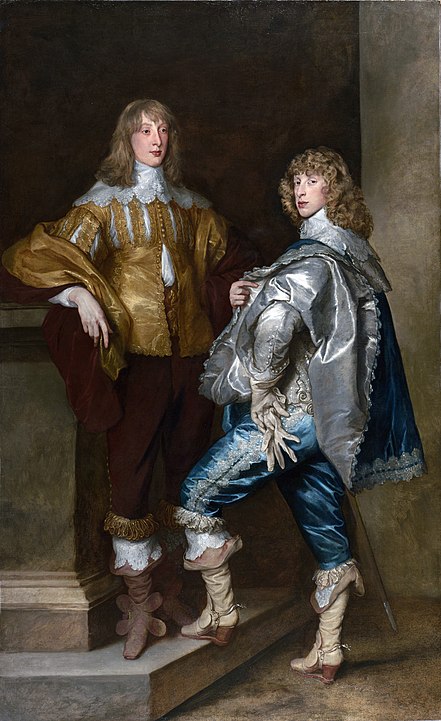
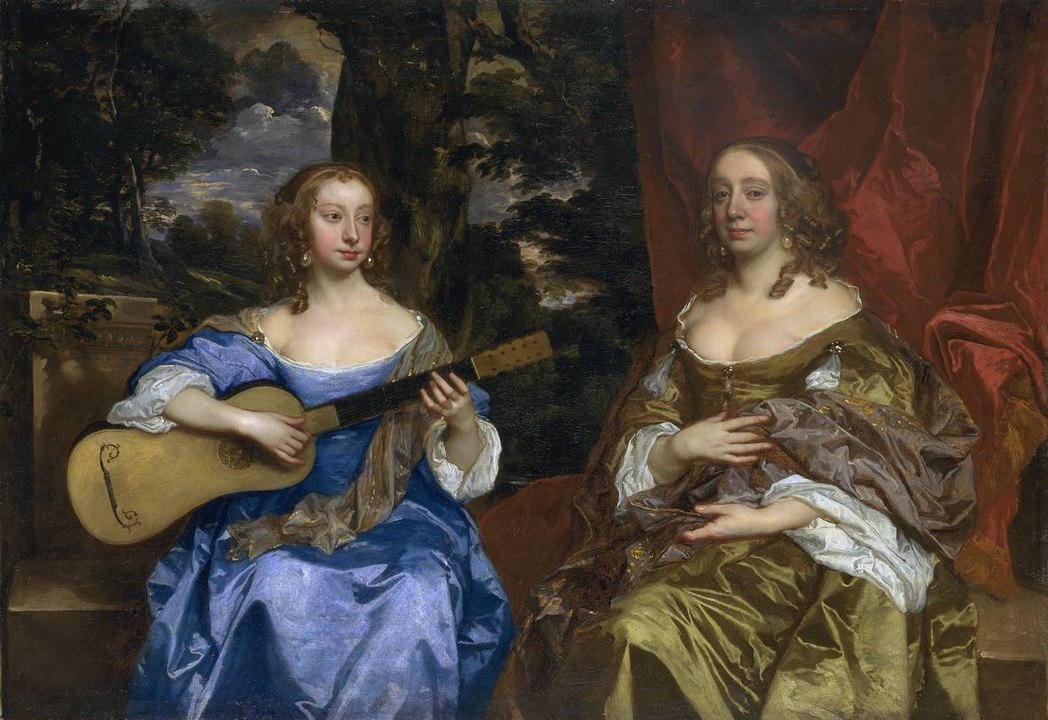

In the second half of the 17th century the centre of the fashion world switched from Spain to France, the new dominant power in Europe. The French King Louis XIV (1638–1715) introduced a luxurious dress code for his court, ordering new designs to appear seasonally, in summer and winter. These set fashion trends across European courts.
A type of three-piece suit emerged in the 1670s as a formal outfit for men, made up of a knee-length coat, matching waistcoat and tight breeches (knee-length trousers). By now, men’s formal dress also included an elaborate wig—huge curls of hair piled high on top of the head. The most luxurious wigs were made from human hair. They were an important part of a man's professional outfit, but they were often heavy, hot and uncomfortable.
Mantua
The mantua was a formal dress made from silk or wool worn by women from the late 17th to mid-18th centuries. It began as an open- or closed-fronted gown which was loosely draped over a petticoat, and had a train (a length of fabric trailing behind). It evolved into a dress made up of a gown, matching petticoat and stomacher. The upper part of the dress fitted closely to the body, while its skirts fanned out from the waist.
The mantua's triangular bodice was shaped by a corset: a structure made from whale bones and fastened tightly around the woman’s body with laces. Its wide skirts were held up by panniers—basket-like structures worn over the hips—and a hoop petticoat, an underskirt with cane hoops stitched into it to hold the dress out from the body. This showed off the fabric's fine embroidery.
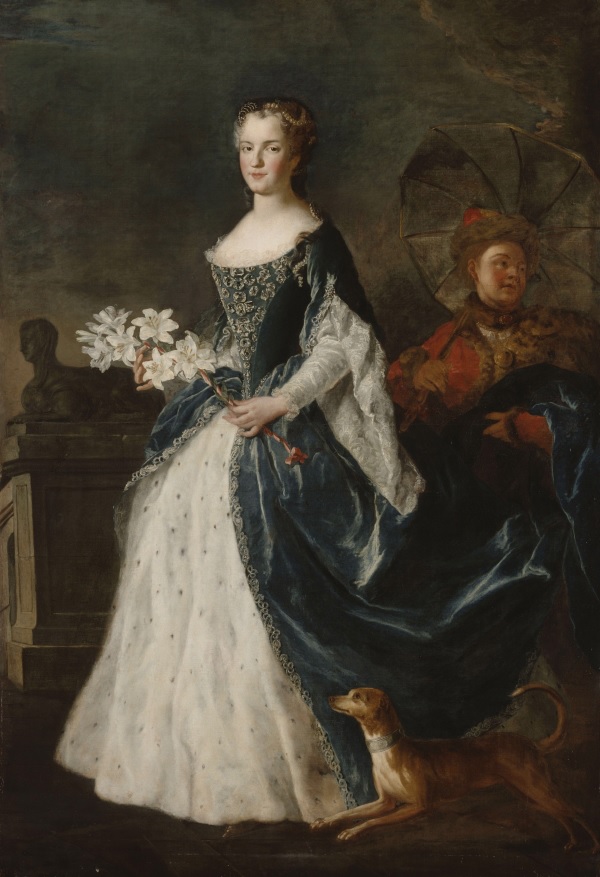
Some of the most extravagant mantuas measured nearly two metres (6 feet) across. By the 1750s, wealthy women's dresses had become so wide that it was difficult for them to sit down in carriages or fit through doorways. New "collapsible" petticoats were invented to help them move around more easily.

18th century
In the 18th century, men continued to wear variations on the three-piece "suit": a long coat, waistcoat and breeches. Coats gradually became shorter as the century went on. Shirts had frills at the cuffs. From the 1730s they were worn with a high, stiff collar, and a black ribbon called a solitaire tied around the neck.
The three-cornered hat, known as a tricorne, was a staple fashion item for men from all parts of society. Its sides were pinned back, which allowed wealthy men to show off their wigs. Wigs remained popular for both women and men, but they went out of fashion by the end of the century.
For fashionable women, the robe à la française gradually overtook the mantua to become the most popular dress style by the second half of the 18th century. It had a softer, looser shape than the mantua, and it could also be worn as a less formal style. Also known as the sack-back gown, it was designed so that fabric fell to the ground in pleats from the shoulders to the floor. In the 1780s the style was made especially popular by the French queen Marie-Antoinette (1755–93).
An English variation, the robe à l'anglaise, had a closely-fitted bodice and full, pleated skirts. In the 1770s and 80s it was fashionable to pin up the skirts à la polonaise, so that they hung in drapes and showed off the petticoat underneath.
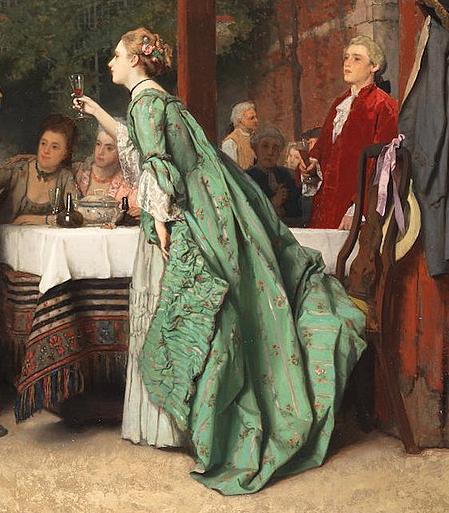
Cotton became widely used in Western clothing in the late 18th century. Vast quantities of cotton were imported from the southern US and the Caribbean—where it was picked by enslaved men and women—and processed into cloth in Britain's northern mills. As the Industrial Revolution began, cotton cloth became a major British export and the most popular material for the dresses, shirts and breeches of the time.

A new French style known as "Directoire", or Neoclassicism, emerged in the 1790s following the French Revolution. It was a reaction against the extravagant style of dress that had been popular in the French court just before the Revolution.
Women's dress styles suddenly became much simpler, designed to hang loosely and give the body a natural shape. They were inspired by the way women dressed in the days of ancient Greece. Men began to wear long overcoats and long breeches. Until around 1820, this new style shaped the way of dressing for men and women across Western Europe, from all social backgrounds.
19th century
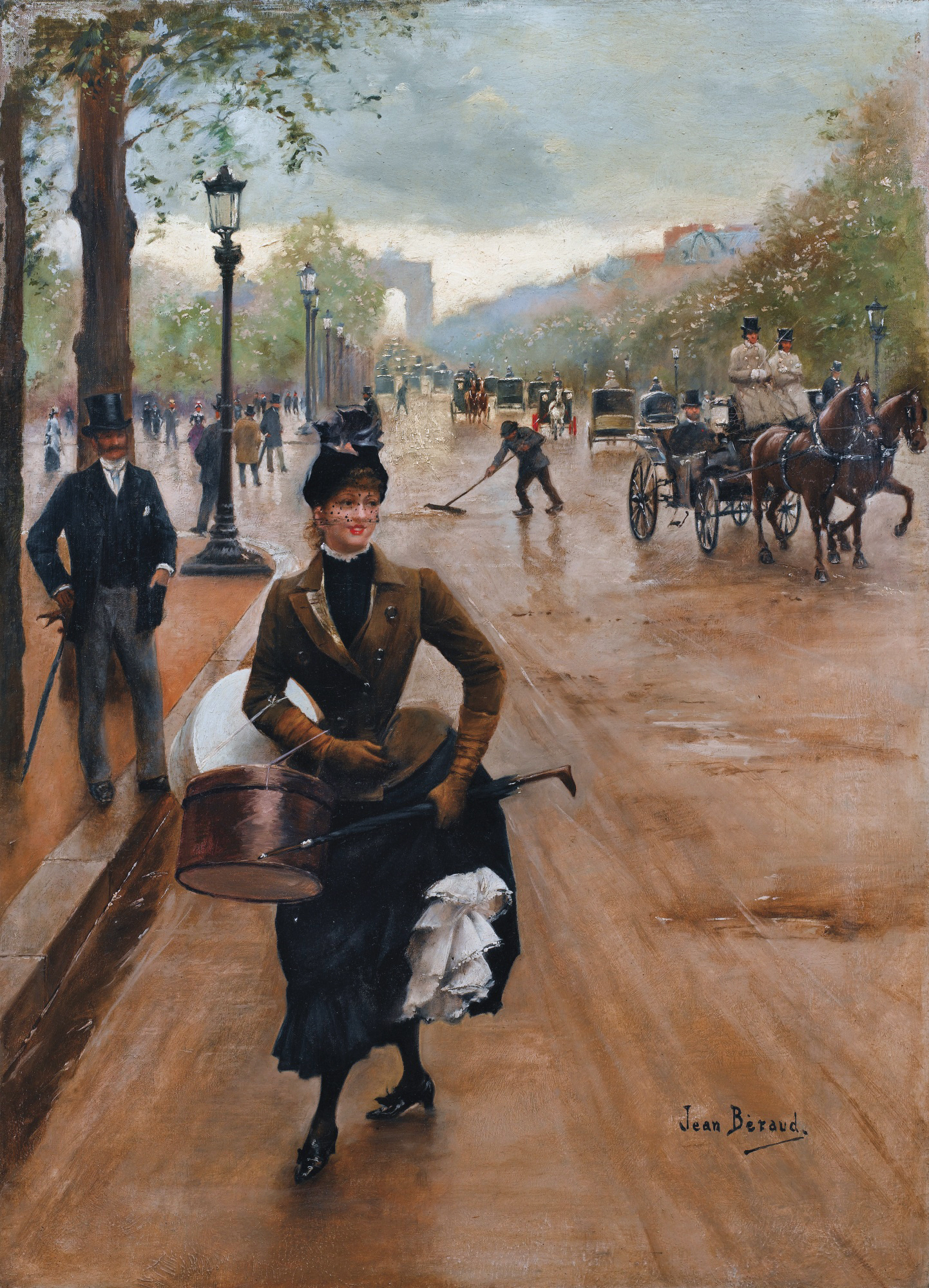
At the beginning of the 19th century, it was fashionable for men to wear full-length breeches, similar to the trousers we know today. At first, long trousers were only acceptable as part of a man’s formal outfit, but by the middle of the century they were standard daytime wear. Along with a jacket and waistcoat they made up a new style of three-piece suit, which gradually became more closely-fitted. On formal occasions men wore a flat-topped hat called a top hat. A rounded version—the bowler hat—became popular among working men in the second half of the century.
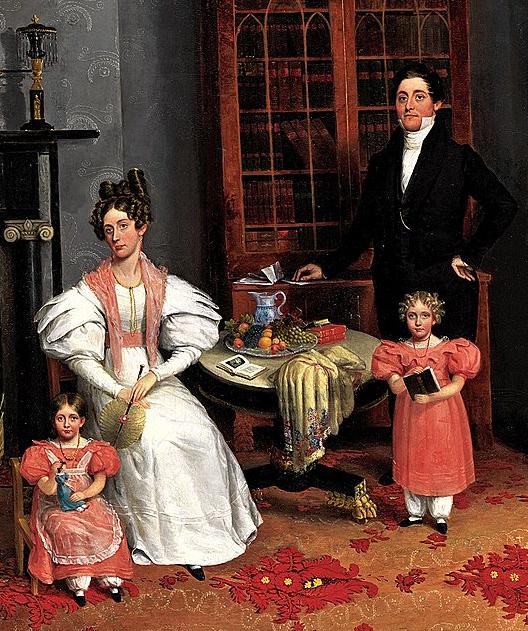
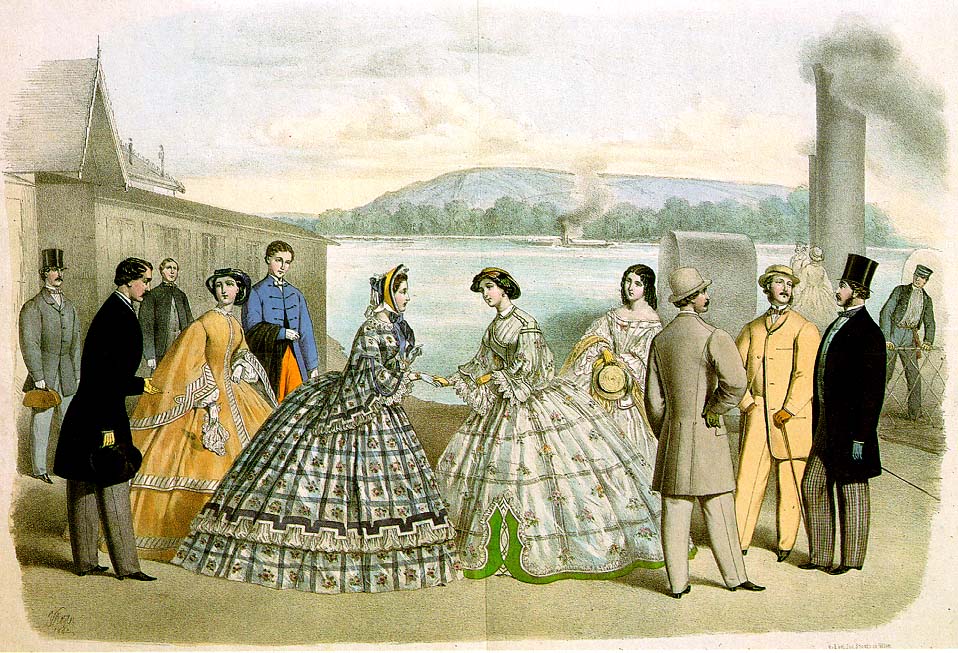

The loose, natural shape for women's dresses went out of fashion by around 1830. Sleeves now became extremely large, puffing out at the shoulders. Corsets came back into fashion and waistlines narrowed once more. Skirts grew increasingly fuller and more extravagant until they reached their peak in the middle of the century.
The enormous, dome-shaped skirts of the 1850s were supported underneath by a structure called a crinoline. It was made from a cage of steel hoops that hung from the waist like a petticoat, holding the skirts out from the body. Crinolines were not just for formal occasions. They soon became so popular that nearly every woman owned one, although the largest crinolines still symbolized high status and wealth.
By the 1880s the crinoline had been replaced by the bustle, a padded undergarment that held out the back of the dress and gave it a full shape. The bustle also stopped the heavy skirts from dragging on the ground and flattening the petticoat.
Sewing machines were invented during the early 19th century, making it possible to mass-produce clothing in factories by the 1840s. The introduction of railways and steamships during this period meant that people began to travel more widely, and were inspired to dress in the fashionable clothes they saw modelled in London and Paris. From the 1880s, some people could afford to buy sewing machines to make their own clothes at home. These changes meant that more people could afford to follow fashion trends than ever before.
Edwardian clothing
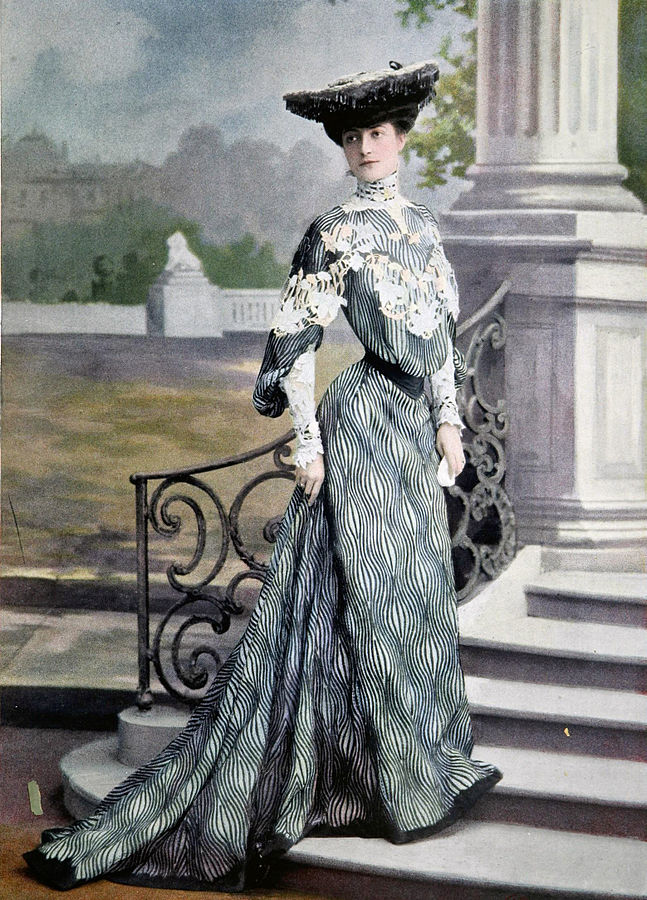
As the bustle went out of fashion at the end of the century, it was replaced by a trend for a dress that gave the wearer a slender "S-shape". In the first years of the 20th century, women wore corsets under their dresses to hold their hips back and chests forward. The bodices (top parts) of their dresses were like blouses. They had high necklines and were decorated with lacy frills and beads. Skirts were long and slender. Oversized hats were essential, featuring feathers, lace, rosettes and even stuffed birds. They were fixed on top of a woman's hairstyle using long hat pins.
Everyday dress for working women was a formal skirt, worn with a tailored (fitted) jacket and tall lace-up boots.
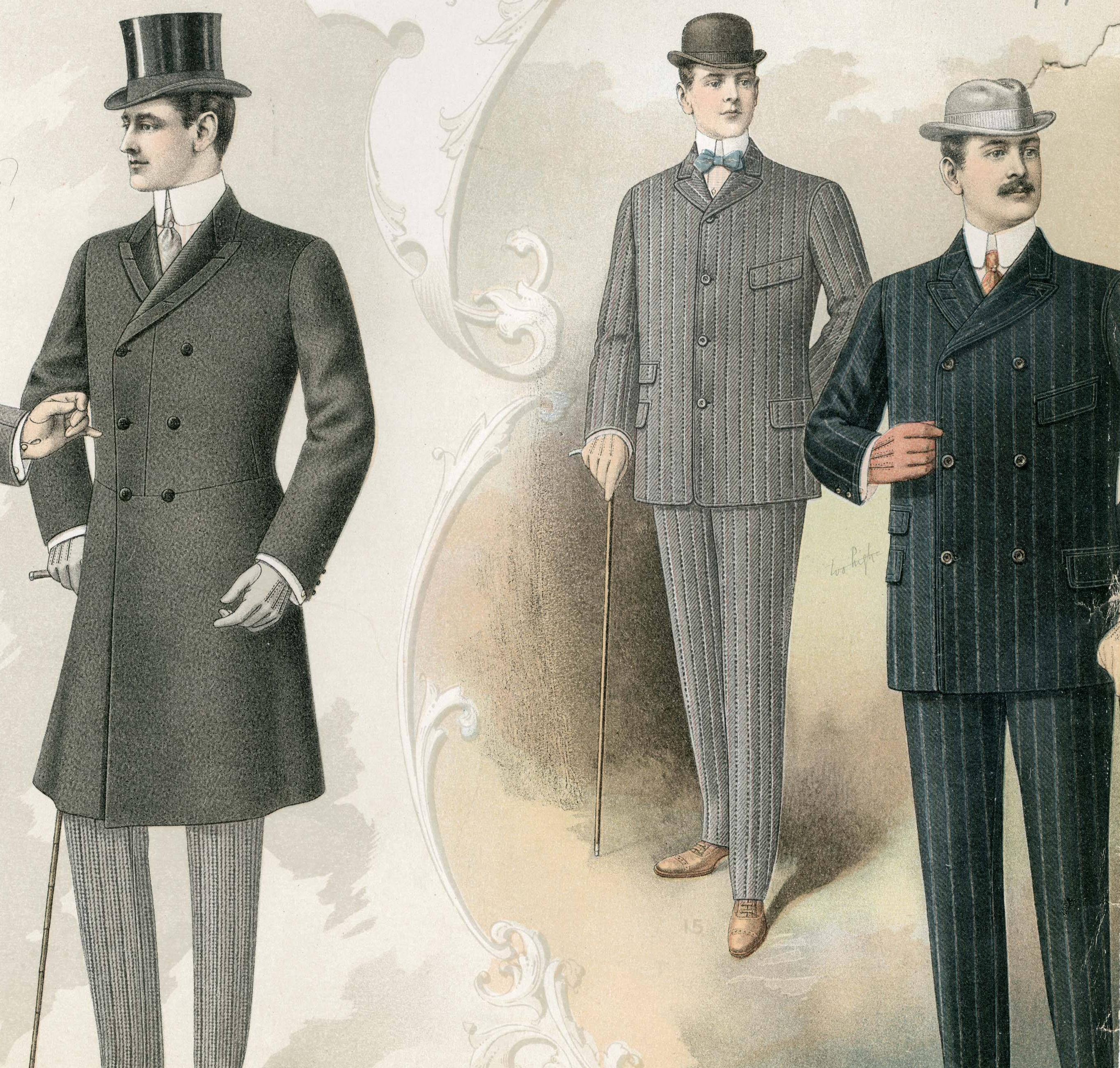
Men wore suits on almost every occasion. The black bowler hat, once the hat of the labourer, was now worn by middle-class men on their way to work in city offices. Woollen flat caps were common everyday wear for working men in Britain. London was the centre of European men's fashion, with the look of the "English gentleman" much copied elsewhere.
As the media industry grew during this period, so did the fashion industry. Fashion magazines showcased new styles and featured sewing patterns. Hollywood silent film stars became the earliest celebrities, influencing people's ideas about how to dress. Paris remained at the centre of women's fashion: its stylists continued to set the trends for women's clothing and Paris fashion shows attracted designers from all over the world looking for inspiration. They took note of details such as changing necklines and hemlines, and tried to recreate the French designs.

1920s
After World War I (1914–18) there was a big change in Western culture. Relief at the end of the war, combined with new advances in technology, art, design and literature, inspired people to dress more daringly and creatively. Women wore loose, floaty dresses with headbands and pearls for both casual and formal occasions.
British and American women gained the right to vote during the 1920s, and increasing numbers of women were going out to work. As they found more freedom and independence in their lifestyles, women also felt freer to express themselves through their clothes. The nickname "flapper" described young women who wore knee-length skirts, listened to jazz, and wore their hair in a short style called a bob.
French fashion designer Coco Chanel (1883–1971) revolutionized women’s fashion during this period, creating stylish, casual outfits that women could wear to move about in freely. She made trousers popular for Western women for the first time.
1930–45
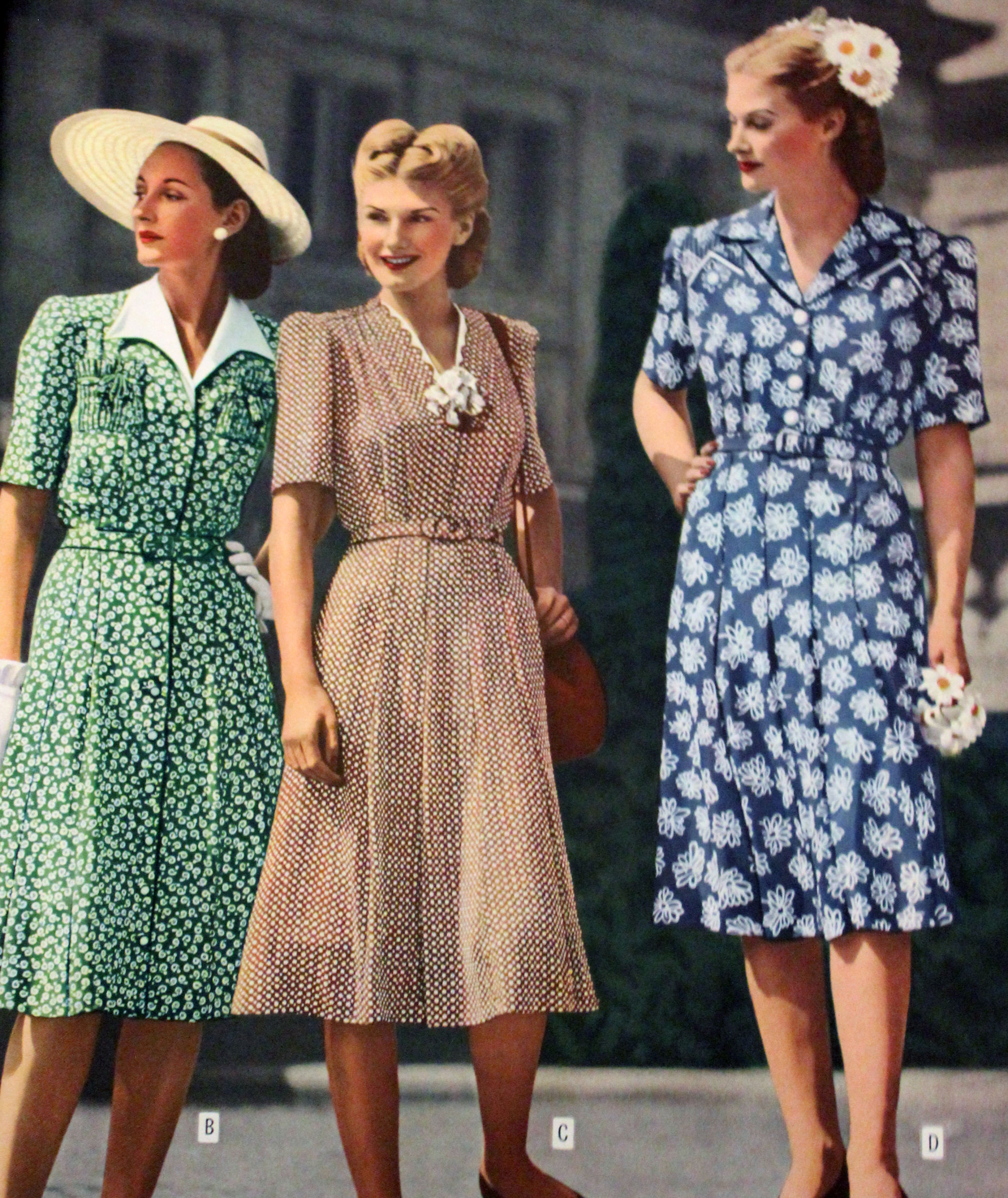
Dress styles for women changed in the 1930s as the fashionable waistline became narrower again. The shirtwaist dress was popular: a knee-length dress styled like a shirt and tied with a belt at the waist. During the Great Depression, women sewed their own clothes to save money while keeping up with changing fashions. The formal dresses of this period were elegant and narrow, and reached to the floor. They were made from shimmering fabrics such as satin and silk.
Nylon stockings (tights) were invented in 1939 and quickly replaced all other kinds. Newly-invented zips replaced buttons on trousers and dresses. During the war, clothing and fabric rationing meant that designs had to be kept simple.

Everyday wear for city men was a suit known as a “lounge suit”. As a more casual outfit, they wore trousers made from a soft woven fabric called flannel. Knitted jumpers in colourful patterns. became popular casual menswear during this time. The most commonly worn men's coat was the trench coat, a long wool coat based on the design of officers' coats in World War I.
Men wore hats on almost every occasion: a smart trilby (narrow-brimmed hat) during the working day and a peaked cap during leisure time.
Post-war clothing
After World War II (1939–45), clothing styles for men and women changed to become more casual still. As people emerged from the war into a changed world, they felt that old “rules” of dress no longer applied. Clothing styles became more and more casual, as people felt freer to express their individuality through their clothes.
In the early post-war years, rationing still applied to clothing, limiting the amount of fabric that could be used in designs. As a result, early postwar clothing was practical and made to last a long time. Trousers had become everyday wear for working women during the war, and women now wore them on both casual and formal occasions.
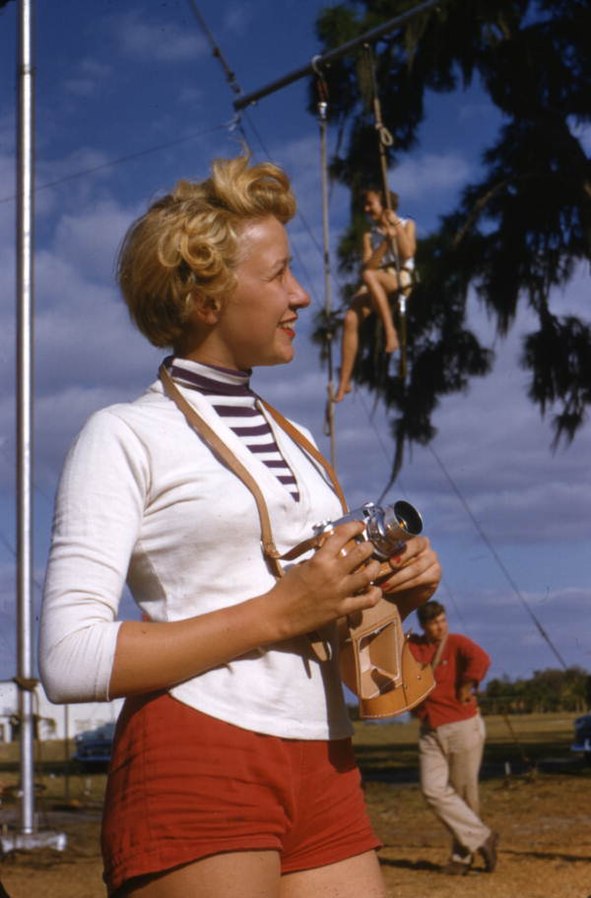
Men wore sports jackets and slacks (loose, straight trousers) for informal occasions. Hats continued to be essential, from flat-topped “pork-pie” hats worn for work, to straw boaters, worn at weekends. Originally designed for fighter pilots in World War II, the bomber jacket became accepted casual wear for young men. Most popular was a lightweight, cotton version called the gabardine, which could be coloured or patterned.
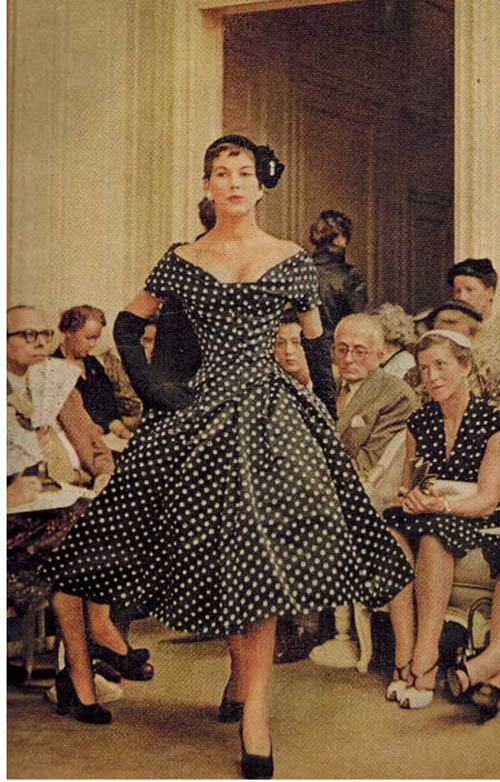
At the end of the 1940s long, full skirts made a sudden comeback in women's fashion. Introduced by the French fashion designer Christian Dior (1905–57), the style became known as the New Look. Dresses in the new style flared out at the waist and were supported by petticoats. A casual version of the look was a full skirt worn with a short-sleeved blouse.
Modern clothing
By the 1950s most people bought their clothing as ready-to-wear pieces from high street shops, or ordered them from catalogues (magazines). For the first time, particular styles emerged for young people, such as blue denim jeans, which became fashionable for both men and women in the 1950s and 60s.
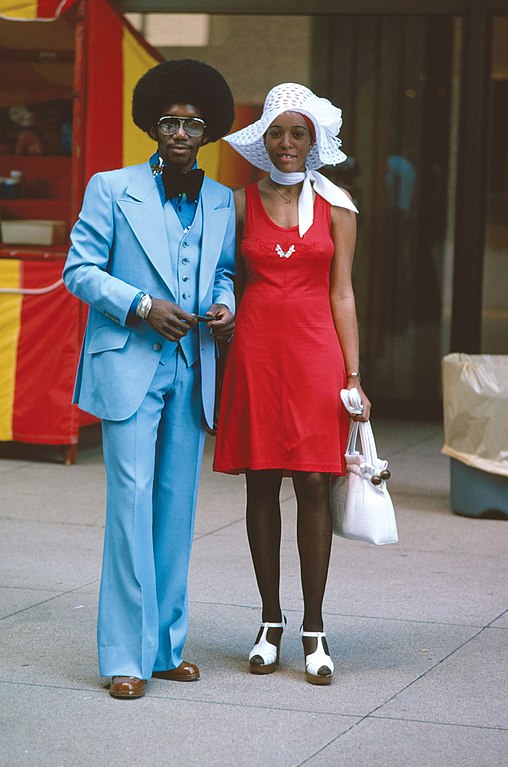
In the 1960s, the fashionable hemline (skirt length) rose to mid-thigh as the miniskirt came into fashion. Also popular was the A-line dress, which was fitted at the top and widened from the waist. It was made in bright, colourful fabrics. Flared trousers, brightly-patterned fabrics and platform shoes were popular for men and women in the 1970s, while in the 1980s, it was fashionable to dress luxuriously, with expensive jewellery. Men’s and women’s jackets had padded shoulders. Fashion in the 1990s was influenced by rock musicians, who made casual outfits such as T-shirts and jeans popular.
The fashion industry today
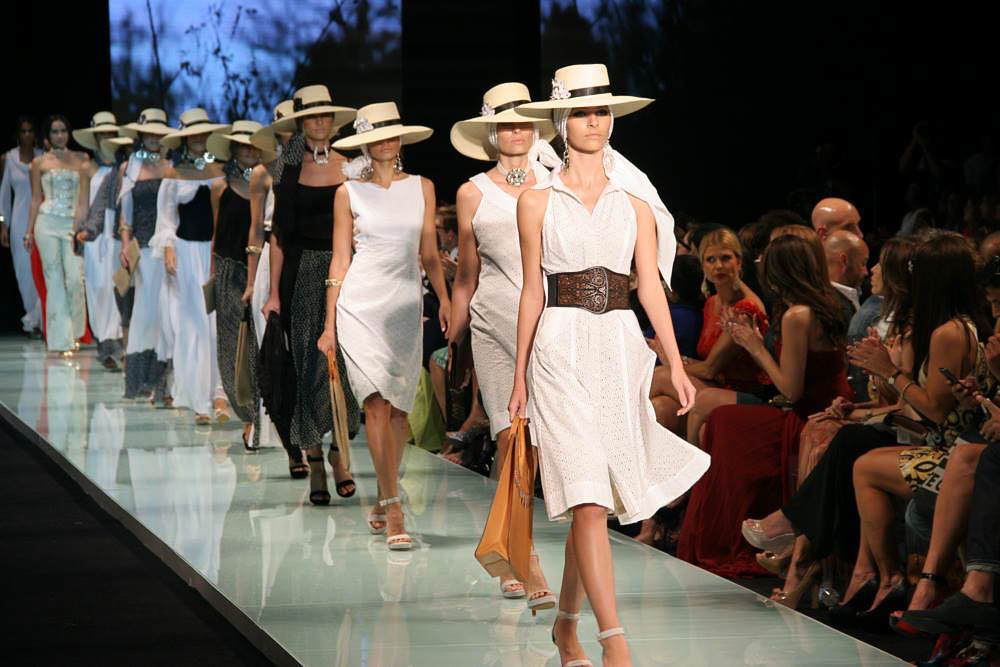
Today’s fashion styles vary from year to year, inspired by the different styles that have come and gone during the 20th century. The world's major fashion centres are Paris and London, along with Tokyo, Milan and New York. These cities host the most influential fashion shows, where each season, designers show off their latest collections of clothing. The trends trickle down into high street shops, where people can buy more affordable clothes inspired by the designer clothes seen on the catwalk. The internet and social media have also played their part in changing the way fashion trends spread.