
Weather and climate
Climate since the Ice Ages
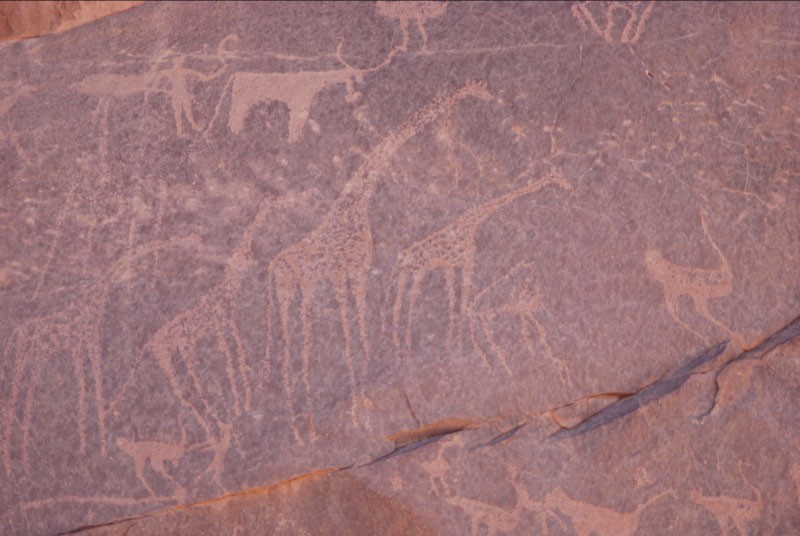
Since the end of the Ice Ages, around 10–12,000 years ago, there have been periods when the Earth's climates have varied. Up to around 6000 years ago, northern Africa was much wetter than it is today. The Sahara was not desert at all, but "Green Sahara", a region of savanna grasslands and forested mountains, dotted with lakes and inhabited by animals such as giraffe, hippos and crocodiles—and humans. The Sahara's climate at the time was similar to that of those regions of the world, such as the Indian subcontinent, that experience monsoons today: warm winds blowing over the ocean bringing heavy rainfall at a certain time of the year.
Medieval Warm Period
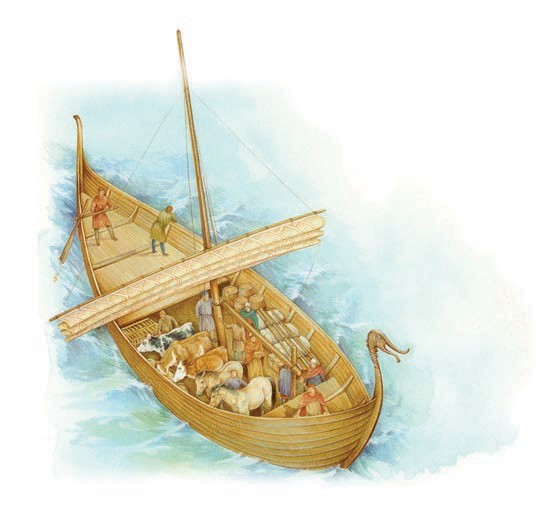
Between about AD 800 and 1300, during the European Middle Ages, the average temperatures were higher across the world. The Vikings took advantage of ice-free seas to explore the North Atlantic Ocean. Norse sagas describe how they settled Greenland in the 9th century AD, farming land now totally unsuitable for cultivation. In an area called Vinland, probably Newfoundland, the Vikings reported grape vines growing. This is known as the Medieval Warm Period.
Little Ice Age
What is sometimes called the Little Ice Age took place between 1550 and 1850. It consisted of three cold periods separated by intervals of slight warming. In the mid-17th century, glaciers in the Swiss Alps advanced, engulfing farms and villages. The River Thames and rivers of the Netherlands often froze over during the winter; people even held frost fairs on the ice.
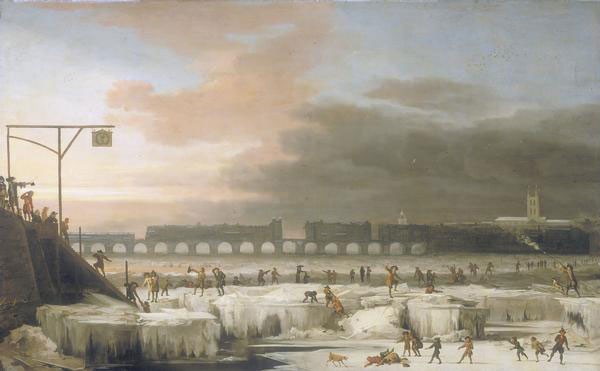
Parts of the Bosporus, the narrow strait between the Black Sea and the Aegean Sea, froze in 1622. In 1658, the Baltic Sea iced over, making it possible to travel by sledge from Poland to Sweden, even staying in temporary inns on the way. In the winter of 1780, New York Harbor froze, allowing people to walk from Manhattan to Staten Island.
How do we know?
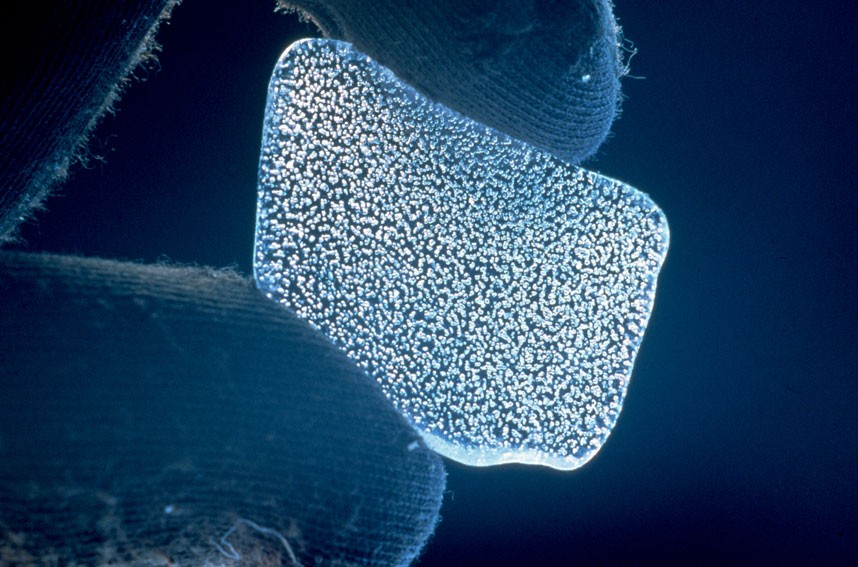
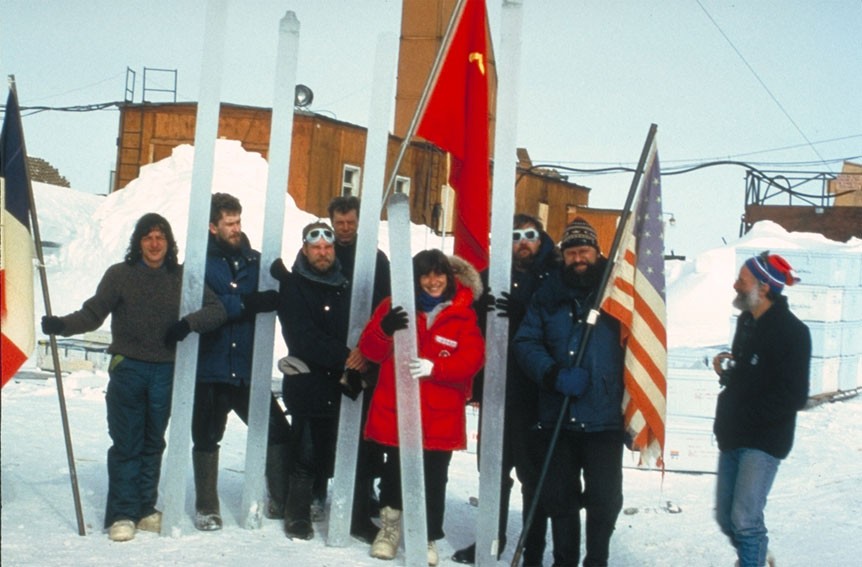
There are several methods used by scientists to reconstruct the temperature record before modern times. Studying ice cores, ocean and lake sediments, coral reefs, cave deposits, archaeological evidence of settlements, rock art, fossils, pollen and growth rings in trees, all give scientists clues as to what climates over the last 10,000 years would have been like.
Historical records also exist since the origins of writing around 5000 years ago. They include: records of good and bad harvests; dates of spring blossom or lambing; reports of extraordinary falls of rain and snow and unusual floods or droughts.
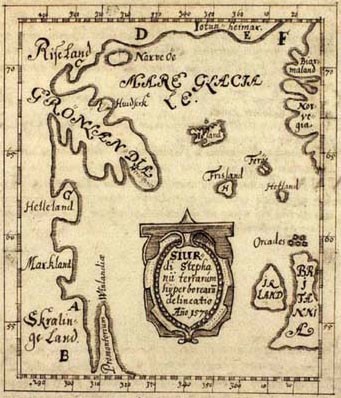
Norse sagas—written down many years after the Vikings undertook their great voyages across the North Atlantic Ocean—and maps featuring their discoveries provide evidence of how the warmer climate during the Medieval Warm Period allowed settlers to reach and colonize distant lands that were previously inaccessible to them.
Consultant: Ian Fairchild