
South America
Falkland Islands
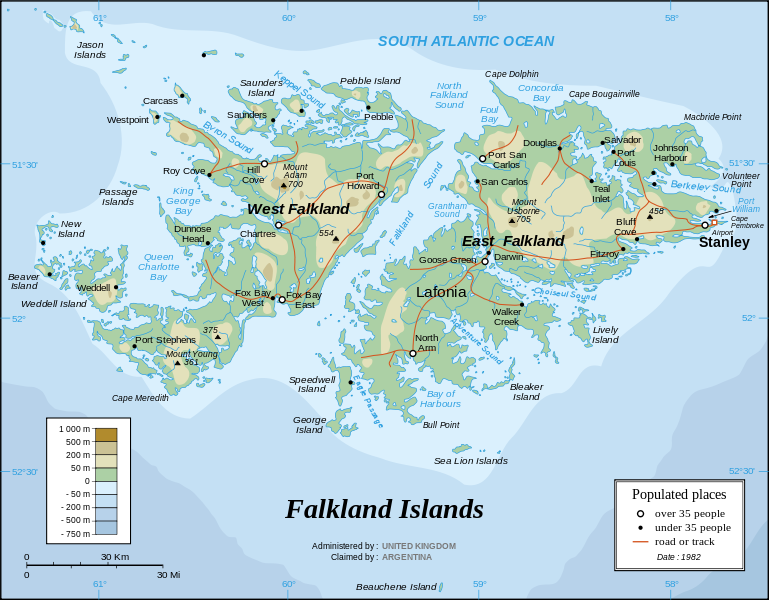
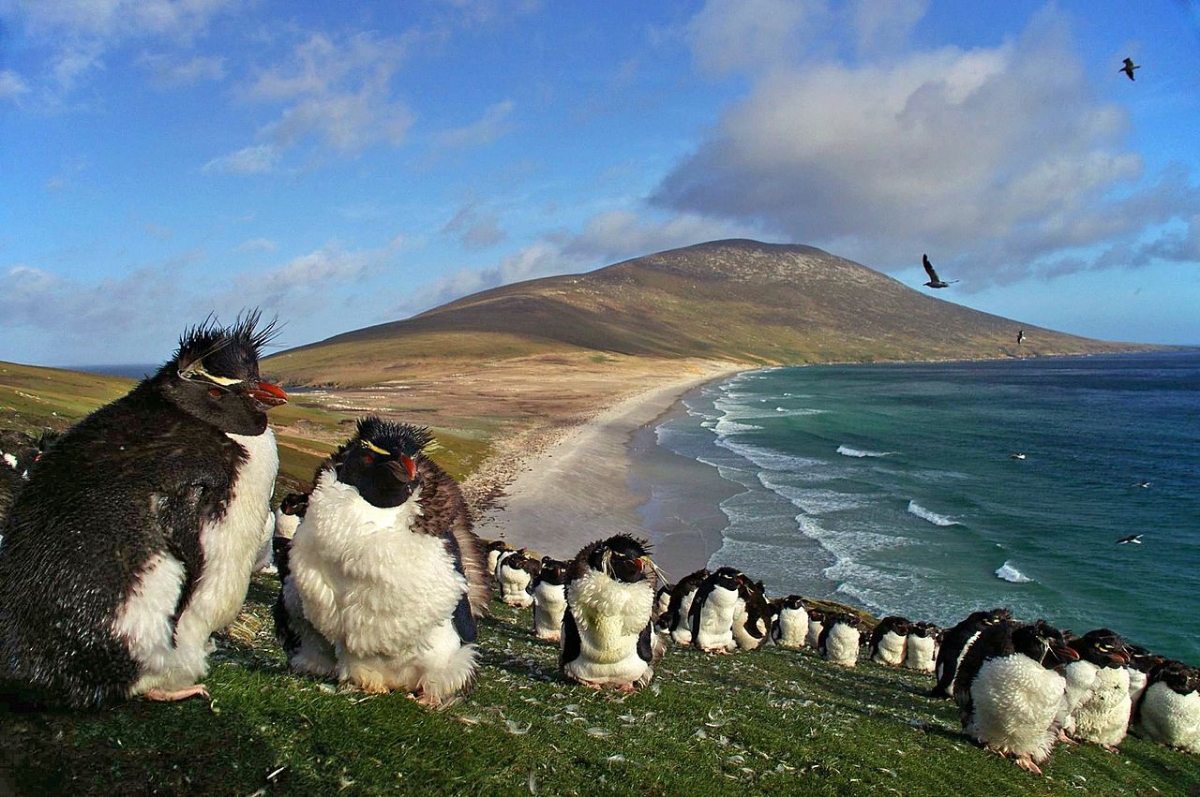
The Falkland islands are a group of islands (called an archipelago) in the South Atlantic Ocean, lying 500 kilometres (311 miles) off the eastern coast of Patagonia in southern Argentina. The two main islands, East and West Falkland, are separated by the Falkland Sound. Another 776 smaller islands make up the group. The windswept, hilly landscape is mostly tundra, with very few trees. The climate is cold and wet, and it can snow nearly all year round. The Falkland Islands are a British Overseas Territory: they are a possession of the UK, but have their own government. Since the 19th century, their ownership has been disputed. Argentina lays claim to the islands, which it calls the Islas Malvinas, on the basis that it acquired them from Spain when it achieved independence in 1816.
People
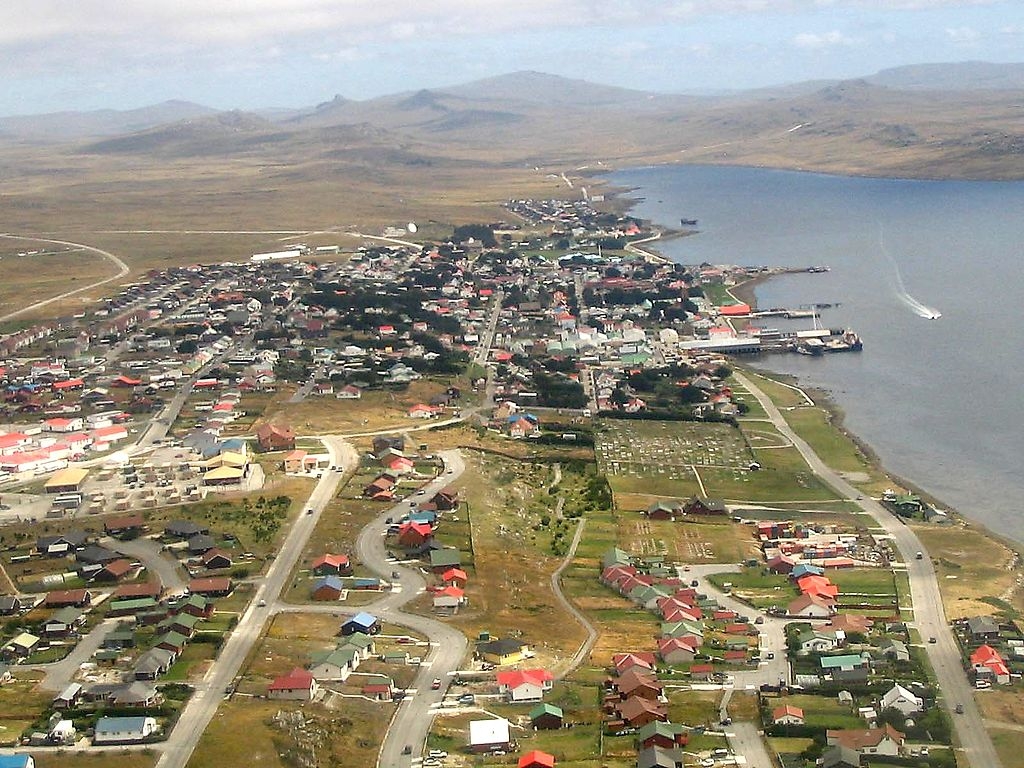
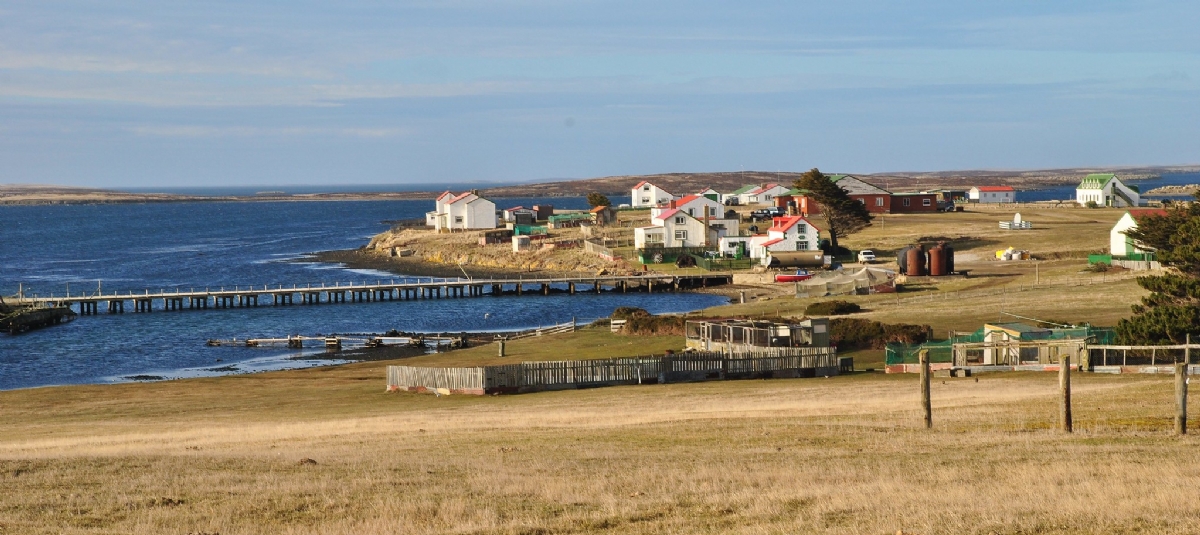
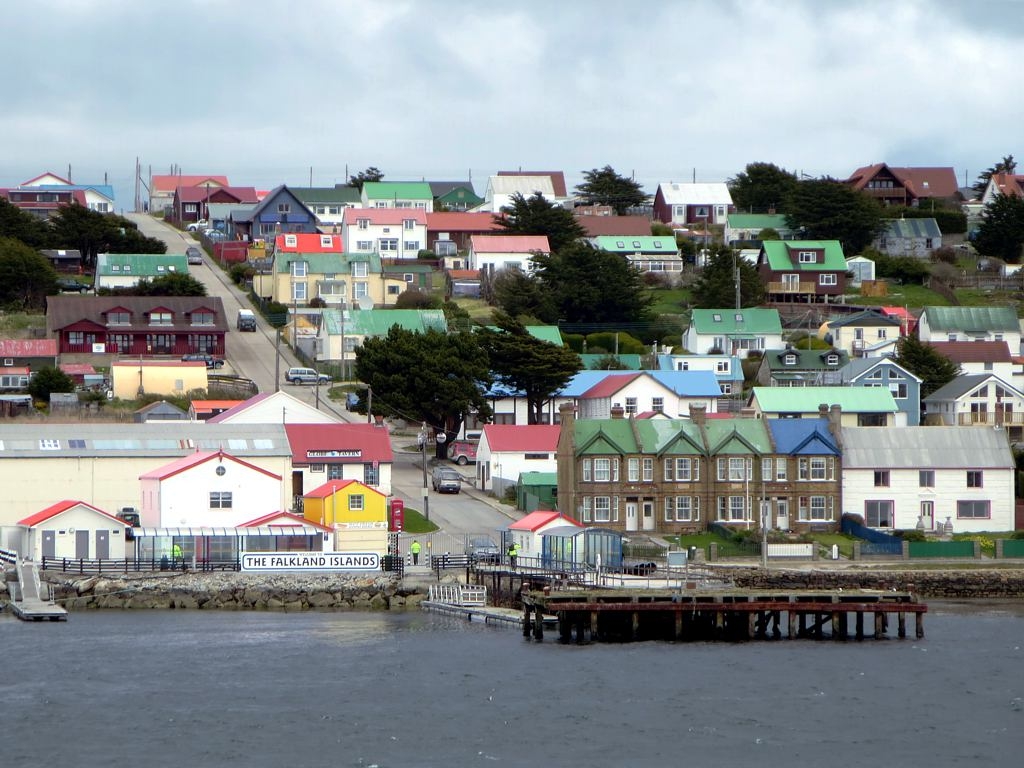
More than three-quarters of the islanders live in and around Stanley, the capital and the only major town (now officially a city) on the islands. Most are of British (mainly Scottish and Welsh) descent, while others come from Chile and the Atlantic island of St Helena. The islanders are British citizens, and have close links with the UK. Children attend primary and secondary school on the islands, but for their final years of education they most travel around 20,000 kilometres (12,000 miles) to study in Britain.
Economy
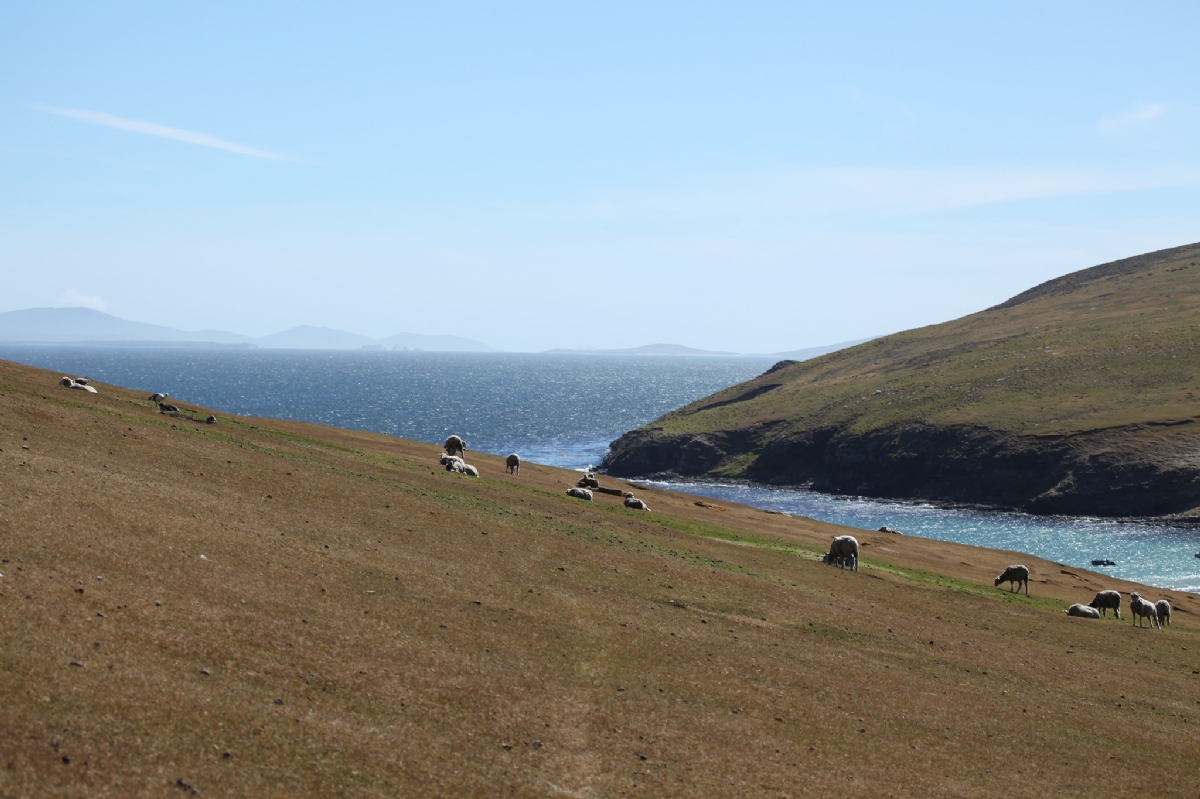
Sheep farming is the traditional industry of the Falklands. Sheep have been kept for their wool for generations, and they can be seen grazing all over the islands. Fishing is another important source of income. The waters around the islands have plentiful squid, and the Falklands government sells fishing rights to other countries to allow them to fish here. Since the 1980s tourism has increased: cruise ships visit the Falklands on their way to Antarctica.
Falklands War
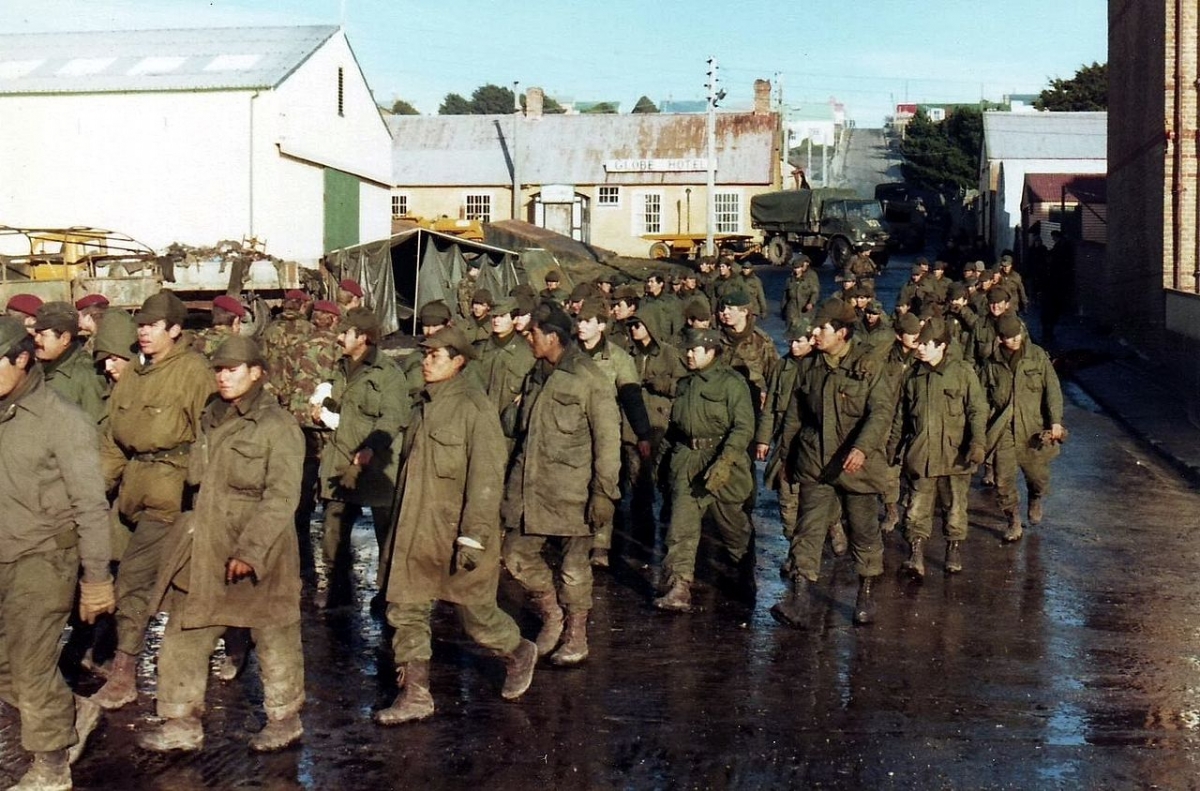
In April 1982, following the collapse of talks about the islands' sovereignty, Argentina invaded and occupied the Falklands. Britain sent more than 100 ships and 28,000 troops to reclaim the islands, and bitter fighting ensued. Much of the battle was fought in the seas around the islands, but for the final three weeks, troops fought on land for control of the capital, Stanley. After 10 weeks of fighting, the British retook control of the islands. Altogether, 655 Argentinian and 255 British soldiers died in the war, as well as three islanders. Today, Argentina maintains its claim to the islands, although it has agreed not to invade them.
South Georgia
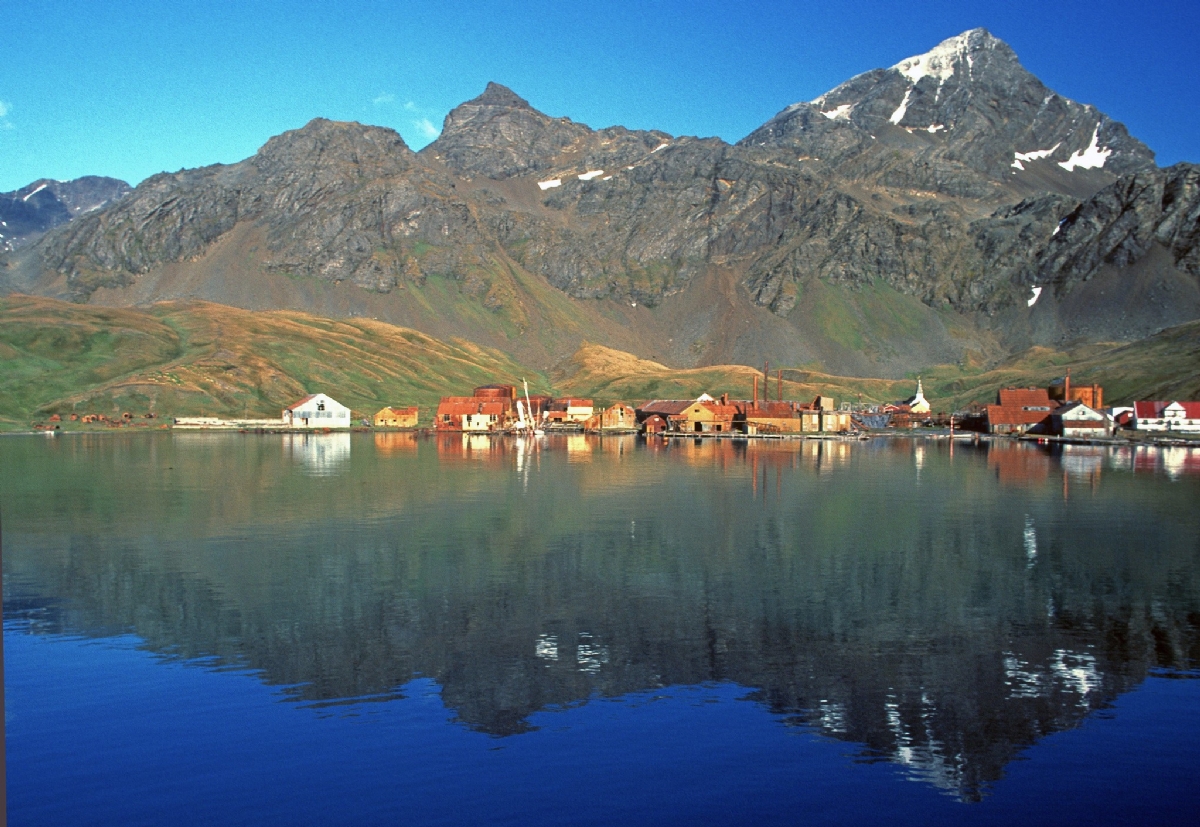
Lying 1300 kilometres (800 miles) southeast of the Falklands are South Georgia and the South Sandwich Islands. Once part of the Falkand Islands Dependencies, they have made up a separate British Overseas Territory since 1985. South Georgia is the largest island. It has a rocky, mountainous landscape (highest point, Mount Paget 2934 metres / 9626 feet), much of which is permanently covered with snow.
Once home to several whaling stations, no one lives on the island permanently since whaling ended in 1965. Researchers spend time on South Georgia studying its climate, marine mammals and bird life. Large numbers of king penguins, as well as albatrosses and petrels, live on the island.
Consultant: Nicholas Harris
Facts about the Falkland Islands
Population 3670
Area 12,173 sq km (4700 sq miles)
Highest point Mount Usborne 705 m (2313 ft)
Capital Stanley (pop. 2458)
Languages English, Spanish
Religions Christian 57%, others 7%, none 35%,
Ethnicity Falkland Islander 48.3%, British 23.1%, St Helenian 7.5%, Chilean 4.6%, mixed 6%, other 8.5%, unspecified 2%
Currency Falklands pound (FKP)
Chief exports wool and animal products, fish, squid

History of the Falkland Islands
1592
The islands are first sighted by an English navigator aboard the ship "Desire"
1690
English captain John Strong lands on the islands and makes observations about their wildlife. He names the strait that divides the main islands Falkland Sound, after Viscount Falkland
1764
French settlers establish Port Louis on East Falkland. The islands are named Îles Malouines after the port of Saint-Malo in Brittany, France
1766
British settlers establish Port Egmont on Saunders Island (off West Falkland), claiming "Falkland's Islands" for the British crown. The French pass control of their territory to Spain
1770
Spanish capture Port Egmont, but avoid hostilities by returning it to the British the following year
1774
British withdraw from the islands
1775
James Cook claims South Georgia for Britain
1806
The islands’ governor evacuates British islanders. Five years later (1811), the Spanish evacuate their islanders as well. Only a few settlers and fishermen remain on the islands.
1816
On becoming independent from Spain, Argentina claims Spanish territories in the South Atlantic, including the Falklands (Malvinas).
1833
Britain forces arrive on the islands and re-assert the British claim
1840
The Falklands become a Crown colony, and Scottish settlers arrive to graze sheep.
1843
Work on settlement of Port Jackson begins. It is renamed Stanley and becomes capital in 1845.
1904
Whaling station and first permanent settlement established on South Georgia at Grytviken
1982
Argentina invades the Falkland Islands and South Georgia. British forces defend them by air and sea in the Falklands War
1995
Argentina agrees that it will no longer try to settle the islands by force
2013
99.8% of Falkland islanders vote to remain under UK sovereignty in a 2013 referendum (public vote).
2022
To mark Queen Elizabeth II's platinum jubilee, Stanley (population 2458) is granted the status of a city.