
Romans

CITE
We have made every effort to follow citation style rules, but there may be some minor differences. If in doubt, please refer to the appropriate citation style manual.
Palmyra. (2025). In Q-files Encyclopedia, History, Romans. Retrieved from
https://www.q-files.com/history/romans/palmyra
"Palmyra." History, Romans, Q-files Encyclopedia, 30 Jul. 2025.
https://www.q-files.com/history/romans/palmyra.
Accessed 21 Sep. 2026.
Palmyra 2025. History, Romans. Retrieved 21 September 2026, from
https://www.q-files.com/history/romans/palmyra
History, Romans, s.v. "Palmyra," accessed September 21, 2026.
https://www.q-files.com/history/romans/palmyra


Palmyra
Palmyra (known as Tadmur in Arabic) grew up around an oasis in the Syrian Desert, to the northeast of Damascus. It was a resting place for traders travelling across the Syrian Desert more than 3000 years ago. Once a city in the Greek Seleucid kingdom, it came under the control of the Romans in the first century AD. In 129, Emperor Hadrian declared it a free city, and it later became a high-status colonia, granted exemption from taxes. Palmyra prospered and grew in importance from its location on the trade route linking Persia, India and China with the Roman Empire. Its monumental architecture reflected this importance.

Temples, columns and towers

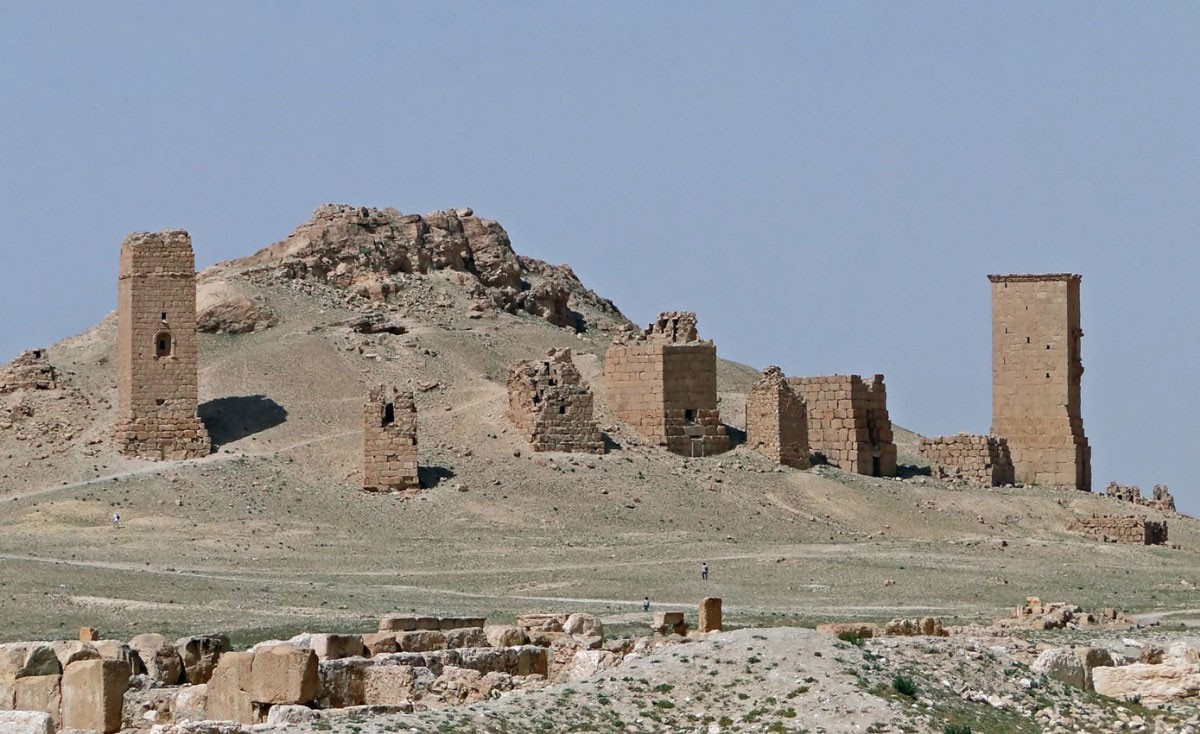
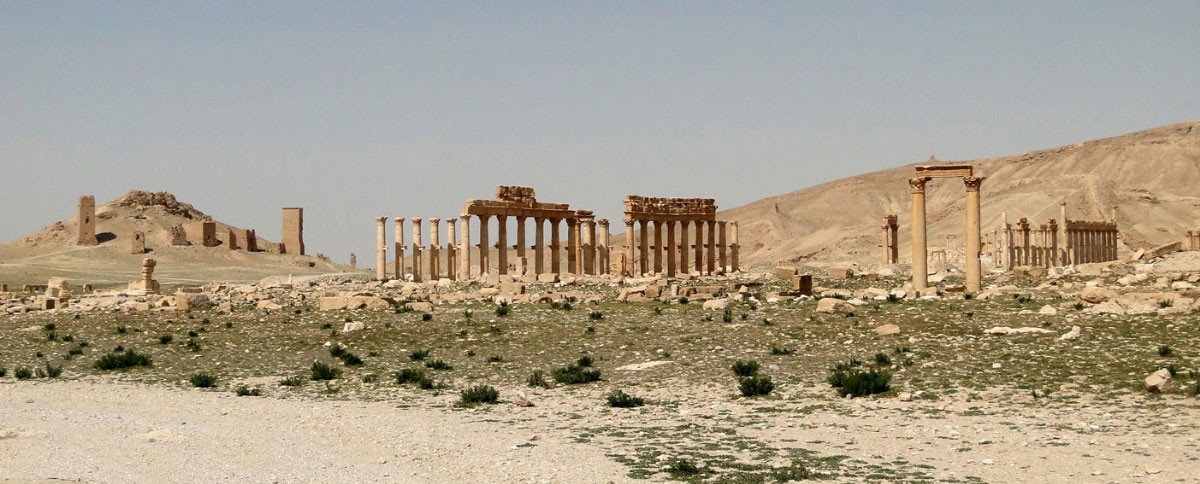
Palmyra's main street, lined with columns—the Great Colonnade—runs for more than a kilometre from one end of the city to the other. The Temple of Bel, the Agora, the Theatre, the baths and other temples were built on this or adjoining streets. An aqueduct was constructed outside the city's walls. The Valley of Tombs, a vast necropolis, or cemetery, containing more than 50 huge towers, lies to the west of the city.
Later history
Following a rebellion led by the Palmyrene queen Zenobia, who declared the city's independence from Rome in 270, Emperor Aurelian reconquered it in 272 and destroyed it in 273. The Camp of Diocletian, a castra or fort, was built as a permanent base for a Roman legion.
By the 7th century, Palmyra had come under Muslim rule, first by the Umayyads, then the Abbasids. The city was attacked by the Mongol leader Timur in 1400 and left in ruins. Forgotten in the West until the 18th century, archaeological excavations began in 1902. The site of Palmyra, including the necropolis, was declared a World Heritage Site by UNESCO in 1980.

Syrian Civil War
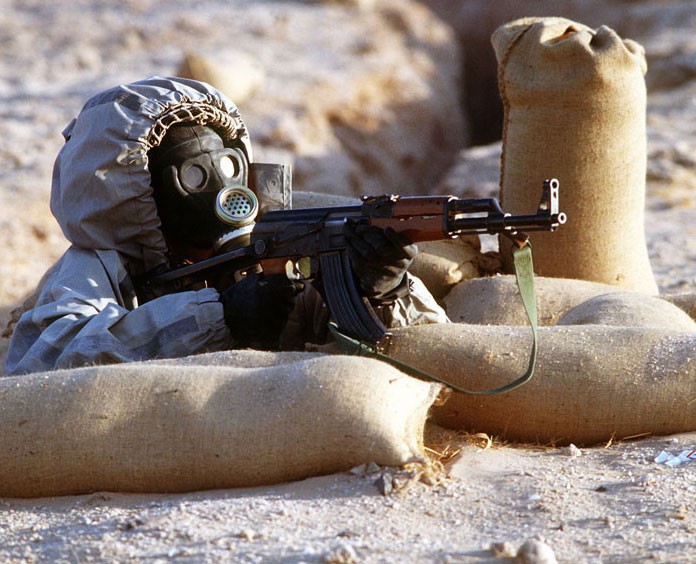
Palmyra once more came under threat since its capture by the Islamic State (Isis) on 21st May 2015. Palmyra had already experienced looting and damage to its precious buildings earlier in the Syrian Civil War. Used as a base for Syrian government troops since 2012, it suffered damage from trench digging and shelling where the Roman columns were used as protective barriers.
It was feared that the jihadi extremists Isis would destroy Palmyra, as they had other ancient monuments and sculptures. When Syrian government troops retook Palmyra in March 2017, it was found that the temples of Bel and Baalshamin had indeed been destroyed by Isis, along with many treasures kept at the site. The Restoration of some of the monuments damaged began in the 2020s. After the fall of the Assad government in December 2024, Palmyra came under the control of the Syrian Free Army.
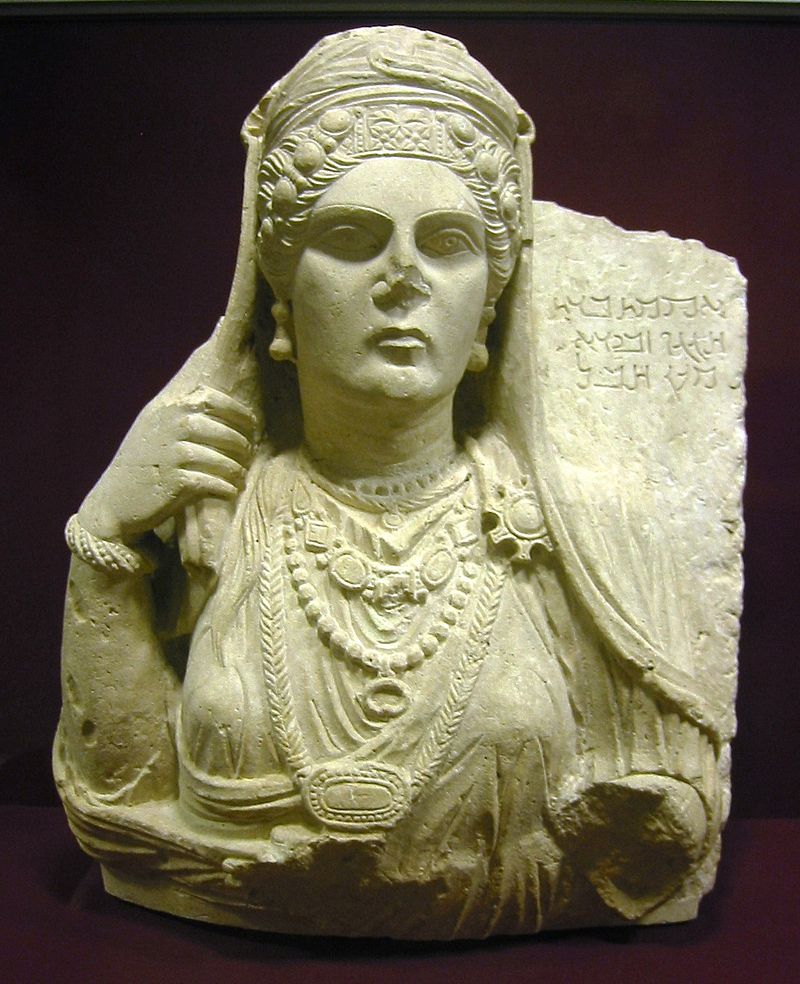
Looting and illegal trading of valuable items stolen from the Palmyra site has surged since the overthrow of former president Assad. The items include ancient coins, mosaics and stone busts. Widespread poverty in Syria and the collapse of security are the causes.
Consultant: Philip Parker
pics
Without in any way limiting Q-files Ltd’s exclusive rights under copyright, any use of this publication to “train” generative artificial intelligence (AI) technologies to generate text is expressly prohibited. Q-files Ltd reserves all rights to license use of this work for generative AI training and development of machine learning language models.