
Q-news
Extreme heat is pushing global food production to the brink, a new UN report warns
A UN report, produced jointly by the Food and Agriculture Organization (FAO) and the World Meteorological Organization (WMO), has warned that farming is being "pushed to the brink" by extreme heat—the result of human-caused climate change. Severe heatwaves in regions of the world with already hot climates, including much of India and south Asia, sub-Saharan Africa and Central and South America, are becoming more frequent, intense and prolonged. As a result, by the end of the century farmers will be unable to work outside for 250 days of the year. The excessive heat is also likely to reduce crop yields, while death rates among livestock are expected to rise. All this is threatening the livelihoods of more than a billion people worldwide.
23rd April 2026

Impact of heatwaves on farming


Outdoor workers face some of the greatest health risks during periods of extreme heat. Workers in India, where there are roughly 260 million farm labourers, are likely to be among the most vulnerable. By 2050, 94% of the country’s population could face more than 100 days in a year when at least one hour exceeds 28°C (82.4°F), the level that is considered safe for “moderate” work.
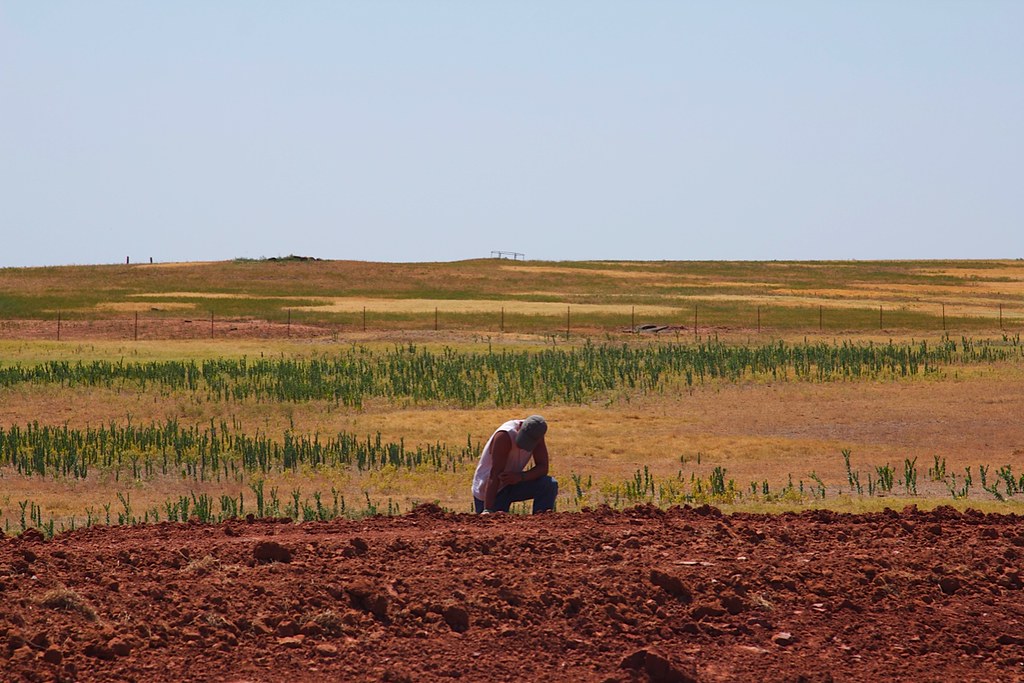
The report also highlights how heatwaves—prolonged periods of unusually high day and night temperatures—are affecting crops, livestock, fisheries and forests. The impact of extreme heat is already being felt. For many major crops, yields begin to decline above 30°C (86°F) as plant structures become weaker with the heat. The yields of maize in some areas have already declined by about 10%.
Some livestock experience stress at even moderate temperatures—particularly pigs and poultry, which cannot sweat to cool themselves naturally. The result is reduced milk production and, in severe cases, organ failure and death.

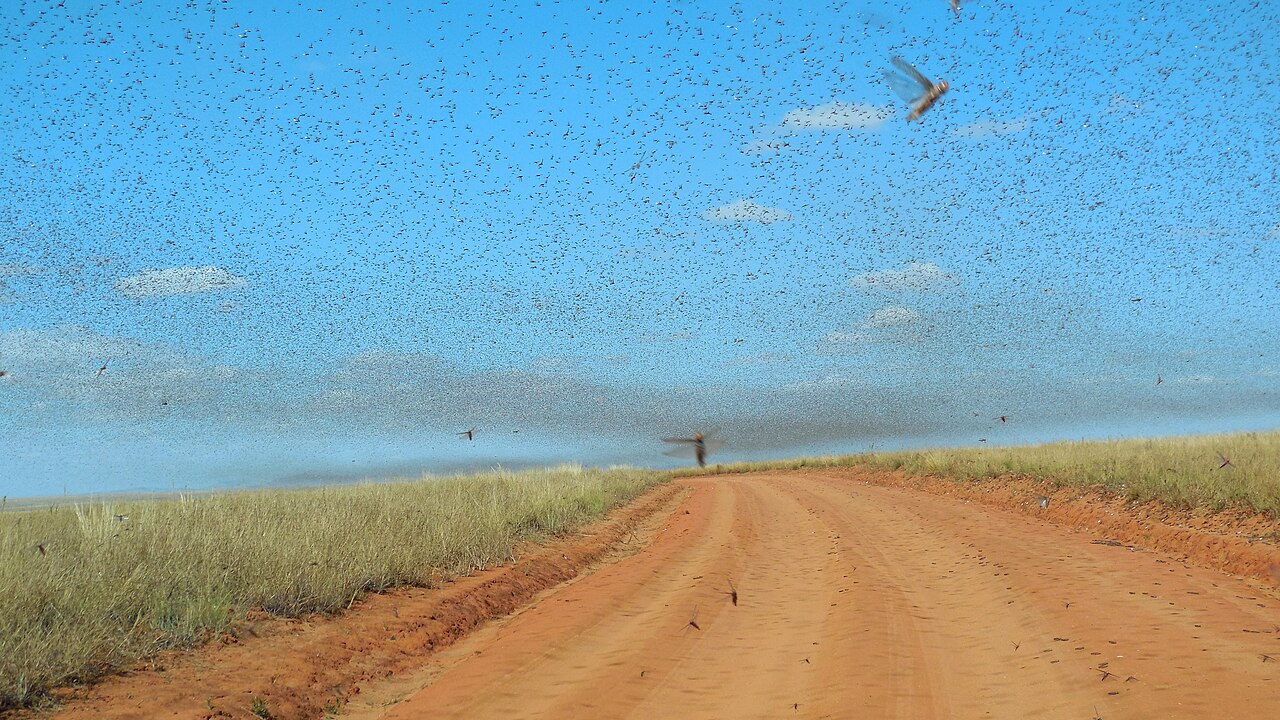
Extreme heat can trigger drought, increase the risk and severity of wildfires, and accelerate the spread of pests and diseases. A 2025 heatwave in Kyrgyzstan, for example, saw temperatures rise around 10°C above normal. It led to a 25% fall in cereal harvests, while also triggering locust swarms and reducing the amount of water available for irrigation.
More than 90% of the oceans worldwide experienced at least one marine heatwave in 2024. The rising temperatures reduces the level of dissolved oxygen in the water, leading to a collapse in fish stocks.
The UN report calls for urgent measures, including the planting of crops that are more suited to higher temperatures. It urges the introduction of early warning systems and training in new farm management practices to help farmers to adapt to the changing conditions.

How a heatwave forms

A heatwave is caused by what meteorologists describe as a "heat dome", an area of high pressure in the upper atmosphere lasting for several days up to several weeks. As warm air tries to rise, the high pressure system lying above it pushes it back down to the Earth's surface. The air becomes denser and hotter as it is compressed. At the same time, the heat dome shuts off the normal flow of any cool air flowing inwards from the ocean.