
Chemistry
Why do cakes rise when they are baked?
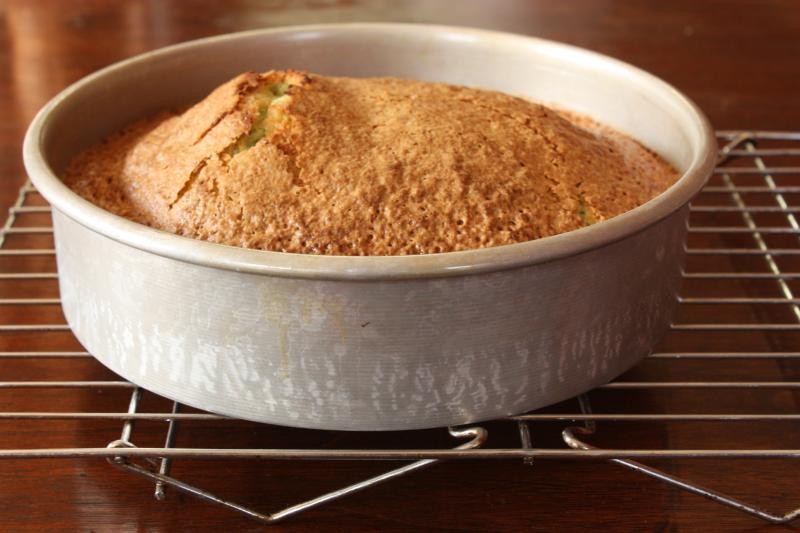
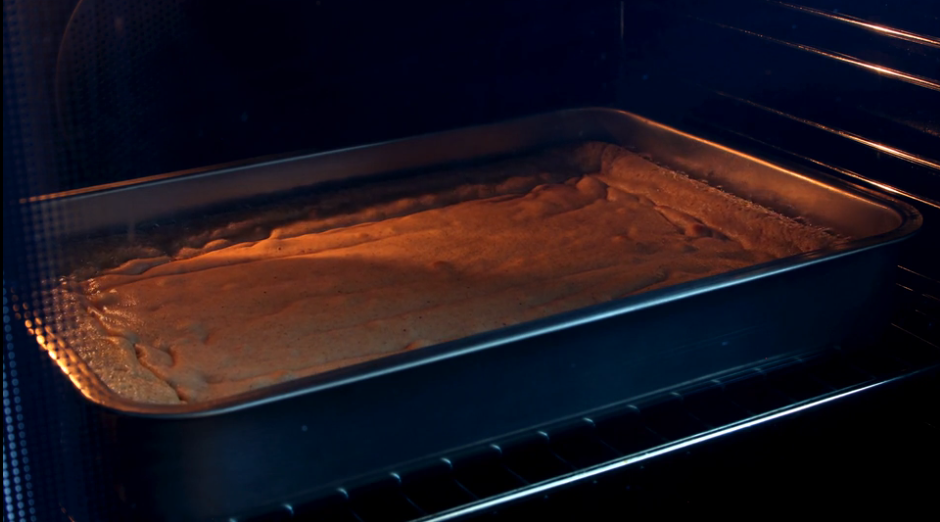
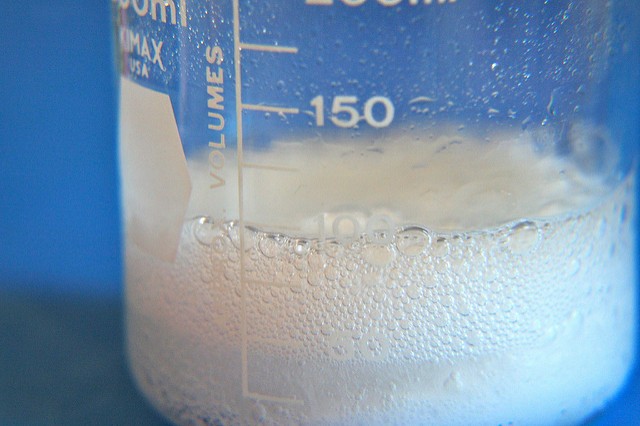
To make a cake, you add baking powder to the cake mixture. Baking powder is a mixture of bicarbonate of soda, which is alkaline, and tartaric acid. When the baking powder dissolves in the runny cake mix, the chemicals in it react. As a result, carbon dioxide is released as a gas. The gas expands, forming bubbles in the cake mixture. This gives the cake extra volume as it bakes in the oven: it rises. The resulting texture is (or should be) light and fluffy. The chemical equation for this reaction is this: 2NaHCO3 → Na2CO3 + CO2 + H2O
Consultant: Mike Goldsmith
Other Q-&-As to explore:
For a full list of all our Q&As, please click here.
If you have a question that you would like to see answered on Q-files, please send us an email to info@Q-files.com or use the contact us page.