
Myths and legends

CITE
We have made every effort to follow citation style rules, but there may be some minor differences. If in doubt, please refer to the appropriate citation style manual.
El Cid. (2026). In Q-files Encyclopedia, Culture, Myths and legends. Retrieved from
https://www.q-files.com/culture/myths-and-legends/el-cid
"El Cid." Culture, Myths and legends, Q-files Encyclopedia, 13 May. 2026.
https://www.q-files.com/culture/myths-and-legends/el-cid.
Accessed 6 Aug. 2026.
El Cid 2026. Culture, Myths and legends. Retrieved 6 August 2026, from
https://www.q-files.com/culture/myths-and-legends/el-cid
Culture, Myths and legends, s.v. "El Cid," accessed August 6, 2026.
https://www.q-files.com/culture/myths-and-legends/el-cid


El Cid
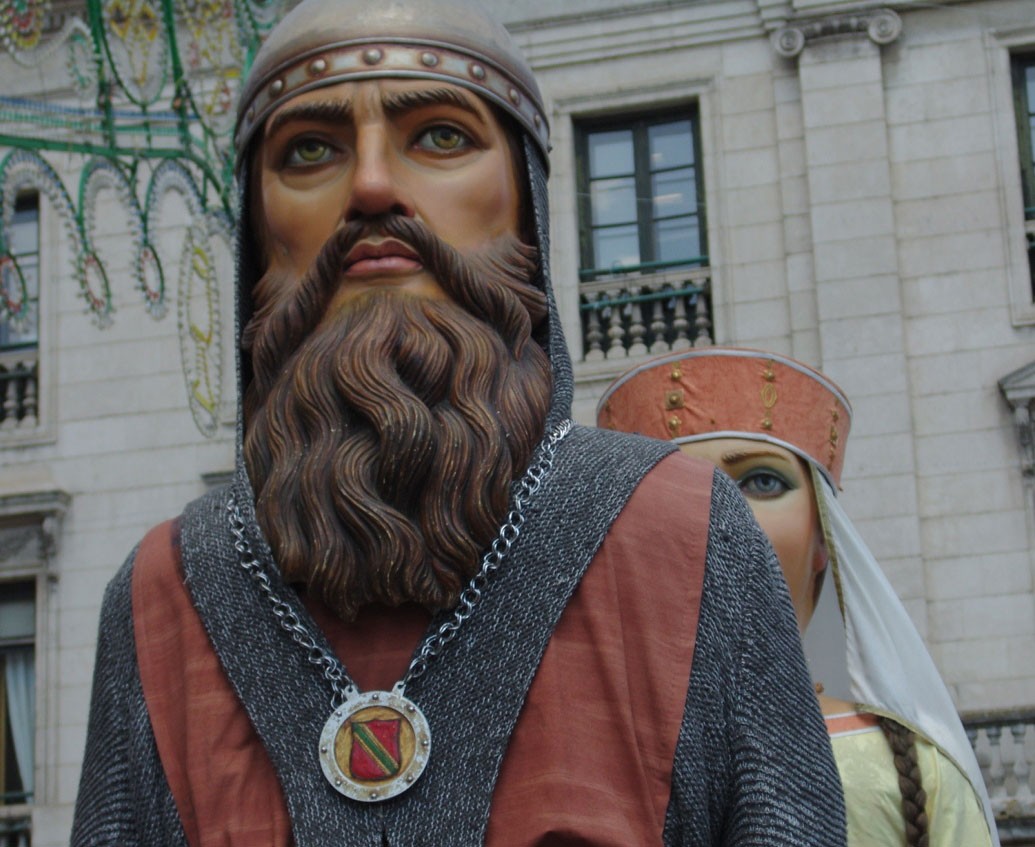
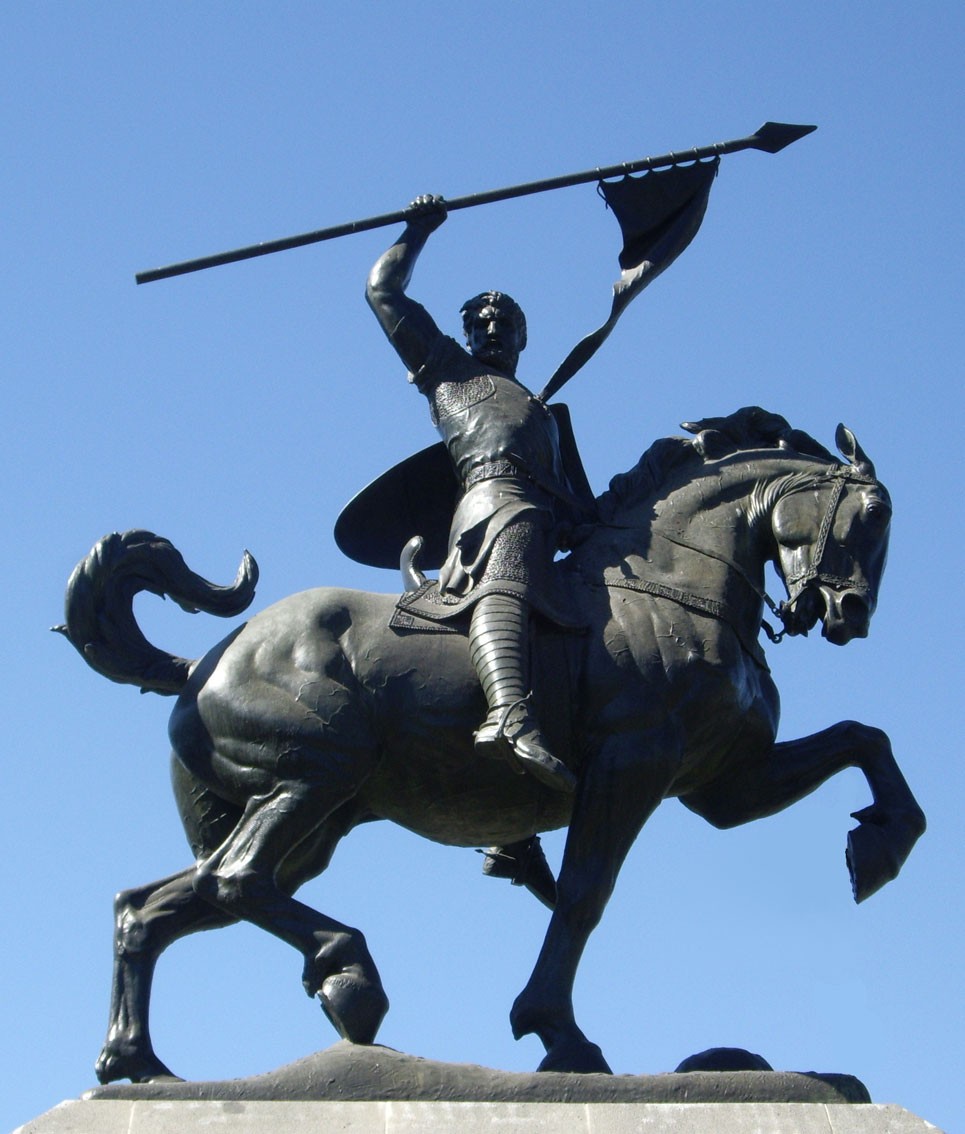
El Cid was another name for Rodrigo Díaz de Vivar (1043–99), the great military leader and Spain's national hero. He fought for and against both Spanish kings and the Muslim rulers of Spain. The Moors, the Muslim inhabitants of Spain and North Africa during the Middle Ages, gave him the name El Cid, from an Arabic word meaning "Lord”, in honour of his military prowess. Christians of the same period called him El Campeador, “Champion”. His exploits inspired many legends and poems written by both Muslims and Christians.
The Life of El Cid
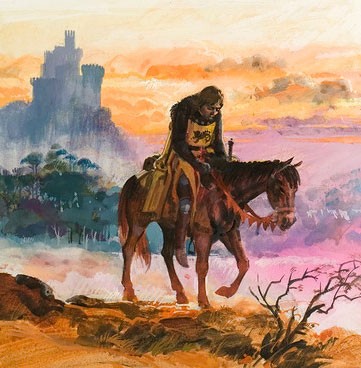
Rodrigo Díaz was the son of a Spanish nobleman. He was born in Vivar, a town near Burgos in northern Spain. His early years were spent in the service of Sancho, a son of King Ferdinand I. After Ferdinand’s death, his sons quarrelled over who should rule the kingdom. With El Cid commanding his troops, Sancho defeated his brothers and became king. Sancho died in 1072 and was succeeded by his brother Alfonso, who after initially deciding to employ El Cid, later exiled him from his kingdom.

El Cid then offered his services to the Moorish ruler of Zaragoza in northeastern Spain. El Cid defeated large armies led by the kings of Lérida and Aragon then, in 1090, began a series of campaigns to gain control of Valencia in eastern Spain from the Almoravid rulers of North Africa. After several battles and a long siege, he eventually captured the city in 1094. El Cid ruled Valencia for five years, making it a haven for Christian settlers. He won several more victories over his enemies until his death in 1099.
Hero or villain?
After his death, Diaz was celebrated in stories written by both Christian and Muslim authors as a courageous warrior and hero who never lost a battle. The most famous was the epic poem Cantar de Mío Cid (Song of the Cid), written around 1140.
Some later stories, however, describe El Cid as dishonourable and a traitor to his country. He was even accused of killing a man who took sanctuary in a church—considered a criminal act in the Middle Ages.

In Las mocedades de Rodrigo (The Youthful Exploits of Rodrigo), written about 1350, El Cid fights the French, the German emperor and the pope. The work includes a tale in which El Cid shelters a leper, who later reveals himself to be St Lazarus and promises El Cid that God will always help him.
Consultant: Philip Wilkinson
pics

Without in any way limiting Q-files Ltd’s exclusive rights under copyright, any use of this publication to “train” generative artificial intelligence (AI) technologies to generate text is expressly prohibited. Q-files Ltd reserves all rights to license use of this work for generative AI training and development of machine learning language models.