
Myths and legends

CITE
We have made every effort to follow citation style rules, but there may be some minor differences. If in doubt, please refer to the appropriate citation style manual.
Atlantis. (2026). In Q-files Encyclopedia, Culture, Myths and legends. Retrieved from
https://www.q-files.com/culture/myths-and-legends/atlantis
"Atlantis." Culture, Myths and legends, Q-files Encyclopedia, 13 May. 2026.
https://www.q-files.com/culture/myths-and-legends/atlantis.
Accessed 22 Sep. 2026.
Atlantis 2026. Culture, Myths and legends. Retrieved 22 September 2026, from
https://www.q-files.com/culture/myths-and-legends/atlantis
Culture, Myths and legends, s.v. "Atlantis," accessed September 22, 2026.
https://www.q-files.com/culture/myths-and-legends/atlantis


Atlantis
According to the ancient Greeks, Atlantis was an island that once lay in the Atlantic Ocean. It was once a paradise, but then sank into the sea, never to resurface. Since ancient times, many people, believing Atlantis once actually existed, have tried to discover exactly where it was located. Others have explored the origin of the legend, to see whether it had any connection with real events. Some historians in the past mistakenly thought that the Native Americans might be descendants of the people of Atlantis, who fled their doomed land as it sunk beneath the ocean. Scholars in the 19th century looked for scientific evidence to support the existence of Atlantis. But studies of the Atlantic Ocean floor have revealed no sunken islands nor continents. Atlantis must have been no more than a mythical land.
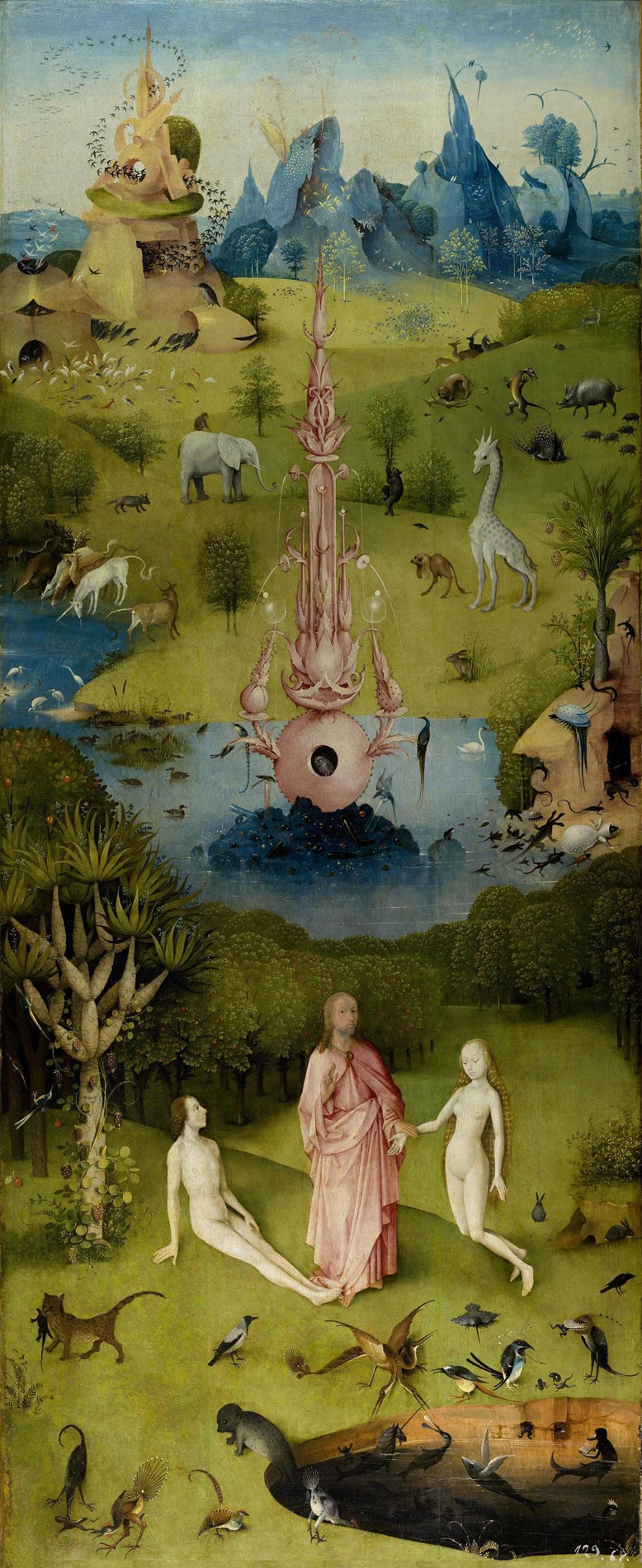


A paradise island
The Greek philosopher Plato (about 428–347 BC), described a great island as large as North Africa and the Near East combined lying in the Atlantic Ocean. The island belonged to Poseidon, God of the sea, who fell in love with a young woman called Cleito. Poseidon built a city and a palace for her on a mountain in Atlantis. The couple had 10 children (five pairs of male twins), and Poseidon later divided the island among them, giving each a part of it to rule. Atlantis was a paradise: plants and animals were plentiful, with streams of both hot and cold water. It had many wonderful palaces and temples. The people of Atlantis lived in an golden age.
But the people of Atlantis became greedy for more. They decided to conquer the lands around the Mediterranean. Angered by their behaviour, Zeus, the chief of the gods, unleashed a great earthquake that made Atlantis sink into the sea over the course of a single day.
Paradise lost
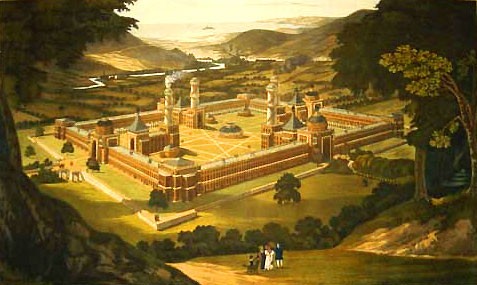
The legend of Atlantis has fascinated writers and thinkers, intrigued by the idea of an “ideal world”, or utopia, in which people were happy and could live without working. Stories about such earthly paradises usually ended up with everything being lost as a result of human greed. English philosopher Sir Thomas More (1478–1535) in his book Utopia described an imaginary land set in the Americas.
Thera
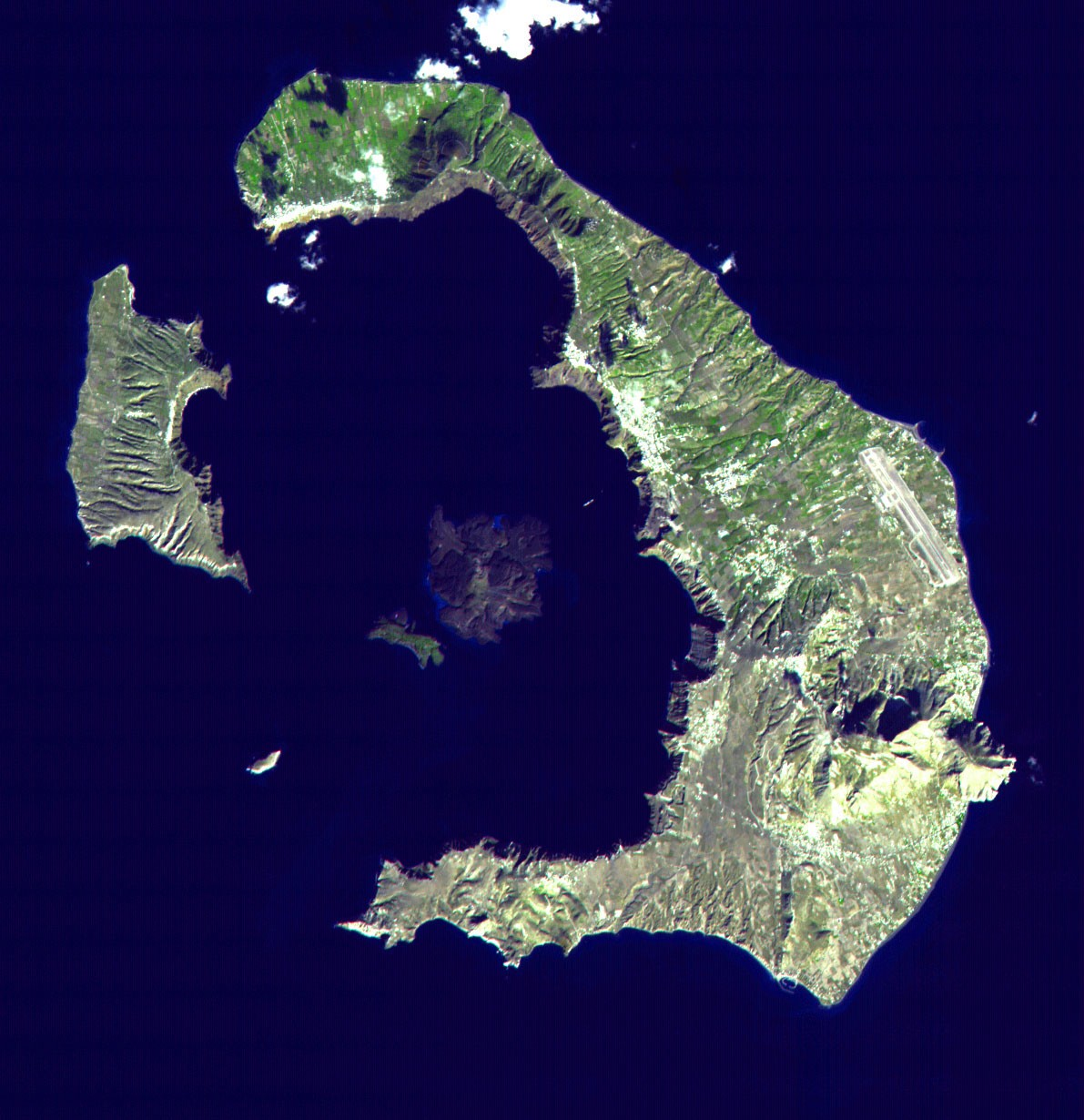
Many scientists now think that “Atlantis” may well have existed—but not in the same place and not at the same scale that Plato originally described. It is believed that Atlantis could have actually been the small island of Santorini in the Mediterranean Sea, near the island of Crete. Santorini (now called Thíra) was one of the colonies of the rich Minoan civilization of Crete. Like the Atlanteans of legend, the Minoans built luxurious palaces and temples and lived in what some may describe as a “golden age”.
Geologists now know that around 1450 BC a volcano that dominated the island, called Thera, erupted violently. Much of the island was flooded by the sea. A tsunami triggered by the eruption caused devastation on Crete itself. Archaeologists have found the remains of a large Minoan settlement, Akrotiri, and a palace on Thira, which seem to broadly match Plato’s description of it.
Consultant: Philip Wilkinson
pics
Without in any way limiting Q-files Ltd’s exclusive rights under copyright, any use of this publication to “train” generative artificial intelligence (AI) technologies to generate text is expressly prohibited. Q-files Ltd reserves all rights to license use of this work for generative AI training and development of machine learning language models.