
Theatre
Famous playwrights A-Z
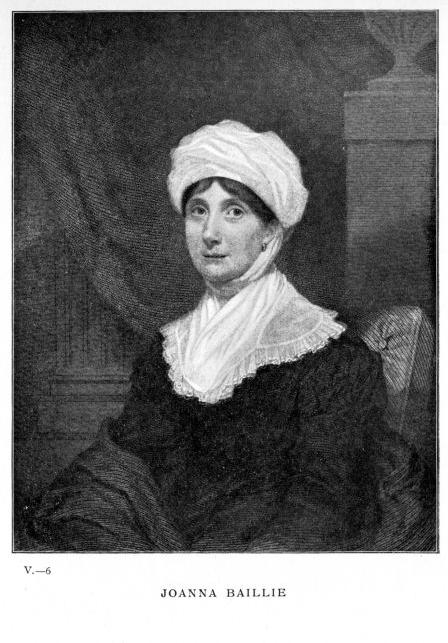
Joanna Baillie
Scottish poet and playwright Joanna Baillie (1762–1851) was so admired in her lifetime that her plays were compared to Shakespeare’s. Her most famous work was a set of comedies and tragedies called Plays on the Passions (1798–1812). Baillie was interested in the inner workings of people’s minds, and the way that they could be driven to carry out terrible actions by feelings such as jealousy or pride. Each play from Plays on the Passions explores a different state of mind, such as fear, love or hatred. De Monfort (1821) features a man who plots to kill his childhood rival. Baillie’s uncles were the famous physicians William and John Hunter. Their work on human anatomy fascinated Baillie throughout her life, and inspired her to write about diseases of the body and mind.
Baillie wrote 27 plays, as well as many poems. She supported anti-slavery campaigns and gave half of all her earnings to charity. Although she is not well-known today, Baillie’s focus on emotion in her plays helped spark the Romantic movement in literature, and influenced poets such as William Wordsworth and Lord Byron.
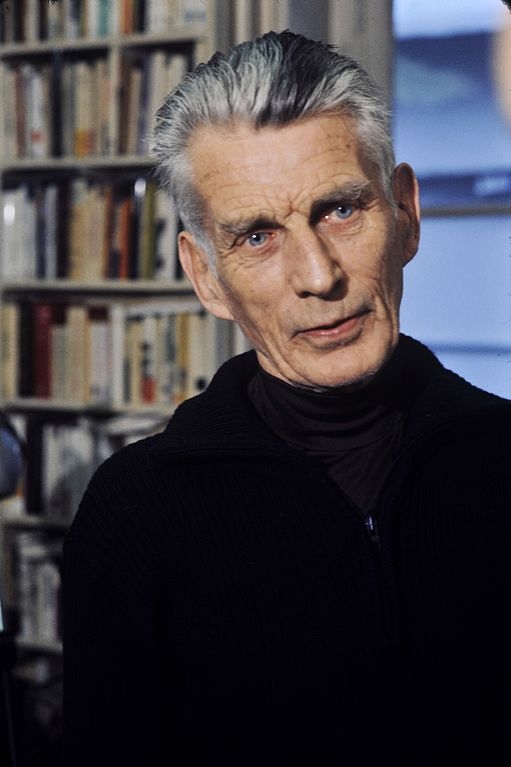
Samuel Beckett
Samuel Beckett (1906–89) was an Irish playwright. He is known for his “tragi-comic” plays that explore hope, despair and the human instinct to survive. His plays tackle serious subjects in ways that are sometimes humorous, sometimes frightening. In his most famous play, Waiting for Godot (1953), two characters Vladimir (Didi) and Estragon (Gogo) wait together for the arrival of “Godot”, who is never introduced. The play has become so well-known that the English expression “to wait for Godot” has come to mean waiting for something to happen that never will. In another play, Happy Days (1961), a woman talks cheerfully to her husband while she is buried up to her waist in the ground. These bizarre situations earned Beckett’s plays the label “theatre of the absurd”.

Later in Beckett’s life, his work became minimalistic: stripped to its essentials. His plays featured fewer parts and lines and even simpler staging. One, Breath (1969), is just 35 seconds long. His 1972 play, Not I, features only a speaking mouth; the rest of the stage is in darkness. Beckett’s experimental writing had a huge influence on the playwrights, poets, film-makers and novelists of the 20th century. In 1969, he was awarded the Nobel Prize in Literature.
Aphra Behn
British playwright Aphra Behn (1640–89) was probably the first woman to earn a living by writing. Aged 26, Benn worked as a spy for the court of Charles II. But she did not earn enough money, so she soon turned to writing to make a living instead. Her first successful play was The Rover (1681), a comedy about a group of men on holiday in Italy. Most of Behn’s plays were comedies, and she wrote about relationships in a daring and controversial way. Some, such as The Emperor of the Moon (1687), were a type of comedy called farce, which creates humour by exaggerating situations.
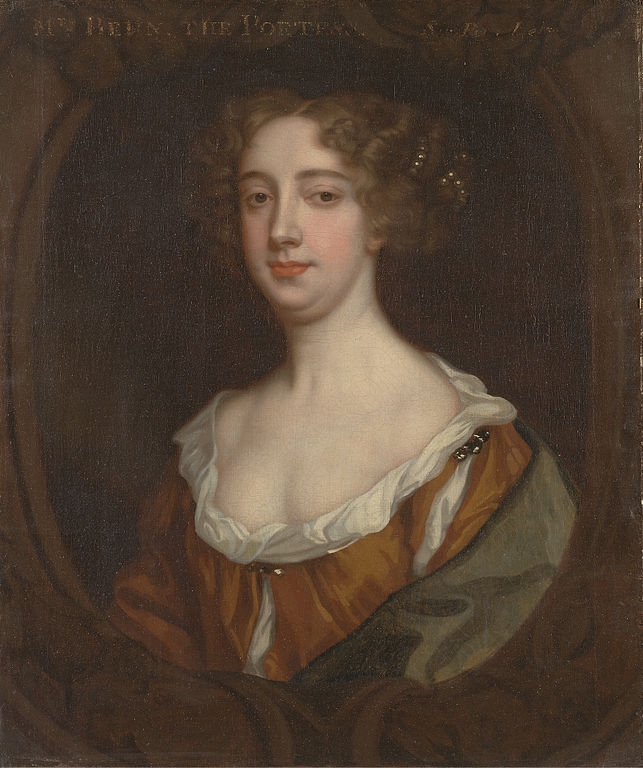
Behn was inspired by a popular type of Italian comedy called Commedia dell'arte. With its easily recognizable characters and improvised scenes, it was a little like modern pantomime. Behn also wrote fiction. Her novel Oroonoko (1688), about a young man sold into slavery in South America, was one of the first English novels. During Behn’s lifetime it was unusual for a woman to be a professional writer, and she used her celebrity to speak out for women’s rights. When she died, she was buried in Westminster Abbey.

Bertolt Brecht
Bertolt Brecht (1898–1956) was an influential German poet and playwright. He is famous for plays such as The Threepenny Opera (1928), The Caucasian Chalk Circle (1948) and Mother Courage (1956) which follows the story of a woman travelling across Europe during the Thirty Years' War (1618–48). Brecht also worked as a theatre director and critic, and his ideas were influential. He thought that theatre should reflect society and make us question the way that it is run, especially in the period after World War II. He wanted an audience to form opinions about what they were seeing in the play, rather than just be entertained. This style of theatre became known as epic theatre. Brecht’s plays were typically performed with simple staging, using only one or two props. Actors would sometimes "break out" of the play to address the audience directly.

Brecht was a communist whose experience of living through both world wars strongly influenced his writing. When Hitler came to power in the 1930s, Brecht left Germany and went to the USA. After World War II, he returned and set up a theatre called the Berliner Ensemble. By the time he died in 1956, Brecht had become known as one of Europe’s leading playwrights.
Anton Chekhov
Anton Chekhov (1860–1904) was a Russian playwright and one of the greatest short story writers of his time. Chekhov began writing when he was a student to earn his tuition fees and support his family. He worked as a doctor, as well as a writer, for most of his life. He is best known for four major plays: The Seagull (1895), Uncle Vanya (1897), Three Sisters (1901) and The Cherry Orchard (1904). Instead of having action-packed storylines, Chekhov made his characters’ inner lives—their thoughts and emotions—the focus of his plays. This new way of writing plays would make him an influential figure in drama into the next century and beyond.

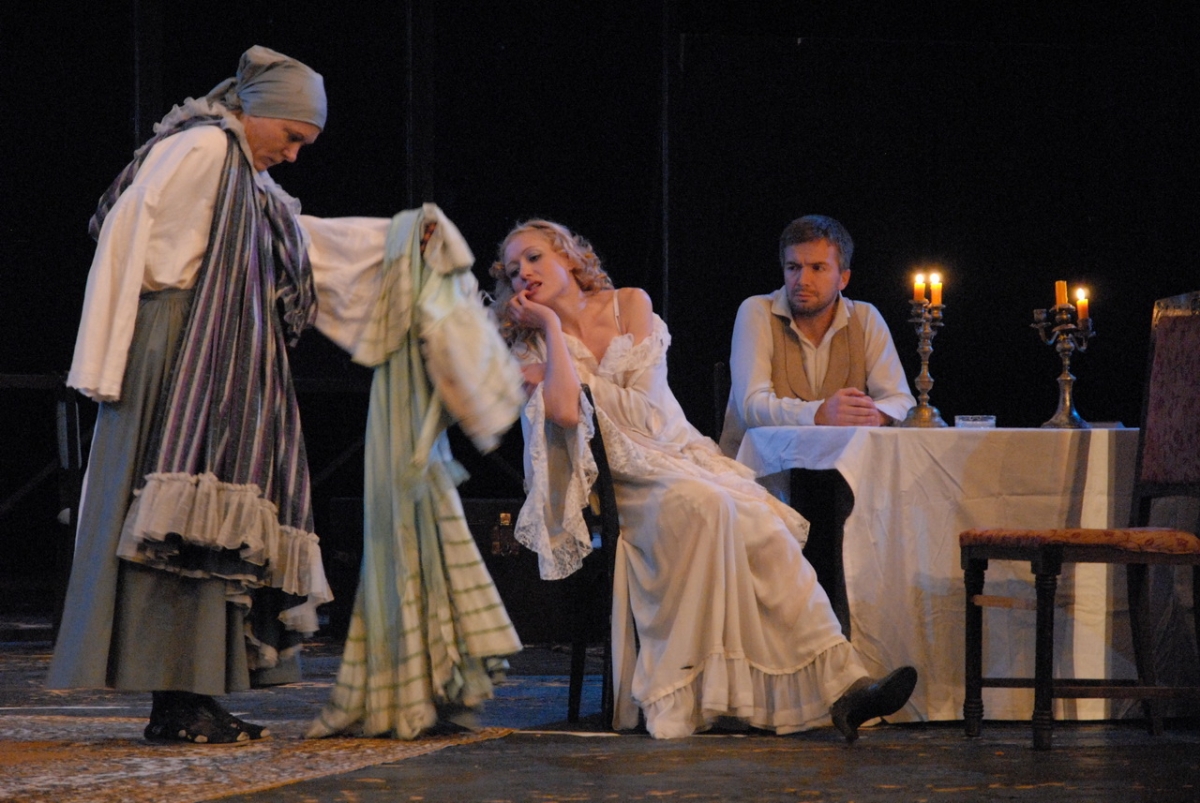
When his play The Seagull was first performed at the Moscow Art Theatre in 1898, it was a sensation, because it was the first time a play had represented everyday life onstage rather than feature more dramatic events. The play follows the romantic and artistic lives of four people living in the Russian countryside. Anton Chekhov died of tuberculosis at the age of just 44.

Caryl Churchill
Caryl Churchill (born 1938) is a British playwright known for plays such as Top Girls (1982) and The Skriker (1993). Churchill is one of the major feminist playwrights of the late 20th century. Her work reflected the growing movement of feminism that was happening in Britain at the time she began writing, the 1960s. In the 1970s she was part of a group of women playwrights called Monstrous Regiment that aimed to “put real women on the stage”. Churchill’s plays usually look at an important political issue from a personal point of view. Her first stage play, Owners (1972), was about a greedy landlady who wants to evict a young couple from a property she owns.
Churchill’s most famous play Top Girls (1982) follows Marlene, a successful businesswoman, and her sister Joyce, whose life as a single mother is more difficult. When writing the play, Churchill wanted her audience to see how women at the time were facing difficult choices in order to become “successful”. Churchill’s recent plays are written in an experimental style. Her 2012 play Love and Information features more than 100 characters, has very few stage directions, and the scenes can be played in any order.
Shelagh Delaney
Shelagh Delaney (1938–2011) was a British playwright best known for her 1958 play, A Taste of Honey. It follows the story of a single mother, Helen, and her pregnant teenage daughter Jo. Delaney’s first play, it was one of the earliest examples of a new type of writing in the 1950s and 60s called “kitchen sink” drama, which focused on people’s everyday lives, often at home. Delaney was one of the first British playwrights to write about working-class, female and gay characters. She was also one of the few women playwrights to have their voices heard in British theatre at the time. Following the success of A Taste of Honey, which was made into a major film, Delaney wrote more plays for the stage, radio and television, but her first play remained her most successful.

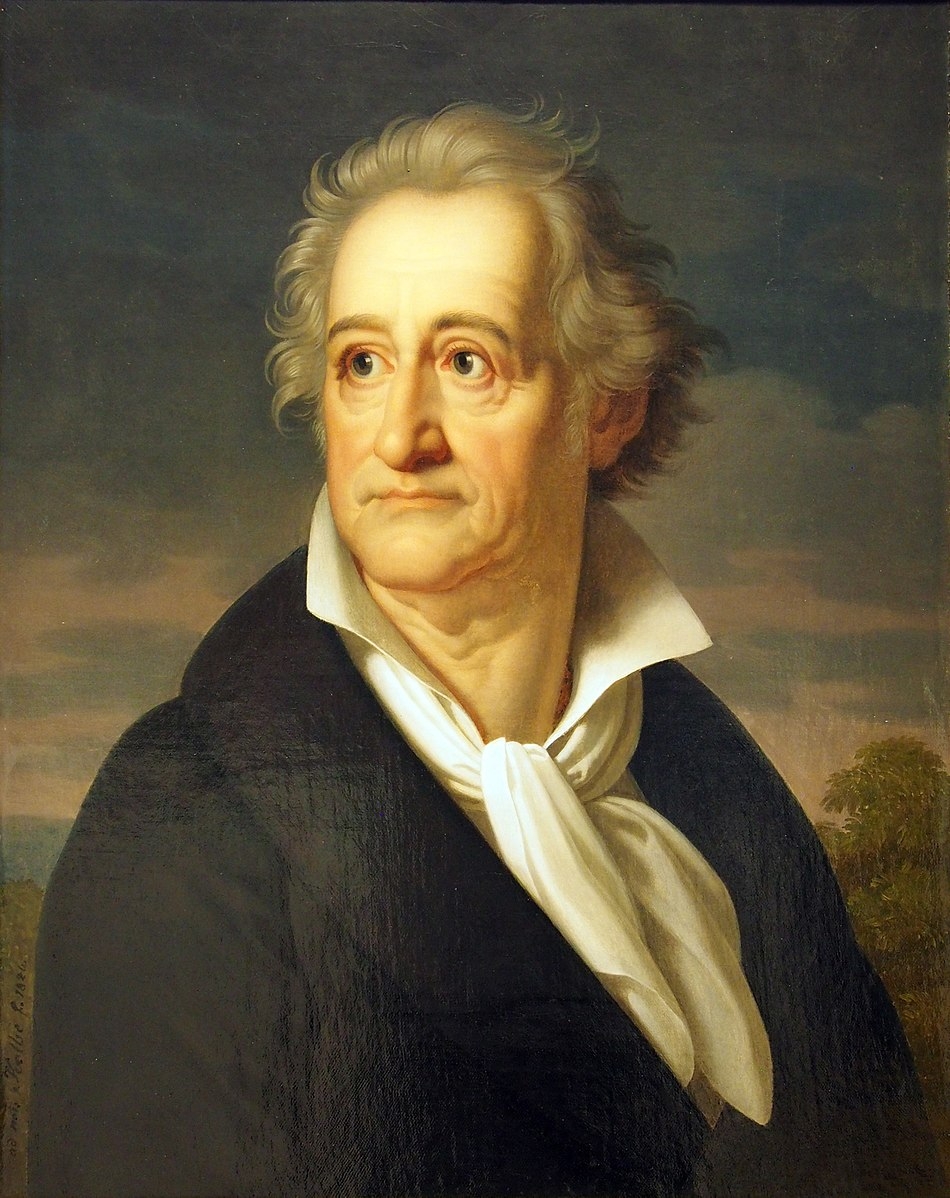
Goethe
Johann Wolfgang von Goethe (1749–1832) was a German poet, playwright, philosopher and politician. His writing and ideas shaped German culture during his lifetime and are influential to this day. His tragic play Faust (written in two parts, the first published in 1808, the second in 1832), about a man who sells his soul to the Devil, is considered the greatest masterpiece of German literature. Goethe also wrote poetry (Faust is written in verse) and novels. In his novel The Sorrows of Young Werther (1774), he created the Romantic hero, an idea much copied by other writers across Europe. He became a leading figure in the Sturm und Drang movement, a style of writing which frequently expressed extremes of emotion.
Goethe also developed a range of scientific interests, for example plant biology and the theory of colour (the way we see colours). He died of heart failure in 1832 in Weimar, where he spent much of his life.
Lorraine Hansberry
Lorraine Hansberry (1930–65) was an American playwright. Her play A Raisin in the Sun (1959) was the first by an African American to be produced on Broadway. It follows the story of a black family living in Chicago during the segregation era. It was inspired by Hansberry’s own childhood, where she and her family experienced racism. Throughout her life, Hansberry fought passionately for civil rights. In the early 1950s she protested against black people being evicted from their homes in Harlem, New York City. She wrote articles and essays arguing for women’s rights, and was a strong supporter of independence for colonial African countries. Hansberry died aged just 34. After her death, her collected writings and letters were made into a play about her life, called To Be Young, Gifted and Black (1968).

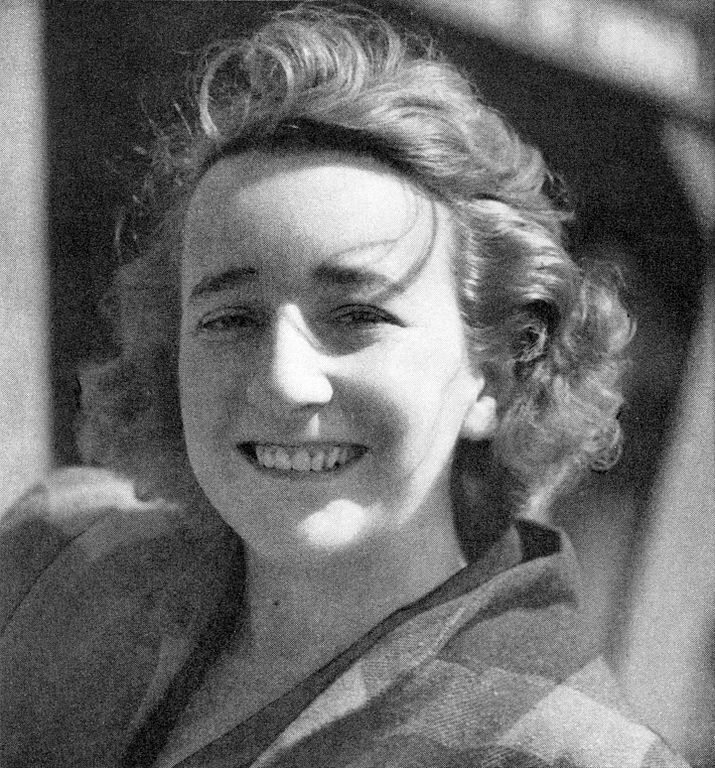
Lillian Hellman
Lillian Hellman (1905–84) was an American playwright. She wrote three major plays in the 1930s, when Fascism was spreading across Europe. Her first, The Children’s Hour (1934), was about the way that slander (lies about someone) can ruin lives. Hellman’s plays encouraged her audience to consider moral dilemmas. The Little Foxes (1939) is about a family who will go to any lengths to become rich. In Watch on the Rhine (1941) a man visiting the US from Europe kills a fascist man who threatens to put his friends’ lives in danger. The play carried the message that the US should join World War II and fight fascism.
Hellman’s plays were classed as melodrama, an intense, emotional type of play popular in the early 20th century which shows life to be more dramatic than it normally is. She was one of only a few American female playwrights to enjoy success in her time.
Henrik Ibsen
Henrik Johan Ibsen (1828–1906) was a Norwegian playwright whose work was so influential that he is often known as “the father of modern drama”. Ibsen wrote plays about social issues—problems that affected many people in their day-to-day lives. His most famous play A Doll’s House (1879) is about the oppression of women. Like his later play, Hedda Gabler (1890), it tells the story of a woman suffering in an unhappy marriage. Instead of showing a more dramatic version of everyday life onstage, Ibsen created situations that reflected real life. This new way of writing was known as realism: characters are presented as ordinary people who suffered from problems an audience would recognize. Ibsen used ordinary language that reflected the way people spoke.
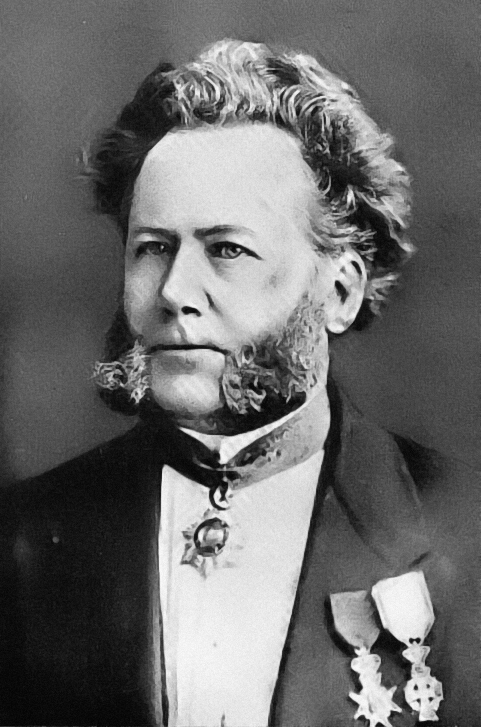
Ibsen’s realism inspired a new generation of modern playwrights such as George Bernard Shaw, Arthur Miller and Eugene O’Neill. Ibsen grew up in Norway, but spent a large part of his life living in Italy and Germany, where he wrote his best known plays. By the time he returned to Norway in his 60s, he was a national hero. After Shakespeare, Ibsen’s plays are the most performed plays in the world.
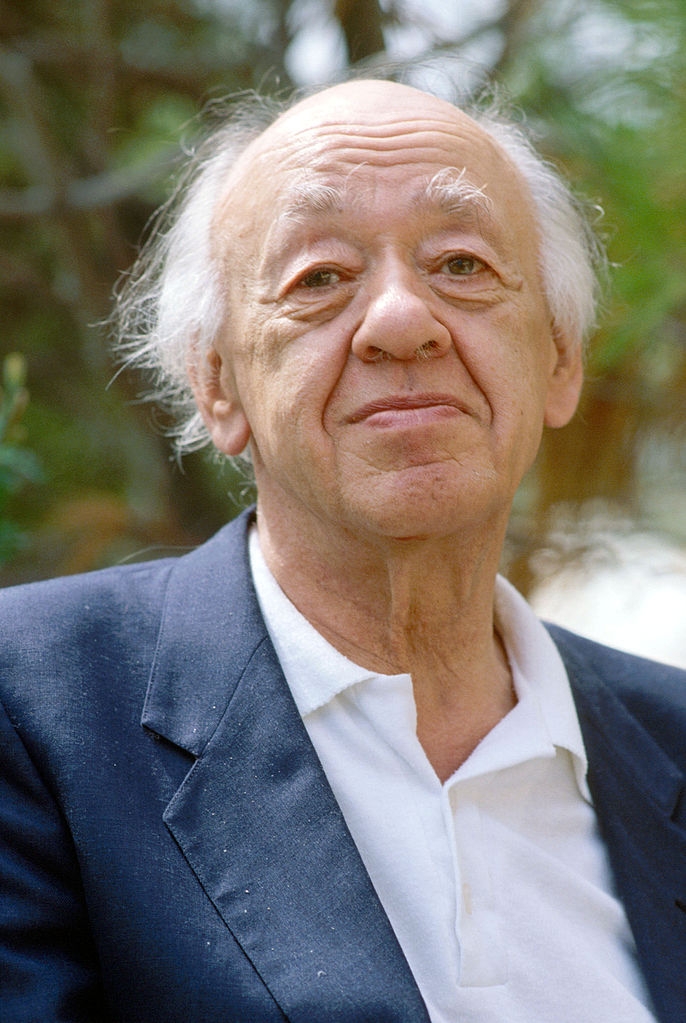
Eugène Ionesco
Eugène Ionesco (1909–94) was a Romanian-French playwright who was famous for "absurdist" plays. Ionesco’s early works were inspired by his experience of learning English at the age of 40. He found the example sentences in his phrasebook dull, and wrote a play about them to explore the idea that sometimes “making conversation” does not communicate very much at all. In his first play The Bald Soprano (1950), a couple making small talk suddenly realise with astonishment that they are husband and wife. The struggle to communicate was one of Ionesco’s favourite themes. It was the subject of several one-act (short) plays such as The Chairs (1952) in which an elderly couple invite a huge crowd of guests to hear their life story, but nobody turns up. Ionesco's plays, along with those of Samuel Beckett and Jean Genet, are called the “theatre of the absurd”.
Ionesco’s best known play Rhinoceros (1959) was his first play to become a success in English. In the play, people living in a French village are turned one by one into rhinoceroses. Many people saw it as symbolic of the way that Fascism had spread through Europe before World War II.
Ben Jonson
Ben Jonson (1572–1637) was one of the major English poets and playwrights of the 17th century. He lived at the same time as William Shakespeare, who once acted in one of his plays. Most of Jonson’s plays were comedies, such as Volpone (1605) and The Alchemist (1610), and many were about greedy people coming up with schemes to become rich. Jonson wrote many “epigrams”—short, witty poems—and some of them were addressed to people he knew. One of his most famous poems, On My First Sonne (1616), was quite different to all the others. It was an elegy (a memorial poem) written in memory of his son, Ben, who had died aged seven.

Jonson’s work was very popular in his time. He was even supported by King James I, who sponsored him to write some of his plays and poetry. By the end of his life, Jonson was famous. Huge crowds attended his funeral in Westminster Abbey.

Christopher Marlowe
Christopher Marlowe (1564–93) was an English poet and playwright. He was famous for the great tragedies he wrote during the late 16th century. His first play, Tamburlaine the Great (1587), was an instant success when it was first performed in London. It tells the story of a shepherd, Timur, who becomes an emperor. It was remarkable because it was one of the first English plays to be written in blank verse, non-rhyming poetry that still follows a specific metre, or rhythmic pattern. After Marlowe used blank verse in his play, it became much more common for other playwrights to use it in theirs.
Tamburlaine was the only one of Marlowe’s plays to be performed before he died. Edward II (1593) tells the story of a king whose court decides to remove him from the throne. Doctor Faustus (written between 1589 and 1592) is about a scholar who sells his soul to the Devil in exchange for magical powers.
Marlowe lived at the same time as Shakespeare, and he almost certainly worked with Shakespeare to write his three Henry VI plays. Although Marlowe’s plays are still very famous today, little is known about his life. He was born in Canterbury. His father was a shoemaker, and, as a child, he won a scholarship to school and then Cambridge University. After he finished his studies, he worked for the government, probably as a spy. He was murdered in a fight aged just 29.

Mustapha Matura

Mustapha Matura (1939–2019) was a Trinidadian playwright living in Britain. He was especially well known for writing plays about the experiences of Caribbean people, those living both in the UK and in the Caribbean. Born in Trinidad, Mustapha travelled to Britain as a young man in 1962 and then spent a year abroad in Rome, where he was inspired by his work on stage productions of Langston Hughes’ plays to write his own. His play Black Pieces (1970) was about Caribbean migrants exploring their identities as black people living in Britain. One of Matura’s most famous plays Play Mas (1974) tells the story of the beginning of Trinidadian independence through the character of a tailor and his apprentice. In 1978, Matura co-founded the Black Theatre Co-operative to support black playwrights, actors and directors working in Britain.
Arthur Miller
Arthur Miller (1915–2005) was an American playwright famous for his plays about the social issues facing ordinary Americans after World War II. Miller wrote most of his plays in a style called realism, which used natural language and depicted people in everyday settings. His plays often feature characters who have a difficult decision to make, or who are haunted by something they have done in the past. In All My Sons (1947) the main character is tormented by a decision he made during the war, while in Death of a Salesman (1949) a man loses his job and watches his dream unravel. In A View From the Bridge (1955) a man betrays his community by reporting illegal immigrants living there instead of helping them.
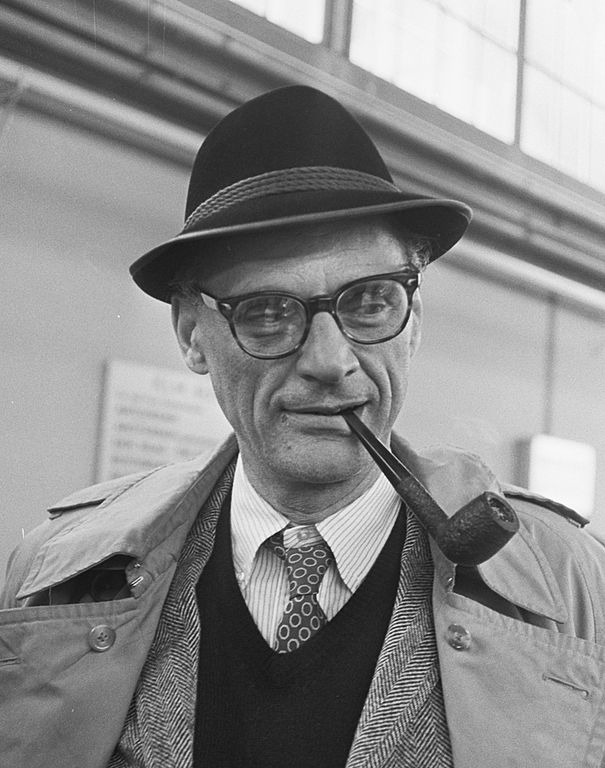
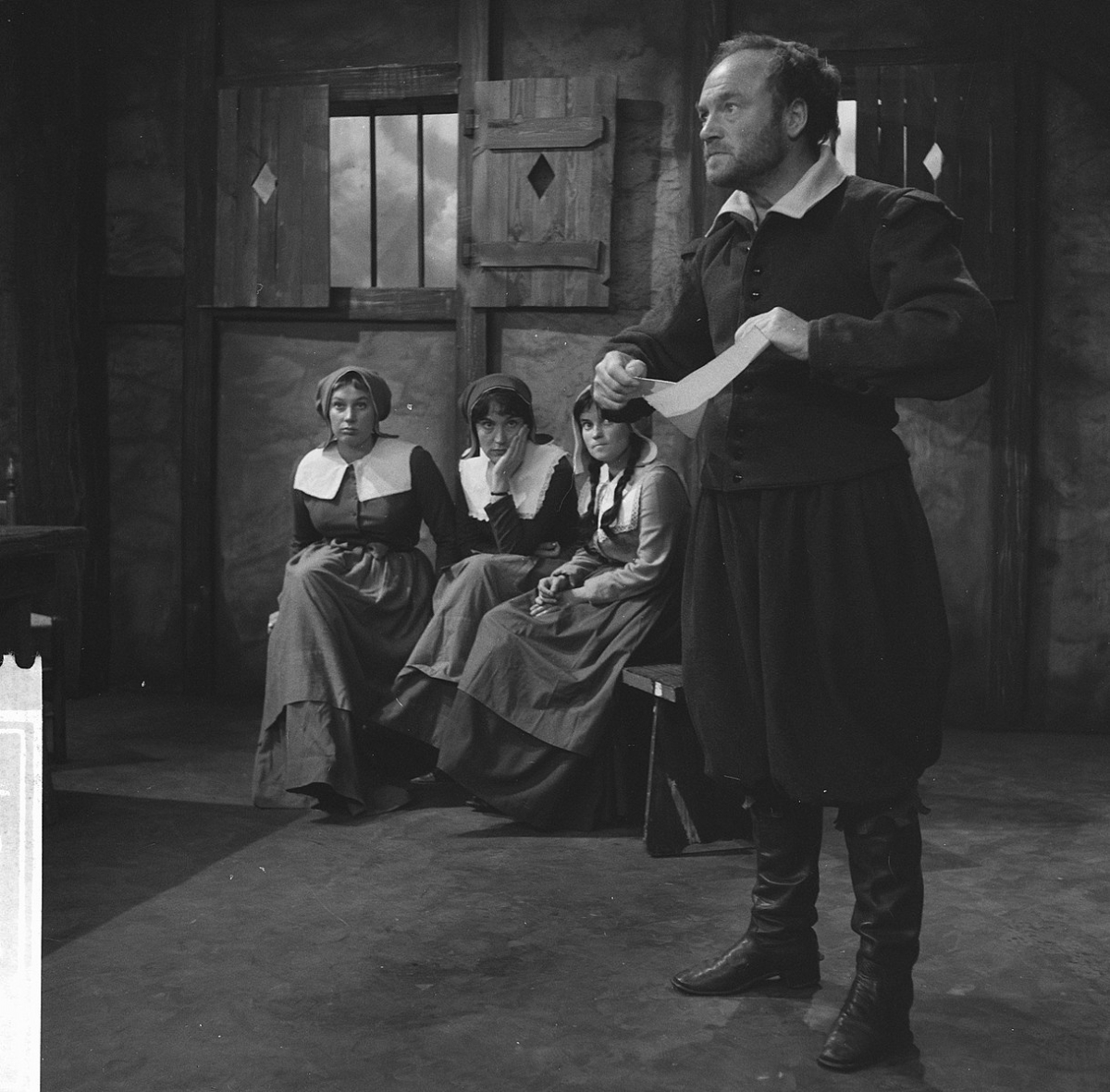
During the 1940s and 50s in the US, people suspected of being communists were being investigated by the US government and accused of being “Un-American”. This was a practice known as McCarthyism. In response, Miller wrote a play called The Crucible (1953) about a time in the 17th century when people who were accused of witchcraft were executed. He made a link between the Salem witchcraft trials and McCarthyism to alert his audience to what he regarded as comparable evils. For expressing these ideas, Miller was himself accused of being Un-American. Along with his marriage to the Hollywood actress Marilyn Monroe, it made him a celebrity at the time. Today, Miller is remembered as one of the major American playwrights of the 20th century. His plays have been adapted into films and continue to be performed all over the world.
Molière
Jean-Baptiste Poquelin, better known by his pen name Molière (1622–73), was a major French writer of the 17th century. He is especially famous for comedies such as Tartuffe (The Impostor, 1664), about a family who welcome a deceitful stranger into their home. Molière’s plays often made fun of pretentious people (those who pretend to be more important than they actually are). His plays were full of characters whose flaws, such as greed or jealousy, made their lives difficult and their stories dramatic. The plays broke the strict rules of theatre in France at the time: plays were to entertain; comedies had to end happily, while tragedies had to end with a death.


Molière’s play The Misanthrope (1666) was controversial because it was neither a tragedy nor a comedy. It follows the story of a grumpy man named Alceste who refuses to live the life society expects of him.
Theatre-goers loved his plays, but Molière was deeply unpopular with the Church. Tartuffe was banned soon after it was first performed because Church officials saw it as an attack on religion. However, because Louis XIV supported Molière’s work, he was protected from criticism and so able to keep writing.
When his plays were performed, Molière himself usually played the main character. He was on stage performing in his play Le Malade Imaginaire (The Imaginary Invalid, 1673) when he went down with a coughing fit and died soon afterwards from tuberculosis. Molière is today considered one of the greatest writers in the French language.

Lynn Nottage
Lynn Nottage (born 1964) is an American playwright known for her plays about modern life in the US, such as Intimate Apparel (2009) and Sweat (2015). Nottage’s plays tell stories about women, often those more usually overlooked by society. Her play Ruined (2007) is about the difficult lives of women in a mining village in the Democratic Republic of the Congo. It won the 2009 Pulitzer Prize for Drama. Sweat, about a group of friends working in a factory, also won the Pulitzer Prize in 2017 (she is the only woman to have won the Pulitzer Prize for Drama twice).
Nottage’s best-known play is Intimate Apparel. Set at the beginning of the 20th century, it follows the story of a woman who works as a factory seamstress, but who longs to run her own beauty parlour for African American women. The story was based on the life of Nottage’s own great-grandmother. Nottage is a professor of Playwriting at Columbia University, New York.

Eugene O’Neill
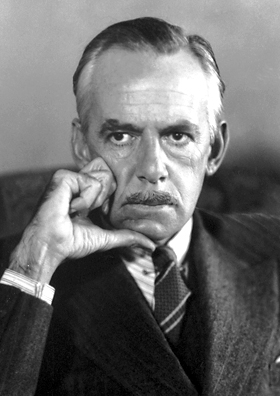
Eugene O’Neill (1888–1953) was an American playwright whose tragic plays helped bring about a new way of writing. Influenced by European playwrights such as Anton Chekhov and August Strindberg, he introduced into American drama the idea that a play could focus on relationships between people, rather than involve dramatic action. He was also one of the first playwrights to use American slang in his plays.
O’Neill was the son of an actor, and spent his early years in the theatre touring with his father. As a young man, he worked as a sailor before becoming a playwright. His first full-length play Beyond the Horizon (1920), a play about two brothers and their family, won him a Pulitzer Prize for Drama.
He went on to write some of his most famous plays during the 1930s and 40s, including The Iceman Cometh (1946) and Mourning Becomes Electra (1931). O’Neill’s greatest work, Long Day’s Journey Into Night (1941), was performed only after his death. It follows four members of a family over a single day. O’Neill did not want it performed during his lifetime because the characters and events were based on those of his own family. In 1936 he became the first American playwright to receive the Nobel Prize for Literature.
Harold Pinter
Harold Pinter (1930–2008) was a British playwright. He is especially well known for his tense plays about power and anxiety such as The Birthday Party (1957) and The Homecoming (1964). Pinter was born in London to Jewish parents. He began his career as an actor, and continued to act all his life alongside his writing. The Birthday Party was Pinter’s second play. It was not a great success when it was first performed, but later became considered one of his finest plays. In the play, a man is terrorized by a pair of menacing strangers who arrive to throw him a party.
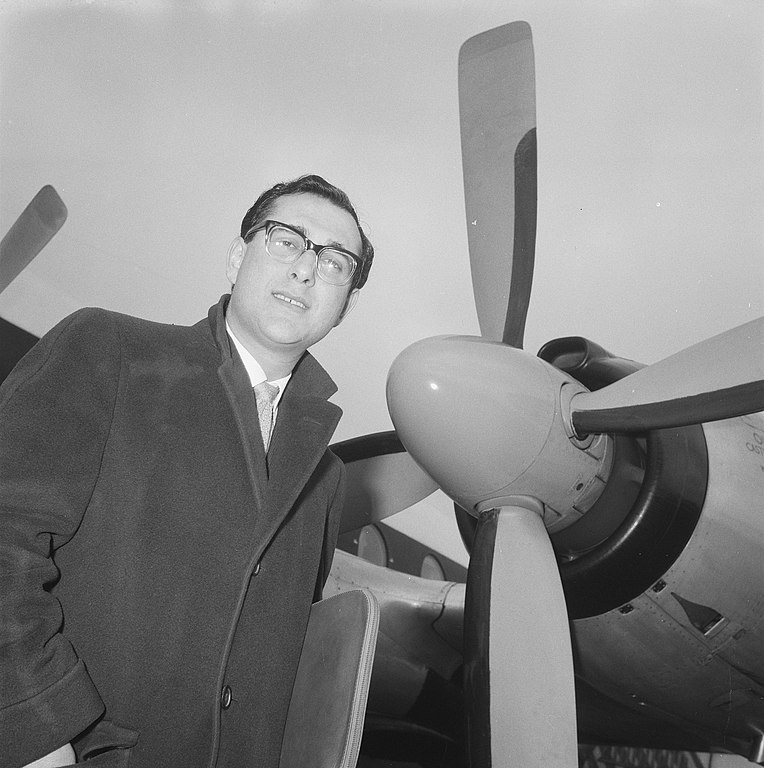
In 1960, Pinter made his name with The Caretaker (1960), a play about two brothers who take in a homeless stranger. The Homecoming explores the tense atmosphere between a family when they gather at their father’s house. Later plays such as No Man's Land (1975) and Betrayal (1978) became known as "memory plays" because the events of the play are drawn from the memory of one or more of the characters.

Pinter wrote in the naturalistic style that had become widespread by the 1950s, but he developed it to make it his own, introducing long pauses that filled his plays with suspense. Often Pinter’s characters speak a line which seems to be simple, but they are actually implying something else underneath. His style reflected the anxiety and unease in British society in the mid-20th century. The way he created an atmosphere in a play became so recognizable that the word “Pinteresque” was created to describe it. Pinter was awarded the Nobel Prize for Literature in 2005.
Jean Racine
Jean Racine (1639–99) was a French playwright, the most famous writer of tragedy in French history. Nearly all Racine’s plays were set in the past. They either dealt with French history or retold classical Greek and Roman stories. He used these well known stories to comment on events in France at the time. His play La Thébaide (1664) was about identical twins, sons of the mythical Greek king Oedipus, competing to be the successor to the throne. His popular play Andromaque (1667) told the story of Andromache, Hector’s widow, in the aftermath of the Trojan War.
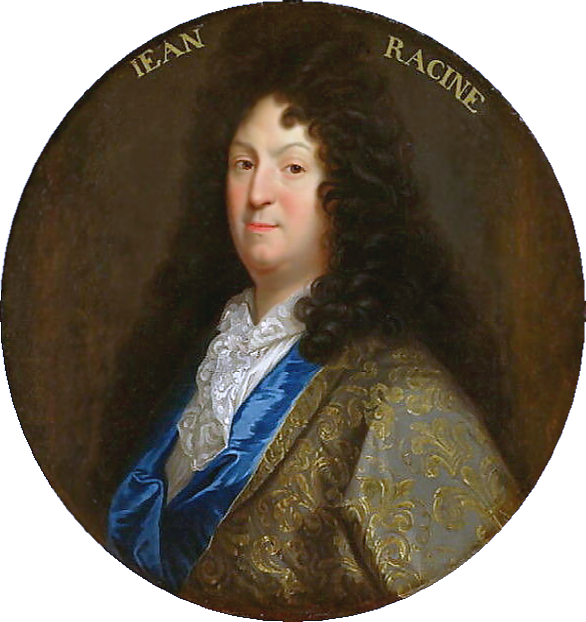
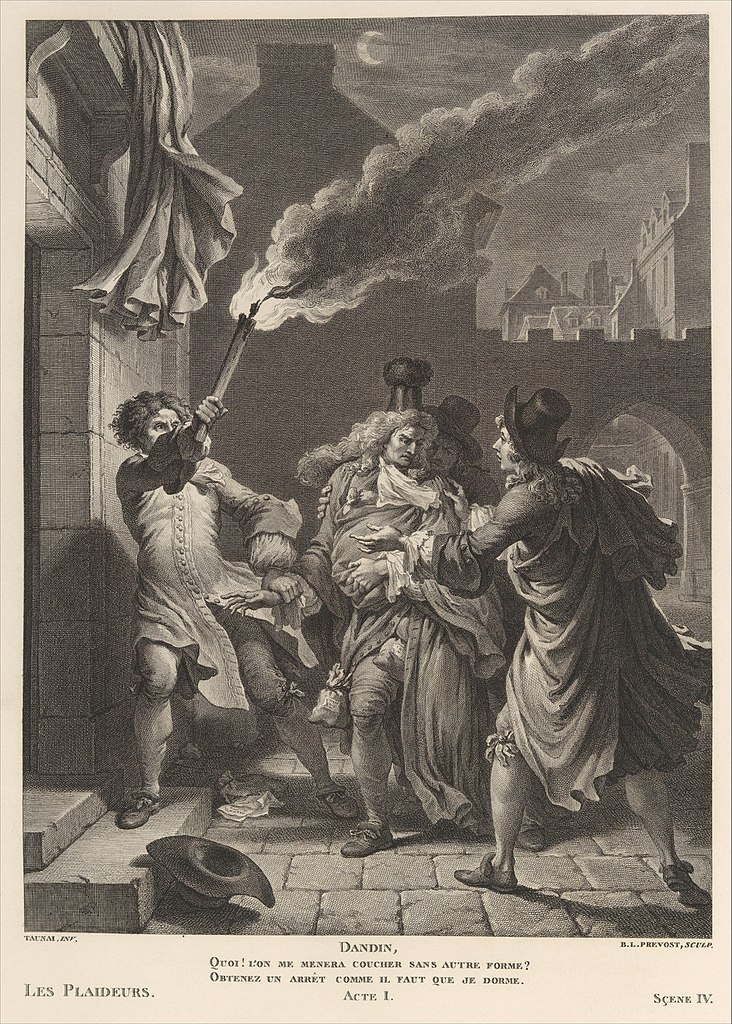
In his only comedy Les Plaideurs (1668), Racine adapted ancient Greek playwright Aristophanes’ play The Wasps and set it in France as a satire (comic impression) of the French legal system. His masterpiece Phèdre (1677) was a retelling of Euripedes’ play Hippolytus, about a woman who falls in love with her stepson. After Phèdre, Racine mostly retired from writing drama and went to work for the court of King Louis XIV.
Racine was a great master of a poetic metre called the alexandrine line, which he used to write his plays. It was a way of writing poetry in which each line had twelve syllables (beats). He made it so popular that from then on it became the main way of writing French tragedy.
Friedrich Schiller
Friedrich Schiller (1759–1805) was a German playwright. Along with his friend Goethe, he started a movement called Weimar Classicism, which went on to influence German literature and culture for the next century. Also a poet, historian and philosopher, Schiller wrote many influential papers on personal freedom. As a young man, Schiller began his career in the army. During this time he wrote his first play The Robbers (1781), about the rivalry between two brothers. When it was performed, it was a great success, but Schiller was expelled from the army for revealing his revolutionary politics. Schiller's 1785 poem Ode to Joy was set by Ludwig van Beethoven in the fourth movement of his Ninth Symphony.

In 1794 Schiller became friends with Goethe. The friendship inspired him to write some of his greatest plays, such as Mary Stuart (1800) and William Tell (1804), the story of a hero who leads peasants in a revolution. Schiller was famous during his lifetime. When his plays were performed, admirers would crowd the streets to try and catch a glimpse of him. Schiller died of tuberculosis at the age of just 46. His plays continue to be among the most popular performed in Germany.
William Shakespeare
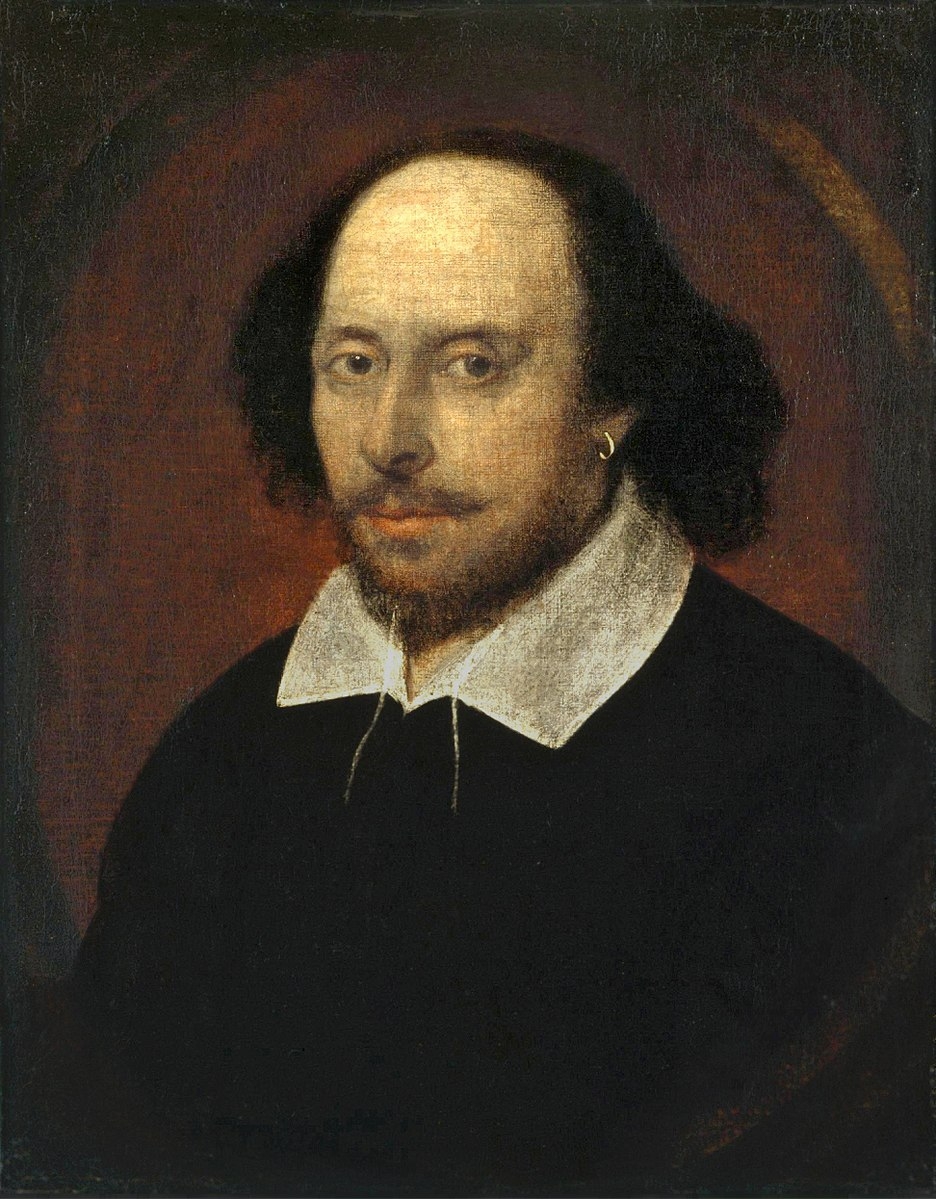
William Shakespeare (1564–1616) was an English playwright known today as the greatest writer in the English language. His plays have been performed in theatres around the world for more than 400 years. Shakespeare wrote plays about history, as well as comedies, romances and tragedies. Their plots are often complex but contain real-life characters and deal with believable events. Shakespeare wrote 39 plays, as well as 154 sonnets (14-line poems).
We know only a little about Shakespeare's personal life (although we do know about certain things: his theatrical company and property dealings, for example). He was born in Stratford-upon-Avon in Warwickshire, and began writing plays in 1592. He wrote them in a mixture of verse (lines of poetry) and prose (non-verse). Shakespeare invented a number of words which became part of the English language, and influences writers across the world to this day.

Shakespeare’s history plays, such as Richard III (1592), are full of murders, battles and evil scheming between the main characters. They tell the stories of the kings of England fighting wars against France. Among Shakespeare’s most famous comedies are A Midsummer Night’s Dream (1595-6) and Twelfth Night (1601), in which twins are separated by unfortunate events. Shakespeare’s romances are adventure stories that stir up great feelings of both joy and sadness. They include A Winter’s Tale (1611), in which a statue comes to life.
Shakespeare’s best-known plays are probably his great tragedies. Most of them are based on historical figures, each of whom meets a tragic end as a result of human failings such as greed or stupidity. King Lear (1605-6) is about a king who dies of a broken heart, while Romeo and Juliet (1595-6) tells the story of young lovers kept apart by their warring families. In Hamlet (1600), a prince seeks revenge for his father’s death, but is killed by a poisoned sword.
Wole Soyinka
Akinwande Oluwole Babatunde Soyinka (known as Wole Soyinka, born 1934) is a Nigerian playwright and poet. He is well known for writing about the politics and culture of Nigeria. His plays explore the difficulties of keeping a traditional way of life as the country became more modern. Born into a Yoruba family, Soyinka grew up in Nigeria before moving to Britain as a young man, where he wrote his first plays. One of them was The Lion and the Jewel (1963), a comedy set in a Nigerian village with a darker story of violence underneath. Many of Soyinka’s plays are satires, plays that use humour to make fun of, or criticize something.

During the Nigerian Civil War, Soyinka was imprisoned for nearly two years when he wrote an article calling for a ceasefire (an end to the fighting). In 1986 Soyinka was the first African person to win the Nobel Prize for Literature. He works as a professor of literature and writing, teaching in universities all over the world.

Tom Stoppard
Tom Stoppard (1937–2025) was a Czech-British playwright and screenwriter. Stoppard was born in Czechoslovakia (now Czechia) but fled from the Nazis with his family in 1939. He began his career as a journalist before moving to London in 1960, where he started writing plays. His first big success was Rosencrantz and Guildenstern Are Dead (1964–65), which retells the story of Shakespeare’s Hamlet from the point of view of two court servants. In 1967 the play made him, at the age of 29, the youngest person ever to have a play performed at the National Theatre. The Real Thing (1982) is about a playwright, Henry, who writes plays about his relationship with his wife. Stoppard wove “real” scenes together with scenes from Henry’s plays to make his audience question reality. Stoppard also worked as a screenwriter—writing for television and film—and as a translator.
August Strindberg
August Strindberg (1849–1912) was a Swedish playwright who devised a new set of "rules" for playwriting. He believed that plays should be realistic, careful studies of the way people behave towards one another. The topic of the play should be significant—for instance, focusing on an issue in a relationship—while the plot, setting and staging should be as simple as possible. He wrote his play Miss Julie (1888) according to these rules. It is about a woman who falls in love with a married man, and the main action takes place in a kitchen. When the play was first performed, it was a groundbreaking moment in theatre; nothing like it had been seen before.
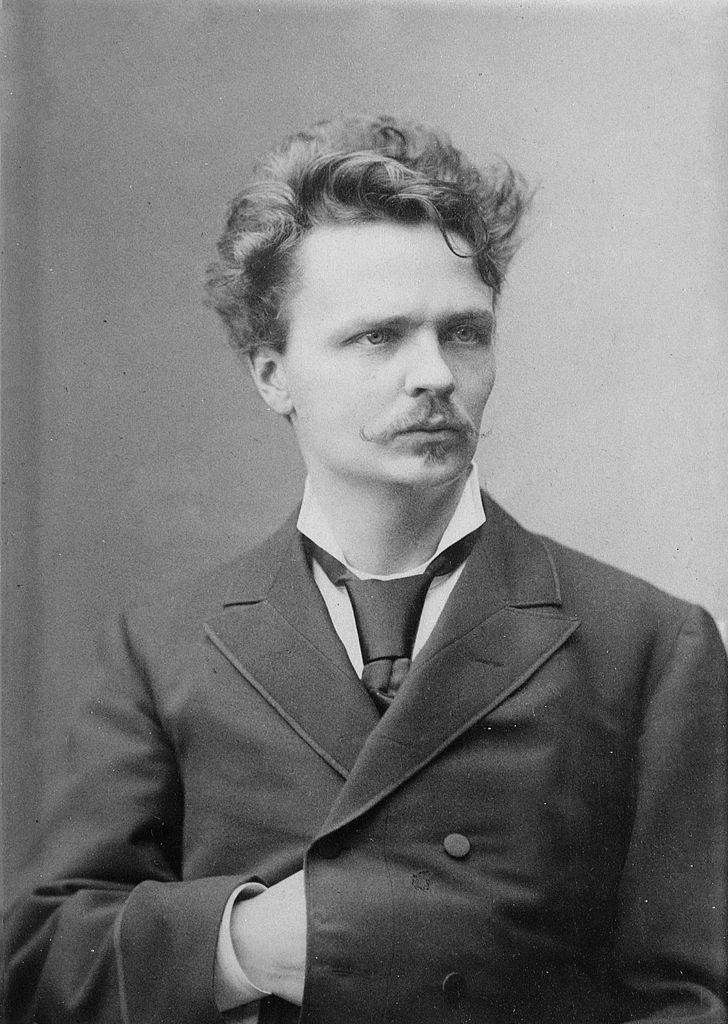
Later in his life Strindberg wrote “dream plays” that were based on fantasy. In A Dream Play (1907), the daughter of a god visits Earth and experiences human suffering. The play moves backwards and forwards in time, like a dream. Across the Western world, playwrights such as Eugene O'Neill and John Osborne began crafting plays inspired by Strindberg’s way of writing. His influence was so great that he is known today as the "father of Swedish literature".
Voltaire
French writer François-Marie Arouet (1694–1778), better known by his pen name, Voltaire, was one of France’s major philosophers and writers of the time. Voltaire was writing during what came to be known as the Enlightenment period, a time when people were starting to value individual thinking over the ideas religion taught them. At one point, Voltaire disapproved so strongly of the way France was governed that he went to live in England for a few years. Nearly all of Voltaire’s plays were tragedies. His tragedy Zaïre (1732) was unusual because its heroine came to a tragic end because of the situation she was in, rather than because of her character.
He is most famous for writing the classic French novel Candide (1759), about a young, curious scholar. Voltaire had an enormous influence in the 18th century. With its message of personal freedom, his work inspired writers and revolutionaries who fought for social reform, especially in the lead up to the French Revolution. He is remembered today as one of France’s greatest philosophers and writers.
Timberlake Wertenbaker
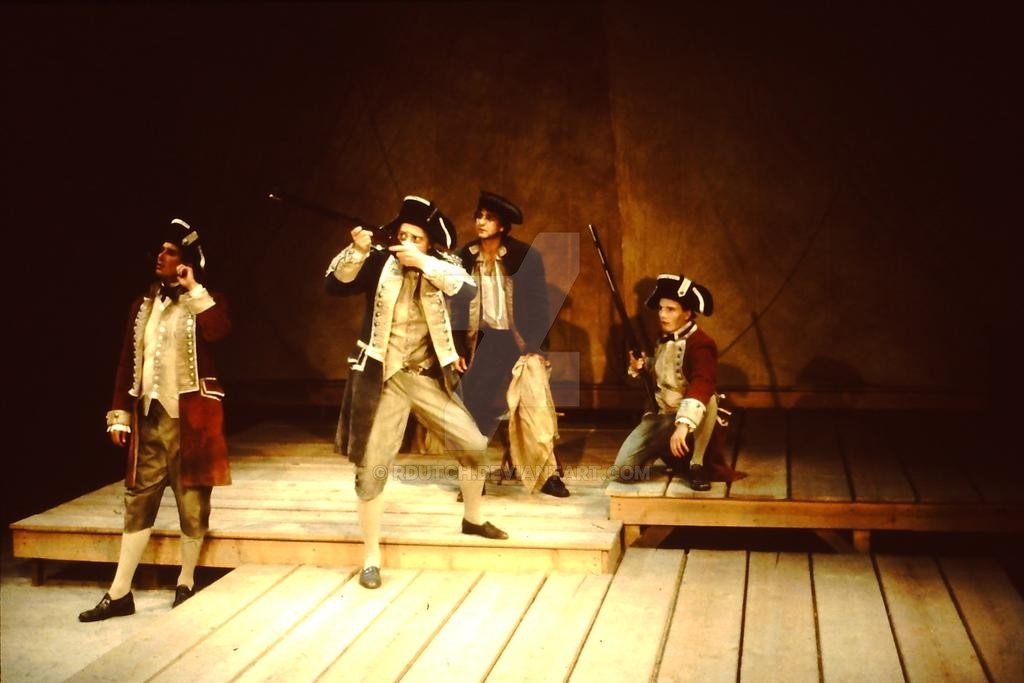
Timberlake Wertenbaker (born 1951) is an American-born British playwright, best known for her 1988 play Our Country’s Good, which tells the story of a group of prisoners sent to Australia in the 18th century. The prisoners put on a play along with their guards, an experience that helps them all discover new things about themselves. Our Country’s Good is about the power of stories, and theatre, to transform and inspire people’s lives. It won awards in London, where it was first performed, and in New York. Wertenbaker has written many plays since, including Three Birds Alighting on a Field (1992), about a failing art gallery. Wertenbaker was born in New York, USA, and grew up in the Basque region of southwestern France. She teaches playwriting at an English university.
Oscar Wilde
Oscar Wilde (1854–1900) was an Irish writer who was one of Britain’s most popular playwrights in the 1890s. He is known for writing comedies such as Lady Windermere’s Fan (1892), An Ideal Husband (1895) and The Importance of Being Earnest (1895). The style of play Wilde wrote was called “comedy of manners”. It was a popular type of comedy in which the humour came from making fun of the manners and rules people were expected to live by in society. The Importance of Being Earnest tells the story of a man who feels he must invent a new identity in order to escape the boredom of his life and marry the woman he loves.
Oscar Wilde was born in Dublin, Ireland. After studying in Dublin and then Oxford, he began working as a writer in London, writing poems, essays and a novel, The Picture of Dorian Gray (1890).
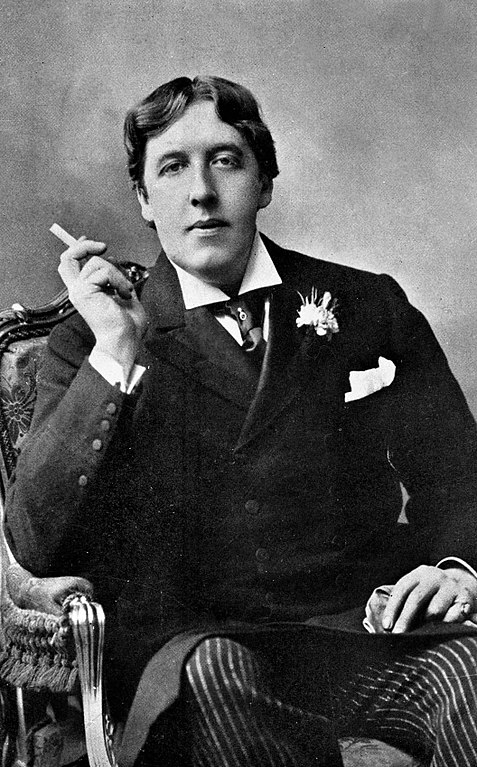
In 1895 Wilde was sent to prison for two years for having a relationship with a man, something that was illegal at the time. The suffering he experienced in prison ended his career as a playwright. He moved to France as soon as he was released, and died three years later, aged just 46.
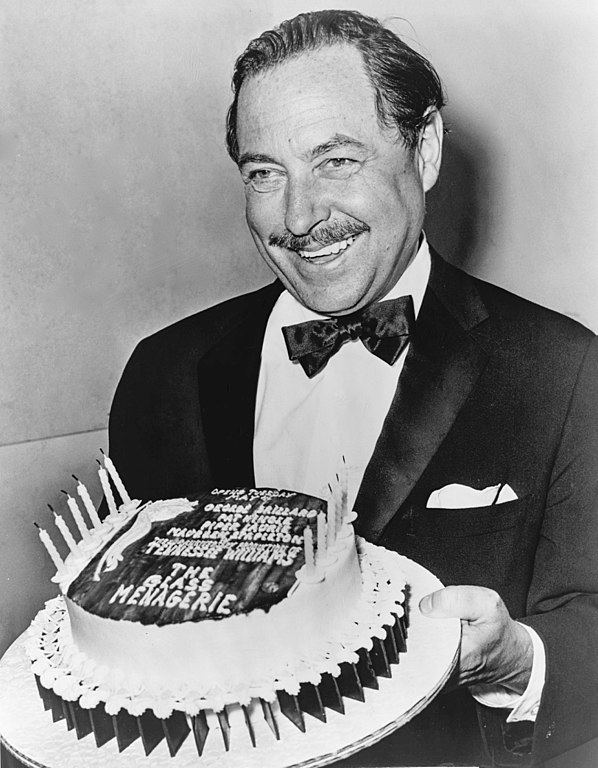
Tennessee Williams
One of the great American playwrights of the 20th century was Thomas Laner Williams, better known by his pen name Tennessee Williams (1911–83). Among his most popular plays are: The Glass Menagerie (1945), A Streetcar Named Desire (1947) and Cat on a Hot Tin Roof (1955). Although many of his plays are about loneliness or everyday suffering, they often have funny as well as sad moments. Williams was born in Mississippi and later moved to Missouri. Despite having a difficult relationship with his violent father, originally from Tennessee, he adopted his pen name “Tennessee” (it might have been a college nickname given to him by his friends) at the age of 29. Before becoming a playwright, he worked in a shoe factory and as a cleaner, writing in his spare time.
Williams's first big success as a playwright came aged 39 with The Glass Menagerie. In the play, a man looks back at his memories of his mother and sister at a dinner party. Williams’s next play, A Streetcar Named Desire, was even more popular. Set just after the end of World War II, it tells the tragic story of a woman named Blanche who has run away from home to stay with her married sister. Through the mistreatment of Blanche by the people she depended on, the play reflected Williams’s view that post-war society was becoming less caring. It is considered today to be one of the finest American plays of the 20th century.
Consultant: Philip Wilkinson