
Africa

CITE
We have made every effort to follow citation style rules, but there may be some minor differences. If in doubt, please refer to the appropriate citation style manual.
Nigeria. (2026). In Q-files Encyclopedia, Geography, Africa. Retrieved from
https://www.q-files.com/geography/africa/nigeria
"Nigeria." Geography, Africa, Q-files Encyclopedia, 9 Apr. 2026.
https://www.q-files.com/geography/africa/nigeria.
Accessed 6 Aug. 2026.
Nigeria 2026. Geography, Africa. Retrieved 6 August 2026, from
https://www.q-files.com/geography/africa/nigeria
Geography, Africa, s.v. "Nigeria," accessed August 6, 2026.
https://www.q-files.com/geography/africa/nigeria


Nigeria
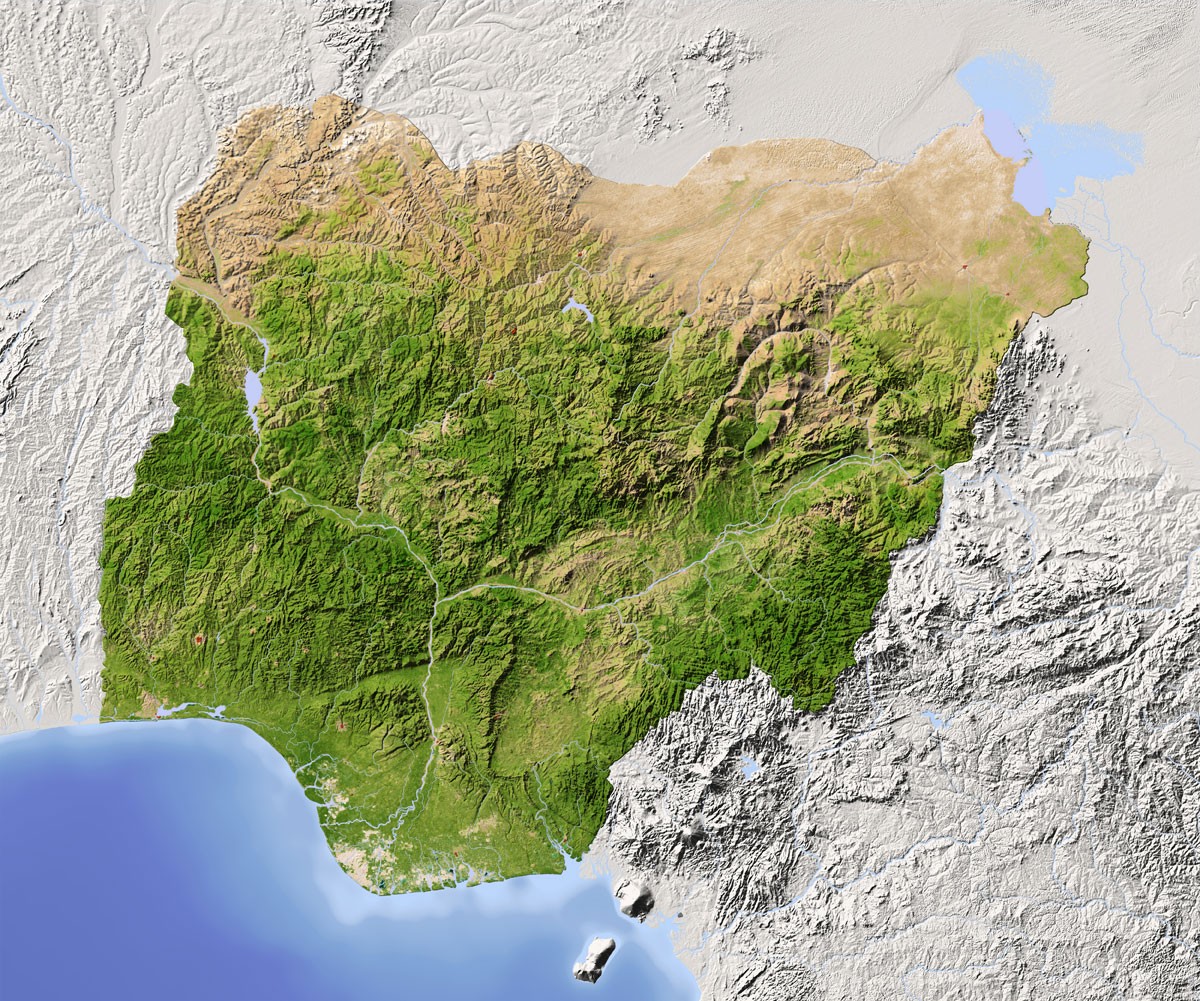
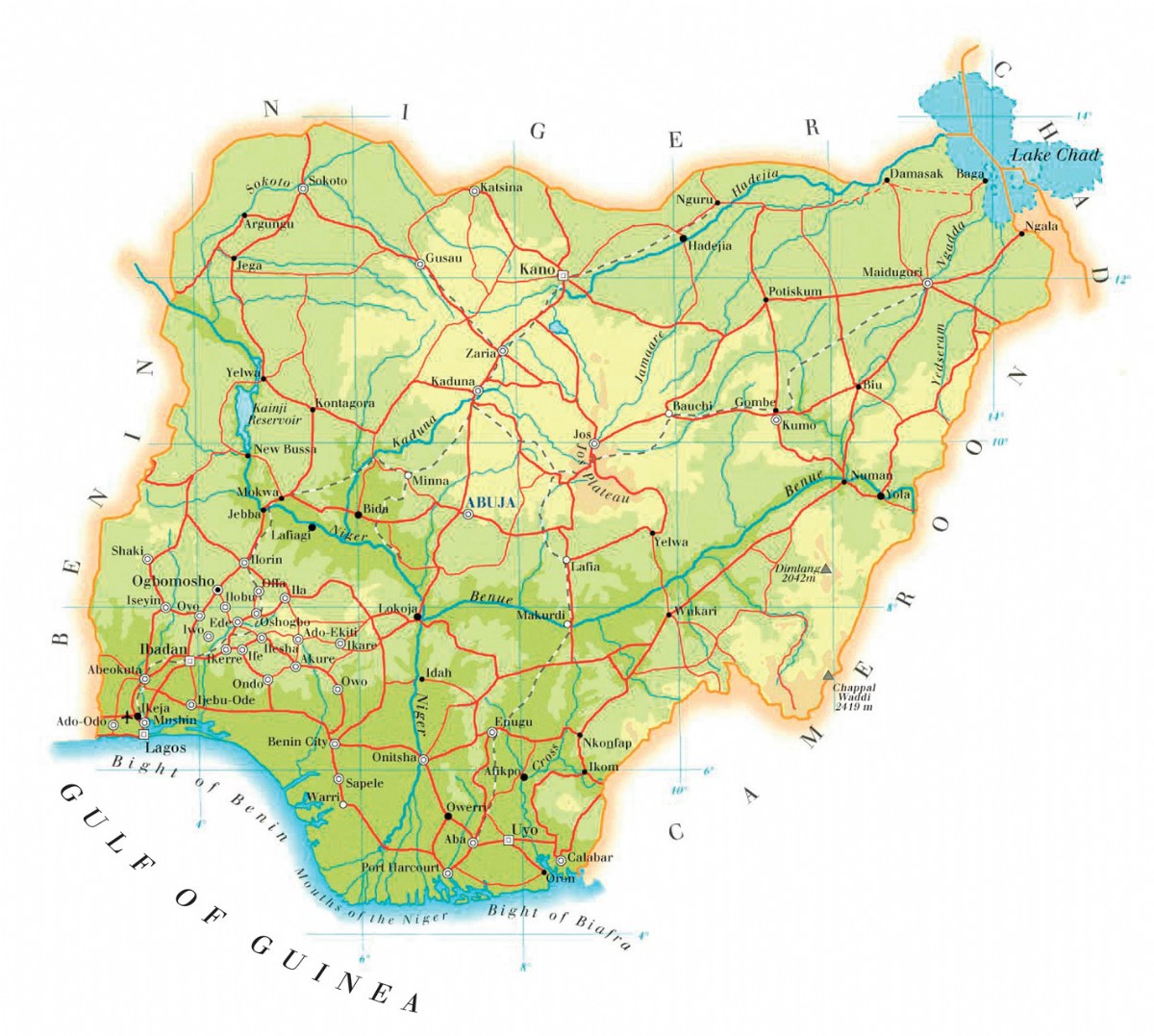
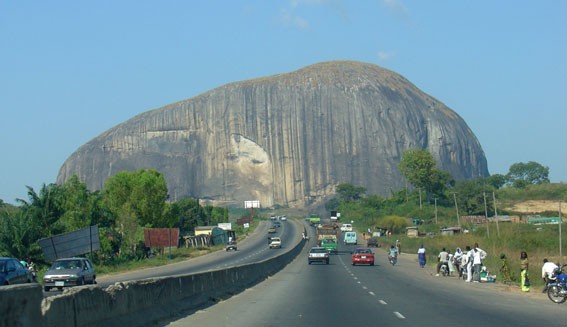
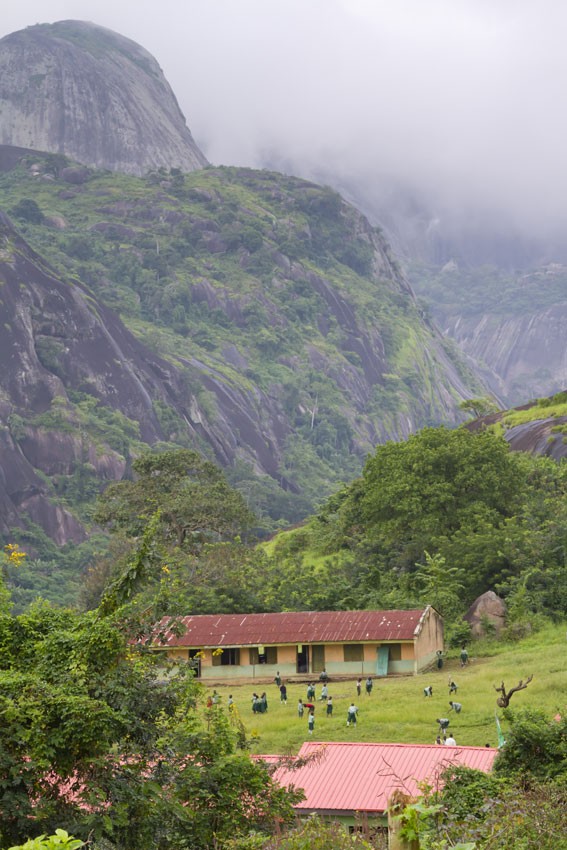
With a population of over 230 million, Nigeria is the most populous country in Africa and the sixth most populous country in the world. Located close to the equator, it has a hot, tropical climate. The north has a long, dry season lasting from October to May, while southern regions are wet and humid. In the north, the land rises to flat, high plains that merge into the Sahara Desert. Savanna grasslands make up a large part of central Nigeria. Rising steeply from this terrain is the Jos Plateau, a region of ancient volcanic rock. Areas of rainforest still stand in the south of the country.
People
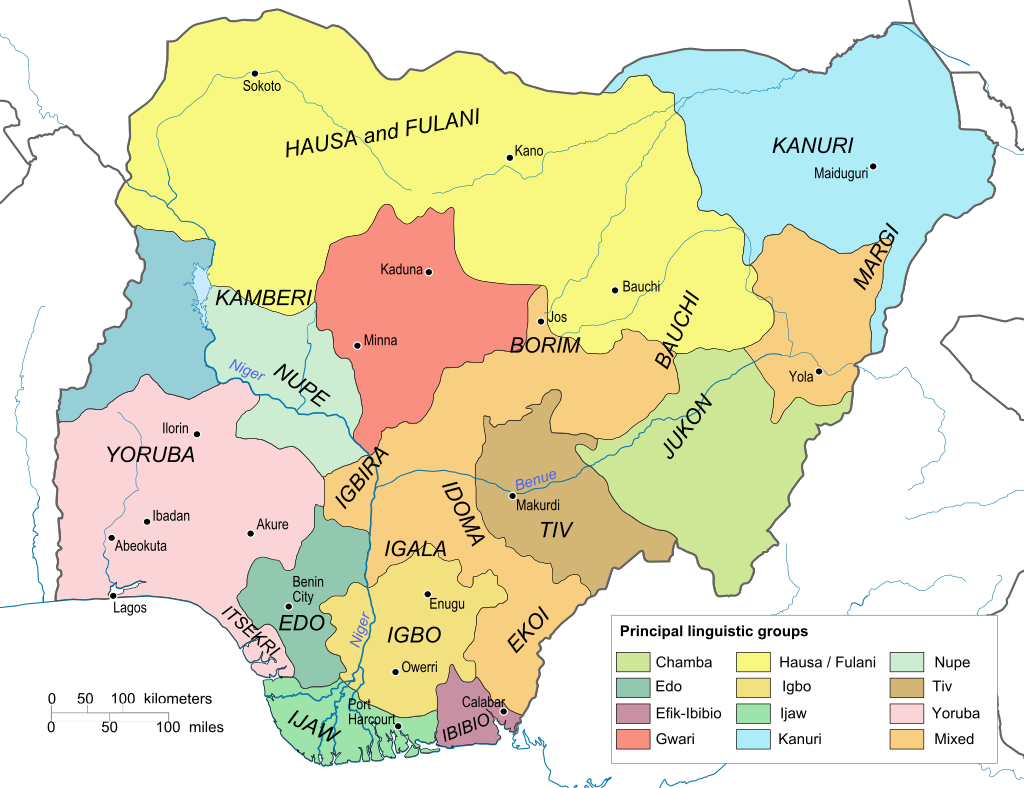
There are about 250 ethnic groups in Nigeria. The three largest are the Hausa-Fulani in the north, the Yoruba in the west and the Igbo in the south. While the official language of Nigeria is English, most people speak the language of one or more ethnic group.
Religions
The majority of people living in the north of Nigeria are Muslim, while the south is mostly Christian. About 2% of the population practises a traditional African religion, such as the Yoruba religion. Some Nigerians combine a belief in Christianity with some traditional religious practices, such as the singing of songs and telling of stories.
Lagos
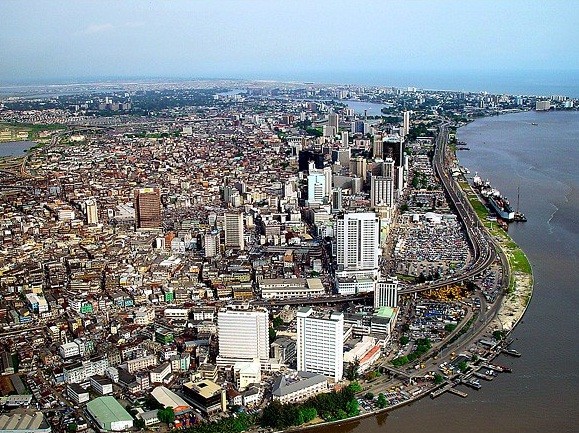
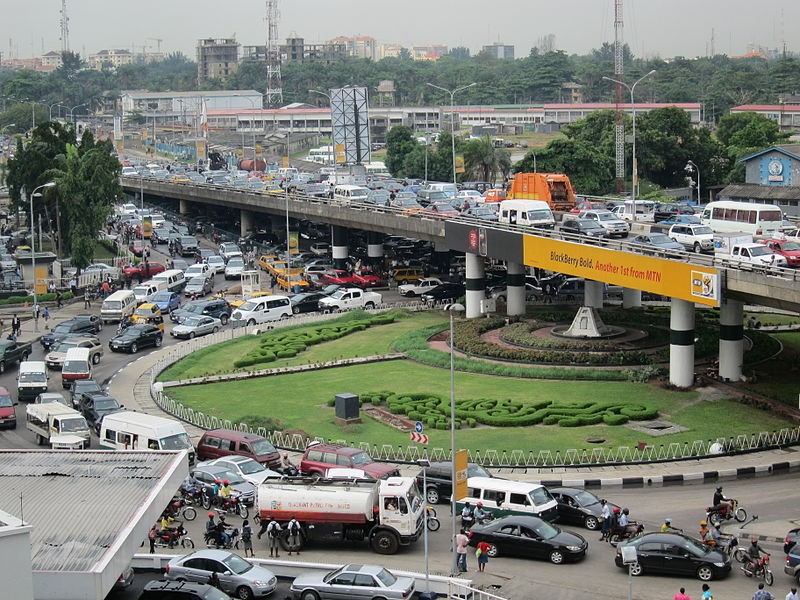
Around half of Nigerians live in towns and cities. Until 1991, Lagos was Nigeria’s capital city, but, in an effort to reduce overcrowding in the south, Nigeria changed its official capital to Abuja, a newly-built city with a cooler climate in the centre of the country. However, Lagos remains Nigeria's largest city with the population of its metropolitan area estimated to be more than 28 million people. Plagued by serious traffic congestion and regular power blackouts, Lagos is, nevertheless, a fast-growing commercial and cultural centre with one of the highest standards of living in Africa.
Makoko
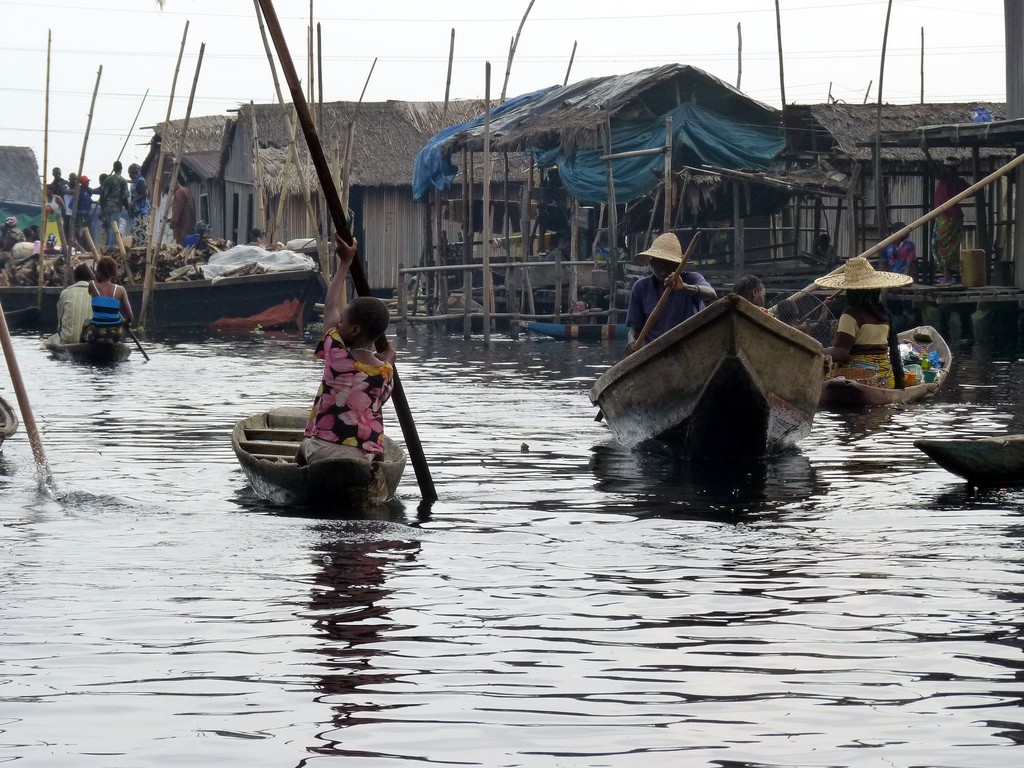
Makoko is a shantytown in Lagos. Spread out beneath the city’s Third Mainland Bridge, most of its buildings are constructed on stilts above the brackish waters of Lagos Lagoon. With an official population of around 85,000—although it could be home to as many as 300,000—Makoko is the world’s biggest floating city. It is a highly organized community, with local government the responsibility of local chiefs called baales.
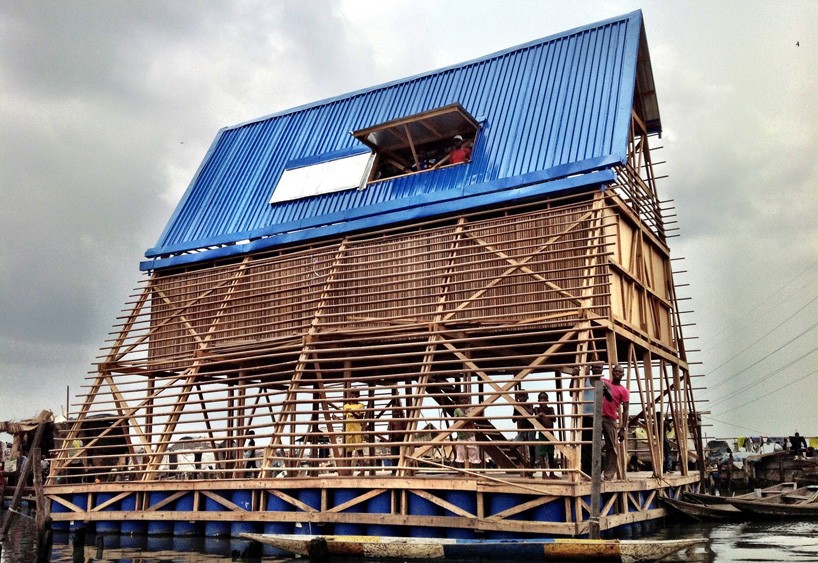
Makoko's residents make a living from fishing, fish-smoking, boatbuilding and supplying sand, clay and laterite (an iron-rich soil) for landfill and construction projects on the mainland. Thanks in part to to a network of pipes bringing fresh drinking water to residents, Makoko has avoided the outbreak of lethal epidemics such as cholera. Although a thriving community, Makoko is under threat of being demolished to make way for the Bar Beach land reclamation project, the planned site of Eko Atlantic, a new mini-city of high-rise apartment blocks and offices.
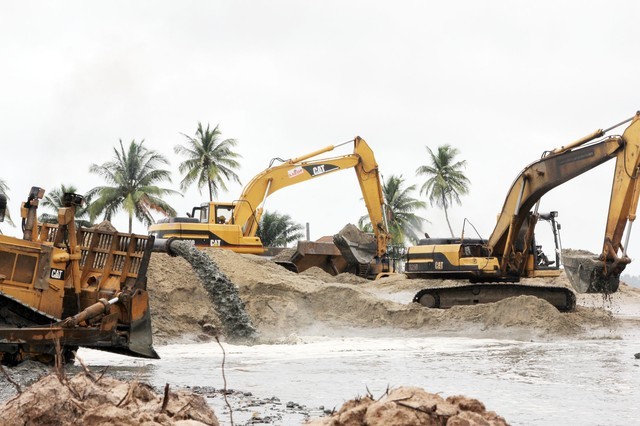
Dredging sand—used for concrete, glass and asphalt in construction projects—from Lagos Lagoon is causing significant harm to residents of Makoko and other coastal communities. The erosion of the seabed destroys certain fish species, leading to a loss of livelihood for local fisheries as well as damaging marine ecosystems, endangering sea turtle nesting sites and migratory bird habitats.
Agriculture
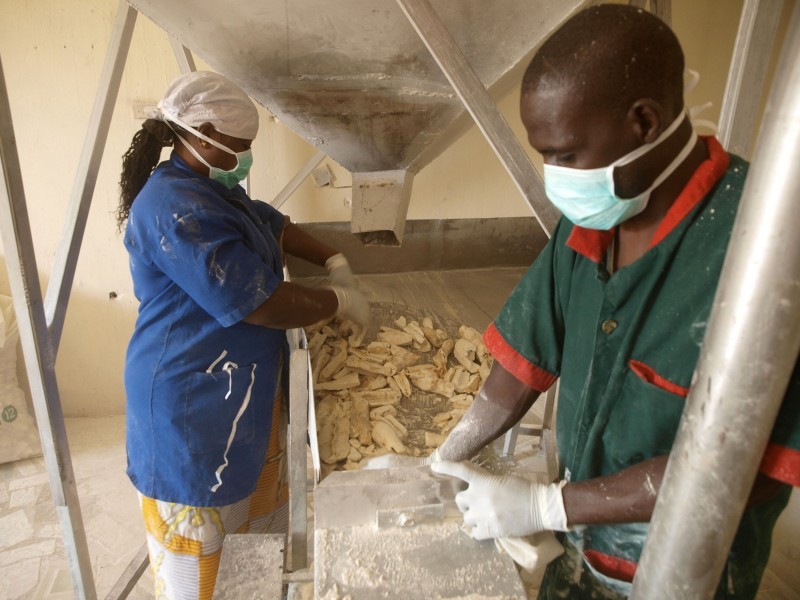
Despite the rapid development of Nigeria's cities and industries, most of the country's people still work on small plots of land as subsistence farmers, growing crops such as yams, cassava and groundnuts. As the population of Nigeria grows rapidly, these farming methods are not enough to feed everyone, so the country has to import large quantities of rice, wheat and other staple foods each year. Cocoa beans are a major cash crop.
Oil
In 1956 large reserves of oil were discovered around the Niger Delta. Today oil and petroleum products make up around 95% of Nigeria’s exports. Since oil extraction began, oil spills in the Niger Delta have damaged its wetland environment. Pollution from oil threatens the mangrove forests, which are important breeding grounds for fish, and home to endangered species such as the manatee.
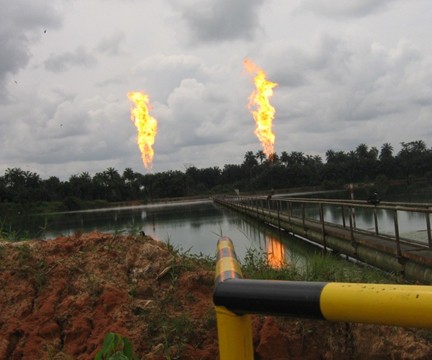
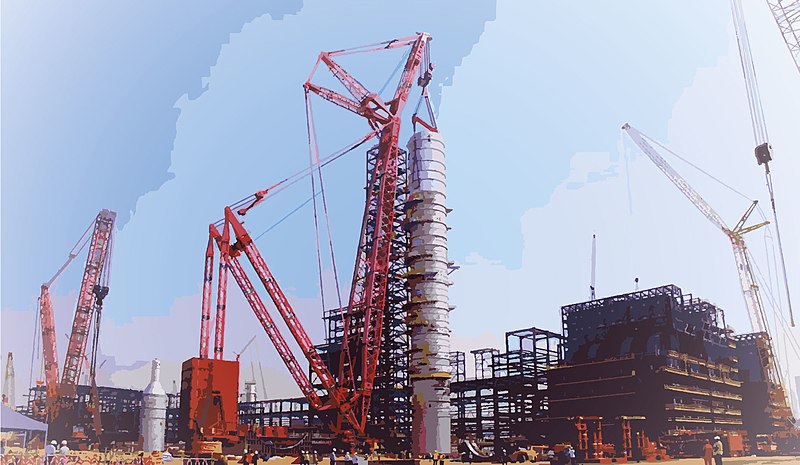
Despite producing almost two million barrels of crude oil a day, Nigeria has had to import fuel because it has lacked oil refineries. Beginning operations in January 2024, the Dangote Refinery has the capacity to refine about a third of the country’s daily output. It is expected to supply sufficient petrol, diesel and aviation fuel to meet Nigeria's entire needs. Established in Lekki on the outskirts of Lagos, it is supplied with crude oil by undersea pipelines which, totalling 1100 kilometres (683 miles) in length, make up the longest infrastructure of its kind in the world.

Nollywood
Nollywood (a mixture of the words "Nigeria" and "Hollywood") is the term used for the Nigerian film industry. It also includes Ghanaian English-language cinema. Nollywood is now the second largest film industry in the world, behind India. Nollywood actors, many of the Ghanaian, have become famous throughout Africa. The movies influence many different African cultures, including how people dress and the use of Nigerian slang. Big budget movies include The Figurine (2009), Half of a Yellow Sun (2013) and The Wedding Party (2016).
Life in Nigeria
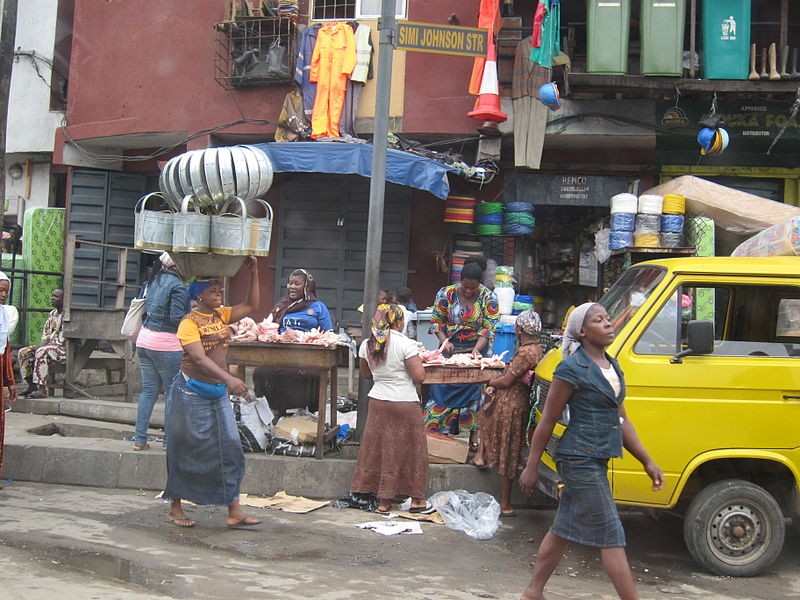
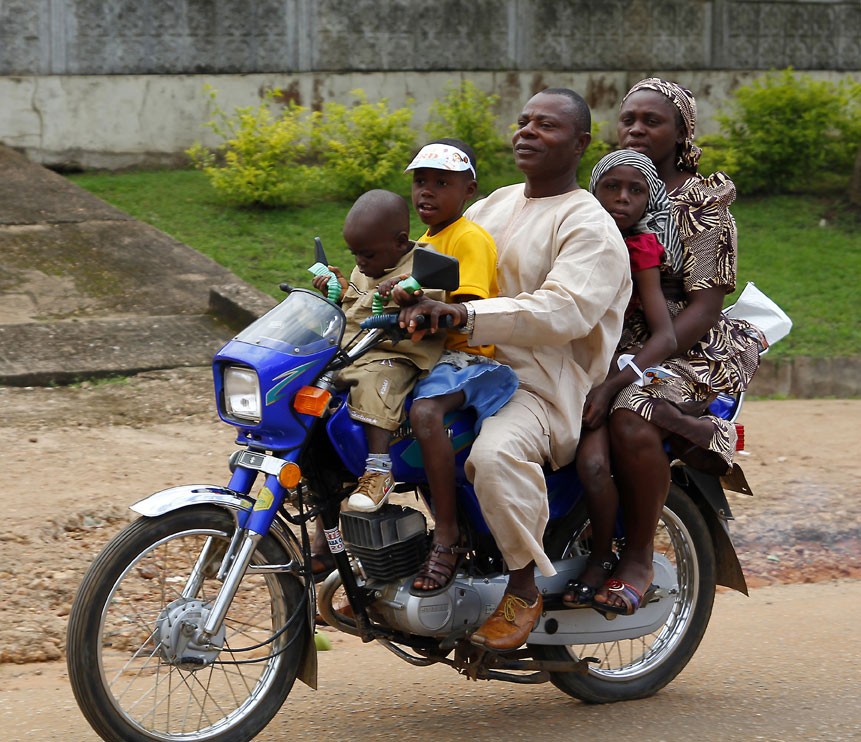
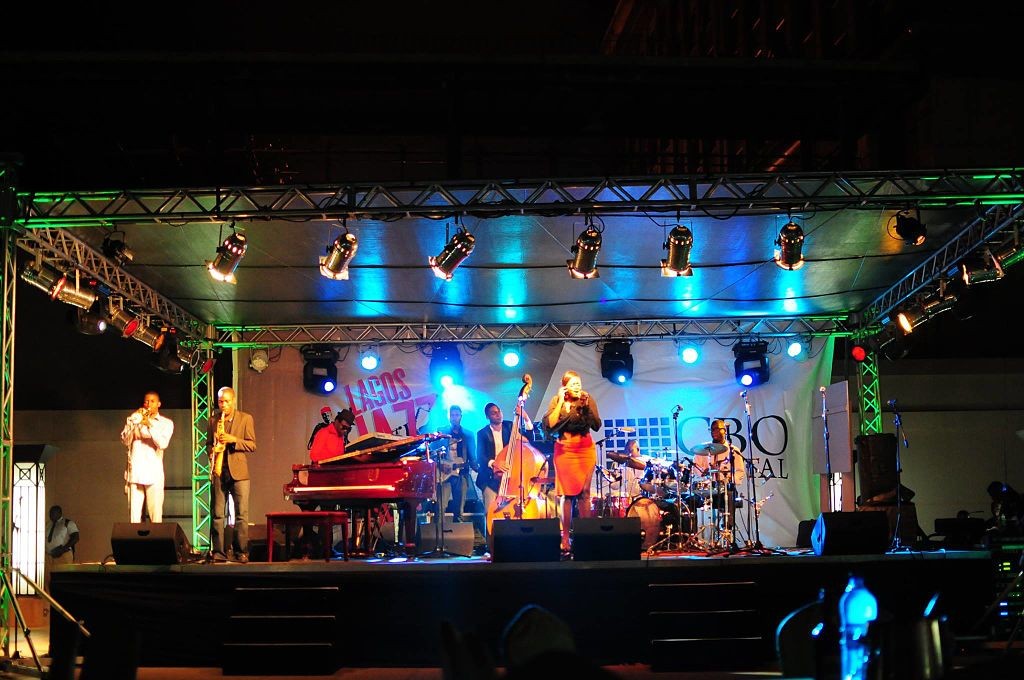
The family is at the centre of Nigerian life, and the extended family gathers together to celebrate births and weddings. Nigerian cities are home to people from many different backgrounds, and wealthy communities are often located right next to areas of great poverty. Markets, nightclubs and restaurants fill busy, crowded streets. Nigeria has a rich literary culture and one of the largest higher education systems in Africa. Wole Soyinka (born 1934), a Yoruba writer, won the Nobel Prize in Literature in 1986.
Girls and women
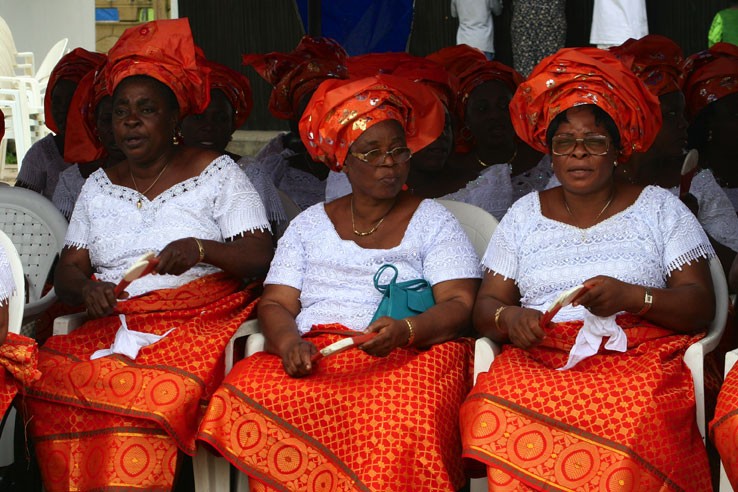
As in many African countries, the traditional ways of life for Nigerian girls and women are changing fast—but only in some regions of the country. It is normal for women from well-off families in southern Nigeria to become educated, work in the professions and participate in public life. But amongst poorer Nigerians, and those from rural or Muslim communities in the north, girls often have fewer opportunities than boys.
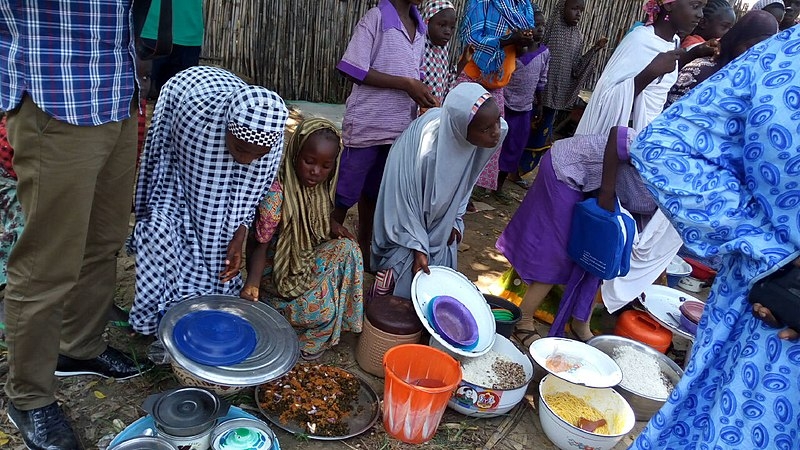
Child marriage is common in Nigeria, with 43% of girls being married before their 18th birthday, and 17% before they turn 15. These figures are much higher in the north, where nearly 3 out of 4 girls are married before they are 18. Married girls are often forced into early pregnancies. They are also denied a full education.
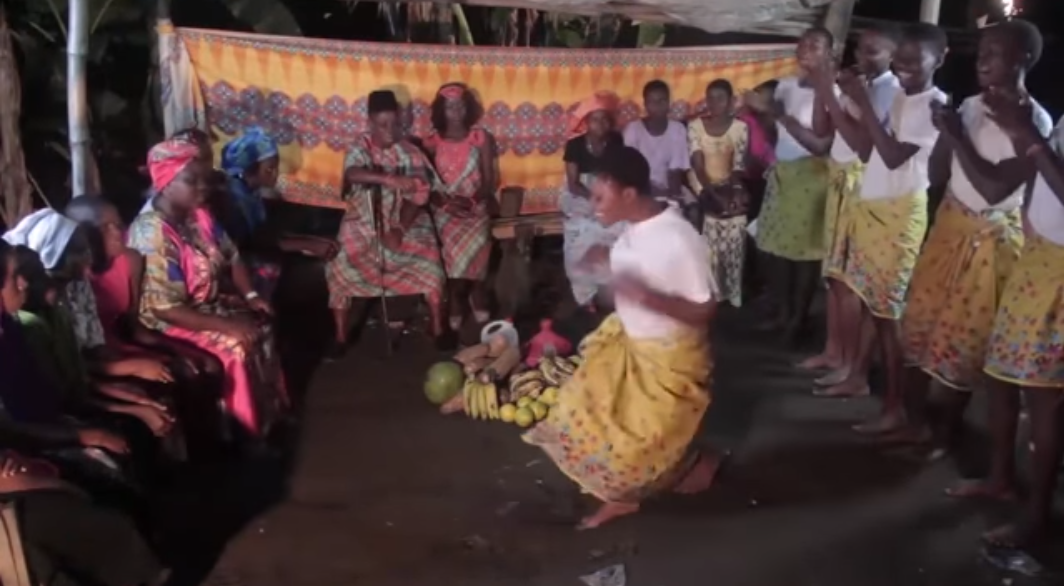
A large number of girls under 15 work as maids, shop helps and street hawkers (sellers of items in the street). As a result, these girls do not receive the care from their parents that other children do; they miss classes at school; and they face a high risk of exploitation and assault.
Boko Haram
Boko Haram is a jihadist terrorist organization based in the northeast of the country. It is the common name for the Islamic State in West Africa, which, in the Hausa language, means "Western education is forbidden". Boko Haram's goal is to establish an extremely strict form of Sunni Islam in Nigeria.
When Boko Haram first formed in 2002, their actions were non-violent. They turned to armed rebellion in 2009. Aiming to overthrow the government and create an Islamic state, they attacked government buildings, police stations and schools, killed tens of thousands of people and forced 2.3 million to flee their homes.
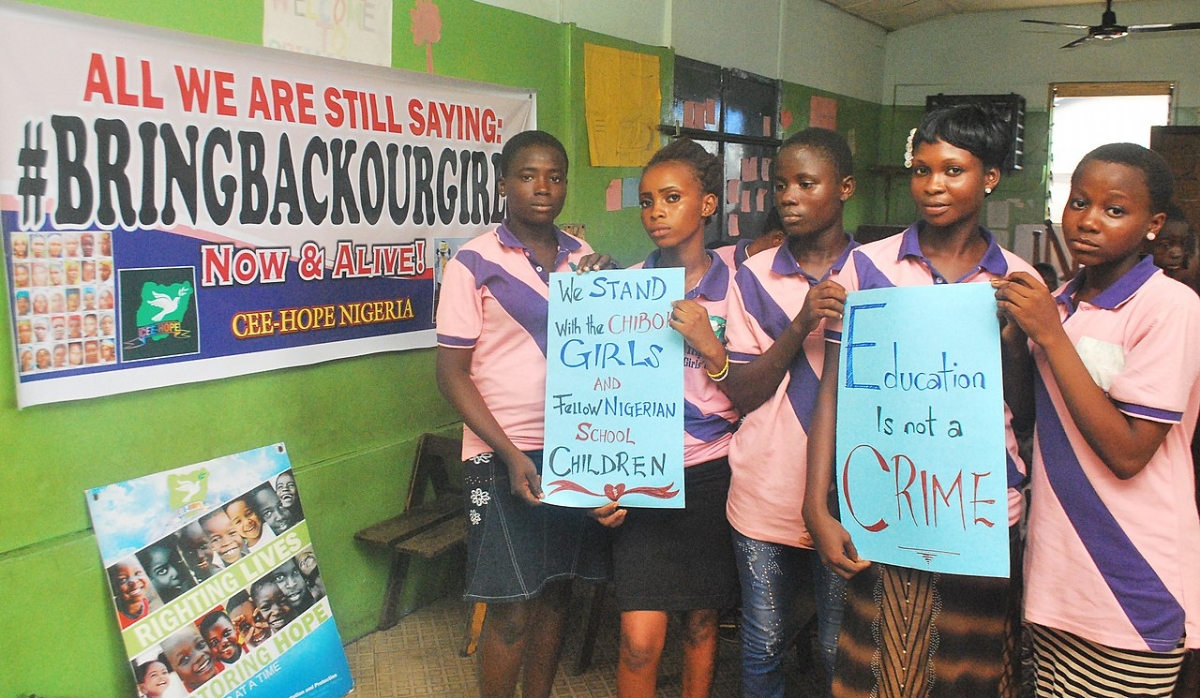
Boko Haram carried out a mass kidnapping of 276 schoolgirls from the town of Chibok in April 2014. (As of January 2025, more than 80 girls remain missing.) The group went on to seize control of territory in and around the state of Borno. The rebels were driven back in 2015 by a coalition of troops from Nigeria, Cameroon, Chad and Niger. Since then they have regrouped and launched new offensives in 2018 and 2019. More than 1500 students have been kidnapped from Nigerian schools between 2014 and 2024.

Consultant: Nicholas Harris
Facts about Nigeria
Population 230,842,743 (2023 estimate)
Area 923,768 sq km (356,667 sq miles)
Highest point Chappal Waddi 2419 m (7936 ft)
Capital Abuja (metro area pop. 4,025,000)
Other major cities Lagos (metro area pop. 28 million), Kano (4,645,320), Ibadan (4,004,000), Benin City (1,496,000)
Languages English (official language), Hausa, Yoruba, Igbo
Religions Muslim 50%, Christian 40%, animist and other 10%
Ethnicity Hausa and Fulani 32%, Yoruba 21%, Igbo 18%, Efik-Ibibio 7%, Kanuri 4%, other 18%
Currency Naira (NGN)
Chief exports Crude oil, palm oil, rubber, cocoa beans
History of Nigeria
500 BC–AD 200
The Nok culture flourishes in northern Nigeria. Craftworkers produce the earliest known sculptures in Africa.
AD 700
Traders from Arabia and Persia arrive in the north of Nigeria, bringing a Muslim influence.
10th century
The northern Igbo Kingdom of Nri emerges in southeastern Nigeria and lasts until the 1560s. Much of Igboland's culture, customs and religious practices date from this time.
11th century
Kingdom of Benin emerges from the previous Edo Kingdom of Igodomigodo. In the 15th and 16th centuries, it will reach the height of its prosperity, expanding its territory, trading with European powers and creating bronze, iron and carved ivory artworks
1300s
Hausa Kingdoms, a collection of states ruled by the Hausa people, emerge in the region between the River Niger and Lake Chad. They adopt Islam and build a trade network exporting slaves, leather, gold, cloth and salt. Katsina becomes the most powerful state.
1380s
Bornu Empire begins in northeastern Nigeria, in time growing to incorporate areas that are today parts of Chad, Niger and Cameroon. It lasts until its defeat in 1893
1472
Portuguese traders arrive and trade with Europeans begins.
1500s
The Oyo Empire, founded by the Yoruba people, emerges and wins victories over its great rivals, the Nupe. By the end of the 17th century, the Oyo alaafins rule over what is today western Nigeria and southern Benin
1600s–1800s
Ports are established by Europeans for slave-trafficking to the Americas.
1804
Sokoto Caliphate is founded by Usman dan Fodio in 1804 after defeating the Hausa Kingdoms in the Fulani War. Extending to parts of present-day Cameroon, Burkina Faso, Niger as well as Nigeria, it becomes the most populous empire in West Africa.
1830s–80s
Civil wars rage in lands of the Yoruba in the south.
1861
Lagos Treaty of Cession: Britain annexes Lagos as a crown colony
1884
Oil Rivers Protectorate (renamed Niger Coast Protectorate in 1893) is established by the British
1892–93
British armed forces conquer Yorubaland
1897
The forces of the Niger Coast Protectorate capture Benin City and drive the Oba of Benin into exile
1900
Niger Coast Protectorate is merged with the territories along the River Niger conquered by the Royal Niger Company to form the Southern Nigeria Protectorate, a territory of the British Empire. The British create the Northern Nigeria Protectorate at the same time.
1901–02
Anglo-Aro War: British conquer Igboland
1903
British forces capture Kano from the Sokoto Caliphate
1914
The British unite the Southern Nigeria Protectorate and the Northern Nigeria Protectorate into the Colony and Protectorate of Nigeria
1922
Part of the former German colony of Kamerun (Cameroon) is added to Nigeria
1960
Nigeria becomes independent from British rule. The new government divides the country into three regions according to the main ethnic groups: the Yoruba, Hausa-Fulani and Igbo.
1967 (May)
On 30th May the southeastern region, with its mostly Igbo population, breaks away from the rest of Nigeria, setting up an independent Republic of Biafra. Efforts to negotiate a peaceful settlement fail, and, in July, war breaks out.
1967–70
Nigerian Civil War fought between the Igbo people of Biafra and the rest of Nigeria. Government forces surround Biafra, preventing food and medical supplies reaching the people. Up to 1 million Biafrans die from famine or from the fighting.
1970
In January, Nigerian forces capture the Biafrans’ last stronghold, Owerri, and Biafra surrenders. It once more becomes part of Nigeria.
1975–99
Nigeria is governed by a succession of military rulers
1995
Ken Saro-Wiwa, campaigner against oil industry ravaging his Ogoni homeland, is executed; in protest, EU imposes sanctions and Commonwealth suspends Nigeria's membership
1999
Military rule ends and the former military head of state, Olusegun Obasanjo, is democratically elected as Nigeria's president.
2000
Clashes between Christians and Muslims in northern states where Islamic Sharia law is adopted
2002
About 100 people are killed in Lagos during clashes between Hausas from mainly-Islamic north and Yorubas from mainly-Christian southwest (February); more than 200 people die in Muslim riots over planned Miss World pageant in Kaduna
2004
Troops violently suppress riots in oil city of Port Harcourt
2009
Boko Haram Islamist movement launches a campaign of violence in a bid to have Sharia law imposed on the whole of Nigeria
2014
More than 200 schoolgirls from the northern town of Chibok are kidnapped by Boko Haram (whose name means “Western education is forbidden”)
2015
Nigeria, Chad, Cameroon and Niger form military coalition to drive Boko Haram out of the towns it has captured in the northeast
2017
More than 80 of the kidnapped Chibok schoolgirls are freed in a prisoner swap with Boko Haram
2022
Floods affect many parts of the country, following heavier-than-usual rainfall and the release of water from the Lagdo Dam in neighbouring Cameroon. More than 2400 people have been injured, while 600 have lost their lives. The floods have completely or partially destroyed over 200,000 homes and over 1.4 million people have been forced to move.
2023
Bola Tinubu is elected president following an election marred by allegations of voter intimidation and ballot rigging
2024
Severe flooding, caused by heavy rainfall and overflowing rivers, affects more than 1 million people in Borno, Yobe, Adamawa and Taraba states. The streets of Maiduguri, capital of Borno, are submerged after a dam nearby collapses
pics


Without in any way limiting Q-files Ltd’s exclusive rights under copyright, any use of this publication to “train” generative artificial intelligence (AI) technologies to generate text is expressly prohibited. Q-files Ltd reserves all rights to license use of this work for generative AI training and development of machine learning language models.