
Europe
Europe in the 19th century
The world in the century between 1815 and 1914 was largely dominated by European powers. Germany and Italy, previously made up of a number of small states or kingdoms, finally became single, united nations. Britain, France, Russia and, later, Germany built empires that extended across the world. Europeans dominated world trade. The exception to this European dominance was the United States, which came through a civil war in the 1860s to emerge as a major industrial and military nation, and Japan, which was fast becoming the dominant force in the Far East. While still a major European power, Russia's stability was undermined by authoritarian rule, discontent from defeats by Japan and unrest among its vast population of workers and peasants. Great powers of earlier centuries, such as China and the Ottoman Empire, declined and eventually collapsed.
Keeping the peace

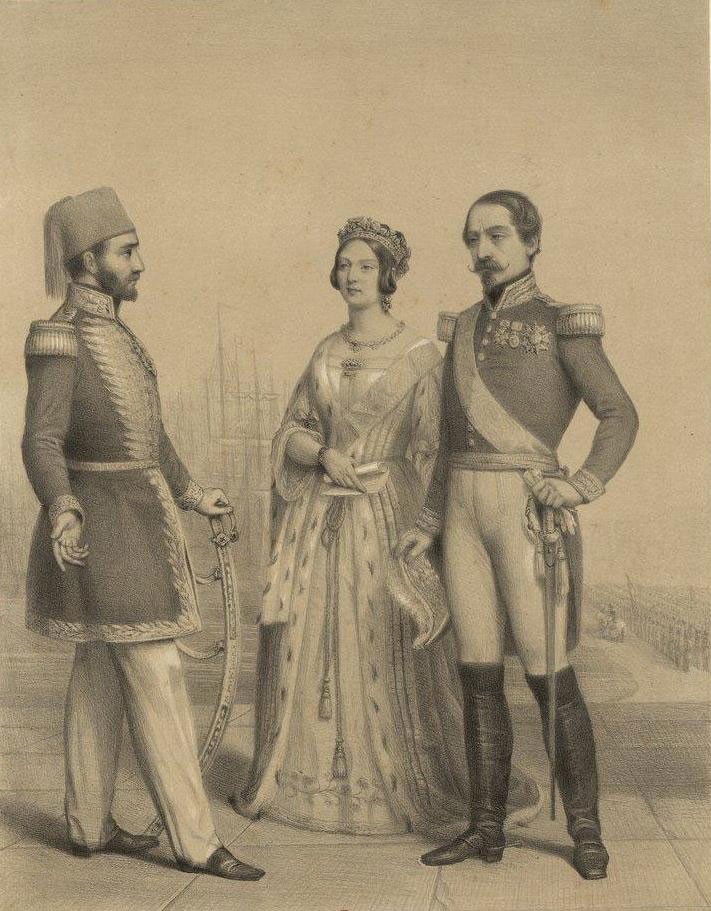
After the long years of war against France, the victorious European nations met in Vienna in 1814–15 to agree a peace settlement. The old monarchies were restored, Sweden’s acquisition of Norway from Denmark was confirmed, and Belgium was united with Holland. Most importantly, all the European states, including France, agreed to hold regular congresses (high level meetings) to deal with any threats to their political stability. Five such congresses were held by 1830. At these, the European nations agreed to put down revolts in Naples and Portugal, support French intervention to suppress a liberal revolt in Spain, support Greek independence from the Ottomans and allow Belgium to become independent. The Congress system worked to suppress uprisings by the people in Europe—but it did help to keep the peace.
The Year of Revolutions
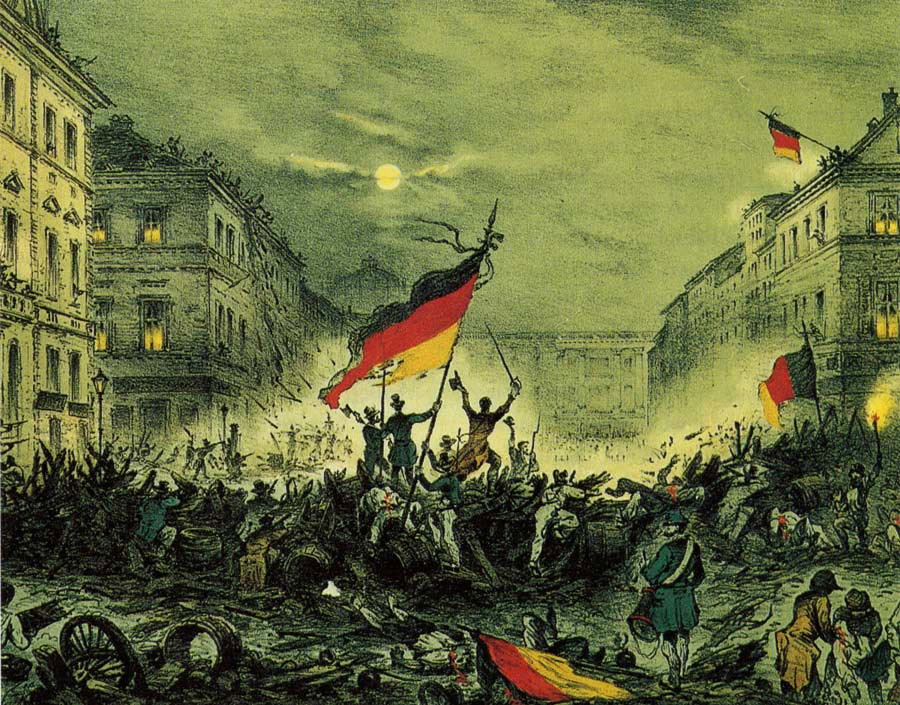
In February 1848 the restored monarchy of King Louis-Philippe fell in France and was replaced once again by a republic. Unrest spread to Germany, Austria, Hungary, Croatia and the Czech lands, as people demanded the end of rule by absolute monarchs and feudal lords. Republics were formed in many of the Italian states and an assembly met in Frankfurt with the idea of uniting Germany. The Year of Revolutions was soon over, however. The Habsburgs regained control of Austria, Italy, and, with Russian support, Hungary, while the German assembly collapsed after pressure from Prussia. The republic established in Rome by revolutionaries, including Giuseppe Garibaldi, was suppressed by French troops, who returned Pope Pius IX to power.

The unification of Italy
In the mid-1800s Italy was divided into numerous small states, with many in the north ruled by Austria. A movement known as the Risorgimento (“resurrection”) aimed to unite the country. Among its principal leaders were King Victor-Emmanuel II of Piedmont and his prime minister, Camillo di Cavour, who wanted Italy to united under the king’s sole leadership. In 1859 Cavour gained French support to drive the Austrians out of northern Italy. In the south, revolutionaries led by Giuseppe Garibaldi (1807–82) overthrew the Kingdom of the Two Sicilies and handed the country over to Victor-Emmanuel. In 1866 the new Italian government allied with Prussia and evicted the Austrians from Venice. Four years later, it captured Rome, finally uniting all of Italy under one crown.
The unification of Germany
The 1815 Congress of Vienna set up a union of 39 German states known as the German Confederation. Prussia gradually took control of this union, setting up a free trade zone over most of Germany, but which excluded Austria. In 1861 Wilhelm I became King of Prussia and appointed Otto von Bismarck (1815–98) as his chancellor. Bismarck set out both to strengthen Prussia and unite Germany.
In 1863–64 Prussian and Austrian troops occupied the Danish-held duchies of Schleswig and Holstein and divided them between them. But the two countries soon fell out and in 1866 Prussia defeated Austria during the Seven Weeks’ War. Prussia now took over those German states that had allied with Austria, excluding Austria from Germany altogether.
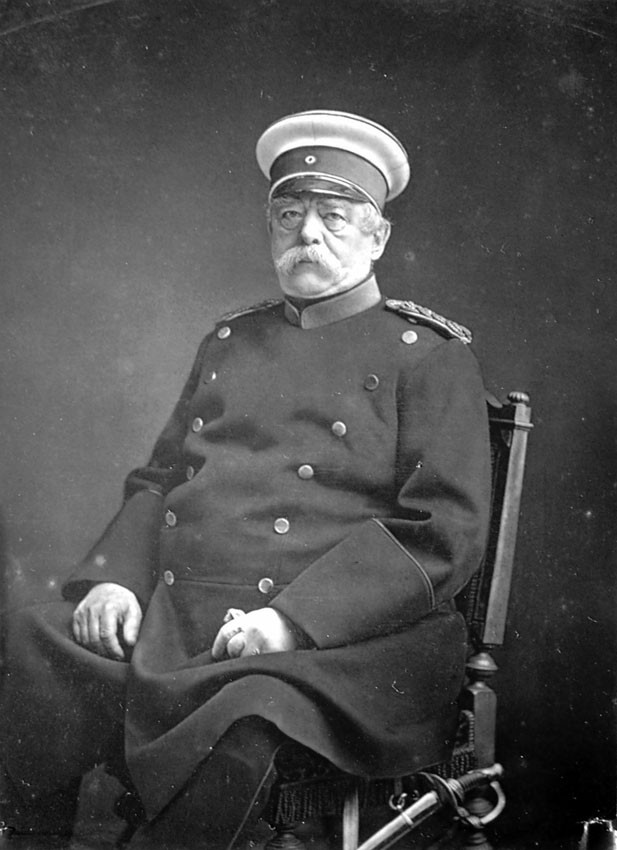
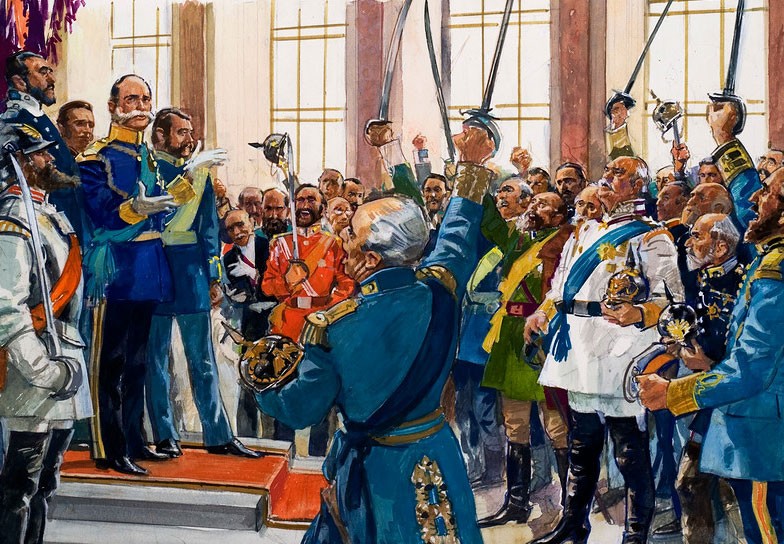
In 1870 Bismarck tricked France into declaring war on Prussia. Prussian troops then invaded France, besieged Paris, and captured Emperor Napoleon III, who abdicated (gave up the crown). In January 1871 Wilhelm I was proclaimed Kaiser or emperor of the new German Empire, which brought 25 states along with the newly acquired French provinces of Alsace and Lorraine under Prussian leadership. France now set up its Third Republic—one which loathed the new Germany.
The scramble for Africa
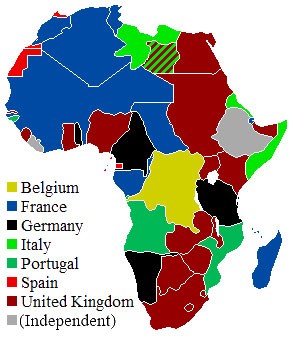
Following the exploration of the interior of Africa, European nations began to lay claim to large parts of the African continent. This became known as the “Scramble for Africa”.
In 1880 a tiny part of Africa was ruled by European nations. Only 20 years later, Europe had laid claim to the entire African continent with the exception of Ethiopia and Liberia. In 1884 a conference was held in Berlin to decide how Africa was to be divided up—but no African representatives were present to decide their own future.
The fall of the Ottoman Empire
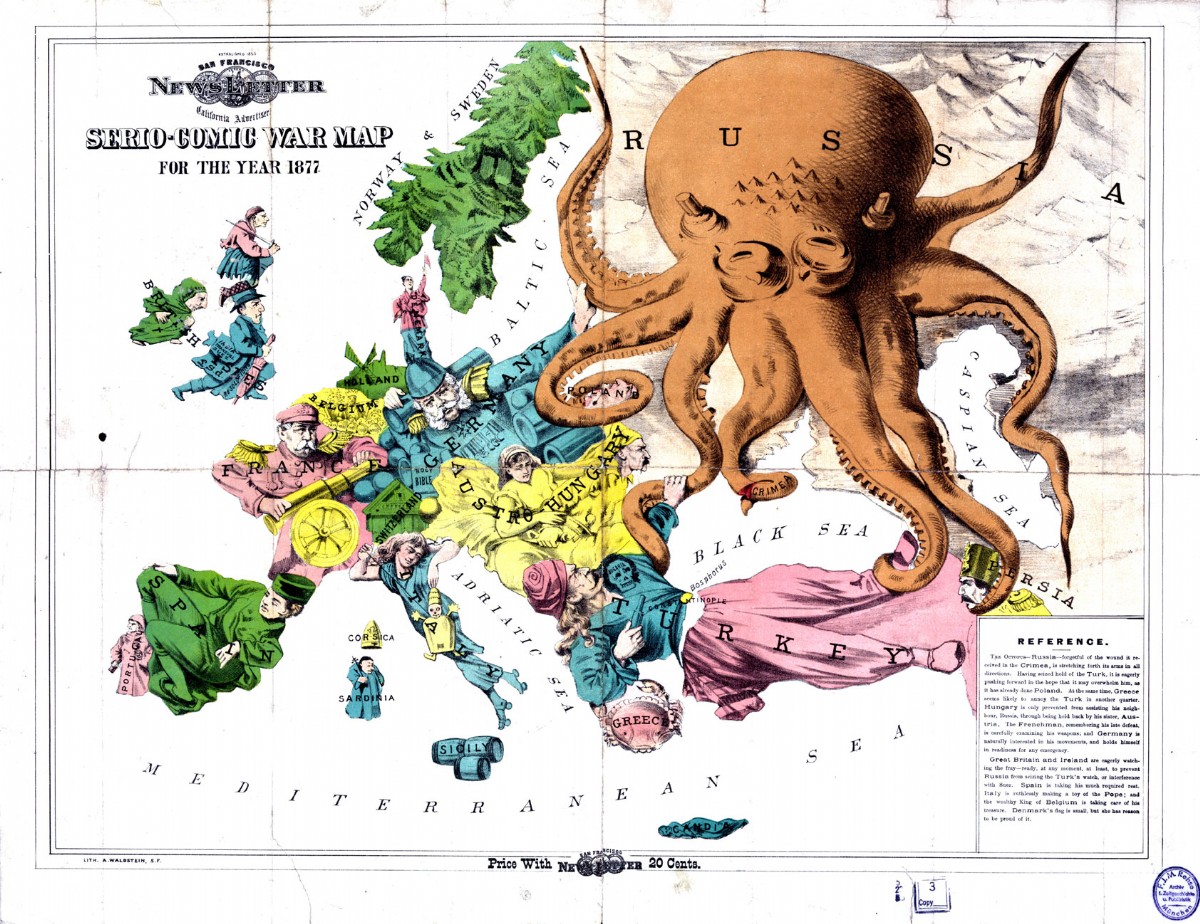
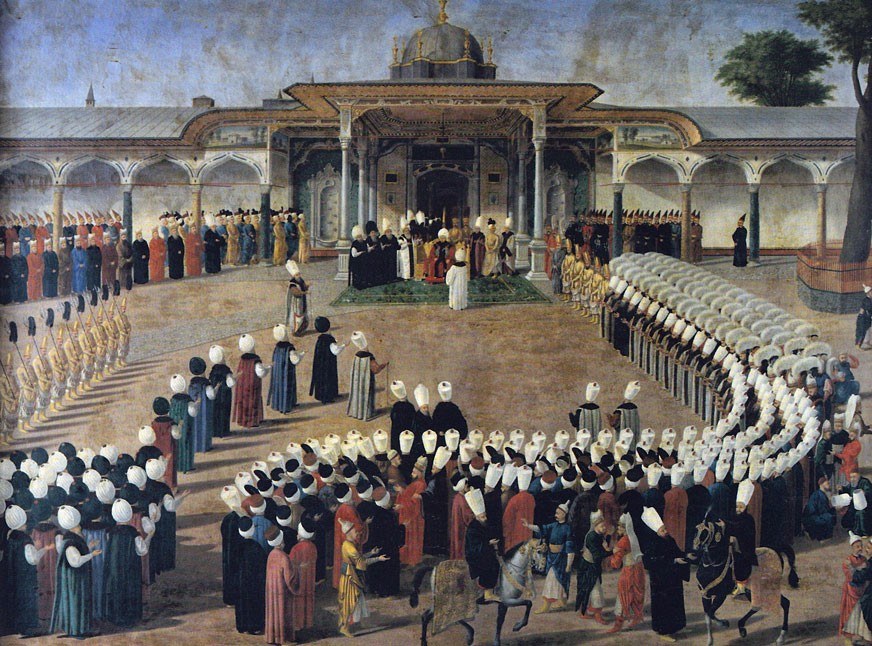
The Ottoman Empire slowly declined throughout 1800s and early 1900s, earning it the title "The Sick Man of Europe". But most European nations wanted to keep the Ottoman Empire alive as they did not want Russia to gain access through Ottoman lands—via the Bosporus Strait—to the Mediterranean Sea. In 1832 Greece won its independence from Ottoman control with European agreement. In 1853 the Crimean War broke out between Russia and the Ottoman Empire. Britain and France supported the Ottomans against the Russians and attacked Russian-held Crimea. The war ended without either side begin able to claim victory.
Ottoman possessions in Europe and Africa were beginning to break free. Another war between Russia and the Ottomans in 1877–78 led to the proposed creation of a new Bulgarian state in the Balkans protected by Russia. The other European nations objected and Bulgaria was reduced in size. Romania and Serbia became independent, while Britain gained Cyprus and later Egypt, while France took Tunisia. Austria-Hungary took over Bosnia-Herzegovina.

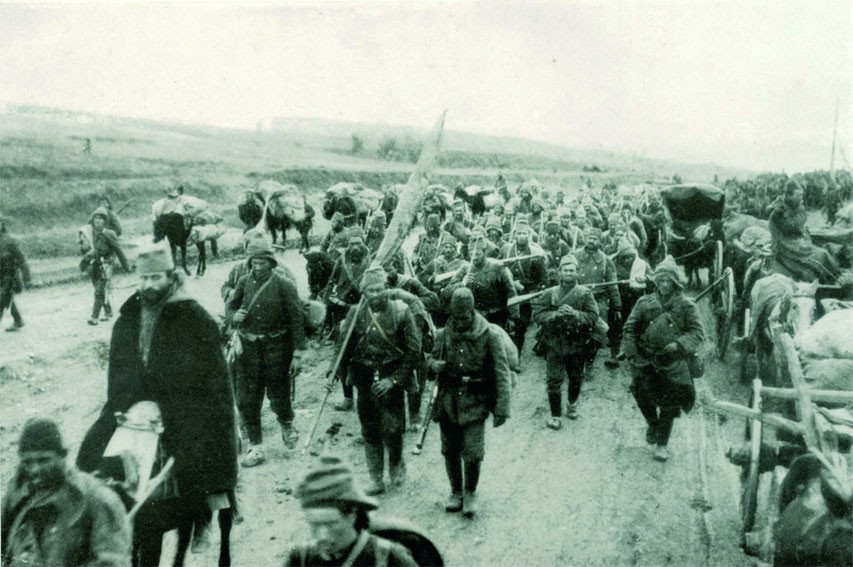
The Ottoman Empire finally collapsed in Europe in 1912–13. A coalition of Greece, Serbia, Montenegro and Bulgaria attacked the Ottoman lands in Europe and divided them up between them. This left the Ottomans with just a small corner of European territory around Constantinople. Bulgaria objected to the settlement, however, and fought its former allies. It ended up losing land to both them and Romania. Albania gained its independence while, in 1912, Italy seized Libya. By 1914, the Ottoman Empire was on the point of falling apart.
Alliances and Ententes
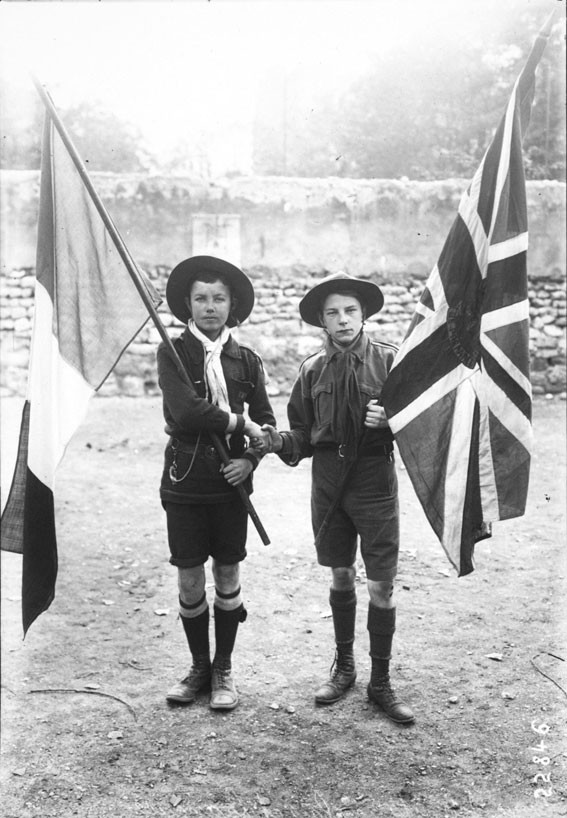
In 1879 Germany signed a defensive alliance with Austria-Hungary, which Italy then joined in 1882. Being fearful of Germany, France signed its own defensive alliance with Russia in 1894. At first, Britain remained isolated from European affairs but in 1904 it agreed an Entente ("understanding") with France, extending this to Russia in 1907. Europe was thus divided into two opposing defensive alliances, in each of which the allied nations agreed to help each other if they were attacked.
The path to war

In the years leading up to the outbreak of war in 1914, a number of crises occurred in Europe. In 1900 Germany announced its intention to expand the Germany navy, thus threatening British naval supremacy. In response, Britain designed and launched the new dreadnought battleship class in 1906. A naval "arms race" had been triggered.

In 1905–06 and again in 1911, German colonial ambitions in Morocco almost led to war before the Germans decided to recognize French ownership of Morocco. In the Balkans, Austria-Hungary took over Bosnia–Herzegovina which it had administered since 1878, angering neighbouring Serbia. Two wars between the Balkan states in 1912–13 led to the near-complete eviction of the Ottoman Empire from Europe but also created tension as Austria-Hungary feared Russian influence in the region. Yet despite these crises, Europe was at peace in early 1914 and there seemed little prospect of war. Events that summer were to blow this notion apart.
Consultant: Philip Parker