Famous women
Nellie Bly
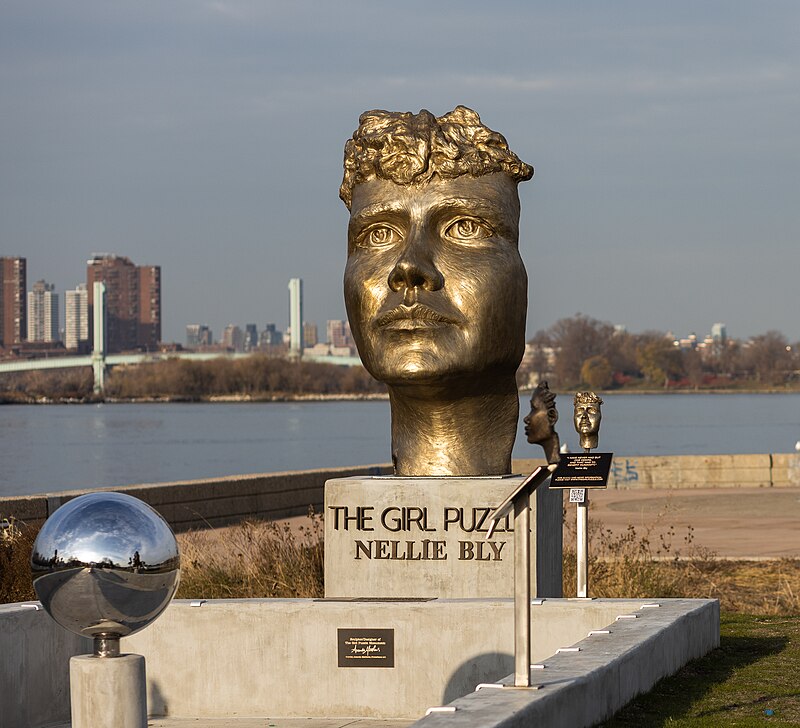
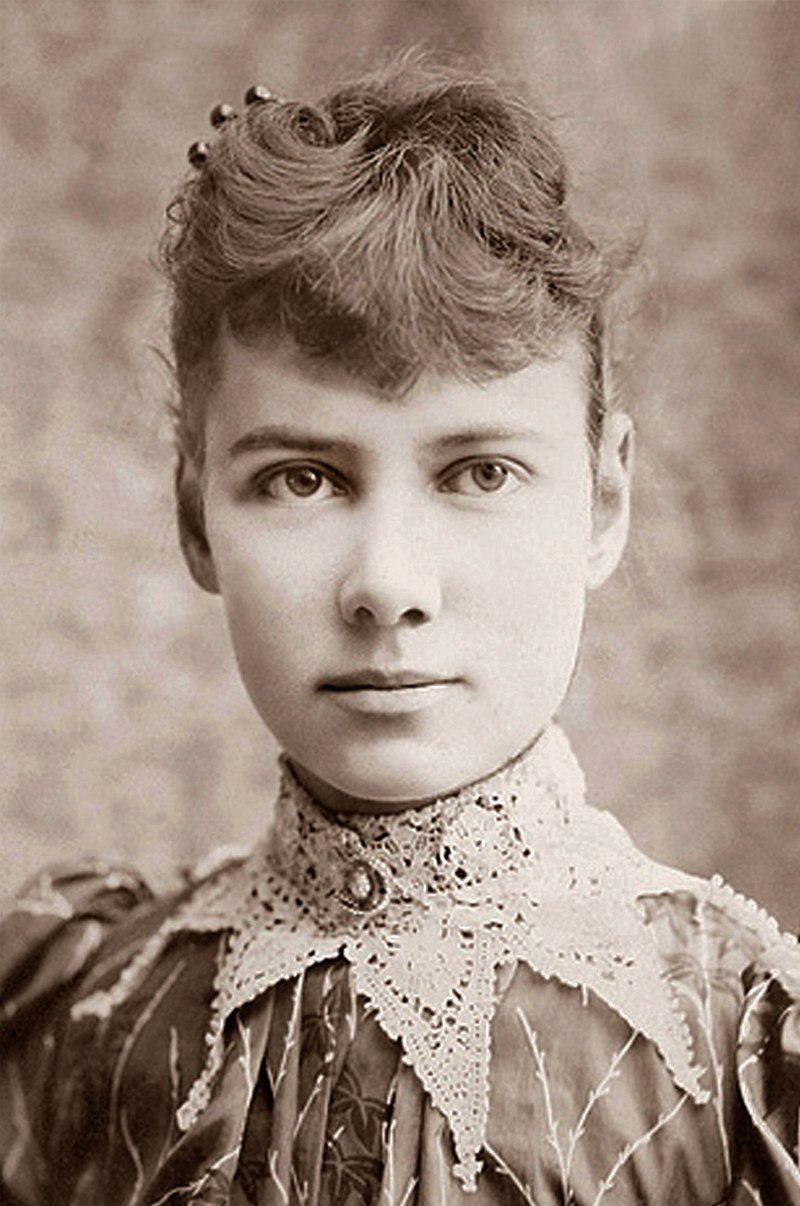
Elizabeth Cochrane Seaman, better known by her pen name Nellie Bly (1864–1922), was an American journalist who wrote hard-hitting stories about the poor and oppressed. She is best known for her record-breaking trip around the world in 72 days following in the steps of Jules Verne's fictional character, Phileas Fogg. Before that, as a groundbreaking investigative reporter, she worked undercover to report on staff abuses and poor conditions at a mental institution.
Early life
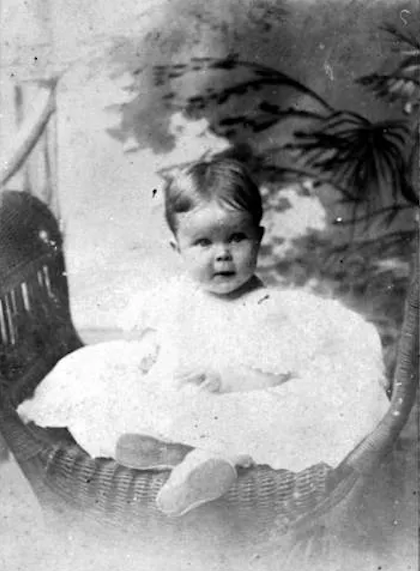
Elizabeth Jane Cochran was born 5th May 1864 in Cochran's Mills, Armstrong County, Pennsylvania. Her father, Michael Cochran, was a mill owner and county judge at Cochran's Mills (the place was named after him). He had 10 children with his first wife, Catherine, and five more, including Elizabeth, his 13th daughter, with his second wife, Mary.
As a young girl, Elizabeth was known as "Pink" because she often wore that colour. Having changed the spelling of her surname to "Cochrane" in 1879, she enrolled at Indiana Normal School (now Indiana University of Pennsylvania), but was forced to drop out after only one term due to lack of funds. In 1880, she moved with her family to Allegheny City.
Journalist
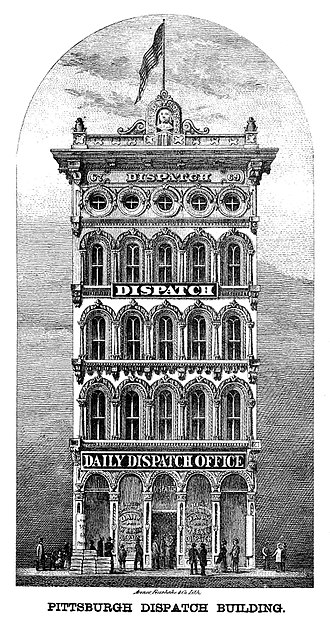
Elizabeth became a journalist on the Pittsburgh Dispatch after writing (as "Lonely Orphan Girl") a critical response to an article, published in the paper in 1885, arguing that girls were mainly for having children and keeping house. Impressed by Elizabeth's passion, the editor offered her the opportunity to write for the newspaper. She acquired her pen name, "Nellie Bly", after the African American character in a popular song of the time. Nellie Bly went on to write a series of investigative articles about the working conditions of female factory workers.
Undercover reporter
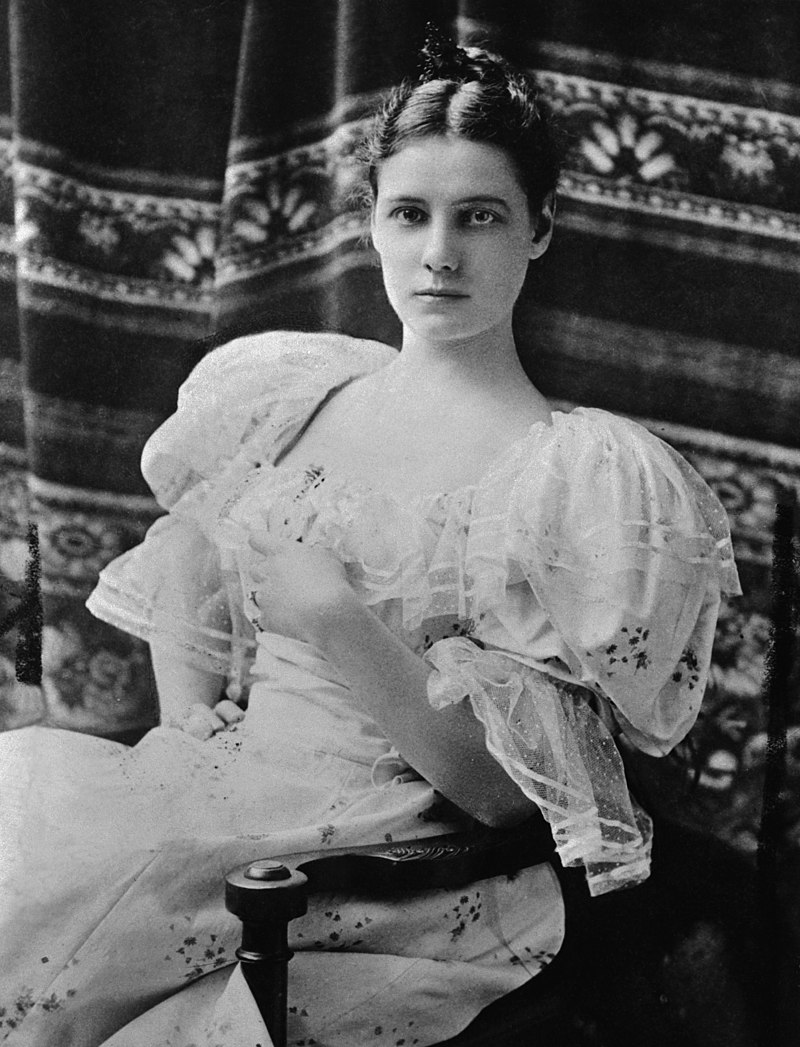
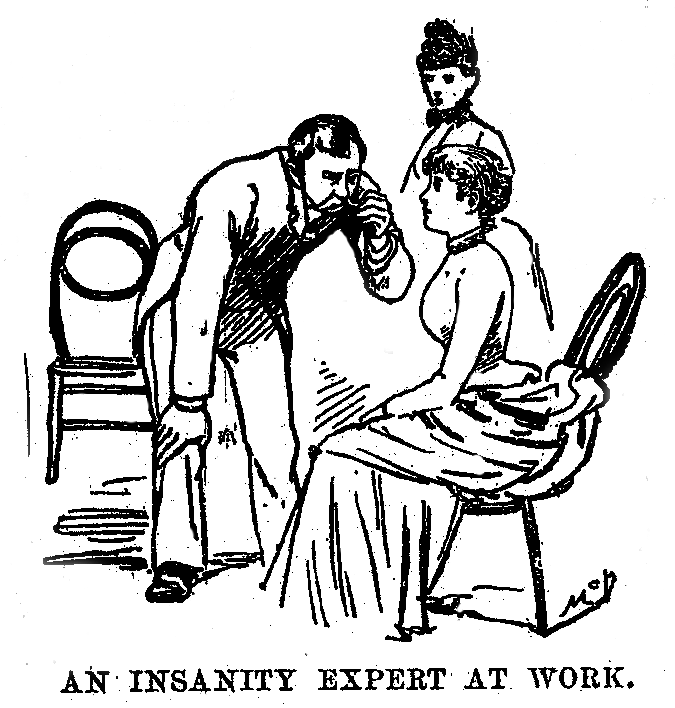
In 1886 Bly spent several months living in Mexico, reporting on official corruption and the condition of the poor. Leaving the Dispatch for the New York World in 1887, she then took on an undercover assignment for which she agreed to fake insanity to investigate reports of brutality and neglect at the Women's Lunatic Asylum on Blackwell's (now Roosevelt) Island. Her report on the horrific conditions there, which later appeared in later in book form as Ten Days in a Mad-House, caused a sensation and brought about major changes to patient care.
Round the world
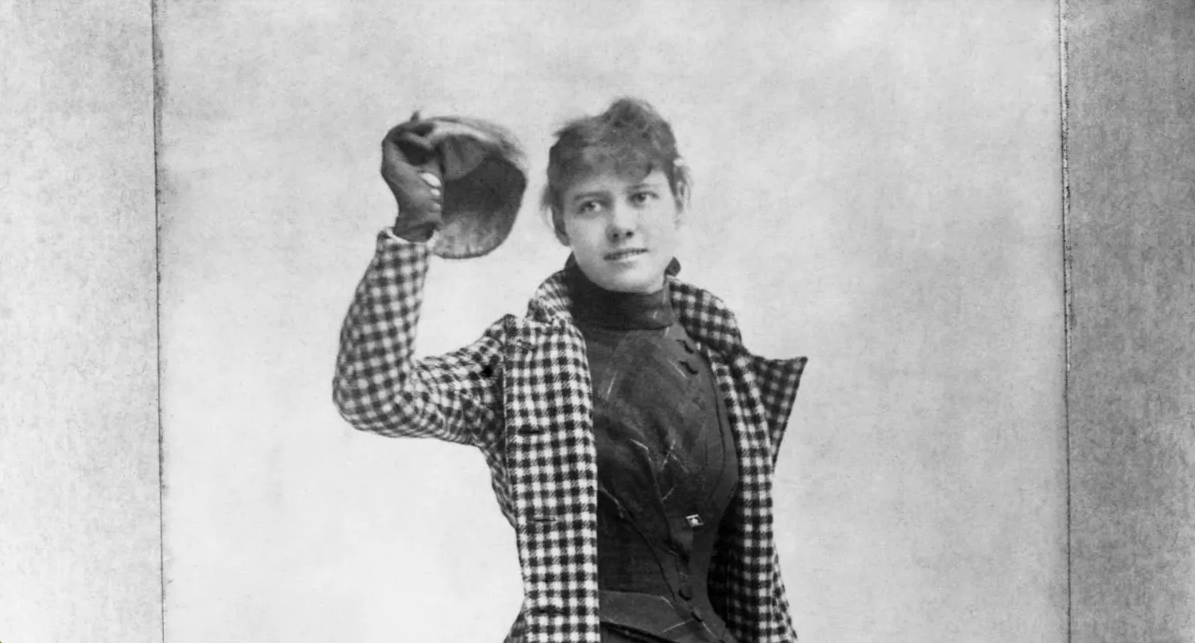
In 1888, Bly suggested to her editor on the New York World that she take a trip around the world, in a bid to make Jules Verne's 1873 fictional tale Around the World in Eighty Days come true.
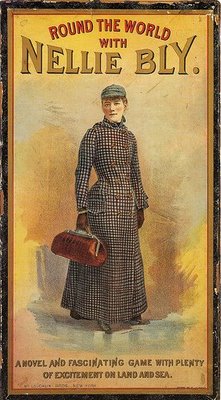
Bly began her journey a year later, on 14th November 1889. Her route took her through Europe (where she met Jules Verne in Amiens, France), the Suez Canal, Singapore, Hong Kong and Japan. The World published daily reports of Nellie's progress. To build interest in the story, it organized a "Nellie Bly Guessing Match" in which readers were asked to estimate Bly's arrival time back in New York to the second.
Travelling by many different forms of transport, including steamship, train, horse and rickshaw, Bly made it back on 25th January 1890 in a time of 72 days, 6 hours, 11 minutes and 14 seconds—a new record for a circumnavigation of the globe. The last leg of the trip, from San Francisco to New York, was via a special train laid on by the owner of the World, Joseph Pulitzer.
Later life


After her trip around the world, Bly left reporting (but only for a while—she returned to the New York World in 1893) and became a novelist. By 1895 she had completed eleven novels. In that year, she married millionaire businessman Robert Seaman. She was 31 and Seaman was 73 when they married. Bly gave up writing and succeeded her husband (he died in 1904) as head of the Iron Clad Manufacturing Co., which made steel containers such as milk cans and boilers. The episode was not a success; some of the long-term employees were caught cheating the company, and a long legal battle ensued, ending in bankruptcy.
Bly returned to reporting once more, working for the New York Evening Journal and travelling to Europe's Eastern Front during World War I, where she was arrested after being mistaken for a British spy.
Nellie Bly died of pneumonia on 27th January 1922 at St Mark's Hospital, New York City, aged 57.