
Natural history of the British Isles
Freshwater habitats of the British Isles
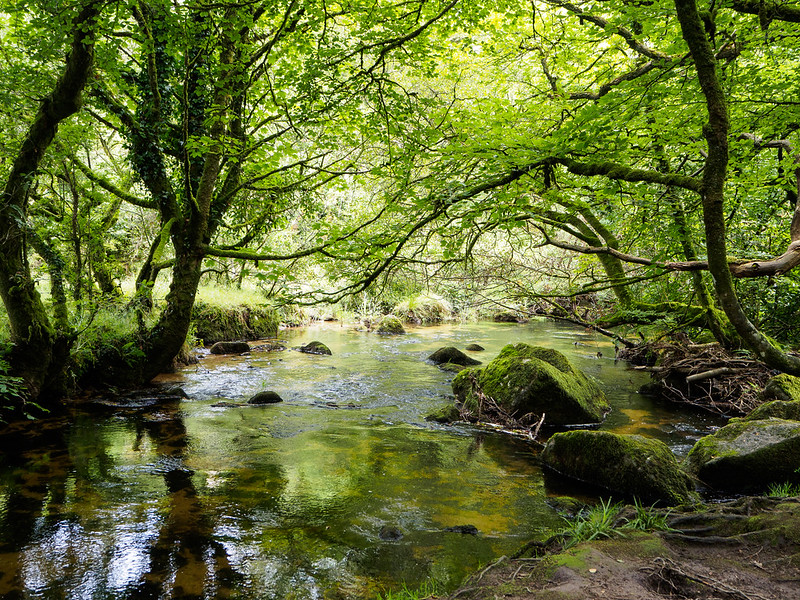
Lakes, ponds, rivers and streams are all types of freshwater habitat. Their waters are home to hundreds of insect, plant and fish species that rely upon one another for survival. Some, such as upland springs, streams and marshlands, also play an important part in the water system for humans, filtering pollutants from the water. Some wetland habitats, such as the Fens and Broads, have been shaped over hundreds of years by the activities of people. Others, such as upland lakes, are entirely natural, almost unchanged since they were formed by melting glaciers 10,000 years ago.
Lakes
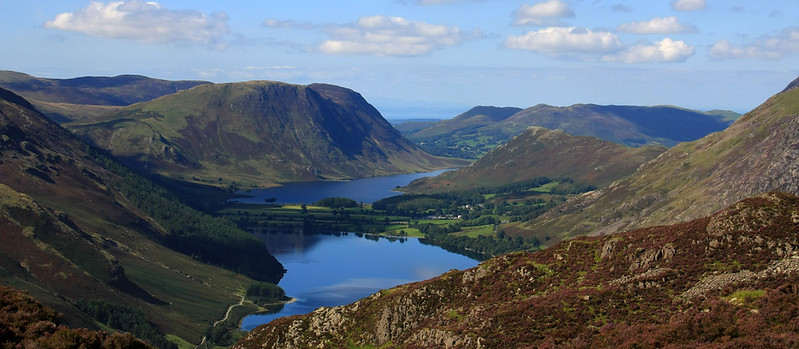
The British Isles’ upland lakes were formed at the end of the most recent Ice Age. Glaciers scooped out hollows in the land as they moved across it, and when the ice melted, these hollows filled up with meltwater to become lakes. Scotland's freshwater lochs and the lakes of the Lake District were formed this way.
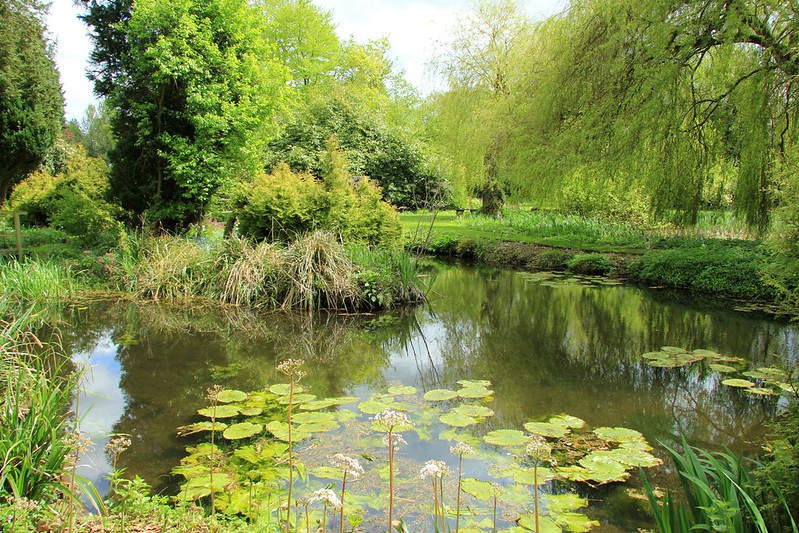
Some lakes—including Lough Neagh in Northern Ireland, the largest in the British Isles—are natural depressions in the rocks infilled by water. Others, known as oxbow lakes, are cut off from rivers' old courses. Many British lakes are reservoirs, artificial lakes that have been created by damming rivers to store water. Park lakes, usually artificial, are important habitats for wildlife too.
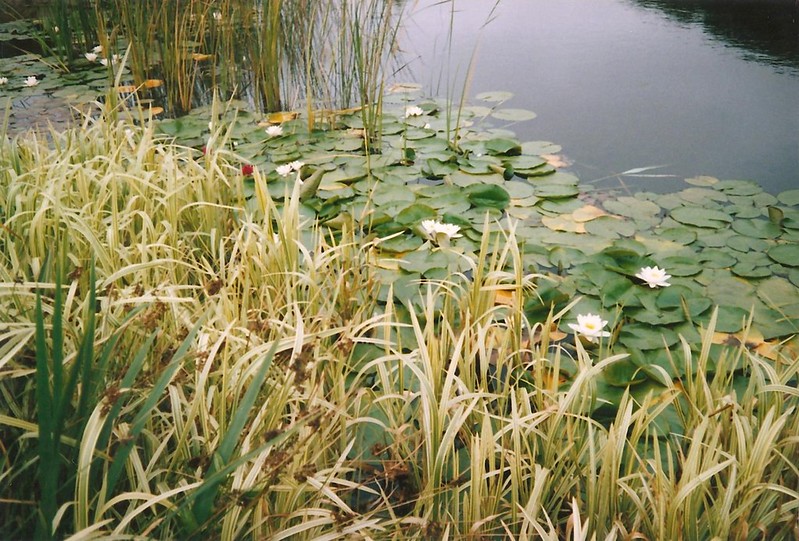
Lakes in upland areas are often clear and deep. Their waters are usually acidic with low levels of nutrients, which means that little wildlife can exist there. A group of water plants called isoetids are specially adapted to take in carbon dioxide from the lake bed through their roots, so they can survive underwater in these nutrient-poor conditions.

Lowland lakes contain higher levels of nutrients, so can support more plants and wildlife. Algae is plentiful in lakes, providing a good source of food for fish, which in turn are eaten by water birds such as ducks and grebes. At the edge of the lake, goosanders find holes inside trees to make their nests.
Ponds
With their still, shallow waters, ponds make ideal habitats for creatures that breed in warm, sheltered wetlands. Ponds are filled with algae: green, plant-like micro-life which is food for fish, tadpoles and insects. Newts, frogs and diving ducks are the main underwater predators, while herons hunt for fish at the edge of the pond. Duckweed is common in ponds and ditches. This spreading plant looks like a pattern of bright green dots on the water’s surface. It is made up of hundreds of single, round leaves, each with its own tiny floating roots. As the leaves grow, they divide into new plants and spread across the pond.
Rivers and streams
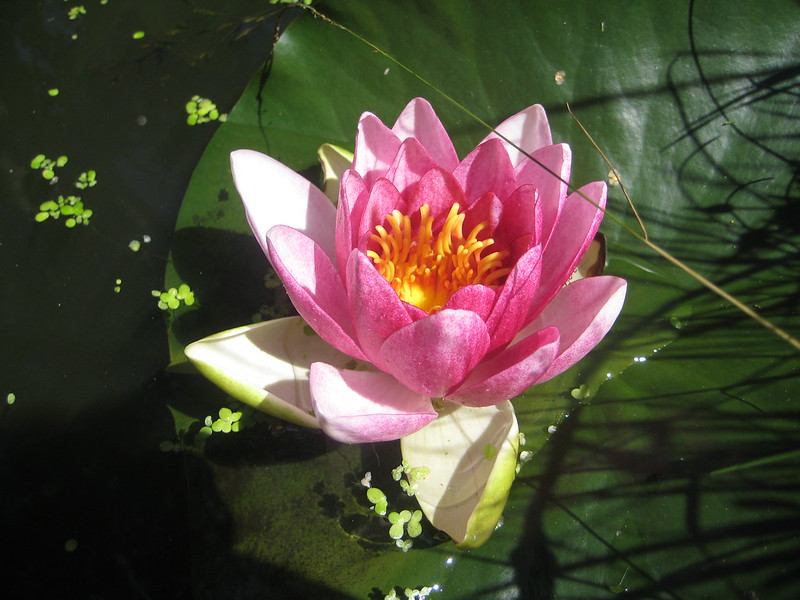
A fast-flowing stream is too rough for all but the hardiest plant species, but in gentler, deeper water, reeds and grasses can take root in a muddy river bed. Water lilies float on the river’s surface, and yellow flag irises flower in summer. Dragonflies and damselflies skim over the water’s surface, hunting mayflies and other insects. Dabbling ducks such as mallards feed on water plants. On the river bed, fish feed on worms and snails living in the mud.
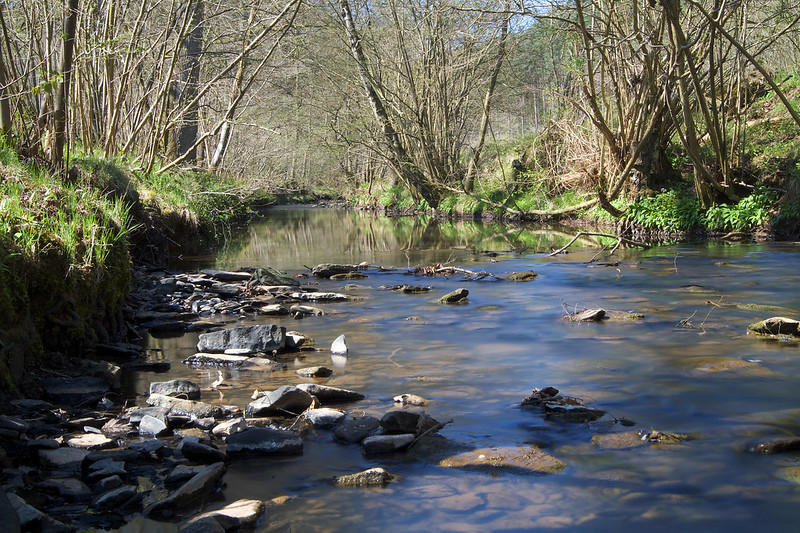
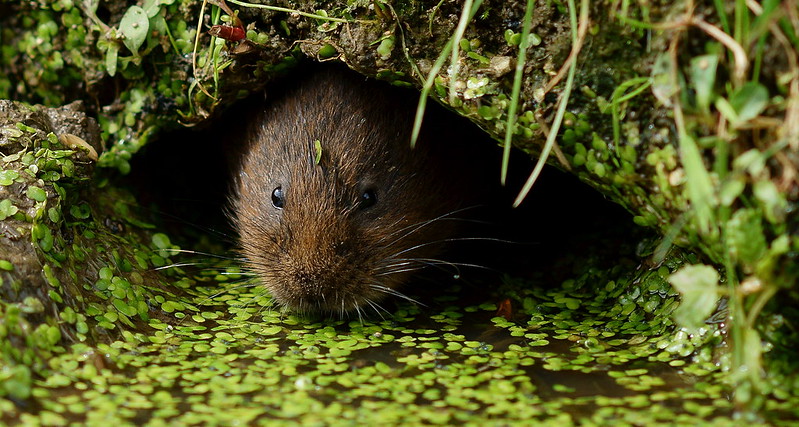
River banks are filled with flowering plants such as meadowsweet and willowherbs, as well as stinging nettles and tall grasses, such as canary grass. Water-loving trees such as willow and alder grow alongside riverbanks. Water voles make their homes alongside rivers by burrowing into the soft banks. This habitat provides a plentiful supply of water plants for them to eat. In clean, unpolluted rivers, otters hunt for fish and eels in the fast-flowing waters.
Chalk streams
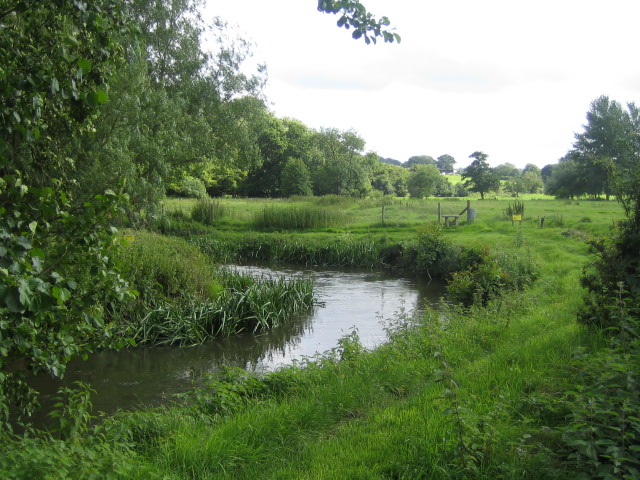
Chalk streams rise from springs in landscapes with chalk bedrock acting as aquifers (rock layers where water is stored). Since chalk is permeable, water percolates easily through the ground, so chalk streams receive little run-off from surrounding areas. As a result, their waters are clear, containing little organic matter or sediment. The beds of the rivers, usually made of gravel and flints, are good spawning areas for freshwater fish and plants such as water crowfoot and flag iris. Otters, kingfishers and water voles make their homes in chalk streams, while mayfly emerge from underwater burrows in late May, swarming, then dying on the water's surface.
Chalk streams are some of the planet's rarest habitats and 85% of them are found in England. Of the 210 rivers classified as chalk streams globally, 160 are in England, especially the South, East Anglia and Yorkshire. A number are at risk of drying up as water is drawn out (abstracted) from aquifers for household use in ever increasing quantities.
Raised bog
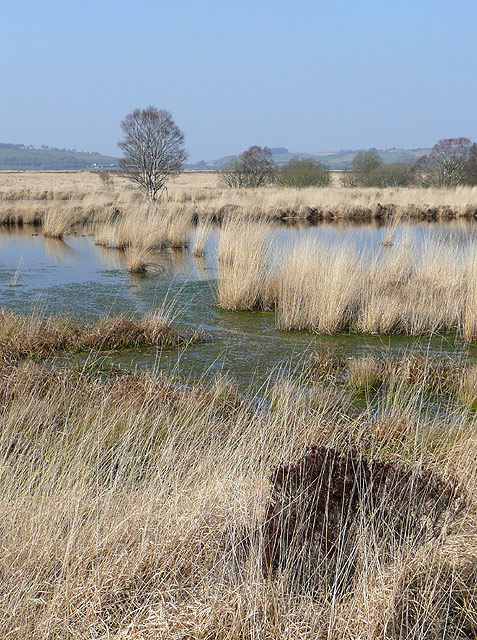
Raised bog is a type of bog that forms in the bottoms of valleys and on flat lowlands, where it acts as a sponge, soaking up the rainwater from the surrounding land. As it accumulates, the swampy mass of peat and vegetation becomes slightly higher than the land around it. A fine example of this habitat exists on the floodplain of the River Teifi, in west Wales. This boggy, wetland area is home to insects such as the rare jumping spider, which lives only in raised bogs, and also to otters, which roam on the undisturbed waterways that cut through the bog.
The Fens
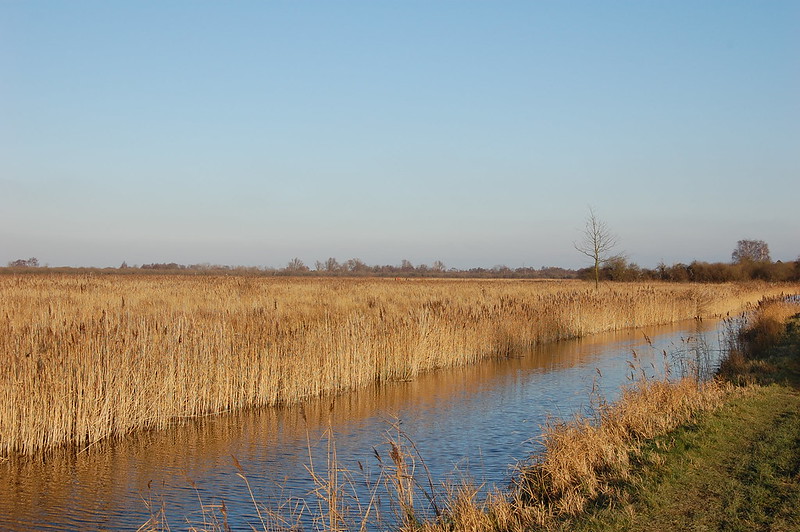
The coastal plain bordering the Wash on England's east coast once contained its largest wetland, a region known as the Fens. Stretching across Lincolnshire, Cambridgeshire and Norfolk, most of this land lies only a few metres above sea level. At the end of the last Ice Age, around 10,000 years ago, melting ice caused sea levels to rise and flood this low-lying land.
Begun in the 17th century and largely completed by the beginning of the 19th century, large areas of the Fens were drained by pumping out water to create farmland on the fertile, silt soils. Today, the land is crisscrossed with artificial rivers and ditches, which act as drainage channels for the fields. Just 1% of original Fenland remains (in protected areas such as Woodwalton Fen), although conservation programmes such as the Great Fen Project aim to turn some areas back into natural wetlands.
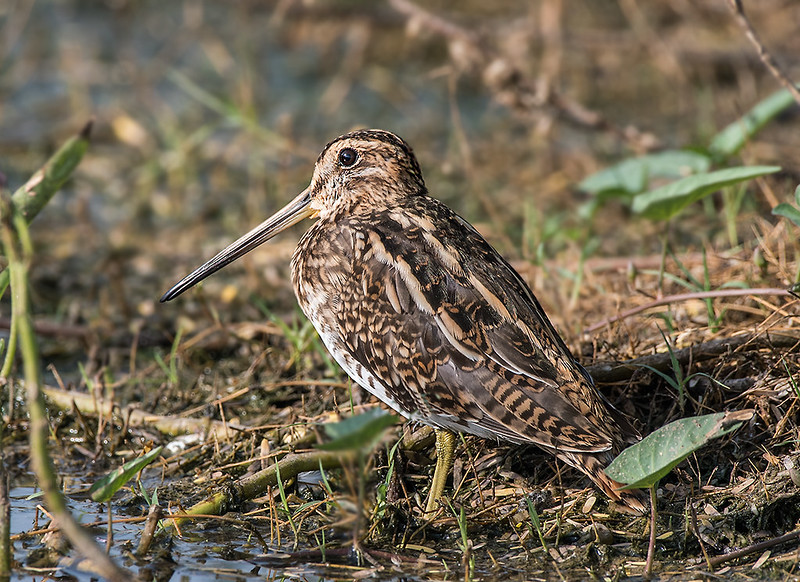
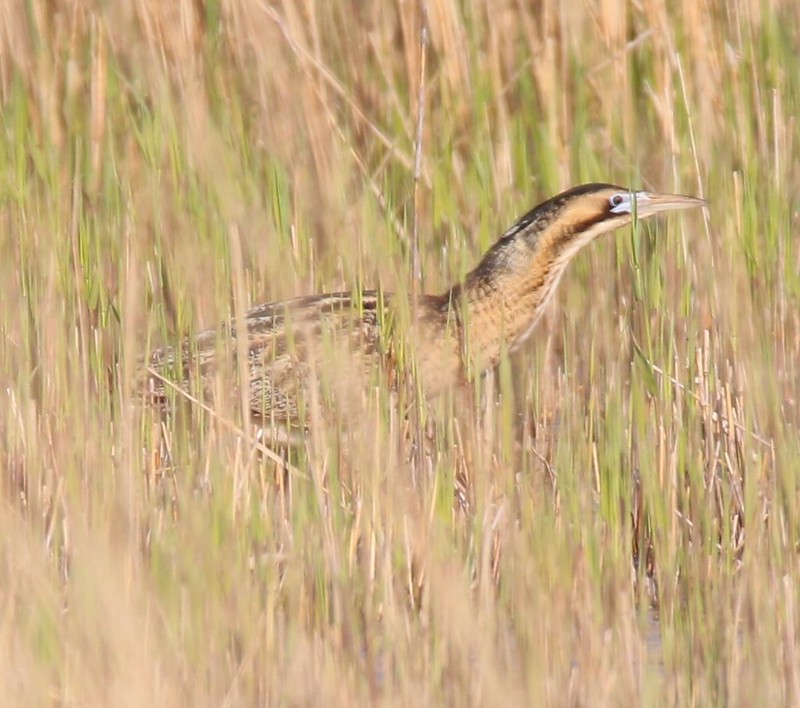
The Fens are a mix of saltwater wetlands, such as tidal mudflats and salt marshes, and flooded peatlands known as "fens". Their sheltered reedbeds and dense stands of tall grasses known as sedge (cut for making thatched roofs) provide an ideal habitat for fenland birds such as snipe, lapwing and reed bunting. Little egrets, bitterns and herons wade on the mudflats, while marsh harriers hunt overhead in search of small birds and mammals. Fenland ditches are filled with plants such as water mint, mare’s tail and pondweeds. The ditches' still, murky waters provide a refuge for the rare great silver water beetle.
The Broads
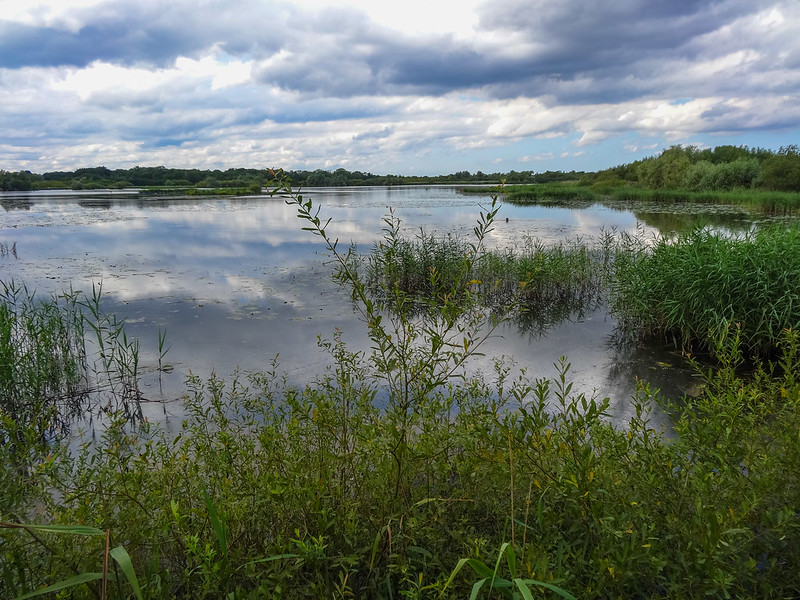
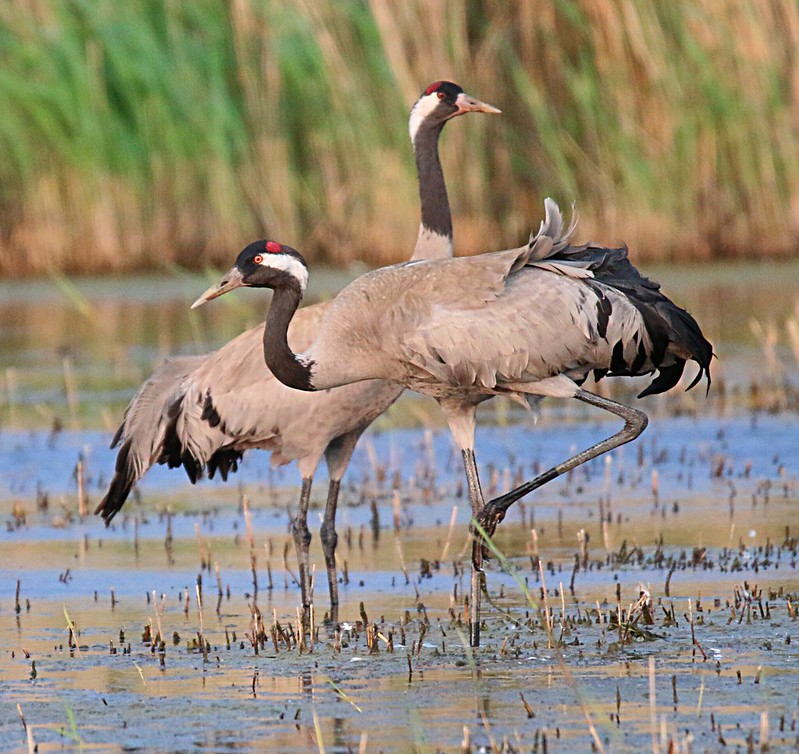
The Broads is a region of manmade lakes in Norfolk and Suffolk, eastern England. Its lakes (known as "broads") and waterways were formed in the 14th century when rising sea levels filled in the pits that people had been digging for centuries to harvest peat. The lakes and the marshy land in between them are the only place in the British Isles where Eurasian cranes breed in the wild. The undisturbed reed beds make good habitats for the birds. After breeding, they moult (lose) their feathers and cannot fly again for several weeks until they regrow. During this time, they shelter in the tall reeds.
Preserving wetlands
Wetlands are some of the habitats most at risk from human activity, and have a long history of being drained to create farmland. However, they can also be restored more quickly than other lost habitats. Fields that have been drained in the past to provide arable farmland can be converted back into wetlands by careful, controlled flooding. In Suffolk, east England, an area of arable land was flooded in 1995 to create Lakenheath Fen, a new wetland reserve.
Consultant: Chris Jarvis