Q-news
UN warns world to prepare for a super El Niño and record heat in 2027
Every few years, winds that usually blow east-to-west across the tropical Pacific Ocean (from South America towards Asia) weaken or start to blow in the reverse direction. No one knows why this happens, but it causes surface waters near the equator to warm up, which in turn affects the winds. The warming of the sea has a huge effect on weather patterns across the world. A natural occurrence which lasts for several months, it is known as El Niño, Spanish for "The Child", because it peaks around Christmas time. The United Nations has warned the world to expect a "super" El Niño (one marked by an increase in sea surface temperatures of at least 2°C or 3.6°F) later this year. Coupled with higher global temperatures from human-caused climate change, it could make 2027 the hottest year on record.
10th June 2026
Disruption to global weather patterns

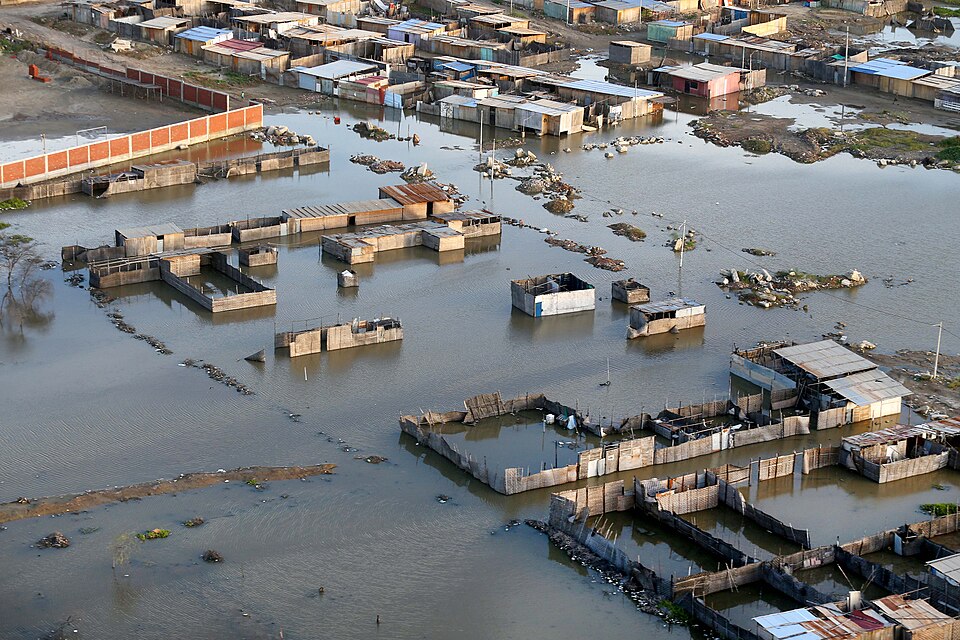
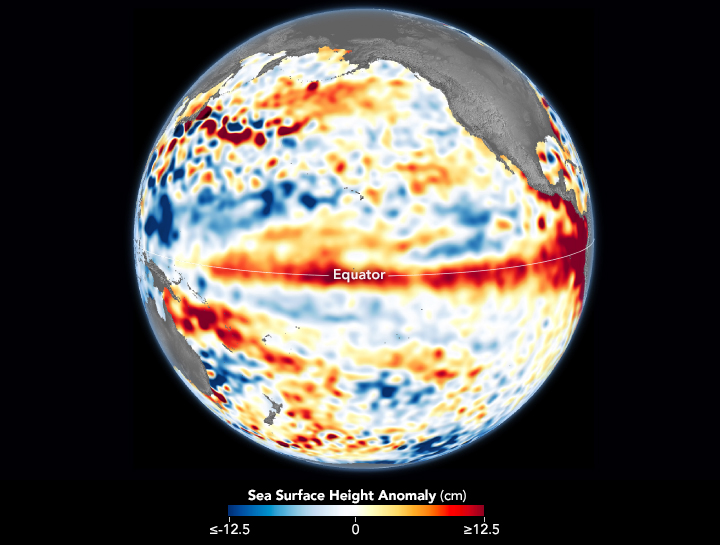
The warmer-than-usual waters of the tropical Pacific Ocean off South America release so much energy into the atmosphere that weather patterns across the Earth are dramatically affected. For up to a year at a time, an El Niño can increase heavy rainfall, bring warmer weather and trigger droughts and tropical cyclones in different parts of the world.
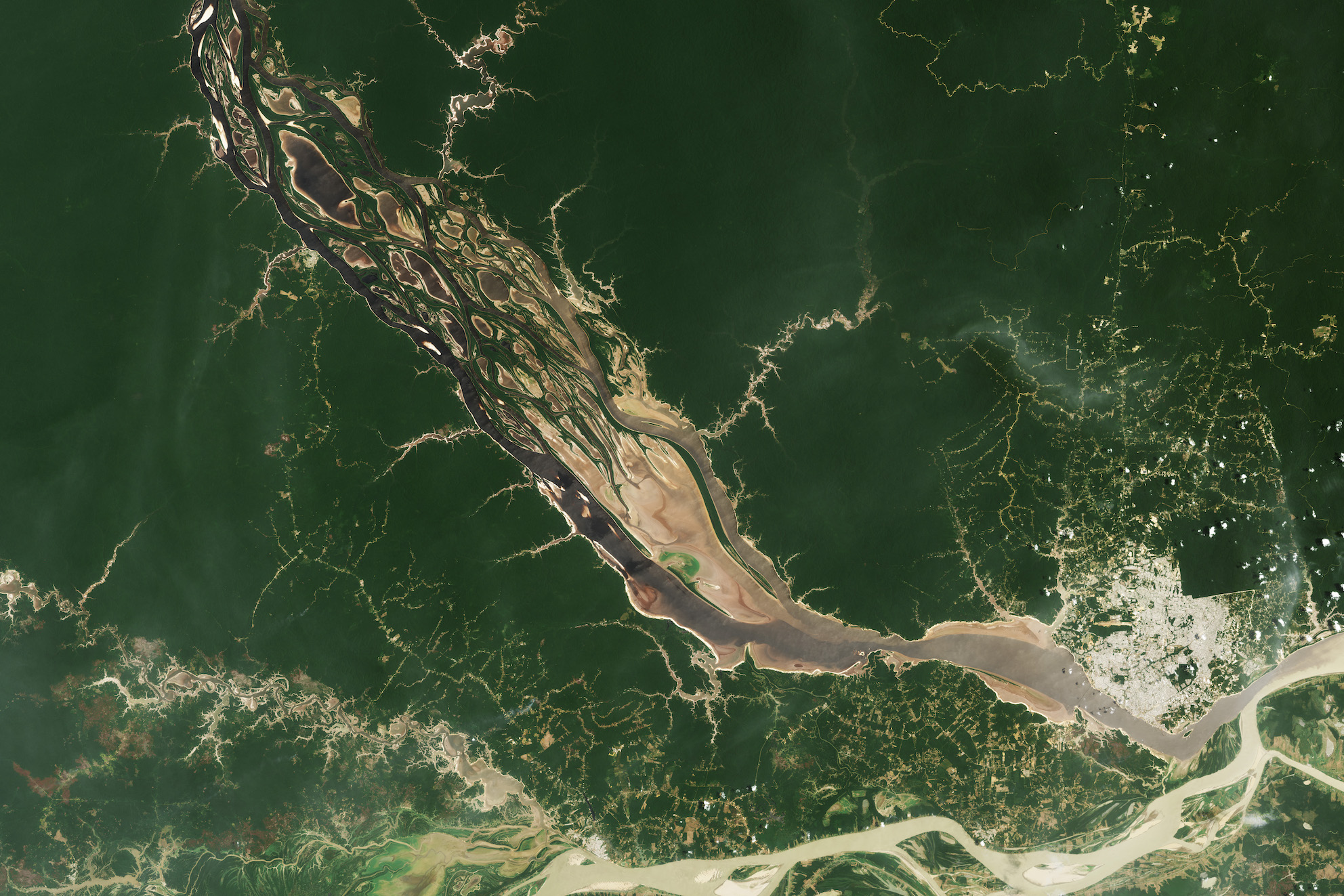
The most recent El Niño, which hit in 2023–24, helped make 2024 the hottest year on record. South America was badly affected, with the Amazon basin suffering a long drought. Meanwhile, record-breaking rains and flooding in southern Brazil forced more than half a million people to leave their homes.
Warning signs
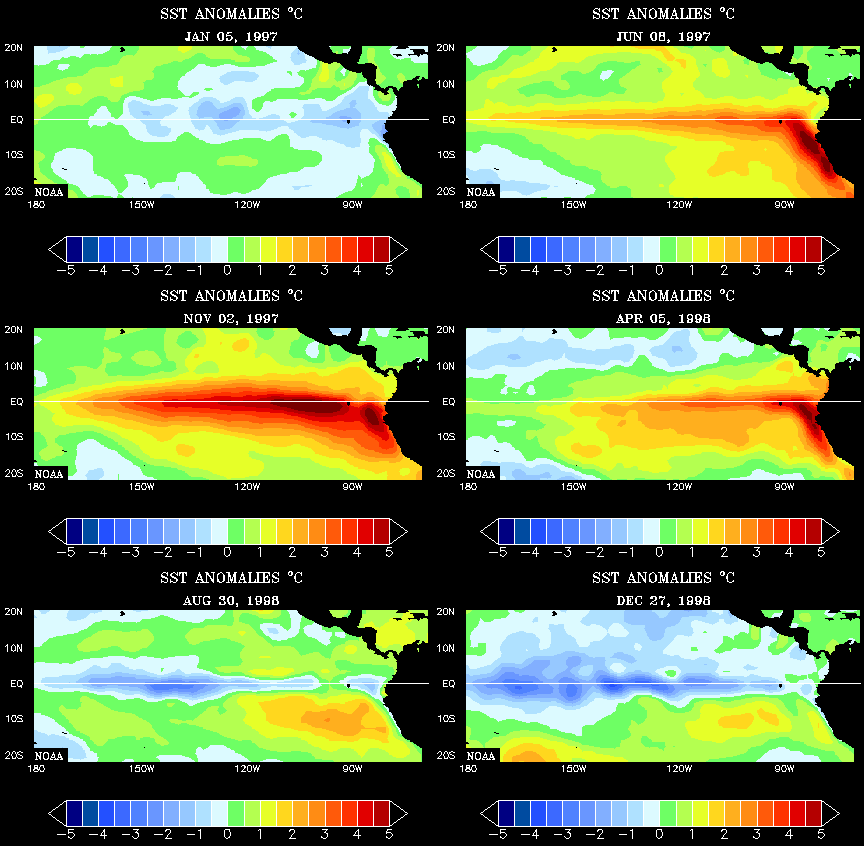
Over the past few months, scientists have observed rising sea surface temperatures in the tropical Pacific Ocean, fed by unusually warm sub-surface waters of more than 6°C above average. A drop in atmospheric pressure over the central Pacific compared with the western Pacific has also been recorded. Both occurrences are typical signs of the imminent arrival of an El Niño.
According to the World Meteorological Organization (WMO), an El Niño has an 80% chance of forming before September and a 90% chance before November.
Likely effects
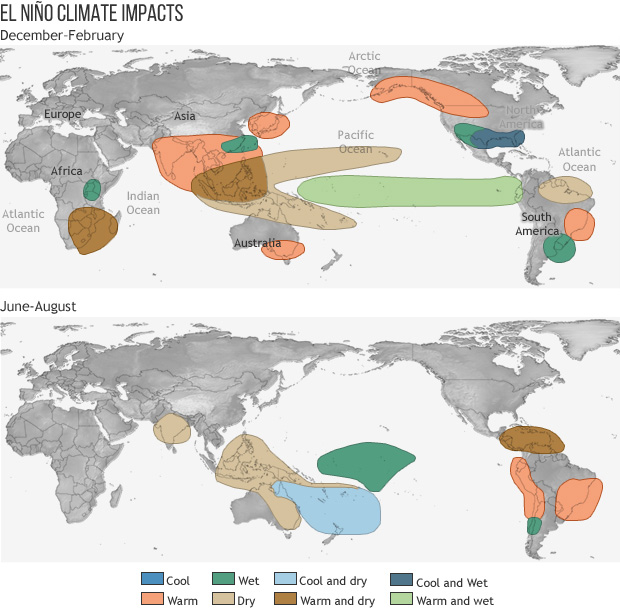
Although each El Niño event is unique, it normally leads to heavier rain in parts of South America, the southern US, the Horn of Africa and central Asia, often causing flooding. Drier conditions, on the other hand, frequently hit Central America, northern South America, central Africa, the Caribbean, Australia, Indonesia and parts of South and Southeast Asia, raising the risk of heatwaves, droughts and wildfires in those regions. The warmer surface waters usually fuel tropical cyclones in the central and eastern Pacific, while those in the Atlantic Ocean become less frequent.
Food crisis?
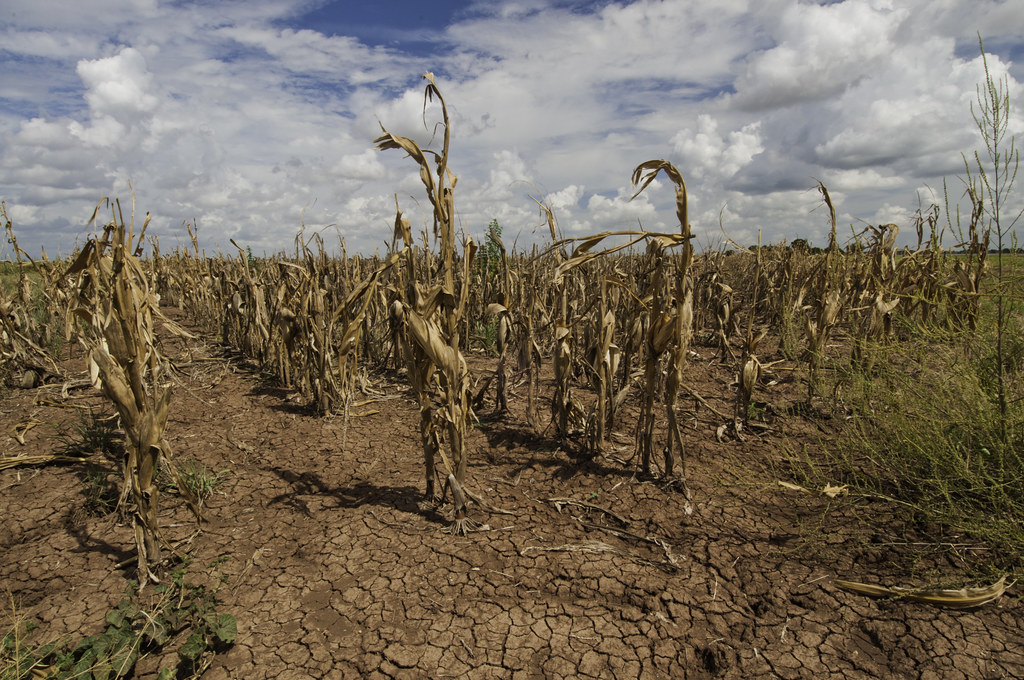
Droughts in parts of South America, sub-Saharan Africa and Southeast Asia could hit crops at a time when the closure of the Strait of Hormuz (due to the Iran War) is already disrupting the supply of fertilizers. This could mean far smaller harvests and severe food shortages in places.
Maize and rice are especially vulnerable to El Niño, with drought and disrupted monsoons reducing yields in major producers such as South Africa, India, Indonesia, Vietnam and Brazil. Wheat production could be affected by drought and wildfires in Australia, Canada and China, while soya bean production might fall in Brazil and Argentina. Flooding in other regions could also destroy growing crops.
Fish catches offshore in Peru and Ecuador are likely to be lower than normal because marine life, which is usually abundant due to the upwelling of cooler, nutrient-rich waters from the ocean depths, tends to migrate to colder waters farther south. Fish stocks could dip elsewhere, affecting fisheries in California, Mexico and in the South Pacific.

The consequences of the probable forthcoming 2026–27 El Niño are likely to be significant on a world already feeling the effects of human-caused climate change. As António Guterres, the UN secretary general, said: “El Niño conditions will pour fuel on the fire of a warming world. Impacts will hit even harder, travel even farther, and cross borders with devastating speed.”