Media and communications
Microphones
A microphone (often shortened to mic) is a device that turns sound waves into electric signals. There are two main types: dynamic and condenser. In both, sound waves strike a flexible diaphragm, causing it to vibrate. The electric signals produced, known as audio signals, travel to a preamplifier (an electronic amplifier), which boosts them before they are recorded or reproduced. The link to the preamp is made either by a cable or via radio waves from a wireless transmitter. Microphones are used in recording studios, TV or radio broadcasting, movie productions, stage productions, telecommunications, scientific research, hearing aids and smartphones.


Dynamic
In a dynamic, or moving-coil, microphone, a small coil is positioned in the magnetic field of a magnet, which is attached to a flexible diaphragm or membrane. Pressure from sound waves causes the diaphragm to vibrate. This moves the coil in the magnetic field, producing a varying voltage across the coil through a process called electromagnetic induction. The varying voltage creates electric signals that match the pattern of sound waves.

Dynamic microphones need neither batteries nor an external power source to work. Often hand-held or attached to a stand, they are most often used in broadcasting or podcasting. Able to record loud sound sources such as drums, guitars and powerful voices without distorting, dynamic mics are also ideal for live stage performances.
Condenser
Condenser, or capacitor, microphones contain both a lightweight membrane and a fixed back plate. Together these act as opposite sides of a capacitor. This component, which consists of an insulator between two conducting plates, stores electric charge. Pressure from sound waves causes the membrane to vibrate. The movement changes the capacitance (the capacitor's ability to store an electric charge). This creates electric signals that match the pressure variations in the sound waves.


Condenser microphones require a power source. This is provided by a small battery or as "phantom power" (voltage sent along the same cable as the audio signal travelling the opposite way). Condenser microphones are smaller and lighter than dynamic microphones.

A head-worn microphone is a miniature condenser microphone. It is mounted on an adjustable wire frame that sits on the head or ear, and is often part of an earphone headset. Connected to a wireless bodypack transmitter worn on the belt or in the pocket, it is used by vocalists, performers, presenters, sports commentators, office workers, sports referees, fitness instructors and anyone who needs to speak while keeping their hands free.
Many modern condensers contain an insulating material called electret, which has been permanently electrically charged, or polarized. Lining either the diaphragm or the back plate, the electret provides a power source—its charge never runs out—for the microphone. But if the mic is fitted with a built-in preamplifier (or preamp), an electronic device that boosts audio signals, then an additional power source is required.


Lavalier
The type of clip-on microphone used by many people on TV is called a lavalier microphone (also known as a lav mic, lapel mic or body mic). The miniature hands-free microphone, which is a kind of condenser, allows a presenter or guest to be heard clearly while their mic is almost invisible. It is connected via a thin cable to a small wireless bodypack transmitter fitted elsewhere on their person. This transmits the audio signal to a receiver or recording device via radio waves.
Lav mics are omnidirectional: they pick up sounds from all directions. This ensures the speaker's voice is picked up even if they move their head.
Shotgun
Shotgun microphones, types of condensers, are designed to pick up sound from one specific direction. They consist of a long, narrow tube with slots along its length. When sound comes from the sides, the waves entering through different slots cancel each other out, reducing unwanted noise. They are ideal for film, television and interviews.

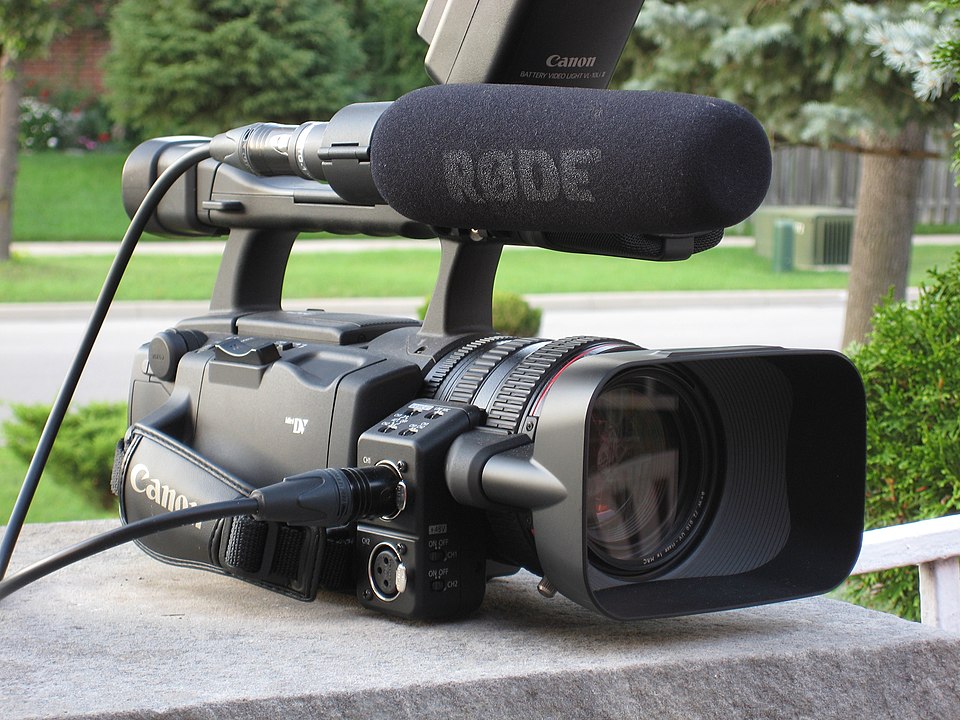

A boom microphone is a microphone (usually, but not always a shotgun) mounted on a long pole (boom pole) to capture sounds from above a subject while staying out of the camera's frame. It is widely used in film, TV and journalism for clear audio at a distance, while allowing speakers or vocalists to move about freely.
MEMS
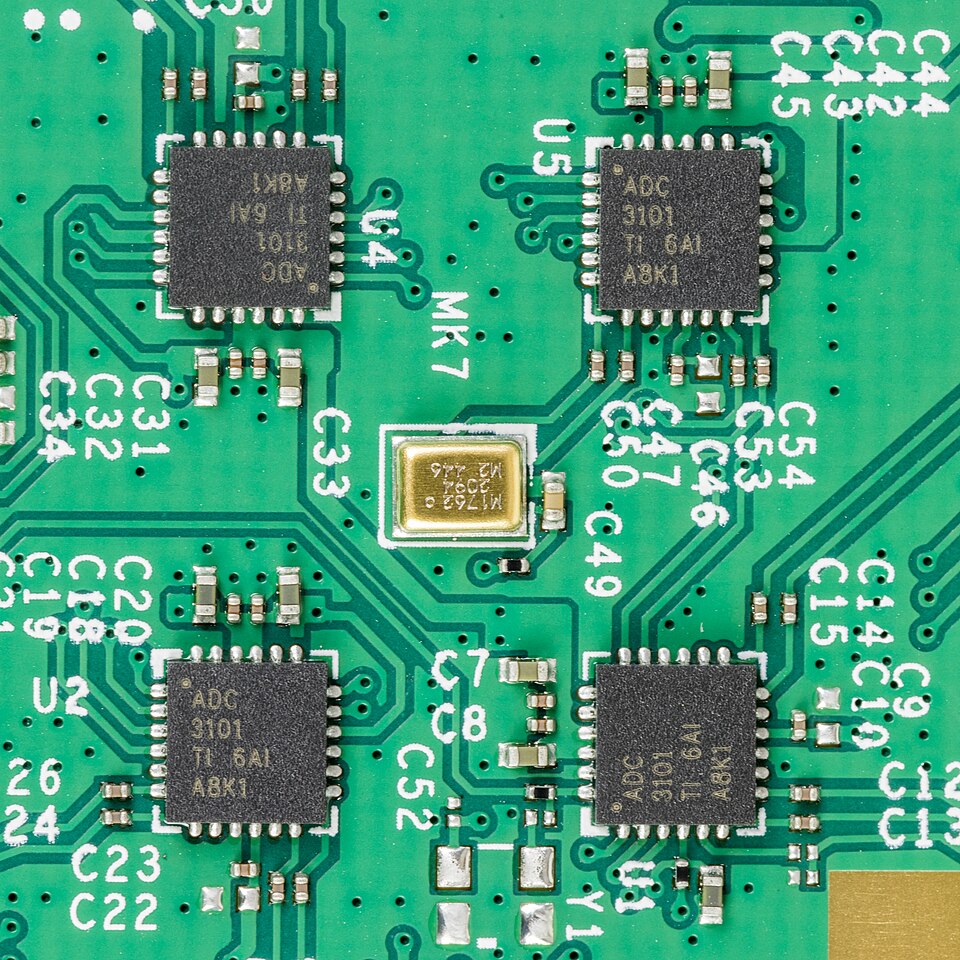
Smartphones use MEMS (micro-electromechanical systems) microphones, types of condenser microphones, but which are tiny, often measuring 1–2 millimetres across and made up of electronic components each between 1 and 100 micrometres (thousandths of a millimetre) in size. A pressure-sensitive diaphragm is etched directly into a microchip, along with a preamplifier.

Ribbon
Ribbon microphones use a thin, usually corrugated, metal ribbon suspended in a magnetic field between two magnets. Its vibration generates the electrical signal. Ribbon microphones are similar to dynamic microphones in the way that they both produce audio by the process of electromagnetic induction. Basic ribbon microphones can pick up sound from both in front and behind (also called a figure-eight pattern) since the ribbon is open on both sides.

Invented in the 1920s, ribbon microphones are still often used in recording studios today. With their ability to capture a warm, natural sound, they can smooth out harsh, high-frequency sounds produced by electric guitars, woodwind instruments and cymbals.
Windscreens
Windscreens are used to reduce the effect of wind on microphones, and are frequently used when a mic is outdoors. Furry microphone covers, nicknamed windmuffs, windjammers or "dead cats", trap the air moving around the microphone. This prevents the low-frequency rumbling that is picked up in breezy conditions. Windscreens are often fitted to shotgun microphones and camera-mounted mics.

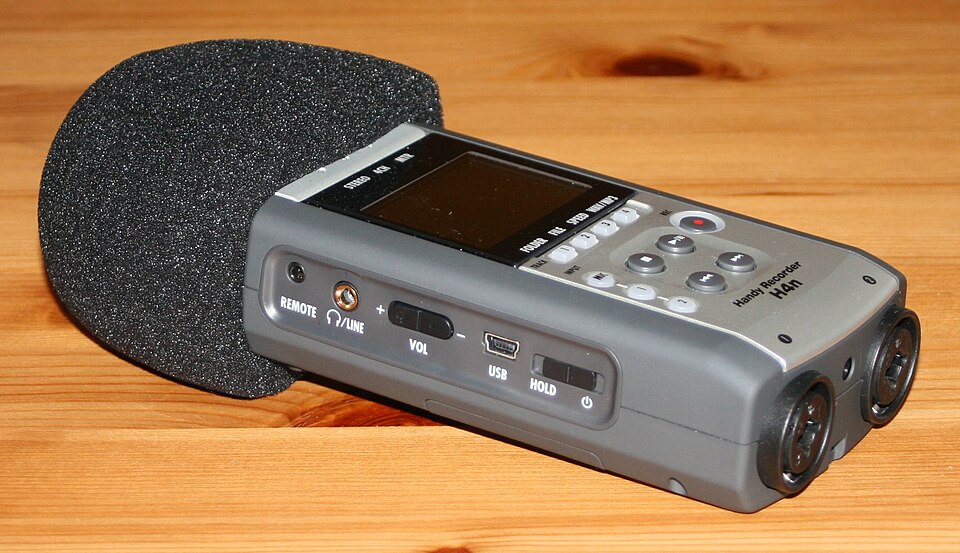
Polyurethane foam covers may be enough for light breezes and are often used for interviews. They are usually fitted to hand-held, shotgun or Lavalier microphones.
For more extreme weather conditions, a hollow, cigar-shaped cage known as a "blimp" surrounding the microphone provides the greatest protection, especially with a furry cover placed over it.
Hydrophone
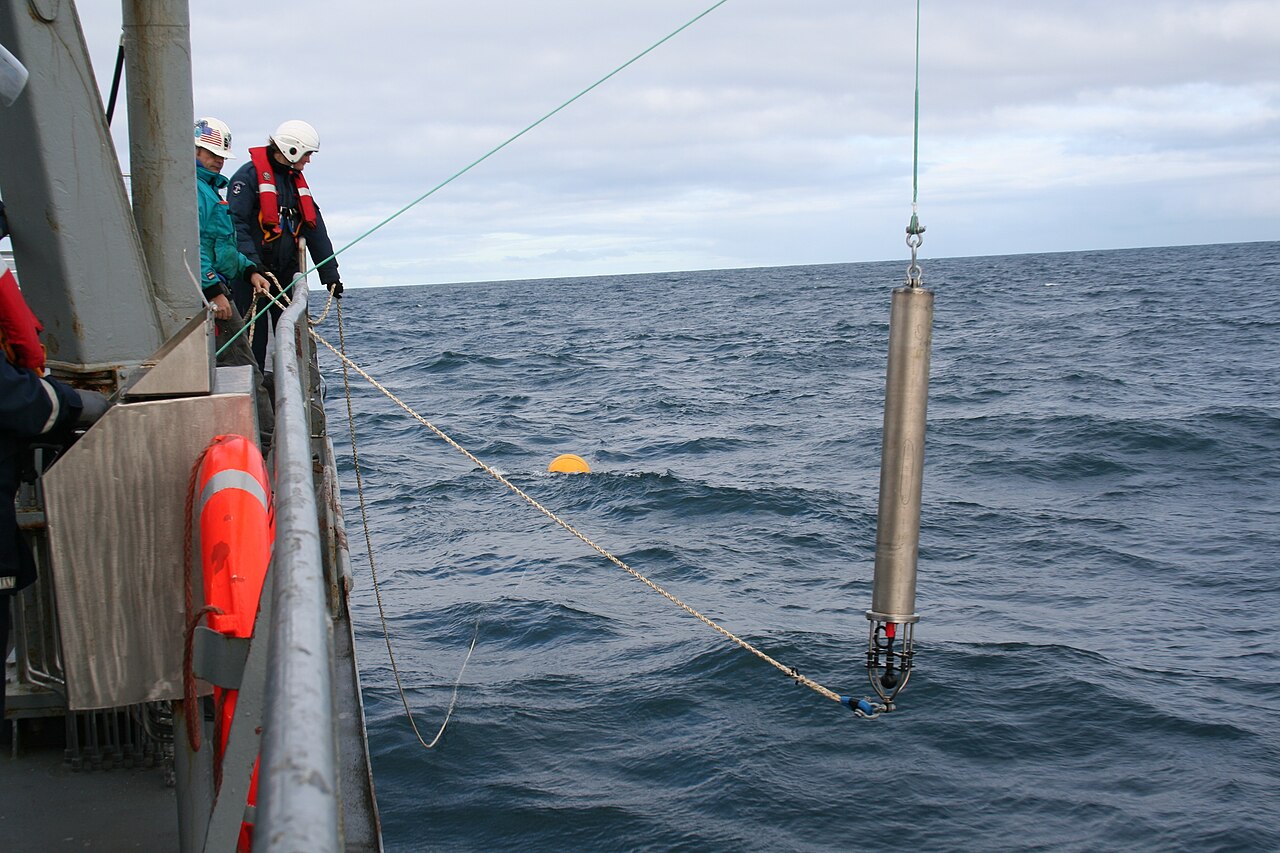
A hydrophone is a type of microphone used for making recordings underwater. It is specially designed to pick up sound waves in water, which is much denser than air, and to be completely waterproof. Hydrophones use the phenomenon of piezoelectricity—the ability of some materials (such as ceramics) to produce a voltage when subjected to pressure—to convert vibrations into electric signals. A sound wave in water exerts a pressure 60 times more than one moving through air.
Capable of picking up low-frequency sounds, hydrophones can be used to track movements of marine life such as whales (including recording their songs), monitoring earthquakes under the seabed and detecting noise from vessels such as submarines.

Loudspeakers
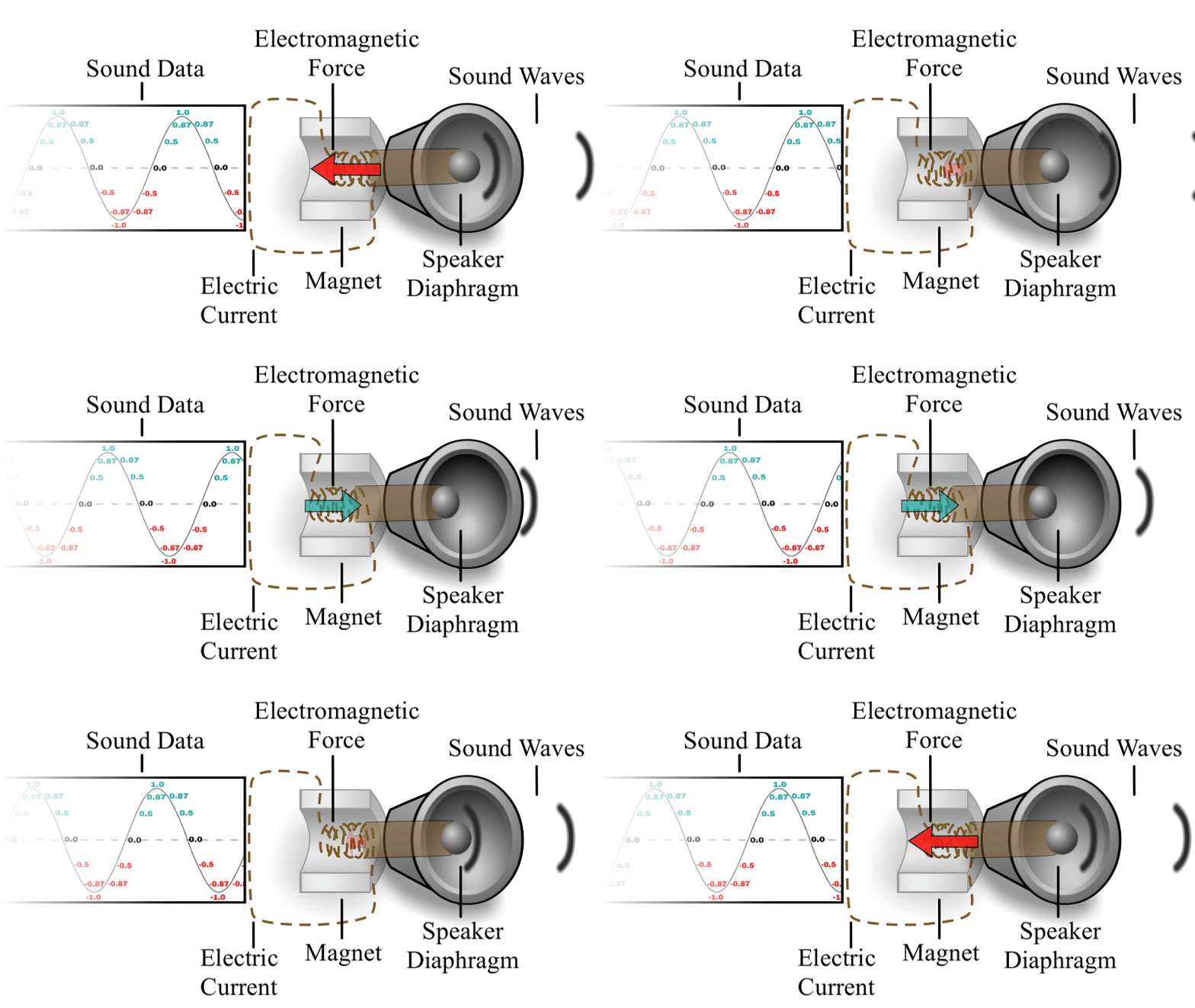
Loudspeakers operate like dynamic microphones in reverse: they change an electric audio signal into sound waves. The magnetic field created by an electric current flowing through the coil interacts with the magnetic field of the speaker’s magnet.
The varying voltage causes the coil and attached diaphragm or speaker cone (the diaphragm is usually conical in shape) to move back and forth, producing sound waves that match the electric audio signals.
Large speaker systems are used for electronic musical instruments, sound reinforcement in concert halls, home stereos and in public address systems. The speaker driver (the mechanism) is enclosed in a box, which serves to baffle the sound—ensuring it emerges only at the front. Often there is more than one driver: a smaller one for reproducing the highest audio frequencies, called a tweeter, and a larger one for low frequencies, called a woofer.
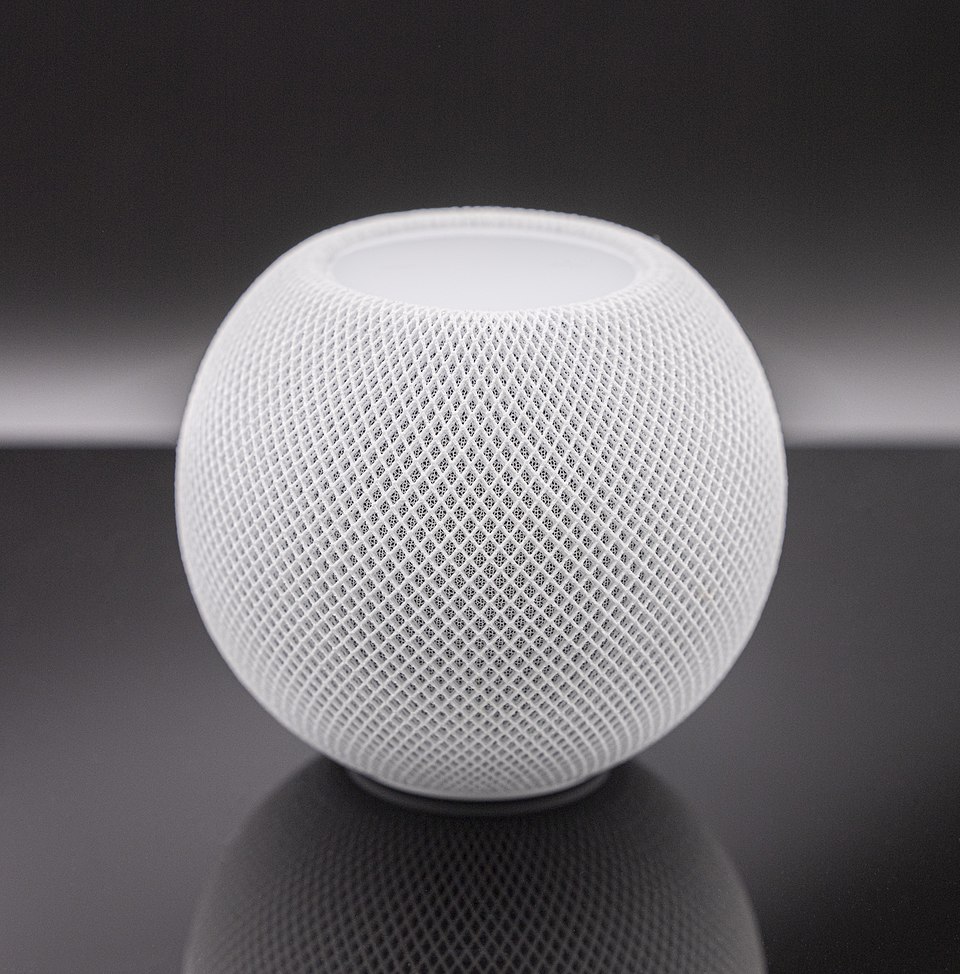
Smaller speakers are found in devices such as radios, televisions, portable and smart speakers, smartphones, personal computers, headphones, earphones, earbuds and hearing aids.