
Myths and legends
Romulus and Remus
In Roman mythology, Romulus and Remus were the twin sons of Rhea Silvia, the only daughter of King Numitor, and the god Mars. When Amulius, Numitor’s brother, who had seized Numitor’s crown, found out about the twins, he immediately ordered that they should be thrown into the River Tiber. But, instead of drowning, the boys floated downstream, coming ashore near a fig tree. A she-wolf fed the twin boys and kept them alive until a shepherd, Faustulus, found them. He and his wife raised the boys. When they grew up, they killed Amulius and put their grandfather Numitor back on the throne.
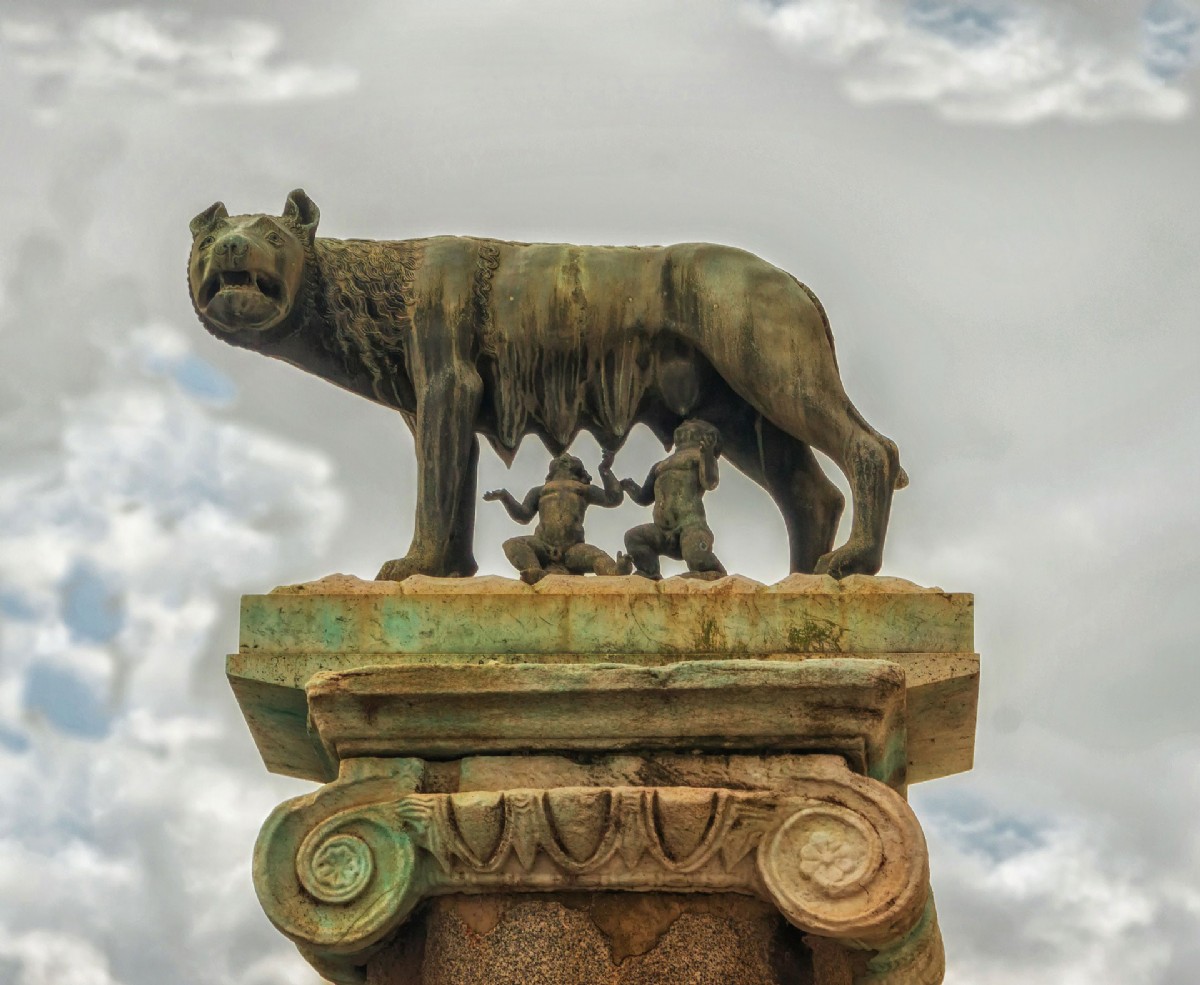

The founding of Rome
Romulus and Remus vowed to found a new city at the place where Faustulus had discovered them. But they quarrelled over the exact location—Romulus favoured the Palatine Hill, while Remus preferred the Aventine Hill. Believing that an omen had declared that he should be the sole founder, Romulus began to build the new city wall, Remus leapt over it, mocking his brother for thinking that it could be high enough to keep anyone out. Enraged, Romulus killed Remus. When completed, the new city was named after him: Rome.
Sabine women
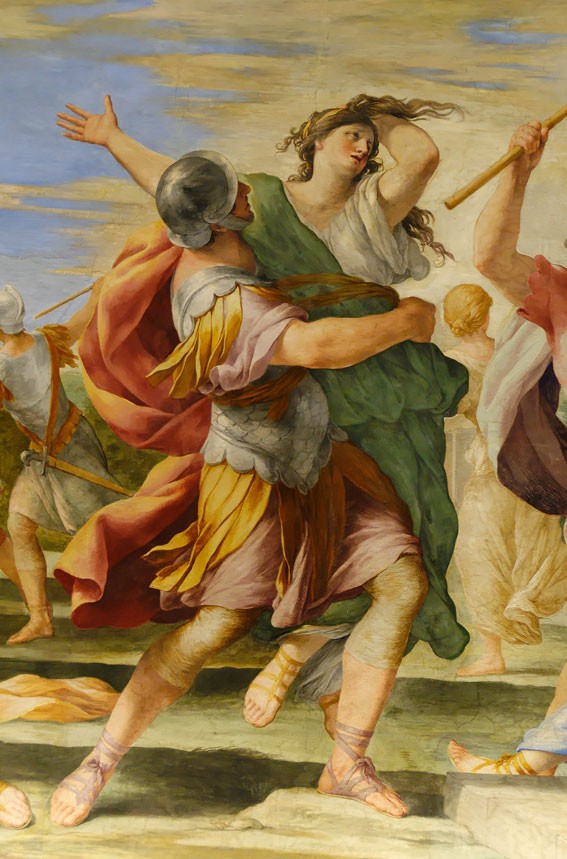
Romulus invited people who had fled from neighbouring lands to live in his new city. But most of these settlers were men; Romulus needed women to live there as well. So he invited the Sabine people to visit a festival held at the Circus Maximus in Rome. While the Sabine men feasted and drank, Romulus’s men seized their daughters and drove the men away. The Roman men later persuaded these young women to marry them. The furious Sabine king threatened to conquer Rome in revenge, but the Sabine women, who could not bear to see their husbands and fathers killing one another, pleaded with them to stop. Eventually, the Sabines and Romans made their peace and united with Rome as their capital.
Romulus ruled Rome for 40 years. He disappeared in a whirlwind during a thunderstorm on Campus Martius (Field of Mars) and was never seen again.
Consultant: Philip Wilkinson