
Europe
Crusades
The Crusades were wars fought between Christians and Muslims during the Middle Ages. In 1095 Pope Urban II, the leader of the Christian Church, called for European Christians to stop fighting among themselves and instead to recapture Palestine, the “Holy Land”. This region was important to Christians because it was where Jesus Christ had lived. In 637 Jerusalem had been captured by the Muslims, who made it difficult for Christians to visit holy sites and shrines. In 1087 Jerusalem's rulers had banned Christian pilgrims from entering the city. In answer to the Pope’s call, Christians from all over Europe organized military expeditions called Crusades. Everyone from kings to knights, nobles to peasants, took part.
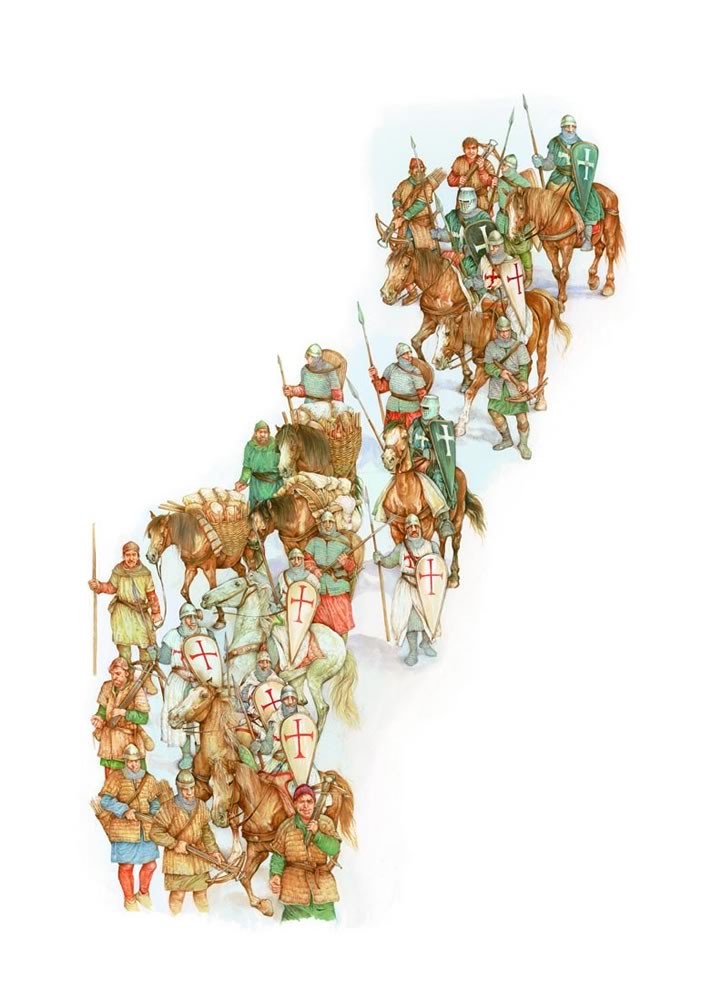
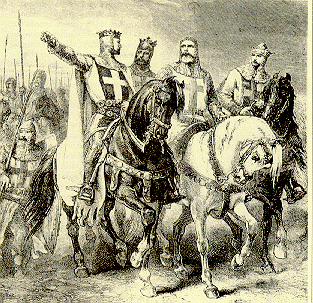
First Crusade
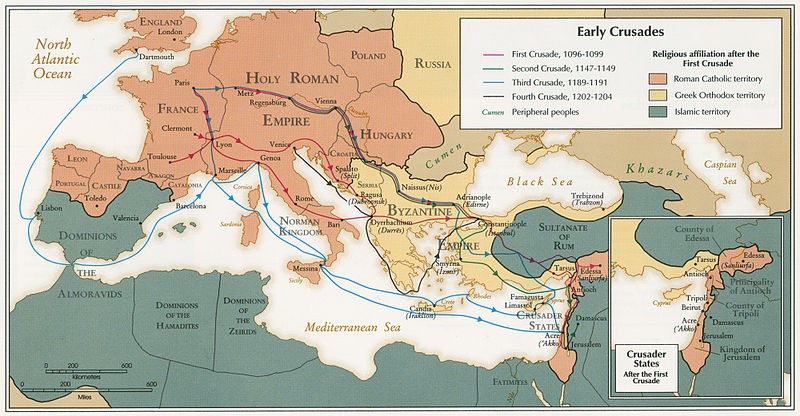
There were eight Crusades in all, taking place between 1096 and 1270. The aim of the Crusaders was to recapture the Holy Land, and to protect Constantinople and the rest of the Byzantine Empire from the Turks. The Crusaders fought many battles and, in 1099, captured the holy city of Jerusalem from Muslim forces, massacring the local population. The Crusaders held on to the city for nearly 100 years, setting up several four Crusader states—Jerusalem, Edessa, Antioch and Tripoli—in the region and building sturdy castles to defend them.
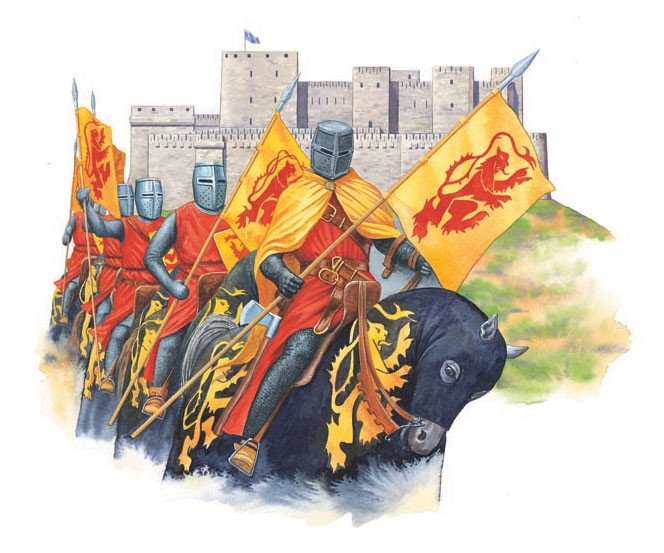
Fighting monks
The Knights Templar and the St John’s Hospitallers were Crusaders dedicated to defending Jerusalem. They were known as fighting monks and built great castles to protect the land they had gained around Jerusalem. The Hospitallers also tended the wounded. The Knights Templar protected Christian pilgrims visiting the Holy Land.
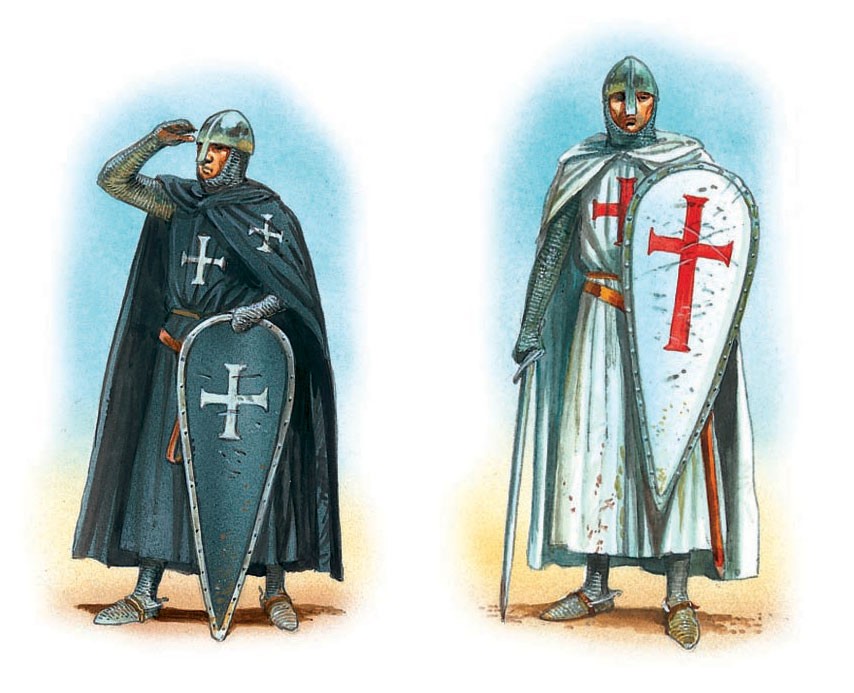
Second Crusade
Muslims in the region vowed to wage holy war (jihad) to regain control over their former lands. In 1144 Zangi, governor of Mosul, captured Edessa. This prompted the launch of the Second Crusade in 1147. The Crusaders attacked the Syrian stronghold of Damascus but were crushed by Muslim forces in 1149.
Saladin and Saracens
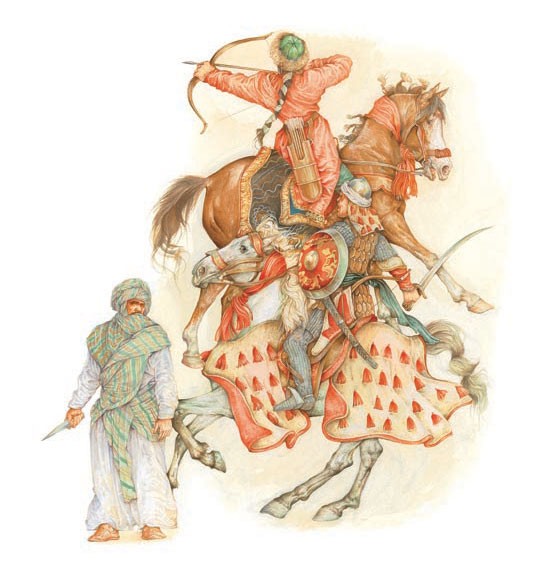
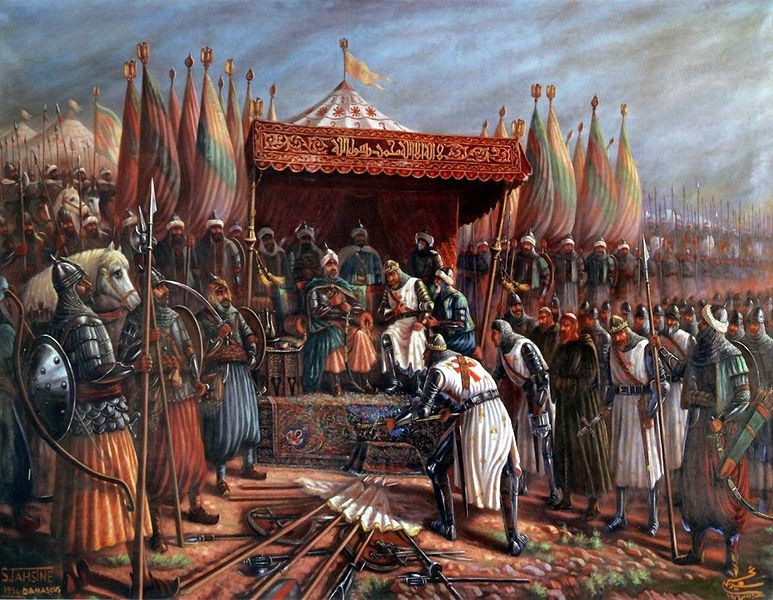
Saladin (1137/8–1193), the Sultan of Egypt, united many small Muslim states in the Middle East and raised a great army. The Crusaders called these Muslim soldiers Saracens. They were fine horsemen and brave fighters. In 1187, Saladin’s army recaptured Jerusalem, destroying the Christian army that tried to defend it. To avenge this defeat, the Third Crusade was called. It was led by the Holy Roman Emperor Frederick Barbarossa, King Philip II of France and King Richard I of England (Richard the Lionheart).
In September 1191, Richard’s forces defeated Saladin’s Saracens at the Battle of Arsuf, but held back from besieging Jerusalem itself. Richard and Saladin agreed a truce, re-establishing the Christian Kingdom of Jerusalem, but excluding the city of Jerusalem. This ended the Third Crusade.
The end of the Crusades
The Crusaders quarrelled with their Christian allies in the Byzantine Empire. In the Fourth Crusade, the Crusaders, together with forces from Venice, advanced on the empire’s capital, Constantinople, and sacked it in 1204. Several Crusades followed during the 13th century, and land in the area changed hands several times—although the Crusaders never succeeded in taking back Jerusalem. The emerging Mamluk dynasty in Egypt eventually saw off the invaders. The Europeans’ coastal stronghold of Acre was taken and their forces driven out of Palestine and Syria in 1291.
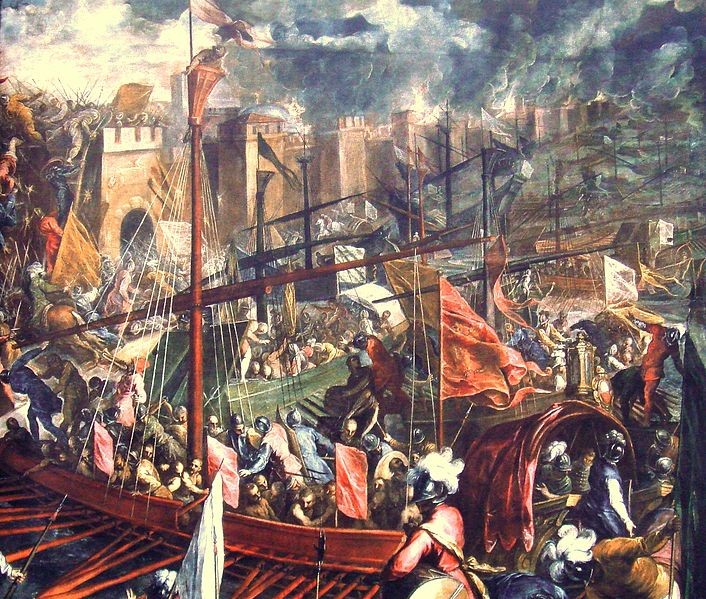
With tens of thousands dead, the Crusades were effectively finished, although further minor Crusades took place. The Ottoman Turks finally captured Constantinople in 1453, ending the Byzantine Empire and with it, Christian power in the eastern Mediterranean. However, trade and other contacts between Europe and Asia flourished in the centuries that followed.
Consultant: Philip Parker