
Famous women
Mary Anning
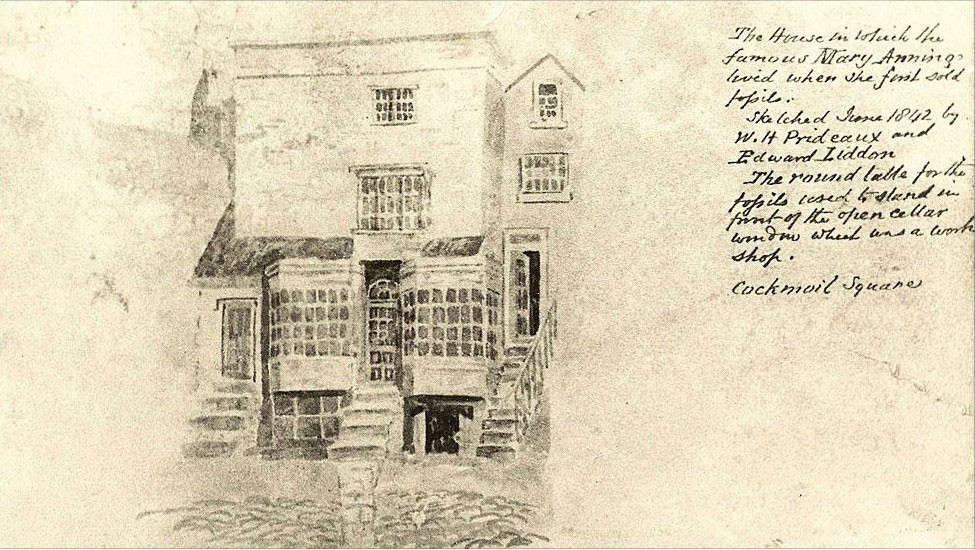
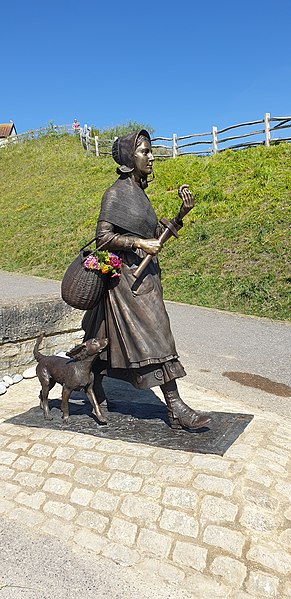
Mary Anning (1799–1847) was an English fossil-hunter and self-taught palaeontologist who was once described as "the greatest fossilist the world ever knew". Her discoveries, most notably of marine reptiles and pterosaurs from the Age of Dinosaurs, significantly helped the work of many British scientists by providing them with specimens to study. Mary was not permitted to become a member of the newly formed Geological Society of London, yet many palaeontologists sought her advice for their research and a number of them visited her in her home in Lyme Regis.

Early life
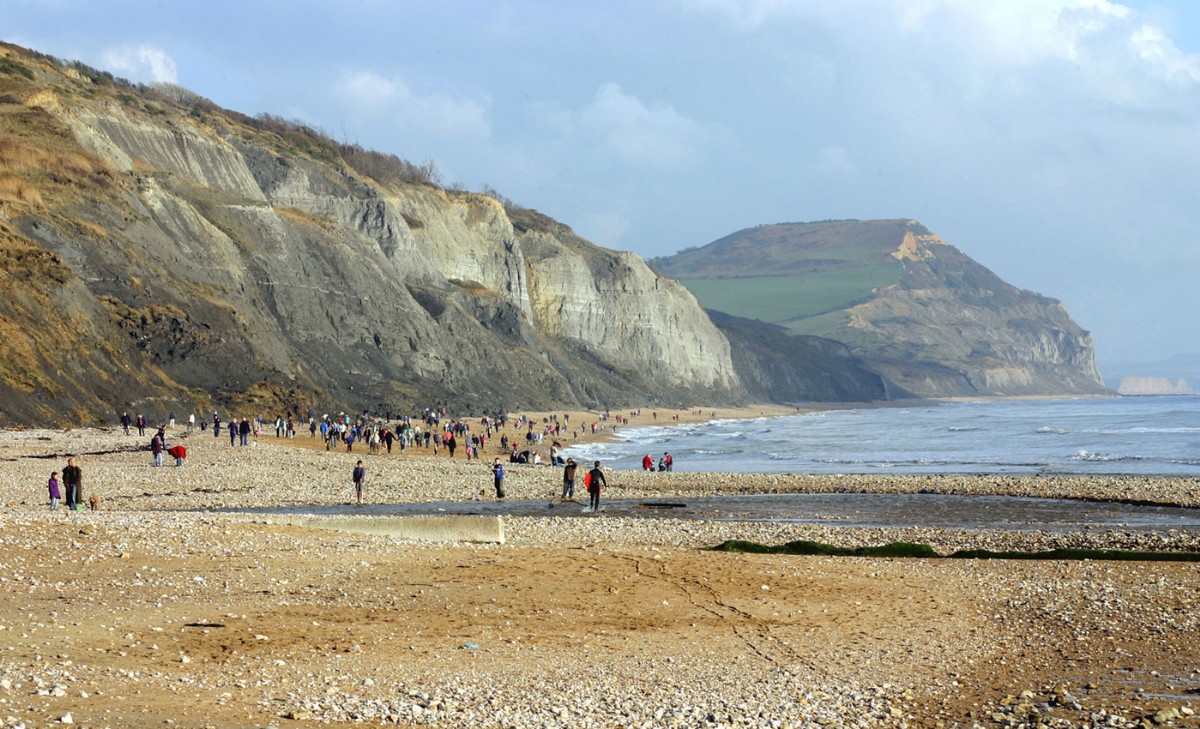
Mary Anning was born in Lyme Regis, Dorset, on 21st May 1799 to Richard Anning and his wife Mary. Richard was a cabinet-maker who supplemented his income by collecting fossils from the cliffs near the family’s home and selling them. The couple had 10 children, but only Mary and her brother Joseph survived to adulthood. Richard died in 1810, leaving his wife and children in debt and destitute. The family lived in poverty, relying on charity—but also on the sale of the fossils that Mary was increasingly skilled at finding. However, fossil-hunting was a risky business, as the storms and landslides that often exposed new finds also made the sea cliffs dangerously unstable.
First finds
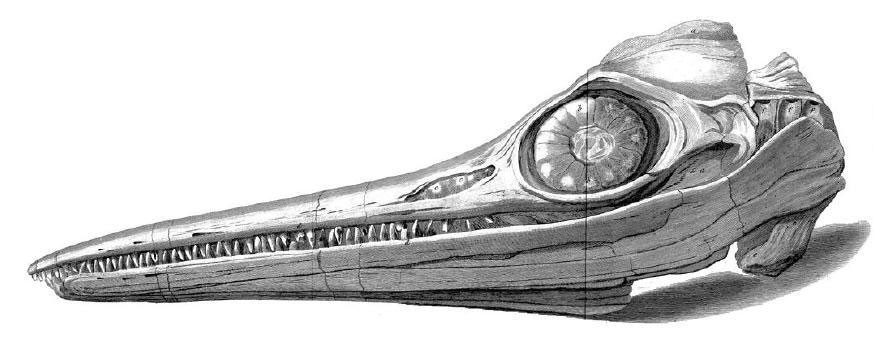
Around 1810–11, Joseph found a skull and Mary carefully excavated the rest of the skeleton of what looked like a "crocodile". The fossil was bought locally and then sold on to a collector in London. It was later named Ichthyosaurus ("fish lizard"). The Annings’ specimen was the first complete ichthyosaur fossil to be found, and it brought Mary to the attention of collectors and scientists in London.
Over the next few years she continued to find and sell fossils, but her family remained almost destitute (extremely poor) until a local collector and admirer of Mary’s work, Lieutenant-Colonel Thomas Birch, organized a sale of specimens he had bought from Mary, and gave the entire proceeds from the sale to the Anning family.
Fossil hunter
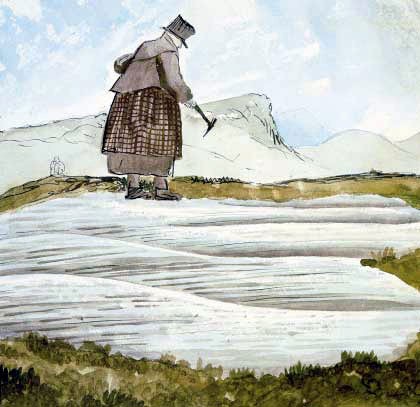
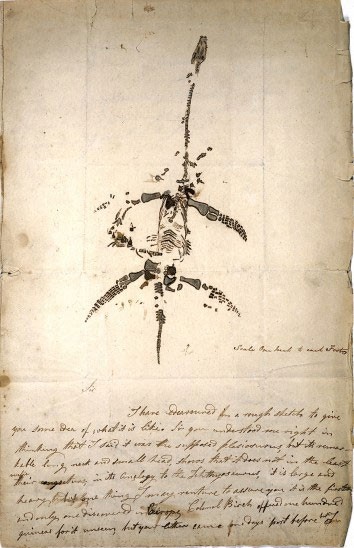
It is difficult to say exactly how many fossils Mary Anning found, as at that time museums usually credited the people who donated the fossils to the institution, rather than the person who had found them. It is known that Mary discovered the first complete skeleton of the long-necked Plesiosaurus in 1824, and the flying reptile Pterodactylus in 1828. She also found many more ichthyosaurs, and a fossil fish known as Squaloraja in 1829.
Despite not having any formal scientific training, Mary taught herself geology, anatomy and palaeontology (the study of fossils), and became an expert on all aspects of her discoveries. She became friends with some of the most eminent palaeontologists of the day, including William Buckland, a geology lecturer at Oxford University who often joined Mary on her fossil-hunting expeditions in Lyme Regis.
A man's world?

While Mary’s skill and knowledge were appreciated by many, it was the gentlemen palaeontologists who published their findings about the fossils she sold them, and it was their names that had become well-known in the scientific community. As a woman, Mary Anning was not permitted to become a member of the newly formed Geological Society of London. Yet many palaeontologists sought her advice for their research and a number of them visited her in Lyme Regis. Some, including the British scientists Henry de la Beche and Gideon Mantell, took care to credit her contribution to their work.
Later life
Towards the end of her life Mary once again fell into financial difficulties. Concerned about her welfare, her friend William Buckland persuaded the British Association for the Advancement of Science to give her a small annual salary, in recognition of her work. In 1846 she became the first honorary member of the new Dorset County Museum.
Mary Anning died in 1847 from breast cancer. She was buried in the graveyard of St Michael's Parish Church, Lyme Regis. Her obituary was published in the Journal of the Geological Society. The society was not to admit women members for another 57 years, in 1904.
Consultant: Philip Parker