
Natural history of the British Isles
Woodland habitats of the British Isles
Thousands of years ago, nearly every part of the British Isles was covered by woodlands, made up of native trees such as oak, ash, birch and Scots pine. Today, many of these ancient woodlands have been cleared for farmland, but areas remain scattered across these islands. Together with what are known as secondary woodlands—those that have re-emerged on land that was, in the past, cleared of trees for farmland—they provide vital habitats for wildlife. Woodlands help to clean the air by absorbing carbon dioxide, and keep the soil stable, which reduces the risk of flooding.
How woodlands formed
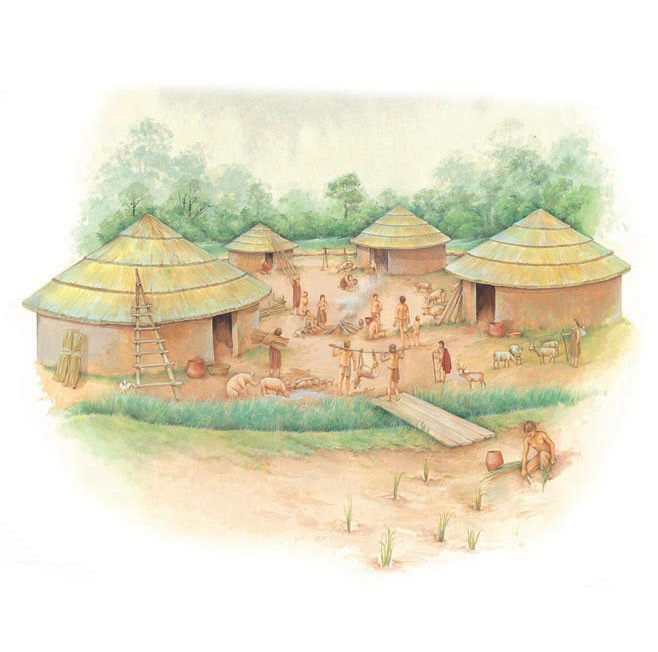
At the end of the most recent Ice Age (around 12,000 BC), most of the British Isles was blanketed with a thick layer of ice. As the ice melted, birch, pine and hazel forests edged northwards until they covered the whole land. From about 4000 BC onwards, Neolithic farmers began to cut down trees both for fuel and to clear space for planting their crops and grazing their livestock. By the beginning of the Bronze Age, around 2800 BC, people were managing woodlands so that the trees would regrow and provide a constant supply of wood, for building shelters and other uses.
As the population grew, more and more natural woodland was cleared for farming, especially in fertile areas such as East Anglia and the English Midlands. Large numbers of trees were also felled for building wooden warships. Once industries started to develop in the 18th and 19th centuries, woodlands near industrial towns provided a vital source of fuel and building materials.
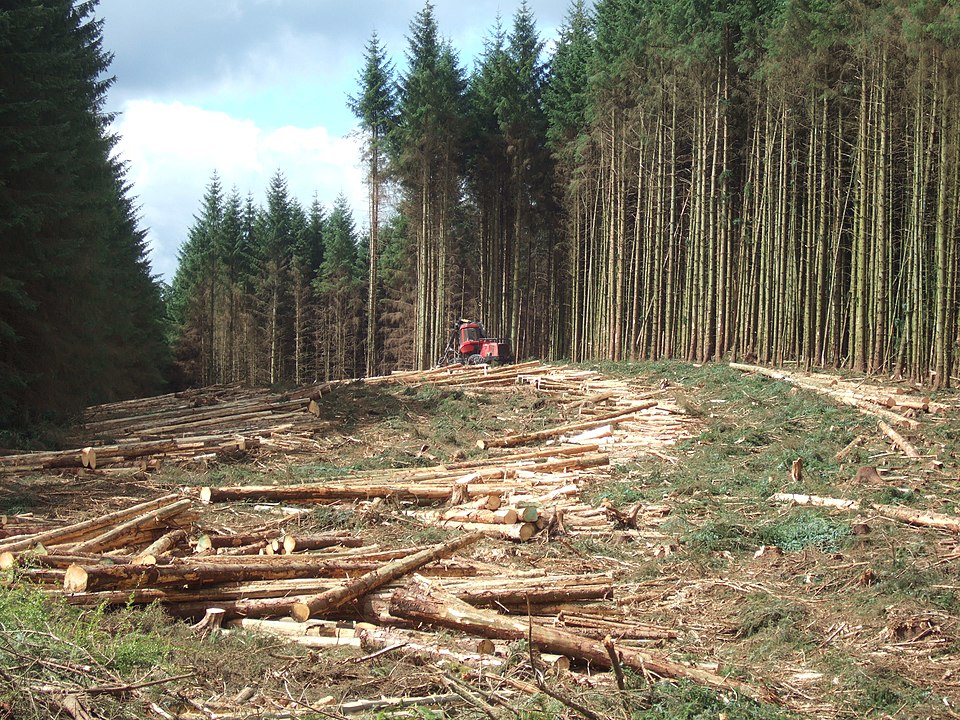
After World War I, thousands of fast-growing coniferous trees were planted by the newly-created Forestry Commission in the UK in artificial forests (plantations)—especially in Scotland—to provide timber. Planting these non-native trees often damaged existing natural woodland habitats. In Ireland, many conifers were planted on peat bogs, disrupting food chains in these habitats.
Ancient woodlands
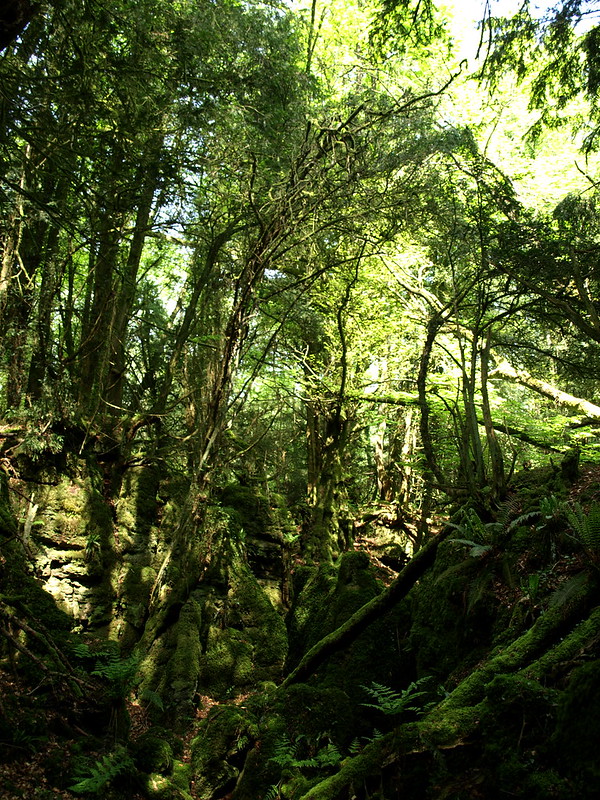
Small pockets of ancient forest remain across the British Isles, such as Epping Forest in Essex, Wistmans's Wood in Dartmoor and the Caledonian Forest in northern Scotland. These woodlands have been left to exist naturally since at least the 17th century without interference from humans. The trees are a mixture of ancient oaks, hazel, hornbeam, beech and ash. Centuries of decaying wood have loaded the soils with nutrients, creating habitats for rare ferns, mosses and lichens. Today, ancient woodlands make up less than 2% of the land area of the British Isles. In the UK, they are protected by law.
Deciduous woodlands
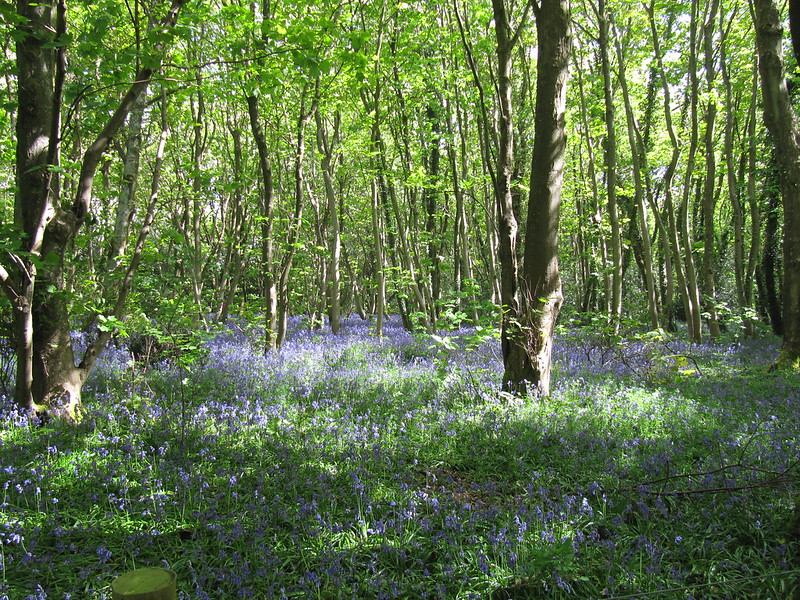
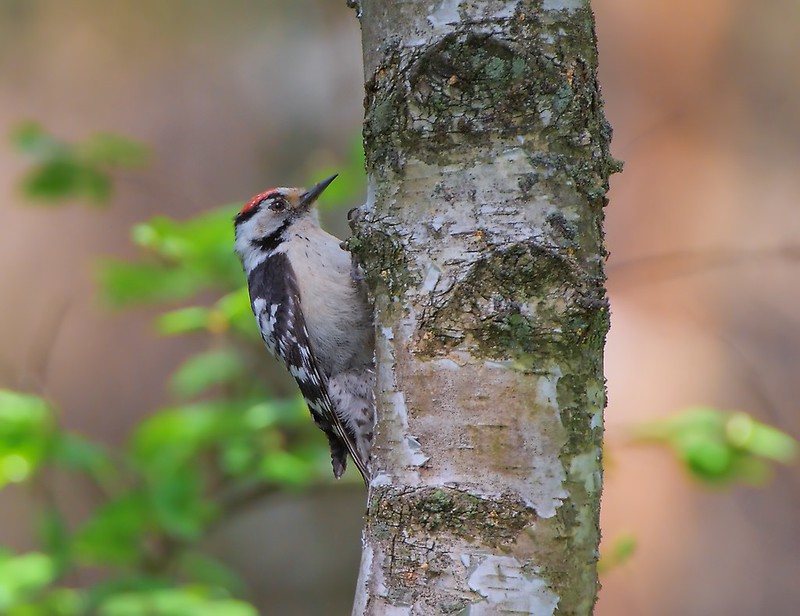
Deciduous woodlands are found all over the British Isles, but especially in England and the south. Deciduous trees lose their leaves in autumn: they include oak, hornbeam, beech and ash. Smaller trees and shrubs such as hawthorn and holly grow in shady clearings. Brimstone and white admiral butterflies flit between the trees along narrow, open strips called "rides", purposely cut through woods to foster wildlife. Woodpeckers and treecreepers forage for insects in the bark of tree trunks.
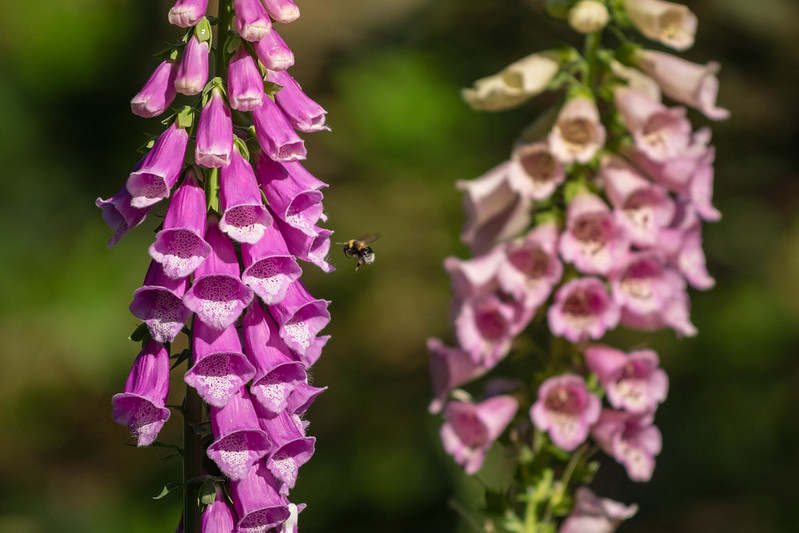
In early spring, enough sunlight reaches the ground for primroses, bluebells and wild garlic to bloom before the leaf canopy returns overhead, bringing permanent shade. These flowers are an early source of nectar for bees. Tall purple foxgloves grow in woodland clearings, attracting bumblebees in summer. Shade-loving plants such as bugle, ferns and liverwort thrive in woodlands all year round. The delicate white flowers of wood anemones bloom in winter.
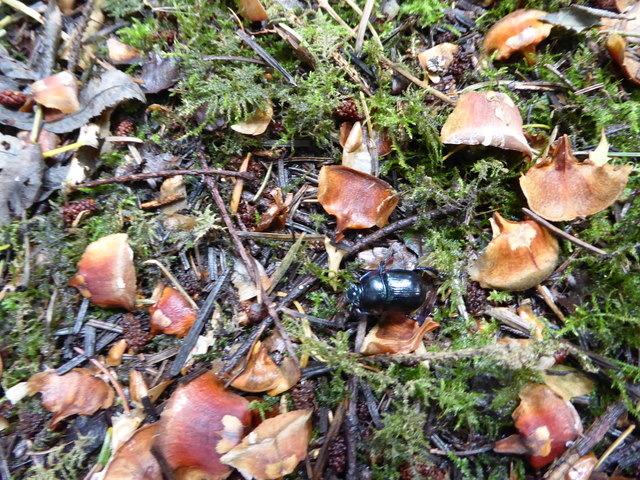
On the woodland floor, spiders, beetles, slugs, snails and centipedes live among the leaf litter and fungi, while mice and voles feed on fruits and nuts that have fallen from the trees.
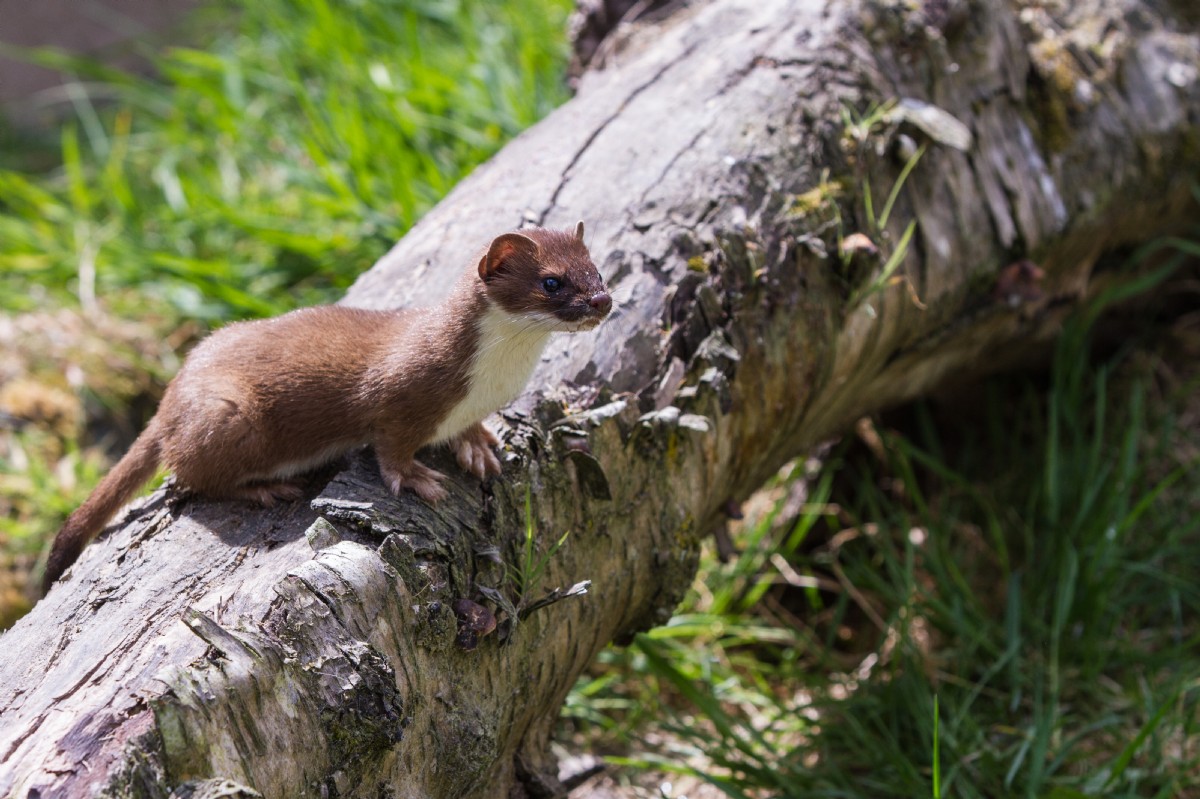
At the edges of woodlands, a mix of shelter and open, grassy land offers good hiding places for small mammals such as rabbits and hares—and rich hunting grounds for foxes, stoats and weasels. The Forest of Dean, on the border between England and Wales, is one of the few places in the British Isles where wild boar, descendants of escaped animals kept for their meat, roam.
Coniferous woodlands
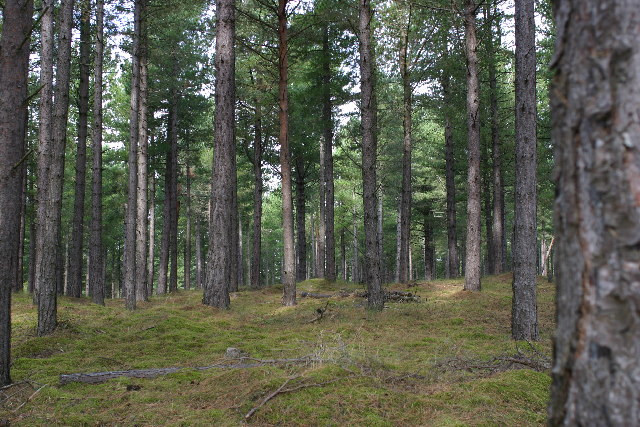
Coniferous woodlands contain Scots pine (the only native conifer), Douglas fir, and spruce trees. Many of these woodlands, such as Thetford Forest in East Anglia and the upland forests of Ireland, were planted in the 20th century for timber. Most conifers are evergreens, so they provide shelter and food for birds and squirrels all year round, but make the forest floor too shady to support flowering plants. Ferns and mosses are some of the only plants that grow in the low light.

Deer visit the edges of coniferous forests, seeking shelter from harsh weather, especially in winter. Goshawks nest high up in the branches of pine trees in Welsh forests. These birds of prey are well-adapted to fly at speed through woodlands, swooping in and out of trees to hunt wood pigeons, crows and rabbits.
Atlantic rainforest
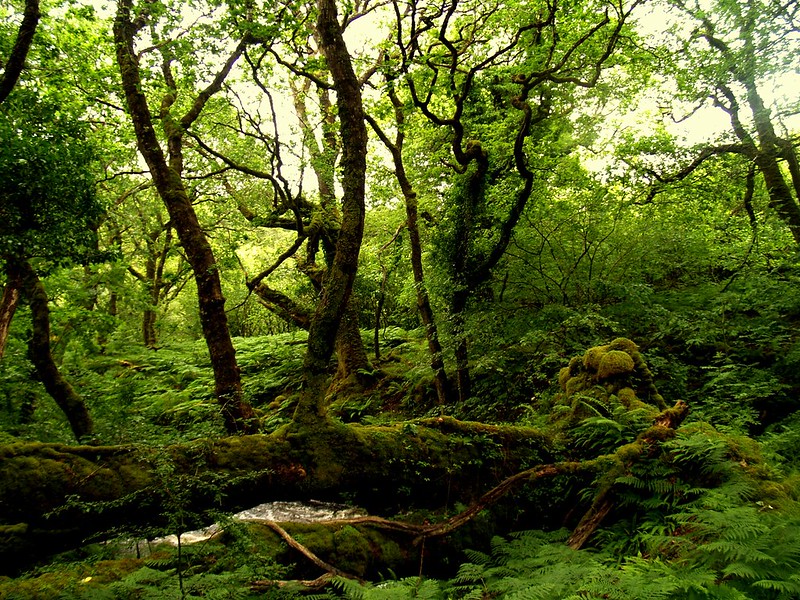
The western parts of the British Isles are home to a rare habitat known as Atlantic temperate rainforest. It is found across Ireland, the western coast of Scotland, north and west Wales, Cumbria, Devon and Cornwall. The shores of Loch Lomond in Scotland, the Dart valley in Devon and Borrowdale in the Lake District all have patches of temperate rainforest. Here it is both wet and mild enough for trees to have other plants growing on them. Known as epiphytes, they include ferns, lichens, mosses and shade-loving plants called liverworts, all of which thrive in the damp climate. The trees are a mix of ancient sessile oak and birch—left undisturbed for centuries as they do not produce good timber. Birds such as wood warblers and tree pipits are found here, while greater and lesser horseshoe bats feed on the vast numbers of insects. Many rare lichens and fungi grow in these woodlands and nowhere else on Earth.
Caledonian Forest
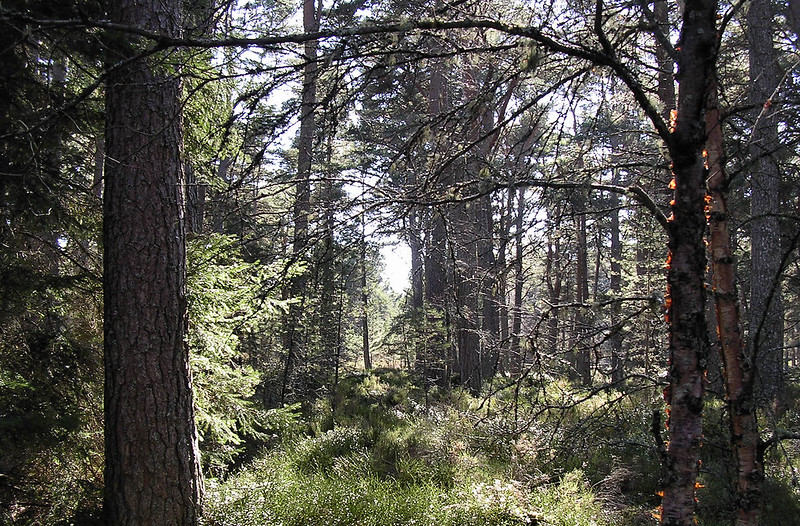
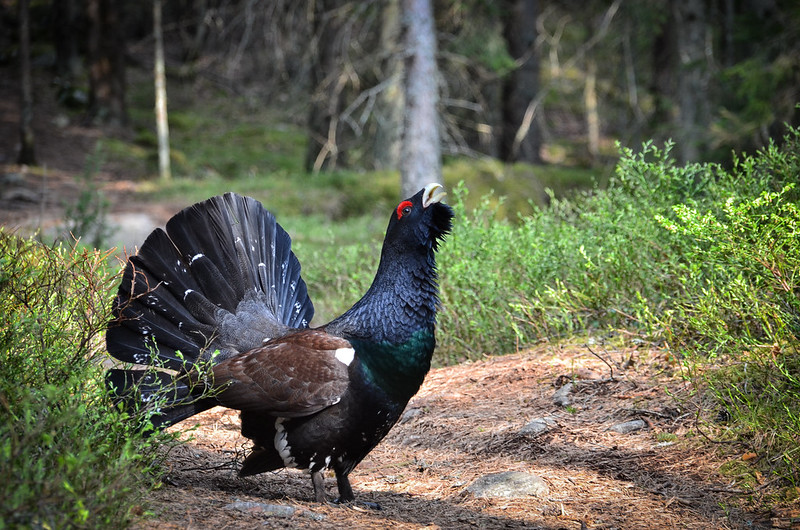
The Caledonian Forest in northern Scotland is one of the few remaining areas of Scotland’s ancient pine forest. Unlike conifer plantations, its trees are spaced widely apart, allowing lots of light through to the forest floor. It is home to rare bird species such as the osprey and long-eared owl, as well as the capercaillie, which lives nowhere else in the British Isles. Pine martens and wildcats hunt between the trees, undisturbed by humans. The Caledonian Forest is one of the few places in Britain where beavers have been successfully reintroduced to the wild.
Managing woodlands
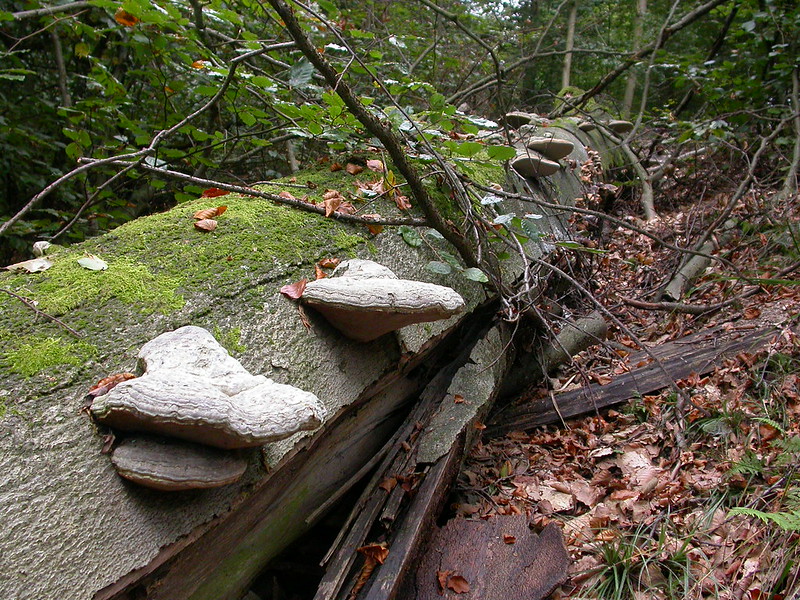
Because most woodlands have been shaped by human activity, they need to be carefully managed to keep a good balance between the different species that live there. A healthy woodland needs a mix of trees at different stages of growth, including dead, rotting tree trunks—these attract beetles and other invertebrates. Thinning (cutting away) branches at the top of the canopy maintains a good level of light for smaller plants on the woodland floor. Woodland shrubs such as holly and bramble also need to be trimmed to stop them taking up more than their share of space.
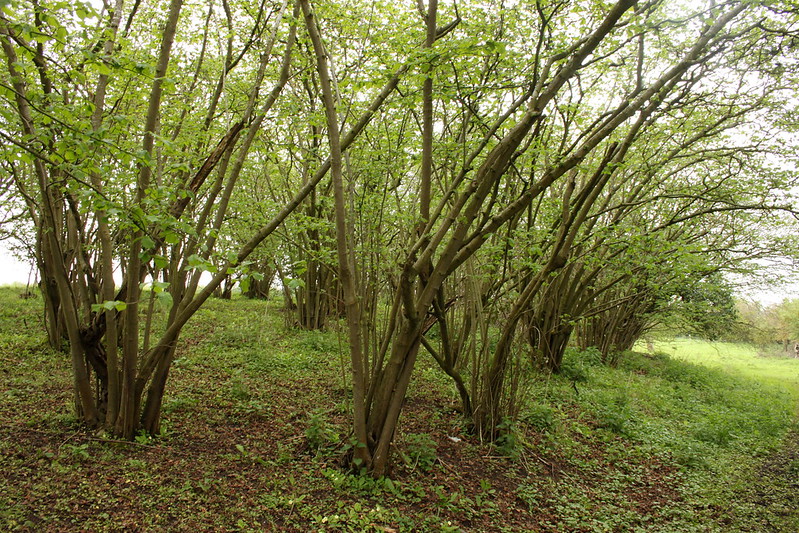
Coppicing is a way of managing woodland that has been practised since the Iron Age. It involves cutting a tree down to its base and then allowing it to grow new shoots. These grow into long, straight stems, which are ideal for use in building or for bundling into firewood. After they are cut, new stems grow back and the process is repeated. Ash, hazel and alder trees are often coppiced.
Consultant: Chris Jarvis