
Q-news

CITE
We have made every effort to follow citation style rules, but there may be some minor differences. If in doubt, please refer to the appropriate citation style manual.
A barren Caribbean island becomes a haven for wildlife. (2024). In Q-files Encyclopedia, , Q-news. Retrieved from
https://www.q-files.com/news/a-barren-caribbean-island-becomes-a-haven-for-wildlife
"A barren Caribbean island becomes a haven for wildlife." , Q-news, Q-files Encyclopedia, 21 Jun. 2024.
https://www.q-files.com/news/a-barren-caribbean-island-becomes-a-haven-for-wildlife.
Accessed 30 Oct. 2026.
A barren Caribbean island becomes a haven for wildlife 2024. , Q-news. Retrieved 30 October 2026, from
https://www.q-files.com/news/a-barren-caribbean-island-becomes-a-haven-for-wildlife
, Q-news, s.v. "A barren Caribbean island becomes a haven for wildlife," accessed October 30, 2026.
https://www.q-files.com/news/a-barren-caribbean-island-becomes-a-haven-for-wildlife


A barren Caribbean island becomes a haven for wildlife
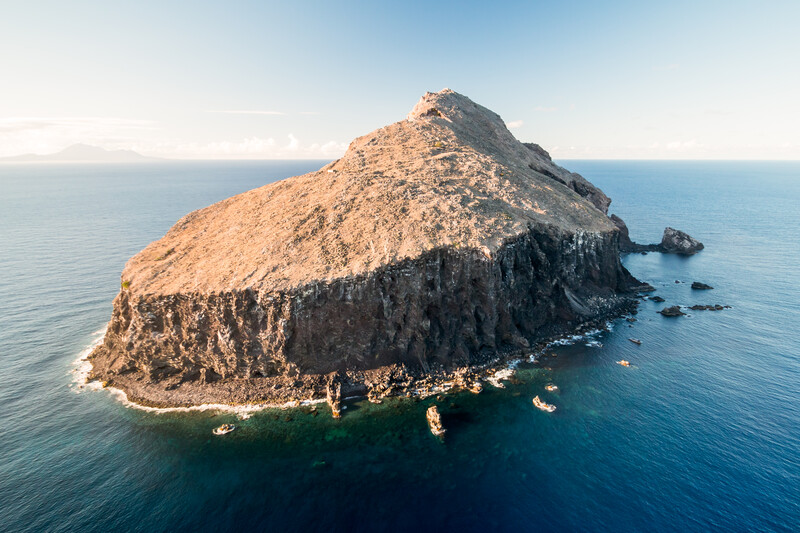
The tiny Caribbean island of Redonda has been transformed from a desolate rock into a wildlife haven in just a few years. Black rats once preyed on the island's reptiles and ate birds' eggs. Along with goats introduced by early colonists, they devastated Redonda's ecosystem, leaving the island looking like a barren moonscape. A project launched in 2016 to relocate the goats away from the island and to eradicate the rats saw vegetation spring back to life in only two years. This led to the swift return of many native species, including sea birds and lizards.
5th October 2023

Redonda
Redonda is a part of the island nation of Antigua and Barbuda, in the Leeward Islands, West Indies. The uninhabited island is about 1.6 kilometres (1 mile) long and 0.5 kilometres (0.3 mi) wide. Discovered by Christopher Columbus in 1493, it was home to flocks of sea birds and thus an important source of guano (bird excrement or poo), valuable as a fertilizer. Guano mining operations on Redonda started in the 1860s and, with the human population, came rats and goats.
After mining ceased following the outbreak of World War I, these animals remained. The goats ate the island’s plants until almost none were left, while the rats preyed on its native species. Birds stopped nesting on Redonda and even some of the goats starved. Eventually, with most of the vegetation gone, crumbling rocks and soil began to slide into the sea, choking the island's waters.
Restoring the island
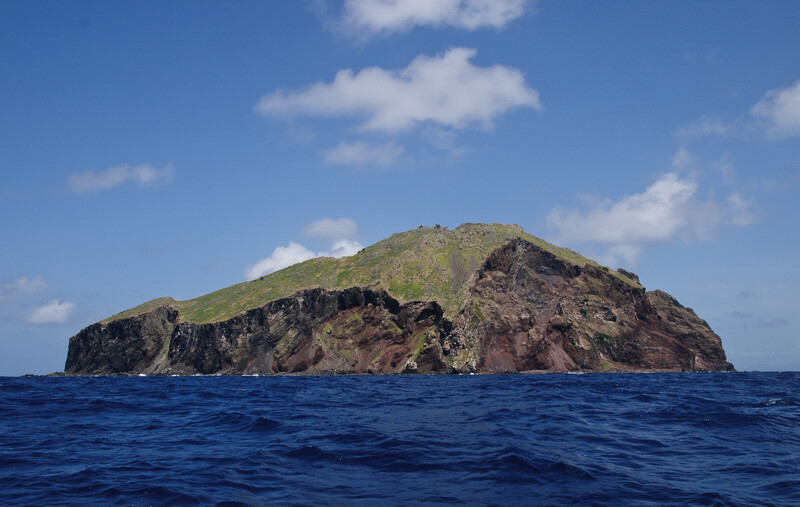
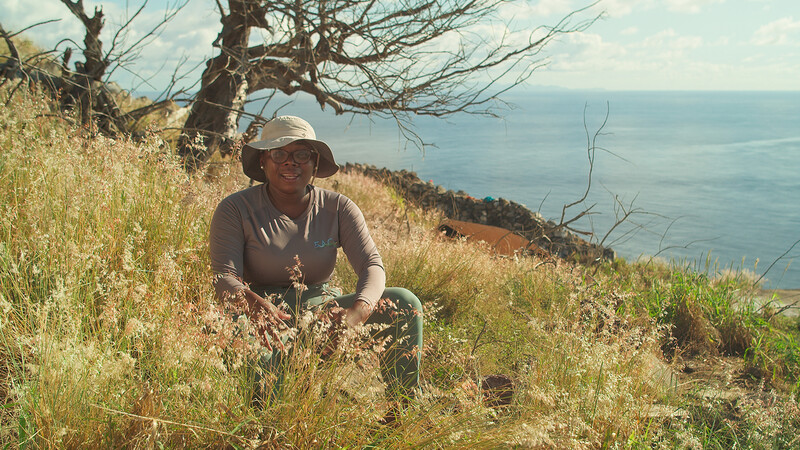
Island restoration efforts were begun in 2016, beginning with the removal of the island's 60 goats and some 6000 rats. The work was carried out by a local team, the Environmental Awareness Group (EAG), in partnership with the Antiguan government and overseas partners including Fauna and Flora International (FFI). “That’s all we did. We just removed the rats and the goats, and the island transformed right in front of our eyes,” says Johnella Bradshaw, Redonda programme co-ordinator for the EAG.
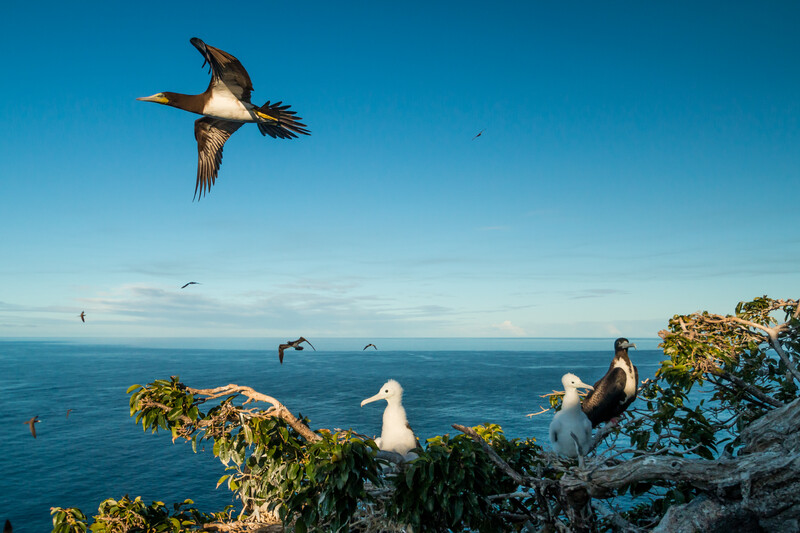
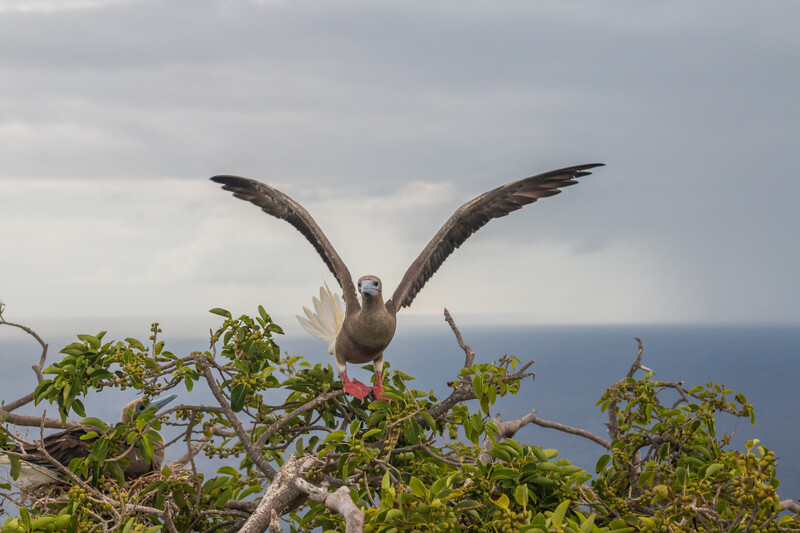
Since the removals were completed, Redonda's vegetation biomass has increased by more than 2000%. Fifteen species of bird have returned to the island, including breeding colonies of magnificent frigatebirds and several species of booby. Without their rat predators, numbers of native lizards—including the critically endangered Redonda ground dragon—have soared, increasing 13-fold since 2017.

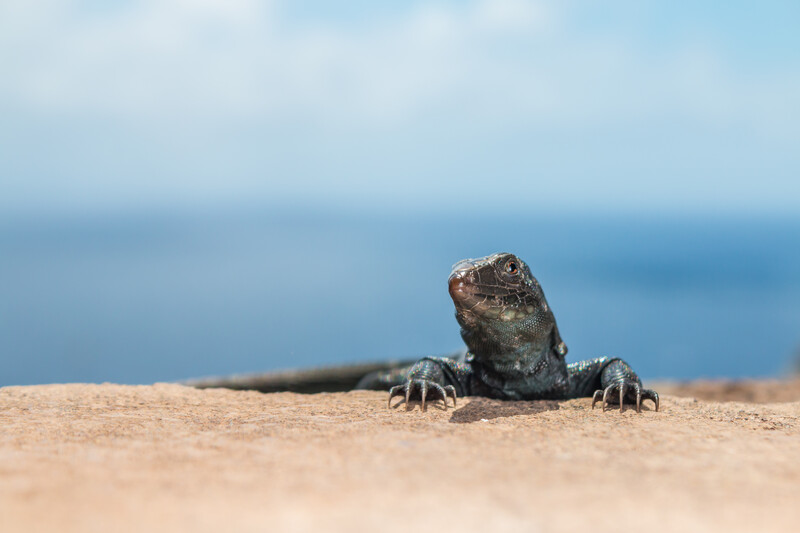
Restoration work is still continuing. The EAG hopes to reintroduce native species that cannot naturally find their way back to the island, such as iguanas and burrowing owls.
Ecosystem Reserve
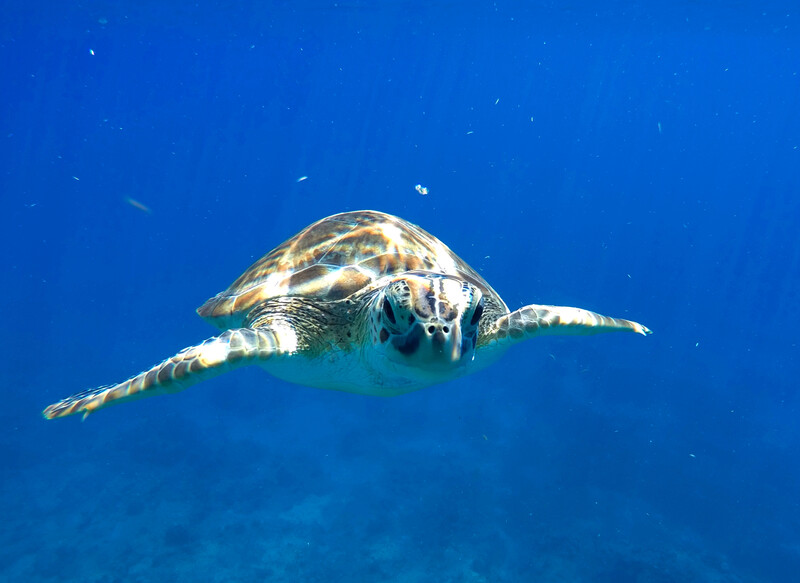
The project's success has led to the island and the ocean that surrounds it being designated a protected area. Announced in September 2023 by the Antiguan government, the Redonda Ecosystem Reserve will cover 30,000 hectares (74,000 acres) of land and sea, including Redonda itself, its surrounding seagrass meadows and a coral reef. It will preserve for posterity Redonda's status as a nesting site for migrating birds and a home for species found nowhere else on Earth. This means that Antigua and Barbuda has already met its 30x30 target, a global goal to protect 30% of the planet for nature by 2030.
A "shining light"
The Caribbean has been hit particularly by the extermination of animal species by humans. The islands occupy only a tiny fraction of the Earth’s land area, yet account for at least 10% of the world’s bird extinctions, 40% of mammal extinctions and more than 60% of reptile extinctions since the year 1500. Environmentalists hope that Redonda will act as a "shining light", encouraging other nations to introduce similar projects both in the Caribbean and the rest of world, enabling biodiversity to bounce back. "Reaching our 30x30 target tells the rest of the world that this is possible" says EAG member Shanna Challenger.

pics
Without in any way limiting Q-files Ltd’s exclusive rights under copyright, any use of this publication to “train” generative artificial intelligence (AI) technologies to generate text is expressly prohibited. Q-files Ltd reserves all rights to license use of this work for generative AI training and development of machine learning language models.