
South America
Paraguay
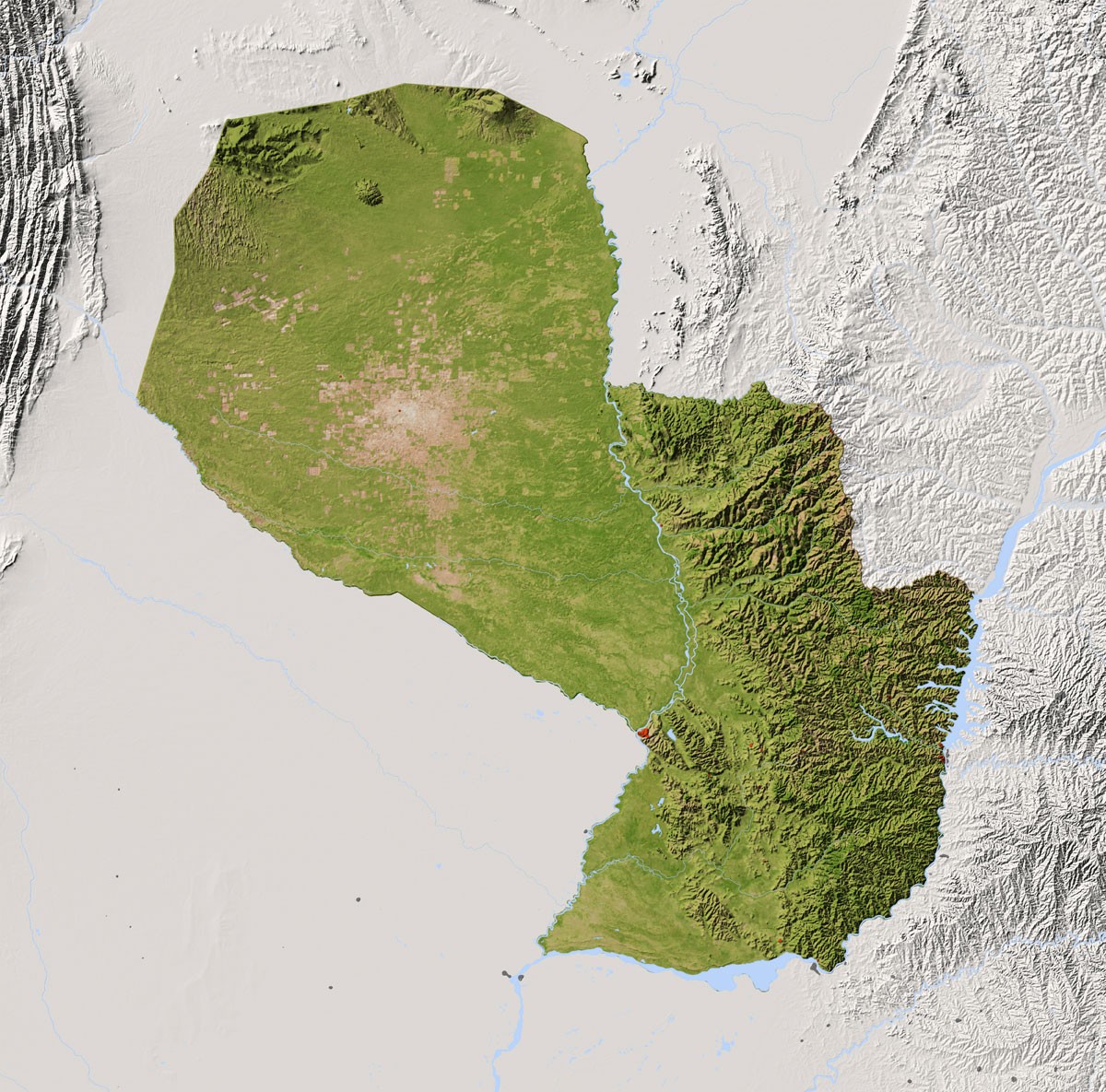
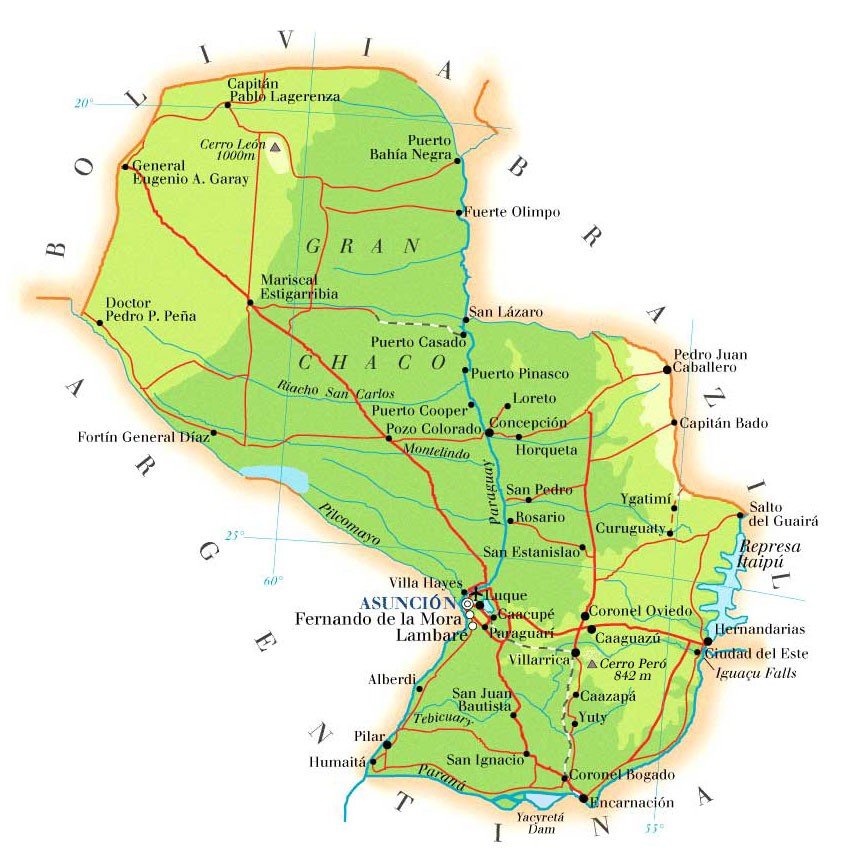
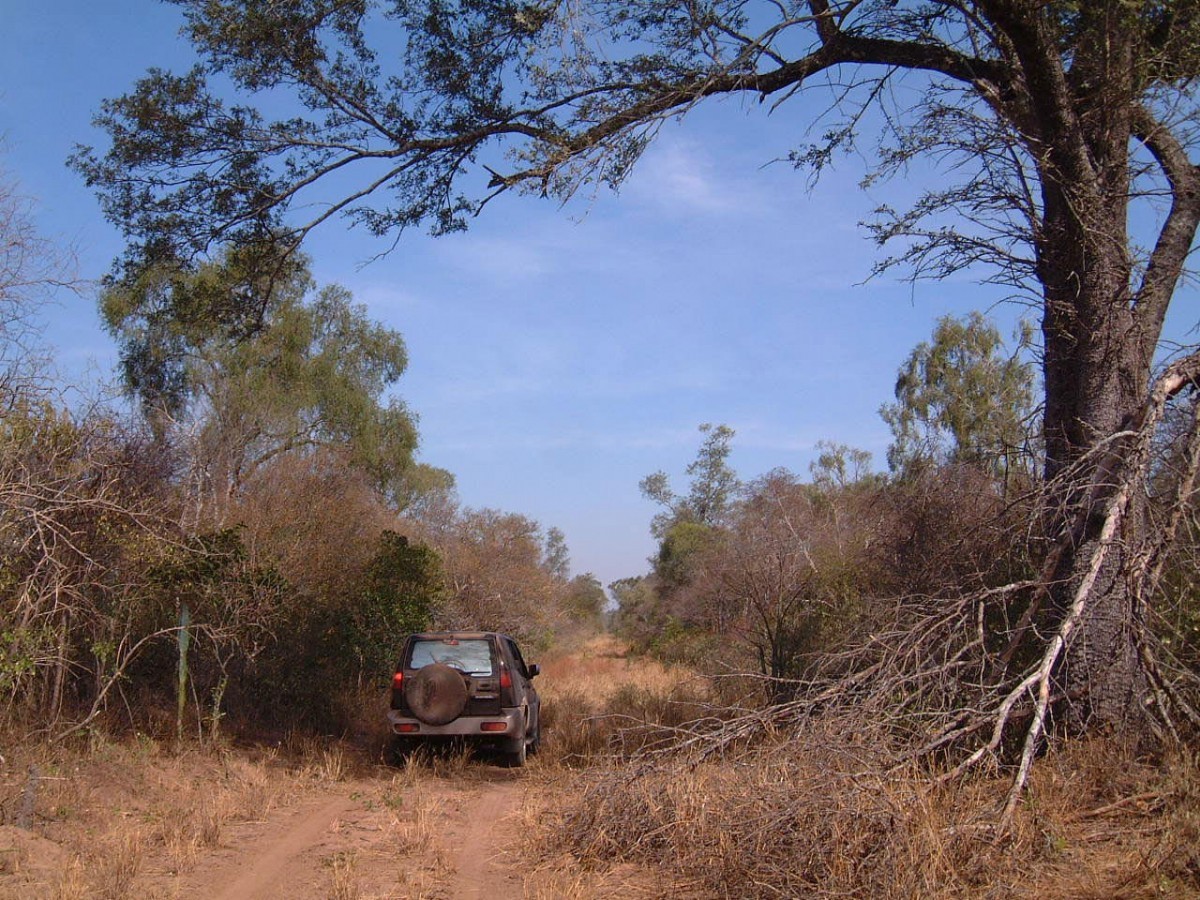
The landlocked country of Paraguay is divided in two by the River Paraguay, which runs north-south down the centre. The eastern part consists of low, green hills and plains. Most of the country’s towns and cities, including the capital, Asunción, are in this region. To the west of the River Paraguay lies the Gran Chaco, a vast scrubland plain which extends into Bolivia in the north and Argentina in the south. Much of the Chaco (known as Chaco Boreal in Paraguay) is dry, bleak and virtually uninhabited. Paraguay has a subtropical climate: summers are hot and wet, while winters are mild.
People
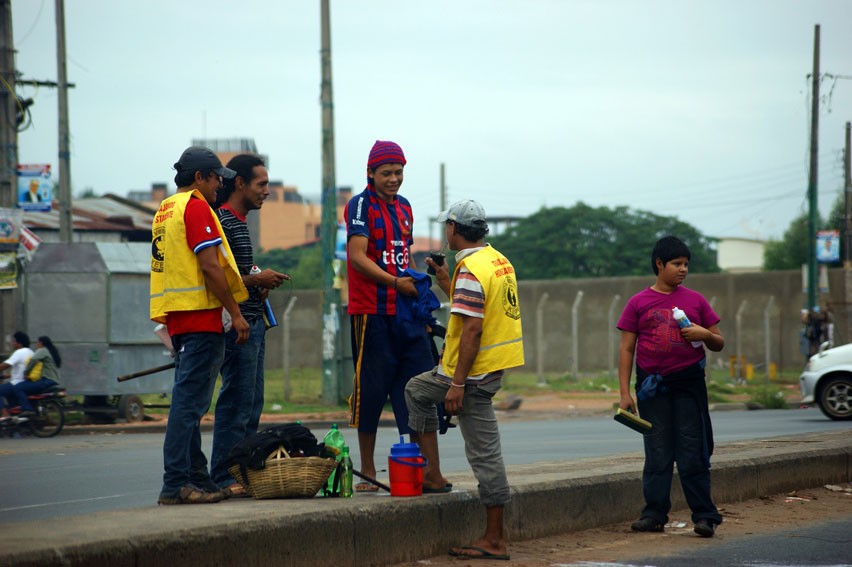
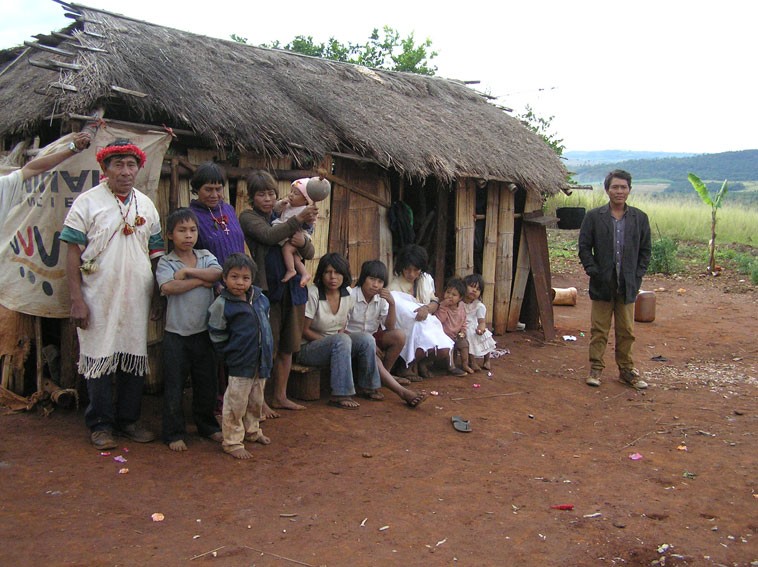
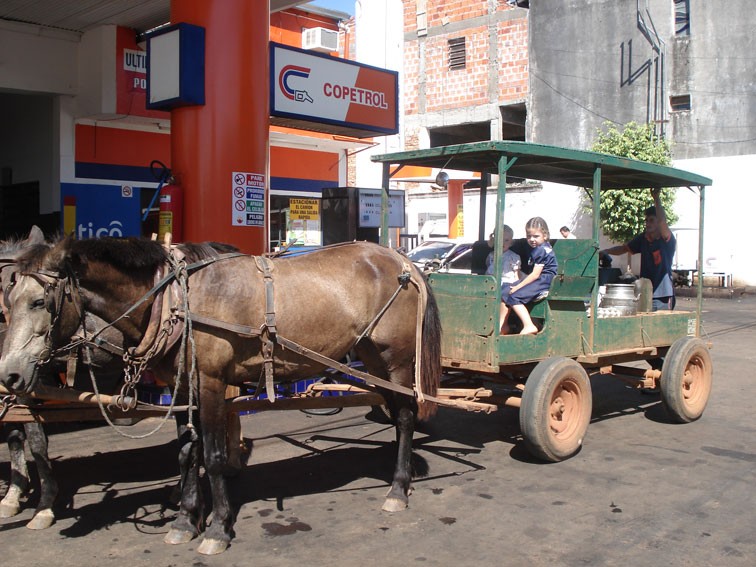
Nearly all Paraguayans live in the east. The capital, Asunción, is the only large city. Most Paraguayans are mestizo: descended from a mixture of Spanish and the native Guaraní people. Although only a handful of Guaraní tribes remain, the Guaraní language is spoken by nearly all Paraguayans, with Spanish as the country's joint official language.
Mennonites
Among the few inhabitants of the Chaco region are several thousand Mennonites, descendants of Central European peoples who fled persecution in Russia and Germany in the 1930s. They are Evangelical Christians; most live a traditional lifestyle, farming and raising cattle for their milk, meat and skins.
Farming
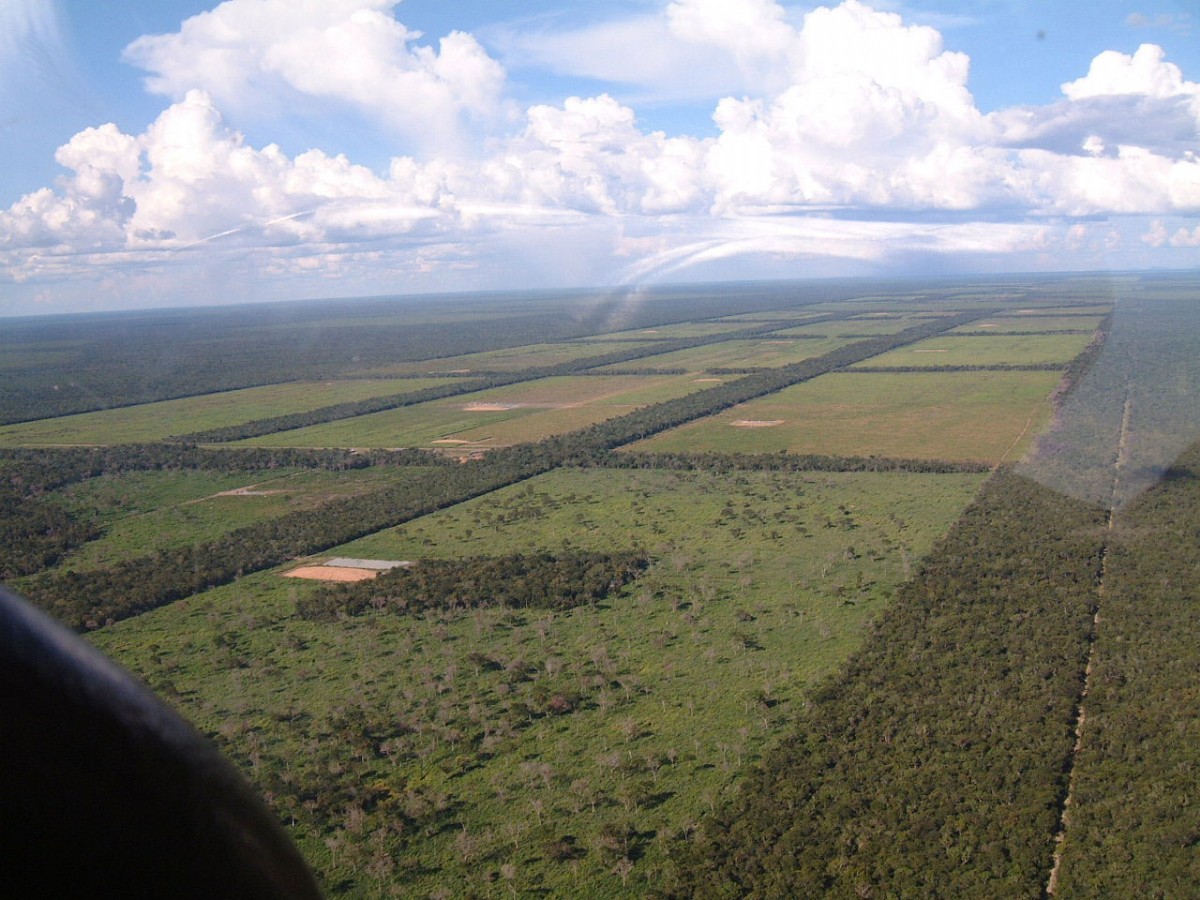
Compared to its neighbours, Brazil and Argentina, Paraguay is still a fairly poor country. Farming is very important. The country is a major producer of soya beans, which are grown on land cleared of rainforest and exported, mainly to China.
While Paraguay is a landlocked country, its ports are able to access the Atlantic Ocean via the Paraná–Paraguay Waterway. Stretches of the Paraguay river are being straightened and deepened to enable the passage of vessels shipping exported produce.
Dams
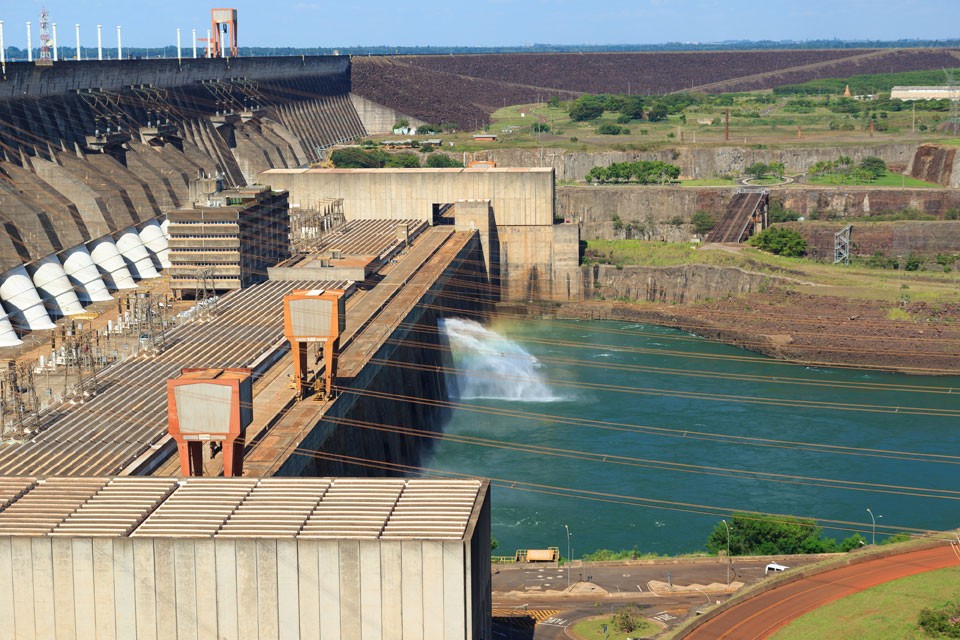
Hydro-electric power is generated at two enormous dams on the Rio Paraná: Itaipú (shared with Brazil) and Yacyretá (between Paraguay and Argentina). Itaipú Dam is one of the largest hydro-electric projects in the world; much of the electrical power it produces is exported by Paraguay to Brazil.
Consultant: Nicholas Harris
Facts about Paraguay
Area 397,302 sq km
Population 6,218,879 (2024 estimate)
Highest point Cerro Peró 842 m (2762 ft)
Capital Asunción, metro area population 2,346,168
Other major cities Ciudad del Este (pop. 546,643)
Languages Spanish, Guaraní
Religions Christian (Roman Catholic) 90%, Christian (Protestant) 6%, others and none 4%
Ethnicity mestizo (mixed Spanish / Native American) 95%, Native American and others 5%
Currency Paraguayan guaraní
Chief exports soya beans, electrical power, maize, beef, vegetable oils, wood products, leather
History of Paraguay
15th century
Guaraní people live in villages in the region
1525
Portuguese explorer Alejo Garcia survives a shipwreck and leads an expedition into Paraguay
1526
Italian navigator Sebastian Cabot sails up the Río Paraná into Paraguay and trades silver with Guaraní people
1537
Spanish begin to set up colonies and outposts in the region, including a settlement at Asunción, founded by Spanish explorer Juan de Salazar de Espinosa
1542
Paraguay becomes part of the Spanish-ruled Viceroyalty of Peru
1609
Jesuit missionaries from Spain begin to convert the local population to Roman Catholicism, building Jesuit villages for them to live in
1767
Spanish king Charles III orders the Jesuits to leave Paraguay and their missionary villages break apart
1776
Paraguay is transferred to the Spanish-ruled Viceroyalty of Rio de la Plata, with its headquarters in Buenos Aires
1808
Spain loses control of its South American territories and the Viceroyalty of Rio de la Plata becomes independent. Paraguayans revolt against their rulers in Buenos Aires
1811
Paraguay becomes independent
1814–40
Paraguay is ruled by its first dictator, José Gaspar Rodríguez de Francia, who cuts off relations between Paraguay and the rest of South America
1864–70
Paraguayan War: Argentina, Brazil and Uruguay sign the Secret Treaty of the Triple Alliance against Paraguay. Paraguay is defeated at the Battle of Cerro Corá in 1870. Over half of Paraguay’s population are killed in the fighting or by disease; Paraguay also loses 25–33% of its territory to Argentina and Brazil.
1932–35
Chaco War fought between Paraguay and Bolivia over control of the northern part of the Gran Chaco region, thought to be rich in oil. Paraguay wins control of much of the region
1954
General Alfredo Stroessner seizes power and rules the country as a dictatorship
1975
Itaipú Dam built on the Rio Paraná between Brazil and Paraguay
1989
Stroessner overthrown in a military coup headed by General Andrés Rodríguez
1993
Free multi-party elections held for the first time
2008–present
EPP rebellion (from the group's name in Spanish: Ejército del Pueblo Paraguayo, meaning "Paraguayan People's Army"), a low-level armed conflict by insurgents in northeastern Paraguay, begins a series of kidnappings and bomb attacks
2012
Oil and natural gas reserves discovered in Chaco region