
How animals live
Attack and defence in animals
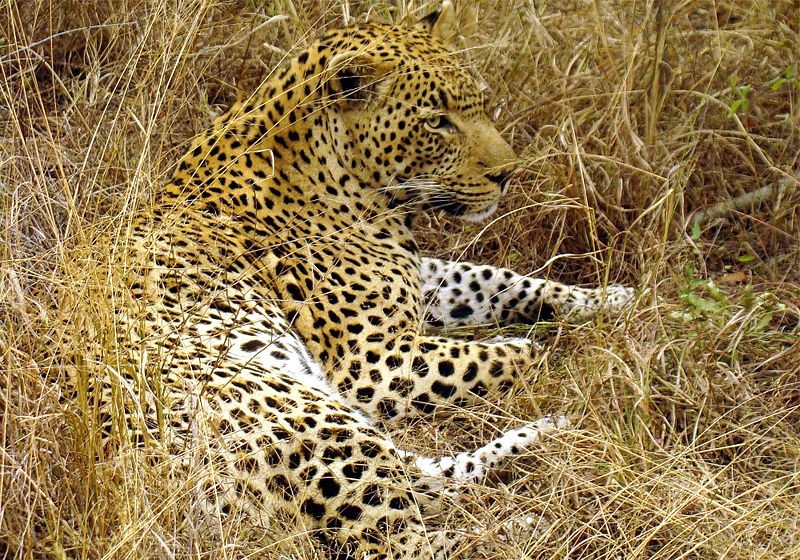
Meat-eating predators, or carnivores, obtain their food by hunting and attacking other creatures: their prey. Most prey have some form of self-defence—for example, an ability to fight back, or to run away at speed—and so the predator must overcome this. Many predators have strong and agile bodies, quick reactions, keen senses and hunting weapons such as sharp teeth and long claws. Some use speed to race after their prey. Others lurk hidden among leaves or long grass—perhaps also disguised by camouflage—then ambush their victims.

Venom
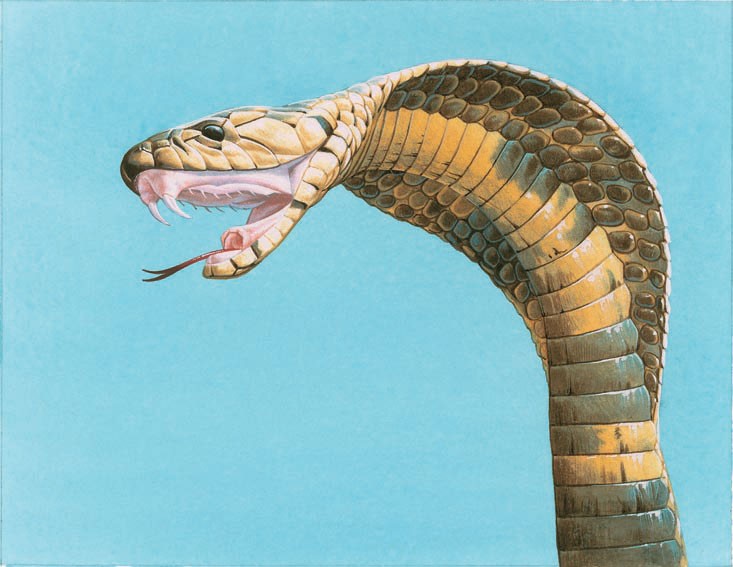
Many animals use chemical weapons rather than physical ones. Some snakes and spiders have venomous bites, while wasps and scorpions have venomous stings. The prey is paralysed, allowing the predator to kill and eat its victim. The venom can also be used for self-defence. These predators usually give warning that they are about to bite or sting an attacker. For example, a rattlesnake shakes its tail, while a spider rears up to show its fangs. This is because the supply of venom is limited and predators need it to hunt, so they try to avoid using it in defence unnecessarily.
Aerial attack
The main hunting weapons of a predatory bird, such as the tawny owl, are its long sharp claws, called talons. It grabs the prey strongly in these and flies off to its perch. Then it holds the meal down with one foot and uses its hooked beak to tear off pieces small enough to swallow.
Owls use silence and stealth to swoop on prey. The owl’s feathers have very soft edges so they make hardly any sound as the bird flaps and glides. The owl can see well at night with its huge eyes. It can hear even better and pinpoint a mouse’s footsteps or chewing noises in the darkness.

Chase
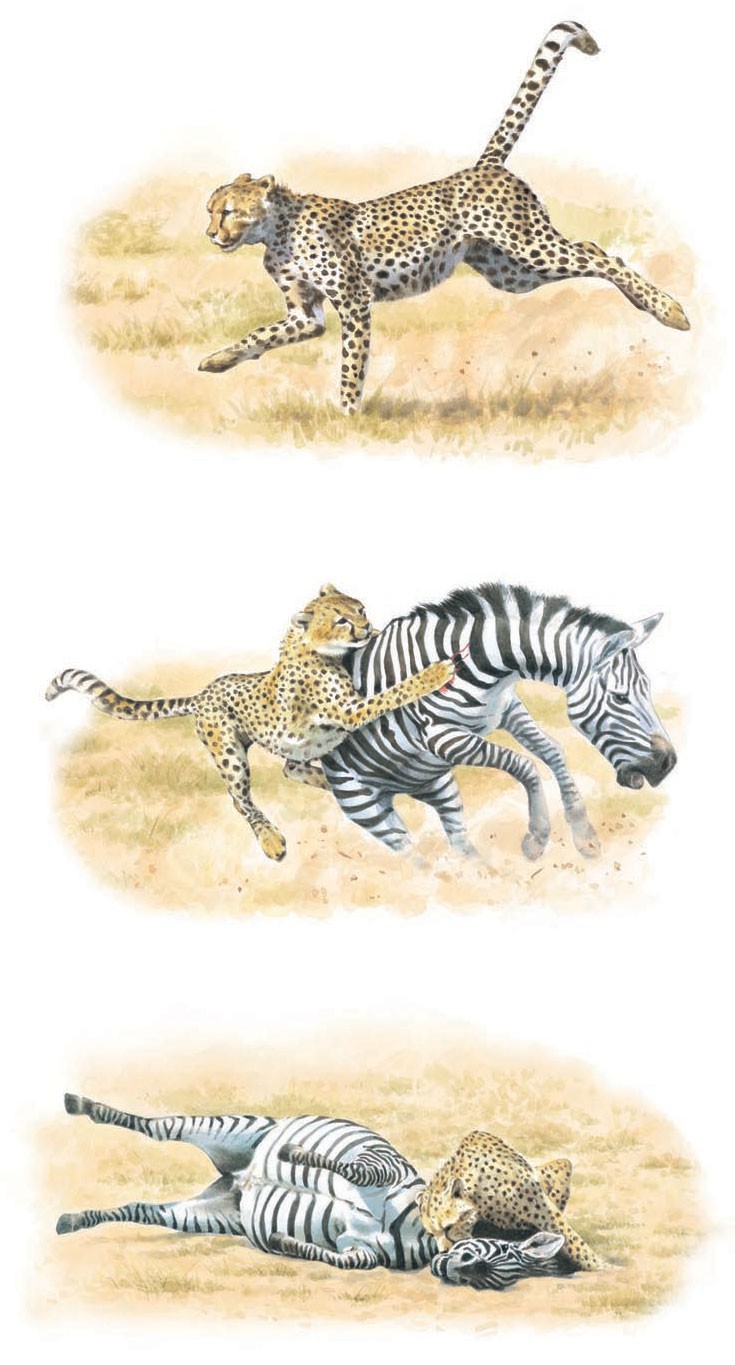
The cheetah is the fastest land animal alive, with a top speed of over 100 km/h (more than 60 mph). It has a muscular, streamlined body and long legs. Its bones are light, with a spine like a spring for its powerful back legs, and a tail that helps it to balance and turn quickly at speed.
For a lone hunter like a cheetah, being fast is essential. It can only keep up these sort of speeds for very short bursts, so it usually stalks its prey first. It needs to get as close as possible before it dashes in for the kill. When the prey is caught, the cheetah forces it to the ground and suffocates it by clamping its throat with its jaws.
Full sprints take a lot of energy, so they usually last about 20 seconds and very rarely more than a minute. Sometimes a cheetah will go in for a longer chase. At slower speeds it can run after its prey for over 5 kilometres (3 miles).
Lightning strike
Other predators do not chase after their victims, but attack with speed in a different way. The chameleon’s hunting weapon is its sticky-tipped tongue. The mantis uses its spiny front legs. These hunters sit quite still on a branch, watching and waiting. If an insect comes near, they catch it with lightning speed.

Crushing
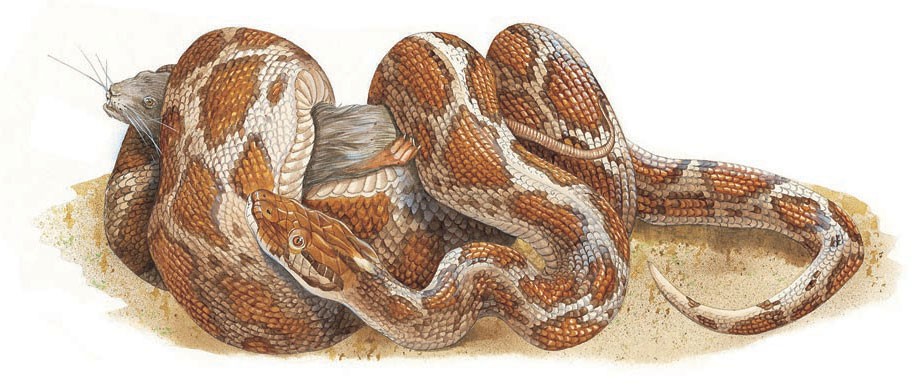
Venomous snakes bite prey and force venom from their large fangs into the wound. Other snakes are constrictors, like the Indian python. It curls its long body around the victim such as a rat or even a small deer. Each time the prey breathes out the snake tightens its coils until its victim suffocates to death.
Defensive weaponry
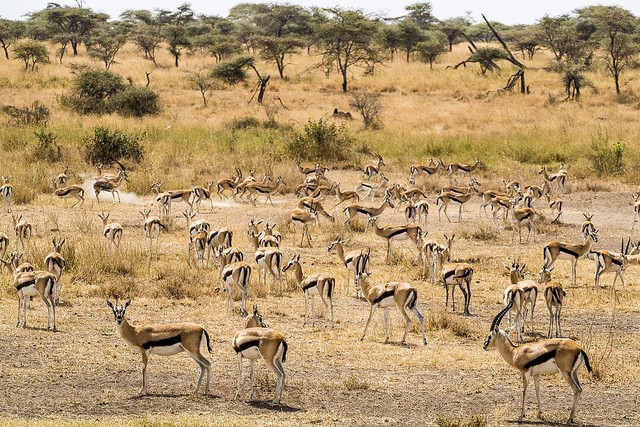
Plant-eating animals need to defend themselves from carnivores. One defensive strategy is to fight back. Elephants, wild boar and warthogs can slash with their tusks. Gazelles, antelopes and wild cattle like musk oxen jab enemies with their sharp horns. Some, like zebras, can kick out powerfully with their hard hooves.
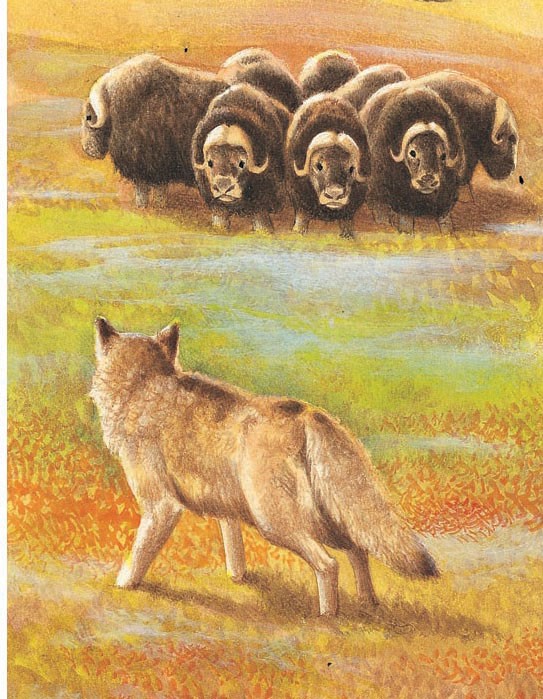
Safety in numbers also helps—many eyes and ears are more likely to detect approaching predators. Musk oxen form a circle around their young to keep away wolves.
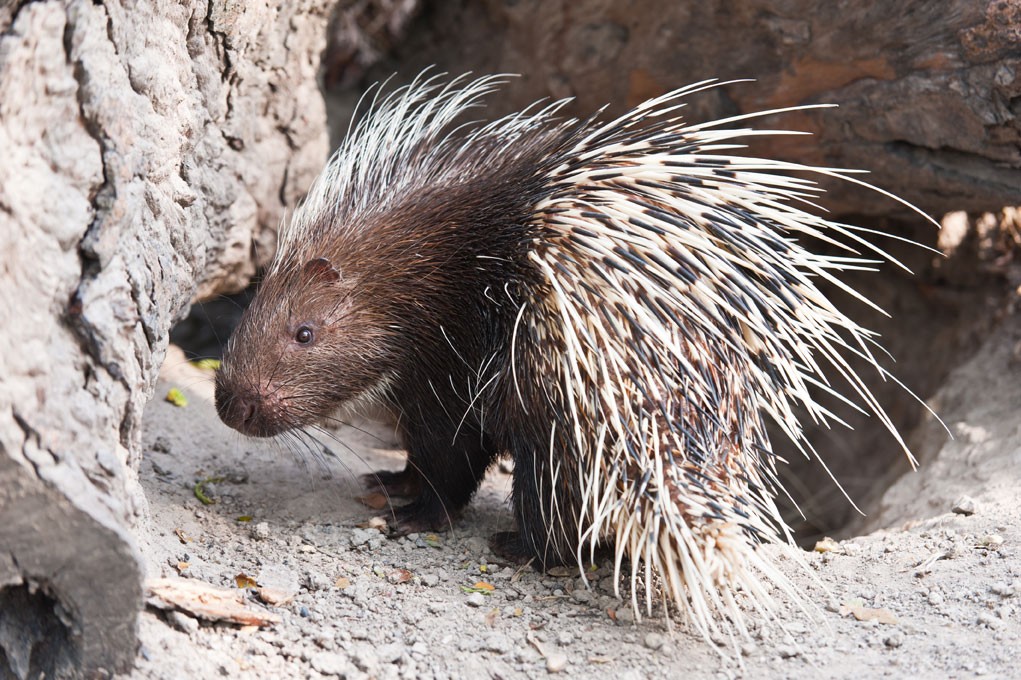
One type of physical protection is a hard body case, as in turtles, tortoises, armadillos, snails and beetles. Another strategy is the use of prickles, spikes or spines, as in hedgehogs, porcupines and porcupinefish.
Some animals can use a liquid spray to deter attackers. A skunk, for example, will turn its back on its attacker and spray foul-smelling musk in its face. It can spray musk for up to 3 metres (10 feet).
Many animals, from mice to deer, rely on their sharp senses, speed and agility to escape as they dodge or outrun their predators.
Camouflage
and escape
Protection against predators is vital for smaller animals. The gecko is hunted by birds of prey, snakes, monkeys, small cats and many other creatures. One of its adaptations is its greenish-brown colour and mottled pattern, which help to disguise or camouflage it among branches and leaves. Its strong toes and sharp claws grip the bark well so it can leap away at speed.
If a predator grabs its tail, this breaks off harmlessly and the gecko can escape. The tail has a special “weak point” that can be snapped without harming the creature. A new tail will grow in its place. This feature is called autotomy.

Warning colours
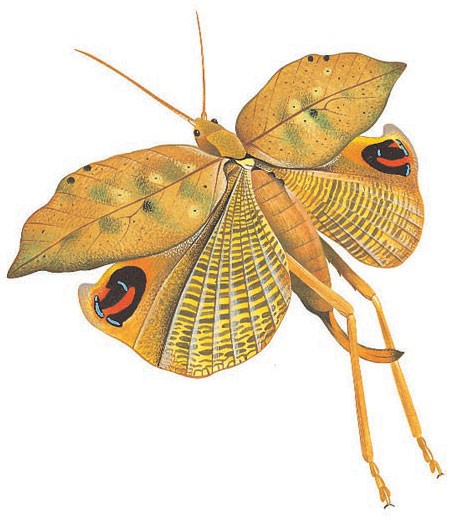
Certain fish, beetles, caterpillars, moths and butterflies have foul-tasting or poisonous flesh. Predators soon learn to avoid them because they advertise this form of defence with bright body patterns called warning colours. Some animals puff up to look bigger, such as pufferfish, toads and lizards. Another strategy is suddenly to flash bright colours and patterns at the enemy, especially eye spots which resemble or mimic the eyes of an even bigger predator.
Consultant: Chris Jarvis