
Environment
Africa's Great Green Wall
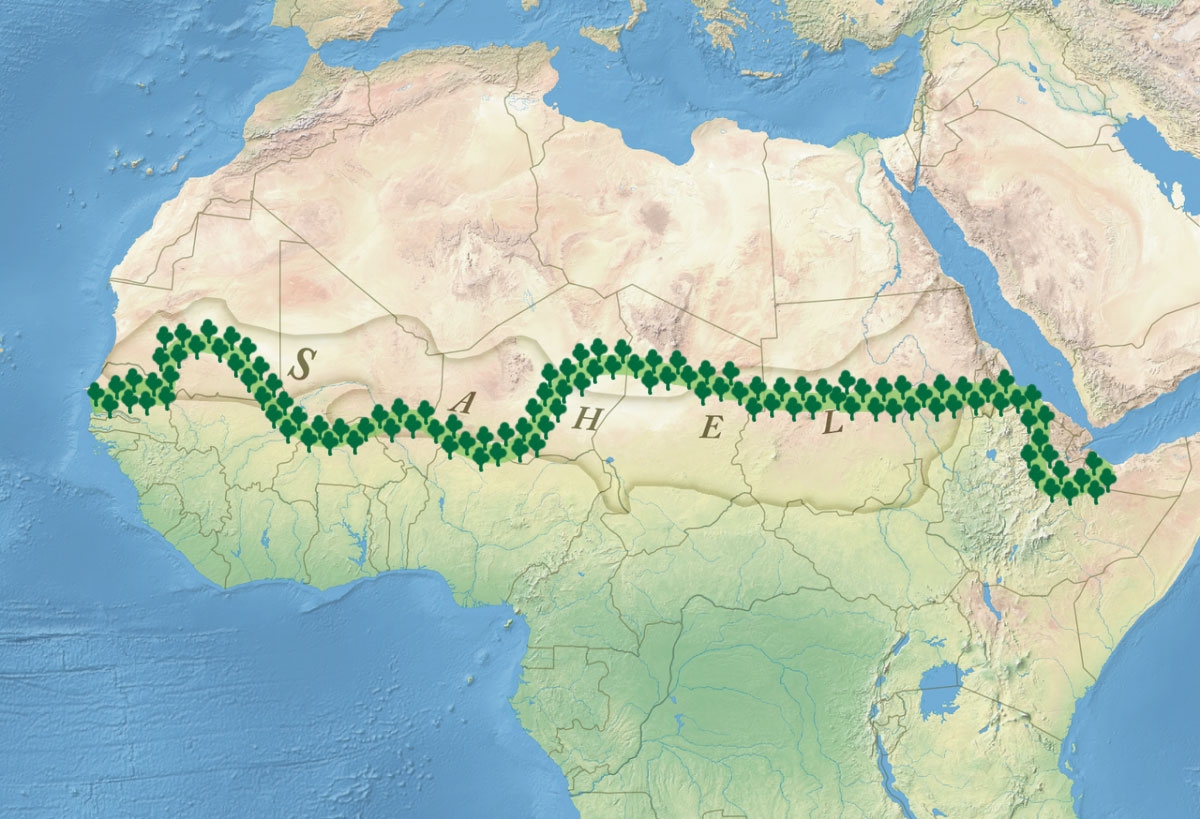
The Great Green Wall is a project to halt desertification in the Sahel region of Africa. Launched in 2007 by the African Union, the Wall will eventually consist of a continuous ribbon, 15 kilometres (9 miles), wide of newly-planted trees stretching 7750 kilometres (4800 miles) from coast to coast, across 11 African countries from Senegal in the west to Djibouti in the east. The aim is to prevent the gradual spread of the Sahara Desert southwards (about 250 kilometres, or 155 miles, of land to the south has been lost to desert since 1900) and restore prosperity to the Sahel.
Project aims
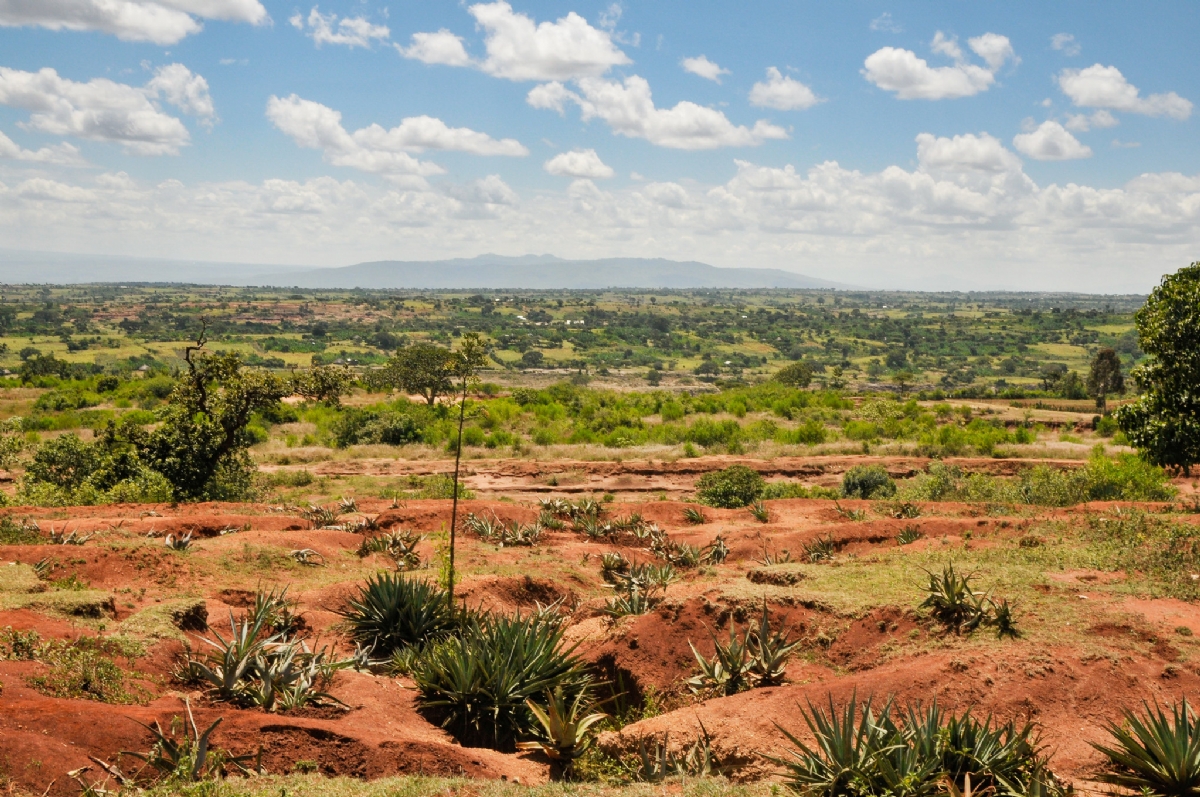
Through planting trees and crops, the $8-billion Great Green Wall project intends to restore 100 million hectares (250 million acres) of "degraded" land by 2030. It is hoped up to 10 million new jobs will be created and the trend of people migrating away from the Sahel region reversed. The Great Green Wall will also play an important role in combating global warming: serving as a carbon sink, some 250 million tons of carbon will be removed from the atmosphere.
Sahel
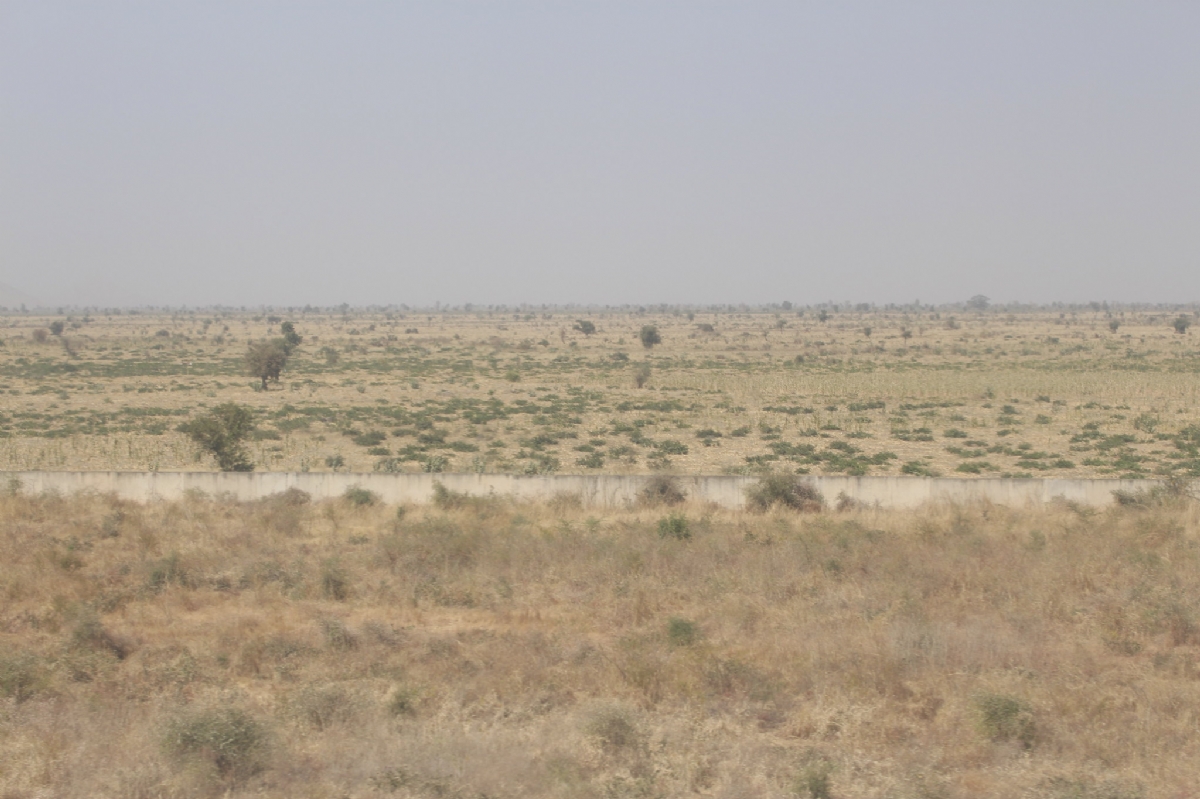
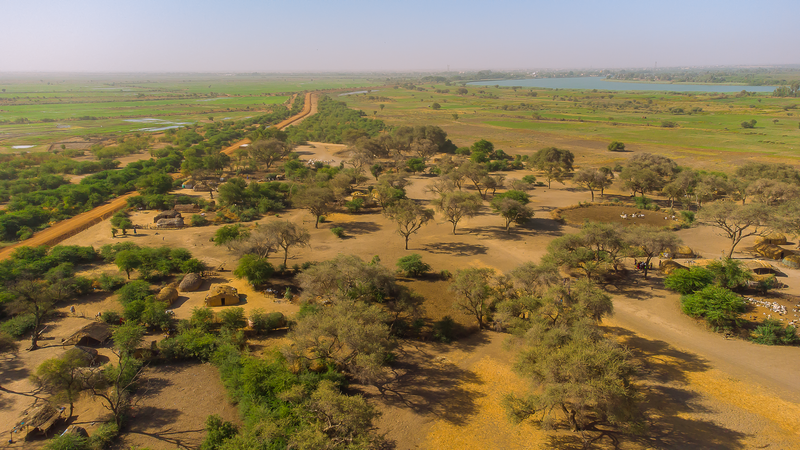
A region that regularly suffers persistent drought, the Sahel is believed to be already experiencing the effects of climate change. Temperatures have risen by 1°C in the region since 1970, nearly double the global average over the same period. In Chad, daytime temperatures now regularly exceed 50°C (120°F) in the dry season, shrivelling crops where they grow. The practice of herding of cattle and goats in such conditions has turned previously cultivable land into semi-desert scrub. Across the Sahel, 80% of land is now classified as degraded. Lack of food, conflicts over dwindling natural resources and mass migration to Europe (since 2010 an estimated 1.5 million people have left sub-Saharan Africa for Europe or America) are some of the consequences.

Senegal
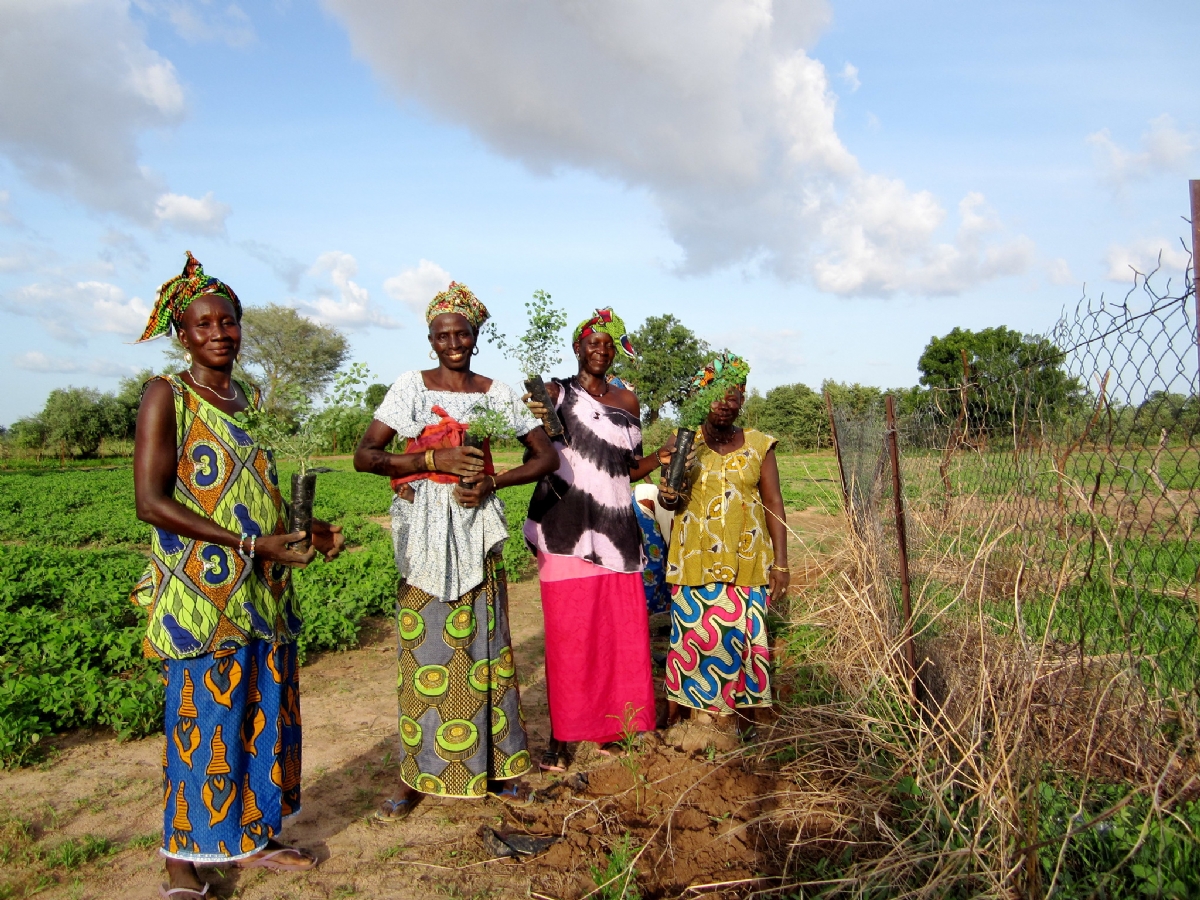
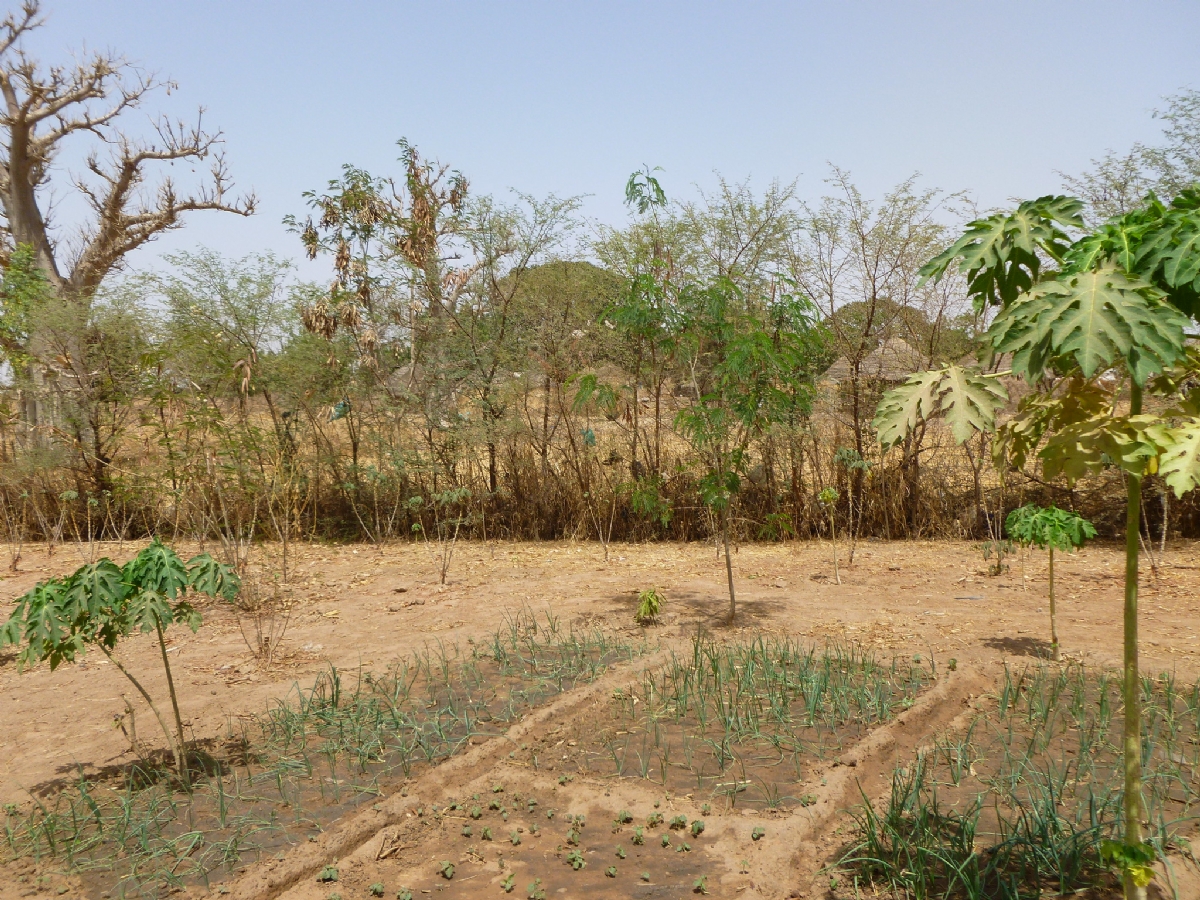
With 12 million trees already planted and 25,000 hectares (62,000 acres) of degraded land restored, Senegal is one of the countries at the forefront of the Great Green Wall scheme. The villagers receive money to plant trees. They are also provided with a water source for their crops: a borehole, which taps into the water table deep below ground). Fencing off the plantations from cattle and goats has ensured the trees—and the crops and vegetables planted nearby—grow healthily. As a result, the natural habitat and its wildlife has returned. Villagers have also been able to harvest the acacia trees for gum arabic, which they can sell. They can also feed their animals in a more sustainable way.

Progress
As of 2023, about 18 million hectares, or 18% of the target, had been completed. Ethiopia has had the most success with 5.5 billion seedlings planted, but Chad has only planted 1.1 million. Significant progress had also been made in Burkina Faso, Nigeria and Senegal—although there are concerns over the survival rate of the 12 million trees planted in Senegal. The project is experiencing some setbacks: swarming locusts have damaged a number of projects, while political upheaval in some of the Sahel countries, such as Niger and war-torn Sudan and Mali, have slowed planting.
Consultant: Ian Fairchild