
South America
Chile
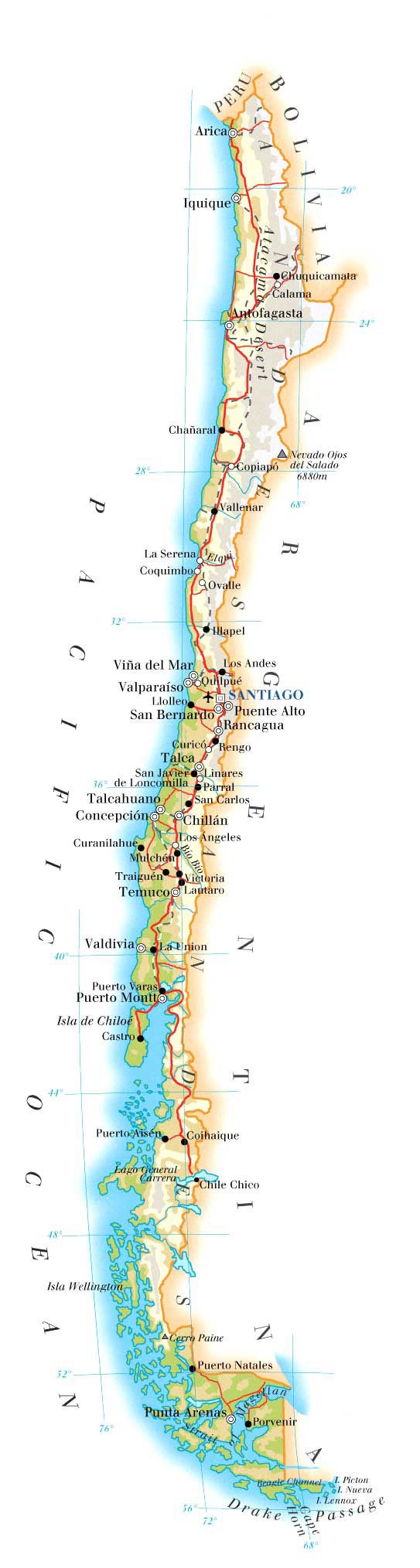
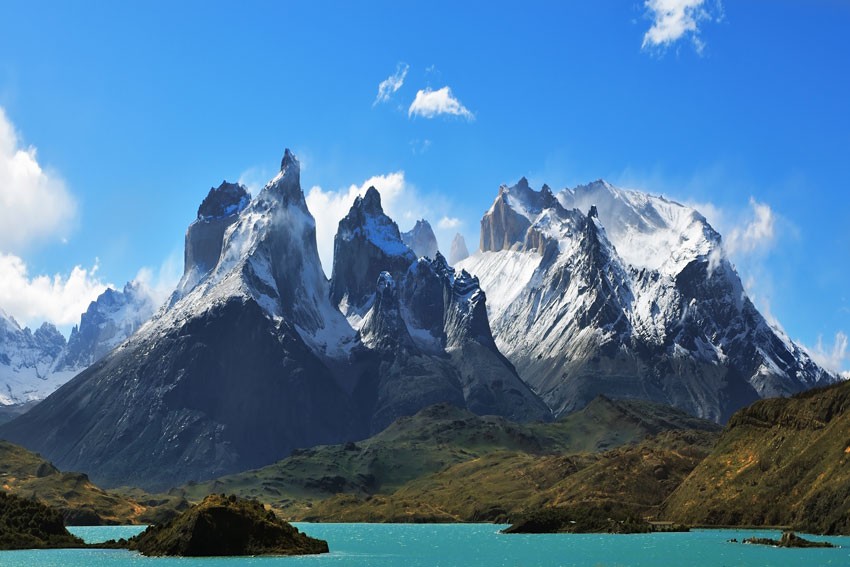
Chile is a long, thin country bordering the Pacific Ocean on the western slopes of the Andes Mountains in South America. It extends from the hot, barren Atacama Desert in the north to the rocky islands and stormy seas around Cape Horn at the southern tip of the continent, a distance of around 4200 kilometres (2610 miles). The northern part is desert—one of the driest places on Earth. The central region has a warm climate similar to that of the Mediterranean lands of Europe or California in the USA. Here is where the majority of Chile's population and its main farming areas are found. The south of the country is a land of volcanoes, long sea inlets and glaciers. Much of Chile is mountainous and covered with forest. Also belonging to Chile is Easter Island, situated around 3500 kilometres (2000 miles) to the west in the south Pacific Ocean and one of the remotest places on Earth. Having endured political turmoil and military dictatorship in the second half of the 20th century, Chile today is a stable, liberal democracy and one of the most prosperous nations in South America.
People
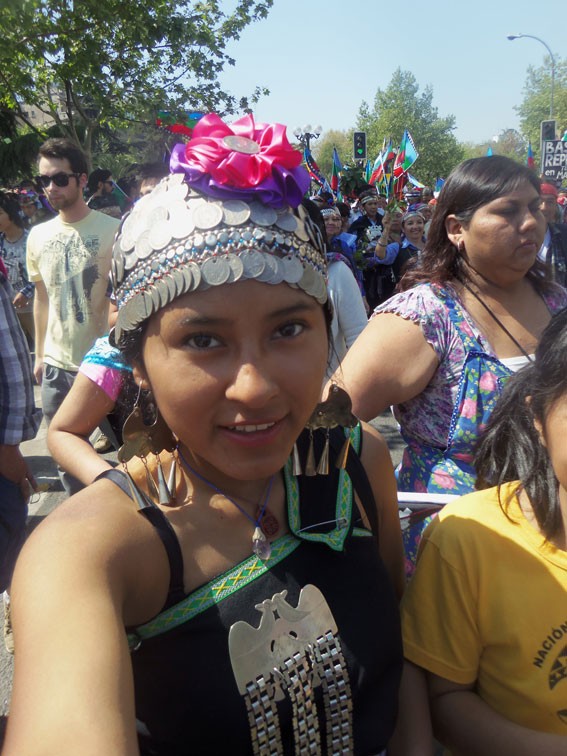
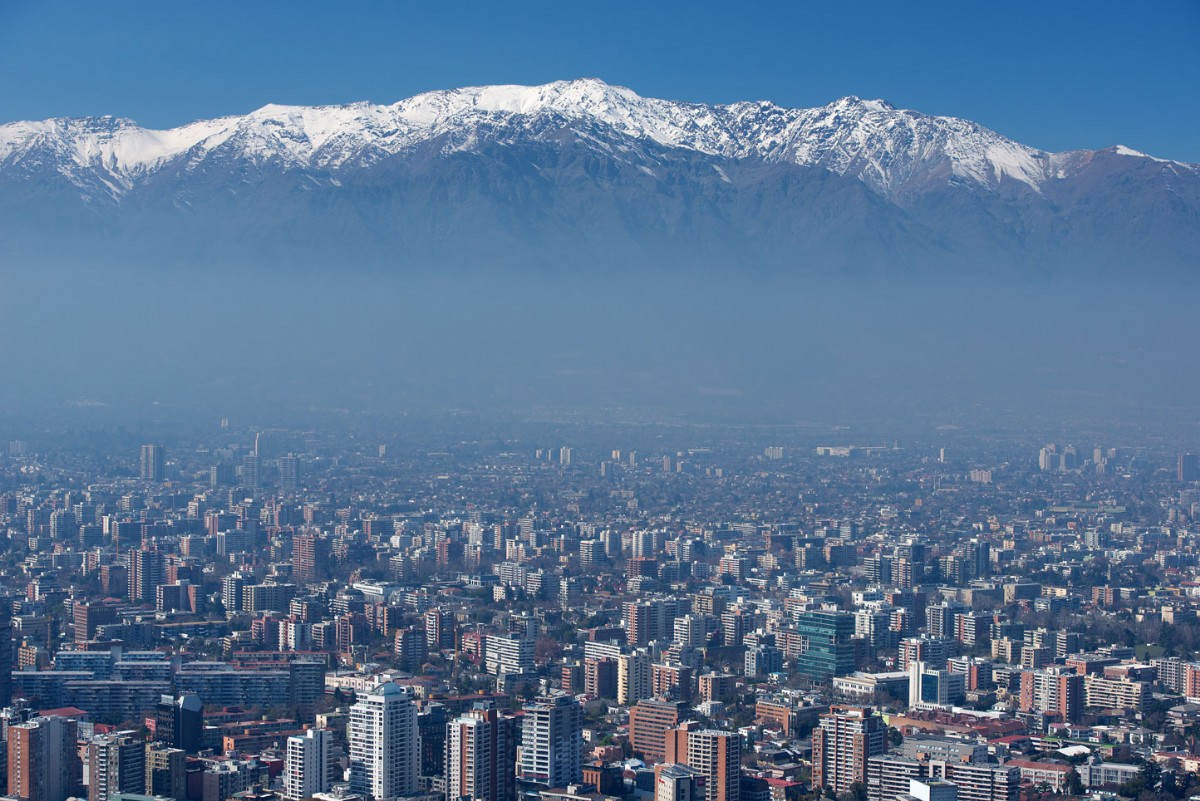
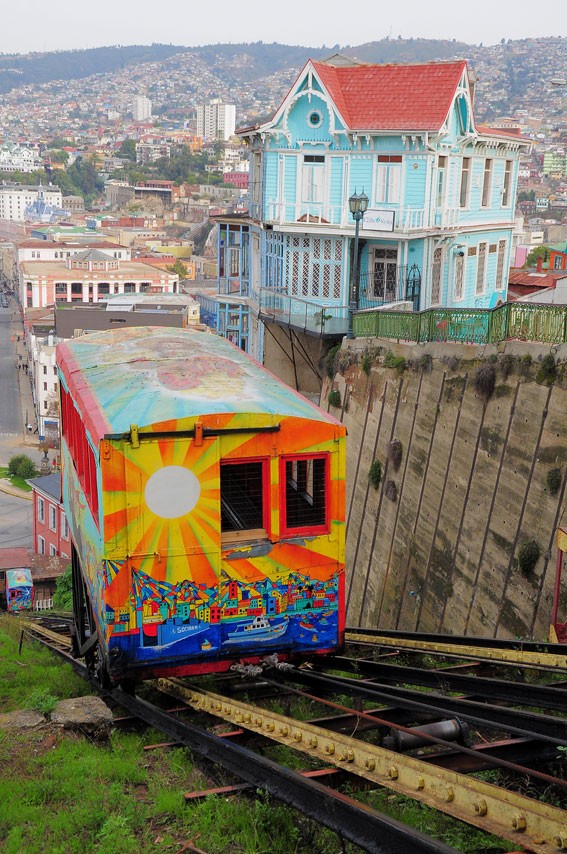
Most people live in central Chile around the capital Santiago and the main port of Valparaiso. Many Chileans are descended either from European settlers (mostly Spanish) or from a mixture of Europeans and Native American peoples: “mestizos”. The Mapuche Indians, original natives of Chile, have long fought against invaders: first the Incas, then their Spanish conquerors, and finally the Chilean government. Today about 800,000 Mapuche live in reservations in the south of the country.
Economy
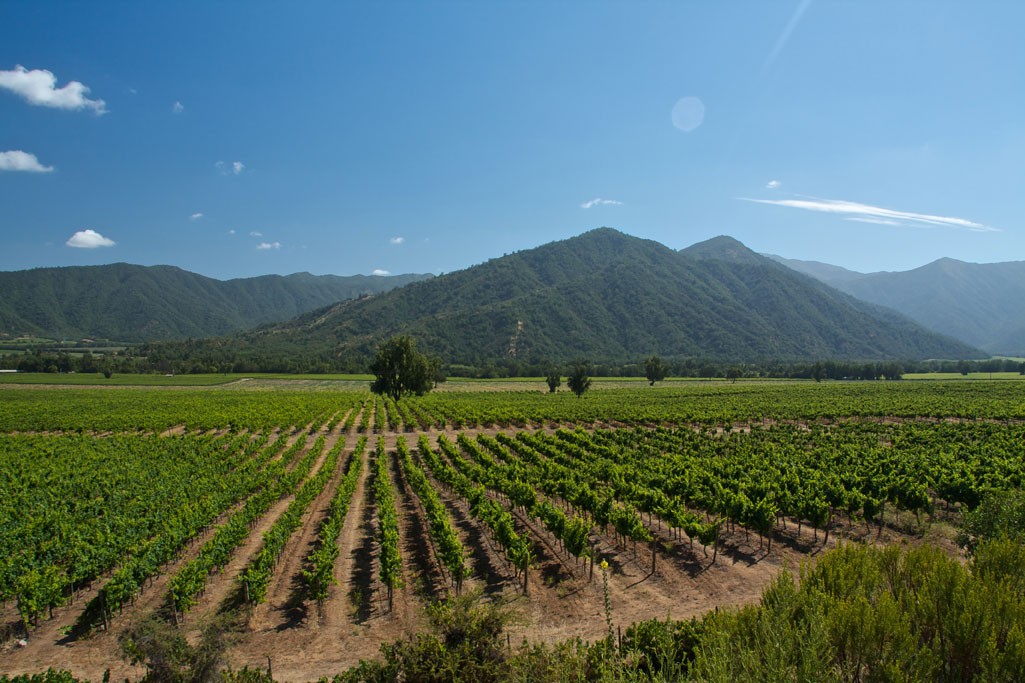
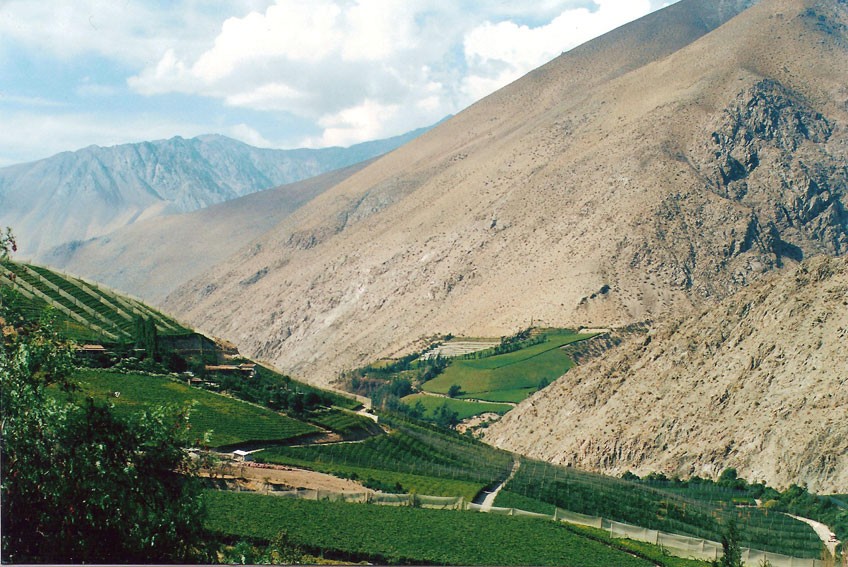
Fruit, such as grapes, apples, peaches and citrus fruits, and cereals are grown in Chile’s fertile central valleys. Chilean wine made from grapes grown here is a major export. Mining is another vital industry: much of Chile’s wealth comes from its huge reserves of minerals. Enormous mines in the northern Atacama Desert contain the world's largest deposits of copper. Chile is also well-known for its fishing industry; each year its boats catch around 5 million tons of fish and shellfish. Mackerel is the main catch. Chile is also the world's second largest producer of salmon.
Atacama Desert
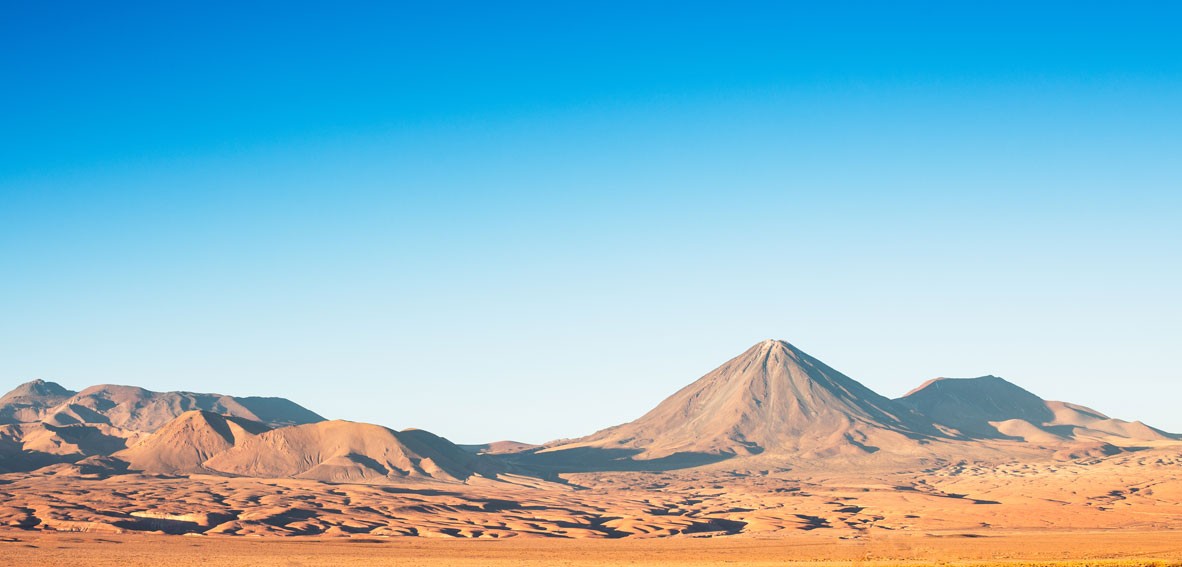
Chile’s Atacama Desert is the driest place on Earth. It receives an average of less than one millimetre of rain yearly; in some places it has not rained for centuries. The desert lies on a narrow strip of stony, salty land along the Pacific coast. An area called the Valle de la Luna is so barren that it is said to look like the surface of the moon. Part of is classified by scientists as “absolute desert”. Despite the harsh conditions, more than a million people have made their homes here. Farmers in the north use systems of irrigation to grow olives and cucumbers, while high up on the Andean plateau known as the Altiplano, the Atacama and Aymara peoples herd llamas and alpacas.
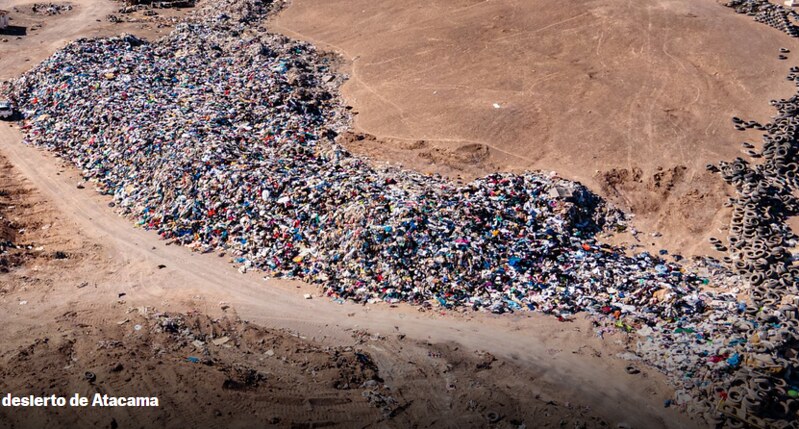
In recent years, large amounts of used clothing imported from overseas have begun to accumulate in parts of the Atacama Desert. Most of the garments are made of polyester, a plastic-based fabric that takes 200 years to decompose in the dry conditions. When they are burned, toxic fumes are released, polluting the soil and endangering the health of the local population. Each year, around 60,000 tonnes of used clothing arrives at the northern port of Iquique. Unwanted clothing is transported by truck inland to Alto Hospicio, where it either sold at La Quebradilla, a huge open-air market, or dumped illegally. At least 39,000 tonnes accumulate in the region every year.
Clear skies
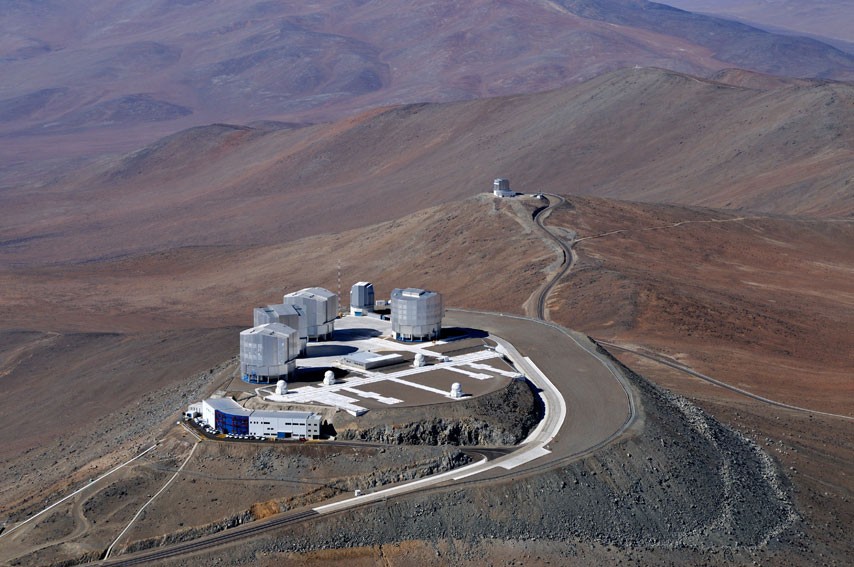
The clear skies in the almost rainless Atacama Desert make Chile one of the best areas to view the stars. One of the world's most powerful telescopes, the Very Large Telescope (VLT), is located on Cerro Paranal. Astronomers at this observatory were the first to capture the first images of a planet outside our solar system. In 2014, building started on a new, even bigger telescope in the Atacama Desert: the Extremely Large Telescope (ELT). It is expected to produce images of space 15 times sharper than those sent back by the Hubble Space Telescope.
Consultant: Nicholas Harris
Facts about Chile
Population 19,629,588 (2023 estimate)
Area 743,812 sq km
Highest point Nevado Ojos del Salado 6880 m (22,572 ft)
Capital Santiago, metro area population 6,950,950
Other major cities Concepción (pop. 971,285), Valparaíso (930,220)
Language Spanish
Religions Christian (Roman Catholic) 67%, Christian (Protestant) 16%, others and none 17%
Ethnicity white / European / mestizo 89%, Mapuche 9%, Aymara less than 1%, others 1%
Currency Chilean peso (CLP)
Chief exports copper, fruit, fish, paper, chemicals, wine
History of Chile
10,000 years ago
First people cross the land bridge from North America and settle in the area that is now Chile
1520
Ferdinand Magellan sails through the southern passage now named after him, the Strait of Magellan
1536
Diego de Almagro and his band of Spanish conquistadors arrive from Peru seeking gold. They are the first Europeans to set foot in Chile.
1540s–1650s
Arauco War, fought between colonial Spaniards and the indigenous Mapuche people, mostly in the Araucanía region
1541
Pedro de Valdivia begins Spanish conquest and founds Santiago. Chile becomes part of Viceroyalty of Peru.
1810
Following the overthrow of the king of Spain by Napoleon, a government is formed and Chile declares independence from Spain (18th September, celebrated in modern Chile as its National Day)
1814
Spain regains control of Chile.
1817
Spanish defeated by Army of the Andes led by José de San Martin and Bernardo O'Higgins at the battles of Chacabuco and Maipu.
1818
Chile becomes independent with O'Higgins as leader.
1861–83
Occupation of Araucanía: Chilean army and settlers take over Mapuche territory, which leads to the incorporation of Araucanía into Chile
1879–83
Chile increases its territory after it defeats Peru and Bolivia in War of the Pacific.
1881
A treaty is signed with Argentina confirming Chilean sovereignty over the Strait of Magellan.
Late 19th century
European immigration and large-scale mining of nitrates and copper begins.
1960
Most powerful earthquake ever recorded, with Valdivia the most affected city. Up to 6000 killed.
1973
General Augusto Pinochet ousts President Salvador Allende in a military coup and proceeds to establish a brutal dictatorship.
1990
Pinochet steps down as head of state
2010
(February) An 8-8 magnitude earthquake occurs off the coast of central Chile causing intense shaking in many cities, especially Concepción, Arauco and Coronel. The earthquake triggers a tsunami which devastated several coastal towns in south-central Chile. Some 525 people lose their lives.
2010
(August) Thirty-three miners, trapped deep underground for 69 days in the San José mine near Copiapó, are winched to safety watched by TV audiences around the world.
2017
Wildfires ravage hundreds of thousands of acres in southern and central Chile during January, killing at least 11 people and destroying the town of Santa Olga
2019–21
Protests and riots break out across the country, triggered by a rise in fares on the Santiago Metro. Students lead a planned fare evasion, with organized bands rising in rebellion across the capital and other cities, protesting about the increased cost of living, widening inequality and corruption. President Sebastián Piñera announces a state of emergency.
2021
The 35-year-old former student protest leader, Gabriel Boric, wins the presidential election to become Chile's youngest ever leader
2024
Amid a heatwave and high winds, deadly wildfires spread from upland forests destroying some residential areas of Valparaíso city, Viña Del Mar and Quilpue. More than 130 people lose their lives, with hundreds reported missing.