The world in the 21st century
Climate emergency
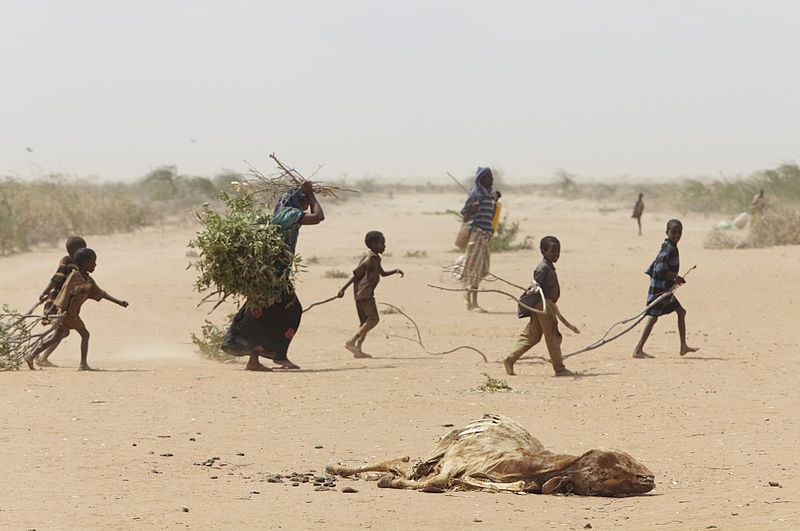
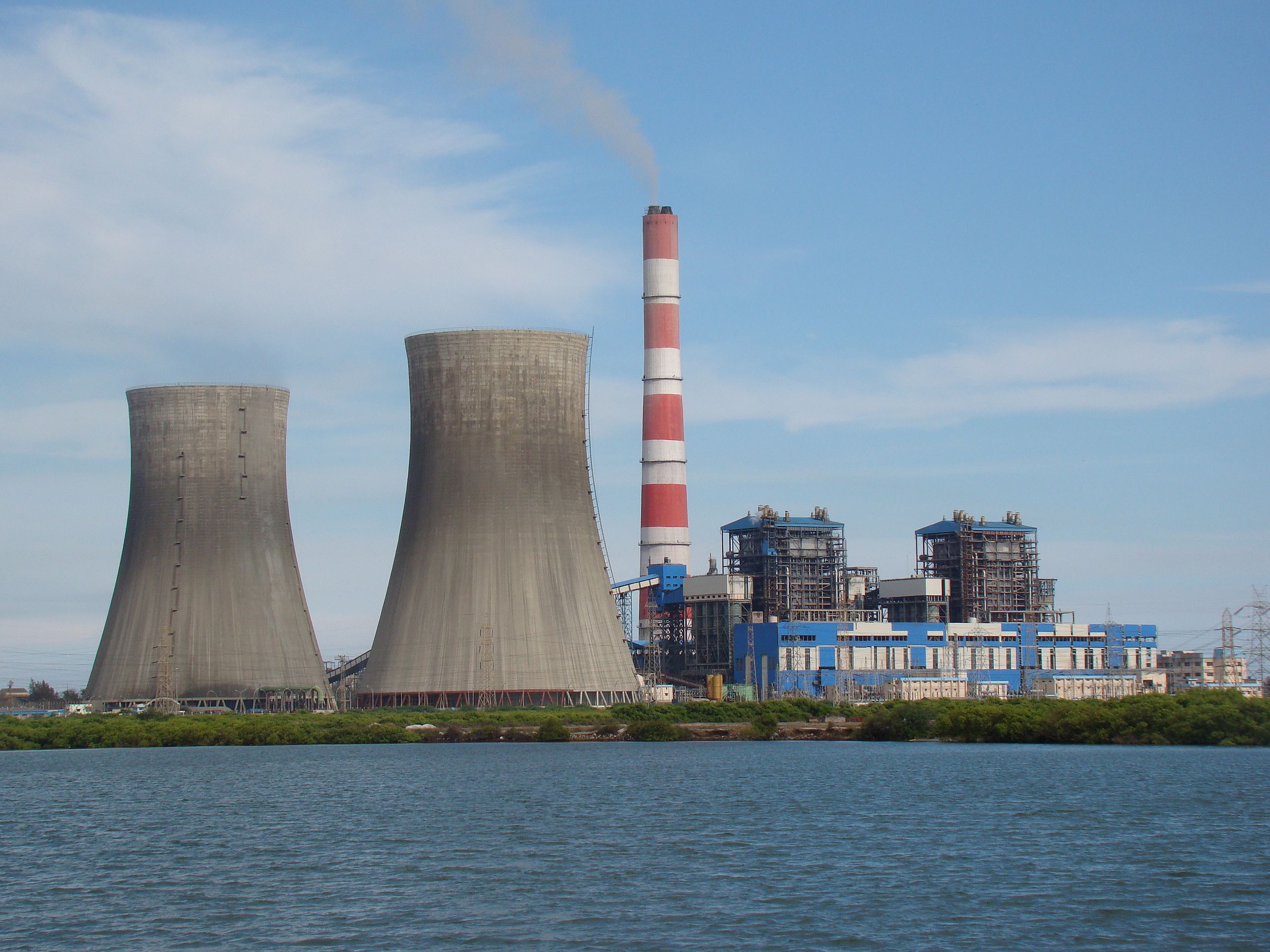
In the 2010s and 2020s, the world has seen record temperatures and endured a series of environmental disasters, such as catastrophic floods in Pakistan and Nepal, severe drought in the Horn of Africa and the Amazon rainforest and destructive wildfires in California. All are linked to climate change. Human activities, including burning fossil fuels in power stations, vehicles and homes has added billions of tonnes of carbon dioxide to the atmosphere. Due to the greenhouse effect, this has raised temperatures year on year across the world. The situation has been made worse by deforestation (resulting in fewer plants absorbing CO2) and emissions of methane, another greenhouse gas, by livestock. Global warming is causing the world's ice sheets and glaciers to melt, raising sea levels. It is also affecting climates and ocean currents and in ways that are not yet fully understood. One thing all scientists and most world leaders are agreed upon is that action to deal with the climate emergency needs to be taken urgently.
Updated 20th August 2025


Climate Cops
The world's leaders have met annually since 1995 to agree steps to limit global warming. This is the aim of what are known as the climate Cops or "Conference of the Parties"—the 198 countries and territories that signed up, or are party to, the original United Nations climate agreement in 1992. The objective of that agreement, called the UN Framework Convention on Climate Change (UNFCCC), was to "stabilize greenhouse gas concentrations in the atmosphere at a level that would prevent dangerous anthropogenic [caused by humans] interference with the climate system". The Cops are responsible for ensuring these objectives are met.
Paris Agreement
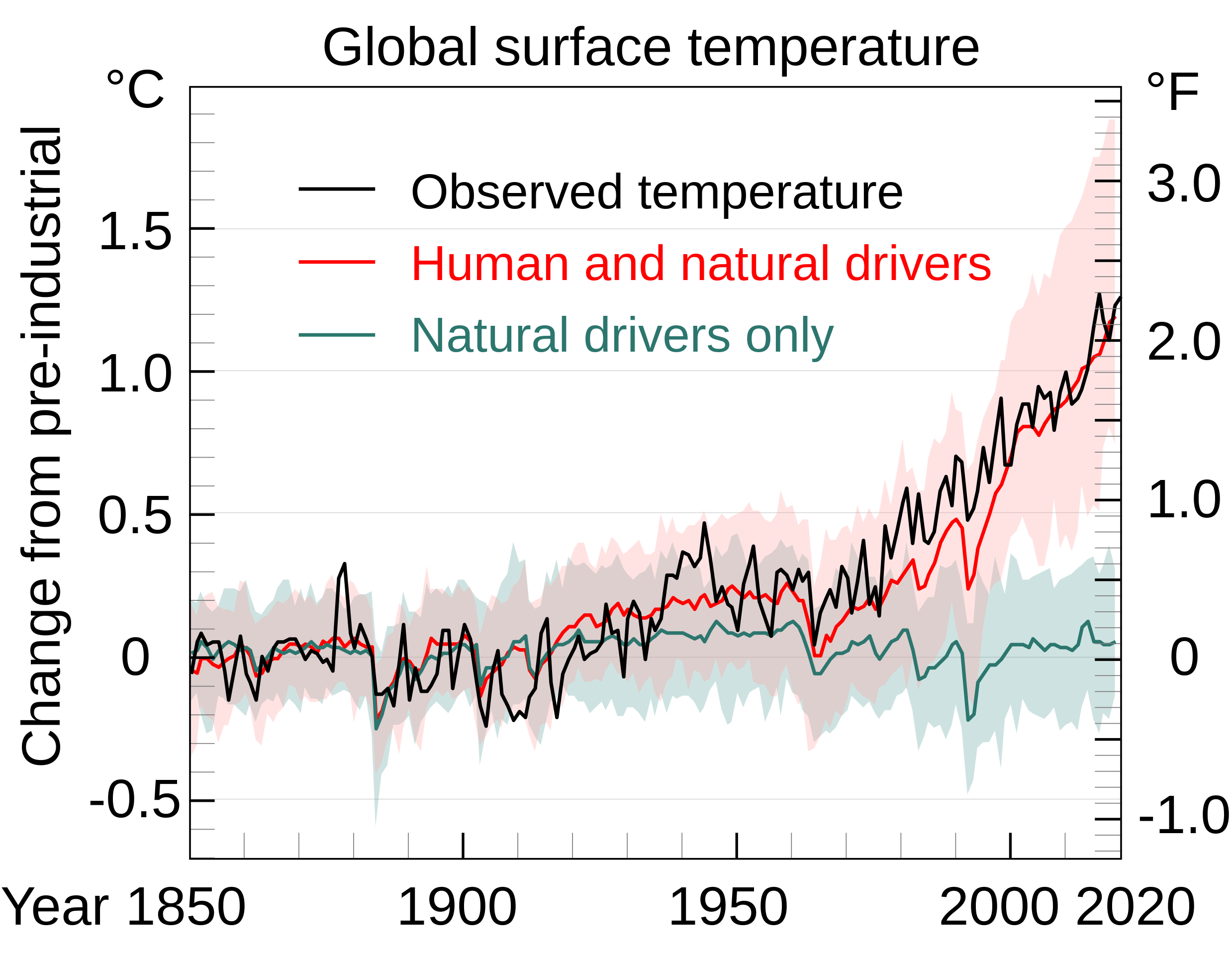
The 21st session of the Cop, known as Cop21, which met in 2015, was a historic event. It saw the first international climate agreement made, which was named the Paris Agreement after its host city. The central aim of the agreement was to urge countries to take action to keep the global temperature rise in this century to "well below" 2°C (3.6°F) above pre-industrial levels (measured from the 1850s, before most of the world started to industrialize)—and to try to limit it to 1.5°C (2.7°F). The success of this goal would be dependent on all countries committing to reduce emissions as soon as possible, and to reaching net zero by 2050.

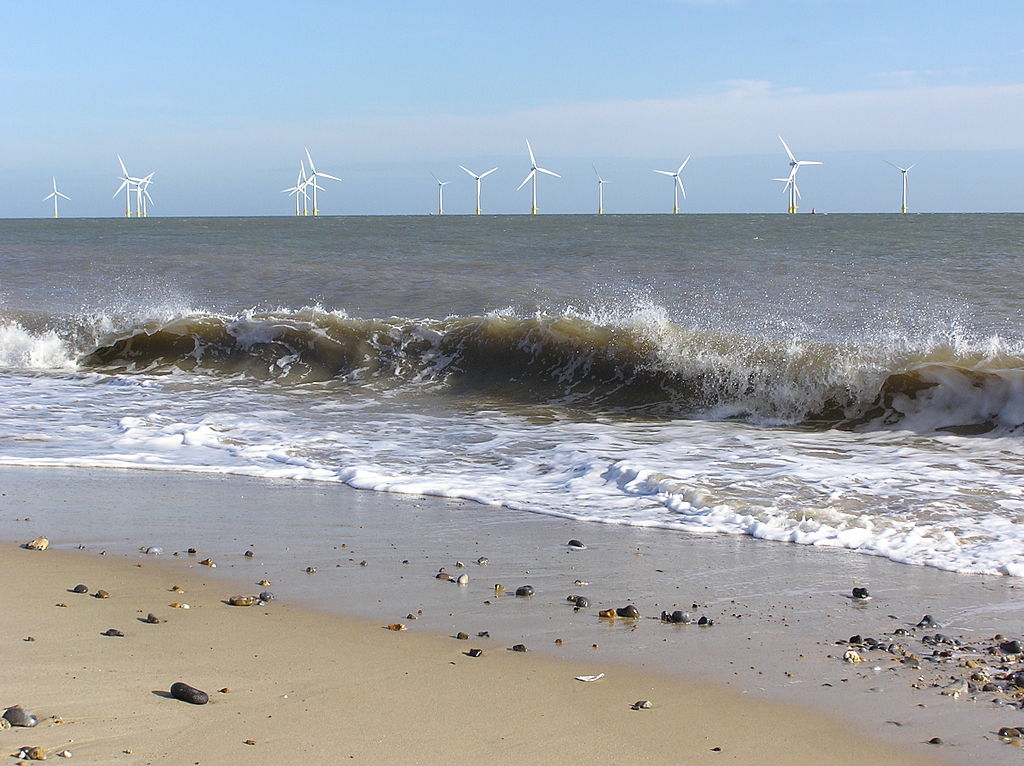
To achieve this, it was agreed it would be necessary to reduce the amount of greenhouse gases emitted by power stations, cars, planes etc., and to increase the use of renewable types of energy such as wind, solar and wave power. Progress made on the Paris Agreement would be reviewed every five years. Developed countries were to work towards setting aside $100 billion dollars a year in "climate finance" to help poorer countries play their part by 2020 (since delayed until 2023), with a commitment to additional finance in the future.
The 1.5°C limit
The world is warming because of emissions of CO2, methane and other greenhouse gases produced by humans—mostly from burning fossil fuels such as oil, gas and coal. According to estimates made by the UN's climate scientists, the Intergovernmental Panel on Climate Change (IPCC) in December 2020, average global temperatures have already risen 1.18°C above pre-industrial levels. From calculations made by scientists at Imperial College London in 2023, the 1.5°C limit will be reached by 2029 if emissions remain at 2022 levels.


According to the IPCC, if temperatures were to rise to between 1.7 and 1.8°C above 1850s levels, half the word's population could be exposed to life-threatening heat and humidity. Accelerating rises in sea levels will increasingly hit coastal settlements, causing regular flooding and eventually making them impossible to inhabit. This is why the Paris Agreement signatories pledged to "pursue efforts" to limit global temperature rises to no more than 1.5°C. If this limit can be achieved and maintained, scientists say the world will probably be able avoid the worst impacts of climate change.
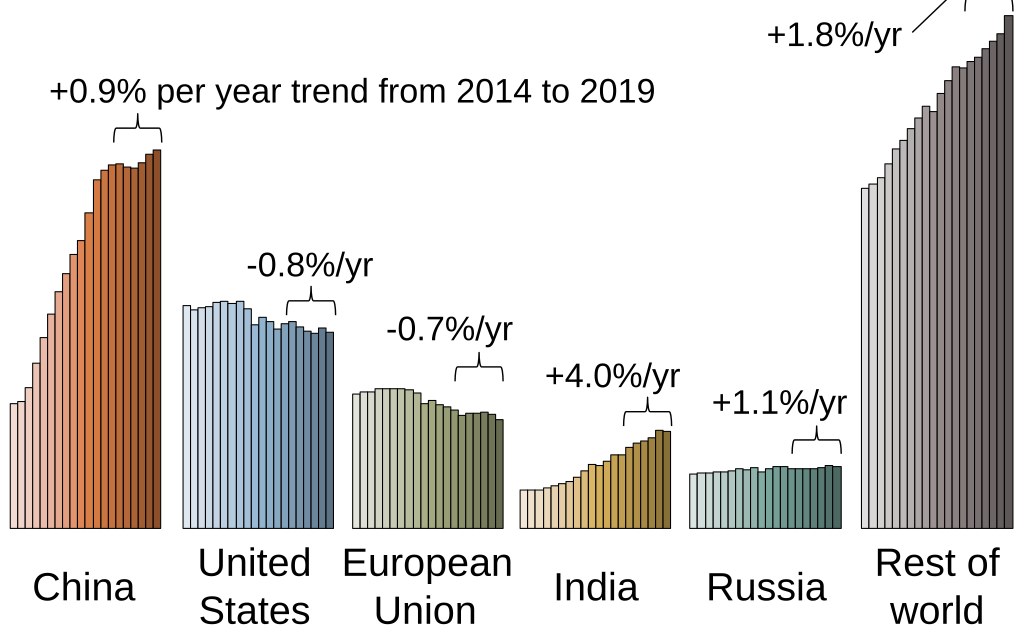
Scientists warn, however, that if the world is to have any chance of reaching net zero carbon emissions by 2050—the only way to prevent the breaching of the 1.5°C limit—global CO2 emissions will have to be cut by between 5 and 7% a year. At present, emissions are actually rising between 1 and 2% a year. There is little sign of this increase being halted, never mind reversed.
Climate change now
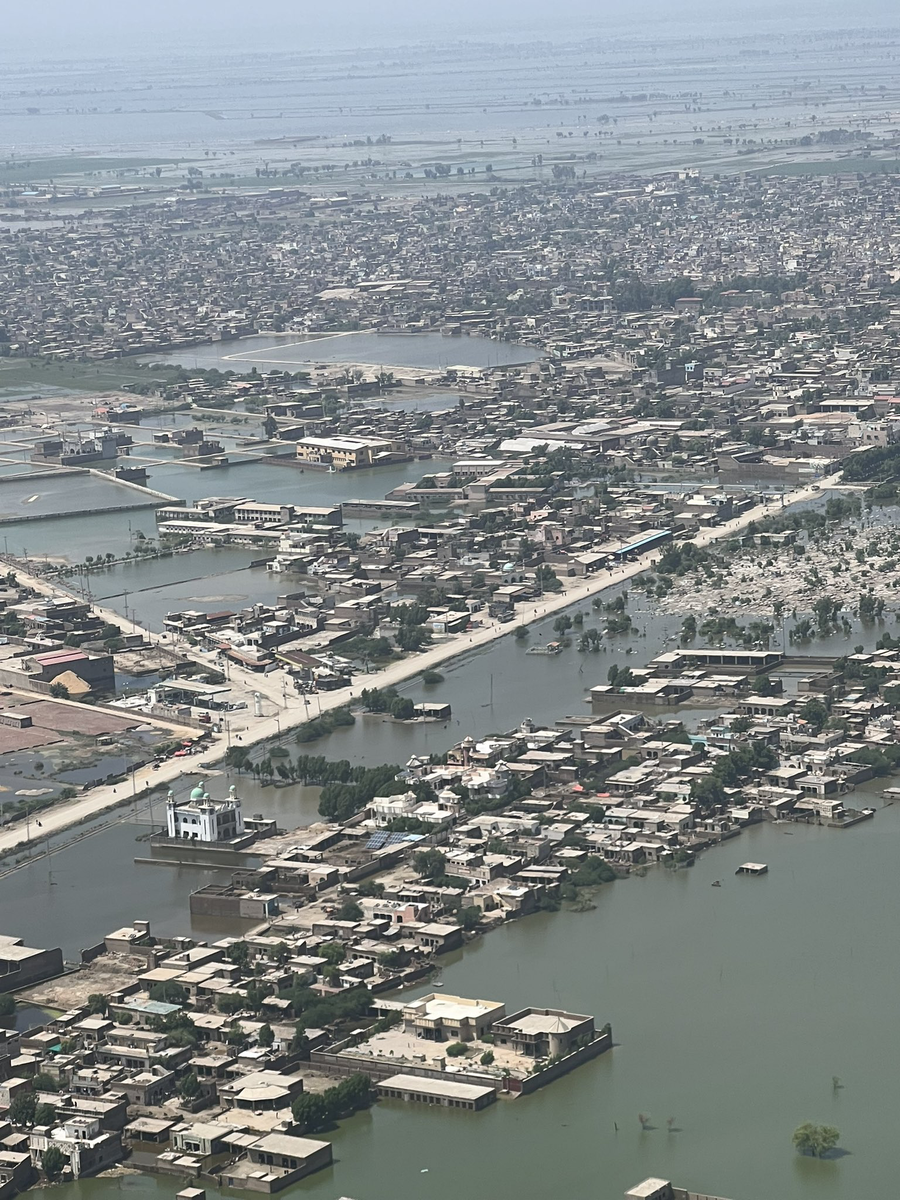
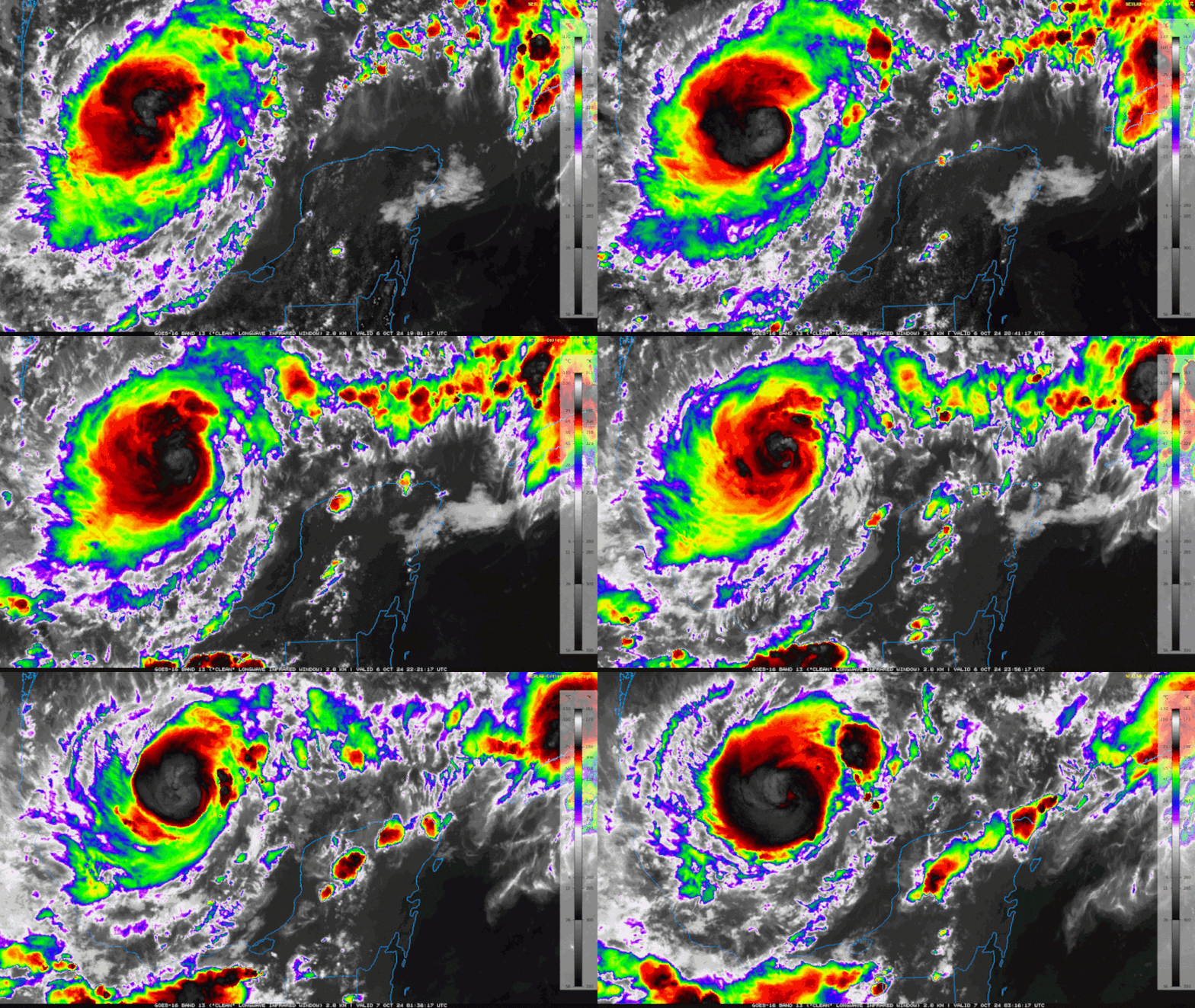
Extreme weather events linked to climate change, such as floods and heatwaves, are already having a much more severe effect than previously thought. Disastrous scenarios—extreme storms, droughts, floods and ice-sheet collapse—predicted for the near future, are happening now. Recent examples include the torrential rains that triggered the most severe flooding in Pakistan’s recent history in 2022 and Hurricane Ida in 2021, one of the most destructive storms to have struck the US. Even in the UK with its temperate climate, the record high temperature of 40.3°C in the summer of 2022 was a huge leap of 1.6°C on the previous hottest day.
Between 2010 and 2020, 15 times more people died from floods, droughts and storms in parts of Africa, South Asia and Central and South America than in other regions. As the climate changes and more regions of the world become hotter, tropical diseases such as mosquito-borne dengue fever are likely to spread more quickly.
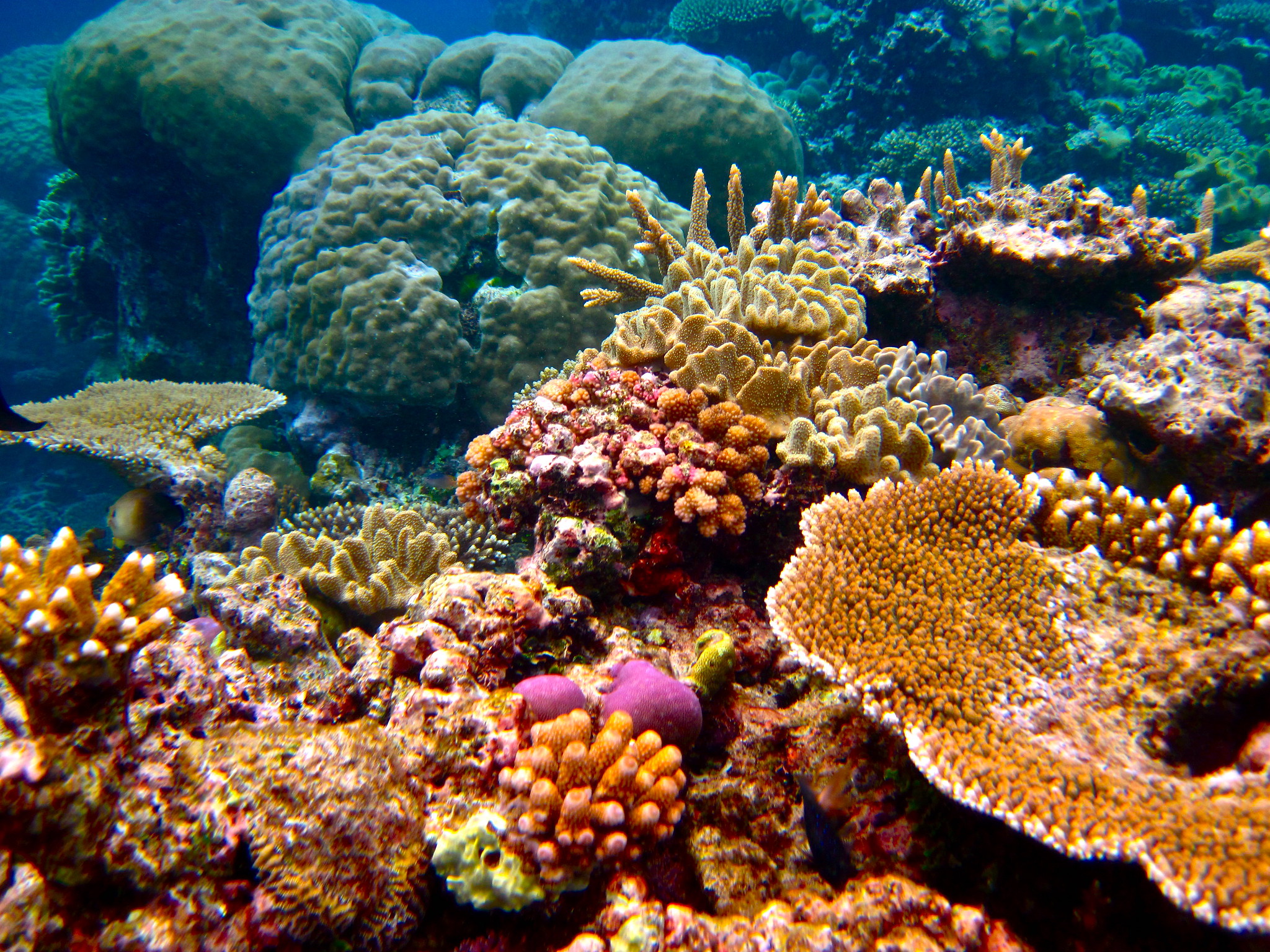
Global heating threatens to devastate habitats across the world, putting thousands of species, ranging from polar bears to monarch butterflies, at risk of extinction. Many species are not able to adapt to the rapid pace of environmental change. Under the greatest threat are coral reefs which provide habitats for thousand of marine species. Temperature rises of 1.5°C will cause between 70 and 90% of coral reefs to disappear. At 2°C, 99% will be destroyed.
Melting glaciers
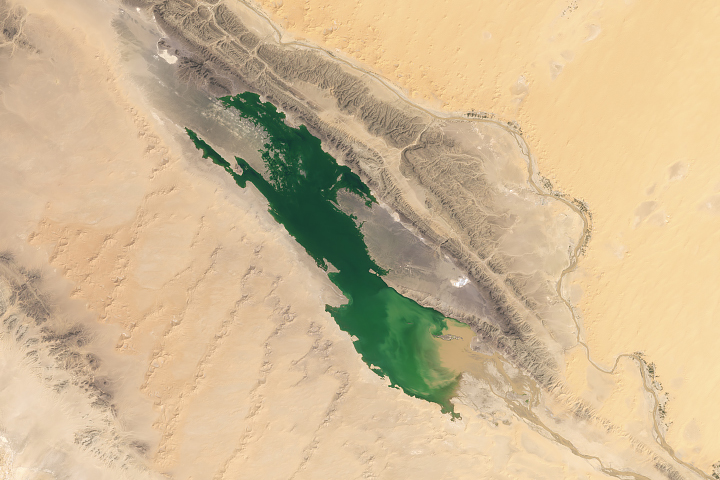
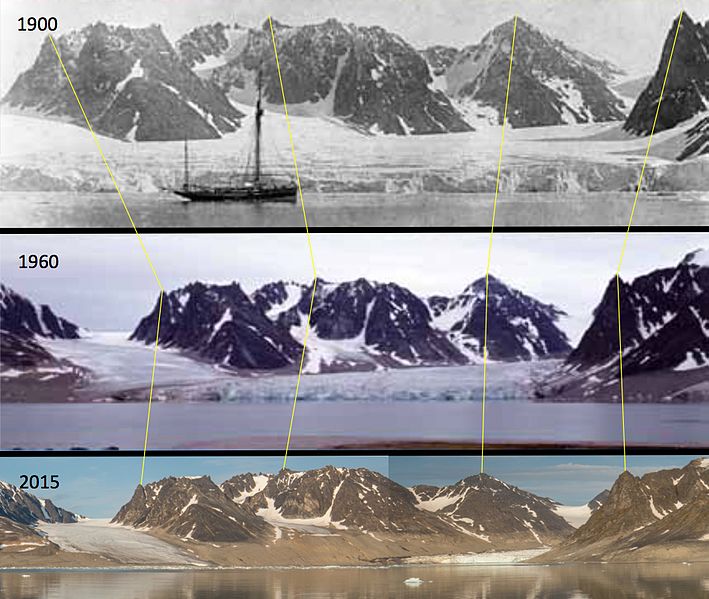
Studies show that nearly all the world's mountain glaciers are melting fast, and at an accelerating rate. The loss of glacier ice is doubling in speed, from about a third of a metre per year in 2000 to two-thirds of a metre in 2019. In some parts of the world, glaciers have disappeared altogether, and the existence of many of the remaining glaciers is threatened. Glaciers are thinning and retreating, either because they are melting with warmer air temperatures, or because the patterns of snowfall that feed the glaciers have altered—both the result of global warming. The glacial meltwaters now account for about a fifth of global sea-level rise.
Scientists predict that around a tenth of the world’s mountain glacier ice will have melted by 2050—even if the world meets the goals of the Paris Agreement. This is because the loss of glacier ice was caused by the build up of greenhouse gases in the atmosphere 20 to 30 years ago.
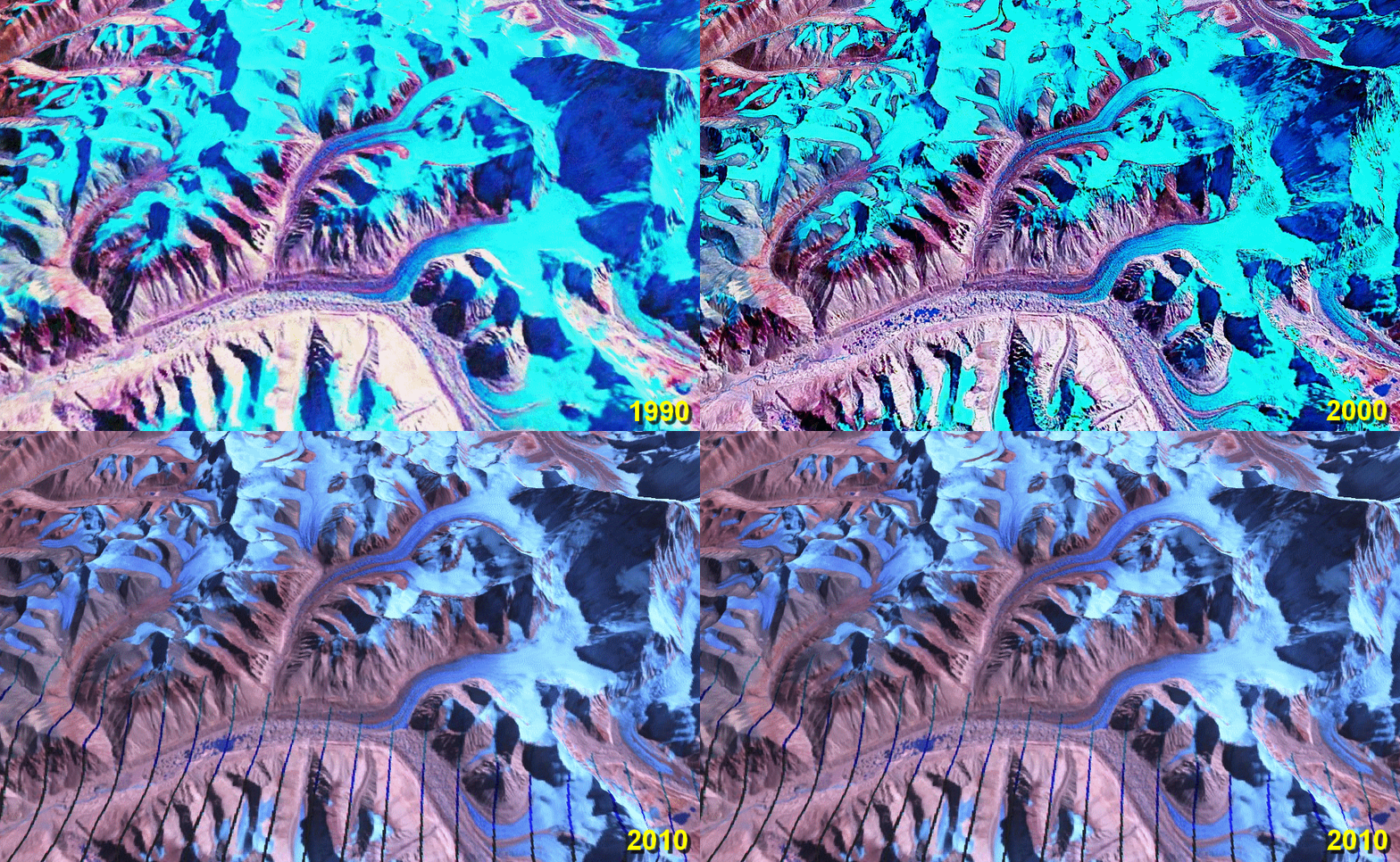
The glaciers of the high Asian mountain ranges are the source of rivers such as the Yangtze, Mekong, Salween and Brahmaputra, which are vital source of water for huge downstream populations—especially in drought years. As the glaciers melt away, these areas will first experience extreme flooding, then severe water shortages as the vanished glaciers can no longer supply meltwater. Around 1.9 billion people are at risk of flooding and water shortages, most of them living in China, Pakistan and India.
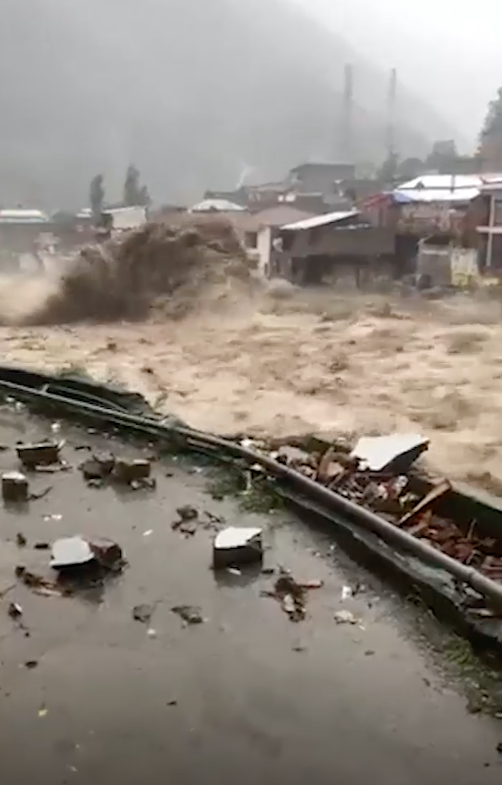
In summer 2022, Pakistan was hit by devastating floods, brought on by a combination of weeks of heavier-than-usual monsoon rains and melting glaciers in the north, the result of a long and severe heatwave. By the end of August around one third of the country was under water. Pakistan has the largest number of glaciers—more than 7500—outside of the polar regions. Hundreds of people living in northern Pakistan were killed or injured by deadly flash floods and collapsing buildings in August 2025.
Warming oceans
The oceans have helped to temper the worst effects of the climate crisis. This is because ocean waters absorb vast amounts of carbon dioxide from the atmosphere. They also store about 90% of the excess warmth created by the greenhouse effect, dampening some of the impact of global warming. However, some scientists fear the limit of the oceans’ capacity to absorb excess carbon dioxide and warmth may soon be reached.
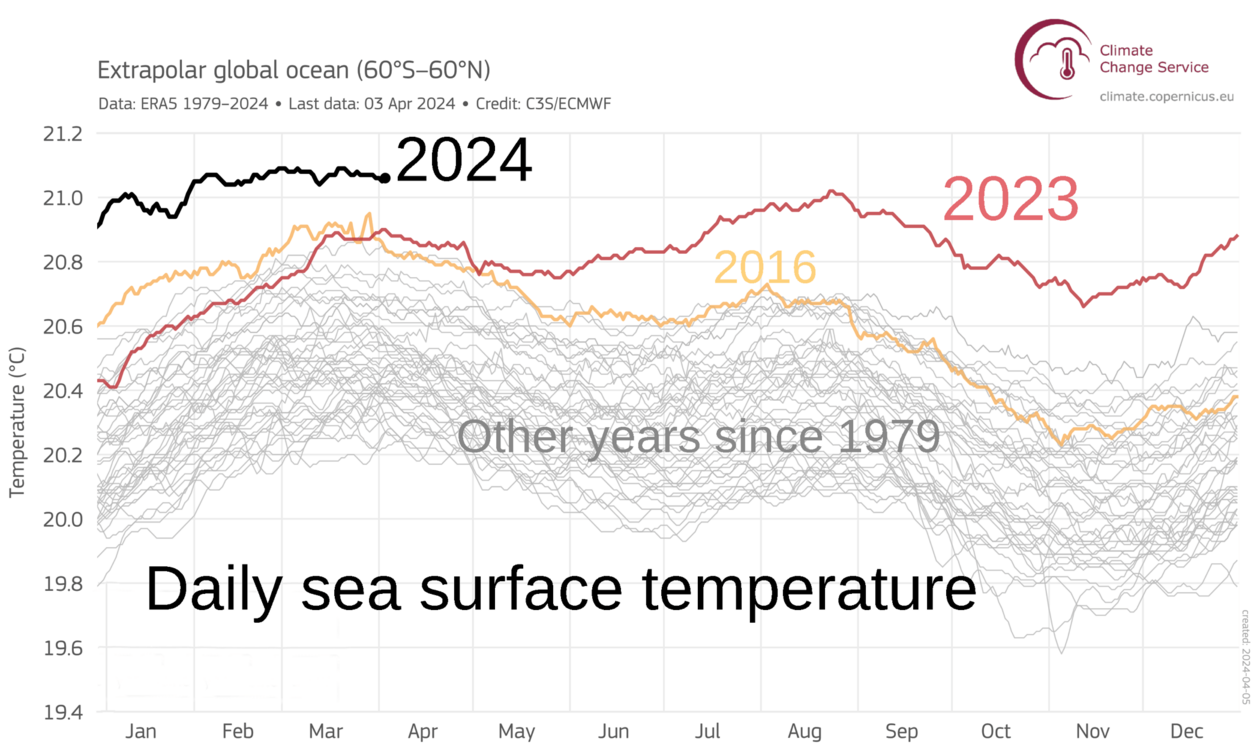
Average global ocean surface temperature, which has been rising since the early years of the 20th century, broke fresh records in 2023—and has continued to do so every day since. March 2024 was the tenth month in a row to be the warmest on record for that particular month. The global average temperature for the period April 2023–March 2024) was the highest on record, at 0.7°C above the 1991–2020 average and 1.58°C above the 1850–1900 pre-industrial average.
An El Niño, which started to develop in later 2023, tends to have a warming impact globally. But this cannot explain the recent rapid heating at a time of year when average ocean temperatures are normally declining.
Warming oceans are a concern for a number of reasons. Seawater expands in volume at higher temperatures, causing sea levels to rise faster. Warmer water at the poles accelerates the melting of the ice caps. Higher temperatures can also badly affect marine ecosystems, with some species unable to adapt. Corals, in particular, can suffer devastating bleaching, which may lead to their eventual death.
The rapid warming of the oceans could be a sign of the climate emergency progressing at a faster rate than predicted.

Looming problems

Some scientists predict that even before a global temperature rise of 1.5°C is reached, there could be several significant consequences. The Greenland and West Antarctic ice sheets might start to break up, causing sea level rises of several metres—although, thankfully, that would probably take many decades to occur. Permafrost in the tundra regions of Arctic Canada and Russia could thaw, releasing vast quantities of methane, a greenhouse gas much more dangerous than CO2, currently locked up in the frozen soil. The planet's tropical coral reefs might also start to die back, leading to major disruption of marine ecosystems.
Cop pledges
At Cop26, held in Glasgow, Scotland, in 2021, countries agreed to draw up plans to cut carbon emissions with the ultimate goal of achieving net zero (balancing the amount of carbon emitted with the same amount taken out of the atmosphere) by 2050. A key goal of Cop27, held in Egypt in 2022, was to strengthen these emission pledges, but no commitments were made.
A number of other pledges made at Cop26 have yet to be confirmed. World leaders agreed, for example, to phase out subsidies that artificially lower the price of coal, oil and gas, but no dates have been set for the implemetation of this measure. A pledge was made by more than 100 countries containing between them about 85% of the world's forests to stop deforestation by 2030, but it is unclear how this would be enforced. A scheme to cut 30% of methane emissions by 2030 was agreed by many countries—but not by China, Russia and India, among the biggest emitters.
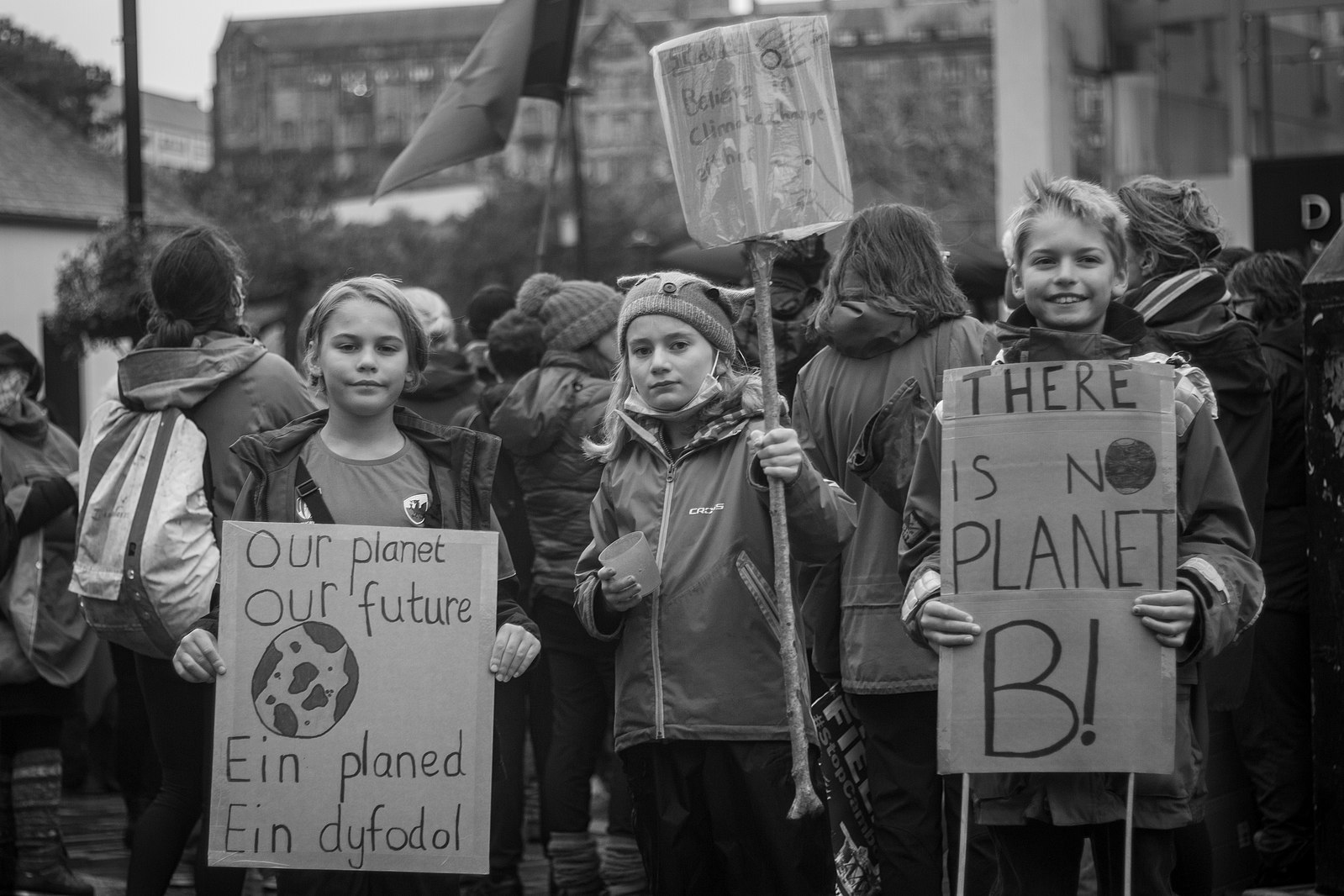
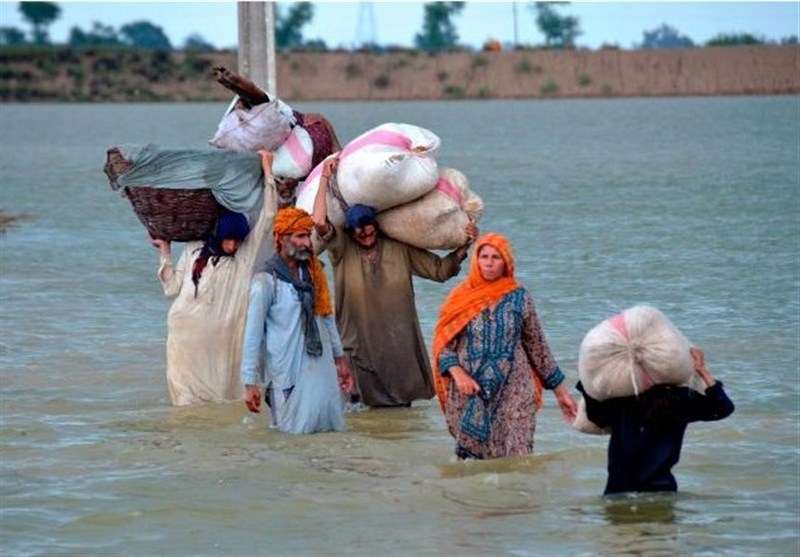
"Loss and damage" finance—money from the developed world to help developing countries recover from the effects of climate change, rather than simply prepare for it—dominated discussions at Cop27. Such a fund would cover, for example, the cost of Pakistan’s flooding damage in 2022, estimated at $30 billion. No agreement has yet been reached, but there are hopes that a deal will be agreed soon.
Are we on course for 2.8°C?
According to a 2022 UN report, there is now "no credible pathway" to keep the rise in global temperatures below the key threshold of 1.5°C. The report describes plans to cut emissions, made at Cop26, as "woefully inadequate". Taken together they would see global emissions fall by less than 1% by 2030 (according to scientists, reductions of 45% are needed to keep to the 1.5°C limit). This means that the world is on course to warm by around 2.8°C this century—well past the point at which catastrophic effects set in. Even if countries were to get financial support and put into practice the plans they have made, warming might be limited to 2.4°C—still much higher than required.
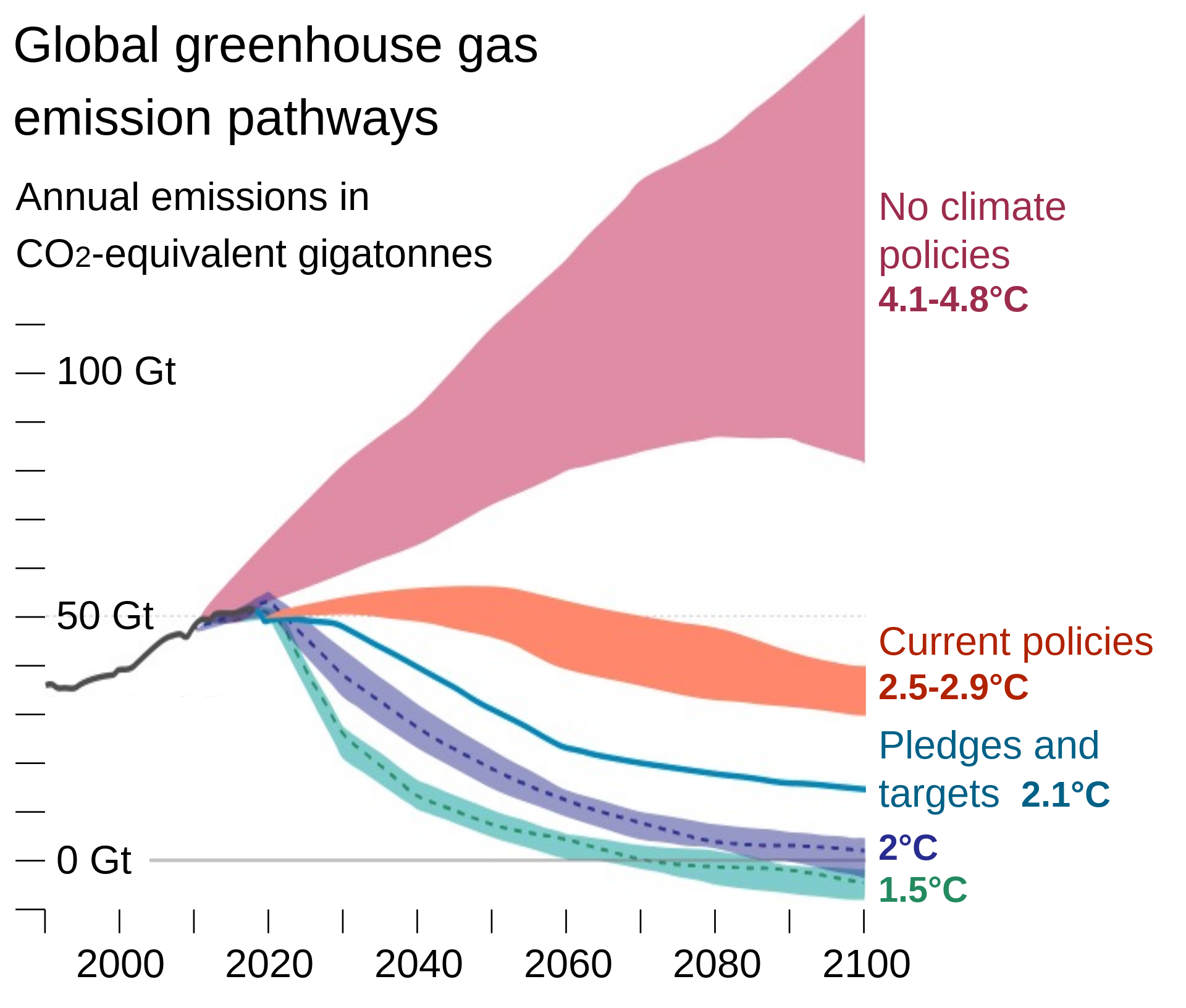

The International Energy Agency points out, however, that the energy crisis triggered by the Russian invasion of Ukraine is causing governments that previously relied on fossil fuels imported from Russia to speed up efforts to change to more sustainable (as well as secure) sources of energy. The rapid switch to renewables—now significantly cheaper than fossil fuels—could successfully bring about the drastic cuts in carbon emissions the world urgently needs. New policies in countries like the US, Japan, South Korea and the EU should see "clean energy" investments reach around $2 trillion by 2030, a rise of more than 50% from today.
Adapting to a warmer world
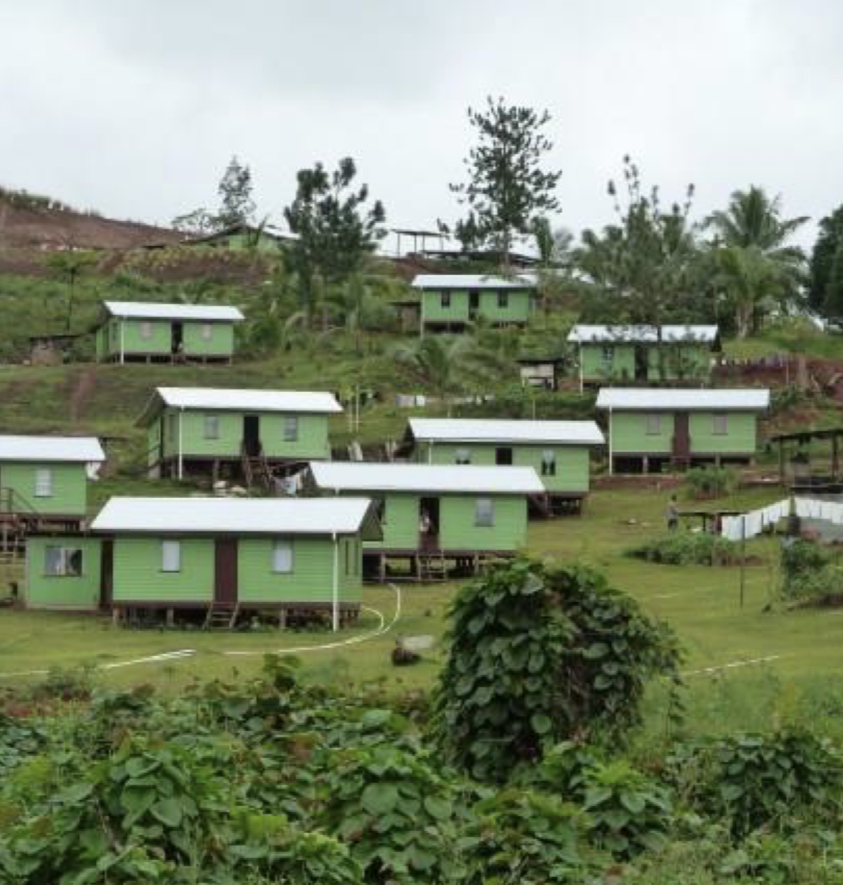
Attempting to limit carbon emissions is not the only way to tackle the climate emergency. The world needs to become less vulnerable to floods, droughts, wildfires, sea level rises and crop failures that lie ahead as the planet heats up—whether or not carbon emission reductions are implemented. The adaptations required include, for example, better flood defences, moving communities to higher ground and protecting important infrastructure such as roads, railways, reservoirs and power lines from extreme weather events. Experts put the total funding required for such adaptations globally at around $2.5 trillion by 2030.
What can we do now?
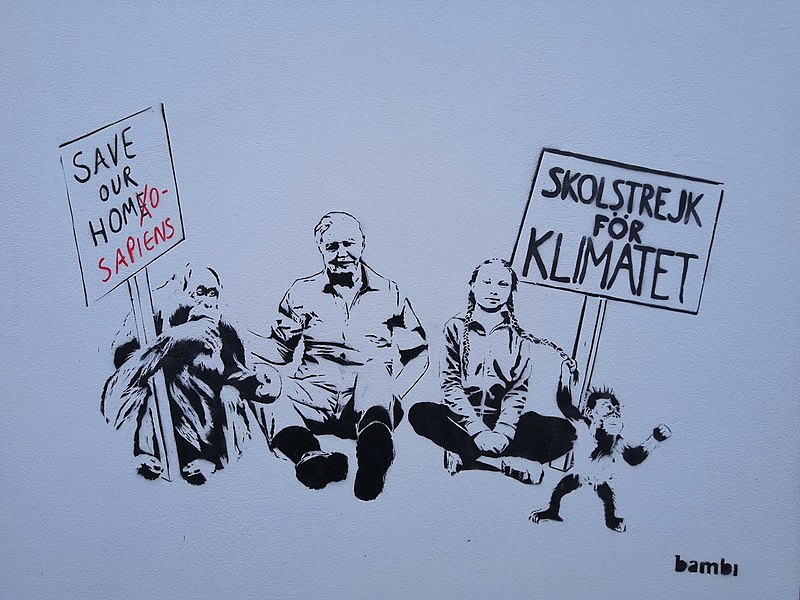
Unlike the Covid-19 pandemic or the 2008 financial crash, which were sudden events that required immediate action, the climate emergency is taking place in "slow motion". Political leaders are able to delay their response because the consequences are not happening "yet". For this reason, it is a hugely difficult task, as activists like Greta Thunberg or broadcaster Sir David Attenborough have discovered, to persuade those in power of the urgency to make the big changes that are needed.

Nevertheless, some governments are taking action now to help adjust their citizens' lifestyles and so reduce their countries' dependence on fossil fuels. For example, in Pune, India, roads are being redesigned to prioritize pedestrians and cyclists, a measure intended to reduce the use of cars. Schemes to encourage people to use public transport instead of private cars, or switch to electric, rather than petrol or diesel, vehicles, are in place in many countries. Replacing fossil fuels in power stations with renewable energy sources, such as wind turbines, solar, nuclear or hydro-electricity, is well underway. At least 47 nations already have over 50% of electricity from renewables, while at least two, Iceland and Norway, now generate all their electricity using renewable energy.
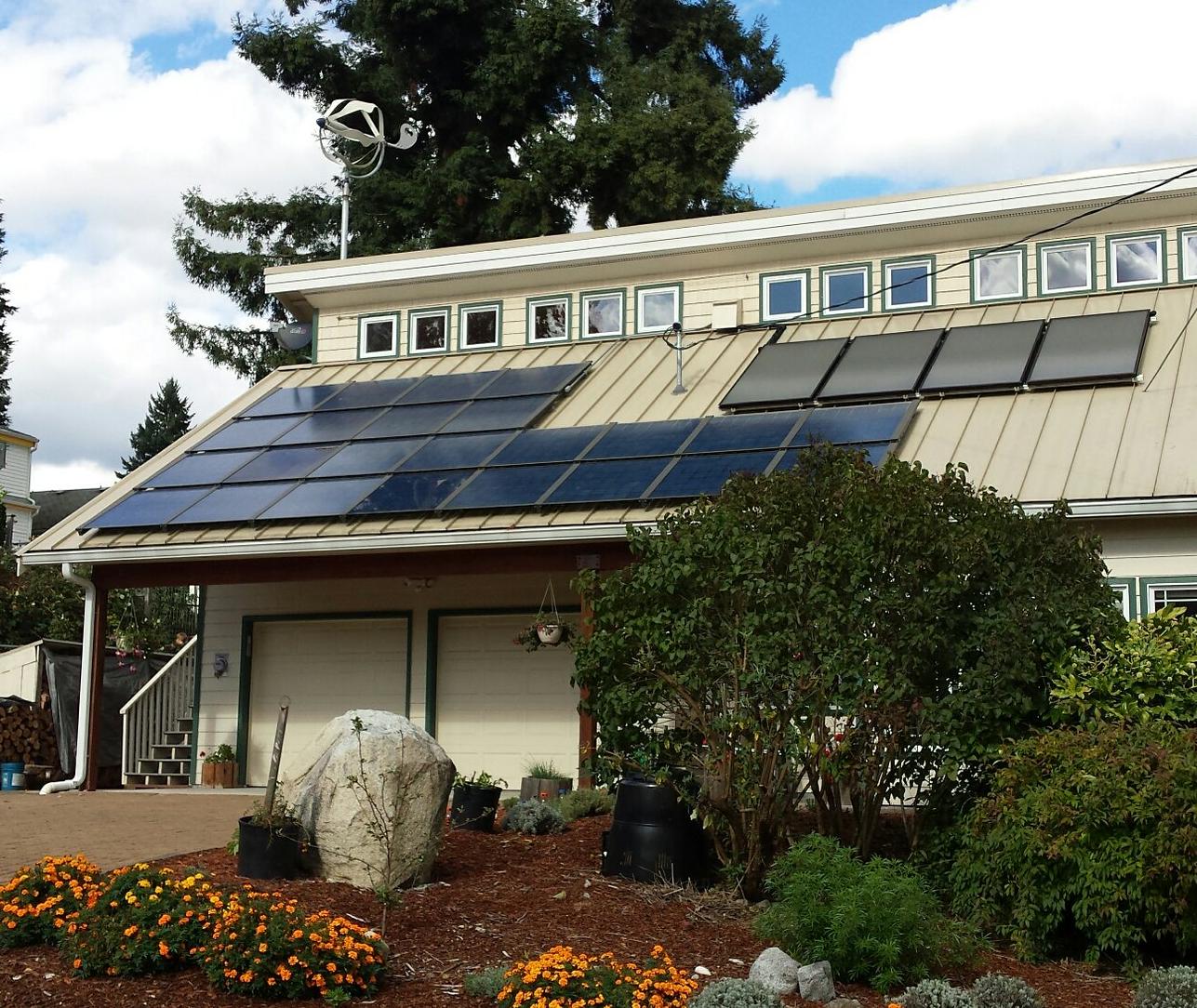
People are also making lifestyle changes on their accord, for example, choosing renewable energy options (such as installing solar panels) where possible or adjusting diet (cutting down on meat and dairy, produced by livestock farming, a big source of the greenhouse gas methane). Estimations of the savings of carbon emissions people can make are: living car-free (2.4 tonnes a year saved); avoiding one long-distance return flight (1.6 t); switching to renewables to power the home (1.5 t); eating a plant-based diet (0.8 t).
It will, however, take the joint actions of governments, businesses and people the world over to achieve the goal of net zero carbon emissions by 2050.