
Ecosystems

CITE
We have made every effort to follow citation style rules, but there may be some minor differences. If in doubt, please refer to the appropriate citation style manual.
Invasive species. (2026). In Q-files Encyclopedia, Life, Ecosystems. Retrieved from
https://www.q-files.com/life/ecosystems/invasive-species
"Invasive species." Life, Ecosystems, Q-files Encyclopedia, 30 Sep. 2026.
https://www.q-files.com/life/ecosystems/invasive-species.
Accessed 30 Oct. 2026.
Invasive species 2026. Life, Ecosystems. Retrieved 30 October 2026, from
https://www.q-files.com/life/ecosystems/invasive-species
Life, Ecosystems, s.v. "Invasive species," accessed October 30, 2026.
https://www.q-files.com/life/ecosystems/invasive-species


Invasive species
An invasive species is an introduced species that causes damage in some way to its new environment. This may occur when an introduced organism (living thing) preys on a native one, or outcompetes it for food, causing it to become endangered, or even go extinct. Any kind of organism—a plant, animal, fungus or microbe—can be an invasive species. Human-enabled introductions, either intentional or accidental, have greatly increased the scale and range of invasive species. The process began in the 15th century when Europeans travelled the globe looking for new lands to colonize, and accelerated in the 20th century with the rapid growth of international trade and tourism. Species invasions are one of the biggest causes of ecosystem change and biodiversity loss. Some ecosystems are facing a big struggle to survive.

Native, non-native or invasive?

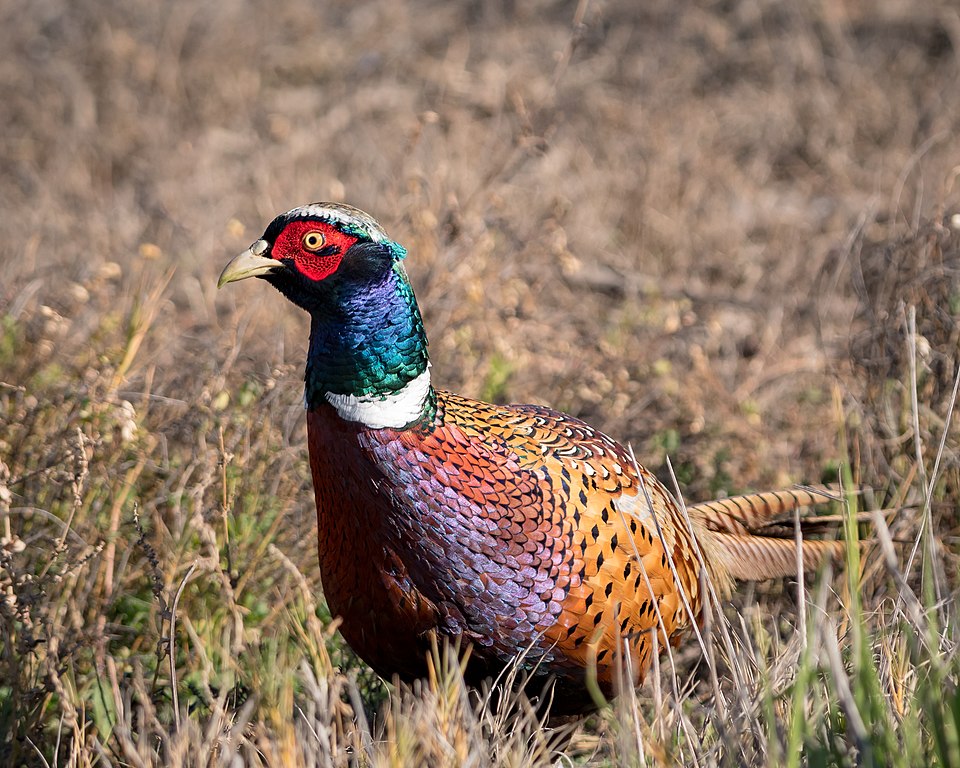
A native species becomes part of an ecosystem through natural processes. Non-native species are those found outside their normal range, mainly (but not always) because they have been introduced by human activity. Not all introduced species are invasive: some can thrive in their new location and pose no threat to native species. Ring-necked (or common) pheasants, which are native to Asia but have been introduced to many other parts of the world (including the United States in the 1880s) for hunting, are an example.
Invasive species are non-native species that have a negative impact on other species or their new environments. In their normal, native ranges, other species may control them in some way, by preying on them or competing with them for food. Such controls may not exist in the ecosystems to which they have been introduced. Brushtail possums, for example, are kept in check by range of predators in their native Australia, including tiger quolls, dogs, foxes, goannas and carpet snakes. But in New Zealand, where they have been introduced, their only enemies are cats (and humans).


Invasive species are often well suited to their new environment, enabling them to reproduce and thrive at the expense of native species. An example is the grey squirrel, introduced to private country estates in England in the 1870s, but which soon spread to woodlands all over Britain. Not only did it damage trees, mainly by stripping bark from beech, sycamore and others, but it also caused the native red squirrel to die out over much of its former range.

Introductions
Human activities are the biggest cause of the spread of invasive species. People have long deliberately moved animals and plants around the world. During the colonial era, Europeans did so, believing the addition of familiar animals or ones they were used to hunting would be an "improvement" to their new natural surroundings. Hedgehogs, introduced by British settlers in New Zealand in the 1870s, have become a widespread predator of native invertebrates, lizards and ground-nesting bird eggs.
Animals have also been intentionally introduced as a form of pest control. Cane toads introduced in Australia in 1935 to eat the cane beetles that were destroying sugar cane plantations, multiplied rapidly, their toxicity proving lethal to most animals that preyed on them.
Many invasive species were originally introduced as pets: for example, dogs, cats or even snakes (including the Burmese python, see above). They became invasive once they had escaped and developed a taste for native wildlife.

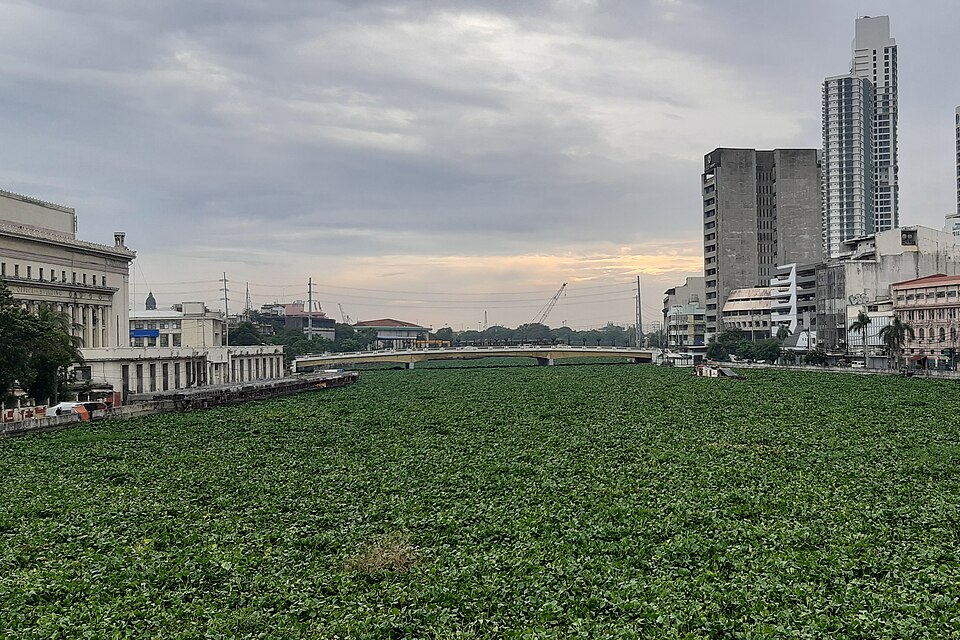
Plants and trees have been introduced to different parts of the world for ornamental purposes in parks or gardens. They include the water hyacinth or Japanese knotweed (see below). Others have been introduced as food crops, or, in the case of trees, for their timber. These species may become invasive after spreading and growing in the wild, becoming harmful to native ecosystems in some way.
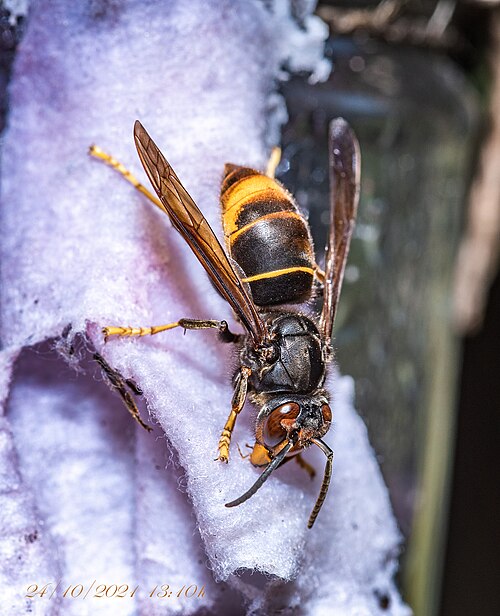
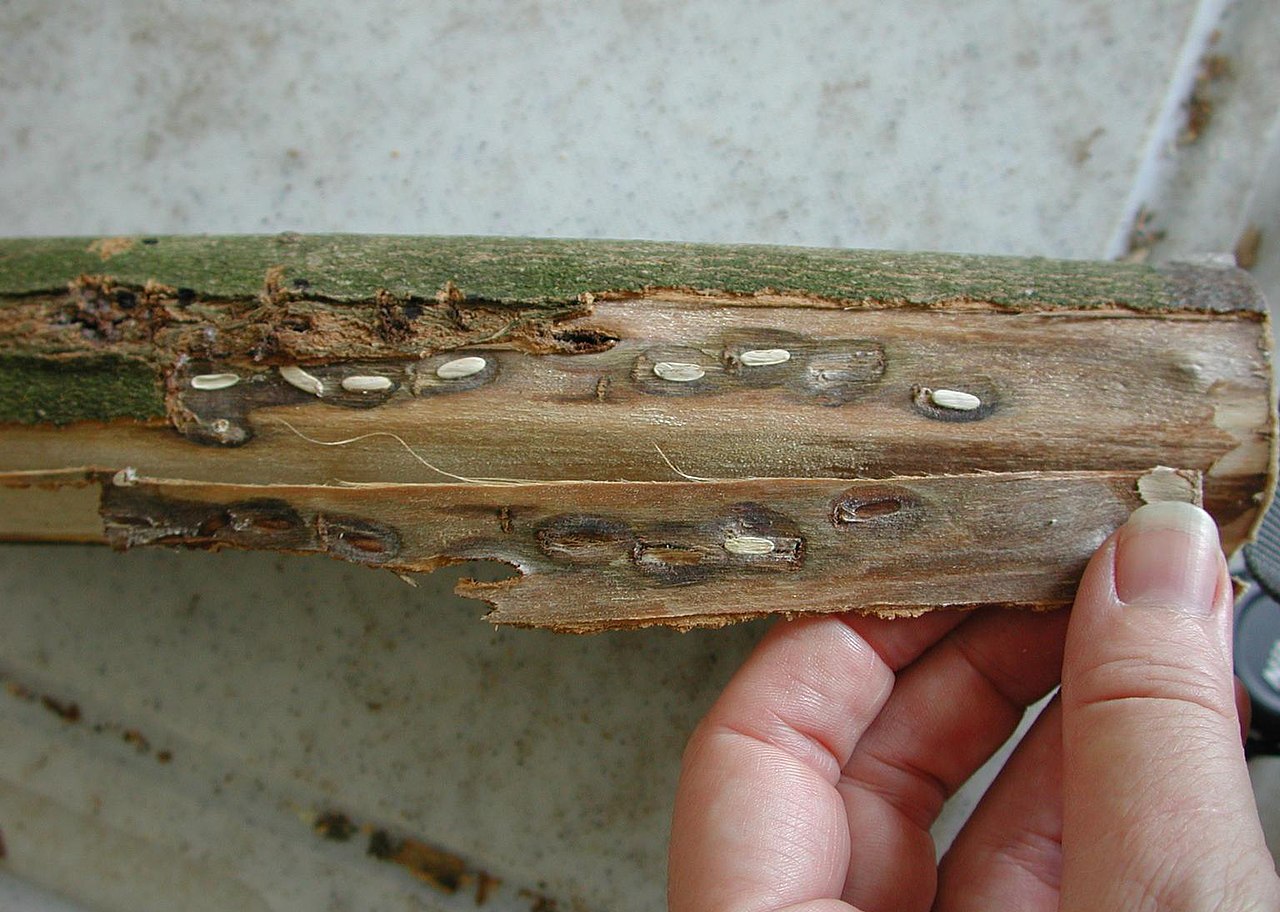
Many species, particularly small animals such as insects or marine invertebrates, plants or fungi in the form of seeds or spores, or microscopic ones such as bacteria, have been introduced accidentally. They may have travelled to their new location unseen on or inside something else, while some may have arrived in containers or packages. An example is the Asian hornet, which is believed to have arrived in France inside boxes of pottery from China in 2004. Several thousand nests were active in the southwest of the country just five years later, and, by the end of 2015, they had spread across most of France. The hornet hunts a wide range of insects, including honeybees, which are key pollinators.
The ballast water in ships—water held in cargo holds in order to improve the vessel's stability—frequently contains marine organisms, microscopic or otherwise, that have the potential to become invasive when transported from distant parts of the world. The Chinese mitten crab (see below) probably travelled overseas this way. Some marine organisms may hitch a ride by attaching themselves to a ship's hull.

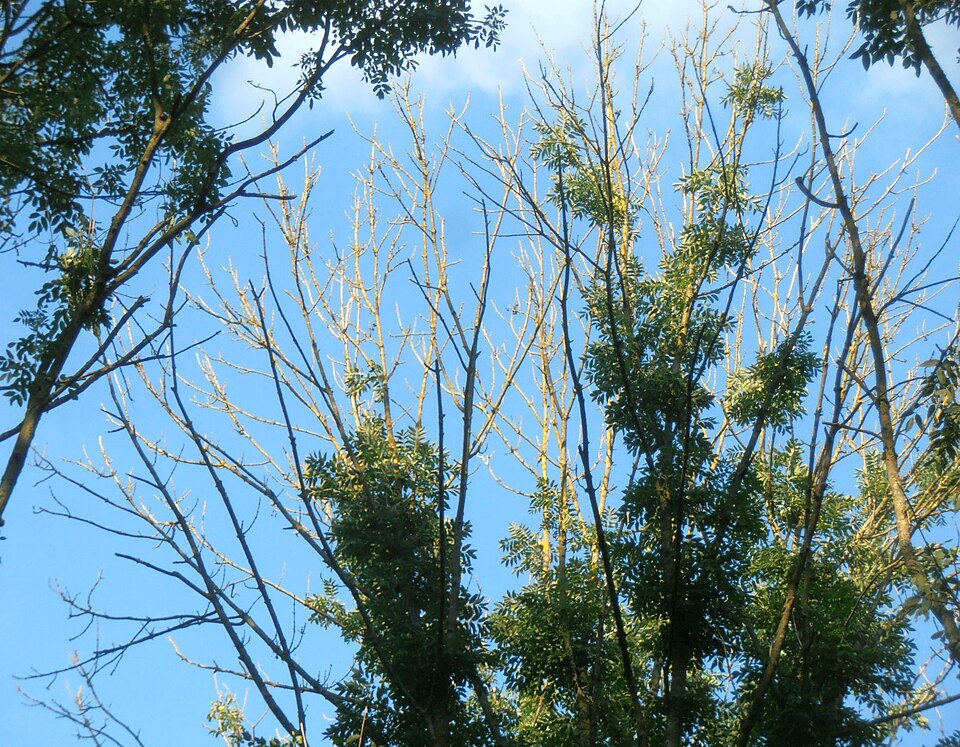
Diseases are spread by accidentally introduced micro-organisms (such as fungi, which can devastate native tree species) or insects, which act as vectors, organisms that transmit infectious pathogens (viruses, bacteria and parasites) from one animal or human host to another, typically entering the bloodstream by biting or feeding.

Climate change
Global warming is causing a rise in the temperature of ocean waters, enabling marine species to survive in seas that were previously too cool for them. The opening of the Suez Canal in 1869 has allowed the gradual flow of species from the Indian Ocean via the Red Sea and the Canal into the Mediterranean Sea. They have thrived in their new home thanks to climate change. This process is known as Lessepsian migration, named after Ferdinand de Lesseps, the French diplomat in charge of the Suez Canal's construction. The arrival in 1990s by this route of the venomous lionfish threatens to destroy native fisheries, impacting the livelihoods of fishermen in the Eastern Mediterranean.

Higher temperatures due to the climate emergency have enabled the Asian tiger mosquito, native to the tropical and subtropical areas of Southeast Asia, to establish itself in Europe. Travelling overseas in cargo holds by air or by sea, since the 2000s it has been able to survive for more than six months of the year in Spain, Greece and Italy, and even, for two months, in southeast England. The mosquito carries viruses that cause tropical diseases such as yellow fever, dengue fever and chikungunya, a disease that causes severe and prolonged joint pain.
Impact
Invasive species can do extensive damage to an existing ecosystem, by altering or damaging habitats in some way, eating native animals or starving them of food, robbing them of nesting sites or bringing diseases to which native species have no immunity. Often, an introduced species can breed quickly. If their numbers are left unchecked, they may quickly dominate habitats, squeezing the natives out. Some may mate with closely related native species, resulting in what is known as hybridization: the creation of a new organism with mixed traits, but which is often infertile.


Control
Eradication of invasive species can be extremely difficult if the species has already multiplied and become too numerous. Hunting or catching them may be encouraged if the invasive species proves to be an attractive delicacy (as may happen with the lionfish in Eastern Mediterranean).
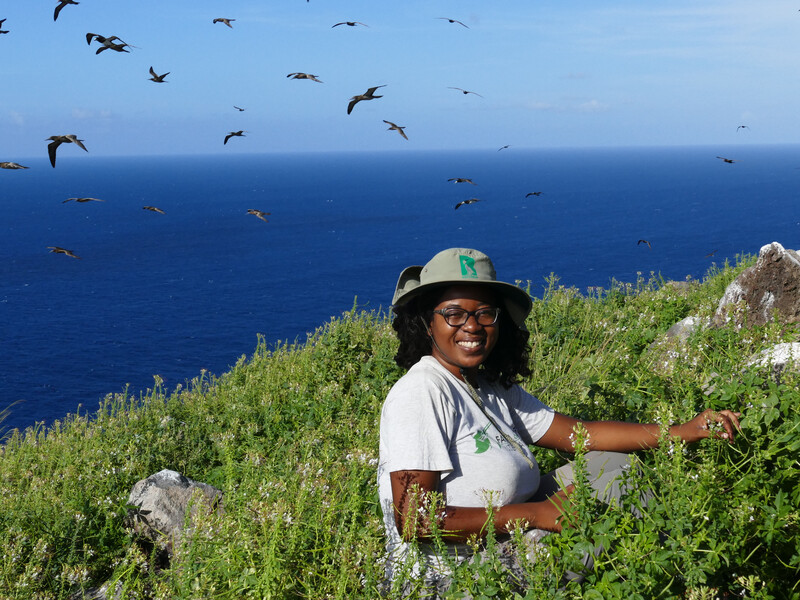
Physical removal, poisoning, trapping or shooting may prove futile, although successes have been recorded in small islands from where the target species are unable to escape. An example is the removal of goats and rats from Redonda island, part of Antigua and Barbuda in the Caribbean, in 2016, which restored native vegetation and birds.
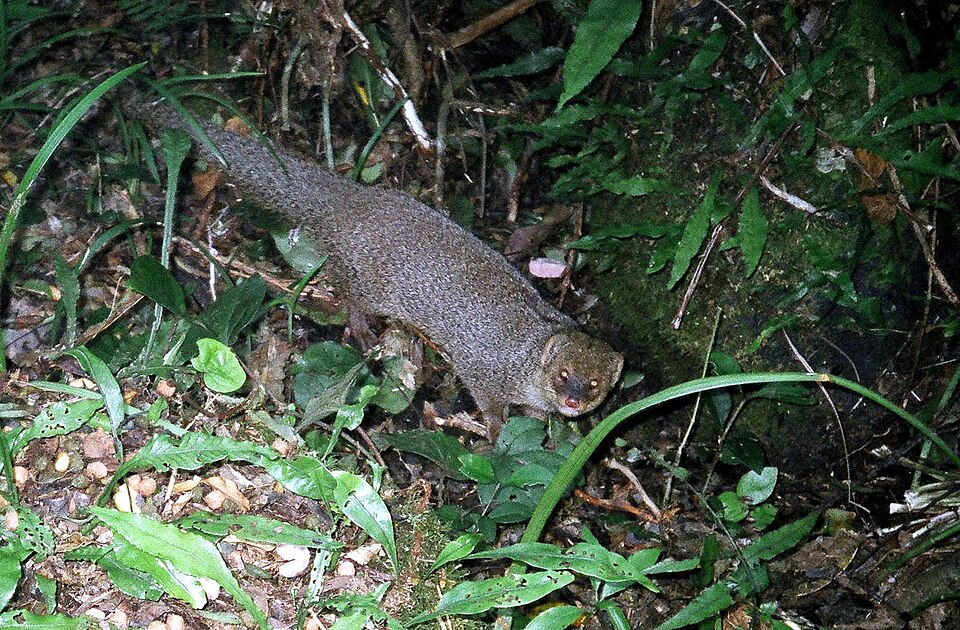
Another option is to introduce predators to kill off the invaders. This may, however, make the problem worse if the predatory species itself became invasive. An example is the small Indian mongoose, which was introduced in Hawaii in 1883 to control the rats that were damaging sugar cane plantations. The measure was ineffective because rats are nocturnal while mongooses hunt during the day. But the mongoose began preying on Hawaii's native ground-nesting birds and sea turtles, thus becoming an invasive pest itself.
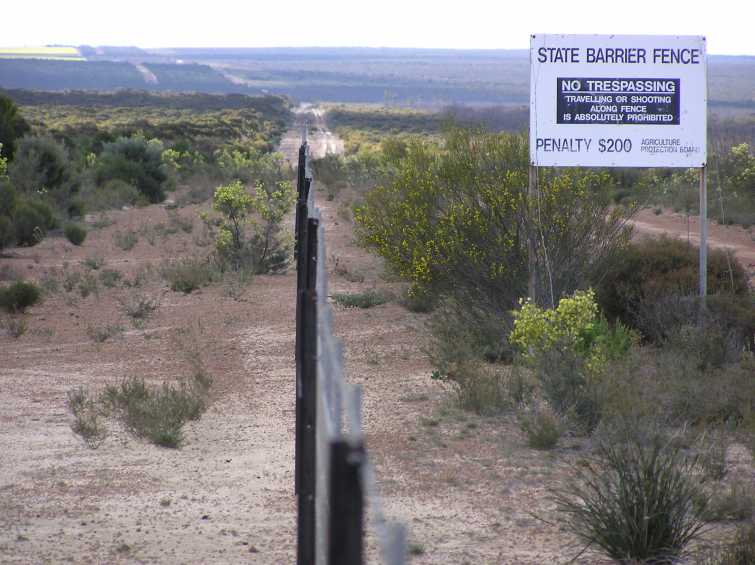
Containment by barriers might work if the invasive species is unable to get past them. Fences are used in Australia and New Zealand to exclude cats, stoats and rats from conservation areas.
Rabbit-proof fences were constructed in Australia between 1902 and 1907 to prevent rabbits—an invasive species introduced from Europe and which had multiplied rapidly, causing extensive damage to crops—from entering Western Australia from the east.
Sea lamprey
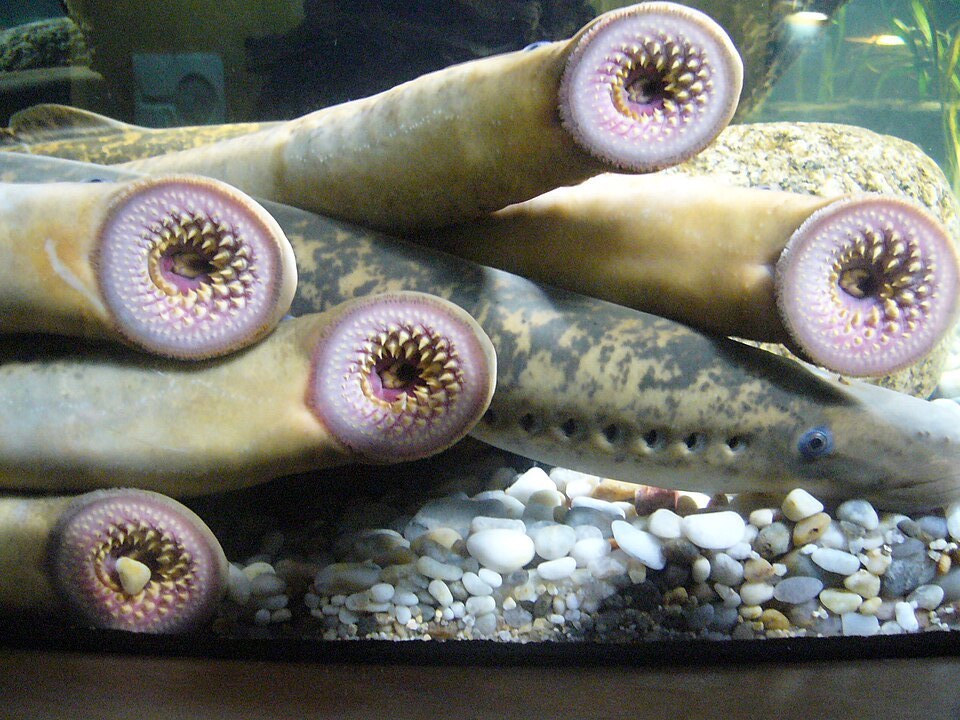
Native to the Atlantic Ocean and the Mediterranean, the sea lamprey reached the Great Lakes region of North America probably through the Erie Canal, opened in 1825, and the Welland Canal, opened in 1919. A parasite, the lamprey feeds on the blood of a fish using its suction cup-like mouth to attach itself to the skin and its teeth and tongue to penetrate the body. In the lampreys' native waters, their victims have evolved a measure of resistance to them and often survive the encounters. However in the Great Lakes, the sea lamprey attacks native fish such as lake trout (another predator) which has no defences against it. This has triggered the collapse of the population of some other fish species.
Argentine ants
Argentine ants are native to northern Argentina, Uruguay, Paraguay, Bolivia and southern Brazil. Accidentally introduced by humans to different parts of the world over the centuries (travelling on cargo ships), the ants have now become established in many regions that have Mediterranean or subtropical climates, including South Africa, New Zealand, Japan, Easter Island, Australia, the Azores, Europe, Hawaii and the US.
Unlike most other species of ant, Argentine ants from different colonies tolerate each other. This means individuals from one nest can mingle in a neighbouring nest without being attacked. Such mixing enables them to form vast, co-operating supercolonies covering great swathes of territory that may extend for hundreds—or even thousands—of kilometres. One supercolony, known as the Very Large Colony, stretches from San Diego to north of San Francisco in California, and may have a population of one trillion individuals.


In its introduced range, the Argentine ant often displaces most (or all) native ants, and threatens other invertebrates and even small vertebrates that have no defence against their aggression. In turn, native plants that depend on native ants for seed dispersal, or animals that prey on native ants or invertebrates, are affected by the arrival of Argentine ants.
Raccoon
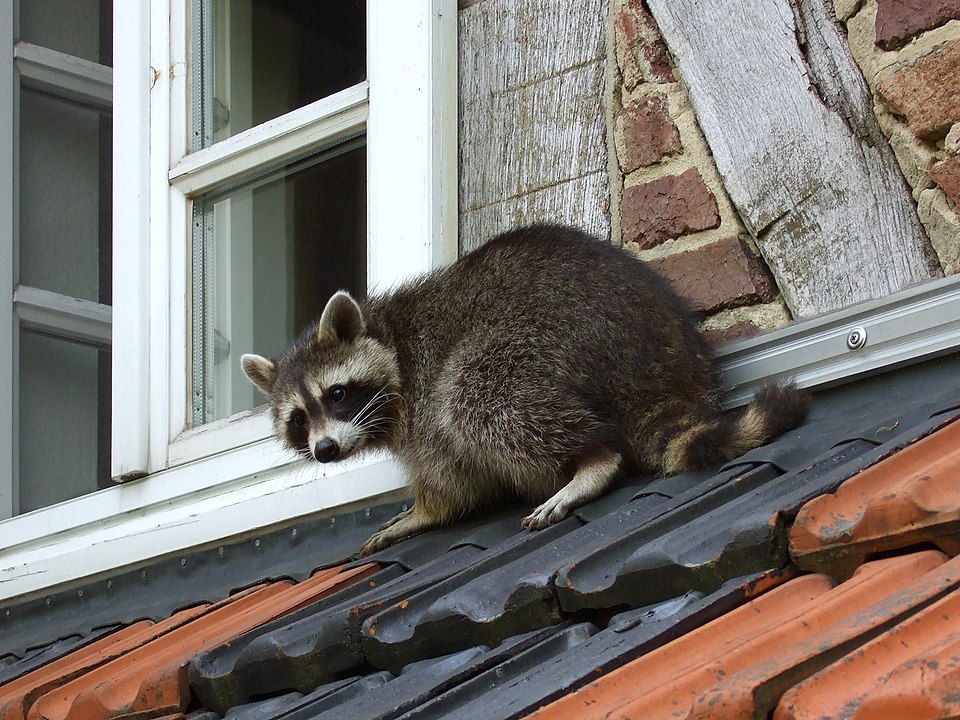
Native to North American deciduous and mixed forests, raccoons were brought to Germany in the 1930s for fur farming. Some escaping (or deliberately released) animals have since established a large wild population. Today, some 1.5 million animals live across the country. Kassel, in the state of Hesse, has the densest population.
In many of their introduced ranges, raccoons have few natural predators, allowing their populations to grow unchecked. Females can produce many offspring each year. As in North America, the animals have extended their range to urban areas, where their adaptability and omnivorous diet have enabled them to thrive.
As a predator with few predators or competitors of its own, raccoons pose a threat to some native animals, particularly birds and amphibians. In Japan, they compete for food with species such as the raccoon dog (which is not related). Wherever they are found, raccoons cause damage to agricultural crops and carry some diseases.
Quagga mussel
The quagga mussel is a freshwater mussel, native to the River Dnipro in Ukraine. Fast-breeding and highly adaptable to a wide range of temperatures and environments, the quagga has spread to rivers and lakes in other parts of Europe Europe. They were first found in the River Danube in neighbouring Romania in 2004. Spreading along the Rhine–Main–Danube Canal, they entered the drainage area of the Rhine. First identified in Switzerland in 2015 and in Lake Constance in 2016, they have since caused considerable problems, clogging up waterworks machinery.
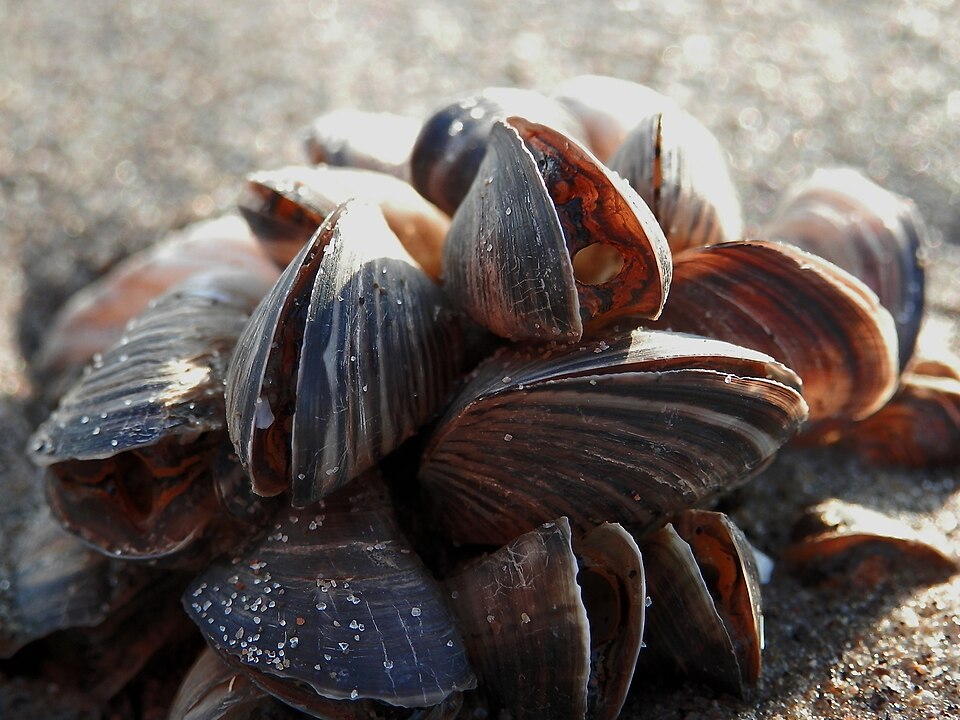

The quaggas' ability to survive where other species cannot—they can be found at depths of 250 metres where there is almost no oxygen—means that they multiply uncontrollably in Alpine lakes. The highest density is found in Lake Geneva, with an average of 4000 quaggas a square metre across the whole lake (in some places this figure rises to 35,000). Drinking water in the cities of Geneva and Lausanne is potentially threatened because the pumping and filtration systems may be blocked by huge numbers of quagga mussels.
Quaggas are voracious feeders (each mussel can filter up to two litres of water a day), removing substantial amounts of freshwater phytoplankton from the water. This, however, reduces the source of food available for zooplankton. In Lake Geneva, creatures such as the water flea, a tiny crustacean, feed on plankton, while fish feed on the water flea. When the base of a food chain disappears, it has a huge impact on the entire food web.
Chinese mitten crab

The Chinese mitten crab is so called because of its furry claws, which look like fingerless gloves, or mittens. Native to the rivers, estuaries and coasts of East Asia, since the mid-20th century the crabs have been found living in Europe and North America. They were probably transported there in the ballast of ships (see above) or by clinging on to ships' hulls. The crabs feed on anything they can find, dead or alive, such as worms, mussels, snails, other small crustaceans and fish. As burrowers, they damage embankments, clog drainage systems and tear fishing nets with their claws. In some places, the crabs have been found hundreds of kilometres from the sea.
European starling
Native to Europe, southwest Asia and northern Africa, common starlings were introduced in North America in the 1890s. They adapted well to their new environment, growing to their present-day population of around 150 million, and occupying an area extending from Alaska to Central America. For their impact on native species and the extensive damage they cause, they are now regarded as an invasive species.
European starlings, as they are known in North America, are aggressive cavity nesters: they destroy the eggs of native birds such as bluebirds, purple martins and woodpeckers, killing their young and taking over their nesting sites. The starlings also damage growing fruit such as grapes, apples, peaches, strawberries, blueberries and cherries, and dig up grain and young plants in cultivated fields. They may contaminate the food and water sources provided for livestock with their droppings, which often contain fungi that cause diseases.

pics
Without in any way limiting Q-files Ltd’s exclusive rights under copyright, any use of this publication to “train” generative artificial intelligence (AI) technologies to generate text is expressly prohibited. Q-files Ltd reserves all rights to license use of this work for generative AI training and development of machine learning language models.