
Human body
Growth and development
For the first 15 to 20 years after birth, the human body grows in weight and height. This growth is controlled by hormones, which are chemical signallers controlled by the brain. Other changes take place in the human body as we go through life. Puberty or adolescence is when a child’s body experiences a series of physical changes as it matures into an adult’s body capable of sexual reproduction. Almost as soon as the body is mature, the process of ageing, or senescence, begins. The way in which individuals grow, develop and age is dependent on factors such as genes, diet, lifestyle and environment.

Growth
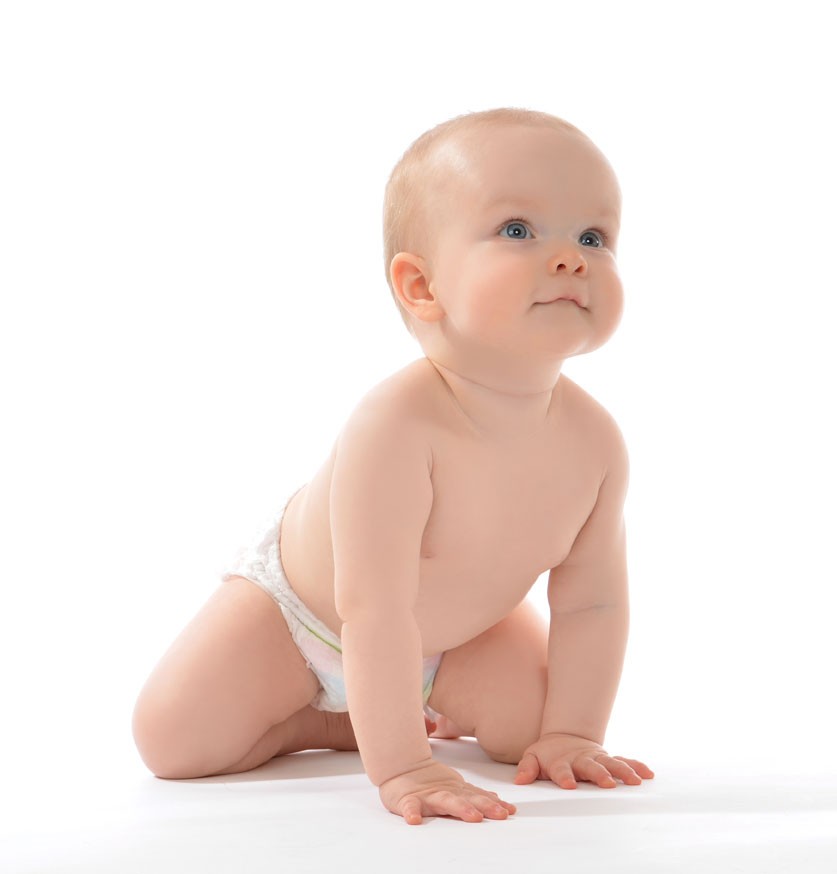
At birth, the average baby weighs about 3.5 kilograms (7 pounds 11 ounces) and is around 50 centimetres (20 inches) long. Humans grow fastest between the ages of 0 and 2, then at a slower but steady rate until puberty. A growth spurt starts usually at around 11–12 years old in girls and 13–14 in boys. The rate of growth then slows to zero, usually by about the age of 16 in girls and 18 in boys. The ages at which young people begin and end their growth spurt can vary widely between individuals.
A person’s proportions change as they grow, developing from the large head and small torso and limbs of a newborn baby to an adult’s relatively small head and long torso and limbs. The height and weight that we reach as adults is determined by factors such as our genes, diet and health. The average adult male weighs 80 kilograms (177 pounds) and is 173 centimetres (5 feet 8 inches) tall, while the average female weighs 66 kilograms (147 pounds) and is 160 centimetres (5 feet 3 inches) tall.
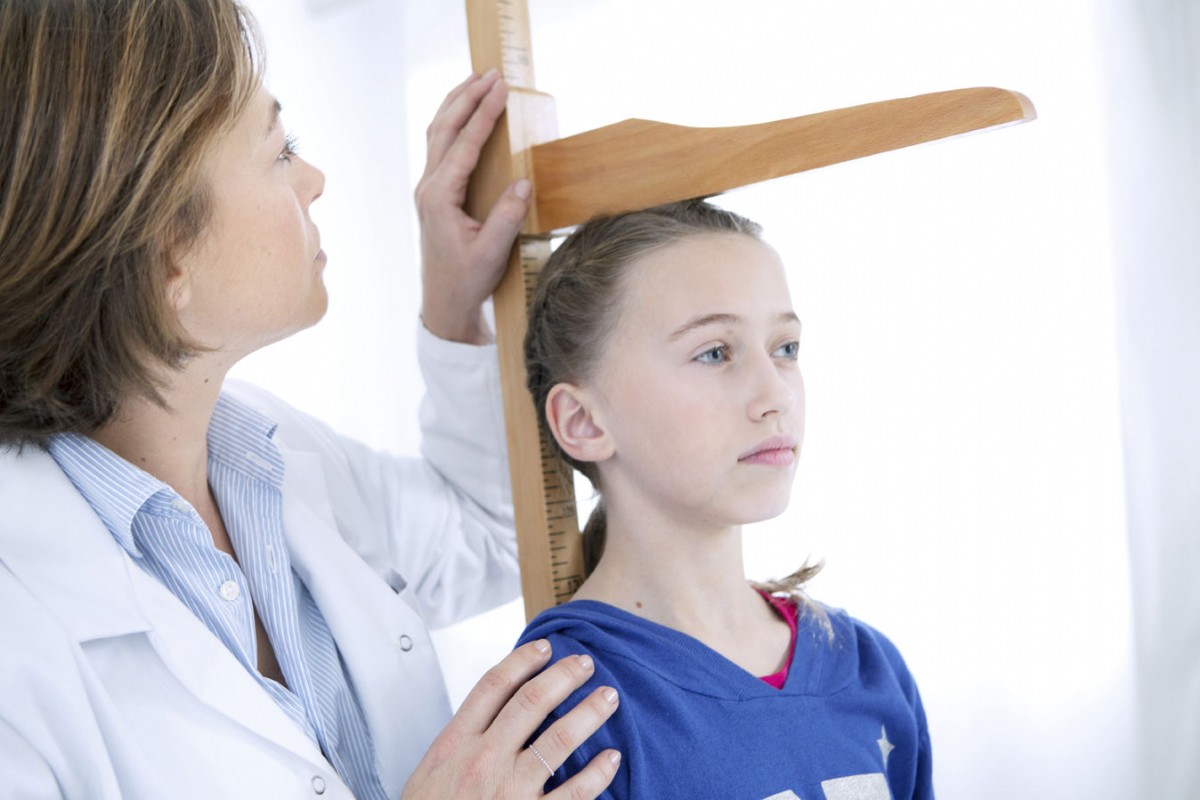
When a person’s height differs greatly from the norm, they are said to have gigantism (with height very significantly over the average) or dwarfism (having an adult height under 147 centimetres / 58 inches). These conditions are caused by hormone or genetic issues.
Development of movement
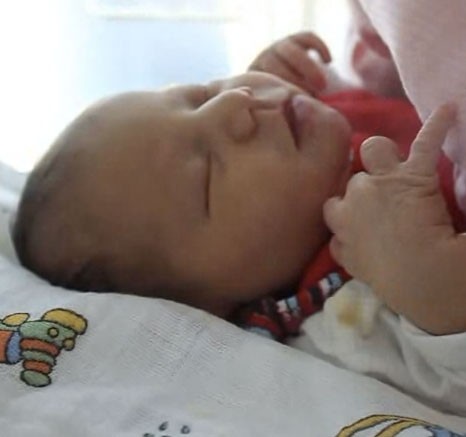
A newborn baby’s movements are largely reflexes. These are movements that are not learned or controlled. In a baby, they are survival mechanisms. The rooting reflex makes a baby turn their head to the breast or bottle and suck. The Moro reflex causes a baby to fling out their arms then bring them into the body if they are startled by a loud noise or feel themselves falling. Most reflexes disappear within the first year as a baby learns other methods of meeting its needs.
Motor skills are the ability to control movements. Gross motor skills are the larger movements made using the limbs or whole body: crawling, running and jumping. Fine motor skills are the smaller actions, made with fingers, toes, lips and tongue. Gross motor skills develop before the fine ones.
Young children develop their motor skills in a sequence. By the time they are a year old, they can sit without support, crawl, pull themselves up to stand, and walk while holding on to furniture. By 18 months they can walk unaided. They can also bring a spoon to mouth, turn knobs and draw lines on paper with a crayon. By the age of 2, they can go up and down stairs, run, sit on a chair, kick a ball—and use a spoon and fork. By the age of 3, they can stand on one foot, climb a ladder, pedal a tricycle and jump. By 4, they can hop, kick and throw a ball overarm. They are also able to cut paper with scissors.
For older children, teenagers and adults, new motor skills are learnt through observing and being taught rather than in a sequence.


Development of thought and language
Babies soon learn to recognize a care-giver’s face, to distinguish between important objects and to remember simple sequences of events, such as “bed follows bath”. As children grow older, their ability to learn, remember and solve problems increases in strength and speed. By seven or eight years old, most children are able to carry on a complex conversation with an adult. By their early teens, most young people are also capable of a high level of abstract thought—thinking about ideas and events that are not in the “here and now”.
Young babies use gestures and sounds to communicate their needs. By the time they are a year old, cooing and babbling have started to become recognizable words for important people, objects and needs. By two years old, children may be putting words together into simple sentences. By the age of 10, many children are able to understand the multiple meanings of words, change their vocabulary and expression to match the situation, and use complex forms of speech such as metaphors and puns.
Development of emotions
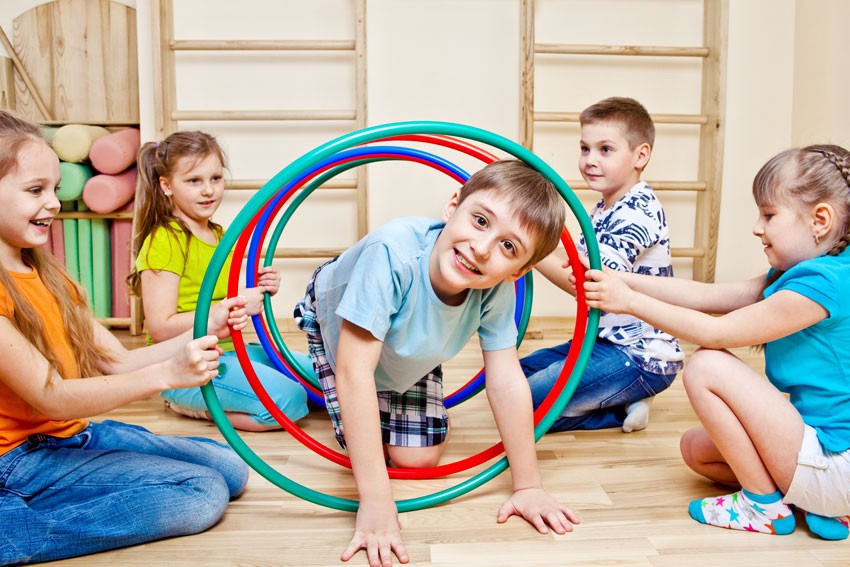
Young babies express only the basic emotions of happiness, sadness and anger, usually in response to physical discomfort or their needs being met. By the time they are a year old, babies also feel the important emotion of fear or anxiety, if faced with a possible threat or they are separated from their caregiver. As toddlers and pre-schoolers, children start to develop the ability to form friendships and to empathize with others.
By the age of six, children are starting to feel they want to be accepted by the group they are in and like showing off what they can do. Over the next few years, children become increasingly independent but still seek out adults to help if they are distressed. As young people enter puberty, they begin to experience emotions connected with romantic love and sexuality.
Hormones
Hormones are molecules that carry signals in the human body. They are made in glands and are transported by the bloodstream to the body’s cells and organs to regulate activities, such as growth, development, reproduction, metabolism, immune system, stress, sleep and hunger. The brain controls the release of many of the hormones in the body. When a hormone reaches its target cell, it binds to a “receptor” on the cell—like a key fitting a lock. When a hormone is locked to a cell, it brings about a change in the cell’s behaviour.
One of the key hormones linked with growth is pituitary growth hormone, made in the pituitary gland. It signals for proteins to be made in muscles, bones and organs, making them grow. Thyroid hormone works alongside pituitary growth hormone, promoting the development of cells.

When young people reach the age of puberty, the hypothalamus in the brain sends hormone signals to the pituitary gland. The pituitary gland releases hormones that stimulate the testes in a boy and the ovaries in a girl. In response, these organs produce sex hormones. These sex hormones also stimulate the pituitary gland to produce more growth hormone, causing a growth spurt.

Puberty in girls
Girls reach the age of puberty usually between the ages of 8 and 14 years old and have reached sexual maturity between the ages of 12 and 18. The female sex hormones are called oestrogens. At the start of puberty, the ovaries start making large quantities of the oestrogen called oestradiol, which causes growth of the uterus, ovaries, vagina and breasts, and widening of the hips.
A girl’s breasts become more prominent during puberty. Breasts are mammary glands: glands able to produce milk after a mother has given birth.
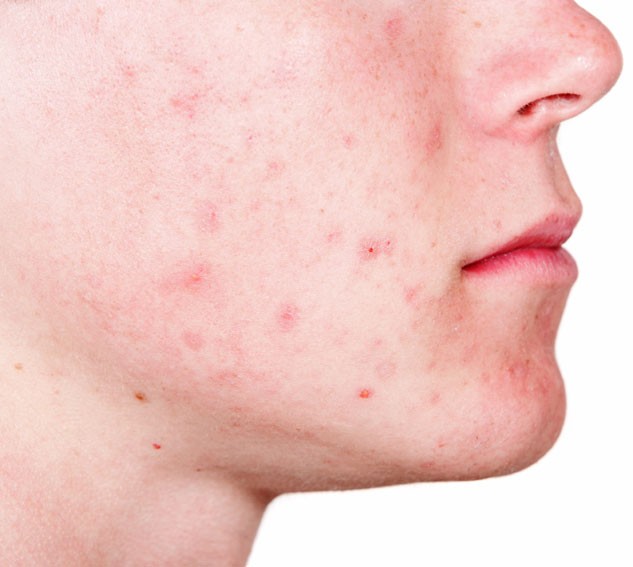
Girls also produce small amounts of androgens, the “male” sex hormones. These help maintain the strength of their muscles and bones. Unfortunately, they can also cause spots (acne) when small glands in the skin produce too much oil. Androgens also encourage the growth of underarm and pubic hair during puberty.
Around two to three years after the first signs of puberty, girls usually have their first period. This is the normal part of the menstrual cycle when, every month, the womb (uterus) sheds its blood-filled lining if there is no pregnancy. The girl or woman passes the blood out through her vagina for a few days. The first menstruation is called menarche.

Puberty in boys
Boys often reach the age of puberty between the ages of 9 and 15 years old and reach sexual maturity between the ages of 13 and 19. The male hormones are called androgens. At puberty, the testes start to produce large quantities of the androgen called testosterone, which causes growth and changes in the penis, testes and muscles, lowering of the voice and development of facial hair. At an average age of 13, boys may have their first ejaculation, when the penis becomes erect and releases semen. Boys also develop pubic hair, body odour and, probably, spots.
Just like girls need some androgens, boys need some oestrogens to keep up their bone density. In about half of all boys, oestrogen causes some slight breast swelling, which disappears by the end of puberty.

Menopause
Menopause is when a woman’s ovaries stop producing an egg every four weeks, causing an end to menstruation. It is the end of the phase in a woman’s life when she is capable of sexual reproduction. The menopause is caused by the ovaries exhausting their supply of egg cells, and a drop in the ovaries’ production of oestrogens. Hormonal changes result in symptoms such as hot flushes (sudden rises in temperature), mood swings and skin changes.
The process of menopause usually takes place over a number of years in a woman’s late 40s or early 50s. For men, changes in sex hormones are much more gradual. The level of testosterone production slowly goes down year by year from a man’s early 30s. Men are likely to be able to sexually reproduce until their 60s, 70s or 80s.
Ageing
Every minute, a healthy young body makes about 300 million new cells to replace those that naturally wear out and die. These replacements are produced by the process of cell division. For the first 20–35 years of life, the human body carries out cell division routinely. Thereafter, the body starts to be unable to renew itself perfectly. Scientists think this is caused by the chromosomes in all of our cells.

At the tips of the chromosomes are found repeated segments of DNA called telomeres. These act as protective bumpers to the chromosomes. But each time a cell divides, some telomeres are lost, shortening the chromosomes. Scientists think that, once telomeres are reduced to a certain length, the cell dies. Very slowly, this process of cell death takes place across the body.

Gradual cell death causes a decline in the body’s functioning and metabolism. It puts the body at greater risk of many diseases and conditions. It also tends to cause poorer memory, hearing, vision and the ability to perform muscular work. However, “wisdom” is likely to expand with age, and even at an advanced age, humans can learn new skills and enjoy new social situations. The age that we can hope to reach is probably determined by our genes, but diet, lifestyle and environment also play huge roles.
Consultant: Kristina Routh