
Human body

CITE
We have made every effort to follow citation style rules, but there may be some minor differences. If in doubt, please refer to the appropriate citation style manual.
Immune system. (2026). In Q-files Encyclopedia, Life, Human body. Retrieved from
https://www.q-files.com/life/human-body/immune-system
"Immune system." Life, Human body, Q-files Encyclopedia, 23 Mar. 2026.
https://www.q-files.com/life/human-body/immune-system.
Accessed 6 Aug. 2026.
Immune system 2026. Life, Human body. Retrieved 6 August 2026, from
https://www.q-files.com/life/human-body/immune-system
Life, Human body, s.v. "Immune system," accessed August 6, 2026.
https://www.q-files.com/life/human-body/immune-system


Immune system
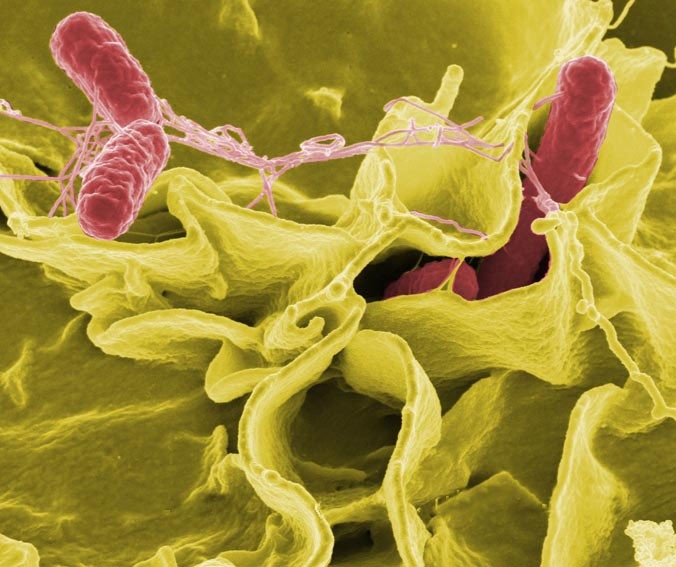
The immune system protects the body from invasion by pathogens: viruses or micro-organisms (also called microbes) such as bacteria, fungi and parasites that causes disease. Toxins (poisonous chemicals) produced by microbes are also pathogens. The immune system is spread throughout the body and involves many different cells, tissues, organs and substances. When the immune system encounters a pathogen, it mounts what is called an immune response: a carefully co-ordinated attack on the invaders. The immune system can be divided into two categories: innate immunity, which you are born with, and adaptive immunity, which develops as the body becomes exposed to microbes over time. The two parts of the system work together to keep you healthy.
Innate immunity
We are all born with some degree of immunity. This innate immunity will attack invaders from when we are born. This part of the immune system—the first line of defence against pathogens—consists of barriers, such as the skin and mucous membranes of the nose and throat, which stop the pathogens from entering your body. These barriers tackle all types of pathogen and so are known as non-specific barriers. They can be either physical or chemical.

Body defences
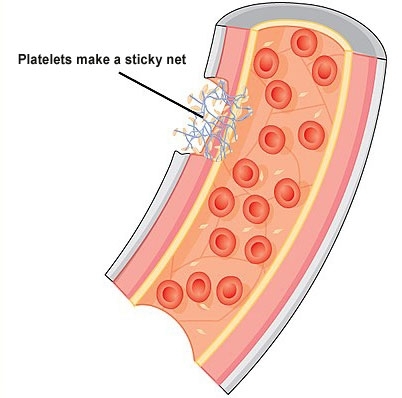
The skin covers almost all parts of your body to prevent infection from pathogens, and so acts as a physical barrier. If it is cut or grazed, it immediately begins to heal itself, often by forming a scab. The eyes produce tears which contain enzymes and other chemicals that kill pathogens, so acting as a chemical barrier.
The hairs inside your nose act as a physical barrier to infection. Cells in the nose produce mucus which traps pathogens before they can enter the lungs. When you blow your nose, the mucus, along with any pathogens trapped in it, is removed.
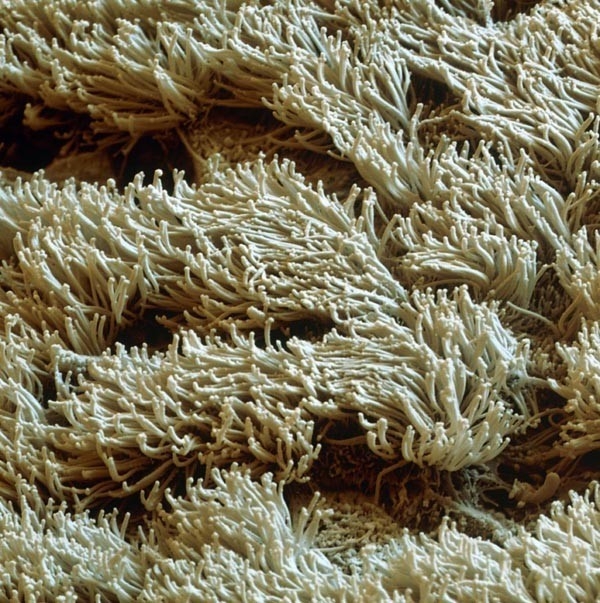
Another physical barrier is found inside your trachea, or windpipe, which runs from the larynx to the bronchi. The cells that line it have tiny hairs called cilia. Other cells, called goblet cells, create mucus. Cilia and mucus work together to trap pathogens, and move them upwards to the throat from where they are taken into your stomach.
Stomach acid acts a chemical barrier against infection. It contains hydrochloric acid, which is strong enough to kill any pathogens that have either been caught in mucus in the airways, or consumed in food or water.
Complement system
Circulating in your blood are a number of enzymes (special proteins) together forming what is known as the complement system. These enzymes support your innate immune system. Triggered by the presence of pathogens, they go into action, activating one another in a process that resembles a chain reaction. One enzyme activates several enzymes, each of which activates several more enzymes, and so on. This "cascade" makes the defensive reaction much stronger. The enzymes perform several tasks. Besides marking the pathogens for other cells in the immune system to deal with, they attack the pathogens directly. In the case of bacteria, they kill them by dissolving their cell walls. In the case of viruses, the enzymes destroy their outer shells or the cells they have infected.
Adaptive immunity
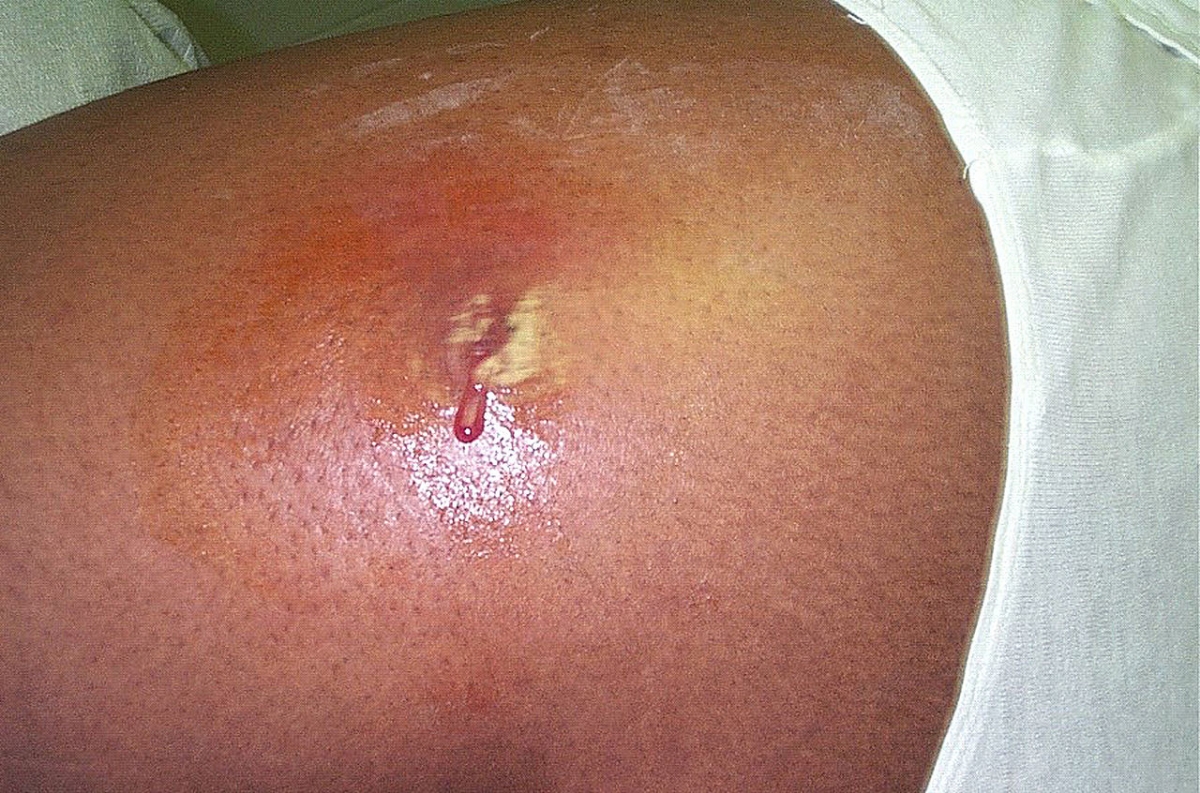
If pathogens manage to get through the innate immune system, adaptive (or acquired) immunity gets to work. A more complex part of the system, adaptive immunity targets specific threats to the body. After the threat has been dealt with, the system "remembers" it, making future responses to the same pathogens more efficient.
The adaptive immune system normally reaches peak strength by the time you reach early adulthood. This is because, by this time, you have been exposed to more pathogens and developed more immunity. This is why teens and adults tend to get sick less often than children.
White blood cells
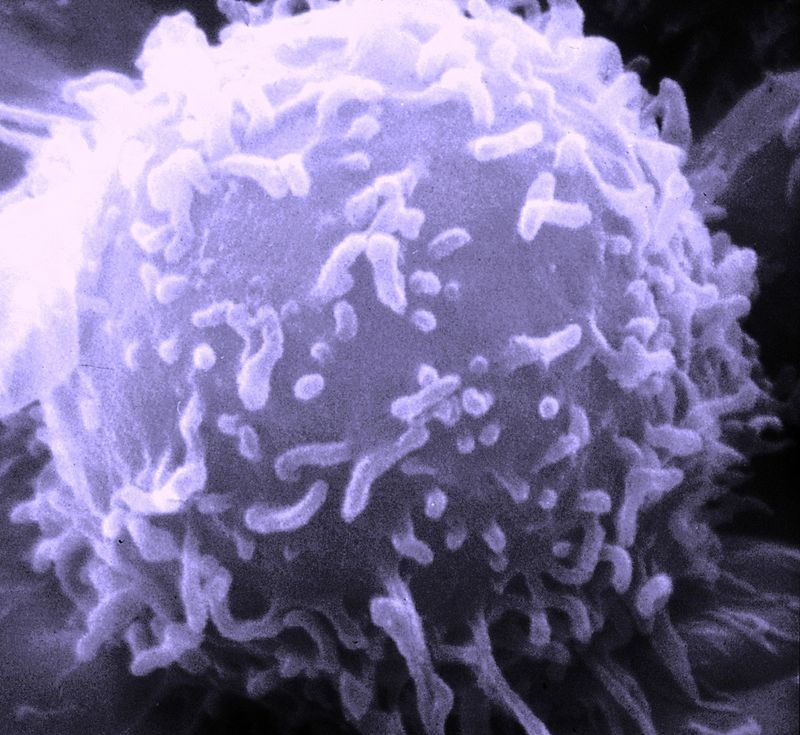
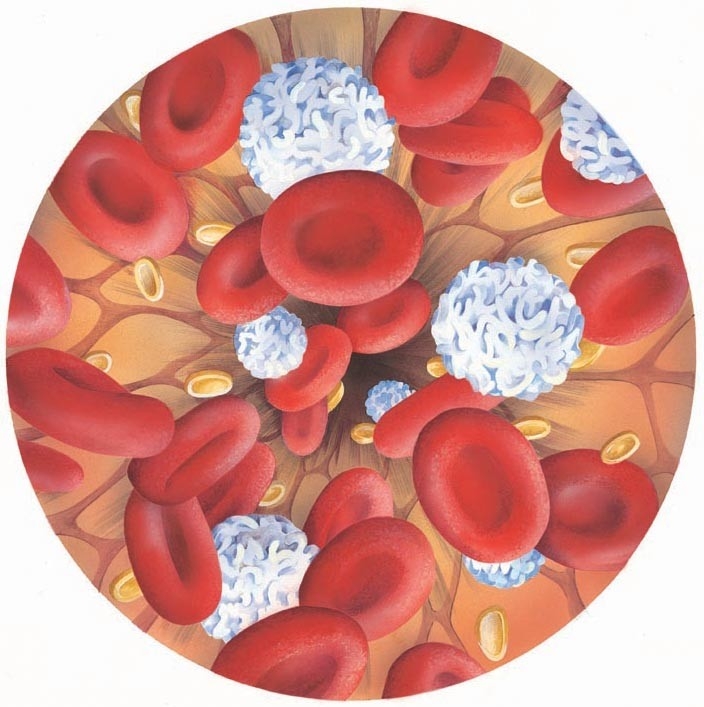
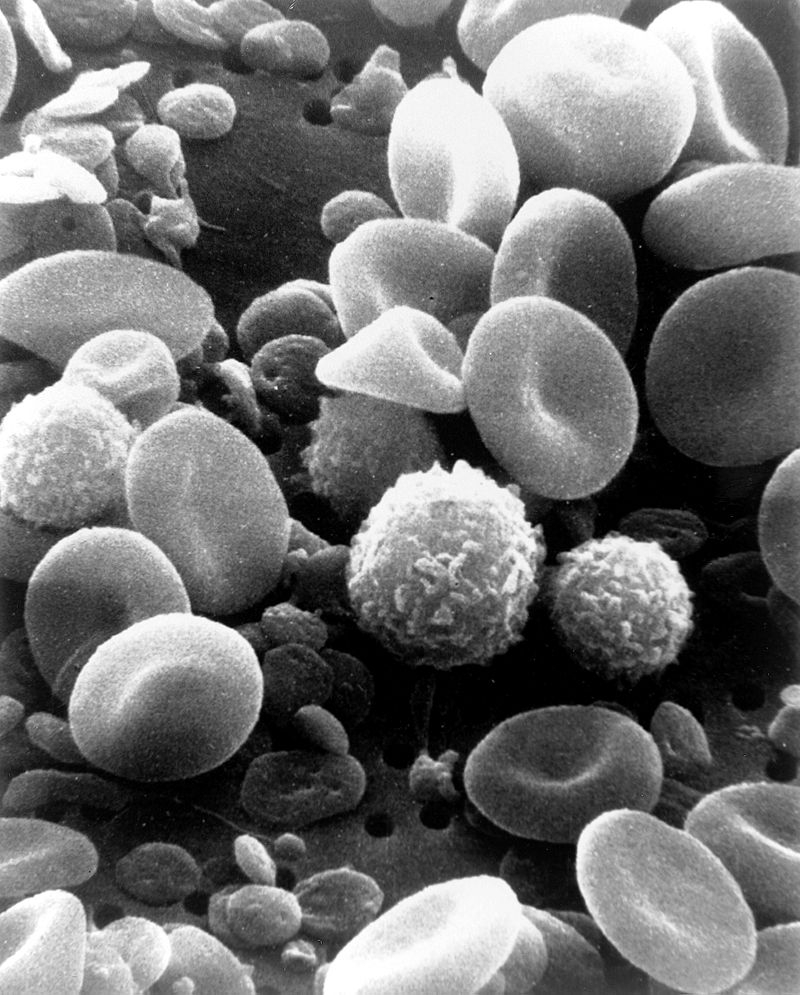
The adaptive immune system consists mainly of white blood cells (also called leukocytes). These are found in the blood and lymphatic systems (see below), as well as in body tissues.
Two main groups of white blood cell work together to protect you from disease. One group contains the lymphocytes, which include T cells (or T lymphocytes), which travel around the bloodstream identifying invaders, and B cells (or B lymphocytes), which make deadly proteins called antibodies that surround and disable the invaders.
The other group is the phagocytes, which swallow up the disabled invaders and destroy them.
T cells
T cells (also called T lymphocytes) divide into two main sub-groups. Helper T cells determine which immune responses the body makes to a particular pathogen. They communicate with other cells. Some instruct B cells to produce more antibodies, while others summon phagocytes to eradicate the pathogens. Killer T cells dispose of cells that have been already infected with pathogens or which are otherwise damaged. Killers are particularly useful for fighting viruses. They work by recognizing small parts of the virus on the outside of infected cells and destroying those cells. Other T cells help to control the body’s immune response, and remember it for future infections.

B cells

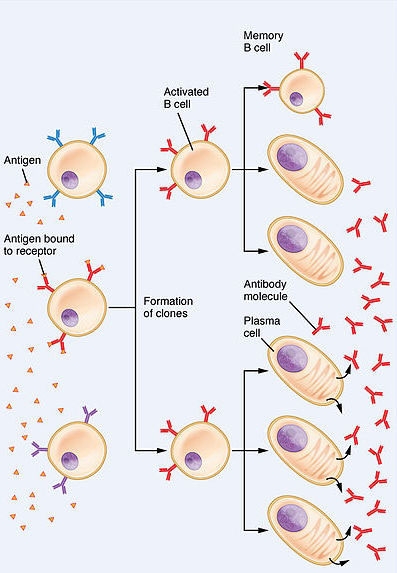
B cells (also called B lymphocytes) recognize molecules on the surface of pathogens called antigens. Any pathogen or substance that can trigger an immune response is an antigen. These may be bacteria, fungi, viruses, toxins and other foreign bodies entering the body. They may also include any of our own cells that are either damaged or dead. Antibodies, special proteins, are produced by the body to combat antigens. Specific types of antibody lock on to specific antigens.
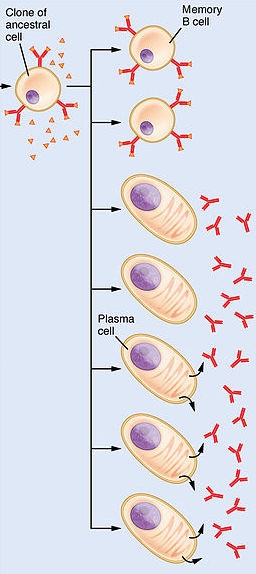
Having identified the target antigens, each B cell then produces the appropriate antibodies, turning themselves into plasma cells (and making multiple copies) for the purpose. For instance, a B cell might make antibodies specifically targeted against the bacteria that cause pneumonia, while another might produce those designed to combat the common cold virus. This can take a few days, during which time you may feel ill.
Antibodies lock on to the antigens, but they do not kill them; they simply mark them for eradication. The killing is the job of other cells, such as killer T cells or phagocytes.
Phagocytes
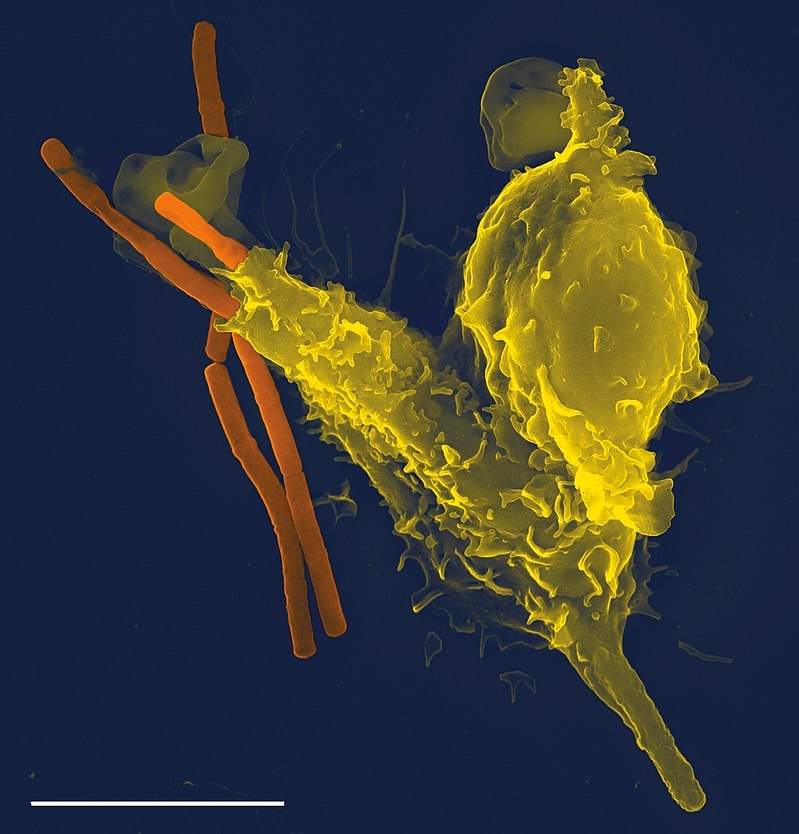
Phagocytes find pathogens in the blood and bind to them. The phagocyte’s membrane (outer covering) then surrounds the pathogen and engulfs it. Enzymes break down the pathogen and destroy it. The process is known as phagocytosis. Because phagocytes do this to all pathogens that they encounter, they are called non-specific.
There are several types of phagocyte, including neutrophils (the most common type and which tend to attack bacteria), monocytes (the largest type and which have several roles), macrophages (which search for pathogens and also remove dead and dying cells) and mast cells (which help to heal wounds and defend against pathogens).
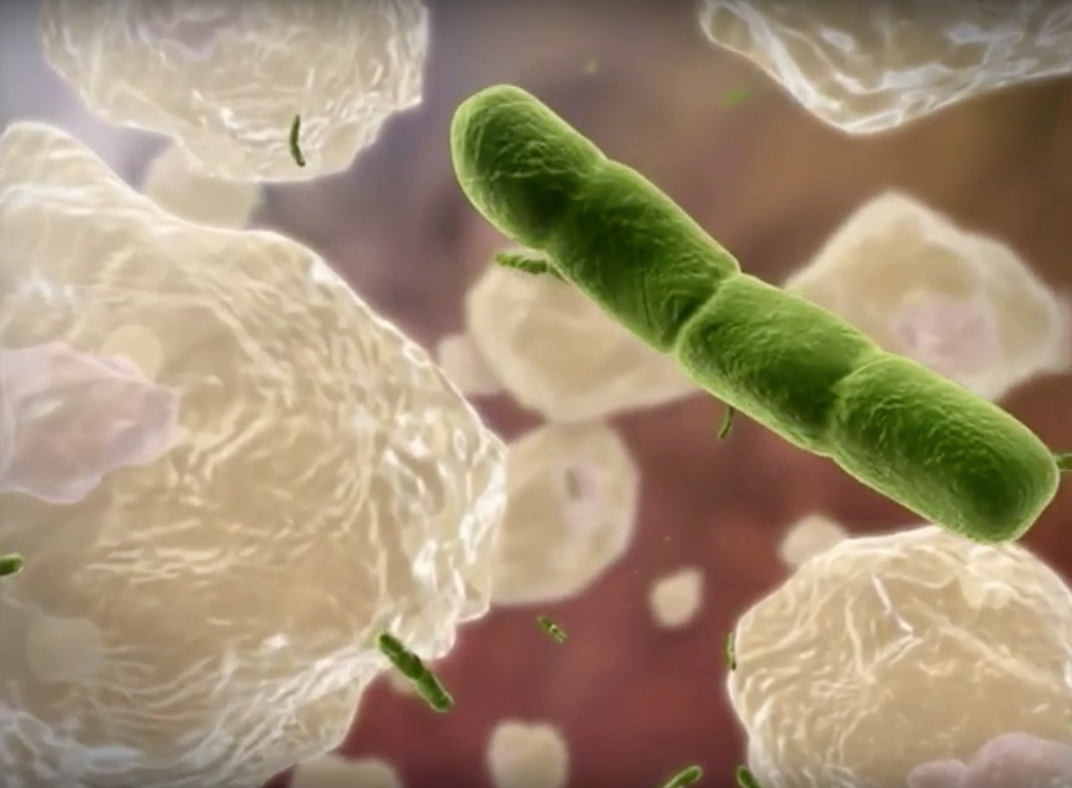

Immunity
Once antibodies have been produced by the B cells, copies, carried by memory cells, remain in the bloodstream so that if the same antigen appears again, it can be dealt with more quickly. This is why some diseases, such as chickenpox, you only get once. The body has a chickenpox antibody stored, ready and waiting to destroy it next time it arrives. This is called immunity.
As we are exposed to more and more diseases, we naturally build up a range of antibodies targeted at different pathogens. This is called immunological memory. In this way, adaptive immunity from pathogens develops as we go through life.
Lymphatic system
The lymphatic system is a vital part the adaptive immune system. It consists of lymph nodes, a network of lymphatic vessels, bone marrow, the spleen and the thymus. Lymph nodes are small, bean-shaped bodies that store the lymphocytes. They also contain lymph, a clear fluid which carries the lymphocytes to different parts of the body via the lymphatic vessels (which drain into the blood system). When the body is fighting infection, lymph nodes can become enlarged.
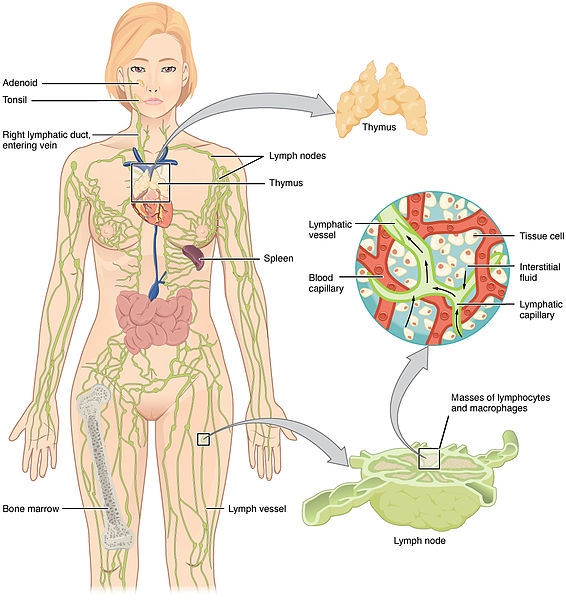
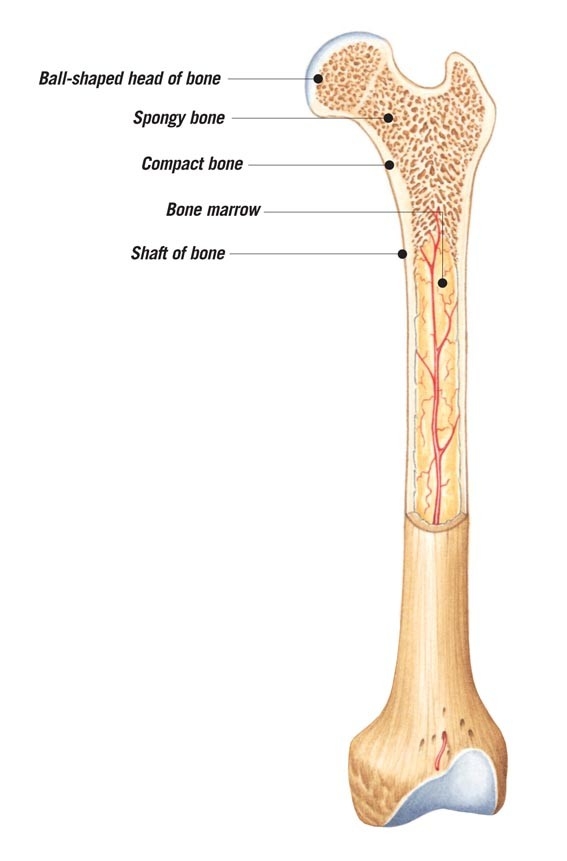
Bone marrow makes white blood cells. This spongy tissue is found at the centre of some of your bones, for example, the hip and thigh bones. This tissue contains immature cells known as stem cells. These are able to evolve into any kind of cell the body needs. Of the lymphocytes that are produced in the bone marrow, some develop into B cells while others transfer to the thymus where they develop into T cells.
The spleen, which is positioned on your left side, under your ribs, produces and stores lymphocytes. The spleen also helps control the amount of blood in the body and gets rid of old or damaged red blood cells.
Immunization
Immunization is the process of making our immune systems protective against diseases caused by pathogens. It is usually done through vaccination. Vaccines contain antigens such as weakened or dead pathogens, or parts of them. These are introduced to a person in such a way that he or she does not become sick, but still produces antibodies. Through the body's natural immune response, white blood cells are triggered to produce antibodies to fight the antigens or pathogens. Because the body saves copies of these antibodies, it is protected should the threat of infection reappear later.

Consultant: Kristina Routh
pics

Without in any way limiting Q-files Ltd’s exclusive rights under copyright, any use of this publication to “train” generative artificial intelligence (AI) technologies to generate text is expressly prohibited. Q-files Ltd reserves all rights to license use of this work for generative AI training and development of machine learning language models.