Dinosaur species
Microraptor
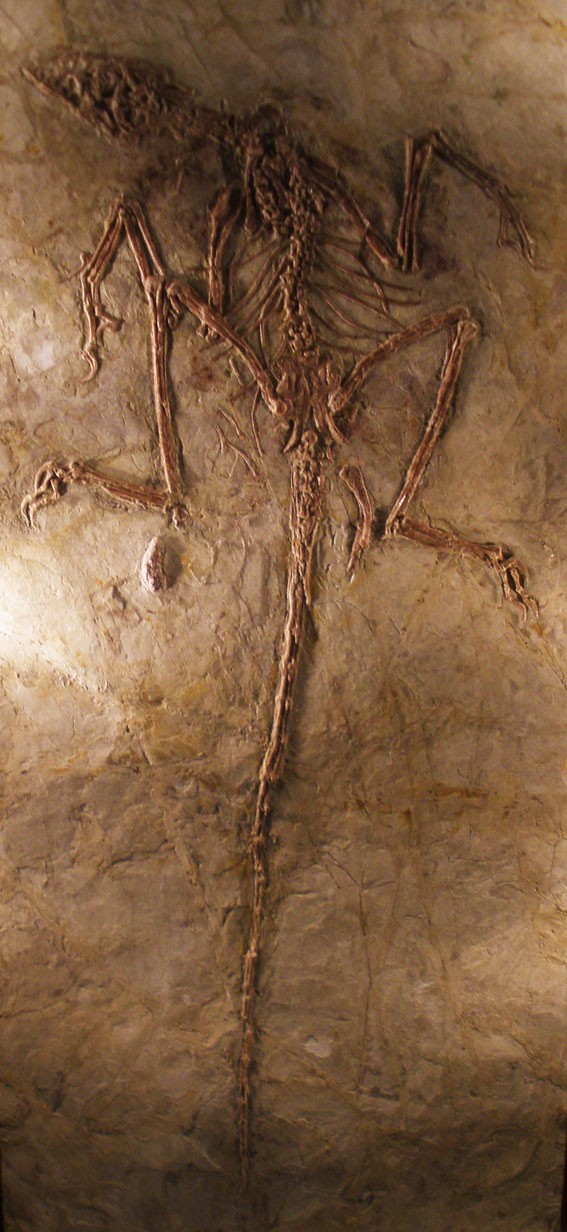
Microraptor was a tiny, feathered theropod that lived in Asia in the Early Cretaceous Period (125–120 million years ago). Its fossils were discovered in Liaoning province, China. Microraptor may have been light enough to glide—or possibly even fly—short distances. A member of the maniraptor group, Microraptor was a close relative of other bird-like dinosaurs like Archaeopteryx. Its fossil remains provide important evidence about how birds evolved from dinosaurs.


Four-winged dinosaur
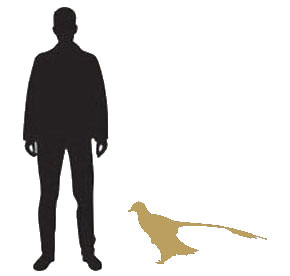
Just 80 centimetres (31 inches) long and 1 kilogram (2.2 pounds) in weight, Microraptor is among the very smallest of dinosaurs ever discovered. It had a thick covering of feathers, with a long tail. There were long feathers on both its arms and—unusually—its legs as well. The Chinese palaeontologist Xu Xing, who discovered it in 2003, described Microraptor as a "four-winged dinosaur". The wings anchored to its feet might actually have hindered its ability to run on the ground. Microraptor could not raise its front wings high enough to take off from the ground, so it probably launched itself from a perch, swooping downwards in the way that many modern birds do.
Colour
In 2012 a team of scientists discovered the colour of Microraptor's plumage. Studying the fossilized pigment cells using an electron microscope, the researchers compared them to those of modern birds. They found that Microraptor had the same glossy black, iridescent plumage that modern crows have. Iridescence is where something appears to change colour as the angle of view or the angle of illumination changes. So Microraptor's feathers, like a crow's, will have looked black from one angle, blue from another.

Consultant: Chris Jarvis
Facts about Microraptor
Pronunciation: MY-croh-RAP-tor
Size: 80 cm (31 inches) long; wingspan 1 m (3.3 ft)
Where and when: Woodlands and wetlands in what is now China 125–120 million years ago (Early Cretaceous)
Diet: Meat, fish
Prey: Small mammals and birds living in trees or on the ground; fish
Features: Long feathers on its arms, tail and legs; probably capable of both gliding and flight, using all four wings for lift; feathers for heat insulation; iridescent black plumage for display; long tail with two feathers, probably also for display; sharp teeth to grab prey
Relatives: Deinonychus (North America); Archaeopteryx (Europe); Sinovenator, Troodon (Asia)