
Human body
Why do we breathe faster when we run?
When you are doing increased physical activity, such as cycling, running or climbing, your breathing becomes faster. As well as bringing oxygen into the body more quickly, this speeds up the process of getting rid of carbon dioxide. Your brain sends out instructions to your body to increase the rate of respiration. This causes the excess carbon dioxide to be more quickly removed from the blood through the lungs. Once normal levels are reached, your breathing returns to normal.

Respiration
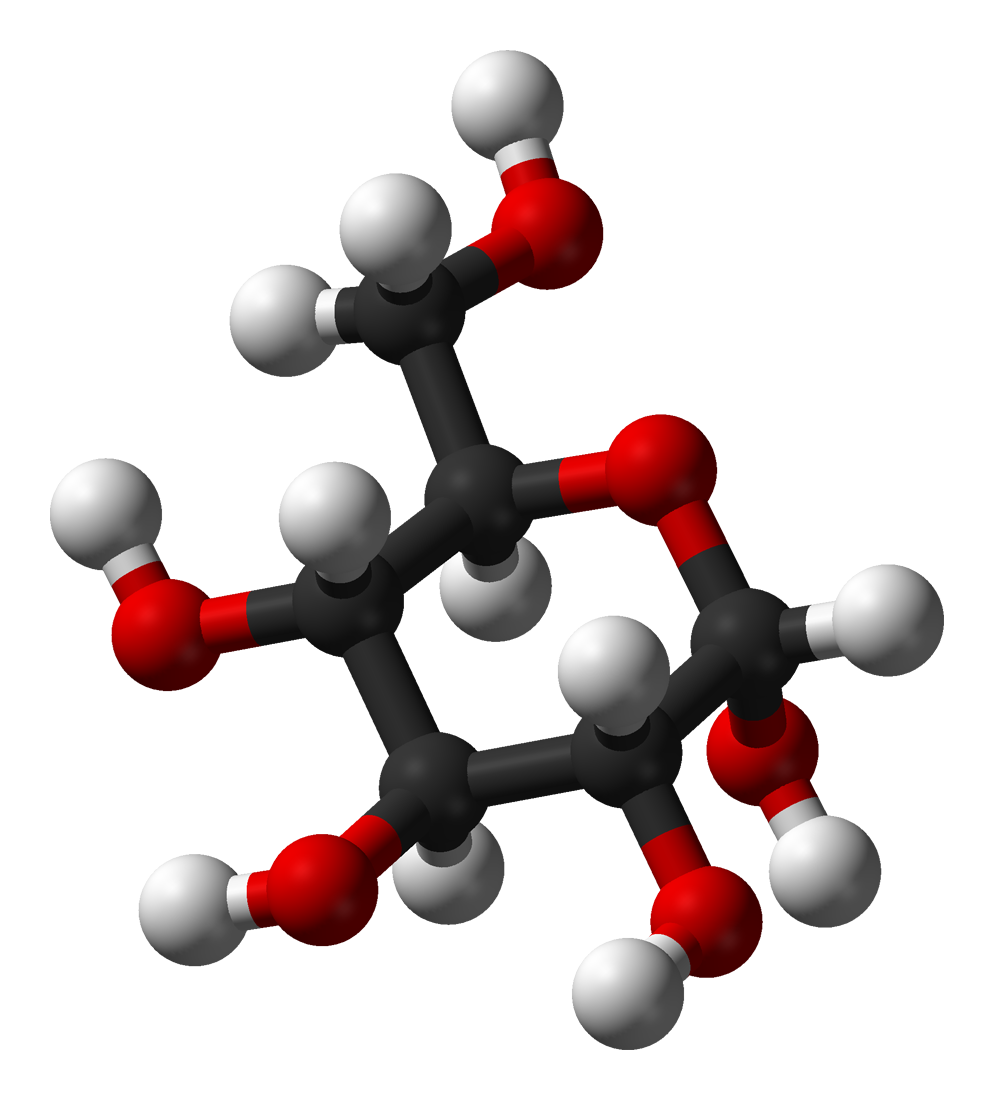
Respiration is not the same as breathing (which is the mechanical action of getting air in and out of the lungs and is more correctly called ventilation). Respiration is the name for the chemical process that goes on all the time in your body cells to keep you functioning. During respiration, energy is released from glucose, a type of carbohydrate obtained through the digestion of food. The blood delivers oxygen and glucose to the cells. The cells use this fuel to produce energy in what is known as aerobic respiration. The waste products, carbon dioxide and water, are taken away by the blood.
During exercise, the muscle cells respire more than they do when they are at rest—they need to produce more energy. This means that oxygen and glucose must be delivered to the muscle cells more quickly, while waste carbon dioxide must also be removed faster. Your body achieves this by increasing both the breathing rate (which speeds up the intake of oxygen and expulsion of carbon dioxide) and the heart rate, so that your blood pumps through your muscles more quickly.

Lactic acid
If you exercise very hard, the oxygen supply may still not be enough for the needs of your muscle cells. When this happens, a different chemical reaction, called anaerobic respiration, starts to take place as well. This form of respiration doesn’t need oxygen. It releases energy from glucose, but the amount is much lower and lactic acid is produced. You can feel the build-up of lactic acid in your muscles as a burning sensation.

Lactic causes muscle fatigue and pain. After exercising you then need to take in more oxygen to break this lactic acid down. This is called “excess post-exercise oxygen consumption” (EPOC). Panting after exercise provides the oxygen that is needed for this, while the increased heart rate ensures the lactic acid is carried away by your blood as quickly as possible to the liver, where it is broken down. The fitter you are, the quicker your heart rate will return to normal after exercise.
Consultant: Kristina Routh
Other Q-&-As to explore:
For a full list of all our Q&As, please click here.
If you have a question that you would like to see answered on Q-files, please send us an email to info@Q-files.com or use the contact us page.