
Famous inventors
Samuel Morse
Early telegraph systems, means of sending messages along wires as pulses of electricity, needed several connecting wires, but the system that eventually became standard, developed in the US by American portrait painter Samuel Morse (1791–1872) in 1837, needed just one wire. Morse devoted himself to painting in the early part of his career, but in 1825, personal tragedy caused him to explore communications technology. While away from home, he had been informed by letter that his wife was unwell, but she had already died by the time he returned.
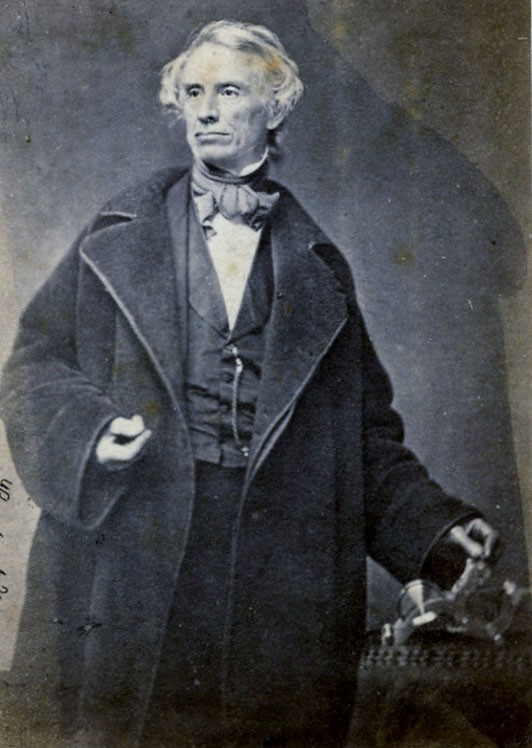
Electric telegraph line
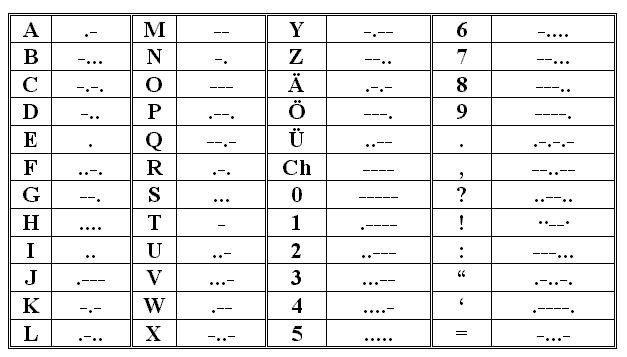
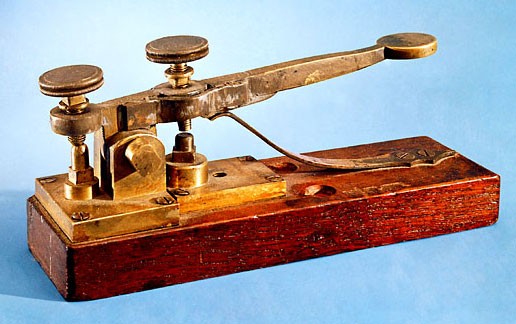
Drawing on the work of American physicist Joseph Henry (1797–1878), Morse and American inventor Alfred Vail (1807–59) developed a single-wire telegraph, starting in 1836. This system transmitted pulses of electricity along wires which controlled an electromagnet at the receiving end. They devised a code, called Morse Code, to send messages along it. It was based on the pulses and the silences between them. The first public demonstration of their electric telegraph took place in New Jersey in January 1838.

Another electrical telegraph was being developed in England at around the same time (1837) by William Cooke and Charles Wheatstone for the Great Western Railway. Their system used pointing needles instead of coded signals to send messages, but it was Morse's system that became the more popular of the two versions.
The first electric telegraph line was officially opened between Washington, D.C. and Baltimore in 1844 when Morse sent the words, "What hath God wrought". A network of telegraph lines, including undersea cables across the Atlantic, was quickly established all around the world.
Consultant: Dave Hawksett