
Asia
Palestine
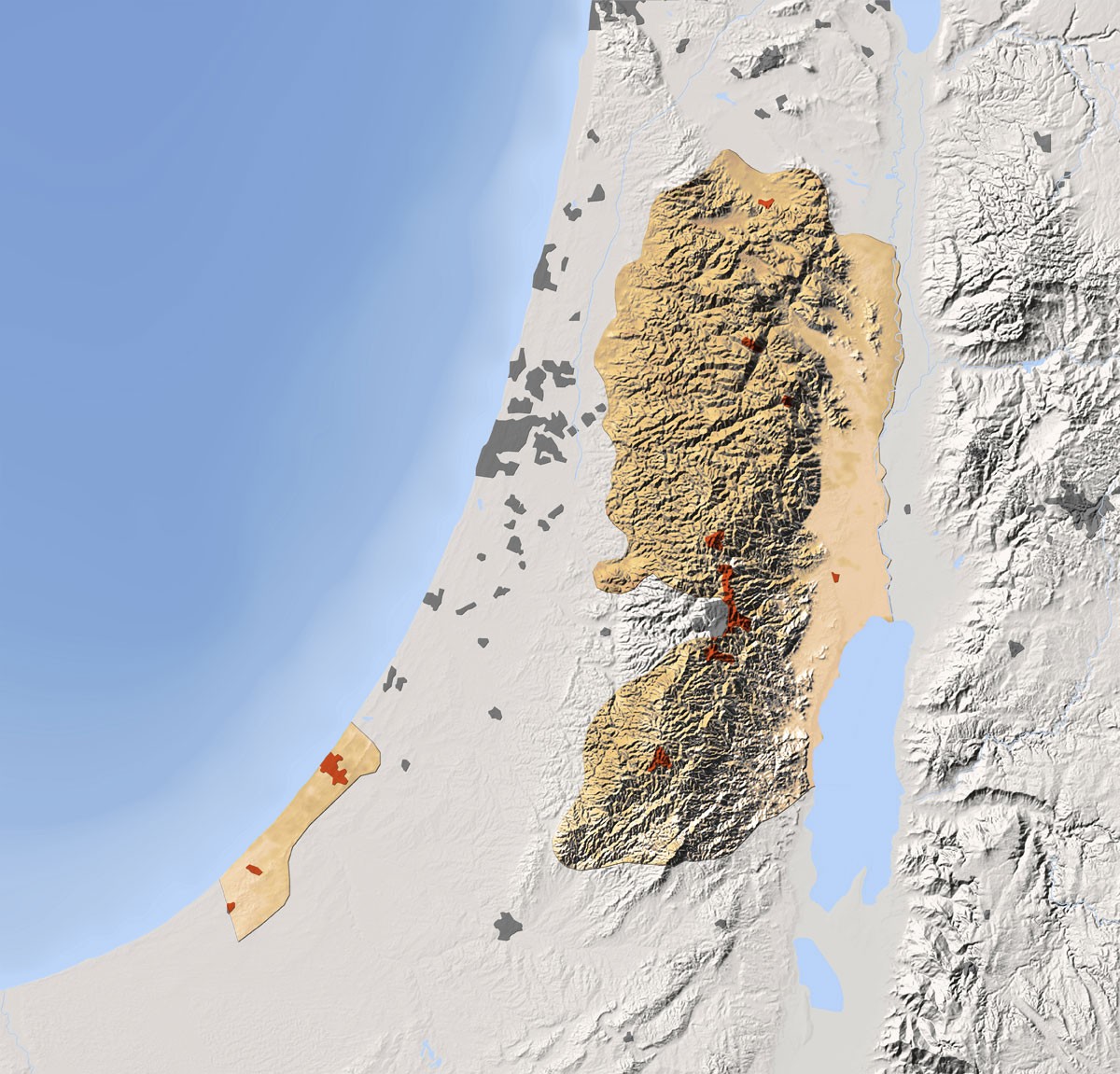
The State of Palestine (Palestinian Territories) is made up of two, geographically separate parts: the West Bank and the Gaza Strip. The West Bank lies between Israel and the River Jordan. Much of the region is mountainous; in the east the land slopes down to arid lowlands and the shores of the Dead Sea. The Gaza Strip, a much smaller area, lies on the Mediterranean coastal plain. Both regions have a Mediterranean climate with hot summers, mild winters and little rainfall. Although the State of Palestine is recognized by a large number of countries in the world, it does not have control over the territories it claims as its own. Israel has occupied both the Gaza Strip and West Bank since 1967, when war forced thousands of people to flee their homes. Today, Palestine is a nation damaged by decades of conflict.
Updated 10th December 2025
Palestinian refugees
After wars with Israel in 1948–49 and 1967, around 700,000 Palestinians were forced to leave their homes and jobs to look for a safer place to live. (Today, more than 2 million Palestinians live in Israel.) Gaza Strip and the West Bank are home to more than 5 million Palestinians, although only 2.2 million of them are registered refugees. There are also Palestinian refugees in Jordan (2.2 million), Syria (570,000) and Lebanon (458,000), many living in refugee camps set up by the United Nations.
People
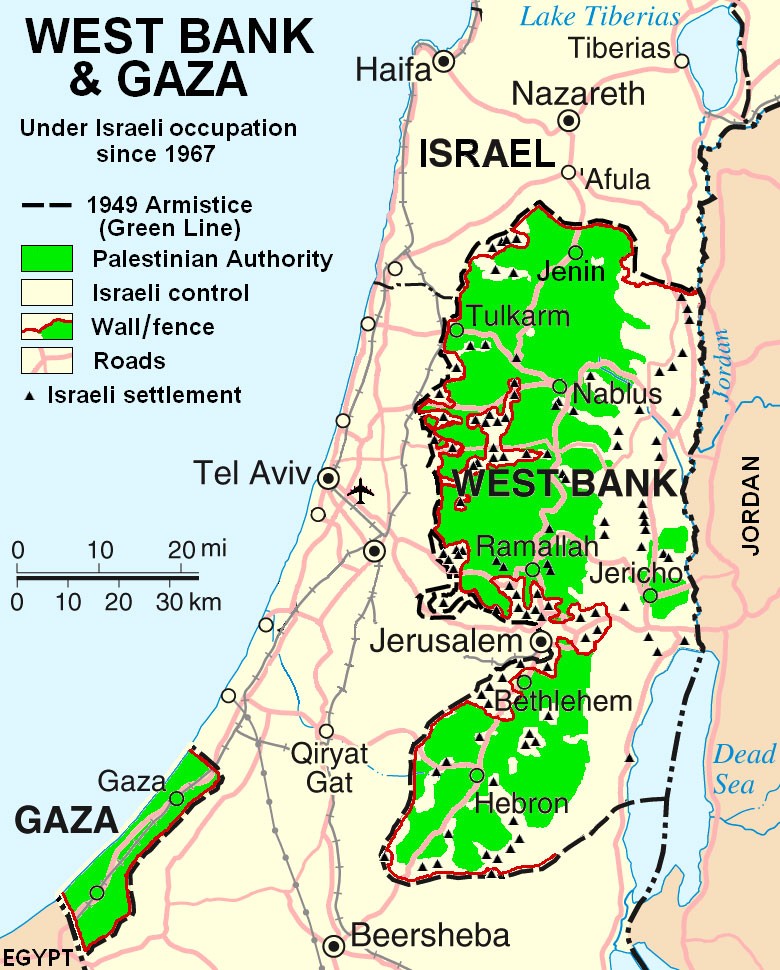
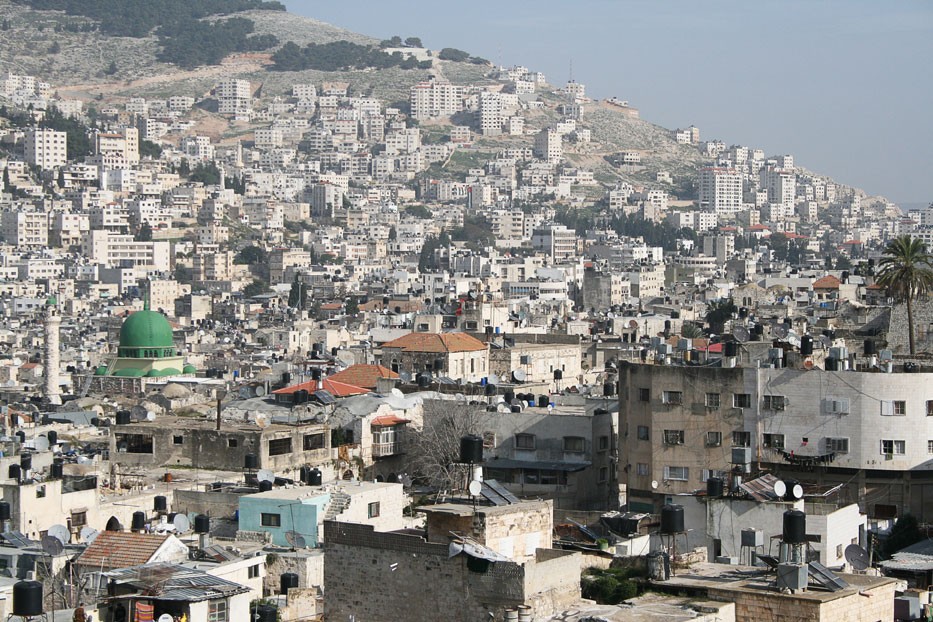
The West Bank is mainly home to Arabs, the descendants of the region’s inhabitants over the centuries. Most are Muslims. Around 400,000 Jewish settlers from Israel also live in the West Bank: for many years Israel has been building settlements in the West Bank on land it claims as its own. Israel has full control of more than 60% of the West Bank's area. Nearly all the West Bank’s cities and towns are in the mountains, where the temperatures are cooler.
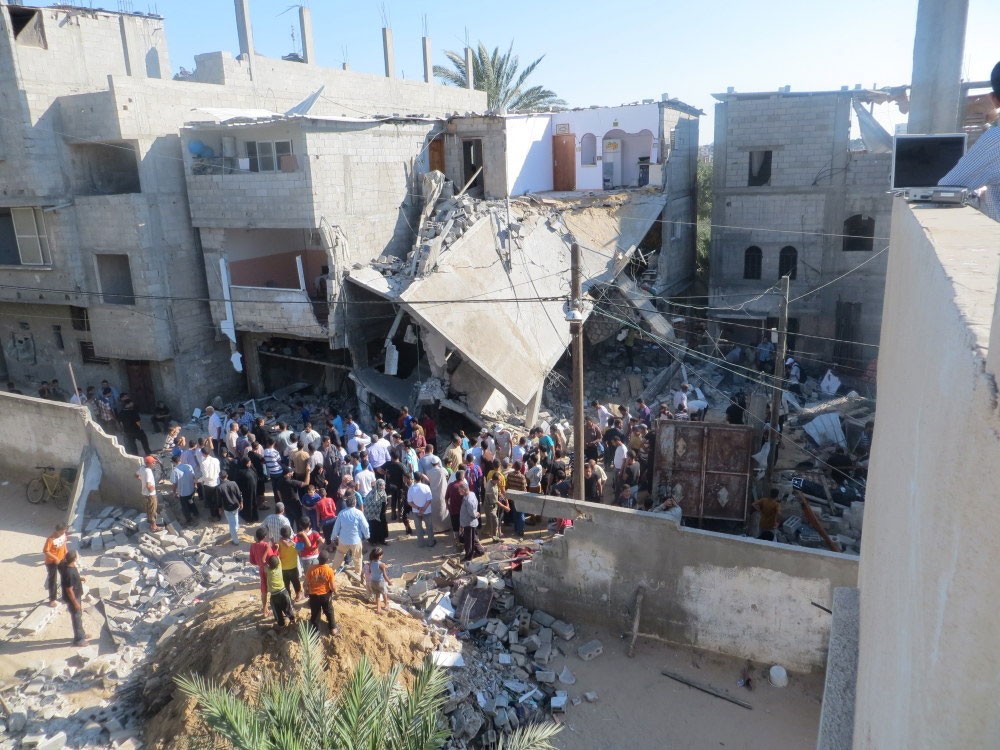
Since 1994, the Gaza Strip has been a self-governing territory. It is often known simply as "Gaza". The population is almost entirely Arab. Home to more than 2 million Palestinians, of whom 1.4 are officially refugees, it is one of the most densely populated places in the world.
West Bank barrier
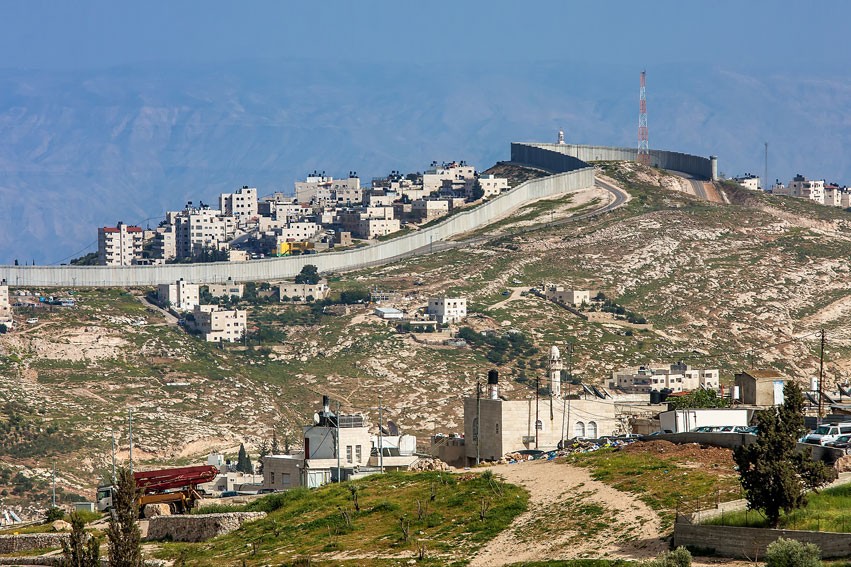
The Israeli government is building a barrier in the West Bank to mark the boundary between what it considers to be its own land and Palestinian land. In a number of places the barrier follows the border (called the "Green Line") agreed in 1949 between Israel and Jordan—then in control of the West Bank. In others, it crosses into the West Bank itself to include several areas of Israeli settlements. Most of the barrier consists of several parallel fences; in some places, it is a high wall. On completion the barrier will be about 700 kilometres (430 miles) long.

Economy
Palestine’s economy has been almost completely destroyed by decades of war. In Gaza, many people in towns and cities work in small family businesses producing textiles, soap and souvenirs. In the West Bank, many people work in the stone and marble industry, quarrying stone and working in stone-cutting factories. As well as growing food for their families, farmers in both regions grow crops such as olives, lemons and flowers for export to Israel and Egypt, and raise cattle for their meat and milk.

Life in Gaza
Life for the inhabitants of the Gaza Strip is often difficult. Most families are poor and during wartime it is dangerous for children to go to school. Israel controls nearly all of Gaza’s border, restricting supplies being brought in and out. As a result, many businesses find it hard to sell their goods abroad, or are unable to buy what they need. Around a quarter of people living in Palestinian territories are unemployed.
Israel–Hamas war
Life in Gaza took a catastrophic turn for the worse in 2023. On 7th October, Hamas fighters invaded southwest Israel, targeting Israeli communities and military bases, killing at least 1300 people and taking at least 236 hostages. On 9th October, Israel declared war on Hamas and imposed a "total blockade" of the Gaza Strip. Heavy bombardment by Israeli airstrikes caused many deaths among Gaza's Palestinian population and enormous damage to its infrastructure—buildings, roads, electricity supply, and so on. You can read more about the Israel–Hamas War here.

As of 19th November 2025, according to the Gaza Health Ministry, at least 70,000 Palestinians, including over 18,500 children, had been killed. Thousands of more dead bodies are thought to be under the rubble of destroyed buildings. More than 85% of Palestinians in Gaza, or around 1.9 million people, were internally displaced. Israel's offensive had either damaged or destroyed 80% of all buildings in Gaza. On 10th October 2025, following agreement to a US-brokered peace plan, a ceasefire between Israel and Hamas came into effect. But, amid the devastation, the surviving Palestinian population faces both famine and a healthcare collapse.
Consultant: Nicholas Harris
Facts about Palestine
GAZA STRIP
Population 2,170,000
Area 360 sq km (223 sq miles)
Highest point Abu 'Awdah (Joz Abu 'Awdah) 105 m (344 ft)
Capital (East) Jerusalem (population 428,304)
Major cities Gaza (410,000), Rafah (126,305)
Languages Arabic (official language), Hebrew
Religions Muslim 98%, Christian, Jewish and other 2%
Ethnicity More than 99% Palestinian Arab
Currency New Israeli Shekel (ILS)
Chief exports Strawberries, flowers, vegetables
WEST BANK
Population 3,200,000
Area 5860 sq km (3640 sq miles)
Highest point Tall Asur 1022 m (3352 ft)
Capital (East) Jerusalem (population 428,304)
Other major cities Hebron (160,470), Nablus (130,326)
Languages Arabic (official language), Hebrew
Religions Muslim 83–85%, Jewish 12–14%, Christian 1–3%
Ethnicity Palestinian Arab 83%, Jewish 17%
Currency New Israeli Shekel (ILS)
Chief exports Stone, olives, fruit and vegetables

History of Palestine
1250 BC
A people called the Israelites settle on the eastern Mediterranean coast, calling their land Canaan.
1020–930 BC
The Israelite tribes of the region are united as the Kingdom of Israel.
930 BC
Two of the tribes refuse to accept a new king and the kingdom splits into two: Israel, in the north, and Judah, in the south.
720 BC
The Kingdom of Israel is conquered by the Assyrians; Judah remains independent.
586 BC
Judah, also known as Judea, is conquered by the Babylonians and its people, the Jews, are driven into exile.
333 BC
The whole region is conquered by Alexander the Great and becomes part of the Greek Empire.
63 BC
The south of the region, including Judea, becomes part of the Roman Empire.
AD 132
Roman Emperor Hadrian unites southern and northern provinces in the region, naming it Syria Palaestina.
638
The Islamic Empire conquers Palestine.
1099–1187
Palestine and the neighbouring region are ruled by the Crusaders, a European Christian army.
1516
The Ottoman Empire takes control of Palestine.
1832–40
Egypt conquers Palestine but Britain intervenes and returns the land to the Ottomans.
19th and early 20th century
Thousands of Jewish immigrants, mainly from Eastern Europe, begin to arrive in Palestine. The World Zionist Organization set up to create a home for Jewish people in Palestine.
1917
The Balfour Declaration: Britain promises to help Zionists to create a Jewish state in Palestine. As World War I ends, Britain takes control of Palestine.
1923
The British Mandate of Palestine comes into force.
1920s–30s
Hundreds of thousands of Jews arrive in Palestine. Conflicts break out between Jewish and Arab communities.
1947
The United Nations proposes that the land be divided up into an Arab state, a Jewish state and the City of Jerusalem. The Palestinians and neighbouring Arab states oppose it. Civil war between Palestinian and Jewish communities breaks out on 30th November 1947. More than 700,000 Palestinians are forced to flee their homes and escape as refugees to Lebanon, Jordan, Syria, Gaza (controlled by Egypt), West Bank (controlled by Jordan) and other countries. This is called the Palestinian Exodus or Nakba ("Catastrophe").
1948
The British leave Palestine. Jews declare the independent State of Israel on 14th May. Bitterly opposed to the new state, Egypt, Lebanon, Syria, Jordan and Iraq immediately invade. The civil war still raging between Palestinians and Jews escalates into what is to become known as the Arab-Israeli War.
1964
Arab governments vote to set up a Palestinian organization called the Palestine Liberation Organization (PLO).
1967
The Six Day War: Israel makes large territorial gains as it defeats the combined forces of Egypt, Jordan and Syria. Israel occupies Gaza and the West Bank.
1969
Yasser Arafat becomes chairman of the PLO.
1974
The state of Palestine is granted “observer status” at the United Nations.
1987–91
The First Intifada: the first Palestinian uprising—a sustained series of protests and violent riots against the Israeli occupation of the Palestinian territories—takes place in the Gaza Strip and the West Bank.
1988
Palestine’s government votes to accept the two-state solution suggested by the UN in 1947. The Palestinian Declaration of Independence, formally establishing the State of Palestine, is proclaimed by Yasser Arafat on 15th November in Algiers, Algeria.
1993
At peace talks in Oslo, Palestinians agree to recognize Israel if Israel stops occupying Palestinian territories.
1993–97
Israel withdraws its forces from the occupied Palestinian territories of the Gaza Strip and West Bank.
1994
Israel grants Gaza the right to govern itself through the PLO.
2000
Peace talks fail to solve conflicts between Israel and Palestine. Israel re-occupies the West Bank, prompting another Palestinian uprising in the Gaza Strip and the West Bank against the Israeli occupation of the Palestinian Territories, known as the Second Intifada. It continues into the mid-2000s
2002
As a result of the significant increase in attacks on Israel during the first years of the Second Intifada, Israel begins the construction of the West Bank barrier along the Green Line border.
2005
The Israeli disengagement from Gaza: Israeli settlements in the Gaza Strip are dismantled and Israeli settlers evacuated.
2007
A Palestinian group called Hamas takes control of the Gaza Strip, while another Palestinian group, Fatah, controls the West Bank.
2008
Israel sends soldiers into Gaza; 1300 people are killed in the resulting conflict.
2012
Eight-day conflict between Israel and Palestinians of the Gaza Strip
2014
Over 2200 people, many of them Palestinian civilians, are killed in 50 days of violence between Israel and Palestine. A ceasefire is agreed between Israel and Hamas on 26th August.
2015–16
An increase of violence in the Israeli–Palestinian conflict, known as the Intifada of the Individuals, Jerusalem Intifada or "Habba"
2017
US recognizes Jerusalem as capital of Israel and announces that it plans to move its embassy there from Tel Aviv, stirring outrage from Palestinians.
2018
Palestinian protests take place in Gaza Strip along the border with Israel.
2021
Israeli police raid al-Aqsa Mosque in Jerusalem, one of the holiest sites in Islam. Hamas fire rockets towards the city, prompting Israel to retaliate with airstrikes.
2022
Israel launches “Break the Wave” military operation in the West Bank, leading to the killing of 146 Palestinians.
2023
(February) Hundreds of Israeli settlers run riot in Huwara and other Palestinian villages in the West Bank following weeks of tension between the two communities. The incident is sparked by the shooting of two Israeli settlers by a Palestinian gunman. A number of Palestinians are attacked (one killed and hundreds injured) and many homes set ablaze. Israeli soldiers nearby do not intervene.
2023
(May) Israel launches surprise airstrikes across the Gaza Strip; (July) Israeli forces raid the West Bank city of Jenin. Hundreds of Israeli settlers rampage through Palestinian villages attacking residents and their homes.
2023
(7th October) Palestinian militant groups led by Hamas launch a large-scale offensive against Israel from the Gaza Strip, firing at least 3000 rockets into Israeli territory, invading nearby settlements and military bases in Israel, murdering more than 1000 Israeli civilians and taking more than 200 hostages. Justifying what they call Operation al-Aqsa Storm, Hamas cites raids on Jenin and the al-Aqsa mosque and attacks by Jewish settlers in the West Bank. Israel responds by formally declaring war and launching devastating airstrikes against Gaza. Many hundreds of people on both sides lose their lives in the fighting.
2025
(19th January) Ceasefire comes into effect, ending hostilities in the Israeli-Hamas War which has raged in the Gaza Strip since 7th October 2023. Since the war began, tens of thousands of Palestinians in Gaza have been killed, most of them women and children. Israel's blockade cut off basic necessities, causing a severe hunger crisis, while their military offensive has made large parts of the Gaza Strip uninhabitable. Almost the entire Palestinian population has been forcibly displaced.
2025
(February) Israel sends tanks to the West Bank city of Jenin, as troops intensify operations in the territory
2025
(March) Israel launches a surprise missile and artillery attack on the Gaza Strip, effectively ending the ceasefire. The attack results in hundreds of deaths of Palestinian civilians, mostly woman and children. Israel also prevents all food and medicine from entering Gaza and cuts off its water supply.
2025
(September) Israel begins a ground military offensive, aimed at seizing control of Gaza City from Hamas.
2025
(October) A 20-point peace plan, proposed by US President Donald Trump to end the Israel–Hamas war is agreed. The plan includes the release of all hostages, an end to fighting, the withdrawal of Israeli troops, the disarmament of Hamas and the establishment of a temporary transitional government in Gaza.