
Environment
Drought
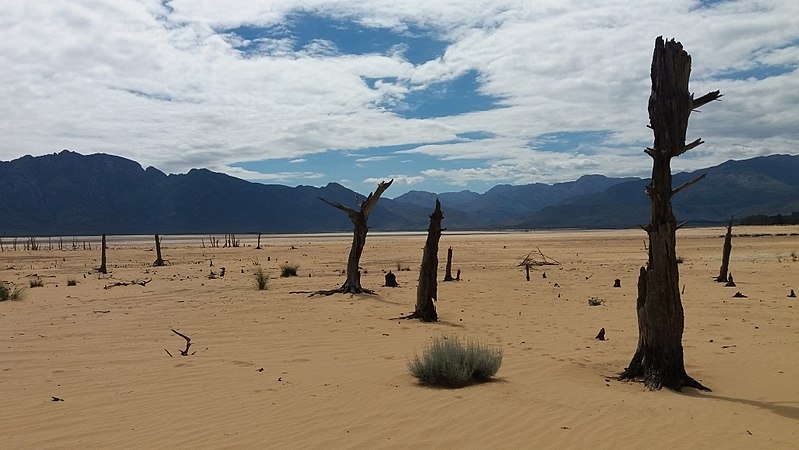
Drought is the absence of water for a long period of time in a region where it is not considered to be normal compared to usual conditions. When an area with an arid or semi-arid climate goes without rain for a lengthy period of time, this is not necessarily as a drought, because such conditions are expected. But when a region that has high average annual rainfall goes for a period of weeks or months without rain, it is said to be suffering a drought. Drought is usually caused by below-average precipitation (rain or snow), resulting in prolonged shortages in the supply of water. A drought may last for months or years. Not seen as natural disasters like earthquakes, hurricanes or flooding, which may cause sudden devastation, droughts can be just as catastrophic in the long term.
Types of drought
There are three kinds of drought. Meteorological drought occurs when there is a prolonged period of less than average precipitation. Hydrological drought occurs when the reduced precipitation starts to affect the water supply: rivers, lakes, reservoirs and groundwater. The onset of hydrological drought tends to happen slowly, as stored water becomes used up but is not replenished.
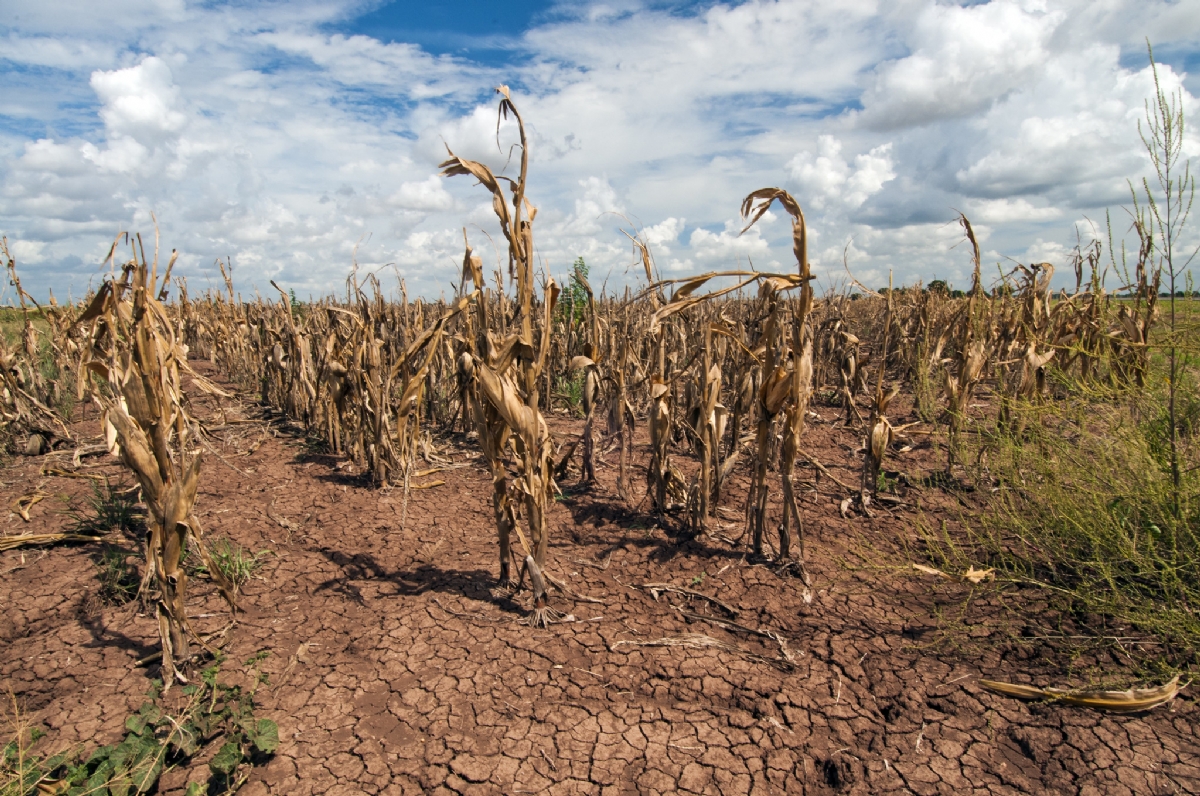
The third type is agricultural drought, which occurs when the first two types of drought start to affect the production of crops (including the reservoir levels required for irrigation) or the supply of water for livestock.
Natural causes
The root cause of drought is lower-than-normal precipitation. Droughts most commonly occur in—and have the most devastating consequences for—tropical and subtropical areas. Here the arrival of the annual wet season, brought by a shifting band of warm, moist air encircling the Earth and known as the the intertropical convergence zone, or ITCZ (pronounced “itch”), is unpredictable, because the position of the ITCZ varies from year to year. Abnormally long dry seasons significantly increase the chances of a drought developing, with waterholes and seasonal rivers often drying up completely.
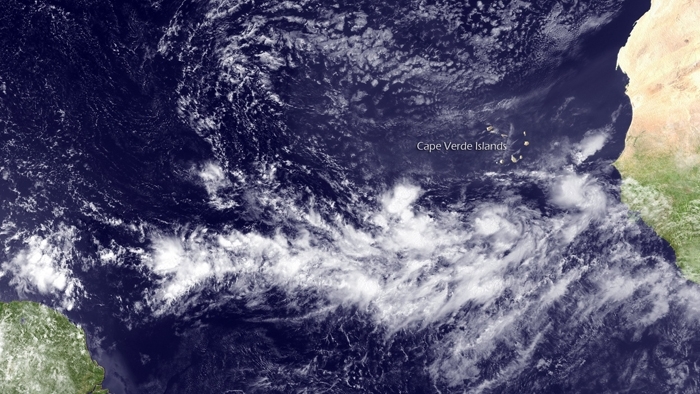
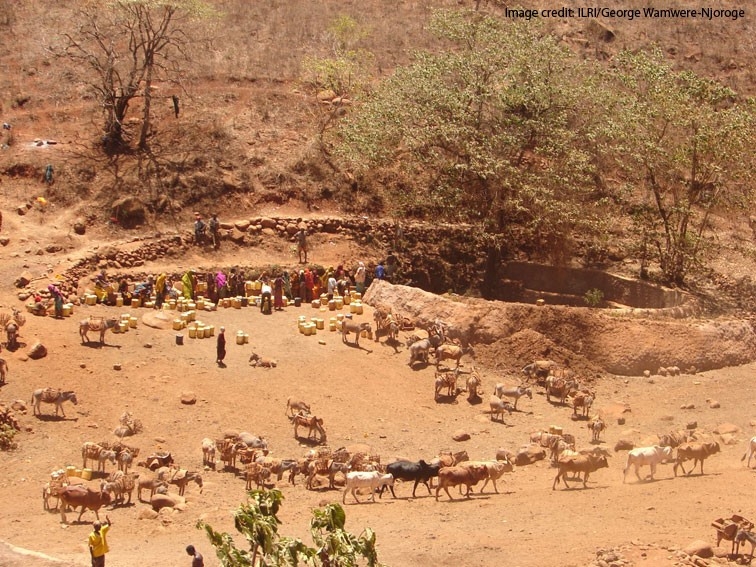
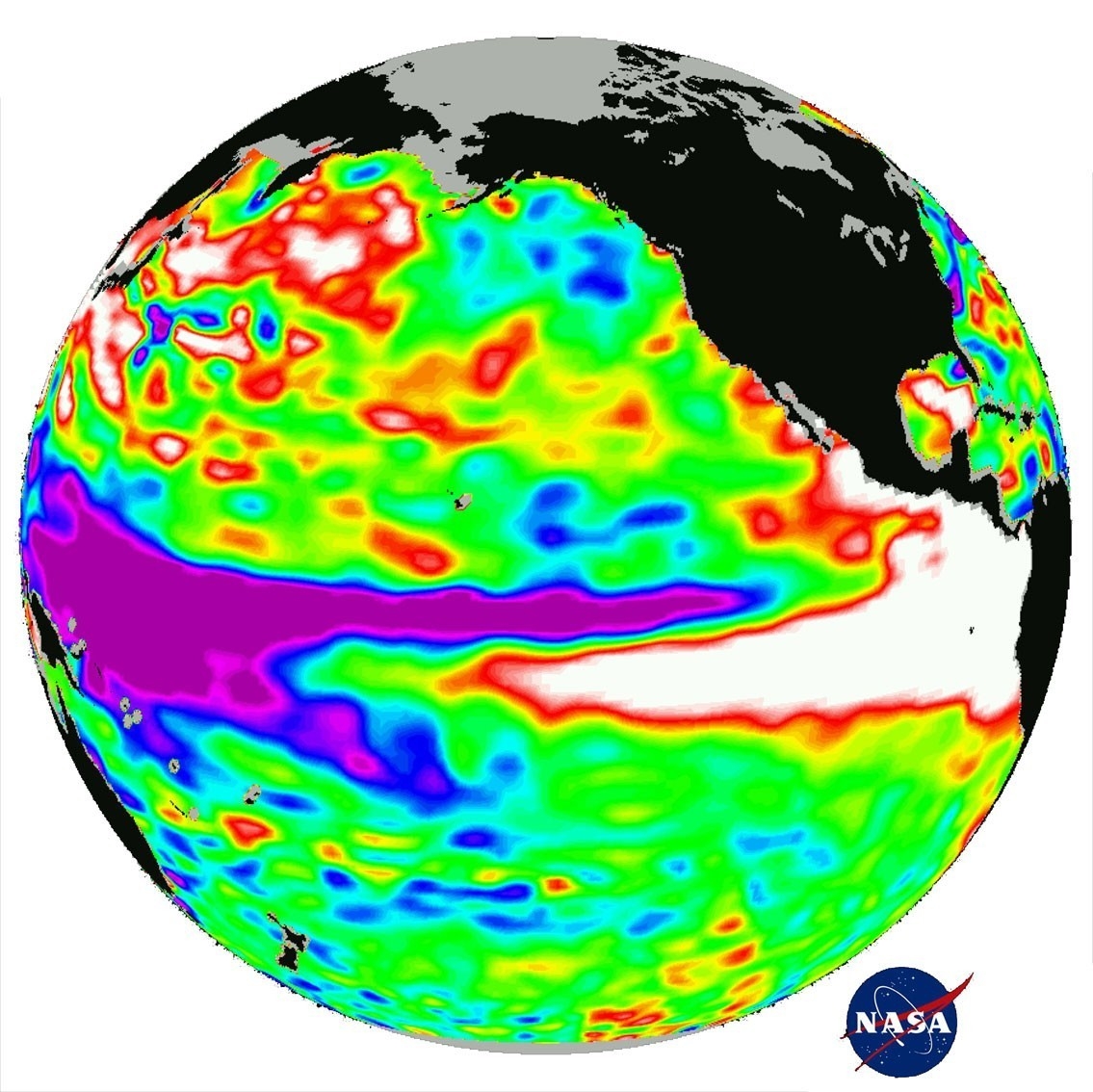
Another natural event, El Niño, has a major influence over climate in tropical and subtropical regions, causing both droughts and floods. Every 3–5 years, the normal pattern of ocean currents in the Pacific Ocean is reversed, causing warm currents to flow east towards the South American coast. As the surface temperature of the ocean here increases, weather patterns across the world are disrupted. The result is drought conditions in Southeast Asia, Australia and Africa.
Often, but not always, an El Niño is followed by what is known as a La Niña, which brings cooler-than-normal waters to the South American coast. In most areas, rainfall increases but drought also occurs, depending on the season. Drought-prone areas include the southwestern United States and the coastal regions of Peru and Chile in South America.
Human causes
Human activities can make droughts worse. Allowing livestock to graze in areas of sparse vegetation or using too much water for irrigation, may mean that conditions for people living in areas already stricken by drought, can go from bad—but survivable—to catastrophic. Rivers and lakes may dry out if the flow from upstream is affected in some way, for example, by being diverted for irrigation projects (as has happened in the Great Salt Lake in Utah, USA, the Aral Sea and Lake Balkhash in Central Asia). Hydro-electric dams can also reduce the flow to areas downstream.
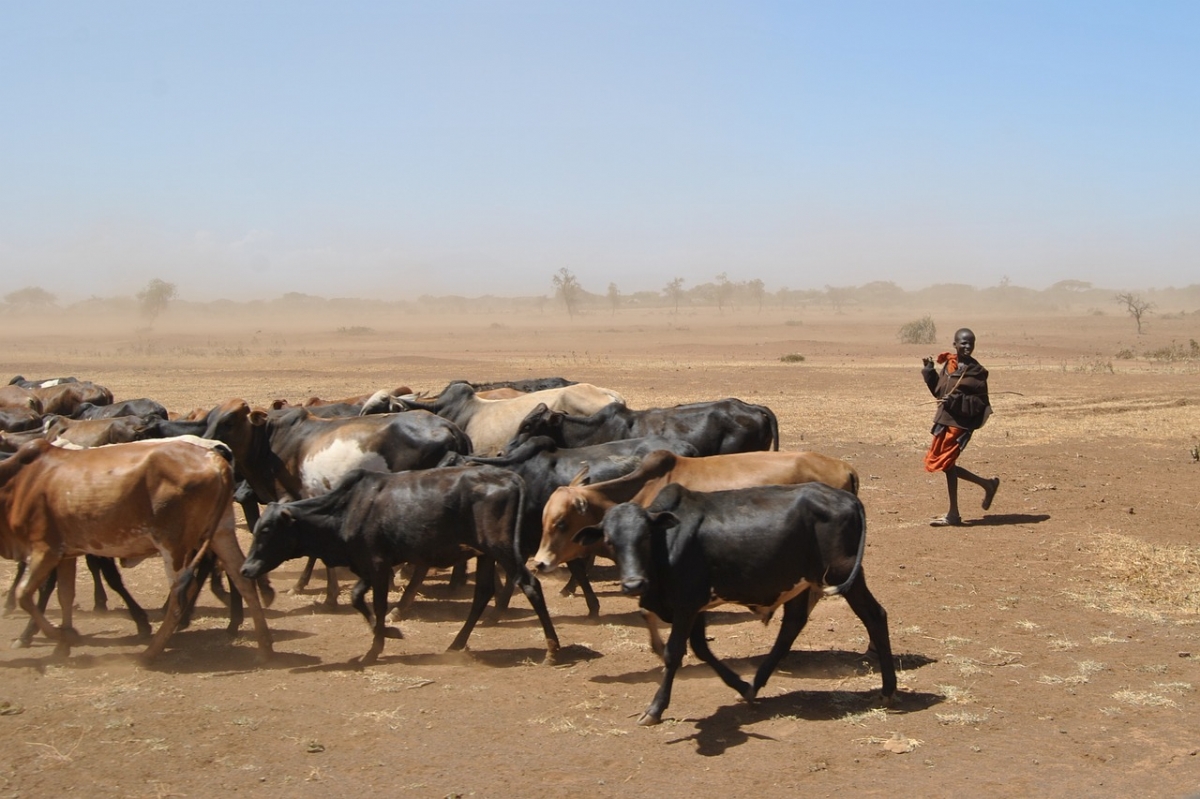
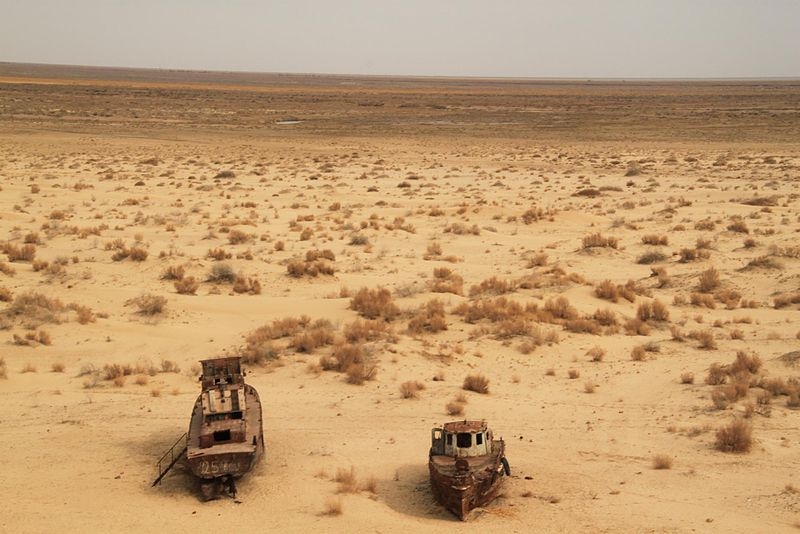

Human activity can also have an effect on local climates and bring on drought conditions unecessarily. Forests play a key role in the water cycle: trees reduce evaporation (by providing shade), store water in their trunks and contribute to atmospheric moisture in the form of transpiration. Cutting down trees exposes more ground to the heat of the sun, leading to higher evaporation. Rainwater falling on this open ground will flow away as surface run-off, rather than sink into the soil.
Climate change
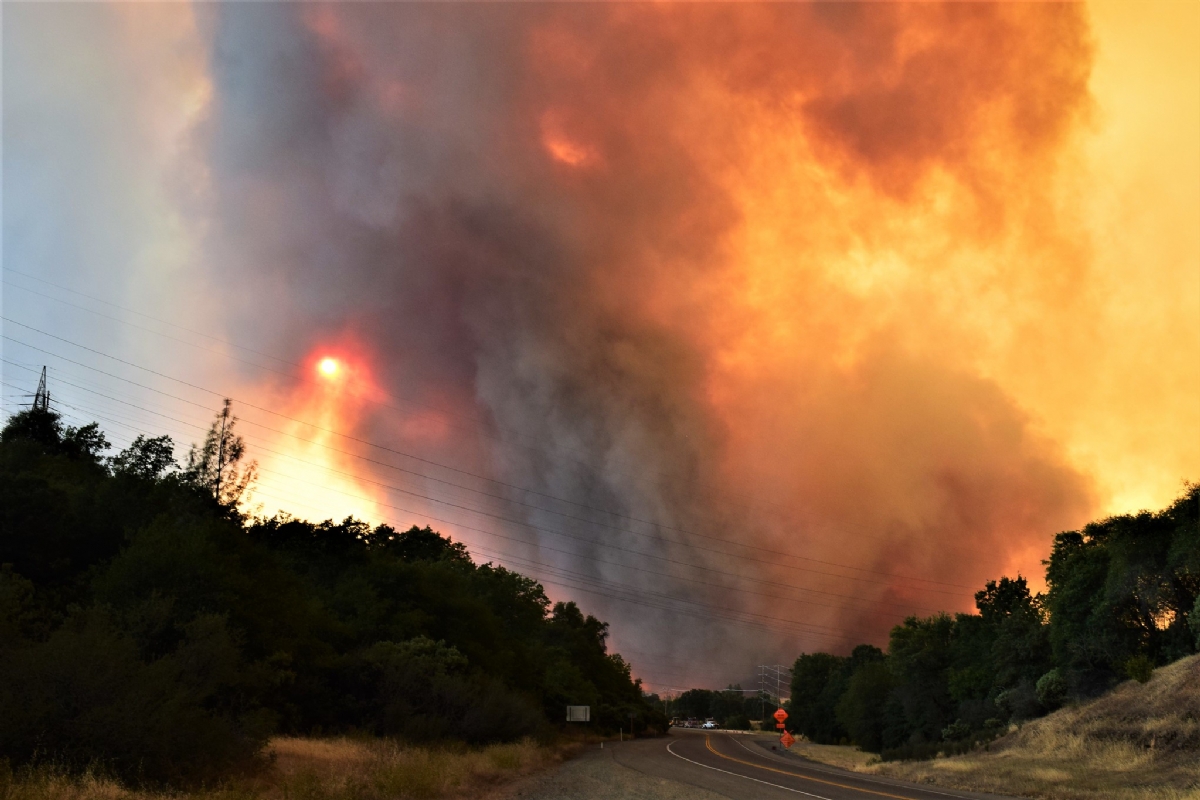
Human activity makes its biggest contribution to the severity and frequency of droughts through causing global warming. Raising the levels of greenhouse gases such as carbon dioxide (CO2) and methane through the burning of fossil fuels—compounded by the destruction of forests which would otherwise act as carbon sinks, taking out excess CO2 from the atmosphere—leads to higher temperatures. Along with other disruption to the world's climates arising from global warming, higher temperatures mean faster evaporation and reduced precipitation. In some regions, this leads to aridity and wildfires, both of which cause—or worsen the impact of—droughts.
Impact on the
environment
Drought may damage or even destroy habitats. Where drought afflicts lands that already have arid or semi-arid climates, such as the Sahel region of Africa, the effect can be disastrous, leading to desertification.
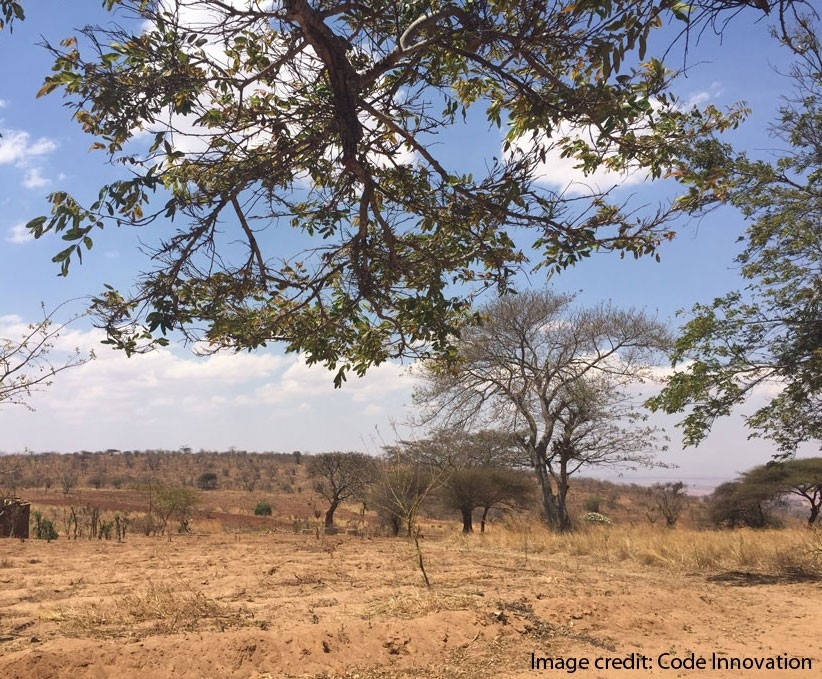
Receiving less rainfall than normal, habitats quickly become affected. Vegetation begins to die back, wetlands dry out and waterholes and seasonal rivers dry up. Without moisture in the soil, plants cannot grow and soil organisms—crucial to the breakdown of organic matter into nutrients—perish. If the drought continues for long, animals that live in these habitats—both the plant-eaters and the carnivores that hunt them—must migrate to lusher pastures.
In areas with dry climates where vegetation is naturally sparse, wind (rather than water) is the major erosive force. In times of drought, wind erosion becomes more severe, stripping the land of its soil, creating dust storms and eventually turning the land into permanent desert. Because the vegetation is so dry, wildfires also become more lethal, destroying large swathes of vegetation and, with them, animals' habitats.
Impact on farming
and industry
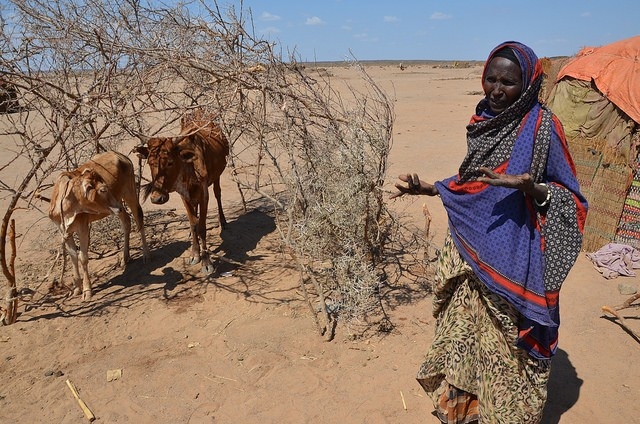
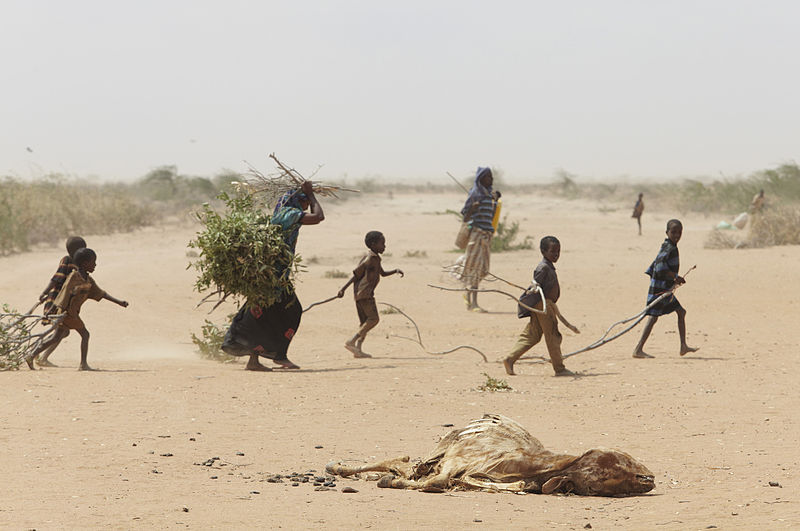
The most immediate impact on the economy of a region affected by drought is on agriculture. In developing countries, where, typically, a large proportion of the population depends directly on farming for its livelihood, this can be disastrous. With low levels of moisture in the soil, all plants struggle to survive. Crop yields fall. Grass and the other plants that livestock eat become sparser. Eventually both the crops and the animals die. Local subsistence farmers suffer hardship, or even famine.
Even in the developed world, farmers lose money: they need to spend more both on irrigating their crops and providing water for their livestock. The degrading of the soil may carry a cost to farmers for years to come. Some farms may go out of business altogether, along with the companies that supply them with fertiliser, seed, machinery etc.
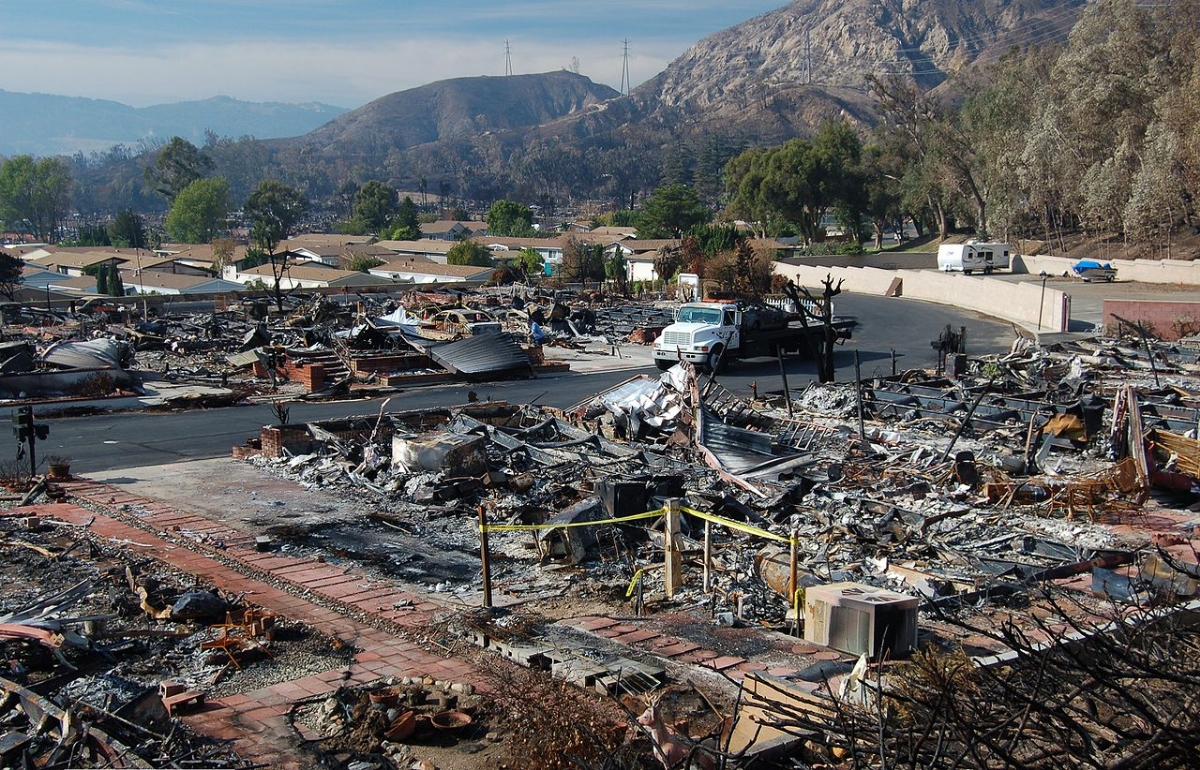
For regions and countries that depend on electricity generated by dams, low reservoir levels may mean this source of power is no longer available, forcing businesses and governments to bear the cost of finding more expensive alternatives. The disruption in water supplies will also have costly economic effects: businesses and hospitals that rely on clean water may be forced to close. Wildfires, which destroy buildings and infrastructure (roads, power lines etc.), are also extremely expensive, as is the cost of fighting them.
Impact on people
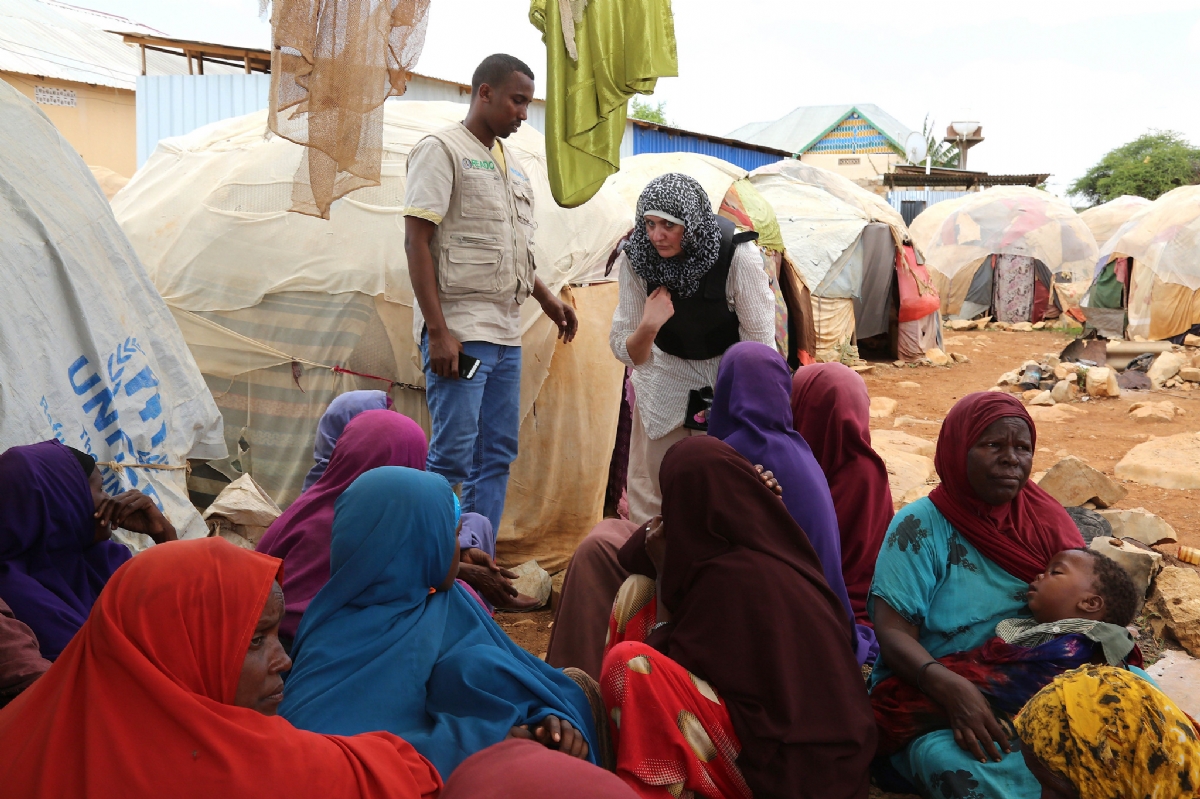
In many developing countries, the impact of drought on food production and water supplies can have severe consequences for the many people who live on the edge of poverty and depend on the land for their food and livelihoods. People—usually women and children—travel further to find water, which means the children miss school. A lack of clean and reliable water may force people to drink contaminated water, causing a range of water-borne diseases such as cholera and typhoid. In some extreme cases, a lack of food leads to malnutrition and even famine. Mass migration and a humanitarian crisis inevitably follow.
Conflicts between peoples and countries are known to occur when water supplies fall low through persistent drought. The Darfur War in Sudan, which also affected Chad, was fuelled by decades of drought. The Arab nomads searching for water, took their livestock further south, where the land was mainly occupied by non-Arab farming people.
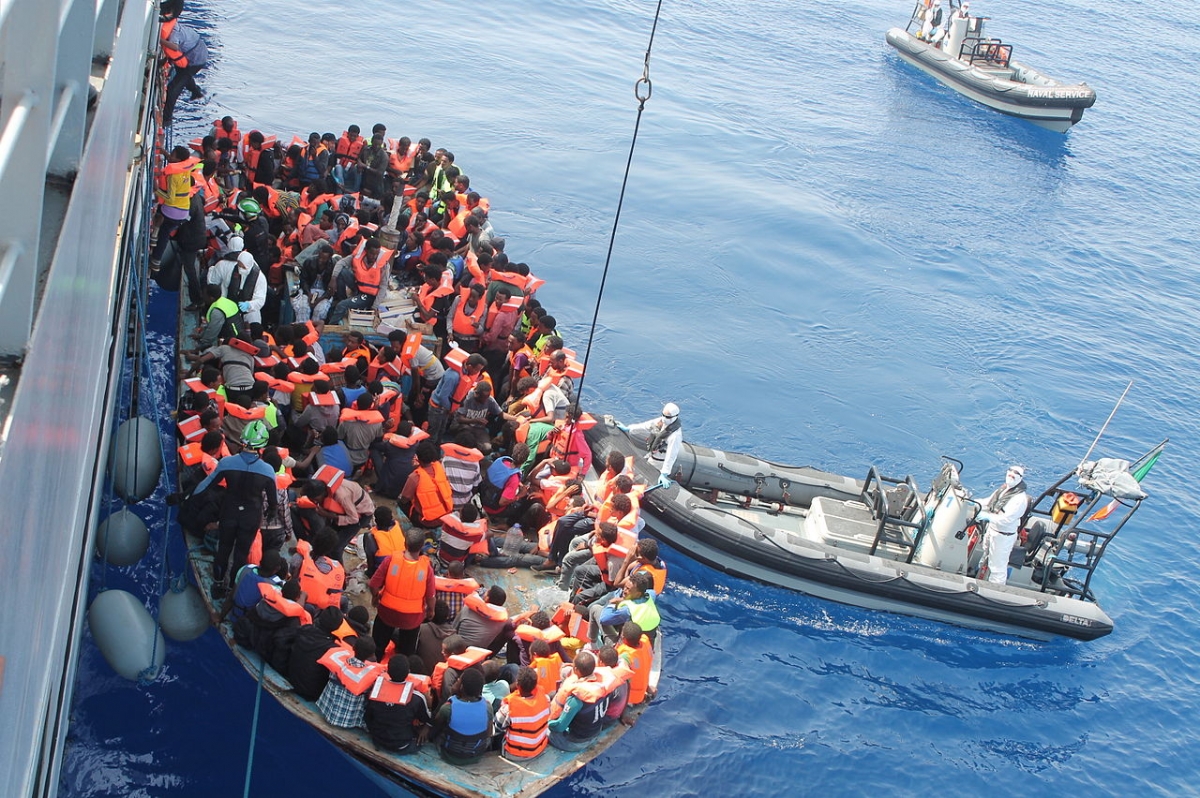
Even in countries not affected by famine but where harvests are persistently poor because of frequent droughts, people decide to emigrate to seek a better life elsewhere. In recent decades, many people from the Sahel countries of Africa have headed north for Europe.
Recent droughts
Drought has been recurring feature of the climate in most parts of the world throughout history. In some densely populated countries such as China and northern India, millions of people have died from starvation caused by drought. In recent decades, global warming has, scientists believe, made some droughts considerably worse.
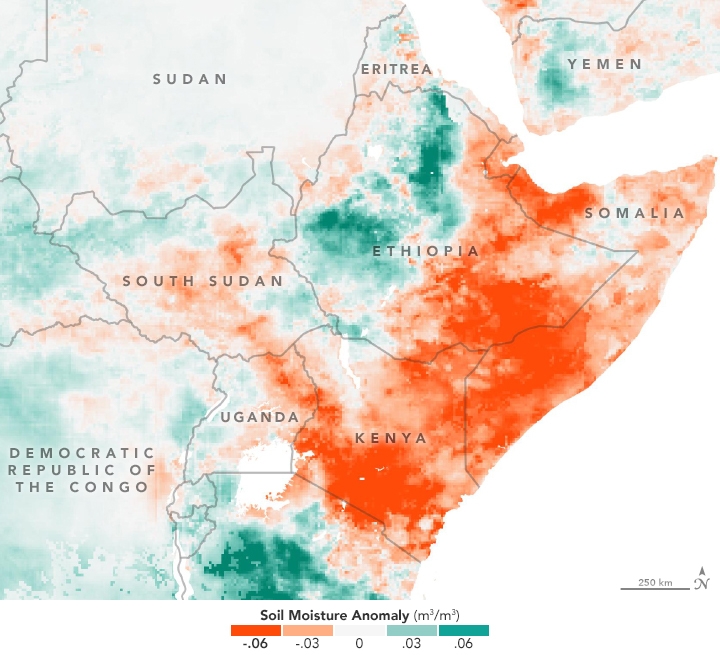
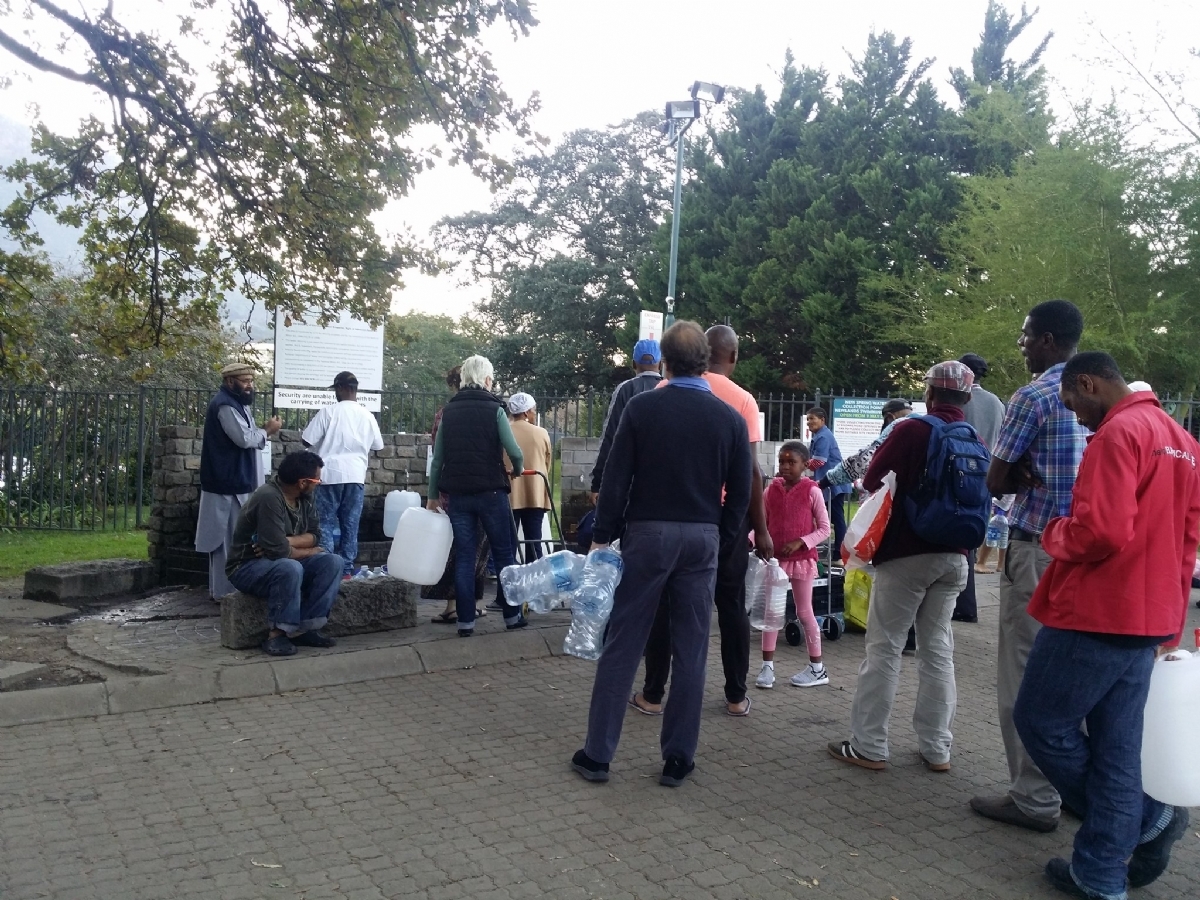
Recurring drought leading to desertification in the Horn of Africa prompted severe food shortages in 1984–85, 2006, 2011 and 2020–23. The 1997–2009 Millennium Drought in Australia led to a water supply crisis across much of the country. In 2005, parts of the Amazon basin experienced the worst drought in 100 years, leading many to fear the rainforest could be on the brink of being turned into savanna or desert. The 2015–18 Cape Town water crisis was thought to be caused by a combination of climate change and the effect of El Niño.
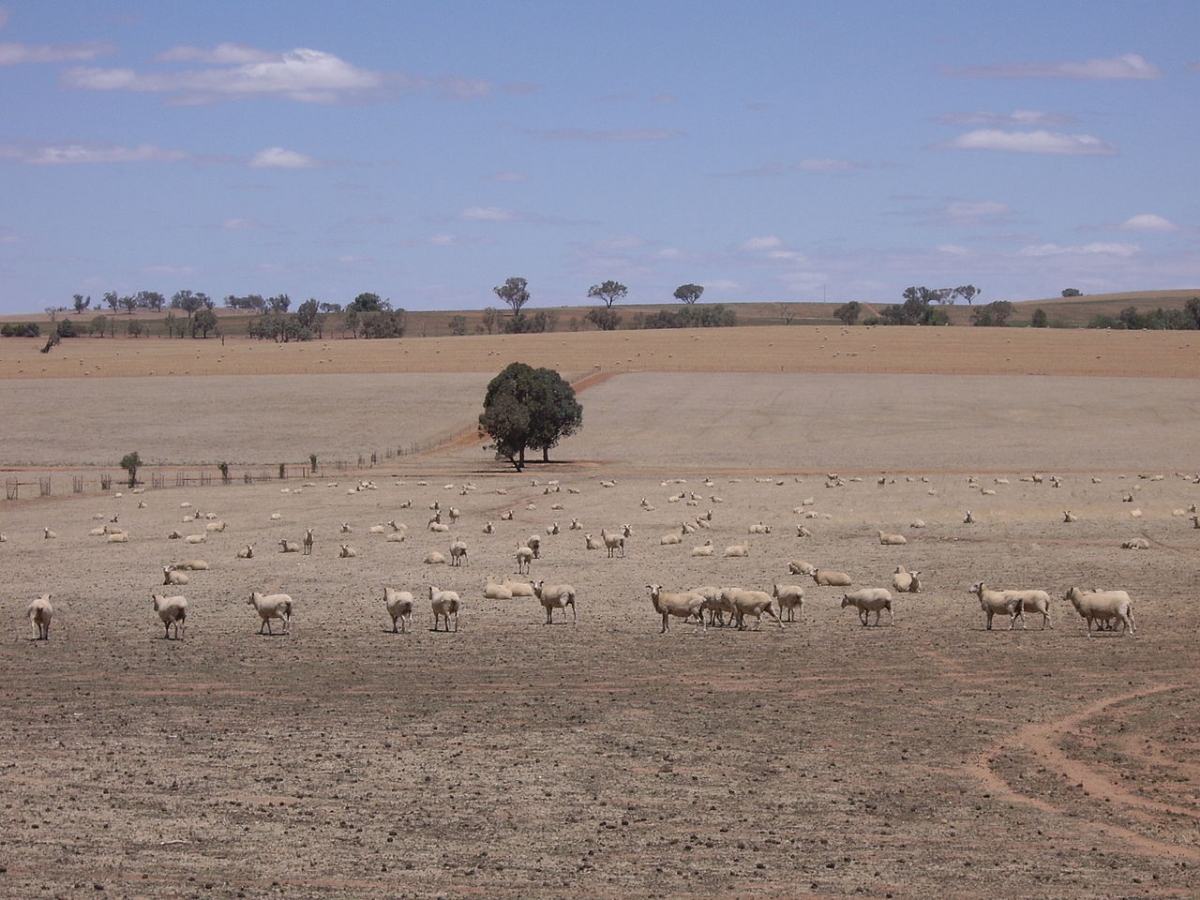
The 2023–24 South American drought affected several states of Brazil as well as Peru, Bolivia and Colombia, bringing record low water levels (causing operators in the Panama Canal just to the north to reduce the number of ships using it), significant water shortages, crop failures and widespread wildfires. The drought had a serious impact on the Amazon rainforest and the Pantanal wetlands.

Drought mitigation
We cannot prevent droughts from occurring, but we can take steps to reduce the severity their impact. This is called drought mitigation.
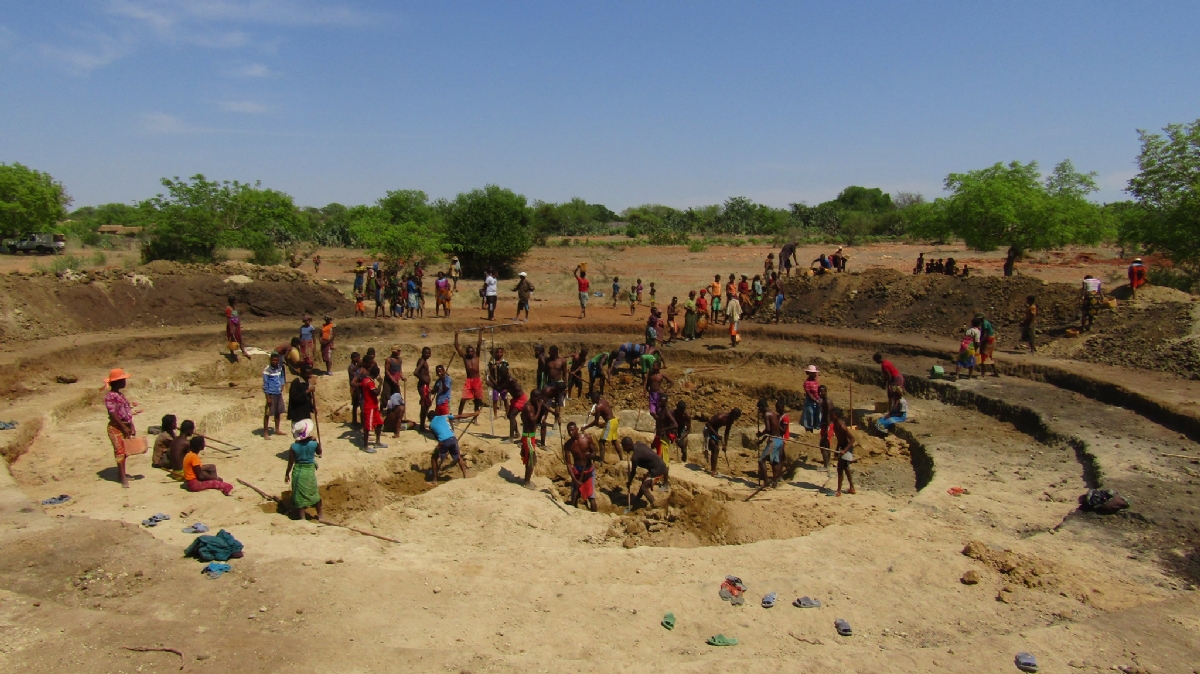
Conserving and storing water more effectively, either by building dams and reservoirs, or, on a smaller scale, catchments and collection tanks for rainwater, will mean water supplies can be maintained during drought. Building aqueducts and pipelines, or even re-directing rivers, in order to link areas that have abundant water to those with less, is an expensive but effective way of dealing with water shortages in the long term. Fresh water can also be obtained from seawater through the use of desalination plants, or recycled through treating and purifying waste water (sewage) for reuse.
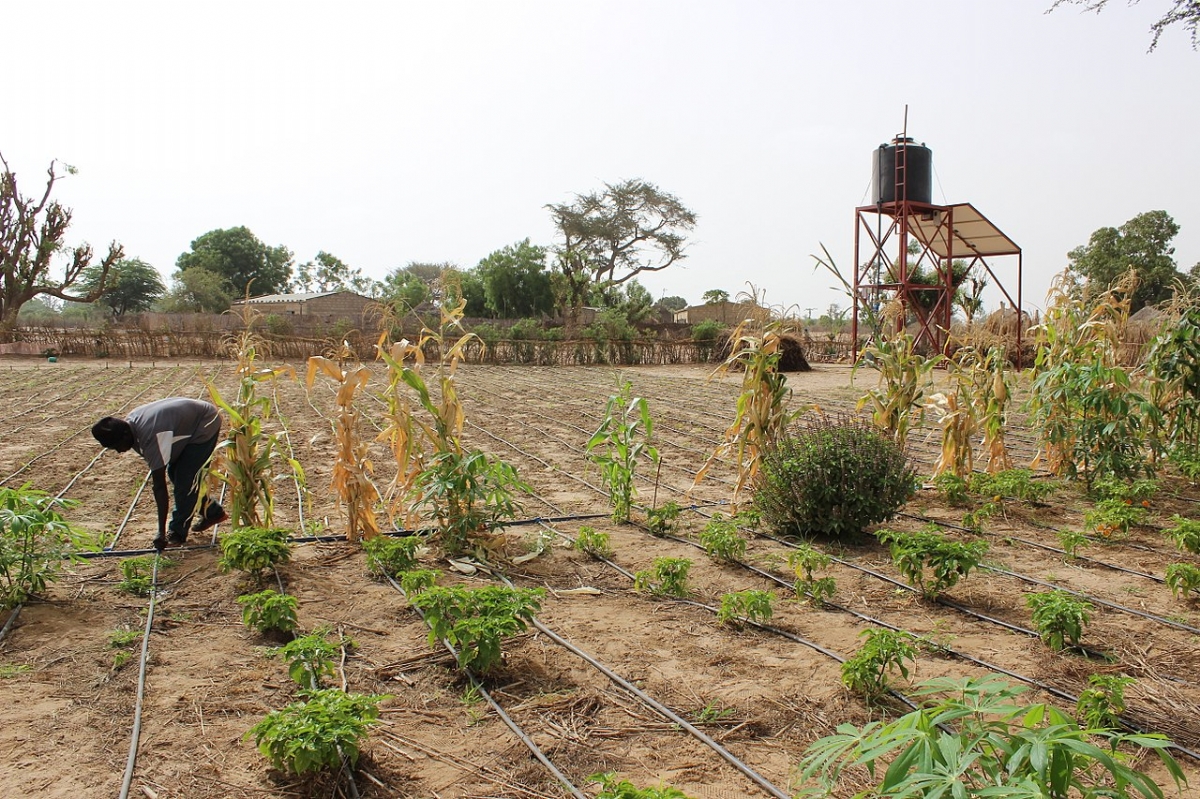
Certain farming practices to minimize the use of water can help with drought mitigation. Drip irrigation systems, making use of water pumped from under the ground, rather than water channels reduces water consumption and makes farming in drought conditions possible. Crop rotation can help to reduce soil erosion: planting fewer water-dependent crops in drier years will avoid the unnecessary overuse of water.
Consultant: Ian Fairchild