
Famous inventors

CITE
We have made every effort to follow citation style rules, but there may be some minor differences. If in doubt, please refer to the appropriate citation style manual.
Stephanie Kwolek. (2026). In Q-files Encyclopedia, Technology, Famous inventors. Retrieved from
https://www.q-files.com/technology/famous-inventors/stephanie-kwolek
"Stephanie Kwolek." Technology, Famous inventors, Q-files Encyclopedia, 16 Mar. 2026.
https://www.q-files.com/technology/famous-inventors/stephanie-kwolek.
Accessed 6 Aug. 2026.
Stephanie Kwolek 2026. Technology, Famous inventors. Retrieved 6 August 2026, from
https://www.q-files.com/technology/famous-inventors/stephanie-kwolek
Technology, Famous inventors, s.v. "Stephanie Kwolek," accessed August 6, 2026.
https://www.q-files.com/technology/famous-inventors/stephanie-kwolek


Stephanie Kwolek
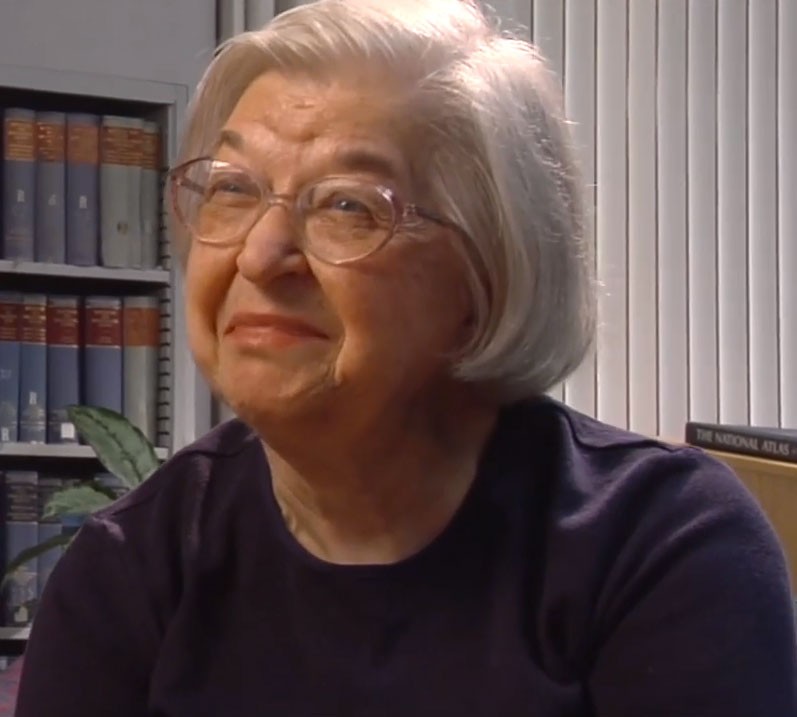
Stephanie Kwolek (1923–2014) was an American chemist. She invented Kevlar, an exceptionally strong yet lightweight synthetic fibre—eight times stronger than steel wire. Before discovering a love of chemistry, Kwolek had wanted to be a fashion designer. In 1959, she devised the Nylon Rope Trick, which demonstrated a simple way of producing nylon in a beaker at room temperature.
The invention of Kevlar
Kwolek began development work on the material at the DuPont company, where she was an employee, in 1964. At the time it was expected that petrol shortages would mean a new material would be needed for making tyres. While experimenting with certain kinds of polymers (long, carbon-based molecules), Kwolek created a strange solution. It should have been a clear, thick fluid, like the nylon polymer, but instead was thin and cloudy. She persuaded a colleague to create fibres from this solution using a machine called a spinneret. Kwolek found the fibre to be much stronger than nylon.

Uses of Kevlar
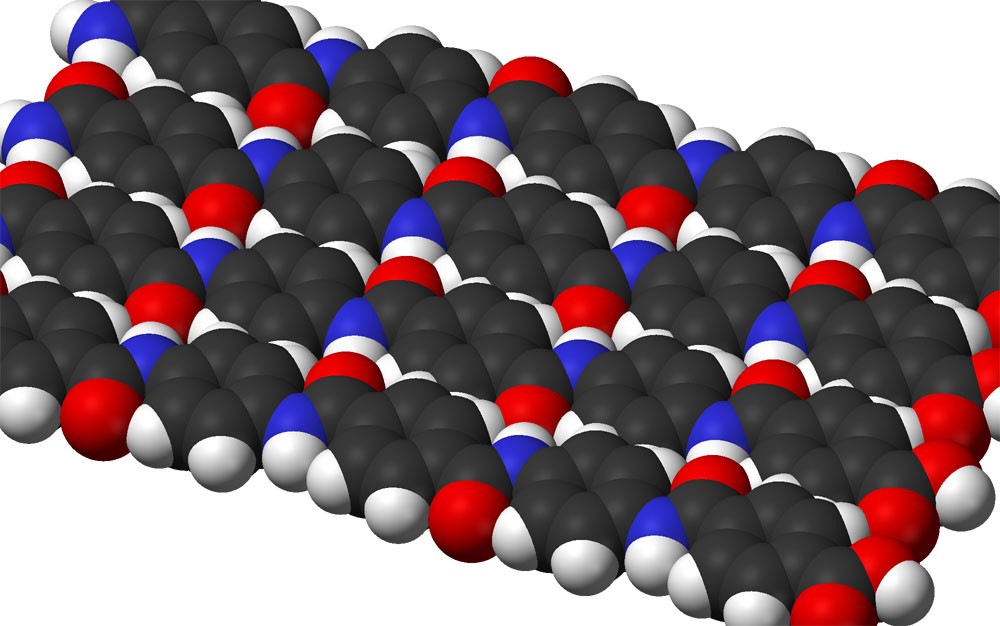
Kevlar was first commercially used in the early 1970s in racing tyres, but it soon found an important use as life-saving bullet-proof vests for law enforcement officers and soldiers. The material has many other applications, including tennis rackets, boats, aeroplanes, cables, tyres, skis, brake pads, oven gloves and mobile telephone bodyshells. Kevlar's properties are partly due to its internal structure—how its molecules are arranged in regular, parallel lines—and partly due to the way its fibres are tightly knitted together.
Consultant: Dave Hawksett
pics
Without in any way limiting Q-files Ltd’s exclusive rights under copyright, any use of this publication to “train” generative artificial intelligence (AI) technologies to generate text is expressly prohibited. Q-files Ltd reserves all rights to license use of this work for generative AI training and development of machine learning language models.