
Europe
Dutch Golden Age
The Dutch Golden Age was a period in the history of the Netherlands, which lasted from the 1590s, when the Dutch Republic was established, to the 1670s, when it became involved in fighting a long and costly war with France. During this period, Dutch trade and overseas colonization expanded rapidily: the newly formed Dutch East India Company and Dutch West India Company established trading posts and colonies across Asia, Africa and the Americas and defended them with a powerful fleet of warships. Dutch colonists also dominated the Atlantic and Indian Ocean slave trade that boomed in this era. Great prosperity was enjoyed by the merchant and professional families of Dutch cities. Art, learning and scientific achievements of the time were among the finest in Europe.

Spanish rule
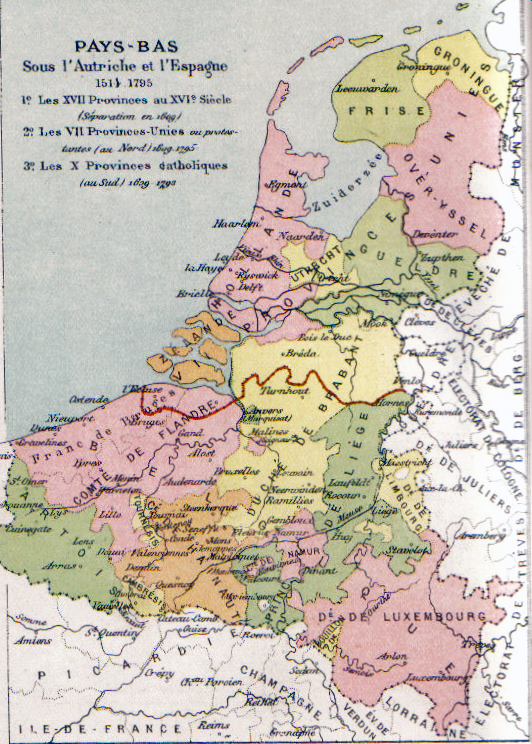
The territories that would later form the Dutch Republic began as the Seventeen Provinces in the Low Countries of northwestern Europe. Charles V, King of Spain and Holy Roman Emperor, inherited these lands when he became Lord of the Netherlands as a 6-year-old boy in 1506. After Charles abdicated (gave up his throne) in 1555, his realms were divided between his son, Philip II of Spain and his brother, Ferdinand I, Holy Roman Emperor. As new ruler of the Seventeen Provinces, Philip continued the policies of his father: to counter the Protestant Reformation and keep all his subjects obedient to the Catholic Church.
Resentment started to grow among the Dutch, including the nobility, that their land was ruled by a Spanish king from afar. In the summer of 1566 a series of violent protests by Calvinists (a group of radical Protestants who followed the teachings of John Calvin) broke out in the Low Countries. In what was called the Beeldenstorm ("Iconoclastic Fury"), mobs destroyed Catholic art and other forms of church decoration.

Revolt
Realising that the Dutch nobles, many of whom were Protestant, might turn against Spain, Philip took action. In August 1567, he ordered Fernando Álvarez de Toledo, Duke of Alba, to Brussels with 10,000 troops. In the following months, over a thousand people were executed. But these extreme measures only helped fuel the unrest.
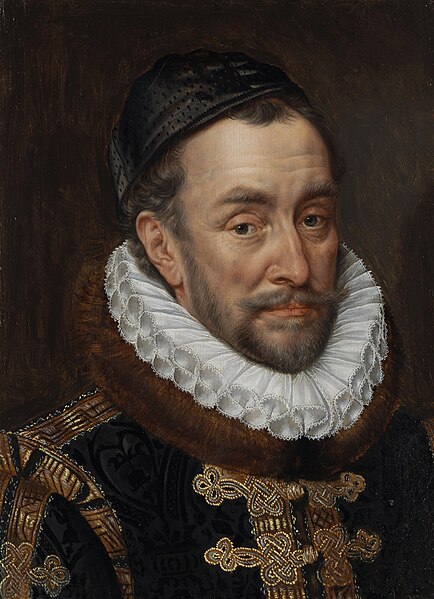
In 1568, in protest against the persecution of Protestants—but also against high taxes and and efforts by Philip II to govern the provinces directly from Spain—the Dutch began their revolt. The Dutch were led by William I of Orange, aided by Philip de Montmorency, Count of Hoorn and Lamoral, Count of Egmont. It was the start of what is today called the Eighty Years' War (1568–1648).
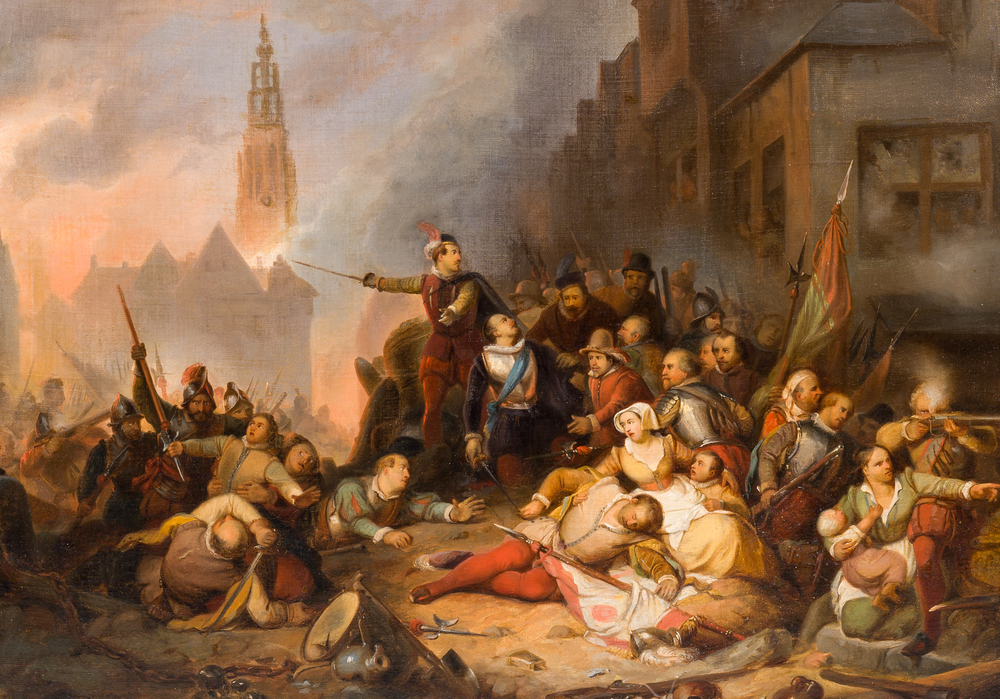
In its early years the rebellion was largely unsuccessful. Spanish forces countered it with great force. In what was called the Spanish Fury, they seized back control over most of the rebel provinces and destroyed several cities. The Sack of Antwerp in 1576 was one of the most brutal acts. The ferocity of the Spanish response brought all the provinces, Protestant and Catholic (except Luxembourg), together in an alliance known as the Pacification of Ghent in 1576. They demanded that Philip II withdraw all foreign troops.
Declaration of Independence
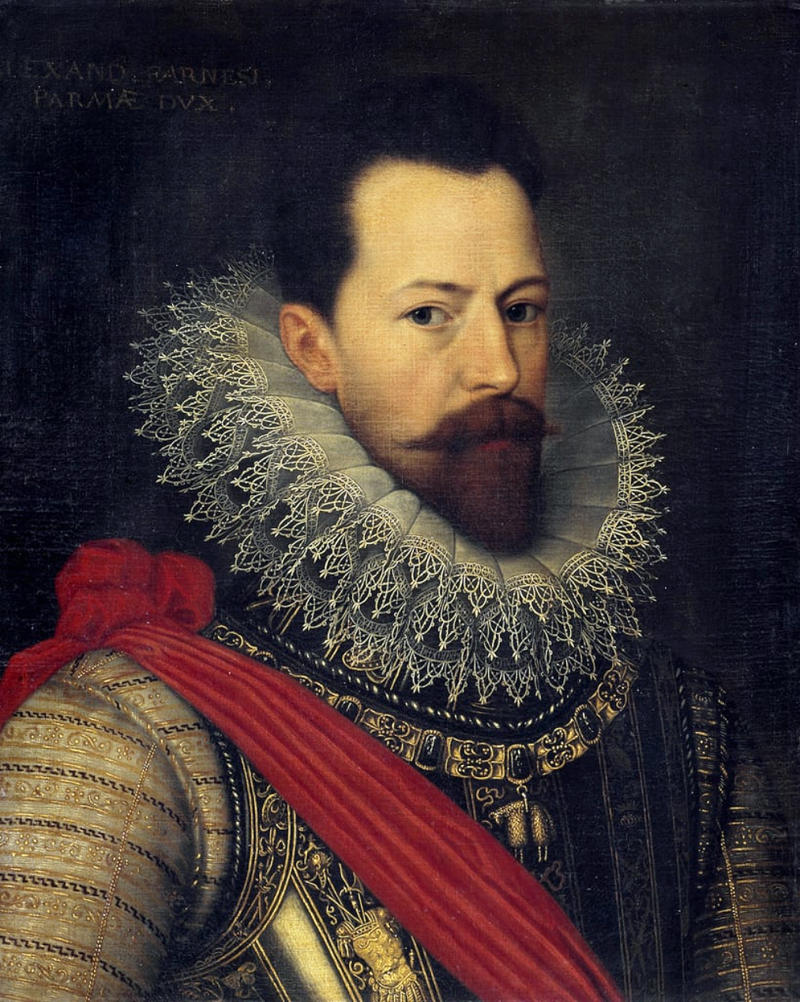
Fighting between the rebel provinces and Spain continued, but at the Treaty of Arras of January 1579, the Governor of Spanish Netherlands, Alexander Farnese, the Duke of Parma, managed to win over the Catholic nobles of the south, known as the Malcontents, to the Spanish side. The rebels in the provinces of Holland and Zeeland immediately formed the Union of Utrecht, pledging to fight to the end. They were soon followed by the five other northern provinces to make up the United Provinces. In the Act of Abjuration of 1581 they proclaimed their independence.
Under Parma's command, more provinces and cities in southern Netherlands were brought back into Spanish hands, either through force or negotiation. But, after Antwerp fell in 1585, the pace of reconquest slowed. It came to a halt with the defeat of the Spanish Armada by the English in 1588, after which Philip called Parma away to intervene in the French Wars of Religion.
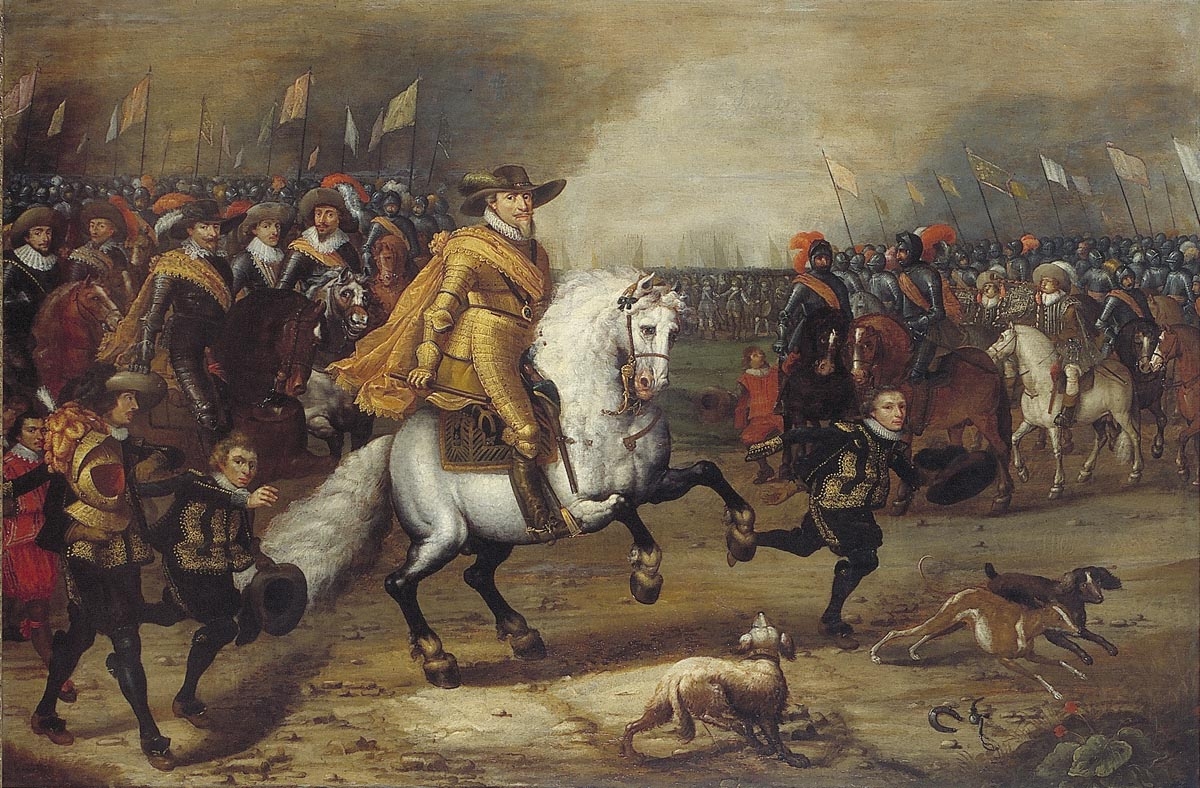
The Ten Years
A new phase of the war, called the Ten Years (1588–98), now began. Under the leadership of Maurice of Nassau (son of William of Orange) and his cousin William Louis, Count of Nassau-Dillenburg, the rebels' troops were transformed into a disciplined, effective army. They soon made a series of significant conquests, taking large swathes of land in the north and east of the Netherlands. This turned the tide of the war against Spain and in favour of the new Dutch Republic. With neither side able to deliver a knockout blow, the war reached a stalemate. A ceasefire was declared in 1609, called the Twelve Years' Truce.
End of the War
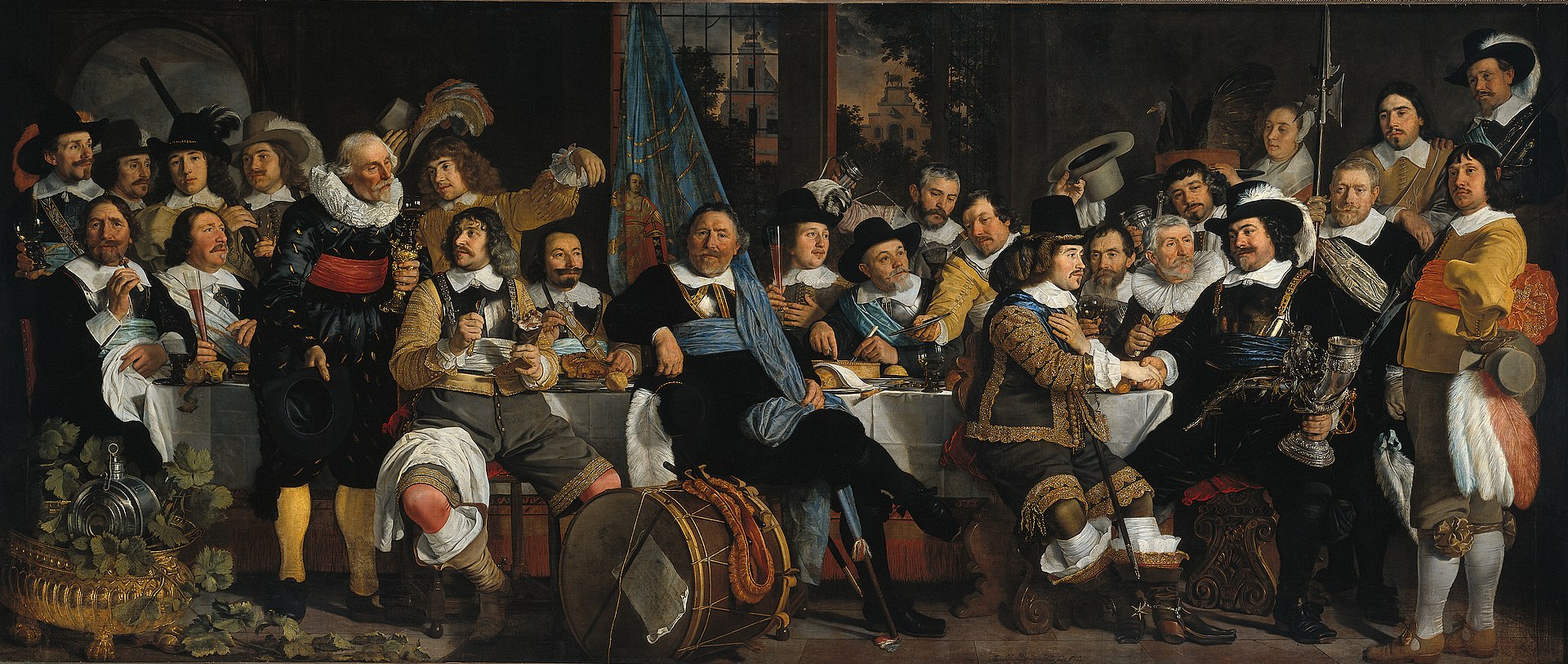
The Dutch Republic and Spain were at war again in 1622 when the Twelve Years' Truce expired. This phase of the war became part of the wider Thirty Years' War (1618–48) fought in Europe at the time. It began as a revolt by other Protestant states against Catholic Habsburg rule. It soon became a full-blown war, with the Dutch Republic, Sweden, France and others fighting against Spain and the Holy Roman Empire. The Peace of Münster in 1648, which finally ended the Eighty Years' War, at last brought the Dutch Republic recognition and independence from the Spanish crown.
Immigration
In 1585, during the Dutch Revolt, the Spanish took the city of Antwerp. Under the terms of the surrender, the city's Protestant residents were granted four years to depart. Many of Antwerp's rich bankers, merchants and craftsmen were Protestant and most of them chose to move north to Amsterdam. Here they were joined not only by merchants from the other port cities of Bruges and Ghent, but also Sephardi Jews from Portugal and Spain, and later Huguenots (French Protestants). They were all victims, in their different ways, of religious persecution.

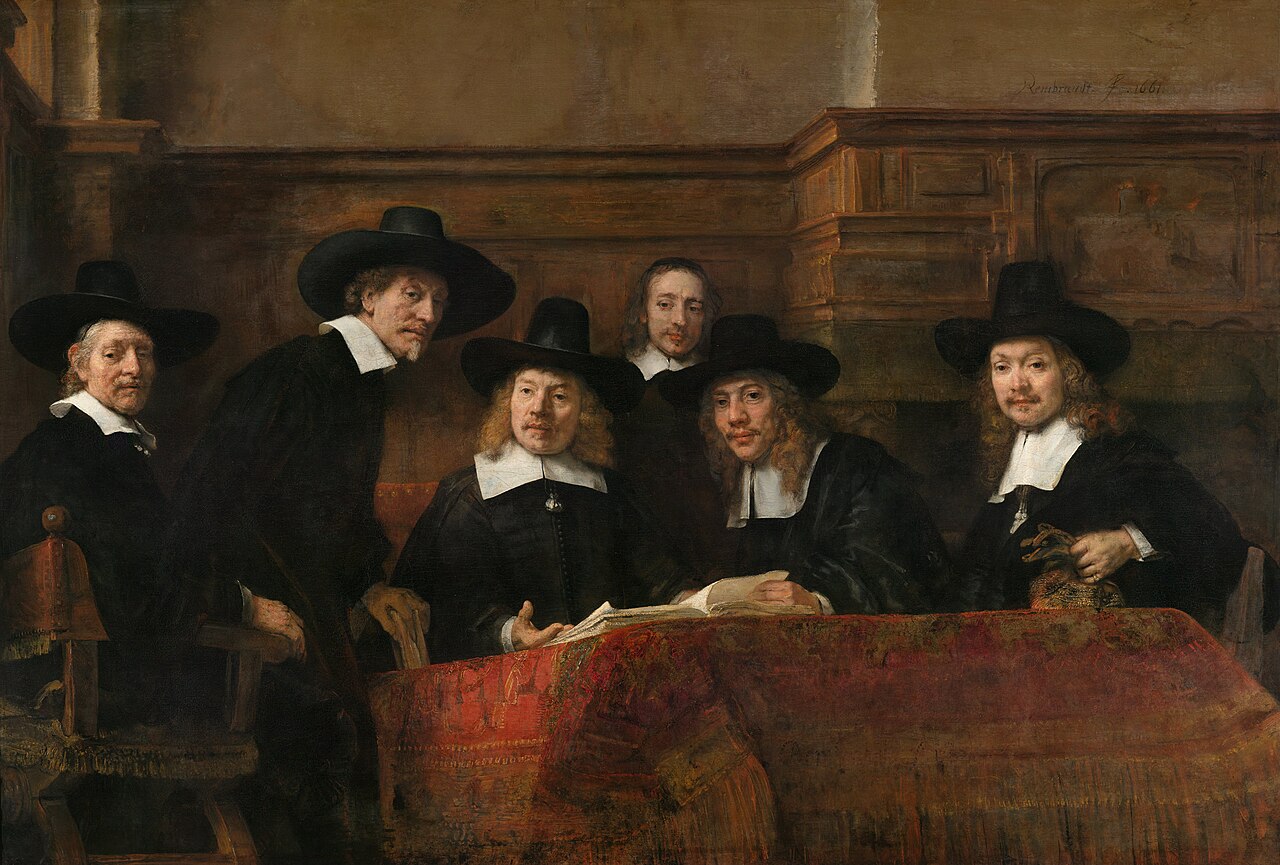
The immigrants were attracted by the new opportunities in Amsterdam. Already rich and successful, some put their money into new ventures such as expeditions to the East Indies, where Dutch traders were already competing with the Portuguese for control of the spice trade (see below). Textile industries, including linen, silk and woollen cloth, also boomed in the Dutch Republic thanks to the influx of skilled workers and money from southern Netherlands at the end of the 16th century. Amsterdam's immigrants helped transform the city into one of the most important ports and commercial centres in the world by 1630.
Trade and commerce
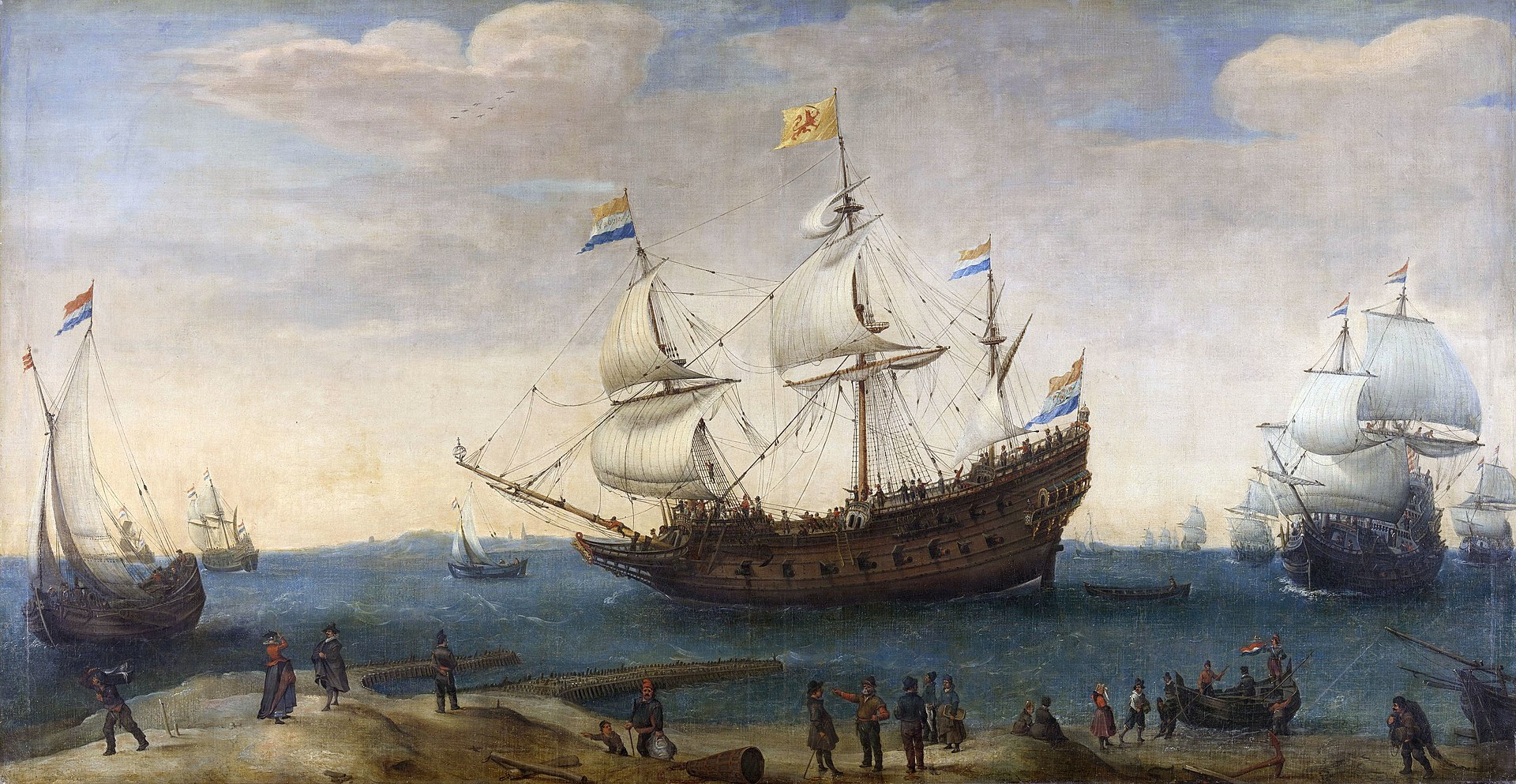
Favourably located on the coast of northwestern Europe and at the mouth of wide navigable rivers reaching far inland, the Netherlands was already a great trading nation in the 16th century. The Dutch imported vast amounts of grain and wood from the Baltic states and Poland, stockpiling them so they would never lack for basic goods. It also meant they could sell them on for profit, especially when other European states suffered bad harvests.
The investment capital (funds to allow businesses to set up and grow) provided by Amsterdam's wealthy immigrants from the 1580s onwards now enabled Dutch merchants to extend their trade routes beyond northern Europe. With this financial backing, they looked for trading opportunities in the Mediterranean, across the Atlantic Ocean to Brazil and south to Africa's Gold Coast (today, the coast of Ghana).


In the late 1590s, the fleets of the Company of Far Lands (Compagnie van Verre) brought back valuable cargoes of pepper from the Spice Islands of the East Indies (present-day Maluku in Indonesia). Much in demand by the wealthy of Europe, spices like pepper and nutmeg were immensely valuable. Whoever controlled the trade would make huge profits; since the beginning the 16th century, that was Portugal. To defend their interests, the Portuguese had established fortified trading posts across south Asia and the East Indies. To grab a major share of the spice trade, the Dutch would need to outcompete Portugal.
The success of the Dutch voyages to the East Indies led to the founding of a number of companies all eager to take part in the profitable spice trade. To prevent competition between them driving up the price, a state monopoly was created: the Dutch East India Company (Verenigde Oostindische Compagnie or VOC), founded in 1602. Financed by shares (the company's capital was provided by a number of wealthy people in exchange for shares, representing the proportion of the company they owned), it became the world's largest commercial company in the 17th century. Spices were imported in bulk from the East Indies and delivered huge profits to the company's shareholders. To finance the growing trade, the Bank of Amsterdam was established in 1609.


Regents and stadtholders
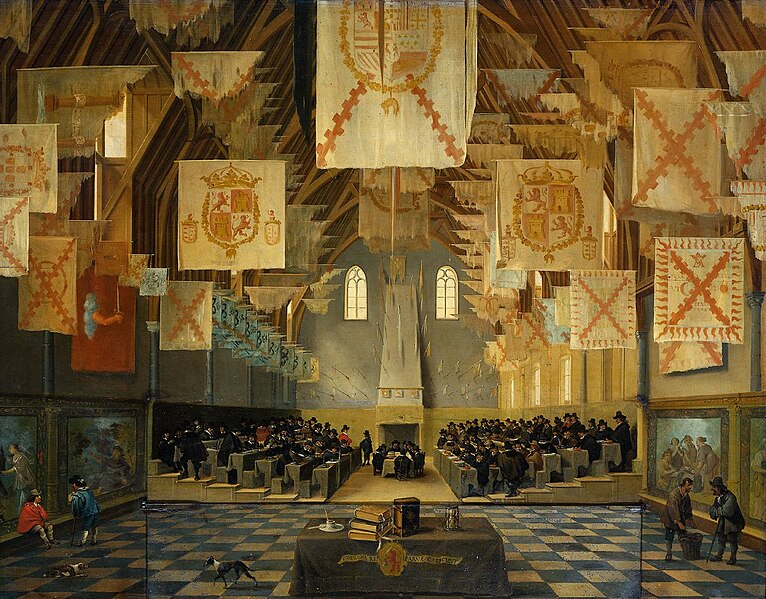
Each of the Dutch Republic's provinces and major city had its own government and laws. They were led by an official known as the stadtholder (the Dutch word for "steward"), and governed by a body of city merchants known as regents. Only men with sufficient wealth could become a regent. The States General, which included representatives from all the provinces, decided on matters important to the Dutch Republic as a whole.
As their stadtholder, most provinces appointed a noble, a member of the House of Orange. This meant that the Prince of Orange held most, if not all, of the stadtholderships, making him effectively the head of state. Two different political groups emerged: the Orangists, who favoured rule by a powerful stadtholder, and the Republicans, who supported a strong States General.
In 1650 the stadtholder, William II, Prince of Orange, suddenly died. With his son still just a baby, the Orangists were suddenly without a leader. Thus began what was called the First Stadtholderless Period, which lasted until 1672. Johan de Witt emerged as the dominant figure during this time.
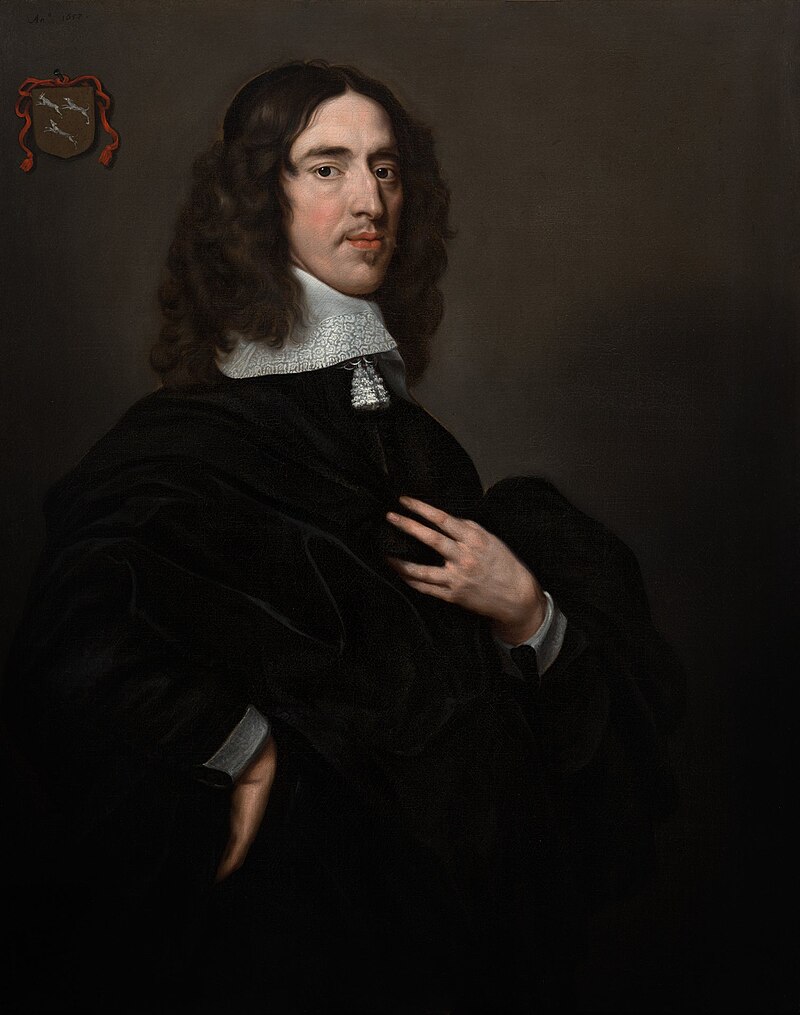

The province of Holland, which contained prosperous expanding cities such as Amsterdam, Rotterdam, Leiden, Alkmaar, Delft and Haarlem, dominated the Dutch Republic. While Holland's nobility remained small and lacked influence, by 1650 its burghers (urban merchant class) had grown wealthy through business and trade. They now shaped the new nation's government by taking up public or military office. Desiring to be landowners, complete with a coat of arms and a seal, Holland's wealthy merchants effectively became the Dutch Republic's new nobility.
Amsterdam
Amsterdam's population, which soared to 200,000 by the 1650s, was dominated by immigrants. They included Jews from the Iberian Peninsula, Huguenots from France, merchants from Flanders and refugees from the Spanish-controlled parts of the Low Countries. The bustling, properous city, tolerant of all religions and nationalities, had work for everyone. It therefore also attracted migrants from the Dutch countryside and the poor from other parts of Europe. Amsterdam became Europe's most important hub for the shipment of goods and the leading financial centre of the Western world. It was also a major destination port for Dutch ships participating in the Atlantic slave trade(see below).

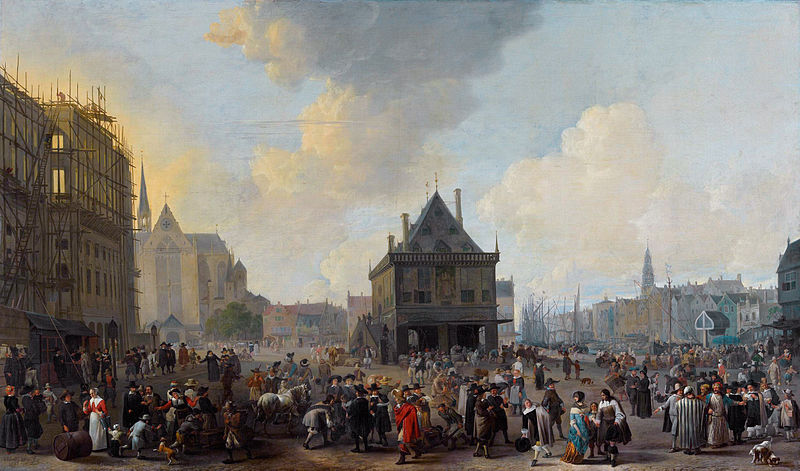

In the early 17th century, when immigration was at a peak, Amsterdam's authorities devised a plan to build new homes for its soaring population. This was based on four concentric half-circles of canals, with their ends emerging in the IJ bay. Known as the Grachtengordel, three of the canals (grachten in Dutch) were for residential development: Herengracht (Canal of the Lords), Keizersgracht (Emperor's Canal) and Prinsengracht (Prince's Canal). The fourth and outermost canal was the Singelgracht (Surrounding Canal).
Tulip mania
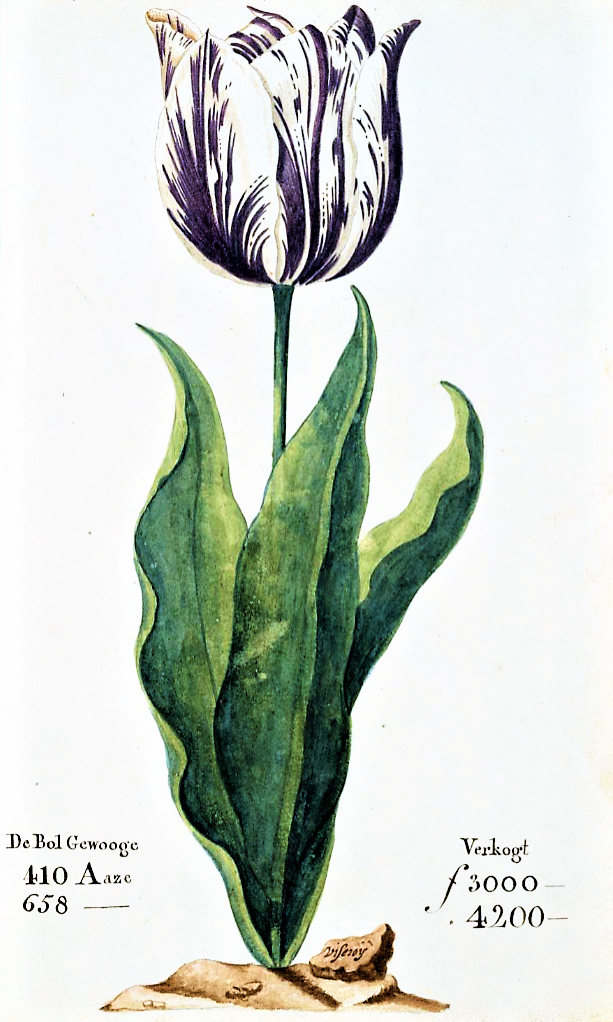
Tulips were highly prized in 17th century Netherlands. The flowers' intense colours made them unusual and desirable luxury items. Tulip-growers bred exotic varieties with lines and streaks, making the bulbs that produced them even more appealing and fashionable. Tulip mania took off. As the flowers grew in popularity, prices for bulbs rose steadily.
By 1634, speculators had entered the market. They bought contracts from growers to supply bulbs some time in the future, intending to re-sell them for a profit. But this would be possible only if prices continued to rise ... which they did not. In February 1637, tulip traders could no longer find new buyers willing to pay high prices for their bulbs. Suddenly, the demand for tulips collapsed and prices crashed. Speculators were left with contracts to purchase tulip bulbs at 10 times the price people would pay for them in the open market.
Science and art
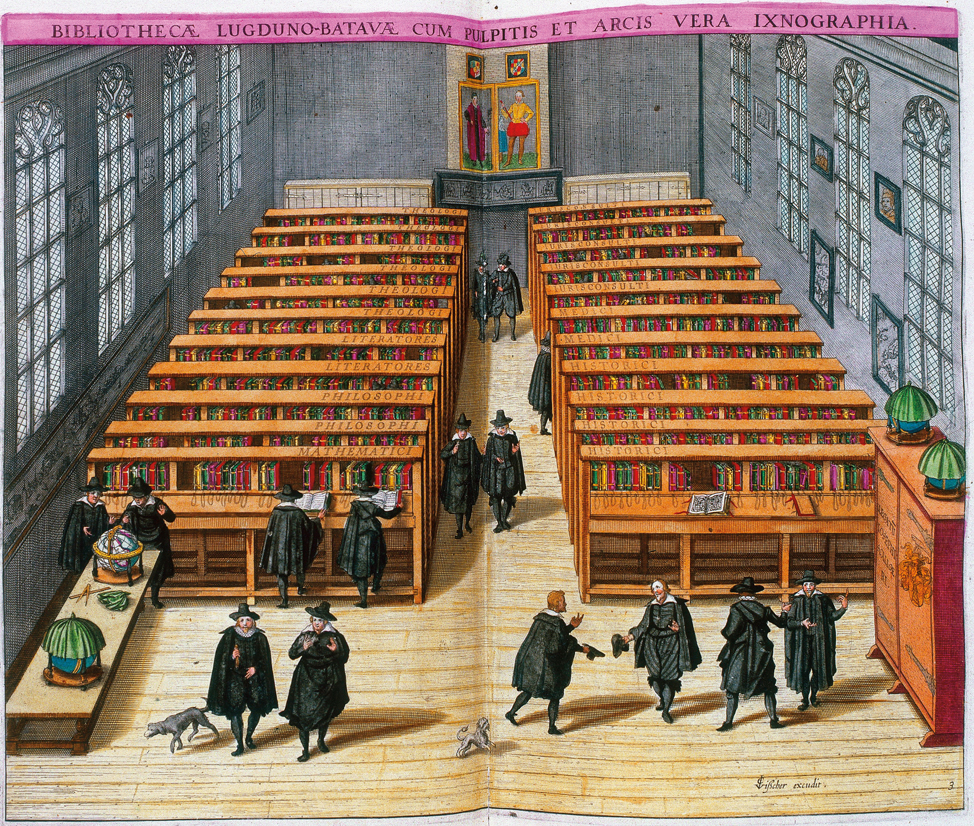
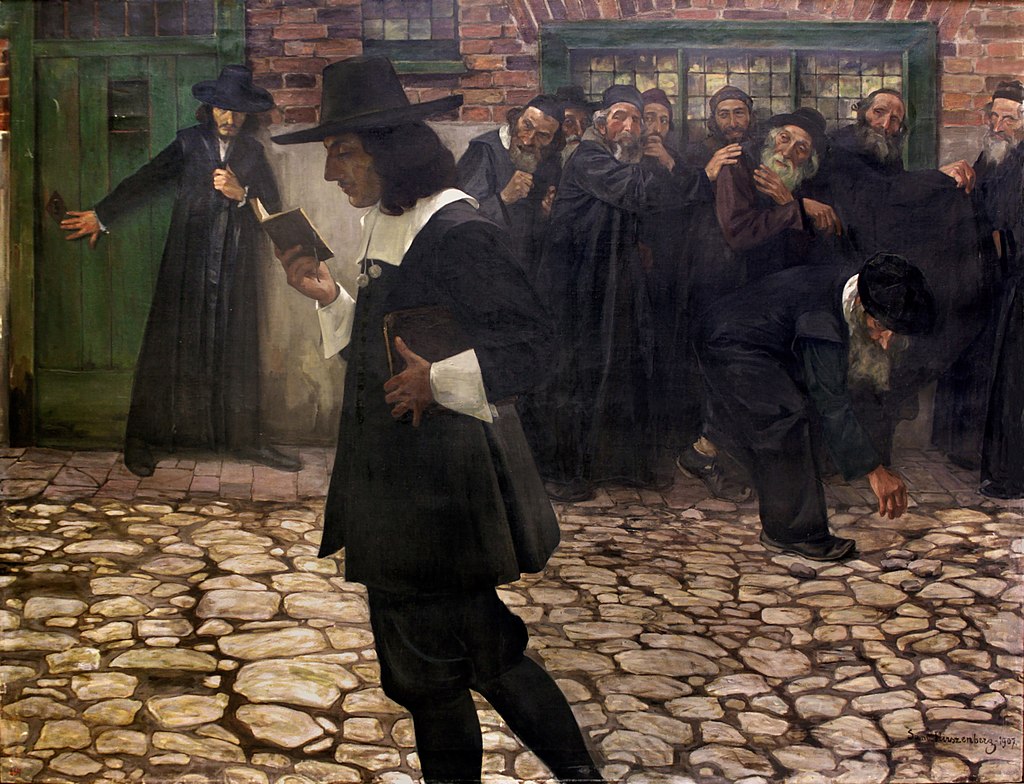
Art, science and philosophy flowered during the Dutch Golden Age. Being more tolerant of different religions and ideas than other states in Europe in the 17th century, the Dutch Republic attracted scientists and thinkers from all over Europe. Book publishing also flourished because of this tolerance. Many books about religion, ideas and science that might have been banned elsewhere were printed in the Netherlands and secretly exported to other countries.
The University of Leiden, which had been established in 1575 by William of Orange, became the gathering place for philosophers and scientists. The great French philosopher René Descartes (1596–1650) lived in Leiden from 1628 until 1649. The philosopher, Baruch Spinoza (1632–77), whose Jewish grandparents had emigrated from Portugal, was educated there, as were both the mathematician, scientist and inventor, Christiaan Huygens (1629–95) and the philosopher Hugo Grotius (1583–1645).
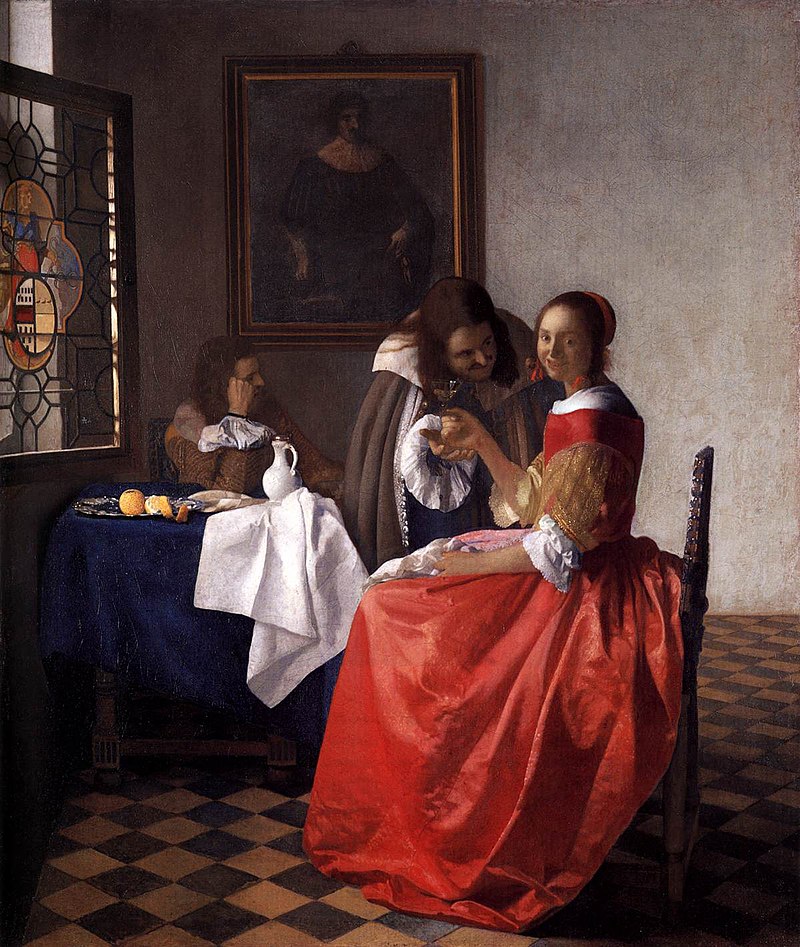
The wealthy Dutch merchant class, eager to decorate their lavish homes with the finest art, sought Dutch artists to produce them. Painters such as Frans Hals (1582–1666), Rembrandt van Rijn (1606–69), Johannes Vermeer (1632–75) and many others benefitted from this patronage.
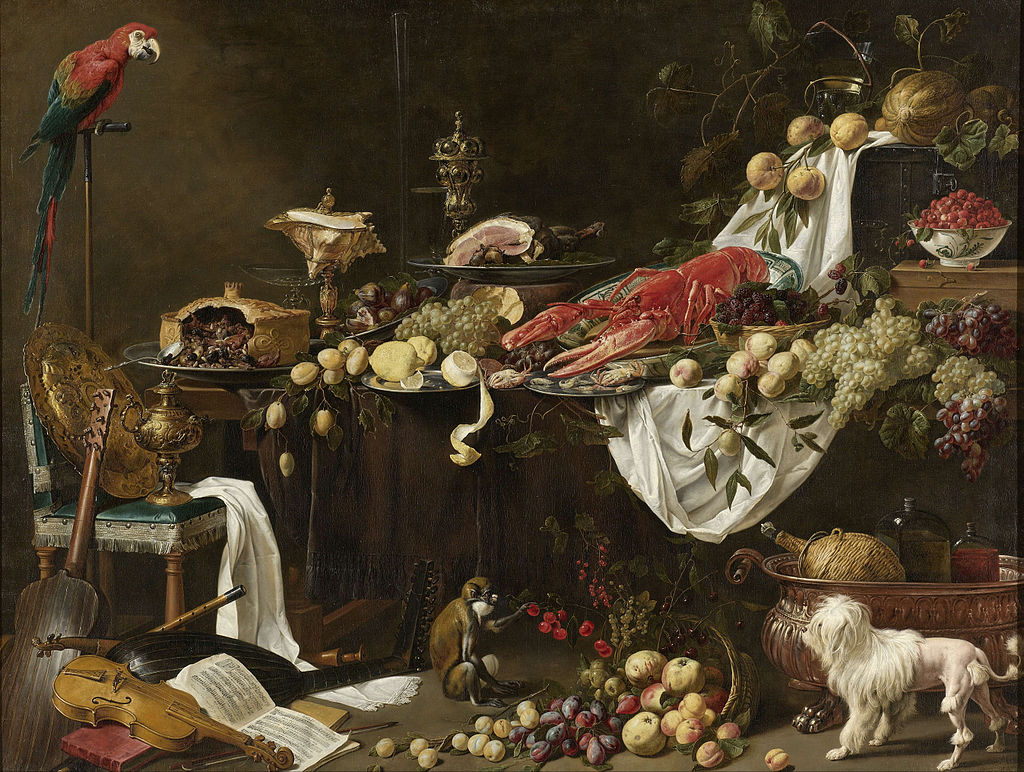
The pictures people wanted were not of the religious subjects favoured by the Catholic church. Instead, portraits, still lives and scenes of everyday life were popular, as were landscapes and seascapes. The large group portrait, especially of civic and militia guilds, such as Rembrandt's The Night Watch, was characteristic of this period.
Dutch colonial empire
The Dutch empire in the 17th century was made up the overseas colonies and outposts acquired and controlled mainly by two companies: the Dutch West India Company and the Dutch East India Company. To begin with, many colonies were no more than trading centres, consisting of a port settlement, a factory and a fort. Others, such as Guiana and parts of the Dutch East Indies were based on plantations, in which enslaved people or indentured labourers produced crops such as sugar, coffee, tobacco and spices. The Dutch East India Company set up their headquarters in Batavia (now Jakarta) in 1619.
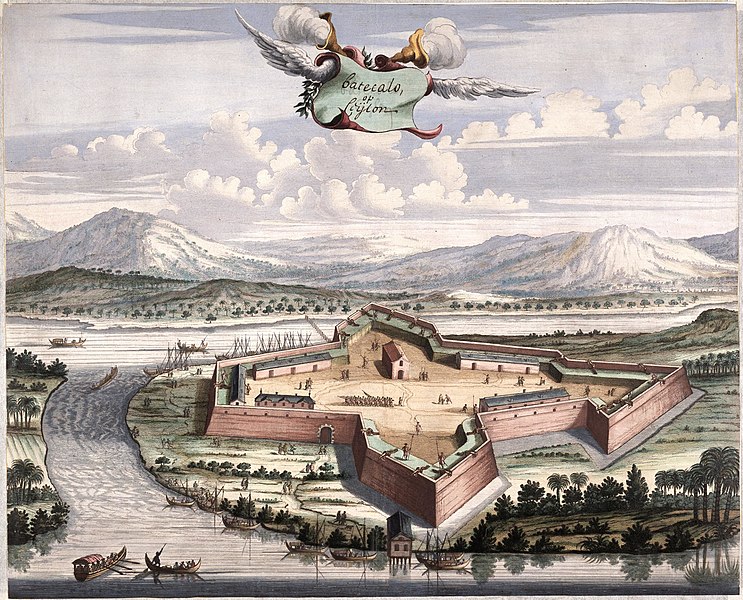
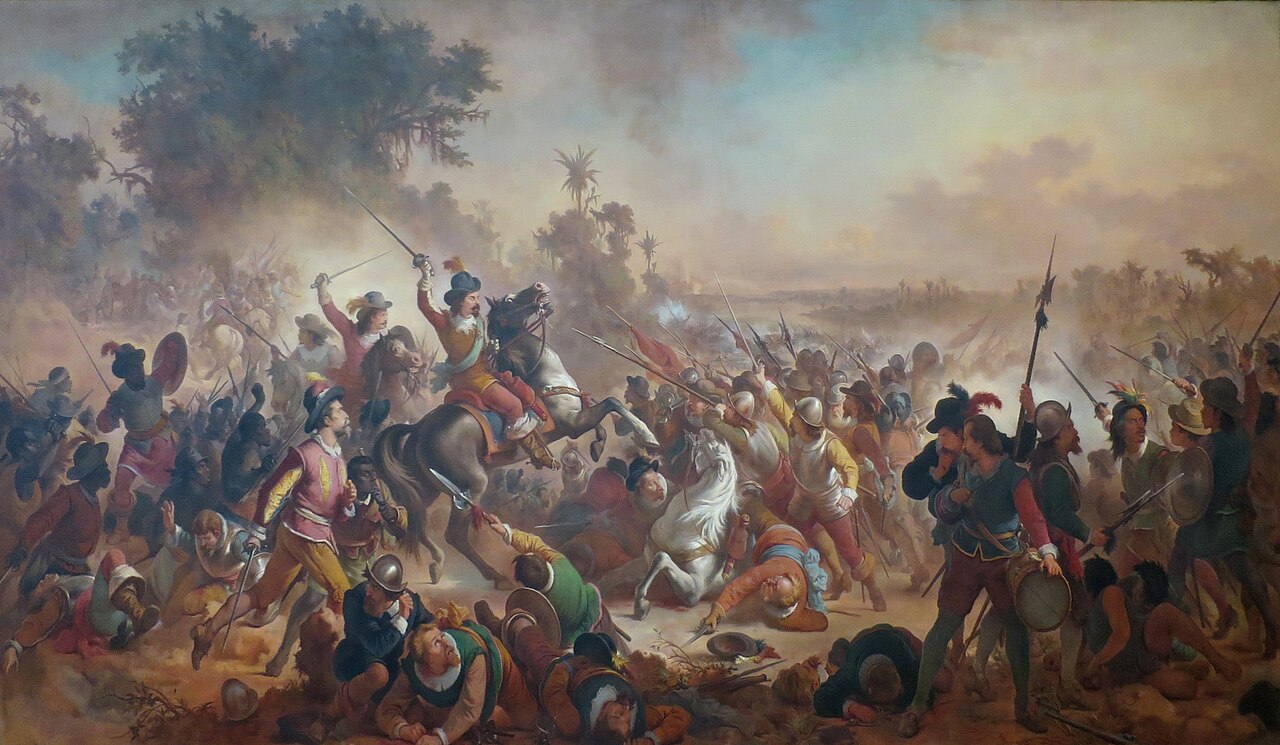
In 1580, Portugal was incorporated into the Iberian Union with Spain. It meant that all Portuguese territories and colonies now came under Spanish Habsburg rule. The enemies of the Spanish king Phillip II—including the rebellious Dutch—became Portugal's enemies as well. Having opened up their own trade routes with the Spice Islands of the East Indies, the Dutch set out to seize Portuguese colonial trading posts in Asia (elsewhere in the East Indies, India, Ceylon and the Malay peninsula), the Americas (Pernambuco in northeastern Brazil) and Africa (the Gold Coast, Luanda and Mozambique). The Dutch-Portuguese War went on until the 1660s and involved many naval battles. The Portuguese won some colonies back, for example Brazil in 1661, but the Dutch became the dominant European colonists in Asia.

Cape Town was originally a re-supply point and naval base for the ships of the Dutch East India Company sailing the spice route round the southern tip of Africa between the Netherlands and Batavia. It grew to become the Dutch Cape Colony after 1652, when settlers from the Dutch Reformed Church—soon joined by German Lutherans and French Huguenots—arrived to set up farms inland.
Slave trade
Illegal inside the Netherlands itself, slavery flourished in the Dutch empire: the economies of the colonies came to rely on slave labour for the production of sugar, spices and other crops. The prosperity of the Dutch Golden Age was therefore to a large degree made possible by the hundreds of thousands of people the Dutch colonists enslaved in the 17th century.
By 1650, the Dutch Republic had become the Europe's biggest slaving nation (it would be overtaken by England by the end of the century). Like other Europeans, the Dutch West India Company took part in the Atlantic slave trade throughout the 17th century and beyond. They shipped many thousands of enslaved Africans from the trading posts they held on the west coast of Africa to their colonies in the Guianas and the Caribbean to work the sugar cane plantations.
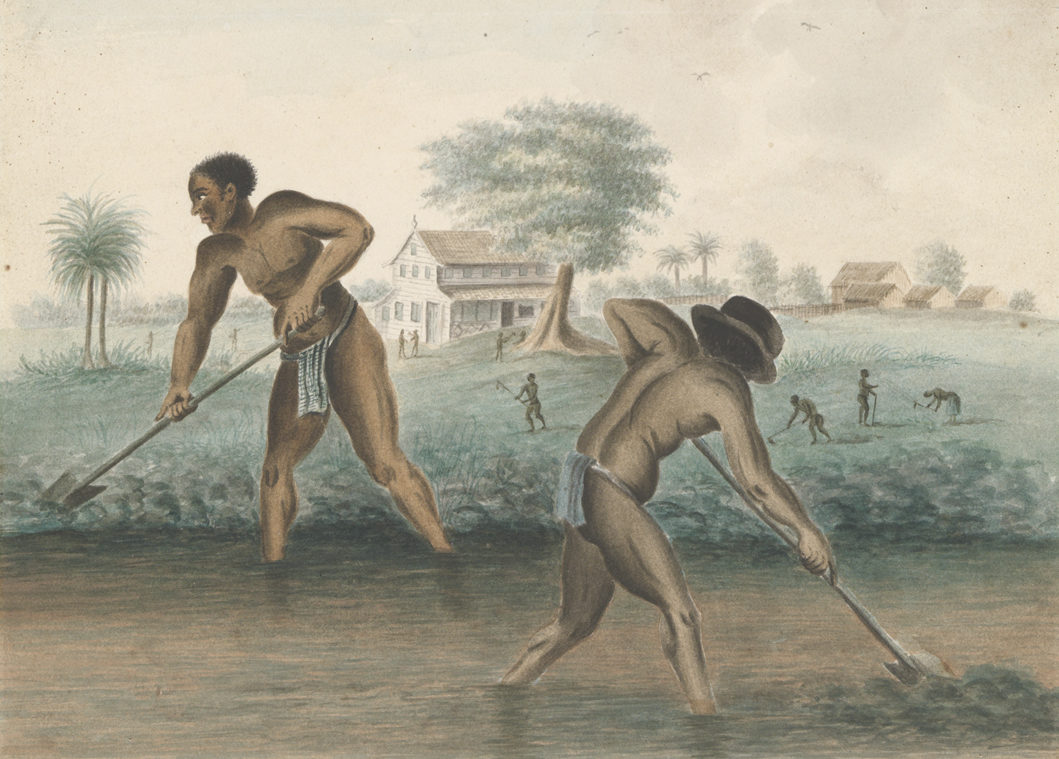

The Dutch East India Company, meanwhile, enslaved some of the native peoples of the East Indies, and shipped tens of thousands of slaves, mostly from India but also from China and Africa, to replace those native populations they had wiped out. Thousands of slaves from the East Indies, India and Ceylon were also transported to the Cape Colony and to the Caribbean and Guiana.
Anglo-Dutch Wars
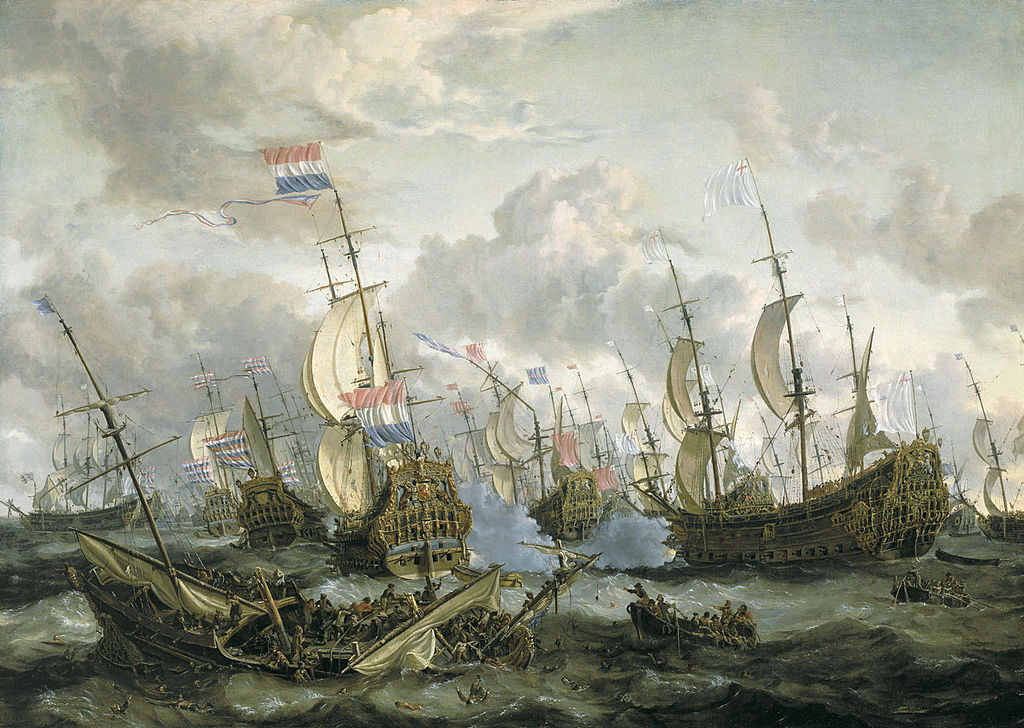
By the 1650s and 60s, the Dutch Republic was at the height of its power. It had built by far the largest fleet of merchant ships in Europe—more than all the other states combined. It held a dominant position in European trade and it had conquered most of Portugal's colonies and trading posts in the East Indies, giving it control over the hugely profitable spice trade. It was England, whose navy was the only one to rival that of the Dutch, that emerged as a major competitor in world trade ln the second half of the 17th century. Three wars were fought between the two powers between 1652 and 1674.
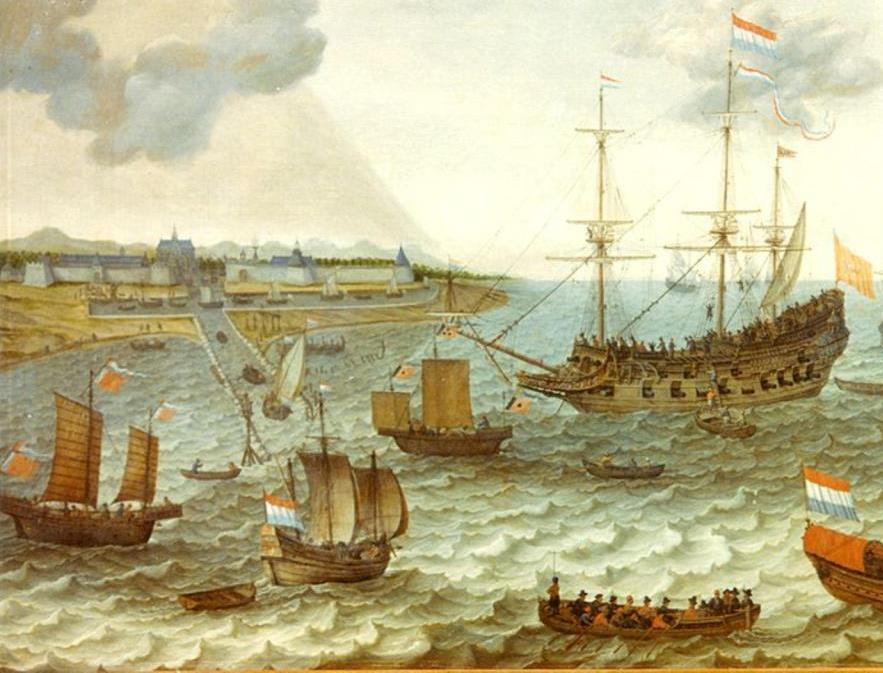

In 1651, England imposed its first Navigation Act, banning foreign ships from transporting goods from Asia, Africa or America to England or its colonies. This threatened Dutch trade interests, but it was English attacks on Dutch merchant shipping the following year that sparked the outbreak of the First Anglo-Dutch War in 1652. The conflict ended in 1654 with the Treaty of Westminster, in which the Dutch accepted the Navigation Act. The two countries remained fierce rivals, however, with Dutch and English trading companies continuing to fight over control of their colonies.
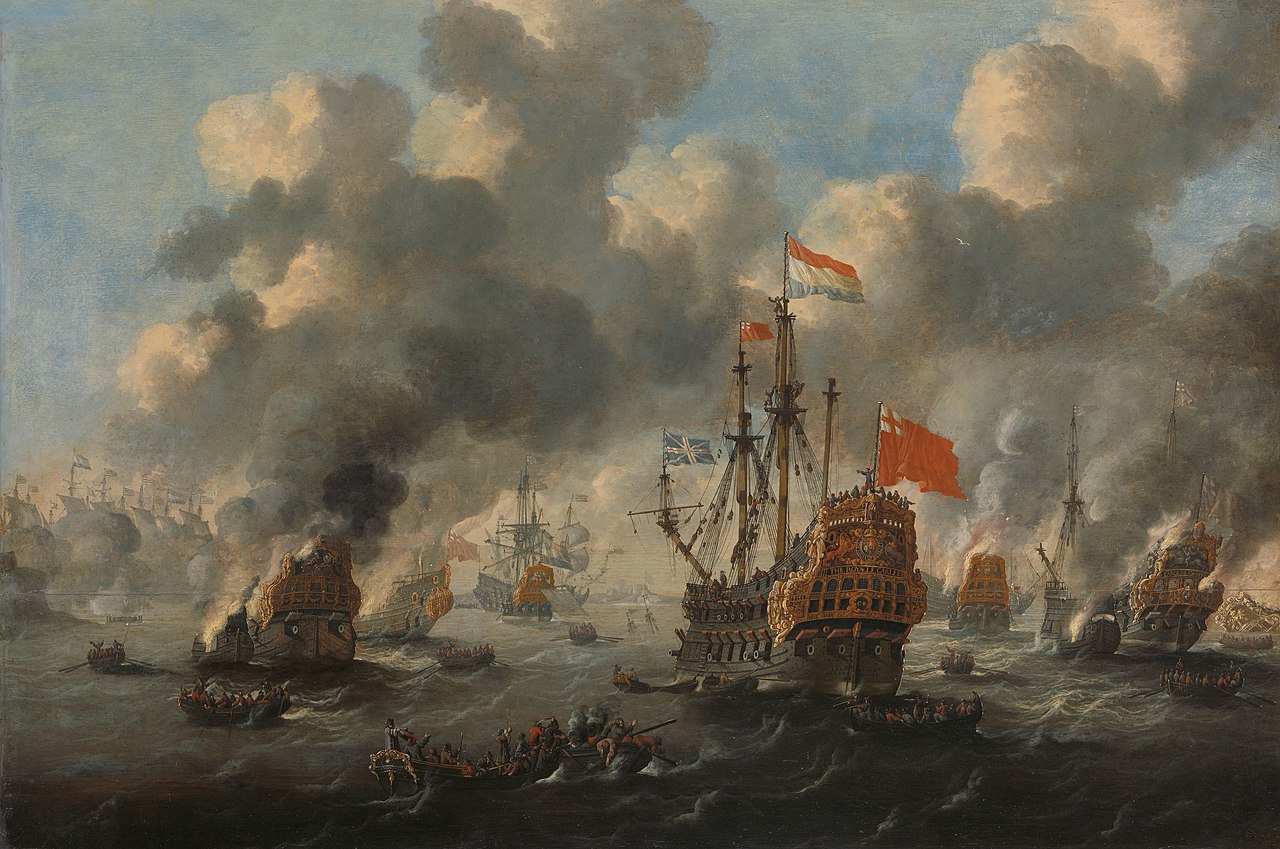
Restored to the English throne in 1660, King Charles II looked for ways to weaken the Dutch and strengthen English trading interests. English attacks on their ships provoked the Dutch into declaring war in 1665: the Second Anglo-Dutch War. After several English successes, the Dutch "Raid on the Medway" in June 1667, in which many Royal Navy ships were attacked and destroyed by Dutch warships sailing up the Medway estuary in Kent, led to a Dutch victory. By the Treaty of Breda (1667), they regained control of the valuable sugar plantations of Suriname and West African trading posts, in exchange for English possession of New Netherland (the Dutch colony in North America).

1672: Rampjaar
The year 1672 is known in the Netherlands as the "Disaster Year" (Rampjaar). Charles II of England, seeking to restore pride after the Raid on the Medway, declared war on the Dutch Republic, launching the Third Anglo-Dutch War. France, Münster and Cologne, which had all signed alliances against the Dutch, did the same, and began an invasion of the Netherlands from different directions. Johan de Witt, the Republican and effectively the Dutch Republic's head of state, resigned and was replaced by the new stadtholder, William III of Orange.
The Dutch managed to repel the advance of French troops into Holland, but only by breaching river dykes and flooding large areas of land. By the end of 1672, they had regained much of the territory they had lost earlier that year. Peace was signed with England in 1674 at the Treaty of Westminster and with France at the Treaty of Nijmegen in 1678.
Nine Years' War
In 1688, stadtholder William III of Orange was invited to invade England by Protestant English lords fiercely opposed to their king, the Catholic James II. William landed with his army and marched on London, gaining support on the way and causing James to flee to France, an event known as the Glorious Revolution. In April 1689, while Dutch troops occupied London, Parliament made William and Mary joint monarchs of England and Ireland (and, later, Scotland).

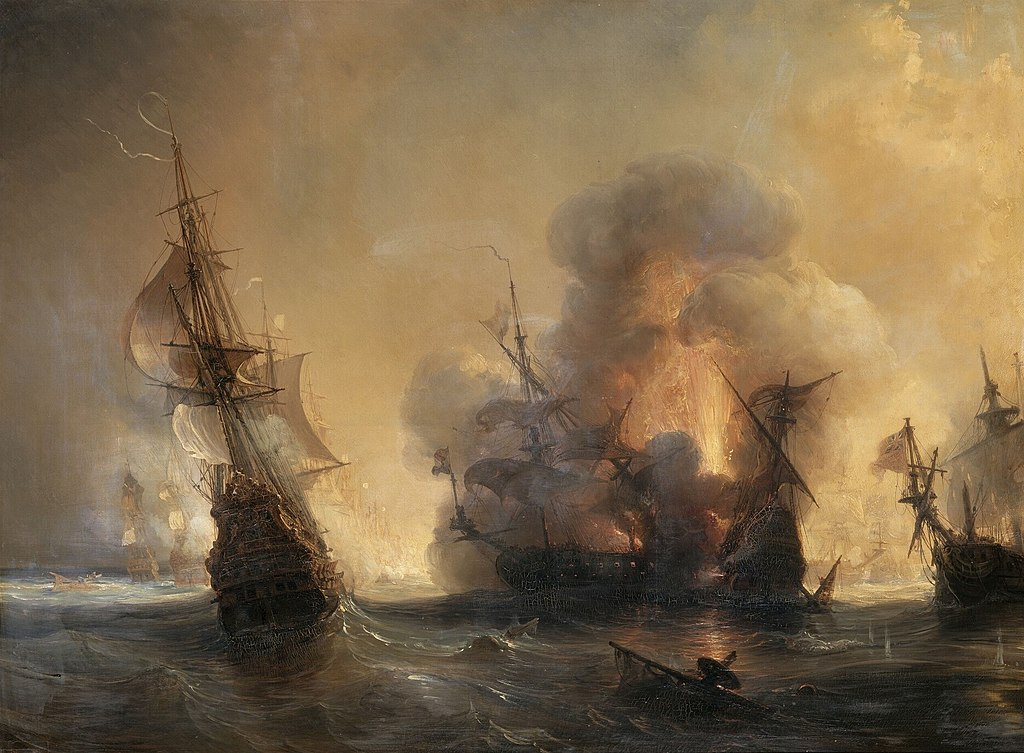
Until his death in 1702, William combined the roles of Dutch stadtholder and British monarch. The Dutch Republic and England thus became allies. They joined with the Dutch Republic's old foe, the Habsburg monarchy, to form what was called the Grand Alliance against Louis XIV of France. The two sides fought one another in the Nine Years' War (1688–97).
Decline
Costly wars in the second half of the 17th century, and rivalry with the expanding colonial empires of two much larger countries, England and France, saw the Dutch empire fall into decline soon after it reached its peak in the 1670s. Dependent on the wealth its trading empire brought it, the Dutch Golden Age thus also came to an end. Although some colonies and trade monopolies were lost to the British Empire, other parts of the Dutch Empire survived for centuries, becoming independent only after World War II: the East Indies (Indonesia) and Dutch Guiana (Suriname). Three former colonial territories in the Caribbean, Aruba, Curaçao and Sint Maarten, remain part of the Kingdom of the Netherlands to this day.