States and territories of India
Goa
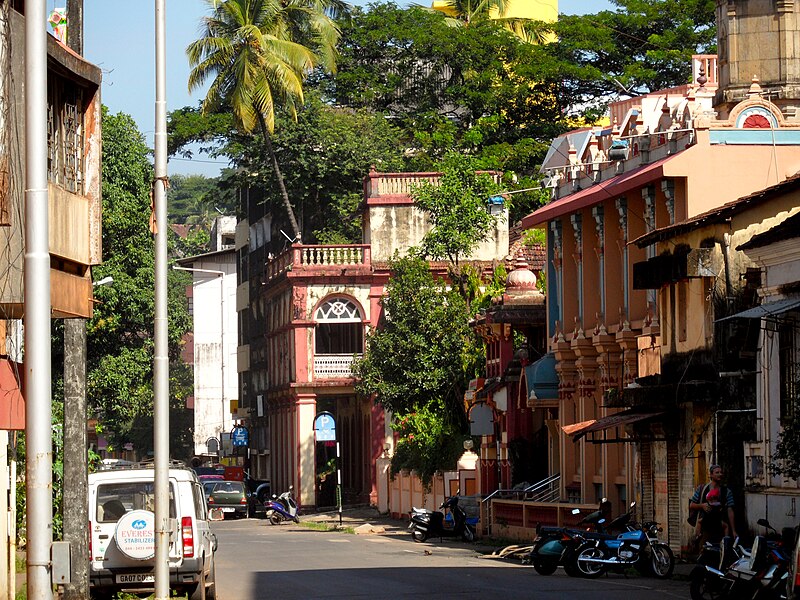
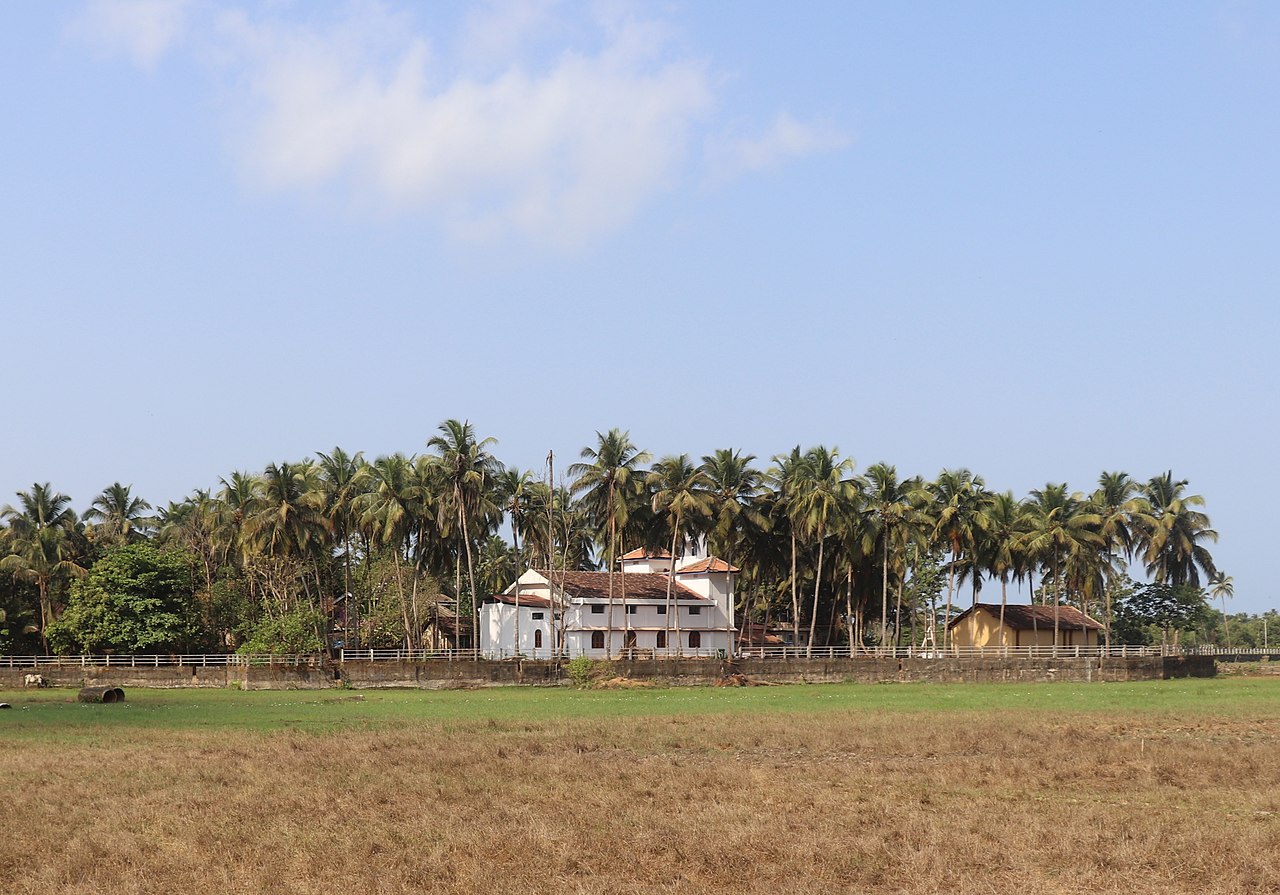
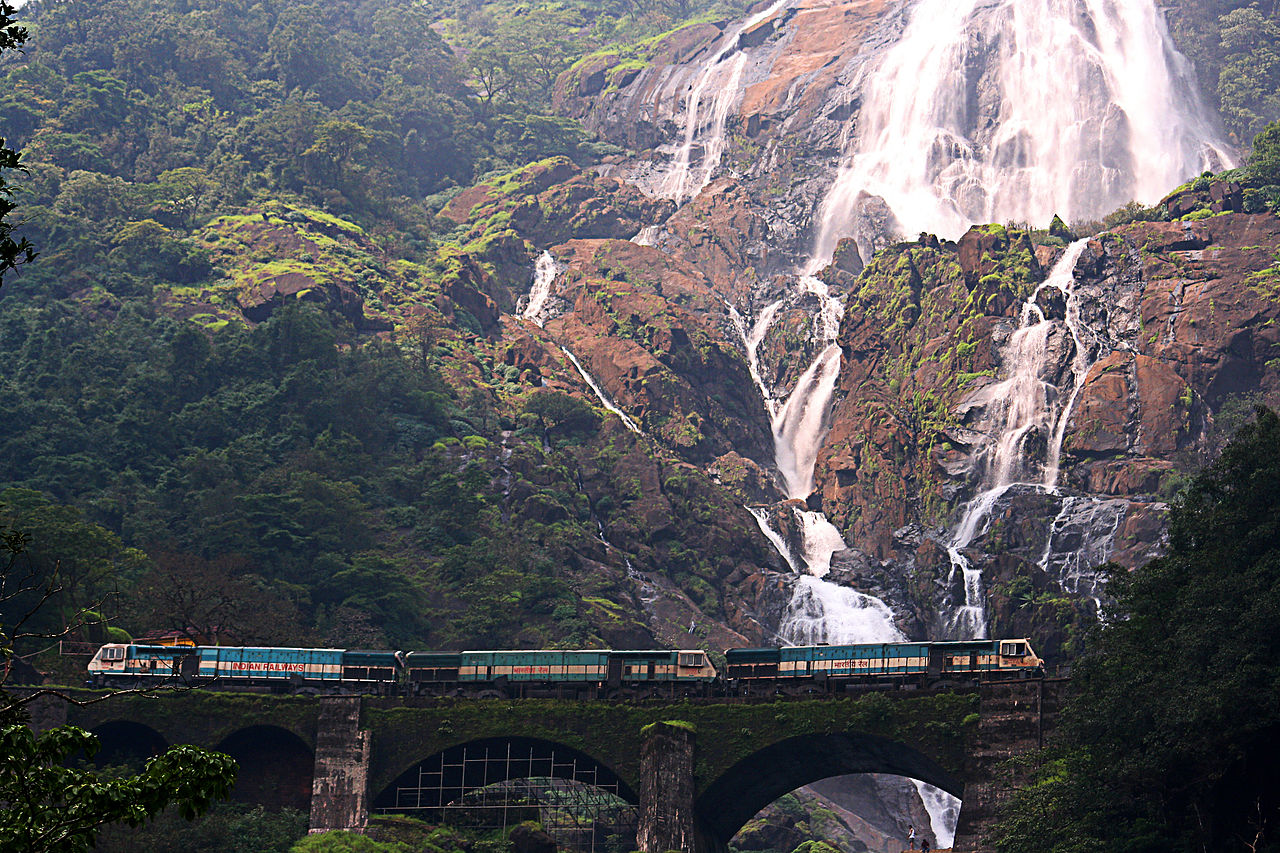
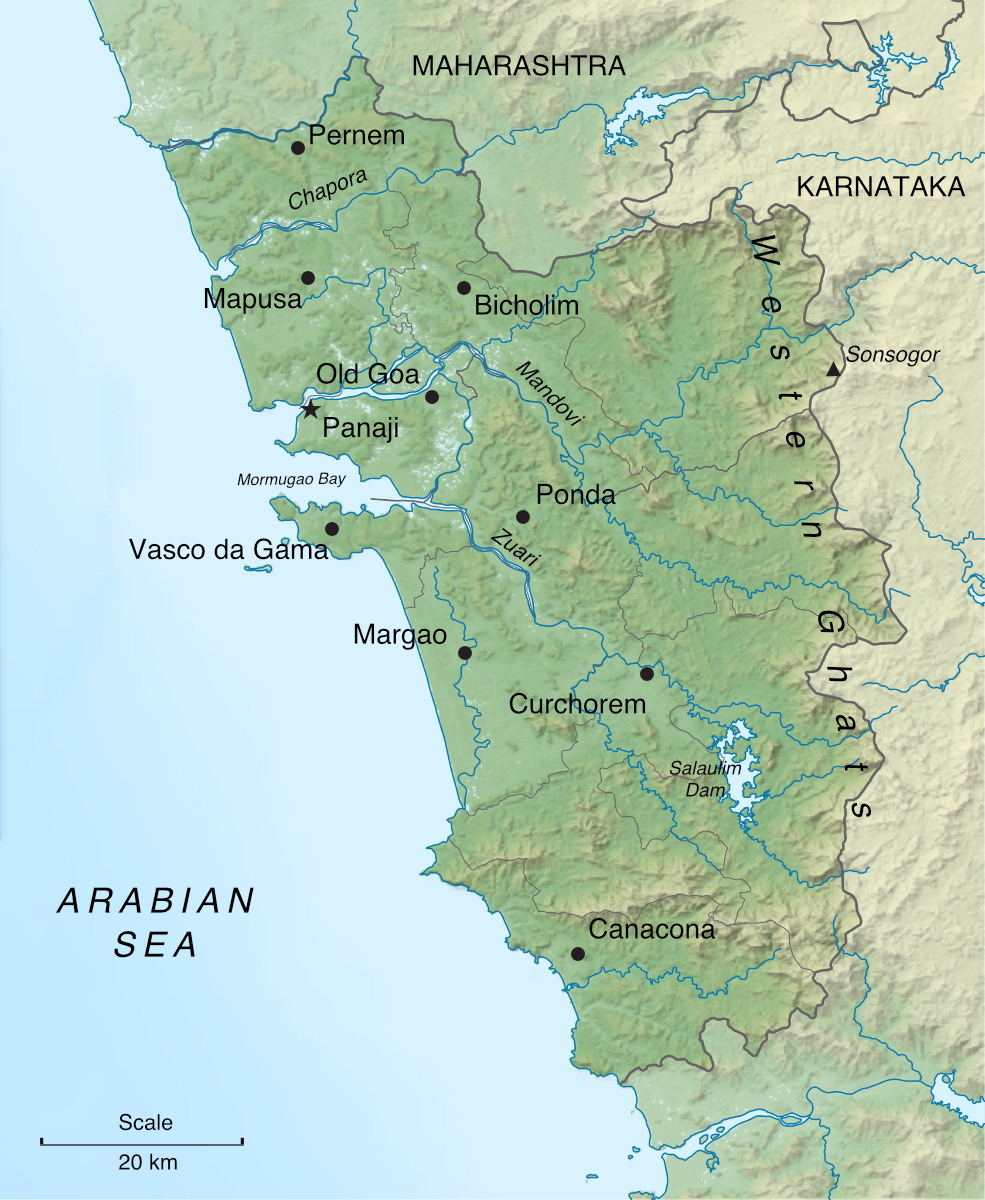
Goa is a state on the southwestern coast of India. It lies on the Konkan, a region of low hills, deep valleys and a narrow coastal plain. The densely forested Western Ghats mountains, also known as the Sahyadri Range, rise steeply in the east along the boundary with Karnataka. A state since 1987, India's smallest state is also its richest, with the highest GDP per capita. Goa is visited by many tourists each year, drawn to its beaches, water sports, nightlife and distinctive Portuguese colonial architecture.
Climate
Goa has a tropical wet climate. Summer lasts between March and May, when daytime temperatures frequently rise above 35°C (95°F). The southwest monsoon season runs from June to September, during which more than 90% of the state's average annual rainfall (305 centimetres or 120 inches) is received. The drier, cooler post-monsoon period runs from October through to mid-December. The winter months are marked by nights of around 21°C (68°F) and daytime temperatures of around 28°C (84°F).
Economy
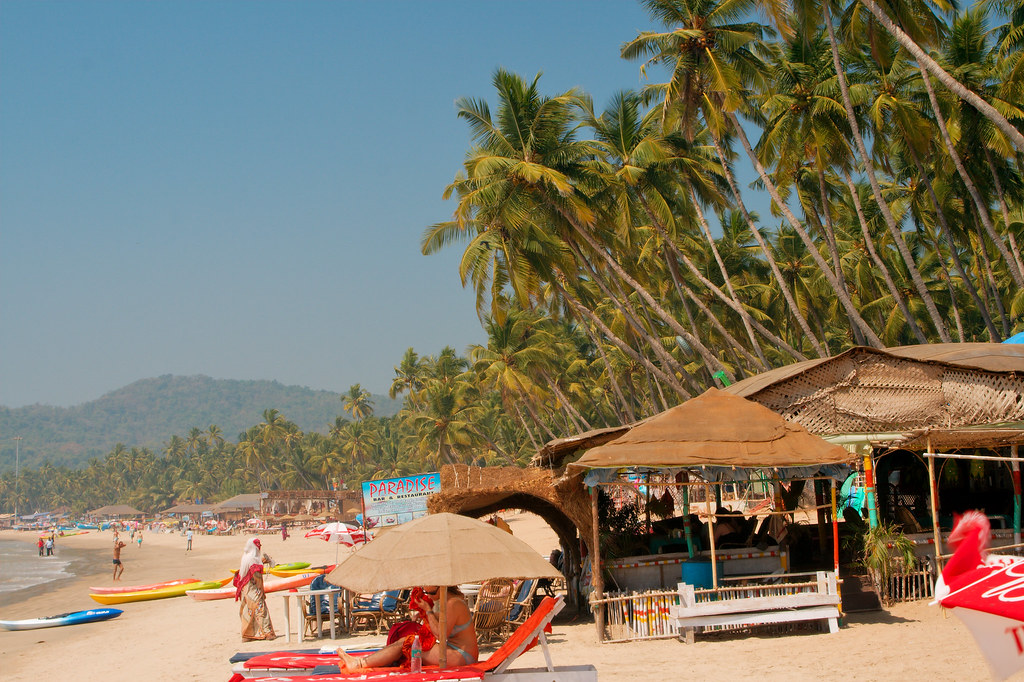
Tourism is Goa's chief industry. Mining—especially of iron and manganese—is the second largest. Mormugao Port, part of the Vasco da Gama urban area, handles more than a third of India's total iron ore exports. Other industries include the production of agrochemicals and pharmaceuticals, textiles, steel rolling, brewing, food processing and canning.

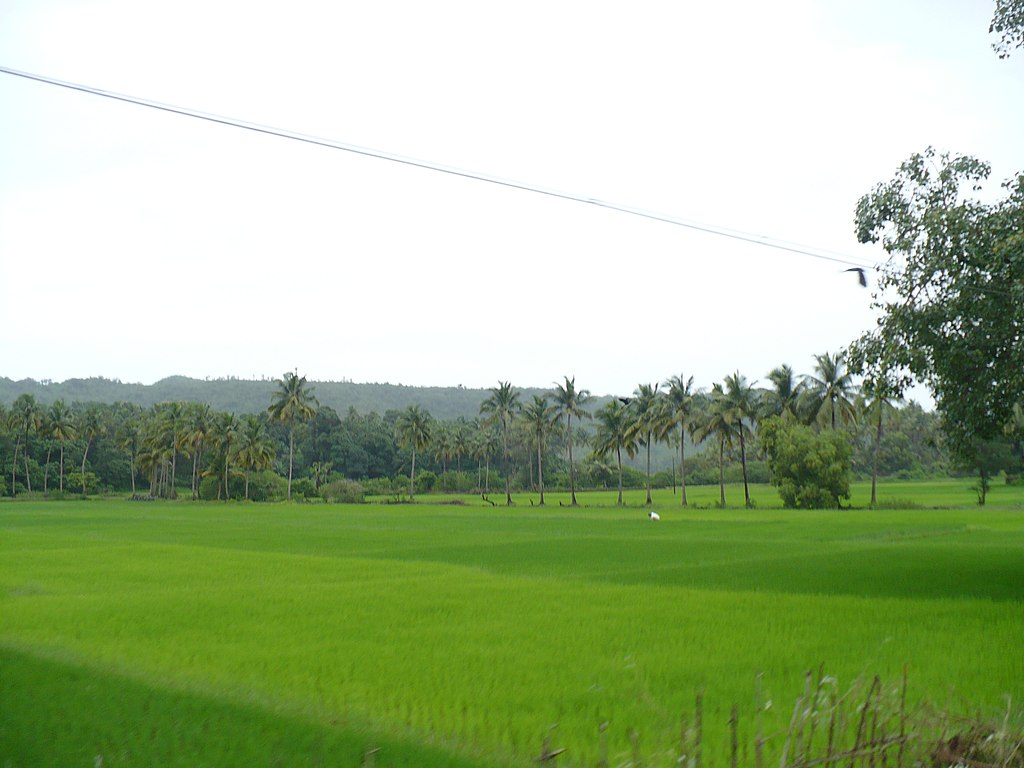
The main staple crops in Goa are rice, pulses and ragi (finger millet), while the chief cash crops are coconut, areca nut, cashew nut, sugar cane and fruits such as banana, mango, and pineapple. Fishing for seafood is also important.
History
In 1312, Goa came under the rule of the Delhi Sultanate but the Muslim rulers were forced to surrender it to the Vijayanagara Empire in 1370, who held it for a century. When the Portuguese conquered Goa in 1510, it was in the hands of the Adil Shahi dynasty, rulers of the Bijapur Sultanate. Portuguese colonial rule in Goa, expanding from the original settlement in Velha Goa (Old Goa) to encompass surrounding territories, the Novas Conquistas, would last for four and a half centuries.
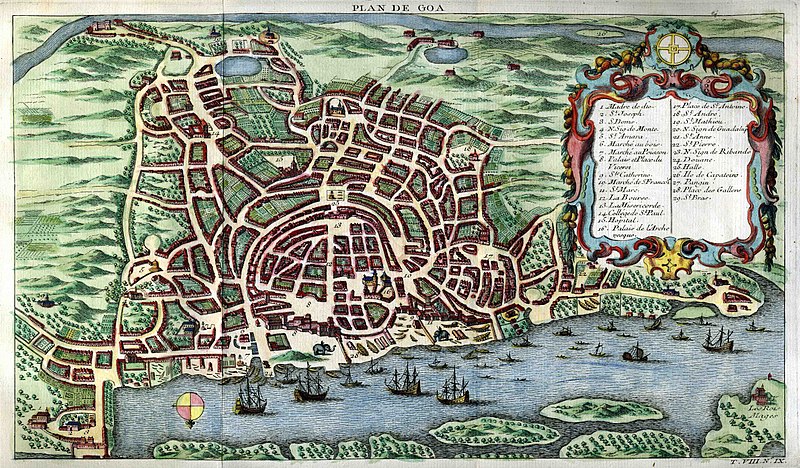

After India gained independence from British rule in 1947, India requested that Portuguese territories on the Indian subcontinent, including Goa, be handed over to them. Portugal refused, so on 19th December 1961, the Indian army invaded and annexed Goa, along with the Portuguese-held islands of Daman and Diu. In a 1967 referendum offering the inhabitants a choice between remaining as a union territory or merging with the state of Maharashtra, the majority voted for the former. In 1987, the union territory was split, with Goa becoming a state, while Daman and Diu remained a union territory.
Consultant: Nicholas Harris
Facts about Goa
Area 3702 sq km (1429 sq miles) Rank 28th
Highest point Sonsogor Peak 1026 m (3366 ft)
Population 1,593,000 Rank 26th
Capital Panaji (Panjim) pop. 40,017
Largest cities Vasco da Gama (pop. 100,485), Margao (87,650), Mapusa (40,487), Ponda (22,664)
Main languages Konkani (66%), Marathi (11%), Hindi (9%), Kannada (5%), Urdu (3%)
Main religions Hinduism (66%), Christianity (25%), Islam (8%)
State bird Flame-throated bulbul
State flower Jasmine
State mammal Gaur
State tree Matti (Indian laurel)