
Europe
Czechia
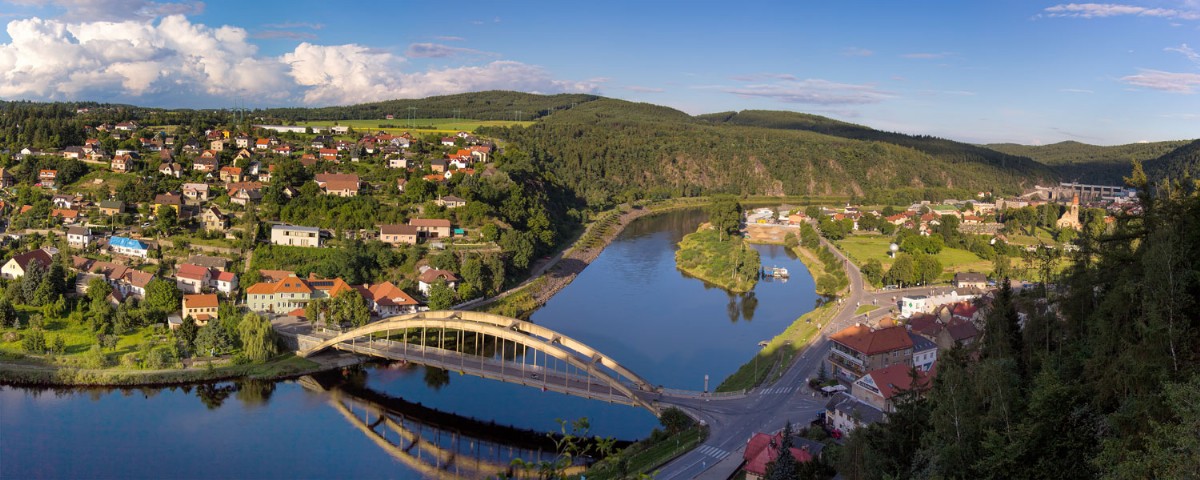
Czechia (Czech Republic) came into being in 1993. Before then it formed a union with Slovakia in a country called Czechoslovakia. The western part of Czechia, a high, forested plateau surrounded by ranges of low hills and mountains, is the state of Bohemia. To the east lies a lowland region called Moravia. An arm of the Carpathian mountains forms a natural border with Slovakia. Like other central European countries, Czechia has a continental climate with warm summers and cold, snowy winters.


People
The Czechs are a West Slavic people whose ancestors came from the Black Sea region in the 6th century. The country also has a Ukrainian and Slovak population, along with a significant Romani minority and immigrants from Vietnam. Peoples from the three historic regions of Moravia, Bohemia and Czech Silesia—which now make up the Czech Republic—each have a separate identity within the Czech nation.
Czech culture has a long tradition of literature, art and music. It was home to Czech composers Antonin Dvorák (1841–1904) and Leoš Janácek (1854–1928), as well as the writers, Franz Kafka (1883–1924), Josef Škvorecký (1924–2012) and Milan Kundera (1929–2023). The country’s first president, Václav Havel (1936–2011), was a distinguished playwright.


Industry
For much of the 20th century, the country’s Communist leaders focused its economy on heavy industries, such as the production of machinery and steel. Since it separated from Slovakia in 1993, Czechia has remained one of Europe’s leading industrial regions. Today it is a major producer of cars, trams and aeroplanes, as well as textiles and chemicals.
Czechia is also well known for its beer: the brewery towns of Plzeň and Ceské Budejovice produce the world-famous Czech Pilsner and Budweiser Budvar beers. A new and fast-growing industry is video games: since 2013, the state has supported game development as a way to boost the economy.

Prague

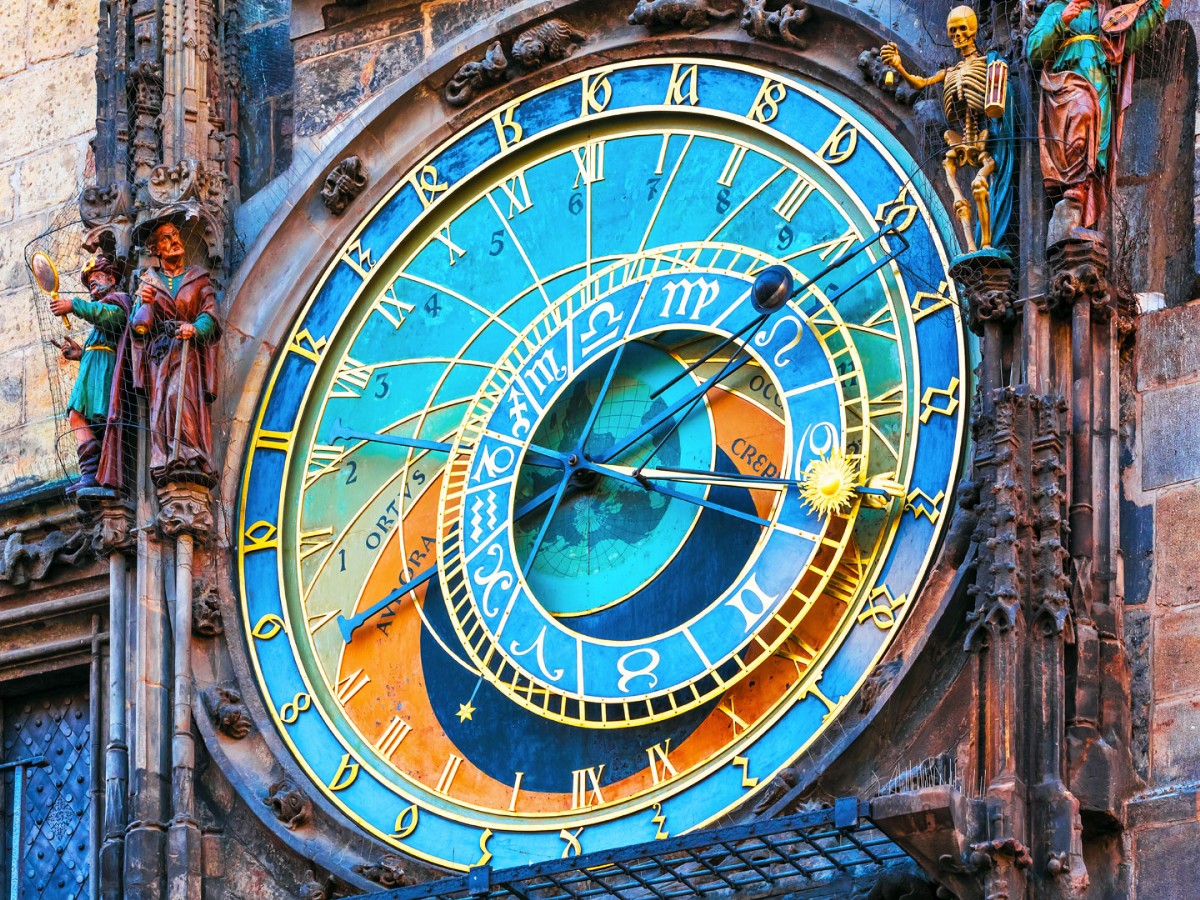
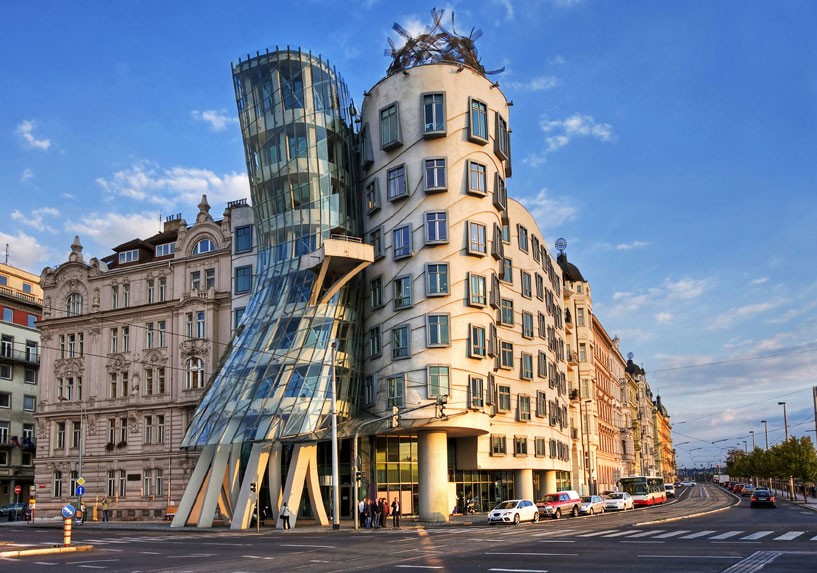
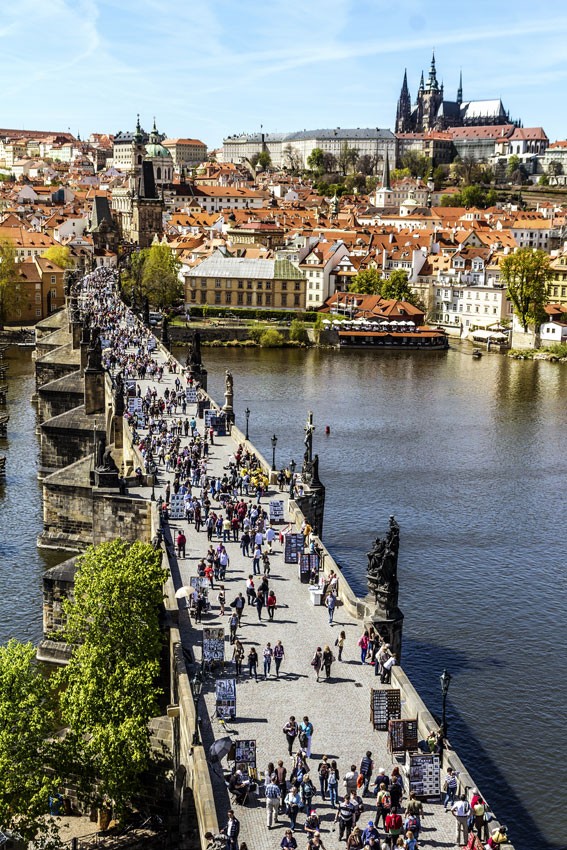
With its theatres, museums, galleries and impressive architecture, the capital city, Prague, is the cultural centre of Czechia. It is also one of the most-visited cities in Europe, drawing more than 4.4 million tourists every year from all over the world. Situated on the River Vltava, Prague was once capital of the Holy Roman Empire and the cultural centre of the whole of Europe. Many of its buildings date from the 18th century, when it was rebuilt following a fire. They were designed in the Baroque style of the time.
During World War II, Prague was not as badly damaged as other Central European cities, so much of its historic architecture survived. Over the last century, large factories have been built in its suburbs, threatening the city with air pollution.
Consultant: Nicholas Harris
Facts about Czechia
Population 10,900,555 (2024 estimate)
Area 77,247 sq km
Highest point Snezka 1602 m (5256 ft)t
Capital Prague, population 1,384,732
Other major cities Brno (pop. 400,566), Ostrava (284,765), Plzeň (Pilsen, 185,599), Liberec (107,982)
Language Czech
Religions Christian (Roman Catholic) 10%, Christian (Protestant) 1%, others 54%, none 35%
Ethnicity Czech 89%, Moravian 3%, Slovak 1%, others 7%
Currency Czech koruna (CZK)
Chief exports machinery, cars, planes, trams and buses, fuel, chemicals
History of the Czech Republic
500 BC
Celtic tribes settle in the region
500 AD
Slavic peoples arrive from the eastern Carpathian Mountains, pushing out Germanic and Celtic tribes
620s–658
Frankish merchant Samo, supporting Slav tribes (including Czechs and Moravians) fighting against the nearby Avars, becomes the ruler of the first Slavic state in Central Europe, Samo's Empire.
833–c. 907
Great Moravia, the first major West Slavic state, emerges in Central Europe under Mojmir I. In 863, Mojmir's successor Rostislav, calls Byzantine Christian missionaries to Moravia to convert his people to Christianity.
870
Duchy of Bohemia is founded by the Přemyslid dynasty
885
City of Prague founded
935
Assuming the Bohemian throne after (according to legend) murdering his brother Wenceslaus I, Boleslaus the Cruel conquers the neighbouring lands of Moravia and Silesia
1002
Duchy of Bohemia (modern Czechia) becomes part of the Holy Roman Empire
1198
The Duchy of Bohemia becomes the Kingdom of Bohemia, an Imperial State in the Holy Roman Empire
1342–78
Reign of Charles IV (the second king from the House of Luxembourg), considered the Golden Age of Czech history. Charles founds St Vitus’ Cathedral and Prague’s Charles University.
1419–34
Hussite Wars: a series of civil wars fought between the Hussites (followers of a movement inspired by reformer Jan Hus) and the combined forces of Holy Roman Emperor Sigismund and European monarchs loyal to the Catholic Church.
1526
The Bohemian estates elect Austrian Archduke Ferdinand, younger brother of Emperor Charles V, king of Bohemia, beginning Habsburg rule
1618–20
Bohemian Revolt: uprising of the Bohemian Protestant nobles against the rule of the Habsburg dynasty. Under their chosen king Frederick I, they are defeated at the Battle of White Mountain (1620), but the conflict begins the Thirty Years' War.
1757
Prussians invade Bohemia and occupy Prague; a quarter of the city is completely destroyed
1806
Kingdom of Bohemia is incorporated into the Austrian Empire
1848
Revolution in Prague and throughout the Austrian Empire
1914–18
1.4 million Czech soldiers fight in World War I
1918
At the end of World War I, the Austrian Empire collapses and an independent republic, Czechoslovakia, is formed (modern-day Czech Republic and Slovakia) with Tomás Masaryk as its first president
1939
Following the 1938 Munich Agreement, in which Britain, France and Italy agree that Nazi leader Adolf Hitler could annexe part of Czech territory called the Sudetenland, Nazi Germany invades and occupies Czechoslovakia. Slovakia becomes an independent ally of Nazi Germany.
1944–45
Czechoslovakia is liberated by the Soviet troops of the Red Army. Three million ethnic Germans are forced to leave Czechoslovakia.
1948
Communists take power in a coup. Czechoslovakia becomes a satellite state of the Soviet Union.
1968
The Prague Spring: under the leadership of Alexander Dubček, the Czech government introduces social reforms in an attempt to create "socialism with a human face". The movement is forcibly ended by invasion of the forces of the Soviet Union and its Warsaw Pact allies in August.
1969
Student Jan Palach sets himself on fire in Prague's Wenceslas Square in a protest against the invasion of Czechoslovakia by the Soviet Union.
1989
Following the non-violent, anti-Communist "Velvet Revolution", Communist rule of Czechoslovakia ends and the country becomes independent with playright Vaclav Havel as its president
1993
Czechoslovakia peacefully splits into the independent Czech Republic and Slovakia
2003
Vaclav Havel steps down as president
2004
Czech Republic joins the European Union (EU)
2016
"Czechia" is officially confirmed as alternative English name for the Czech Republic
2024
(September) Storm Boris causes severe floods with over 200 rivers reported to have spilled over their banks. Jeseník receives nearly 500 mm (20 inches) of rain.