States and territories of India
Telangana
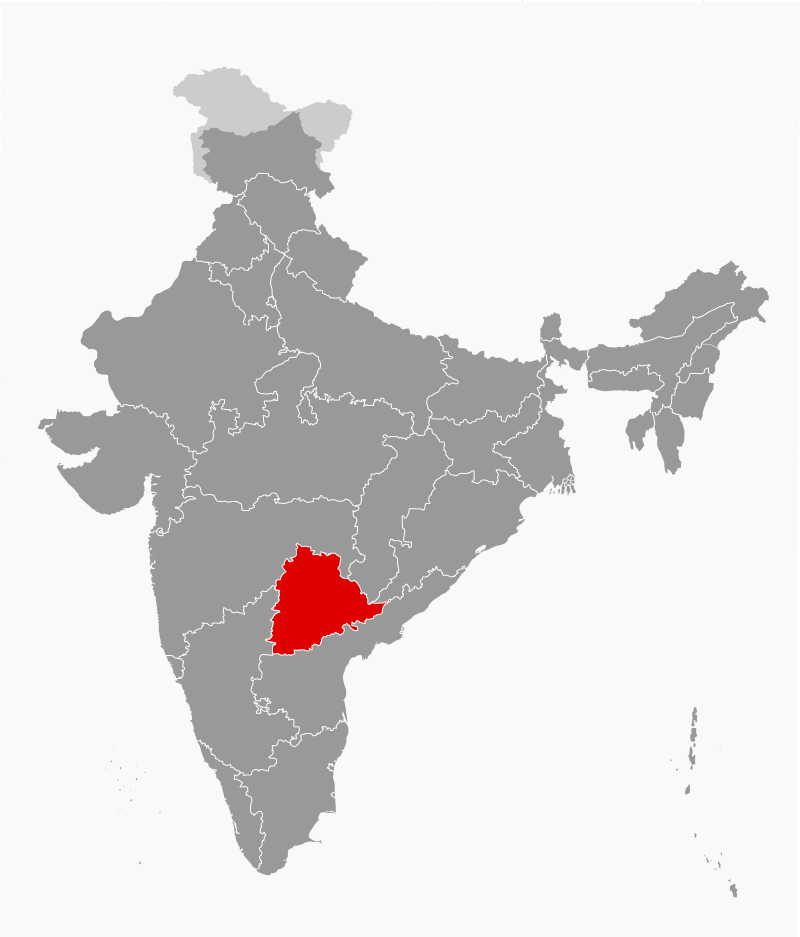
Telangana is a state located in southern central India on the Deccan Plateau. The state came into existence on 2nd June 2014, when it was separated from the northwestern part of Andhra Pradesh. To begin with, Hyderabad remained the joint capital of both Telangana and Andhra Pradesh. Hyderabad then became capital of Telangana alone, and a new capital, Amaravati, was selected for Andhra Pradesh.

Geography
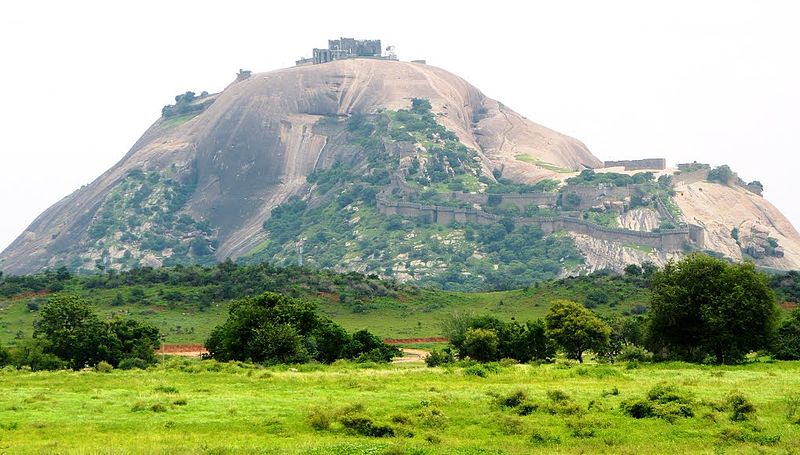
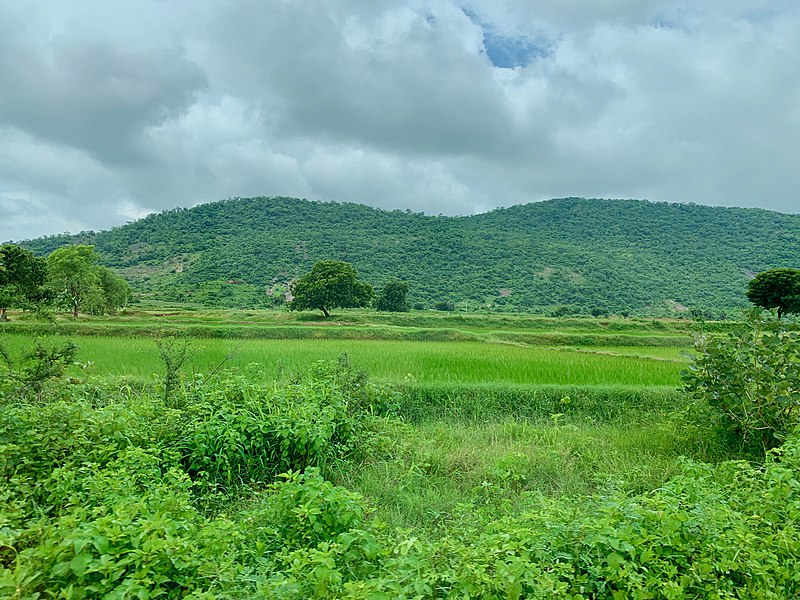
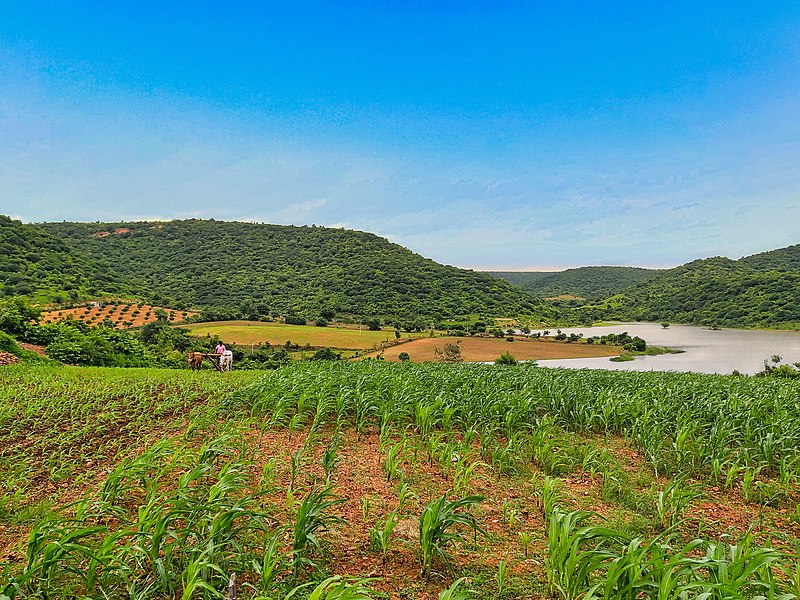
Telangana occupies a part of the Deccan Plateau. The highest uplands are in the west, particularly to the north and south of Hyderabad. In the east, the river valleys widen and open out into the plains of Andhra Pradesh. Isolated hills dot the landscape. Telangana contains two major river basins, those of the Godavari and Krishna, both of which flow eastwards. The natural vegetation of dry deciduous or tropical thorn forest, but most of it has been cleared for arable farming or cattle grazing.
Climate
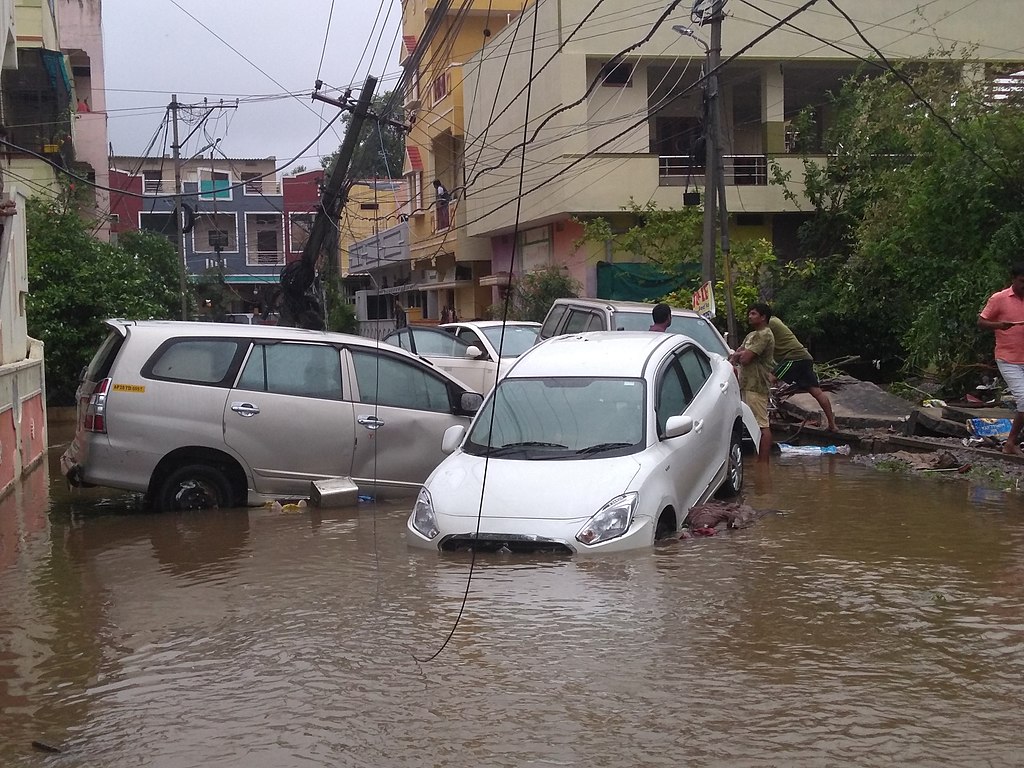
Lying in the rain shadow zone of the Western Ghats, Telangana is a semi-arid region, with a tropical wet and dry climate. Summers start in March, with average temperatures reaching as high as 43°C (109°F). The southwest monsoon arrives in June and lasts until September with an average of 90 centimetres (35 inches) of precipitation. Rainfall is higher in the north than in the south. The dry, mild winter lasts from November to February with average temperatures of around 23°C (73°F), colder at high altitudes.
Economy
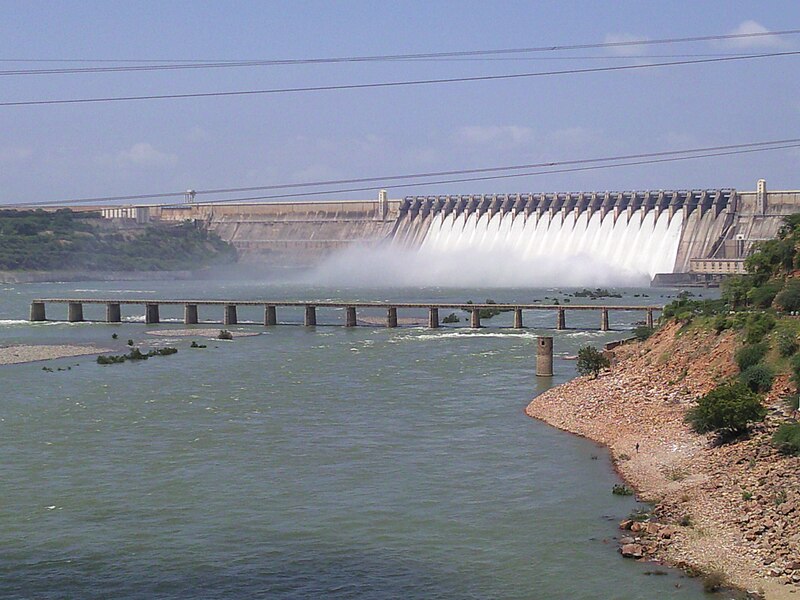
With around 60% of its population living in rural areas, most of the state's inhabitants live off the land. Rice is the major food crop, with cotton, sugar cane, fruits, sunflowers, groundnuts, tobacco and cut flowers important cash crops. Two major rivers, the Godavari and Krishna, flow across the largely semi-arid state, providing water via the Godavari River Basin Irrigation Projects, the Nagarjuna Sagar Dam and other irrigation schemes.
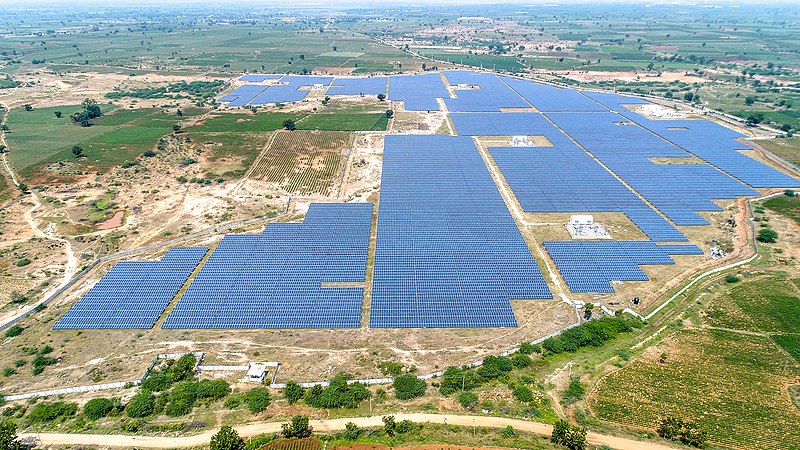
Once known for its cotton-weaving industry, Telangana has, in recent decades, emerged as a major hub for software development, pharmaceutical research and biotechnology. The state is also the main administrative centre of many Indian defence aerospace and research labs.
Hyderabad
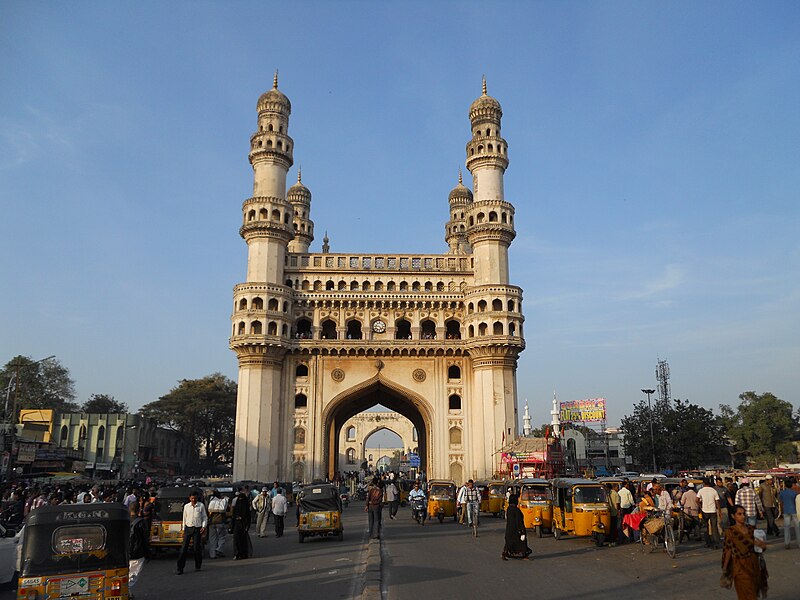
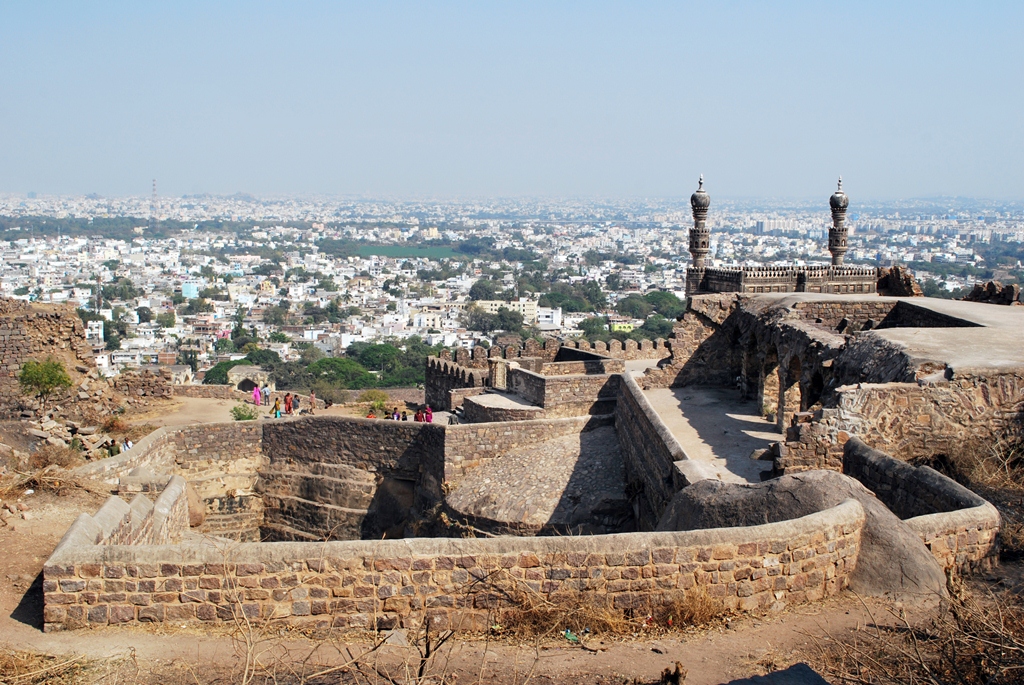
The Sultan of the Qutb Shahi dynasty established Hyderabad in 1591 as a new capital to replace the medieval fortress-city of Golconda. In 1687, the city was annexed by the Mughal Empire. Hyderabad served as the capital of the Asaf Jahi dynasty, the Nizams of Hyderabad—who were appointed as rulers by the Mughals—from 1769 to 1948.
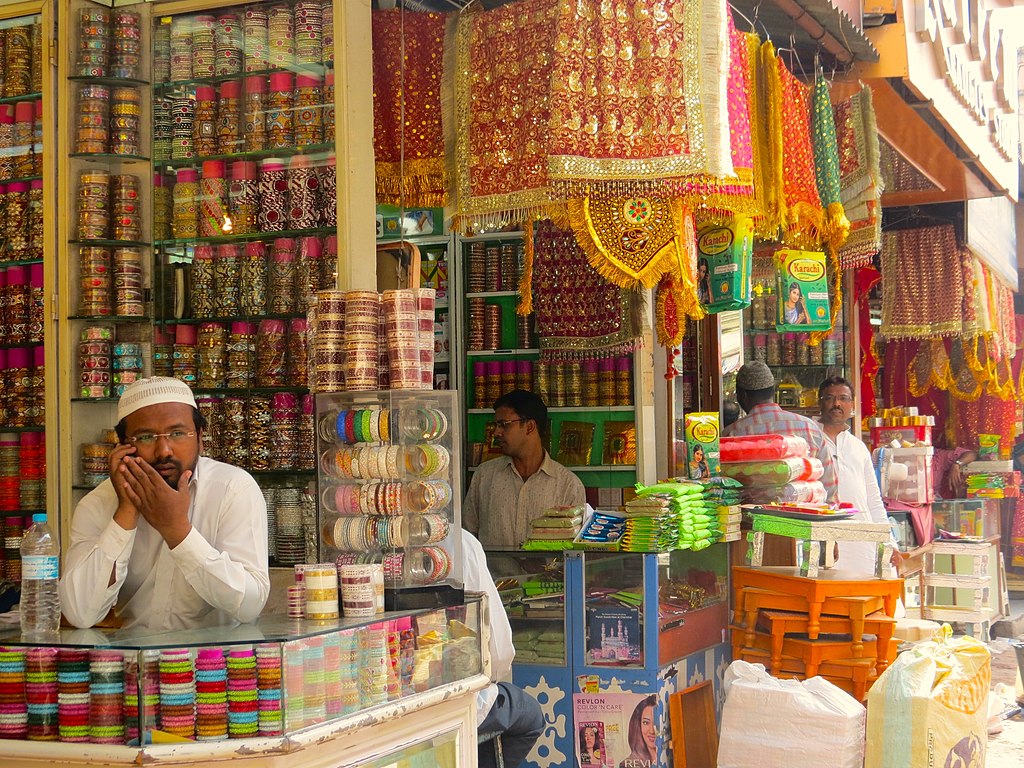
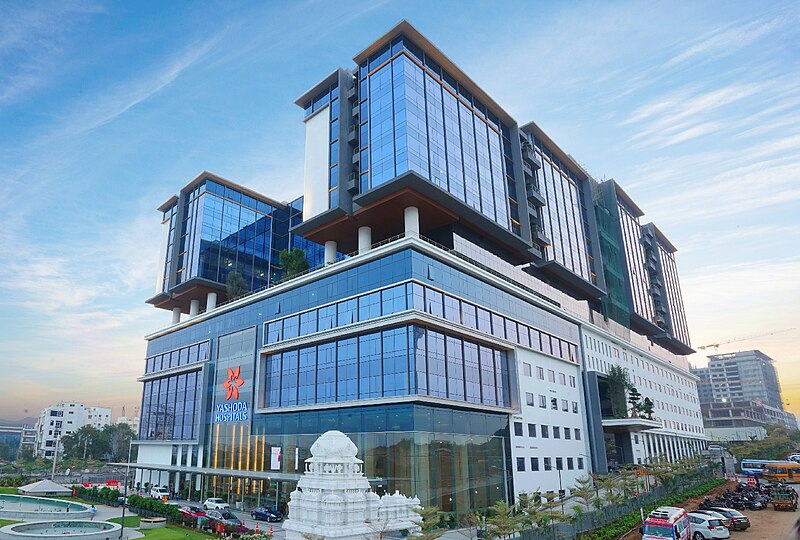
Until the 19th century, Hyderabad was known for the pearl industry and was nicknamed the "City of Pearls". It was also the trading centre for Golconda diamonds. Since the 1990s, the city has emerged as a hub of pharmaceuticals, biotechnology and information technology (IT). Special economic zones of Hardware Park and HITEC City (Hyderabad Information Technology and Engineering Consultancy City) have been established there. Today, Hyderabad is the fourth largest city in India.
History of Telangana
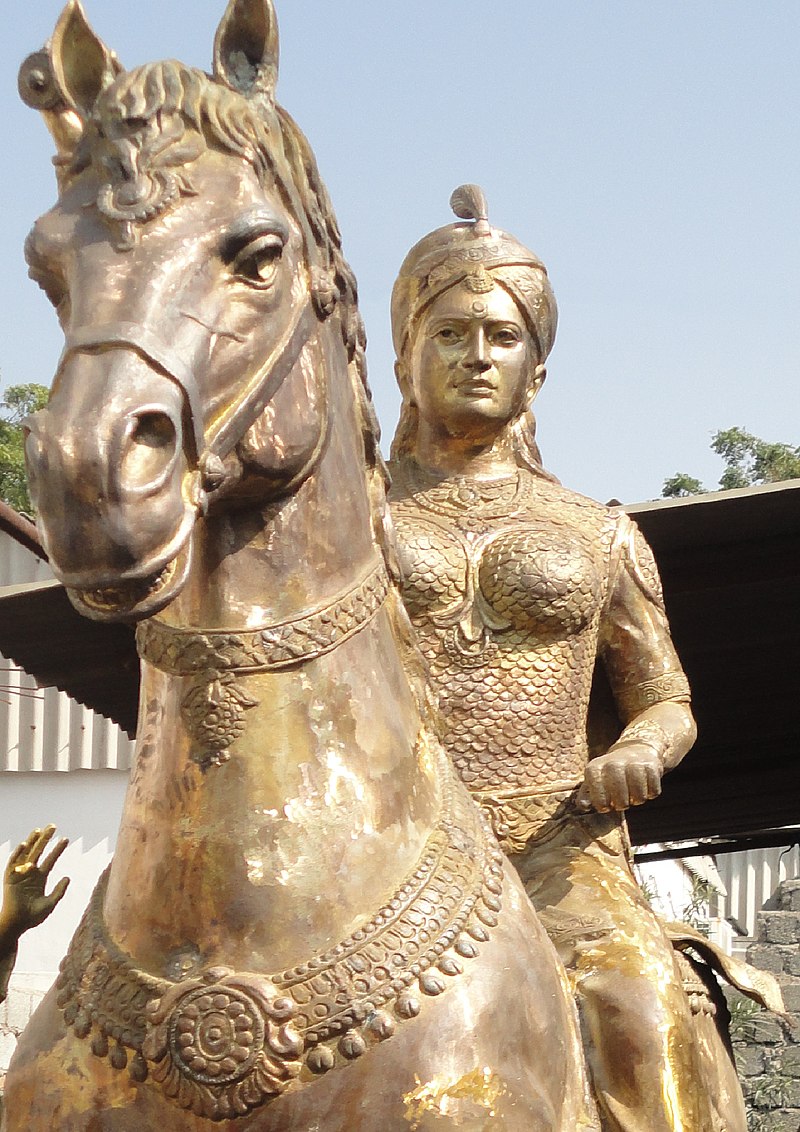
The area that is now Telangana came under the control of the Delhi Sultanate, following their conquest of the ruling Kakatiya dynasty in 1323. But they soon lost power to the Bahmani Sultanate, who took over in 1347. It fought many wars against its neighbours, among them its Hindu rival to the south, the Vijayanagara Empire. In 1518, the Bahmani Sultanate split up into the Deccan Sultanates, one of which, the Qutb Shahi dynasty, took control of the region, ruling from their stronghold at Golconda.
The Golconda Sultanate fell to the Mughal emperor Aurangzeb after a year-long siege of the Golconda fort in 1687. It became a self-governing province of the Mughal Empire, called Hyderabad Deccan, in 1724, under the governorship of Asif Jah. Rulers of the Asaf Jahi dynasty were known as the Nizams of Hyderabad. The Chowmahalla Palace in Hyderabad was their official residence. When the British East India Company took control in 1799, Hyderabad became a princely state.
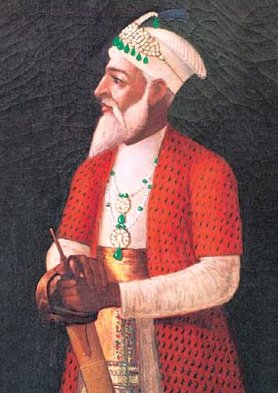

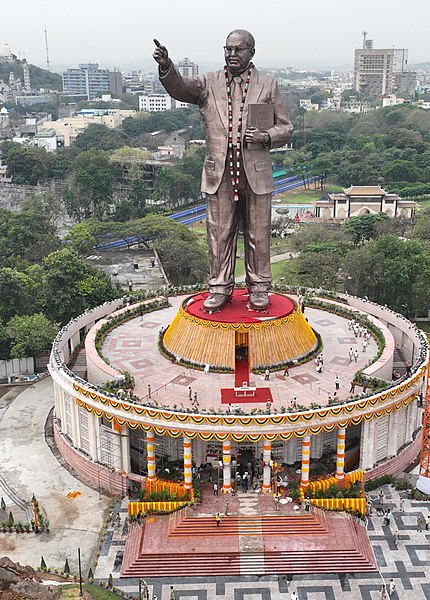
After India became independent in 1947, the Nizam of Hyderabad sought to remain independent from India, but the princely state was forcibly annexed by the government of India in September 1948. At this time, peasants rebelling against the feudal lords of the princely state were engaged in a guerrilla war with the Hyderabad State forces and the police. Supported by the Communist Party of India, they took control of land and villages until the rebellion ended in 1951.
In 1956, when Indian states were reorganized along linguistic lines, parts of Hyderabad was divided amongst Telugu-speaking Andhra Pradesh (which included present-day Telangana), Kannada-speaking Karnataka and Marathi-speaking Bombay State (later Maharashtra). Telangana was carved off from Andhra Pradesh to become a separate state in 2014.

Consultant: Nicholas Harris
Facts about Telangana
Area 112,077 sq km (43,273 sq miles) Rank: 11th
Highest point Doli Gutta 965 m (3166 ft)
Population 38,499,000 Rank: 13th
Capital and largest city Hyderabad (pop. 6,993,262)
Other large cities Warangal (pop. 704,570), Nizamabad (311,152), Khammam (305,000), Karimnagar (297,447)
Main languages Telugu (76%), Urdu (12%), Lambadi (6%)
Main religions Hinduism (85%), Islam (13%)
State bird Indian roller
State flower Tamgedu (Senna auriculata)
State mammal Spotted deer
State tree Jammi