
British history
Britain in World War II timeline
1939
1st September Germany invades Poland. The British Army is officially mobilized. Blackout begins and evacuation plans are put into action in Britain.
2nd September Under criticism from MPs, Prime Minister Neville Chamberlain abandons an offer to negotiate peace terms between Nazi Germany and Poland and gives German leader Adolf Hitler an ultimatum to withdraw or war will be declared.
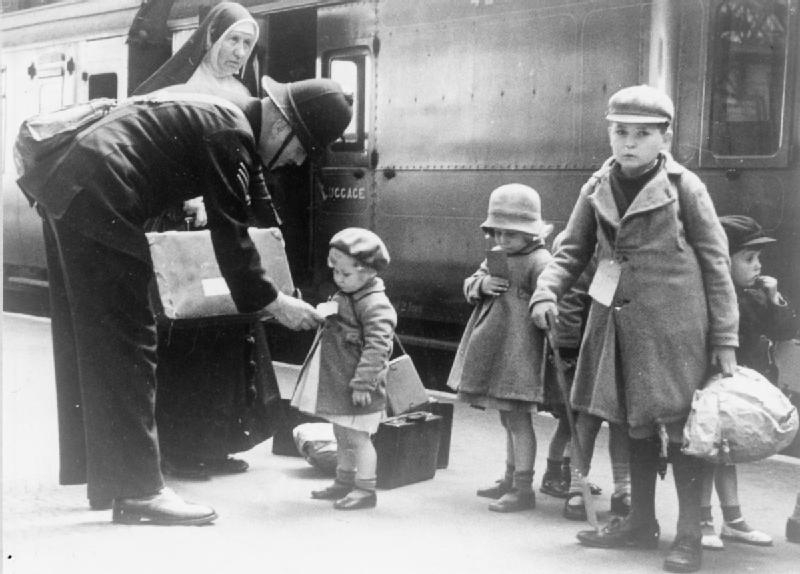
3rd September Britain and France declare war on Germany. British Expeditionary Force (BEF) is ordered to France. The passenger liner SS Athenia is the first British ship to be sunk. The National Service (Armed Forces) Act is passed. All men aged 18–41 are now potentially liable for conscription.
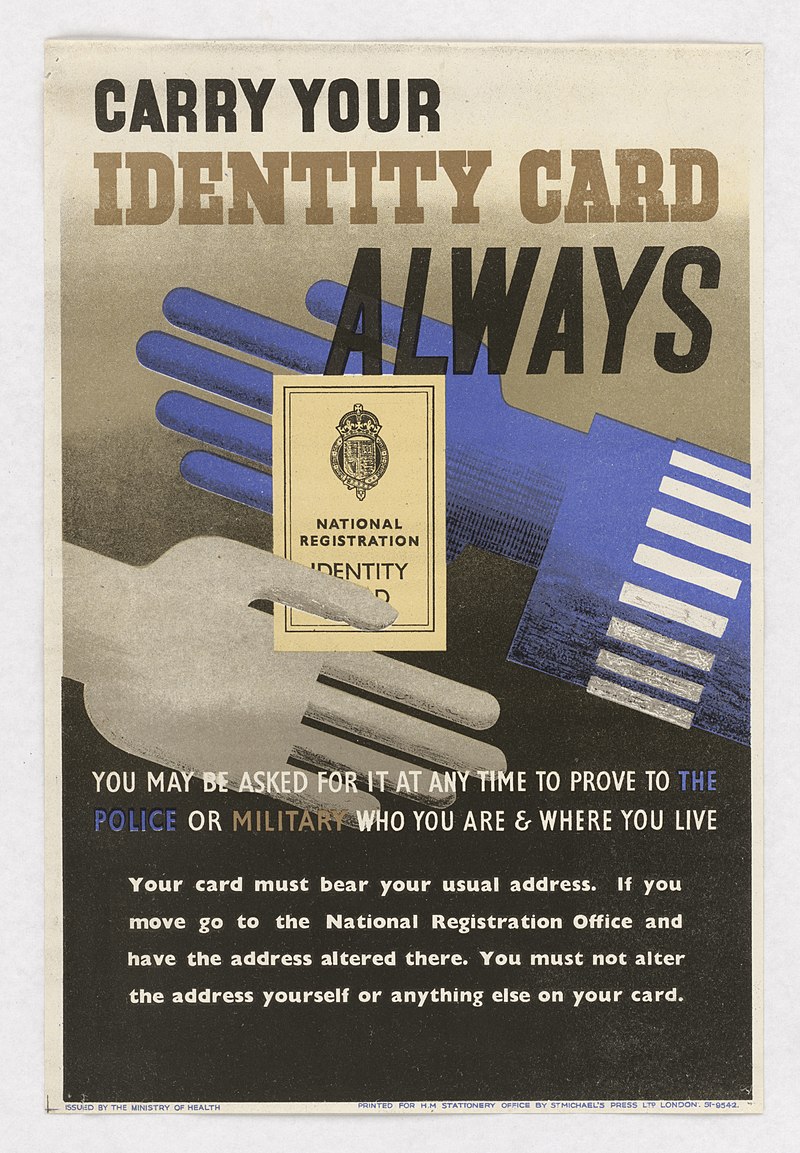
5th September The National Registration Act is passed, introducing identity cards.
23rd September Petrol rationing introduced.
26th September The Luftwaffe (German air force) attack the Royal Naval base at Scapa Flow.
1st October Call-Up Proclamation: all men aged 20–21 must register with the military authorities.
1940
8th January To deal with extreme shortages, food rationing of butter, bacon and sugar begins in Britain. Each person is issued with ration books in order to buy these essentials.
17th February Britain makes plans to evacuate a further 400,000 children from cities to rural areas.
9th April Germany invades Denmark and Norway, bringing to an end the Phoney War.
10th May Germany invades Holland, Belgium and Luxemburg. Winston Churchill replaces Neville Chamberlain as Prime Minister.
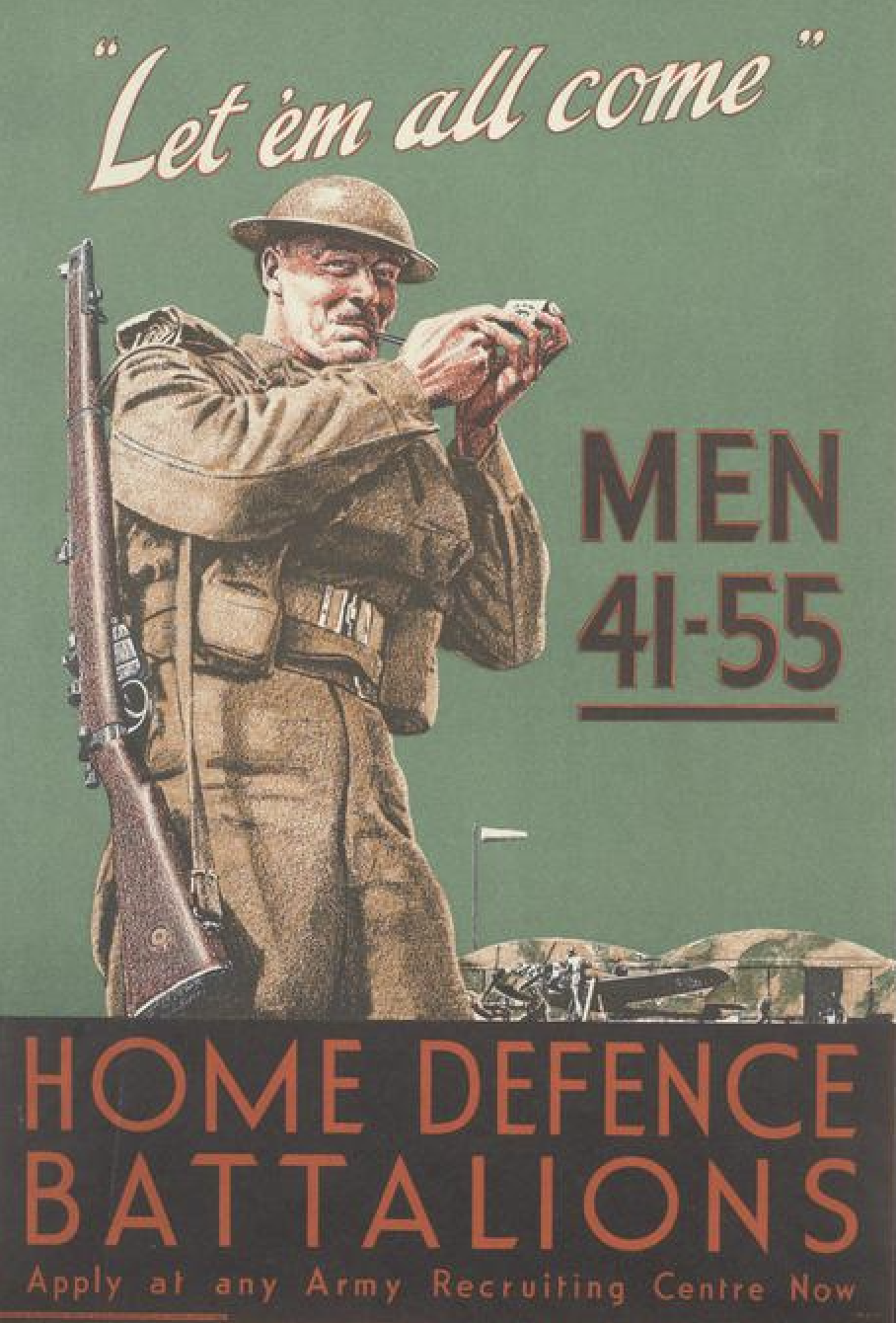
14th May The British government launches the Local Defence Volunteers, later known as the Home Guard.
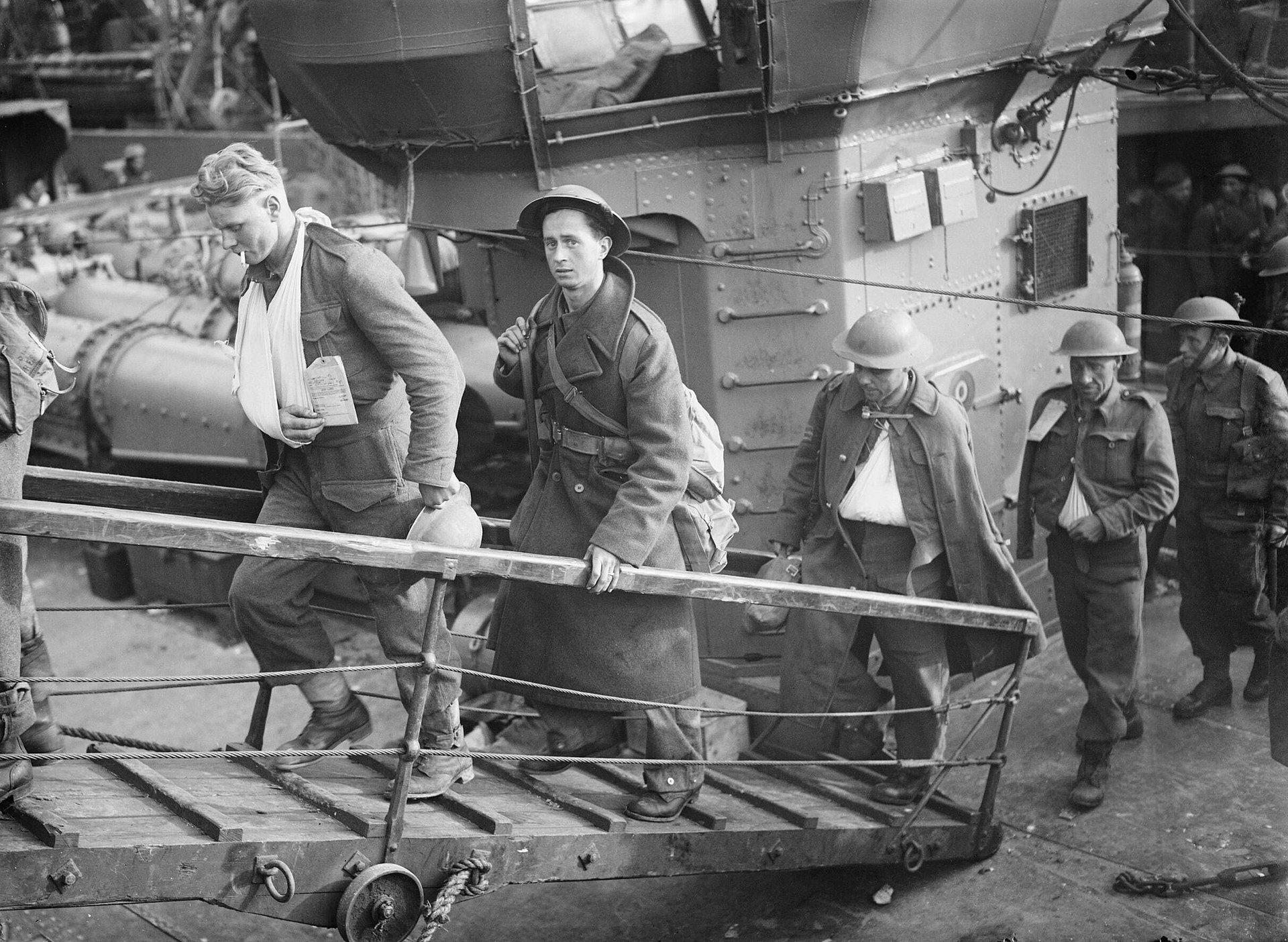
26th May–4th June A full-scale evacuation of British and French troops from Dunkirk.
10th June Italian leader Benito Mussolini declares war on France and Britain.
11th June Axis aerial assault of Malta begins with bombardment by the Italian Air Force. The siege of the island, a British Crown Colony, lasts until 20th November 1942, during which time, about 2000 Italian and German aircraft are pitted against 700 RAF fighters defending the island.
14th June German troops enter Paris.
22th June France surrenders and is split into two. The north is governed by the Germans while the south becomes known as Vichy France under the control of Marshal Pétain.
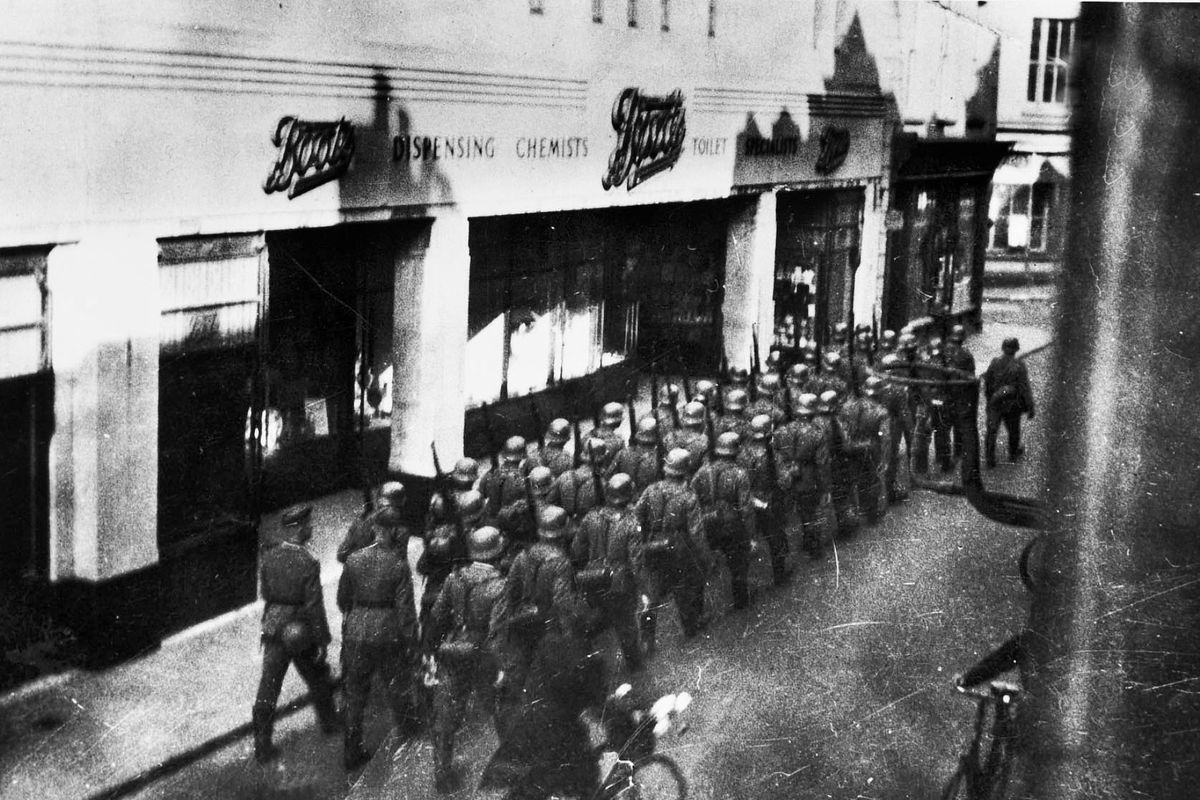
30th June German occupation of the Channel Islands begins.
10th July The Battle of Britain begins.
16th July Plans for the invasion of Britain, Operation Sealion, are issued by Hitler.
13th August Eagle Day: the German Luftwaffe launches 1485 aerial attacks on RAF airfields.
24th August Central London is attacked for the first time by the Luftwaffe. A group of German bombers mistakenly drop their bombs on the capital, damaging St Giles and Cripplegate.
25th August In retaliation for the accidental attack on London, RAF Bomber Command launches a night-time air raid on industrial targets around Berlin.
7th September The London Blitz begins.

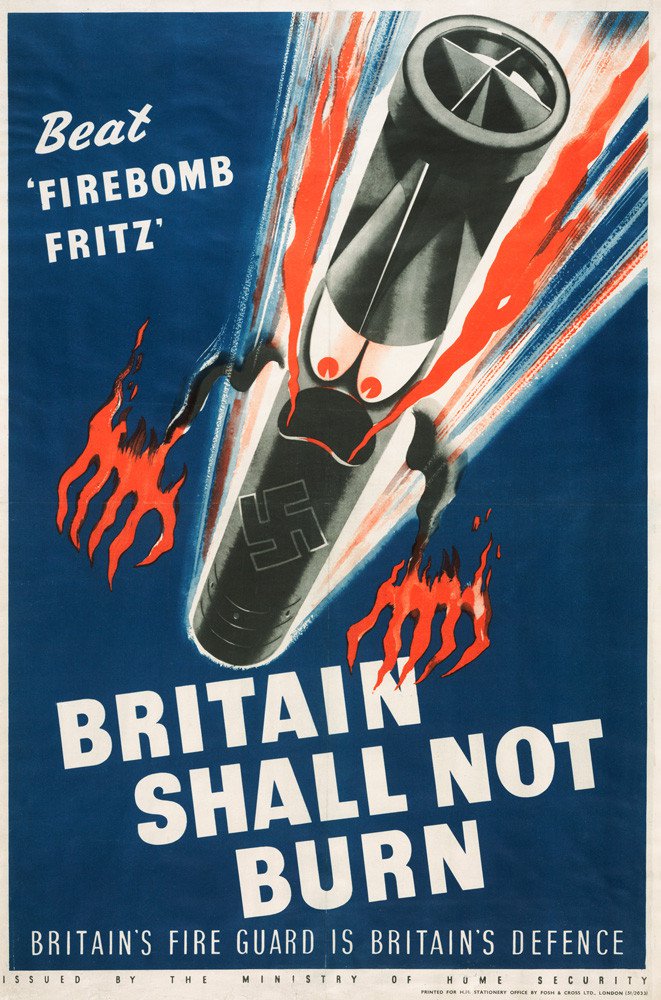
15th September Battle of Britain Day: the RAF shoots down a number of German aircraft during the last major engagement of Battle of Britain.
17th September Hitler postpones Operation Sealion.
31st October The Battle of Britain officially ends.
14th November Massive German bombing raid on Coventry.
9th December The first Allied offensive in the Western Desert campaign against Italian forces in North Africa.
12th–15th December Major German air raids on Sheffield.
1941
22nd January British and Australian forces capture Tobruk from Italians in North Africa.
11th March The Anglo-American Lend-Lease Agreement is signed by President Franklin D Roosevelt. In return for 50 World War I destroyers, Britain grants the US a 99-year-lease to several British air and naval bases.
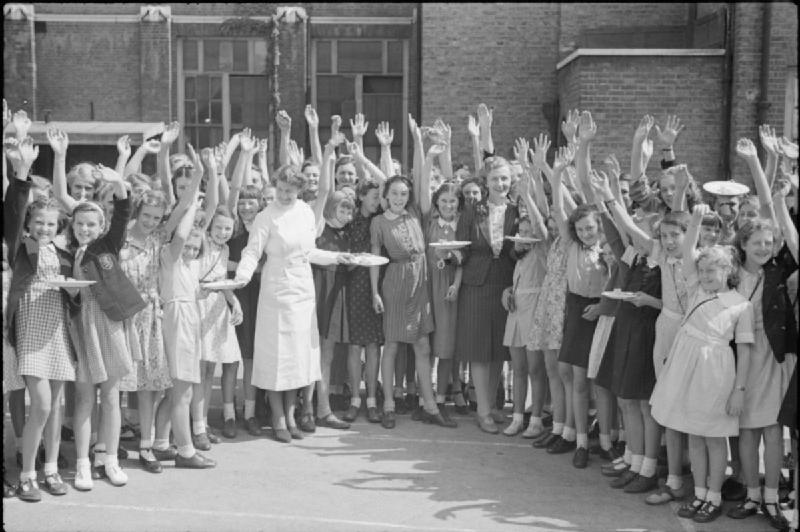
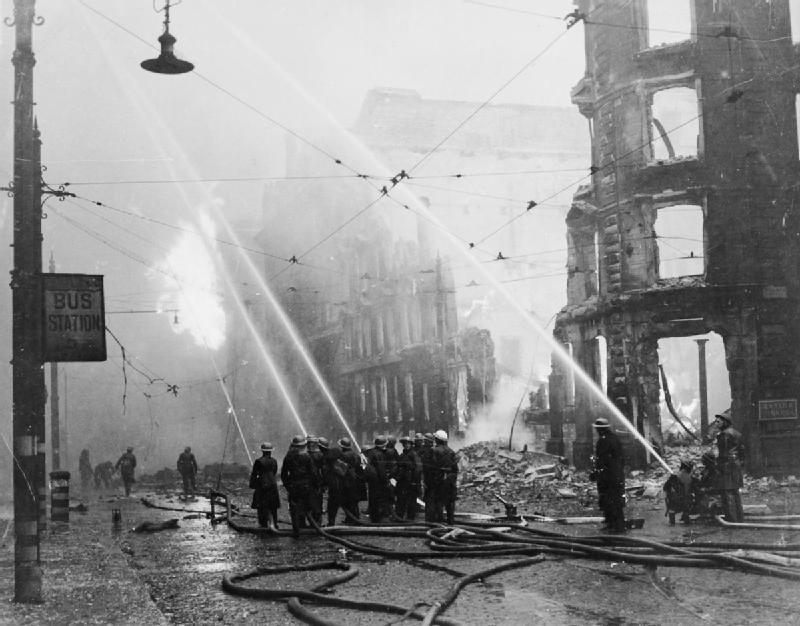
13th–14th March Major air raids destroy most of Clydebank.
10th April Driven back to the Egyptian border by the German Afrika Corps, British troops hold out at Tobruk before reinforcements arrive.
1st–7th May Intense bombing of Liverpool and Bootle.
10th May Last of the heavy air raids on Britain and the end of the Blitz.
1st June Civilian clothing is rationed.
22nd June The German invasion of Russia, Operation Barbarossa, begins
7th December The Japanese attack the American Pacific Fleet at Pearl Harbour, leading Britain and the USA to declare war on Japan the next day. Germany declares war on America on the 11th.
18th December All men and women aged 18–60 are now liable to national service, including military service for those under 51.
1942
15th February Singapore surrenders to the Japanese. Around 80,000 Commonwealth troops are taken prisoners of war.
23rd April "Baedeker" Blitz on English towns, chosen for their historic significance, begins. They include Exeter, Bath, Canterbury, Lincoln and York.
4th June The Battle of Midway: US forces defeat the Japanese in their attempt to capture Midway Island.
21st June Tobruk is captured by Rommel’s Afrika Corps. 35,000 Allied troops surrender.
1st July Petrol rationing is abolished, making fuel unavailable to private car owners.
19th August The Dieppe Raid: more than 6000, mainly Canadian, troops attempt to seize the German-occupied port of Dieppe, before retreating with heavy casualties.
4th November The British 8th Army under General Montgomery defeats the German army in North Africa at El Alamein, Egypt.
8th November Operation Torch: Allied troops land near Casablanca, Oran and Algiers.
1943
31st January Germans surrender to the Red Army following defeat at the Battle of Stalingrad
13h May The German army in North Africa finally surrenders to the British and Americans.
10th July Allied forces invade Sicily.
28th July An allied bombing raid on the German port of Hamburg results in a firestorm that kills 37,000 people and destroys most of the city.
29th July Labour Minister Ernest Bevin announces that women aged 19–50 will be called for work in plane and munitions plants. Men eligible for military service may be chosen by ballot to work in coalmines (to be known as "Bevin Boys").

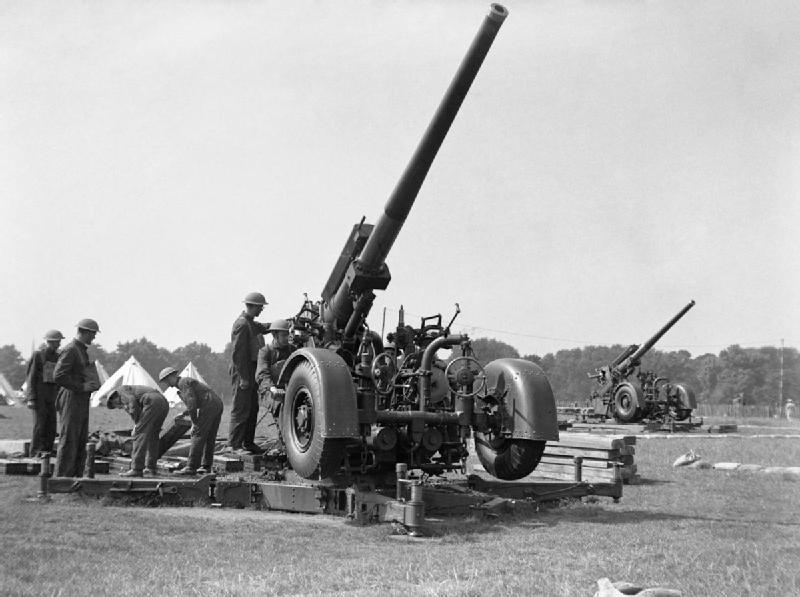
3rd September British and Canadian forces under the command of General Montgomery land in mainland Italy. The main wave of Allied forces lands at Salerno on the 9th September.
26th December The British battleship HMS Duke of York sinks the German battleship Scharnhorst off the northern coast of Norway.
1944
21st January Operation Steinbock, or the "Baby Blitz", a Luftwaffe night bombing campaign against southern England, begins. It continues until May.
10th March Education Act passed. It establishes a division between primary (5–11 years old) and secondary (11–15 years old) education and abolishes fees for state secondary schools.
28th April During a training exercise for D-Day landings on Slapton Sands, Devon, a German attack kills 746 US servicemen.
6th June D-Day: Allied forces land in Normandy.
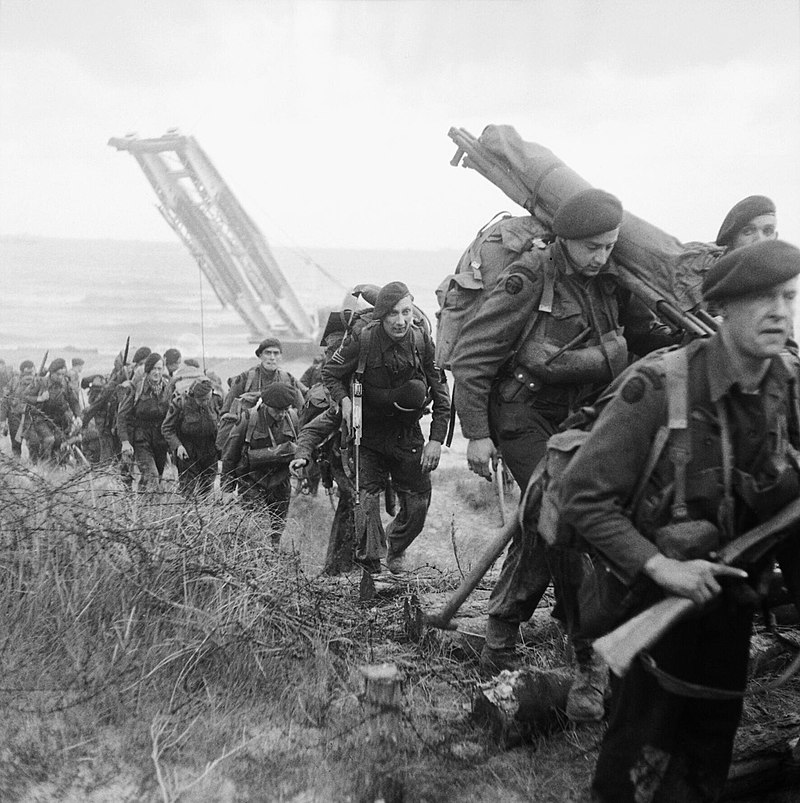
13th June The first of Nazi Germany's revenge weapons, the V-1, lands in Britain.
25th August Paris is liberated by the Allies.
8th September The first V-2 rocket lands in Britain.
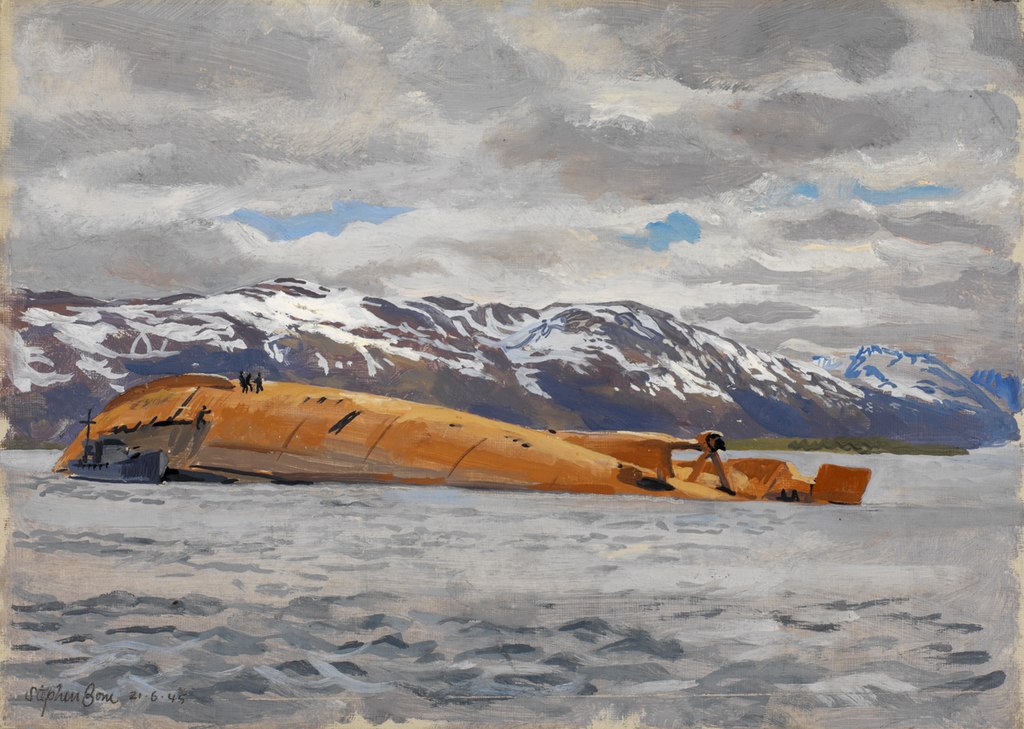
12th November The Tirpitz, pride of the German Navy, is sunk by British bombers.
1945
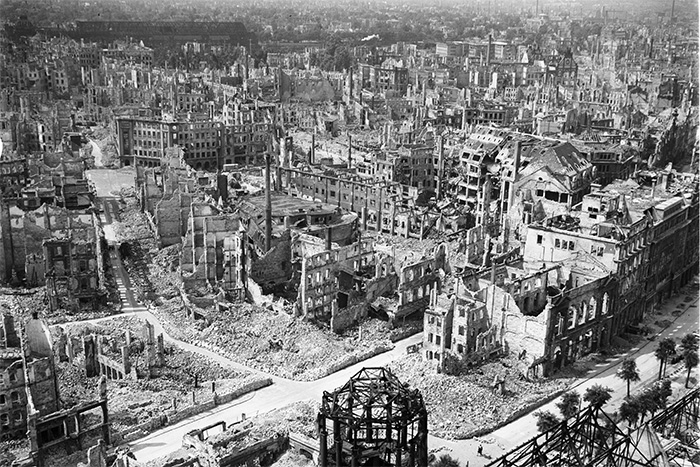
13th February Allied bombing raids on Dresden result in the deaths of 25,000 people and the destruction of the city centre.
7th March British and American troops cross the Rhine.
29th March Last V-1 flying bomb attack on London.
30th April Adolf Hitler commits suicide.
7th May Unconditional surrender of Nazi Germany to the Allies.
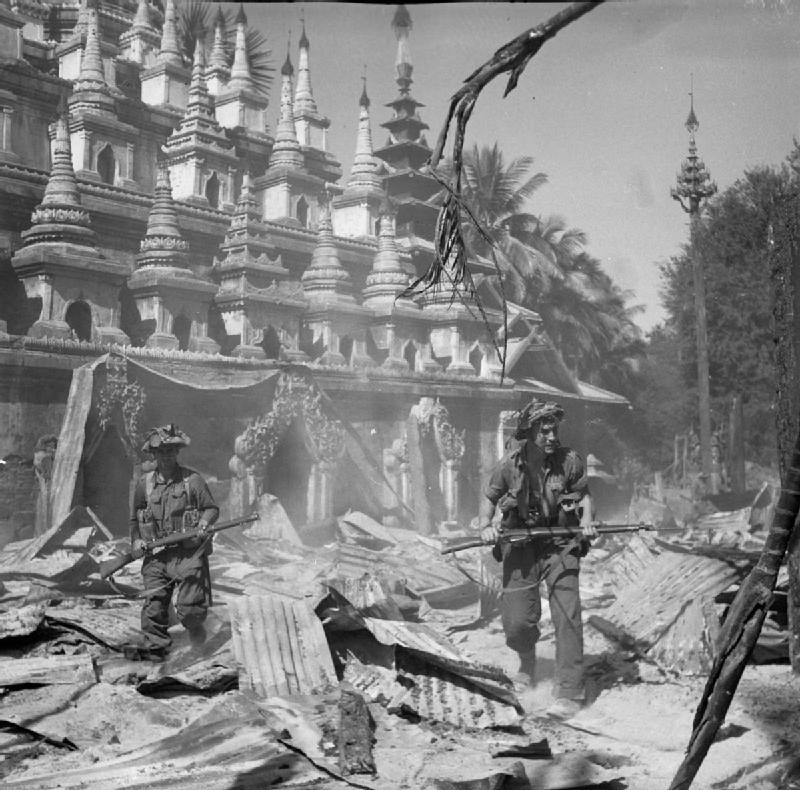

8th May Victory in Europe (VE) Day.
9th May Liberation of the German-occupied Channel Islands takes place.
5th July UK General Election. Results show a landslide victory for Clement Attlee’s Labour Party. He replaces Winston Churchill as prime minister.
2nd September Japan surrenders. Victory in Japan (VJ) Day is celebrated.
Consultant: Philip Parker