
British history

CITE
We have made every effort to follow citation style rules, but there may be some minor differences. If in doubt, please refer to the appropriate citation style manual.
Life in Tudor times. (2026). In Q-files Encyclopedia, History, British history. Retrieved from
https://www.q-files.com/history/british-history/life-in-tudor-times
"Life in Tudor times." History, British history, Q-files Encyclopedia, 30 Mar. 2026.
https://www.q-files.com/history/british-history/life-in-tudor-times.
Accessed 6 Aug. 2026.
Life in Tudor times 2026. History, British history. Retrieved 6 August 2026, from
https://www.q-files.com/history/british-history/life-in-tudor-times
History, British history, s.v. "Life in Tudor times," accessed August 6, 2026.
https://www.q-files.com/history/british-history/life-in-tudor-times


Life in Tudor times
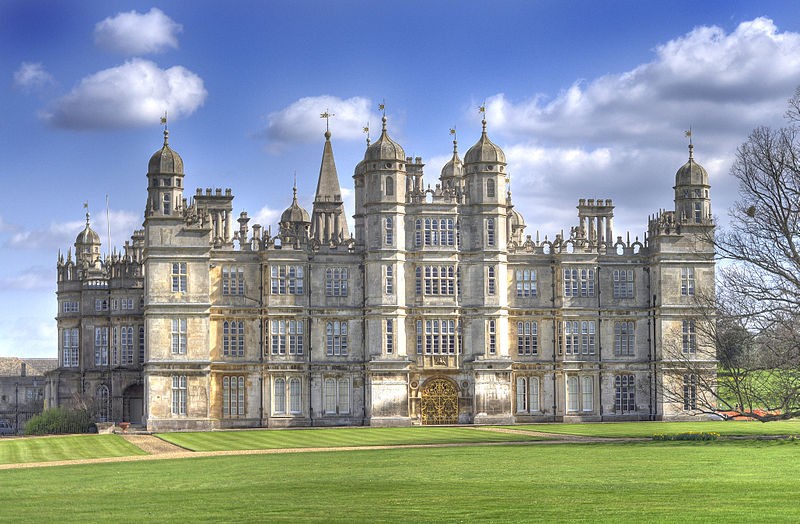
In Tudor times, there were large differences between the lives of rich and poor people. While wealthy families enjoyed entertainments, lavish feasts and an education for their sons, poorer people struggled to survive day-to-day. Town and city life was bustling, noisy—and dangerous. The streets were crammed with wooden houses, workshops and traders’ stalls. Wealthier people lived on the edge of towns, where life was quieter and safer. Rich noblemen owned huge areas of land in the countryside and built great halls, or even palaces, to entertain royal visitors.
Town life
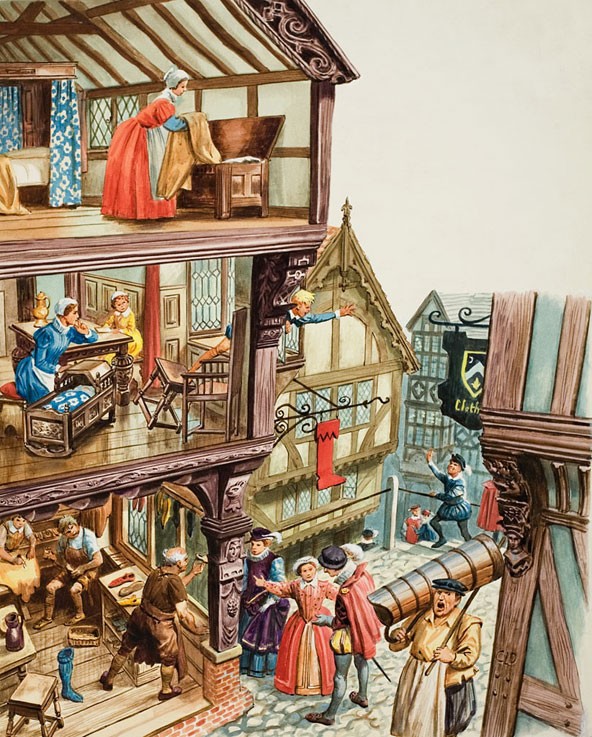
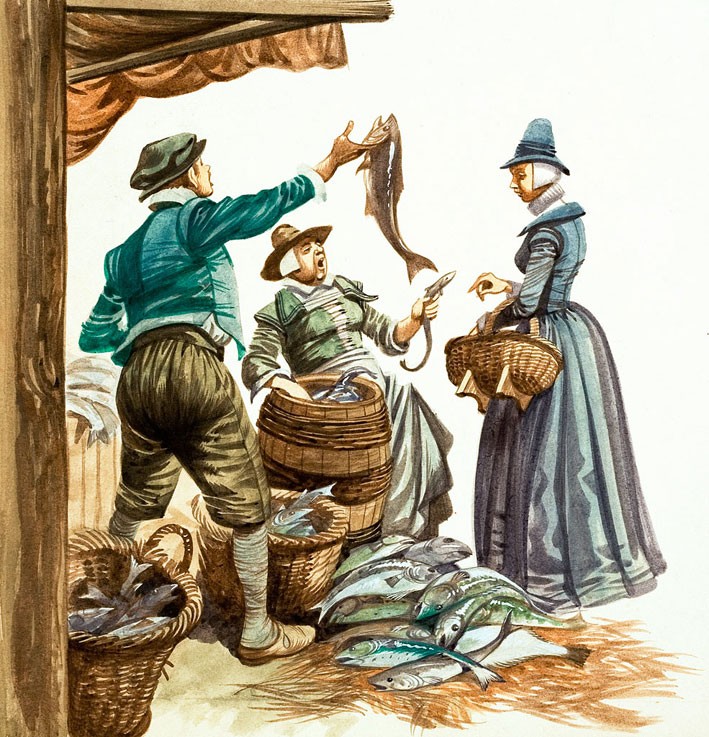
During Tudor times the population of England’s towns and cities increased rapidly as people moved from the country in search of work. London’s population doubled between 1520 and 1600, from 100,000 to 200,000. Towns were centres of trade, and people made money buying and selling goods such as fish, coal and cloth. Houses were built close together with the front rooms often used as shops. Residents poured their waste—sewage and dirty water—out of the window into open sewers running through the streets. Because there was no way to separate dirty water from drinking water, diseases such as dysentery and typhoid were common.
Medicine and health
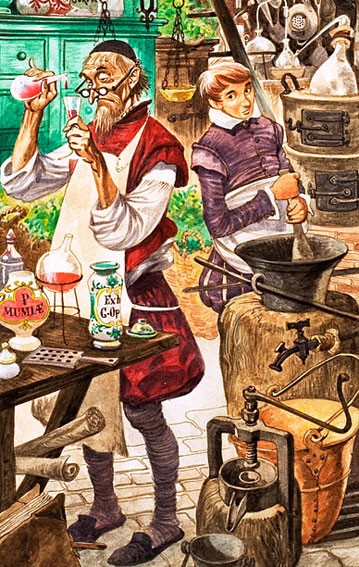
The average person in Tudor times could expect to live only until their mid-30s. Many people died of disease, as there was little understanding of how diseases were spread and there were no effective medicines to cure them. Tudor doctors, called physicians, prescribed blood-letting for many ailments. They made a cut and collected the patient’s blood in a cup, or placed worms called leeches on a wound to suck up a patient’s blood.
There was no anaesthetic in Tudor times but surgeons still went ahead and performed amputations, holding the terrified patient down and cutting off a limb using a saw.
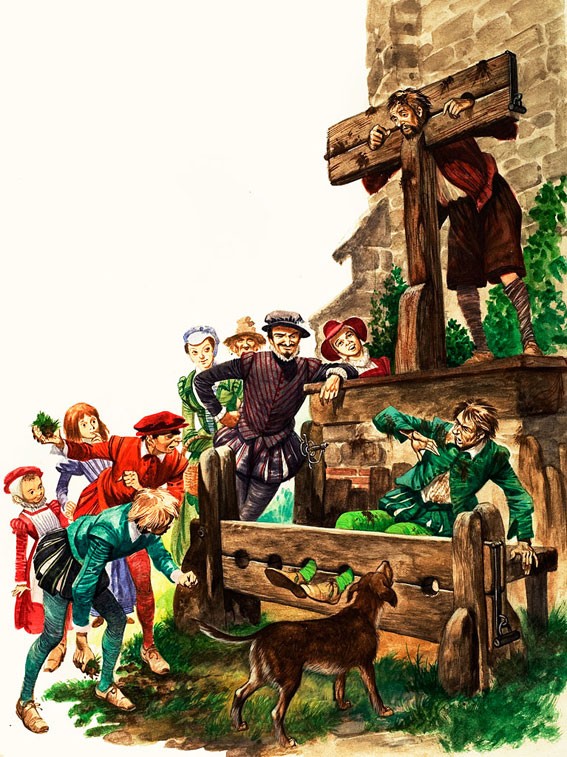
Crime and punishment
There were no police in Tudor times. A man called the Justice of the Peace was appointed to settle disputes or to sentence criminals in court. Many crimes were punished by a form of public humiliation—loss of face was enough to deter most people from a life of crime. Minor crimes such as lying or being drunk were punished by being whipped in the public square, or bound to a chair and dunked in the river. A common punishment was to be sent to sit in the stocks, a set of wooden planks with holes for the legs to go through. Passers-by came to laugh and throw rubbish at the criminals. If the crime was more severe, the criminal might be nailed to the stocks by an ear.
Witchcraft
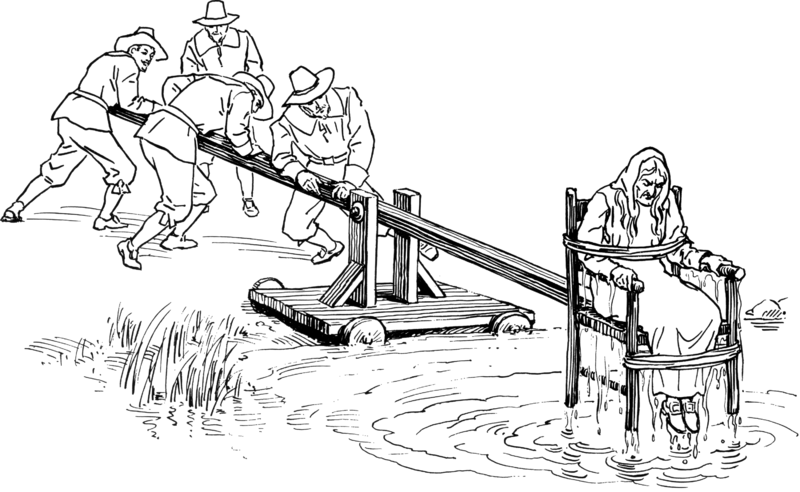
If a villager or cattle or died without an obvious explanation, people in Tudor times were quick to blame witchcraft. They would accuse somebody, usually a woman, of "bewitching" their cattle, or of placing a curse on the village. Local officials then subjected the accused to a cruel test to see if they were a witch. They were tied and ducked in the river: if they floated, they were a witch, and they were burnt at the stake. If they did not float, they often drowned in any case.
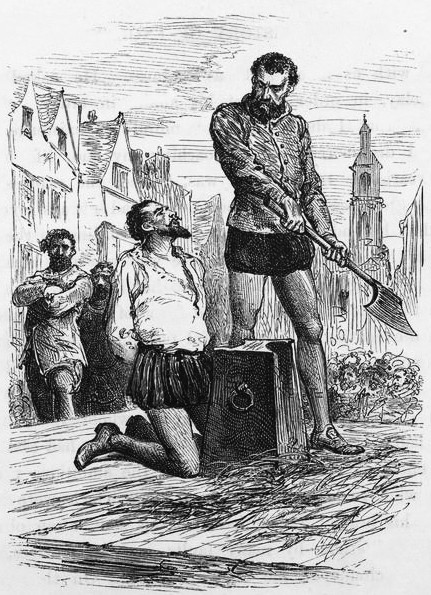
Public execution
For greater crimes such as murder or theft, the punishment was execution. Punishments were carried out by professional executioners. The severed heads of criminals were displayed on spikes in public places such as the Tower of London. Treason, or plotting to kill the king or queen, was considered the most serious crime of all. The convicted traitor was hung until close to death, then his insides were pulled out (drawn) before he was finally cut into four pieces with a sword (quartered). It was a gruesome event, but people eagerly came in their hundreds to watch.
Children
Only boys were educated at school in Tudor times. Girls, if they acquired any education at all, only went to school until the age of 7. Boys from rich families studied at home with a tutor, as did girls, or were sent away to boarding school. Lessons involved learning Latin grammar by heart, hence the name “grammar school”. Boys who had attended these schools learned to read and write—an uncommon skill in Tudor times, for which they were rewarded with offers of important jobs such as bankers, priests or teachers.
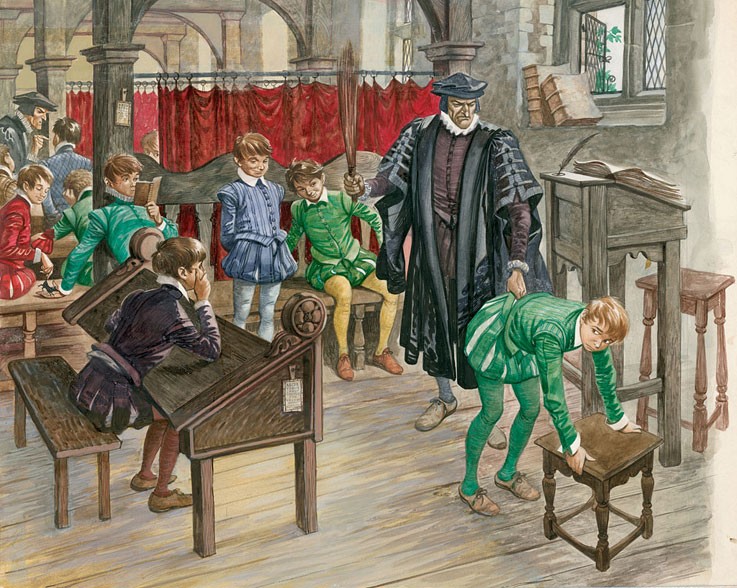
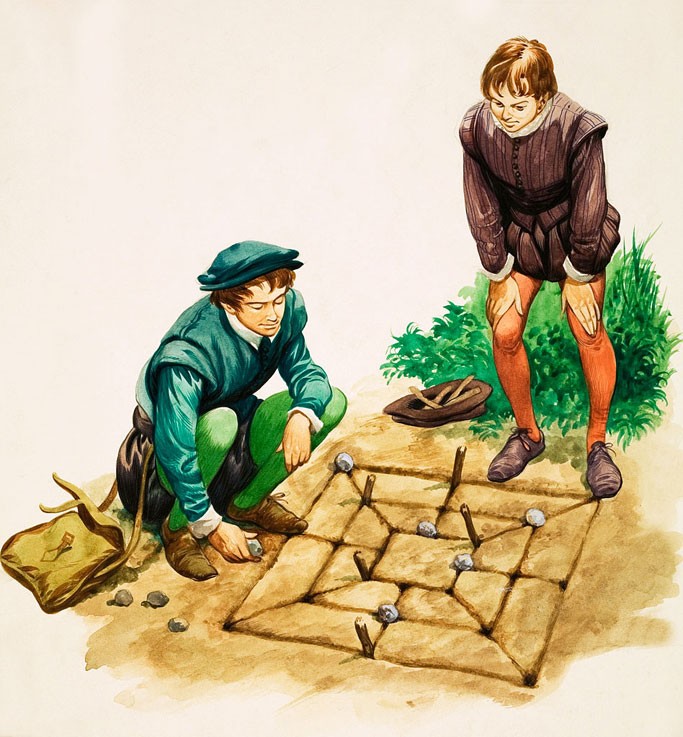
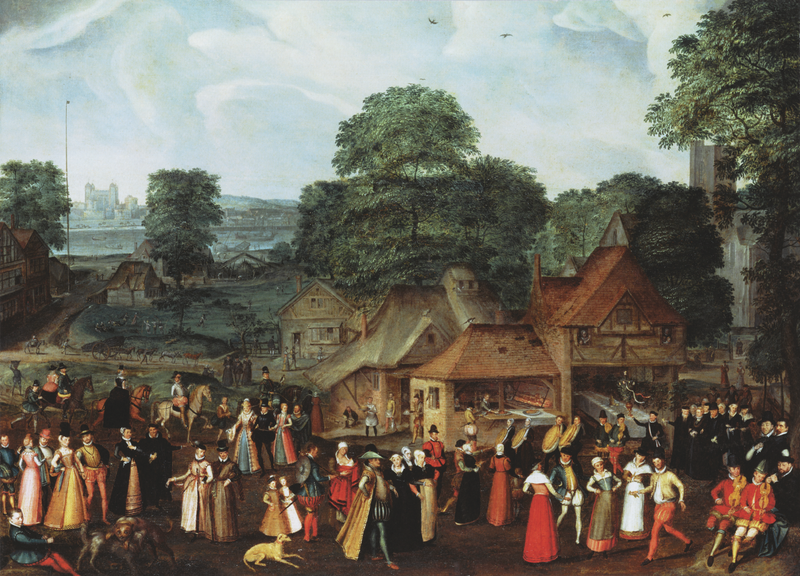
From about the age of seven, children of some less well-off families were sent away to become servants or apprentices. An apprentice worked alongside a craftsman for several years, learning his trade. After his training, the apprentice was free to work for himself, or for anyone else who wanted to hire him. Tudor children played with wooden toys such as sticks and hoops, skittles, marbles and spinning tops. They played games we still recognize today, such as tug-of-war, leapfrog and tag. Teams of men and boys played football in the streets using an inflated pig's bladder for a ball. Children from rich families had rocking-horses or learned to play tennis on an indoor court. On Sundays and holidays, all children would have enjoyed visiting fairs and watching jugglers and other entertainers. Children even went to watch public executions with their families.
Life at court
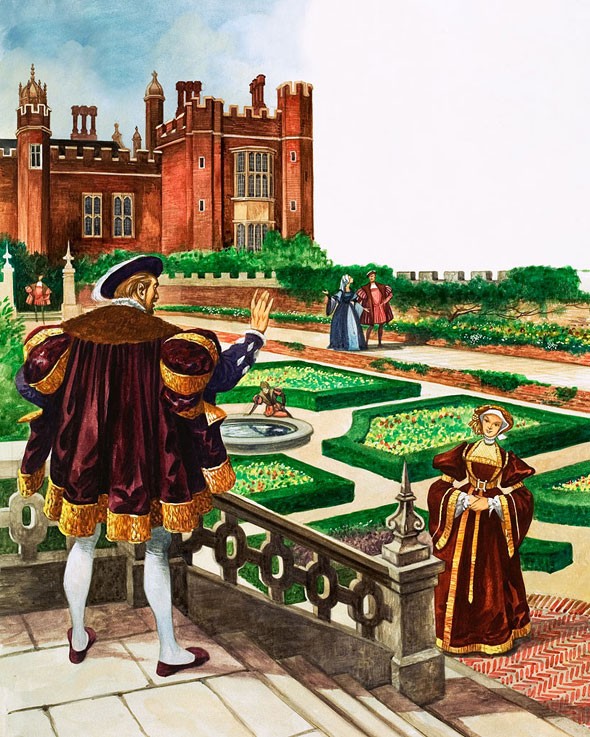
Court was the name given to wherever the king or queen was staying. Queen Elizabeth I travelled around England with a large party of servants and ladies-in-waiting, and expected to be hosted by her rich subjects in luxurious accommodation. They would have had to be rich to host the monarch if they decided to visit—along with up to a thousand guests.
Noblemen and women spent much time at court, enjoying the feasts and entertainment put on for their benefit. At court, roast swan might be served, along with pork, beef, mutton and pigeon. It was not unusual for songbirds to be served at Tudor feasts, such as larks and blackbirds.
Life for the poor
Most people in Tudor times lived in country villages. The land was divided up into estates owned by rich landowners, or gentlemen. People lived on these country estates, either working for the landowner in exchange for a house and food, or renting farmland from them. Cottages were often tiny; the whole family might live together in a single room. For a toilet they dug a pit outside.
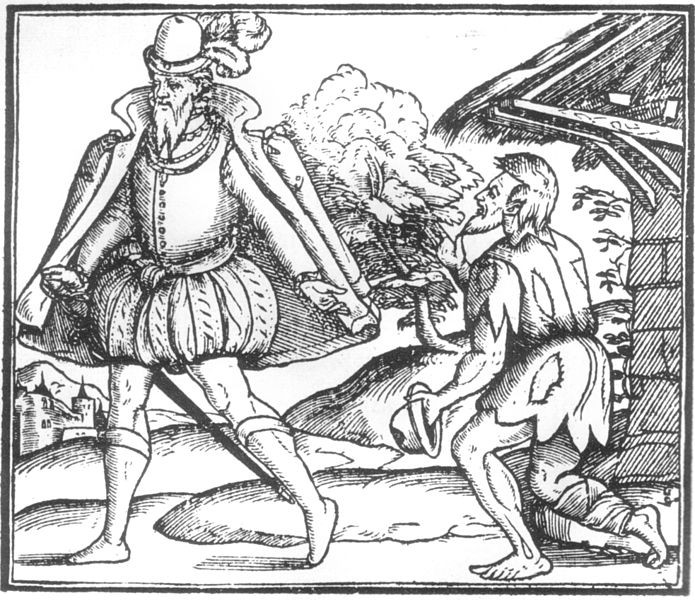
People could only afford to eat simple meals of vegetables such as turnips and beans, which they cooked in cauldrons hung over the fire. They could not afford to eat meat or fish unless they caught a rabbit or went fishing. Even if they kept a cow or chickens, they had to sell any milk or eggs they produced to make money.
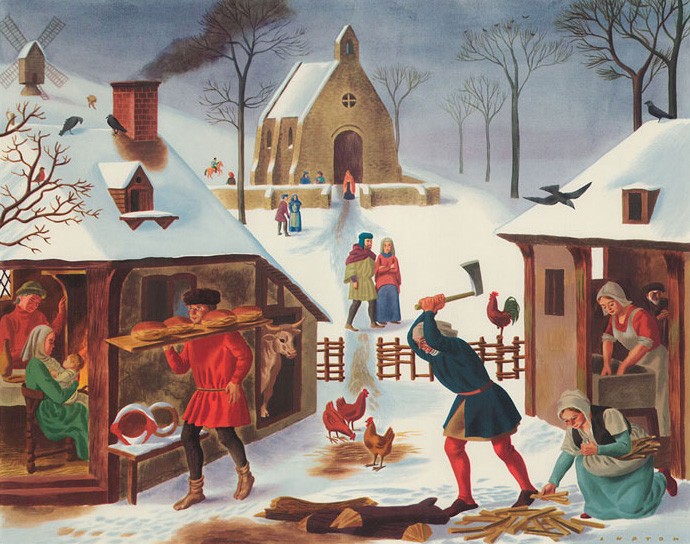
Village children did not generally go to school. As soon as they were old enough, they began to work at home with their parents. Boys worked in their fields, where they learned to plough, tend crops and work with animals. Girls were taught cooking and sewing, washing, spinning and weaving.
Consultant: Philip Parker
pics
Without in any way limiting Q-files Ltd’s exclusive rights under copyright, any use of this publication to “train” generative artificial intelligence (AI) technologies to generate text is expressly prohibited. Q-files Ltd reserves all rights to license use of this work for generative AI training and development of machine learning language models.