States and territories of India
Maharashtra
Maharashtra is a state in west central India. It is the nation's third-most populous state and contains its largest city, Mumbai. Following Indian independence in 1947, it became, along with Berar, Gujarat and the Deccan States, part of Bombay State. On 1st May 1960, Bombay State was divided into Marathi-speaking Maharasthra and Gujarati-speaking Gujarat.

Geography
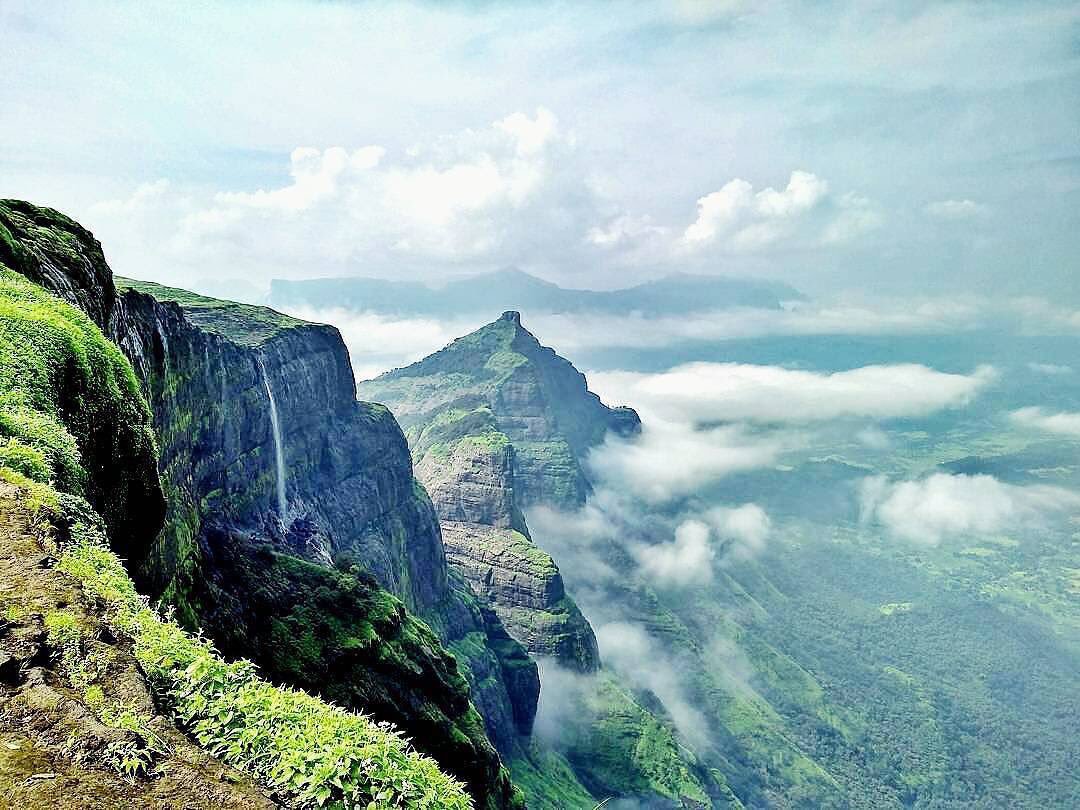
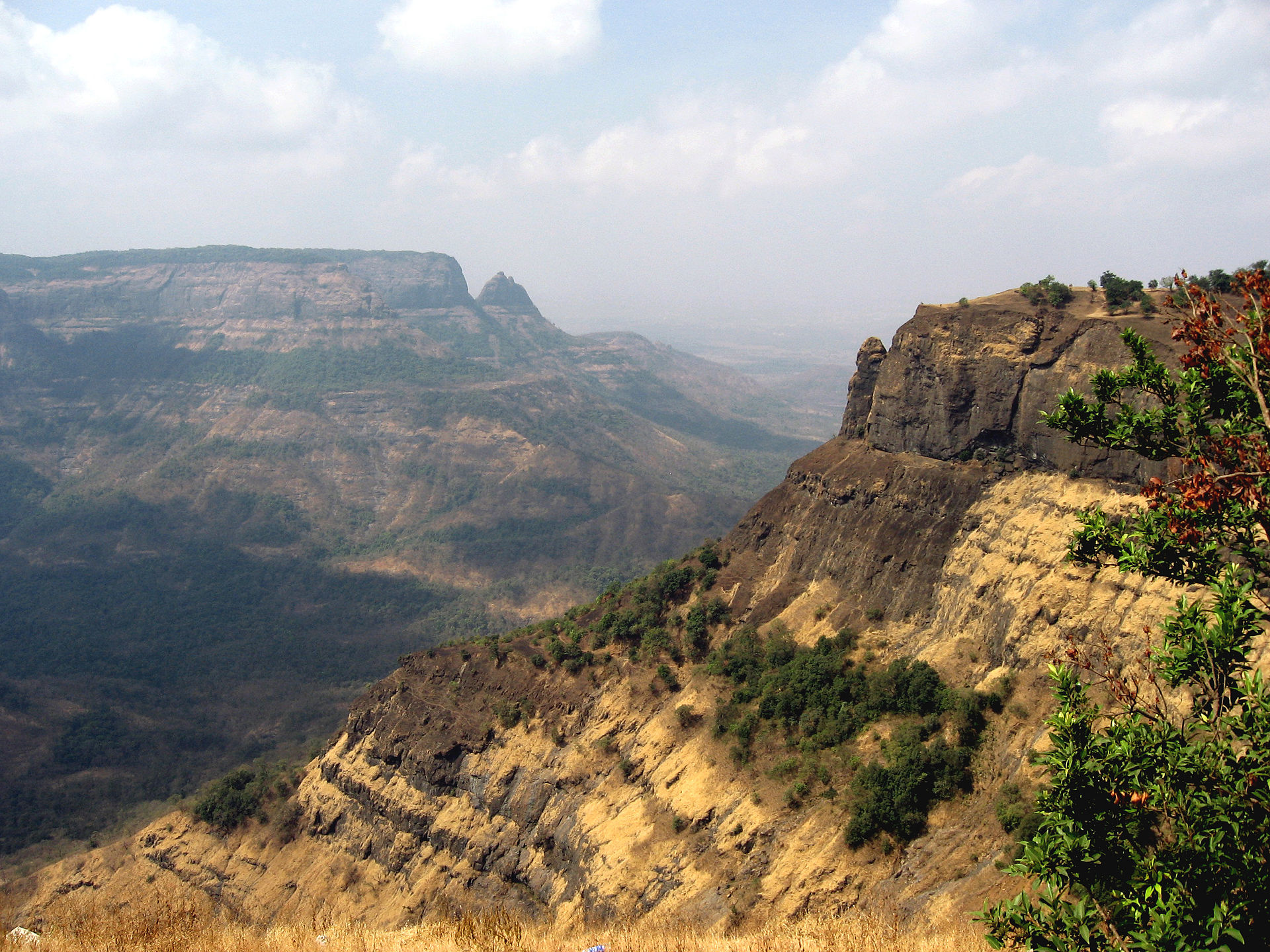
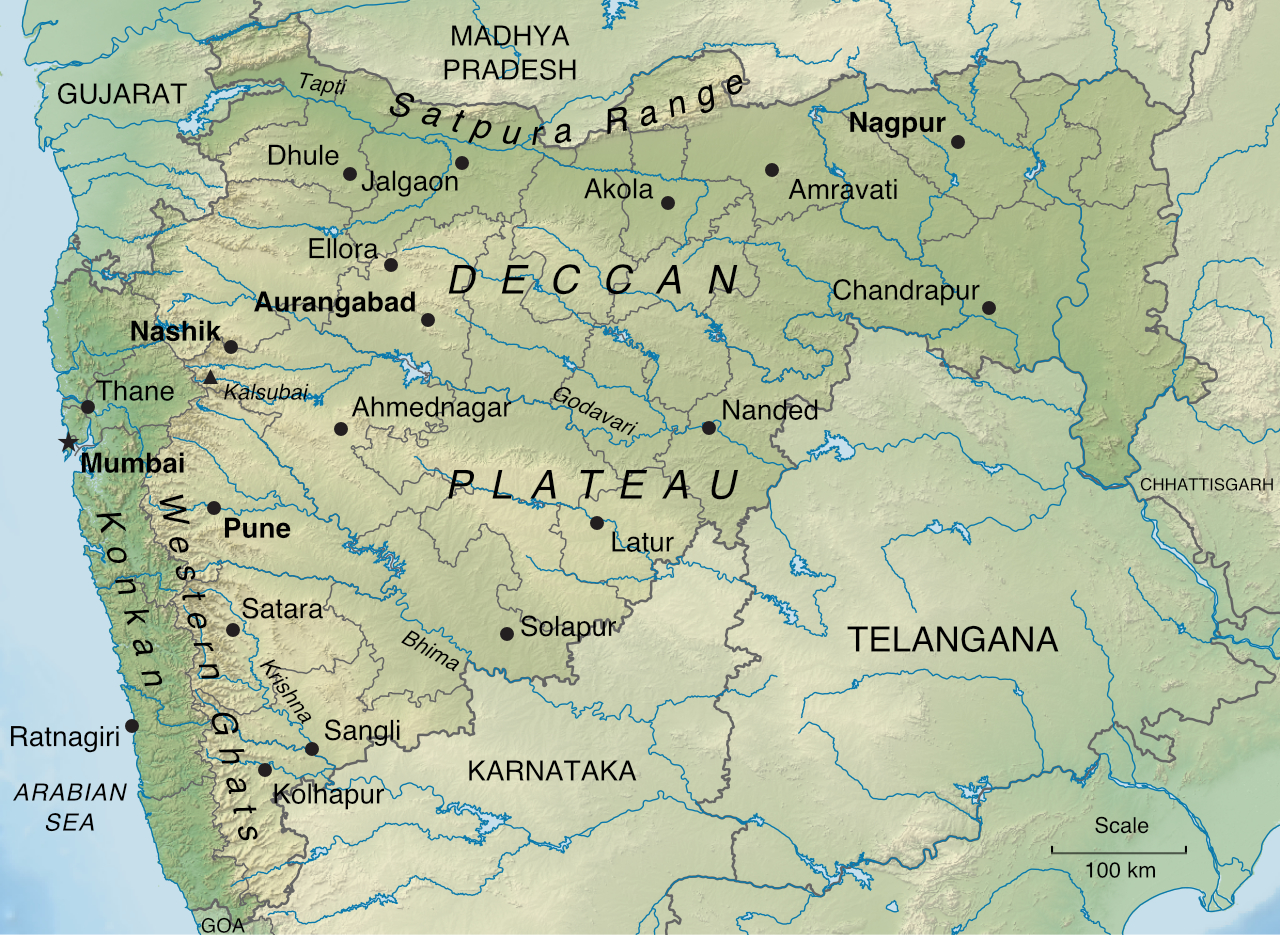
A narrow coastal plain, 50–80 kilometres (30–50 miles) in width, known as the Konkan, borders Maharashtra's Arabian Sea coast. Inland, the Western Ghats (or Sahyadris) rise steeply, forming cliffs in places. Thickly-forested, the range extends from Gujarat to the north as far as the southern tip of India. On their eastern flank, the mountains descend gently to the Maharashtra Plateau, part of the Deccan Plateau. Around 90% of Maharashtra's area consists of this high tableland.
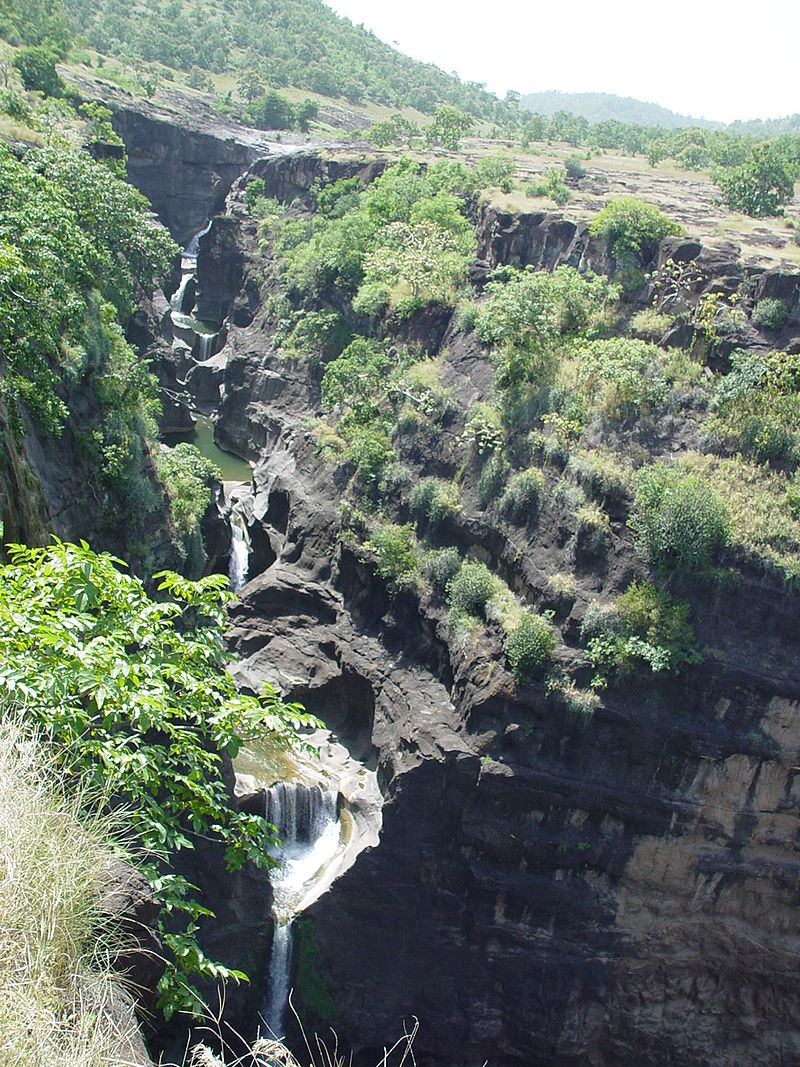
The Maharashtra Plateau is almost entirely made up of the Deccan Traps, one of the largest volcanic features on Earth. It consists of many layers of basalt, an igneous rock formed after a huge shield volcano erupted there about 66 million years ago. In the western portion of the plateau, rivers have carved broad valleys into the rocks, while the eastern part is much flatter. In the north of the state, the Satpura Range forms a natural boundary with the neighbouring state of Madhya Pradesh.
Climate
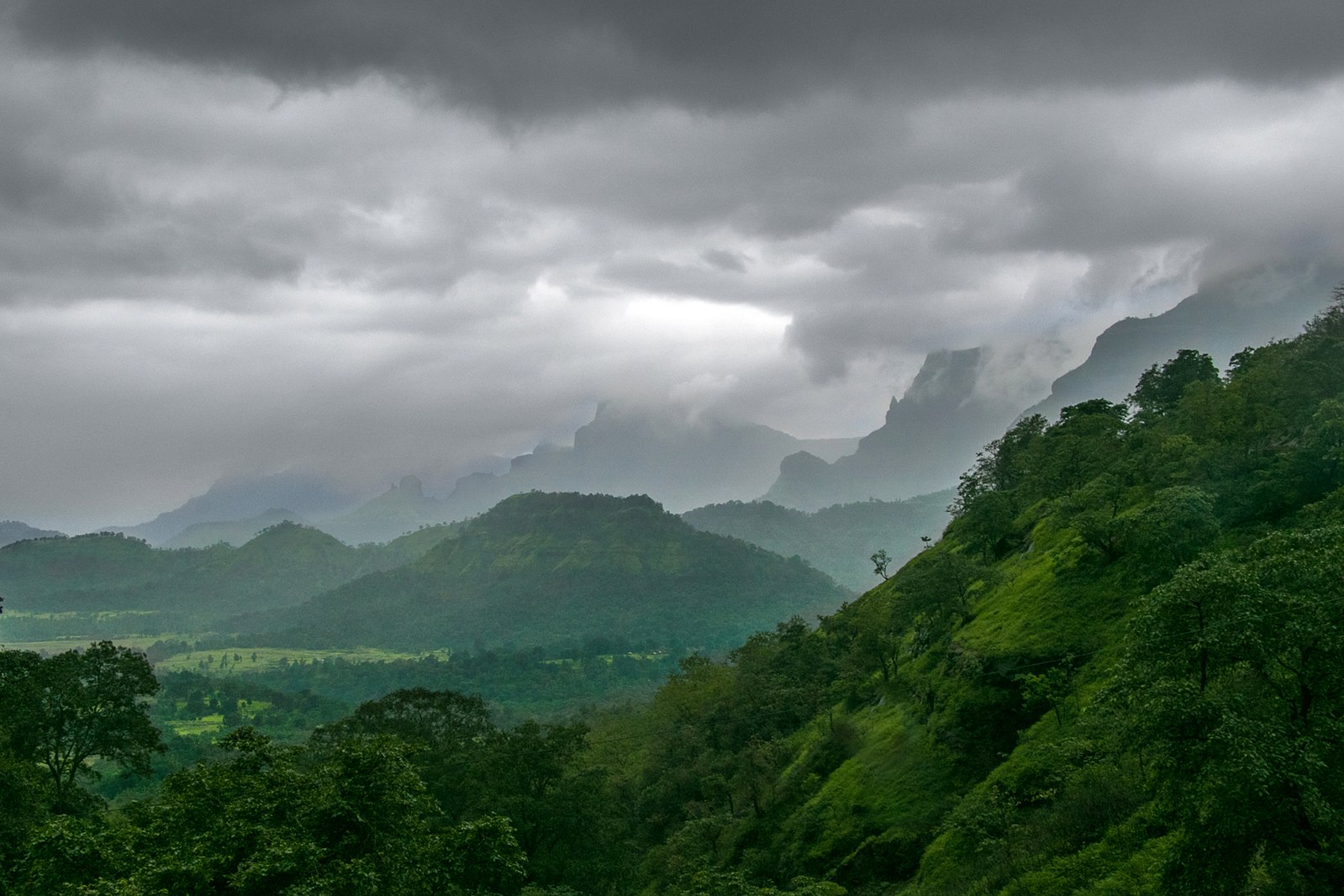
Maharashtra has a tropical monsoon climate. In the hot, dry summer, beginning in March, temperatures can soar to between 40 and 45°C (104–113°F). The monsoon rains arrive in June, usually on or around 10th June, and last until mid-September. The Konkan, on the ocean-facing side of the Western Ghats, receives very heavy rains with an annual average of more than 300 centimetres (120 inches). Farther east, in the rain shadow of the mountains, the average is much lower, between 50 and 70 centimetres (20–30 inches), and long dry spells or even drought are common. Dry weather returns in October, with lower temperatures in December and January.
Economy
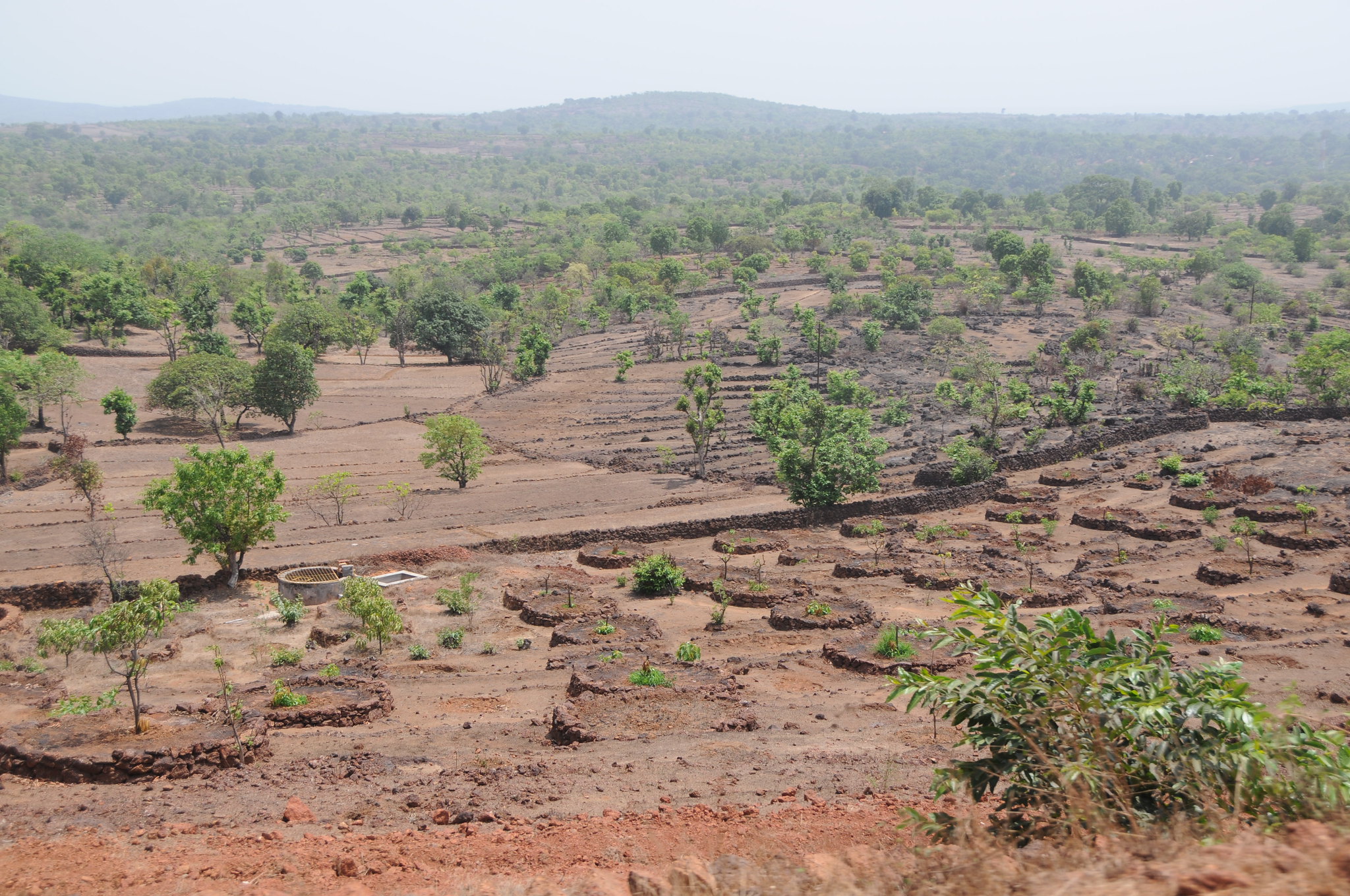
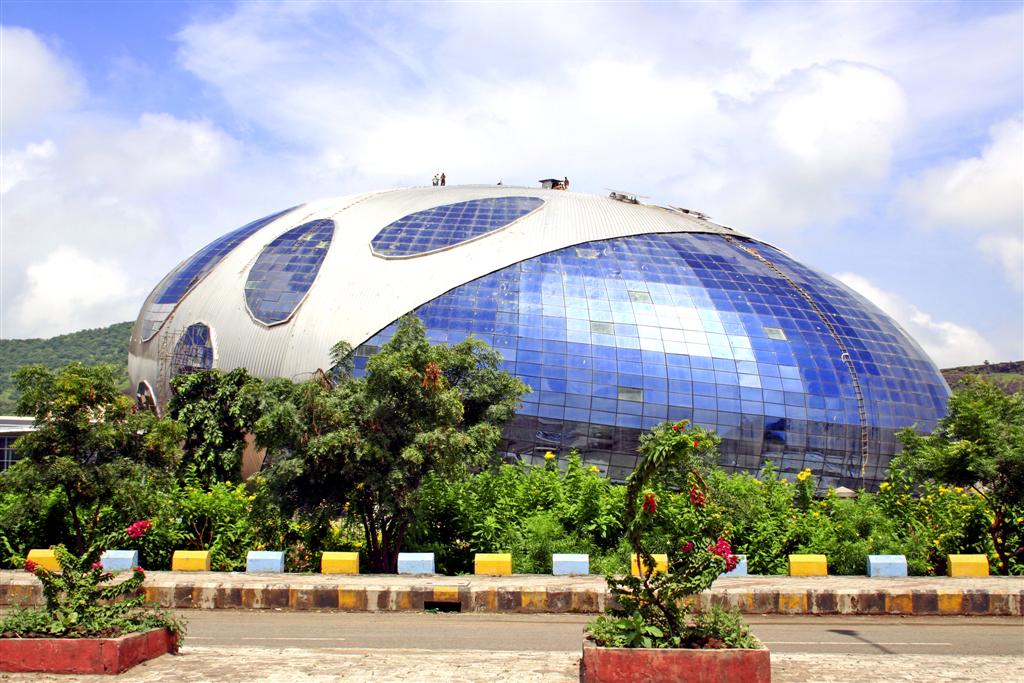
Maharashtra has the largest state economy in India. Chemicals, food products, refined petroleum, machinery and equipment, textiles, metals, vehicles and furniture among its major industries. But it is Maharashtra's service sector—including finance, IT, tourism and creative industries—that dominates the state's economy, accounting for 70% of the value of its output. The state's capital, Mumbai, is India's financial and commercial capital, while Pune is the leading IT hub in the state.
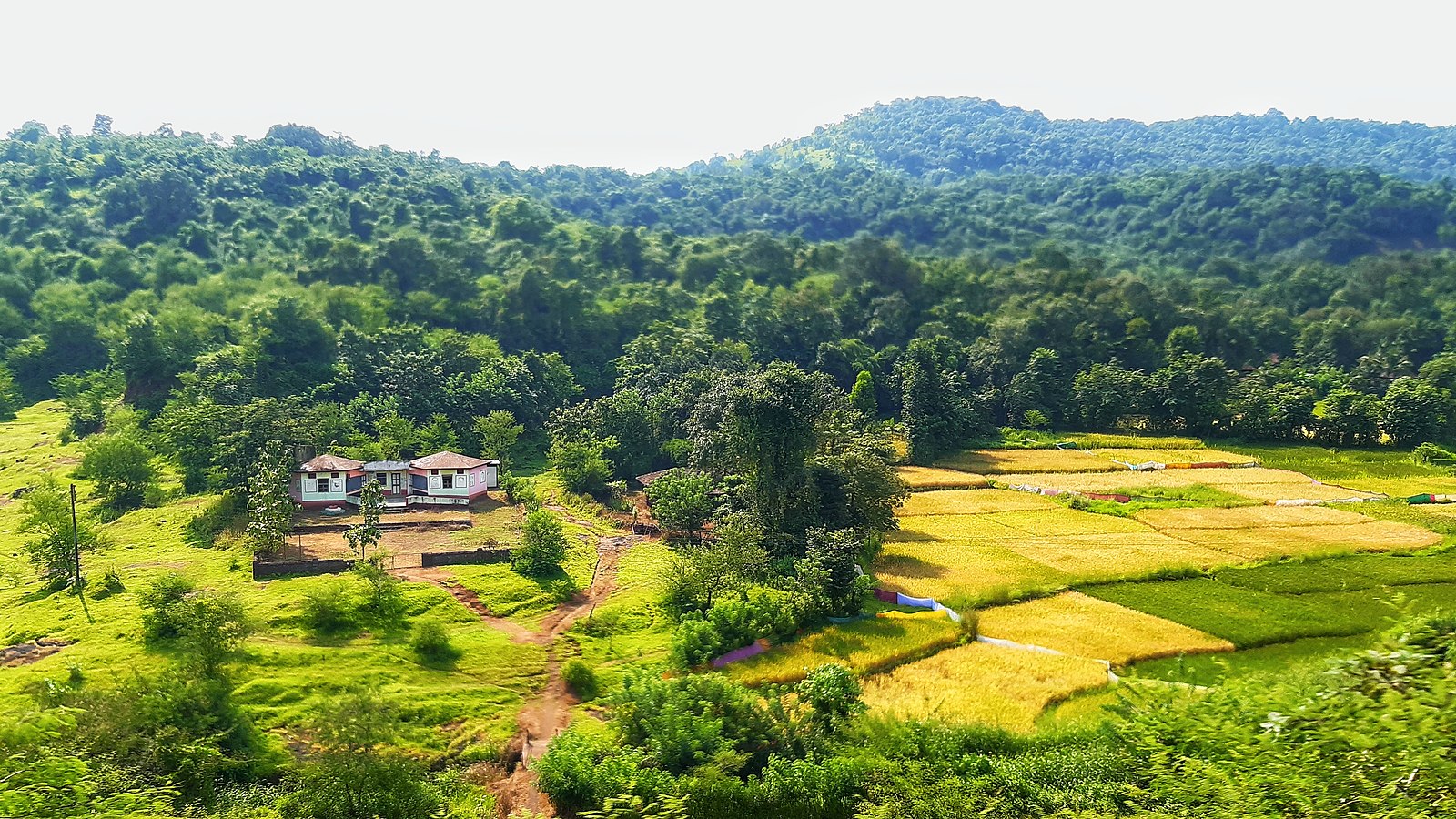
Although agriculture still employs nearly half the population of Maharashtra, it accounts for just 12% of the state's GDP. Across the state, soils have low fertility and large areas are prone to persistent drought. Rice and millet are the main staple crops, while cash crops include sugar cane, cotton, oilseeds, tobacco, fruit, vegetables and spices.
Mumbai
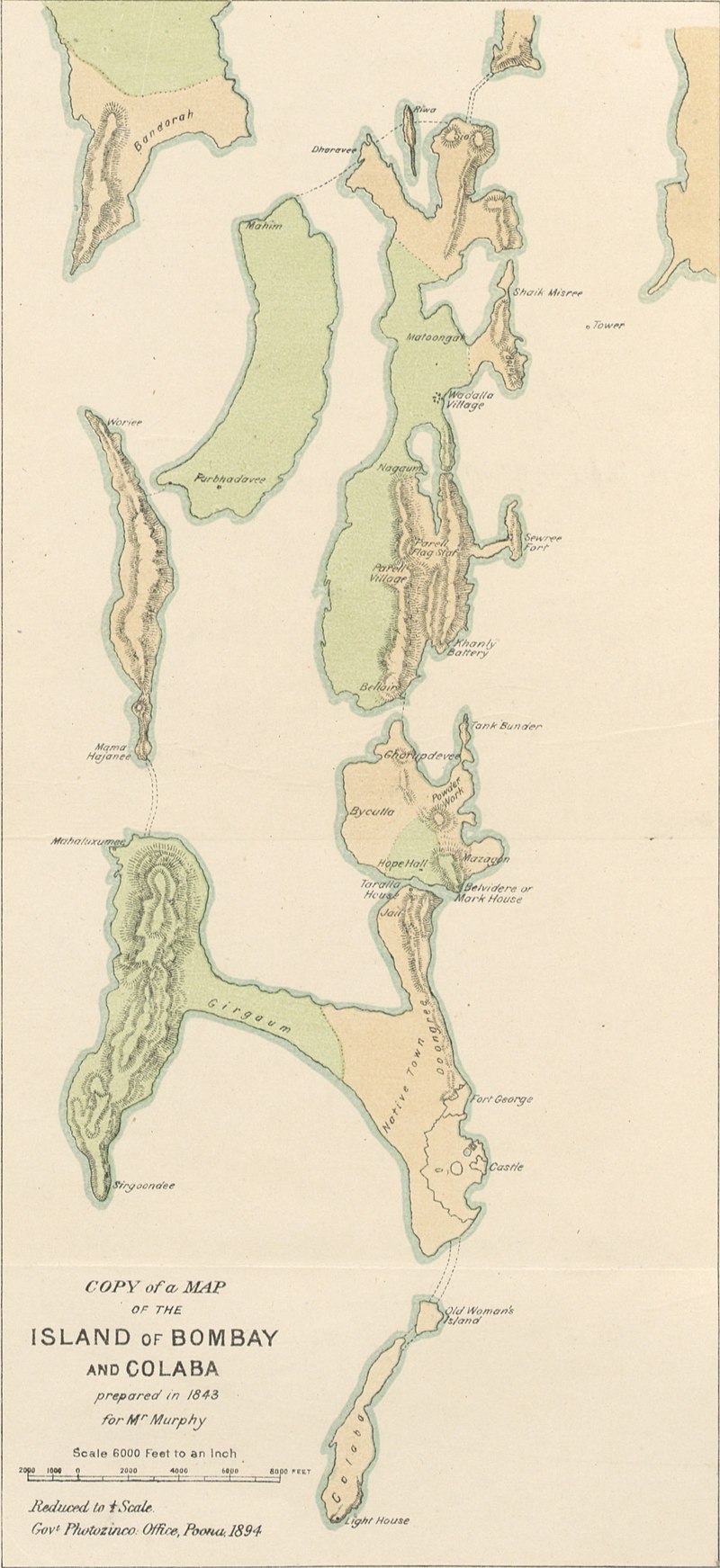
Mumbai is built on what was once an archipelago of seven islands: Isle of Bombay, Parel, Mazagaon, Mahim, Colaba, Worli and Old Woman's Island (or Little Colaba). For centuries, the islands were home to the Marathi-speaking Koli people. By the 16th century, with the Mughal Empire threatening to take control of the region, the local ruler, Sultan Bahadur Shah of Gujarat, sought an alliance with the Portuguese Empire to deter them. By the Treaty of Bassein of 1534, the Seven Islands came under the rule of the Portuguese, who called them Bom Bahia or Bombaim (meaning "good harbour").
The English crown took possession of the islands—and their excellent natural harbour—in 1661 when King Charles II married Catherine of Braganza, daughter of King John IV of Portugal. The islands were part of her dowry, a payment paid by the bride's family to the groom. "Bombay", as the island group were known in English, was then leased to the East India Company in 1668, which transferred its headquarters there from Surat.
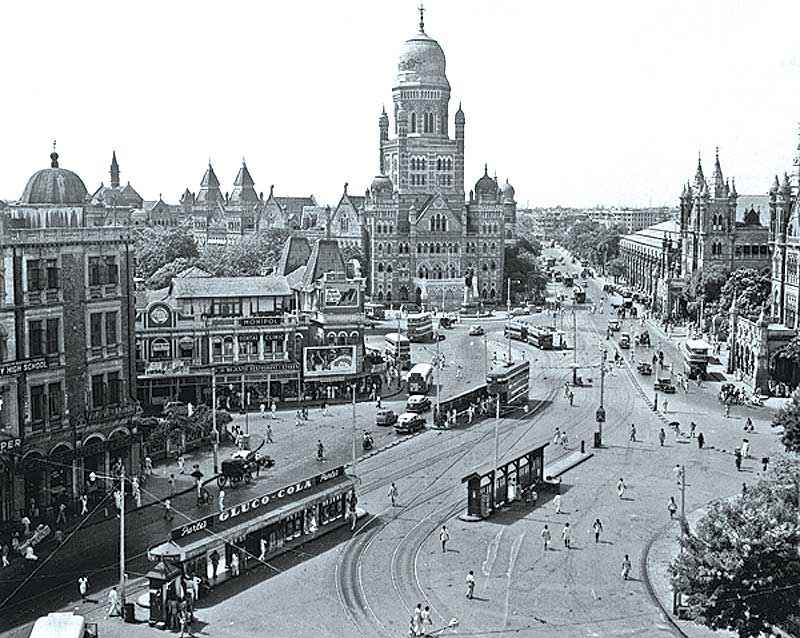
By the middle of the 18th century, Bombay, now capital of the Bombay Presidency (one of the seven provinces of British India), had grown into a major trading town. Following the First Anglo-Maratha War, the British secured Salsette, a large island lying just to the north, from Maratha rule.
In the Hornby Vellard project, the land between the islands was reclaimed from the sea. By 1845, Bombay was transformed into a major industrial city and port. Railway viaducts and causeways were built to connect Bombay Island to the mainland via Salsette. But a major epidemic of bubonic plague in 1896, causing thousands of deaths, led to 850,000 people fleeing the city and the temporary collapse of its textile industry.
Upon India's independence in 1947, the city was incorporated into Bombay State. In 1960, a new state of Maharashtra was created with Bombay as the capital. The second half of the 20th century saw a massive expansion of the city and its suburbs. The old cotton mills were redeveloped and petrochemical, electronic, and vehicle industries took over.
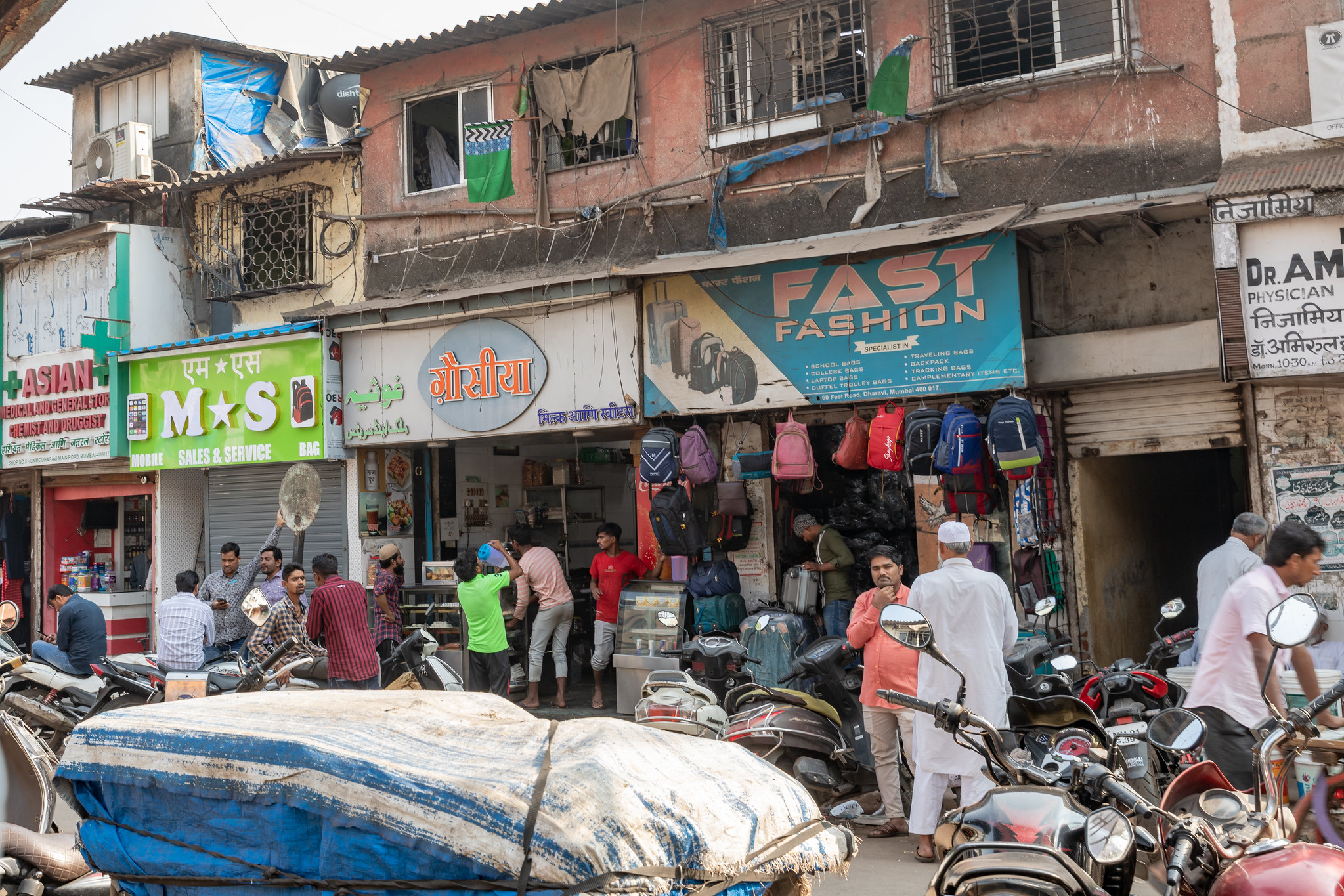
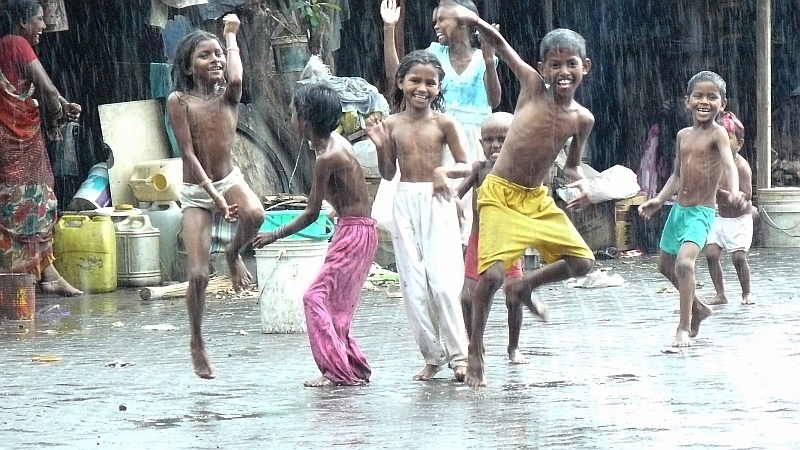
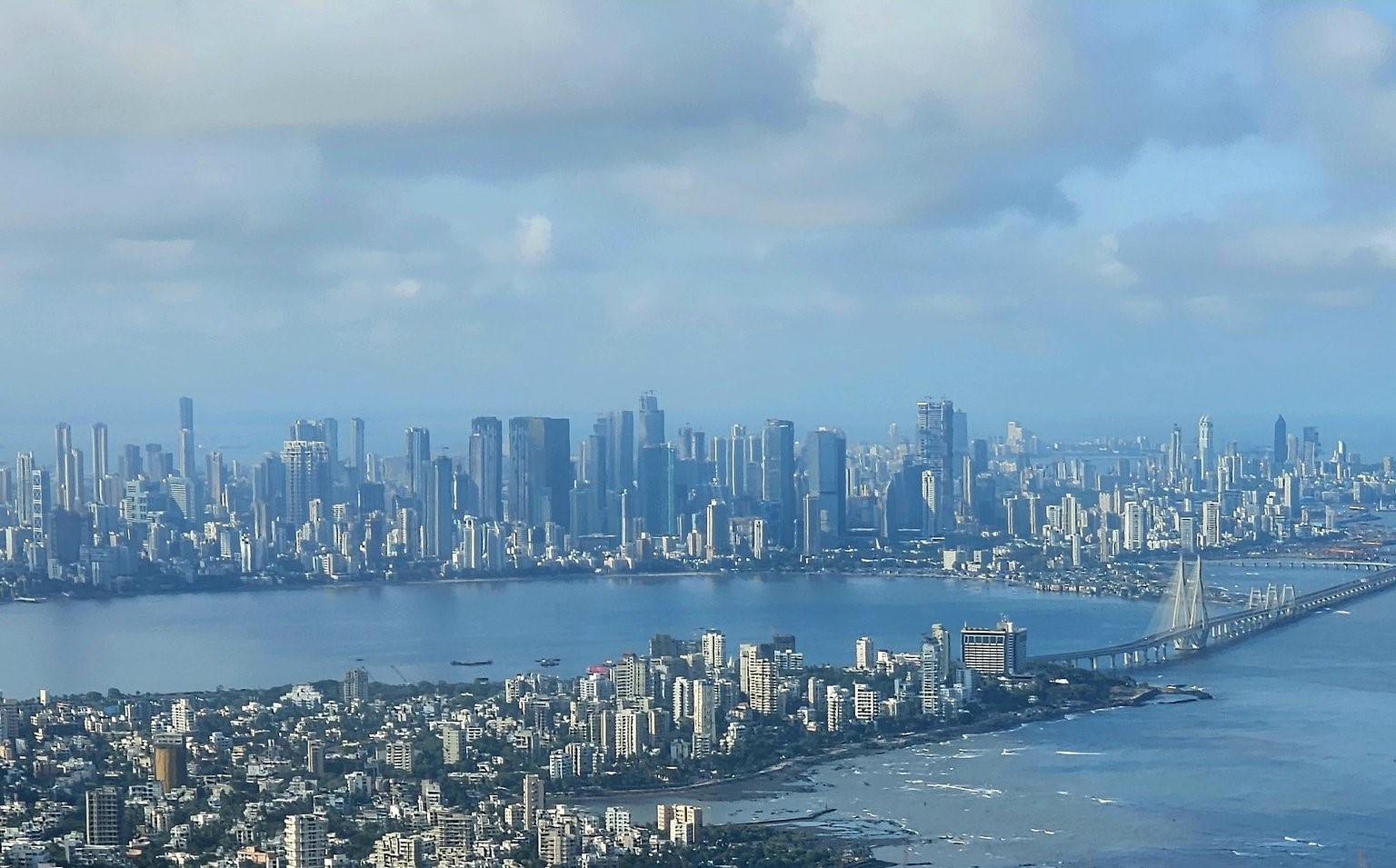
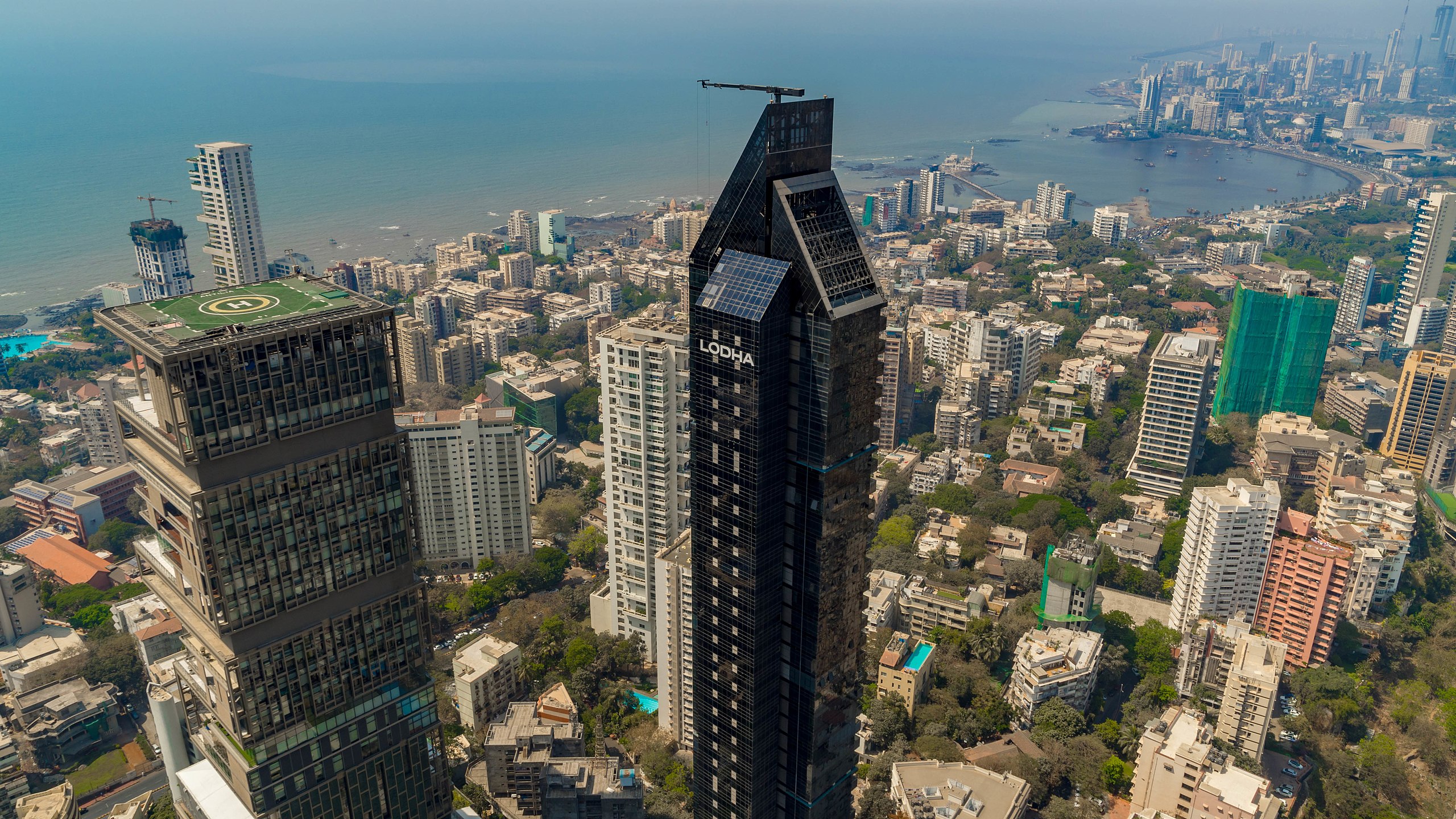
Today, Mumbai (the Government of India officially changed the English name to Mumbai, after Mumba Devi, the god of the city, in 1995) is the financial, commercial and the entertainment capital of India. The city's population is 12.5 million, while the surrounding Mumbai Metropolitan Region has a population of over 23 million, making it the sixth most populous metropolitan area in the world.
History of Maharashtra
Maharashtra was ruled by the Maurya Empire in the fourth and third centuries BCE. Around 230 BCE, Maharashtra came under the rule of the Satavahana dynasty, who ruled it for the next 400 years. Ruling dynasties and empires rose and fell during the Middle Ages, before the Delhi Sultanate came to power in the early 14th century.
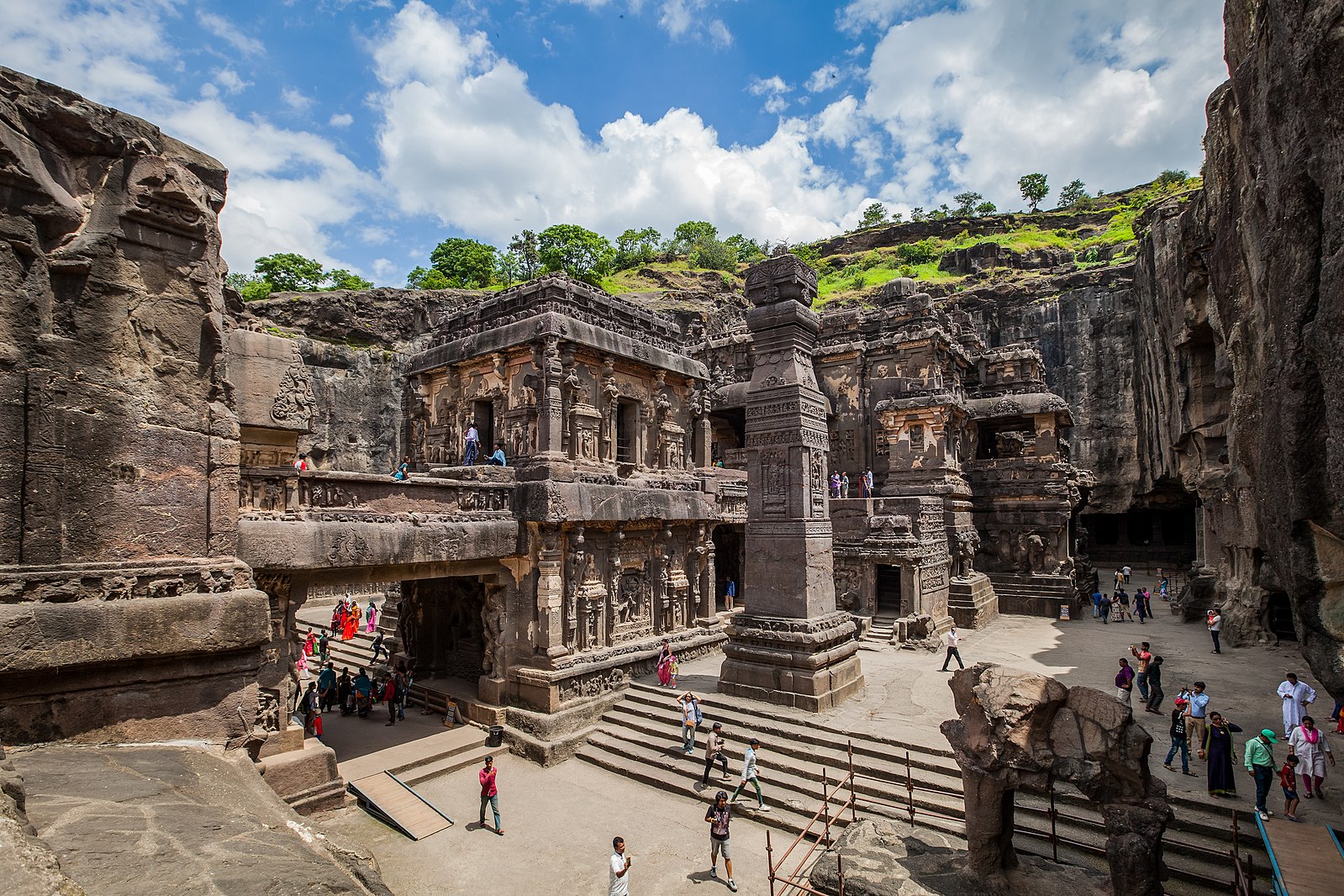

In the 1650s and 60s, Shivaji Bhosale succeeded in establishing his own independent kingdom from the Adil Shahi Sultanate of Bijapur, one of the Deccan Sultanates. In 1674 he was crowned Chhatrapati (monarch) of his kingdom, the beginning of the Maratha Empire. After Shivaji's death in 1680, the Mughal emperor Aurangzeb launched a campaign to conquer Maratha territories. After Aurangzeb's death in 1707, the Marathas drove the Mughals back and expanded their own control as far as Bengal. They were the dominant force in central and north India, including Delhi, until the end of the 18th century. Following their victory in the Third Anglo-Maratha War (1817–18), the British East India Company took over. While a number of the Maratha-ruled princely states had some self-government, the Maharashtra region remained under British rule until 1947.
Consultant: Nicholas Harris
Facts about Maharashtra
Area 307,713 sq km (118,809 sq miles) Rank: 3rd
Highest point Kalsubai 1646 m (5400 ft)
Population 128,659,000 Rank: 3rd
Capital and largest city Mumbai pop. 12,478,447 (Mumbai metropolitan area pop. 20,748,395)
Other large cities Pune (pop. 2,935,744), Nagpur (2,405,665), Nashik (2,362,769), Thane (1,886,941) Aurangabad (1,189,376)
Main languages Marathi (70%), Hindi (11%), Urdu (7%), Gujarati (2%)
Main religions Hinduism (80%), Islam (12%) Buddhism (6%)
State bird Yellow-footed green pigeon
State flower Jarul
State mammal Indian giant squirrel
State tree Mango