States and territories of India
West Bengal
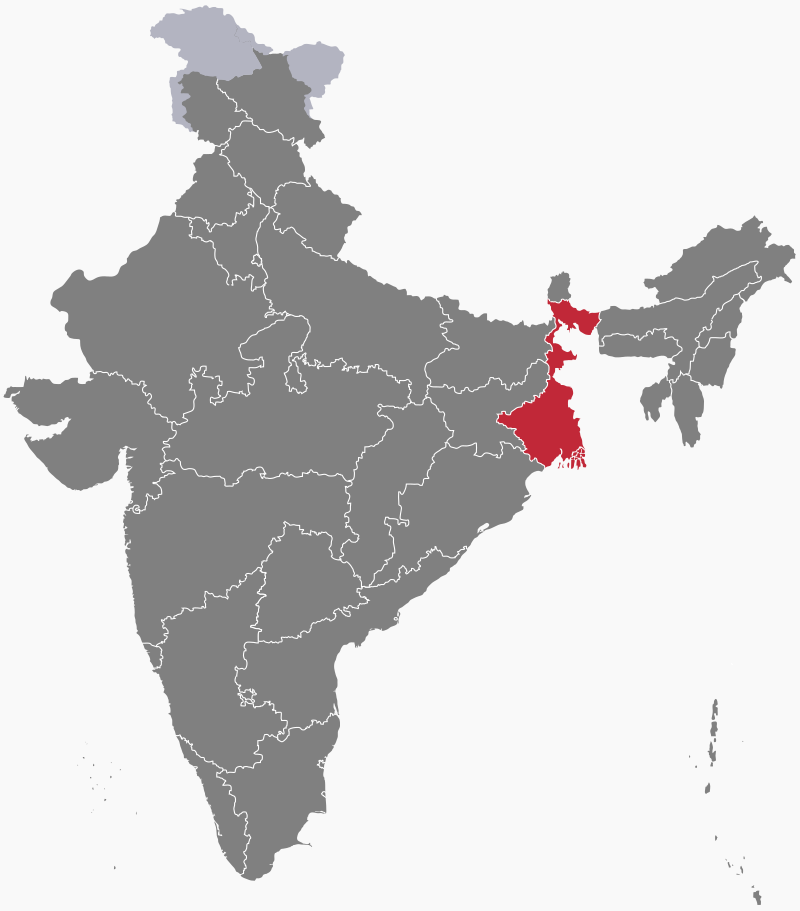
West Bengal is a state in northern India. When India gained independence in 1947, the region of Bengal was partitioned along religious lines. West Bengal, a Hindu-majority region, became a state of India, while East Bengal, a Muslim-majority region, became a province of Pakistan. Hindu refugees from East Bengal flooded into the west following partition of India, while Muslim refugees went the other way. The Bangladesh Liberation War of 1971 resulted in a further influx of millions of refugees into West Bengal when East Pakistan became the independent nation of Bangladesh.
Geography
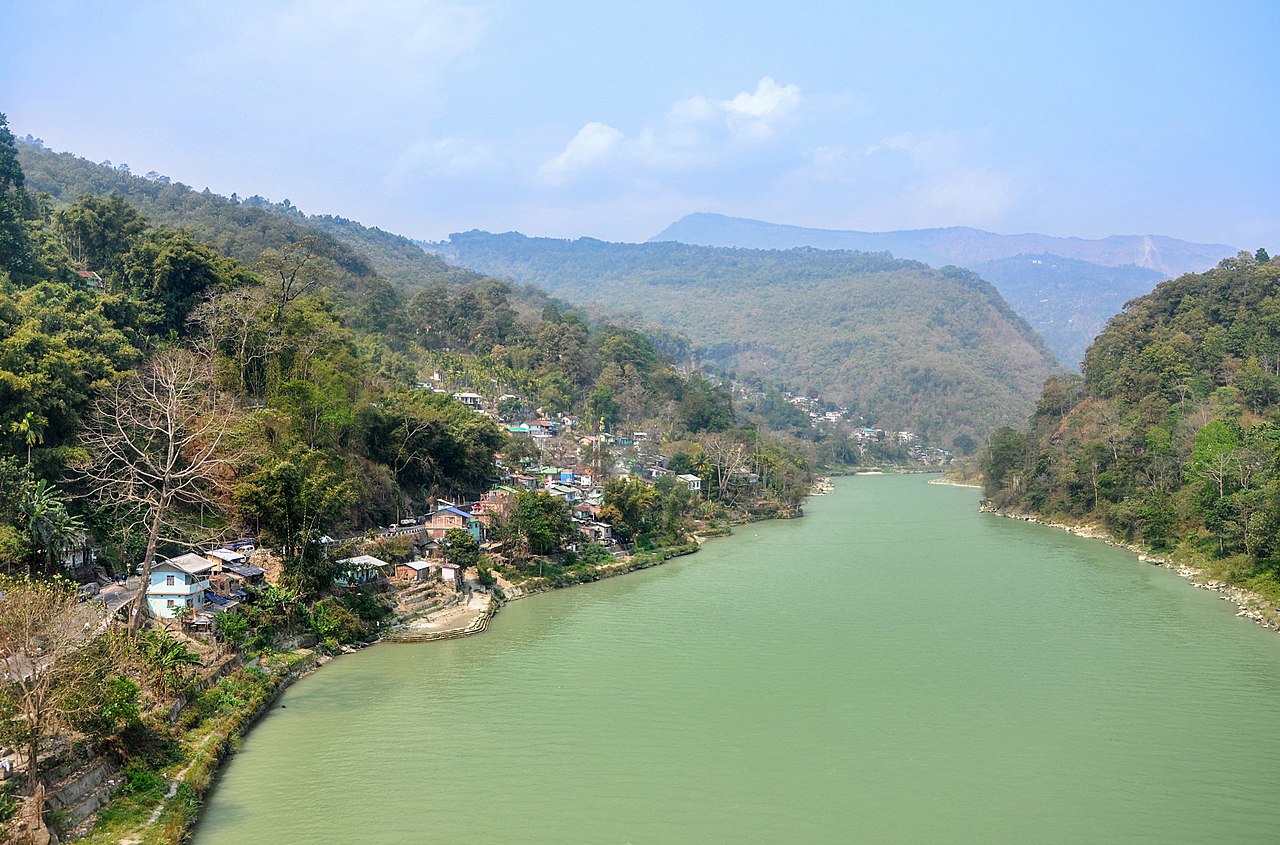
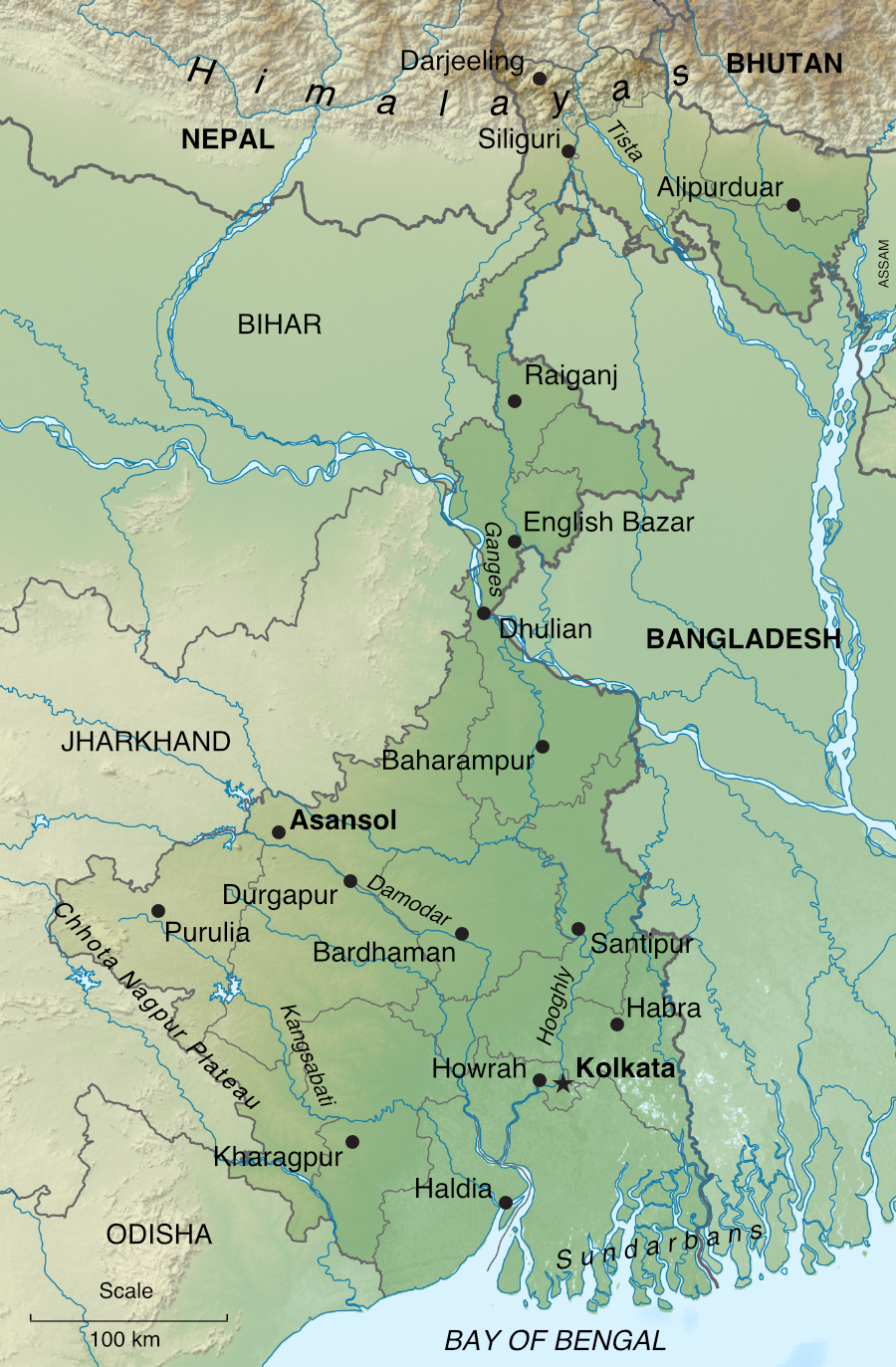
West Bengal stretches from the densely forested Darjeeling Himalayan region in the far north to the Ganges Delta in the south. The Terai ("moist land"), known locally as the Dooars, is a narrow belt (about 40 kilometres / 25 miles wide) of marshy grassland, savanna and forest at the base of the Himalayas. During the monsoon season, it is regularly flooded by fast-flowing mountain streams.
South of the Dooars lie the fertile North Bengal plains, part of the Indo-Gangetic Plain. The western portion, lying between 50 and 100 metres (160–330 feet) above sea level, is known as the Rarh region. The hills forming the eastern fringes of the Chhota Nagpur Plateau rise in the far west.
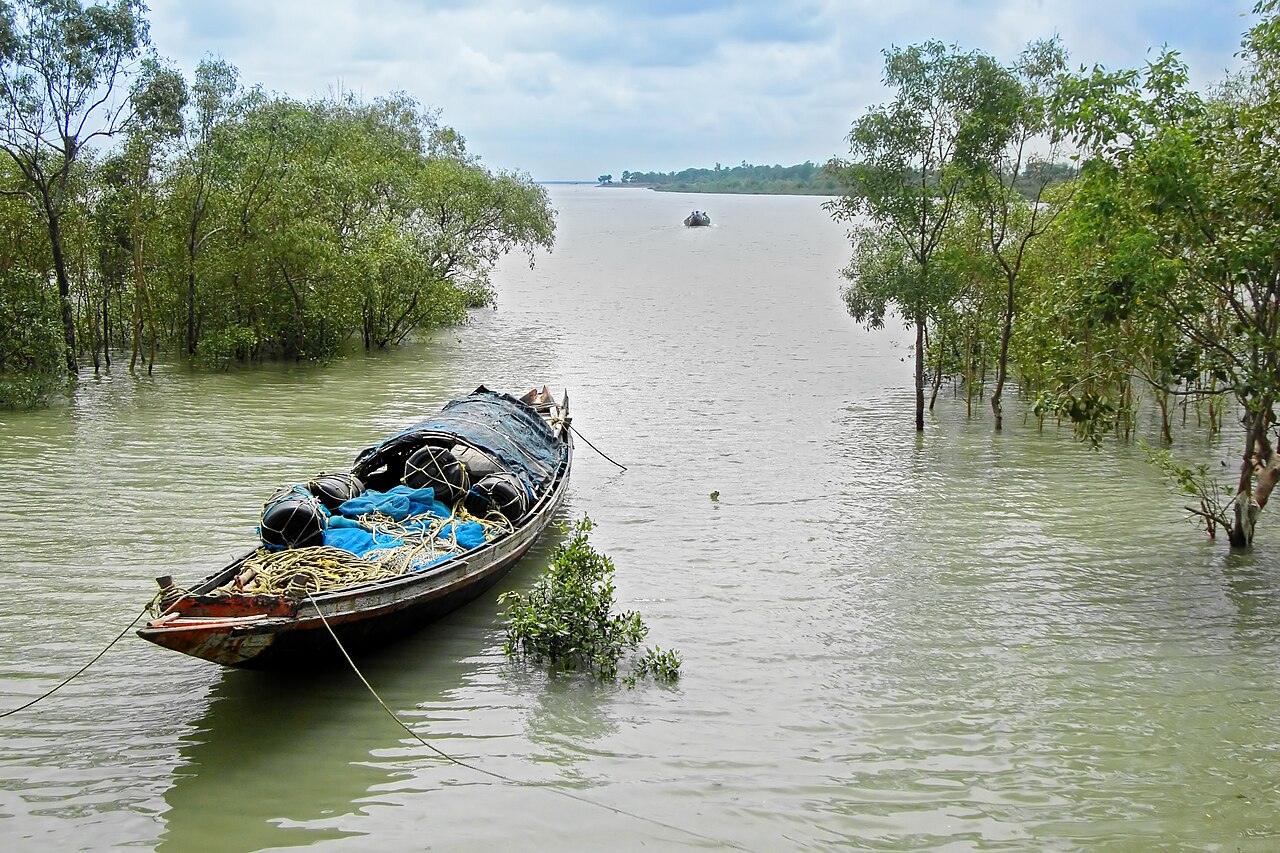
The River Ganges flows through West Bengal into Bangladesh where it meets the Brahmaputra. A canal connects the Ganges to the headwaters of the River Hooghly. Between the mouths of the Hooghly and the Ganges, a maze of channels form a vast delta. The Sundarbans freshwater swamp forests and mangroves grow in the lower reaches of the delta.
Climate
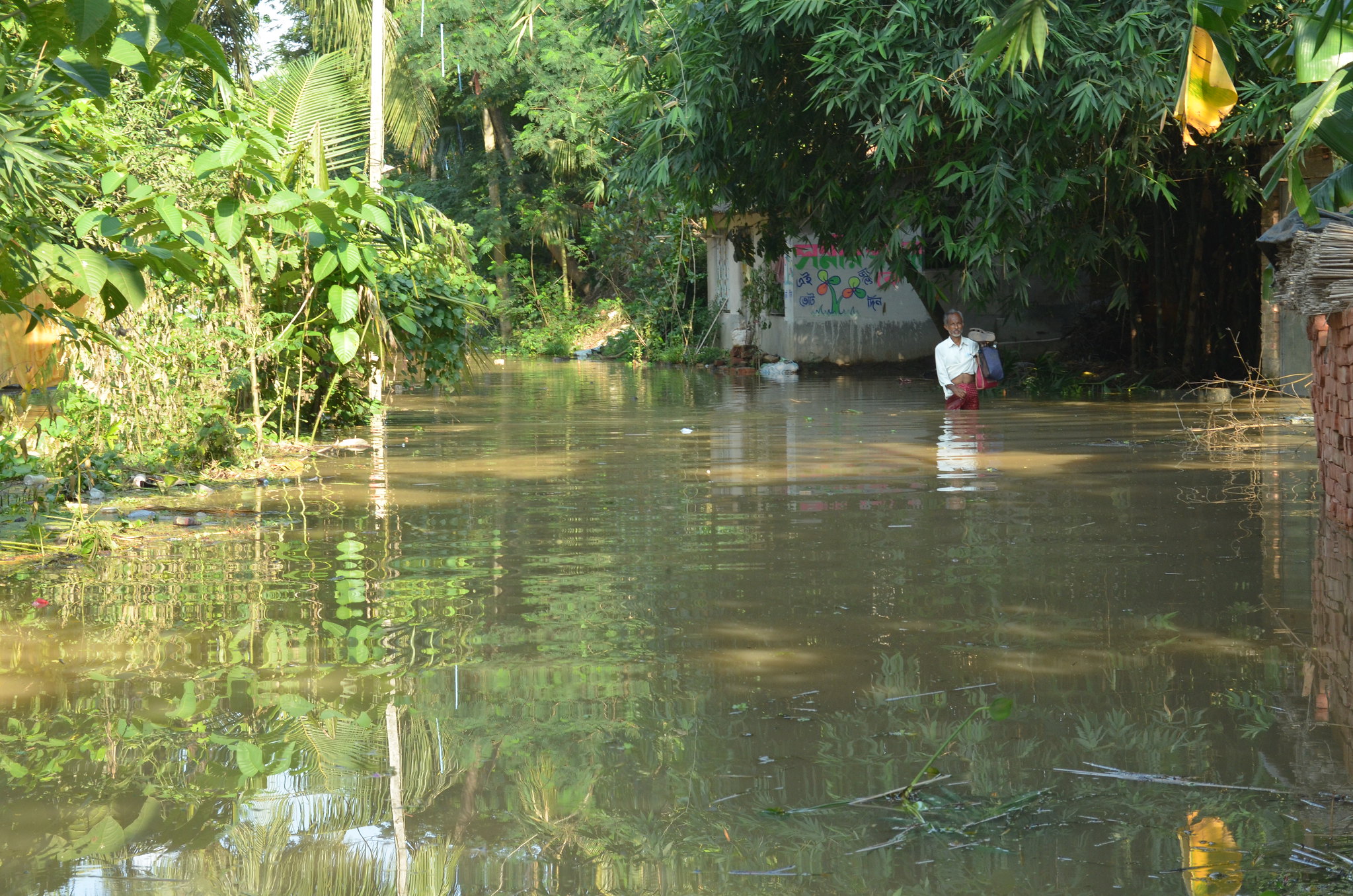
West Bengal has a tropical wet and dry climate in the south and a humid subtropical climate in the north. Monsoons bring heavy rain to the whole state from June to September, especially in the north, although it is drier in the western hills. Temperatures in the south range from 38°C (100°F) to 45°C (113°F), but are much cooler in the far north, averaging only around 16°C (60°F). Winter, which runs from December to January, is mild and dry over the plains where average minimum temperatures are around 15°C (59°F). The Darjeeling Himalayan region has cold winters with occasional snowfall.
Economy
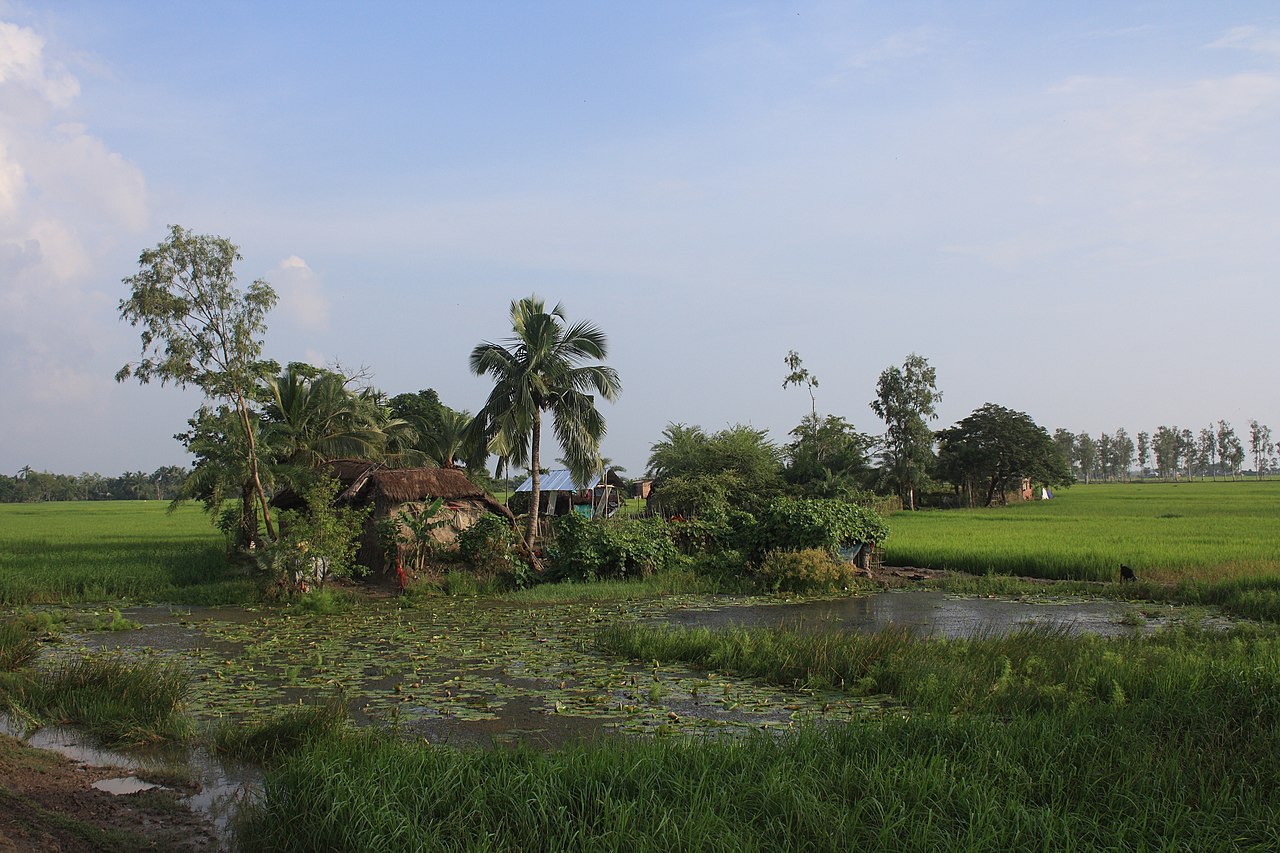
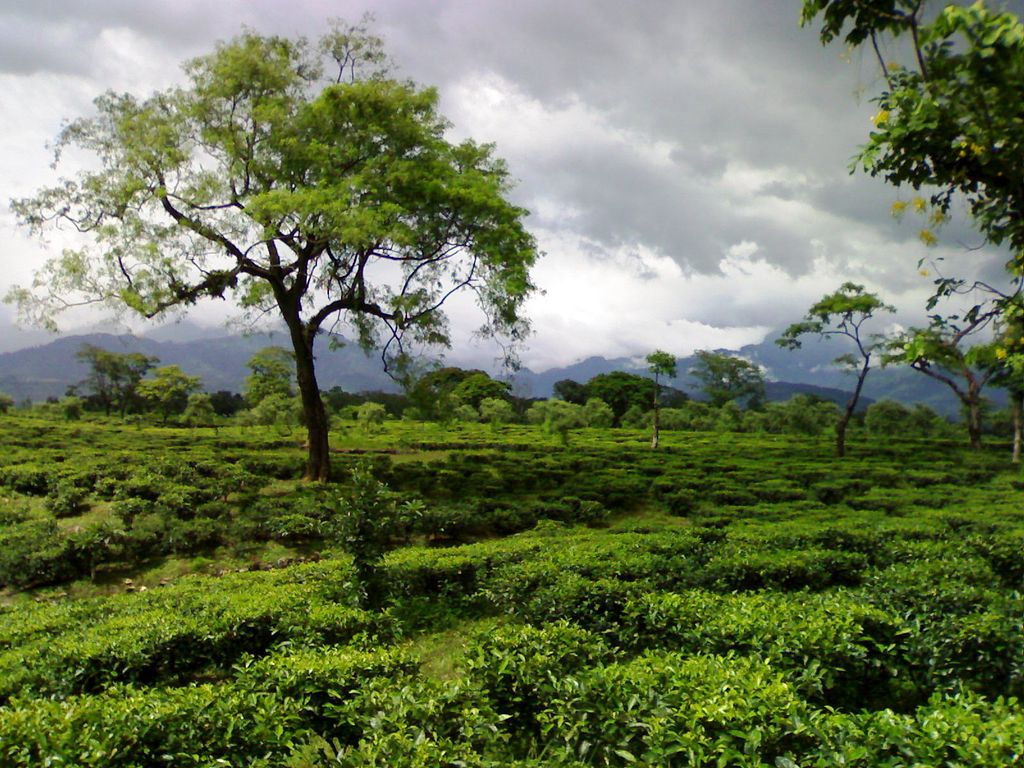
Most of West Bengal's inhabitants work in agriculture. Rice is the state's principal food crop, with potatoes, jute (a natural fibre), sugar cane and wheat other important crops. Darjeeling in the north of the state is well known for tea production, with tea plantations covering the Dooars region.
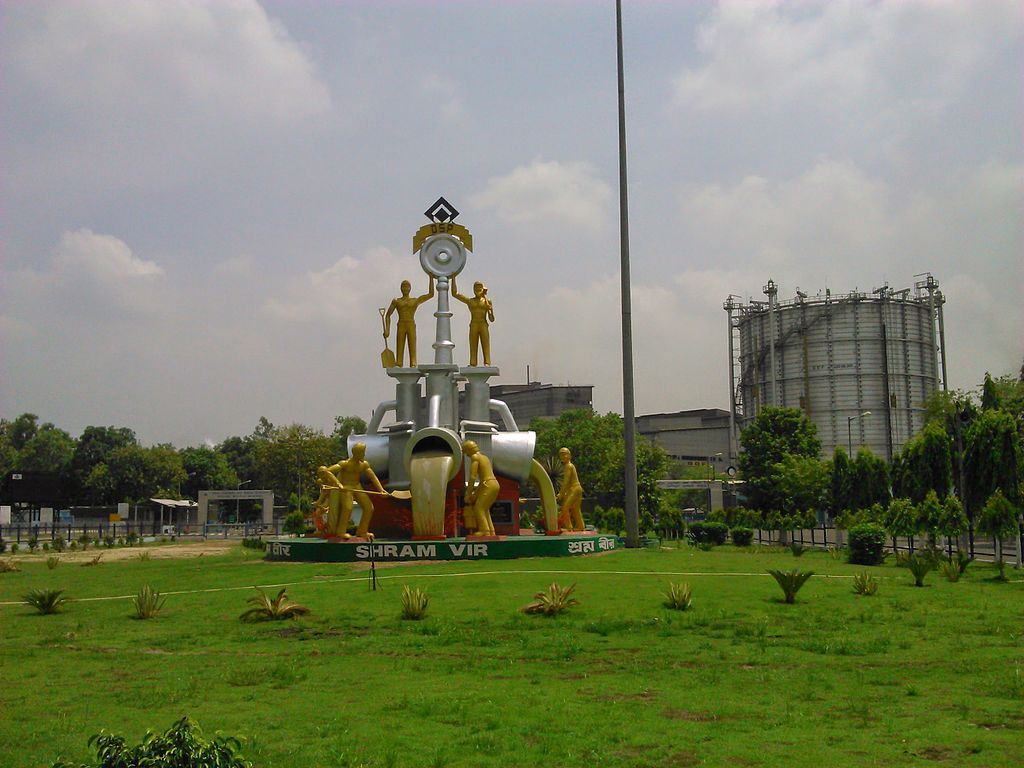
Industry is concentrated in the Kolkata Metropolitan Region, the Haldia Port region and the Durgapur-Asansol belt, where a number of steel plants are located. Important industries include engineering products, electronics, leather, textiles, vehicles, jute and tea production. Services, including finance, tourism and information technology (IT), account for two-thirds of West Bengal's GDP.
Kolkata
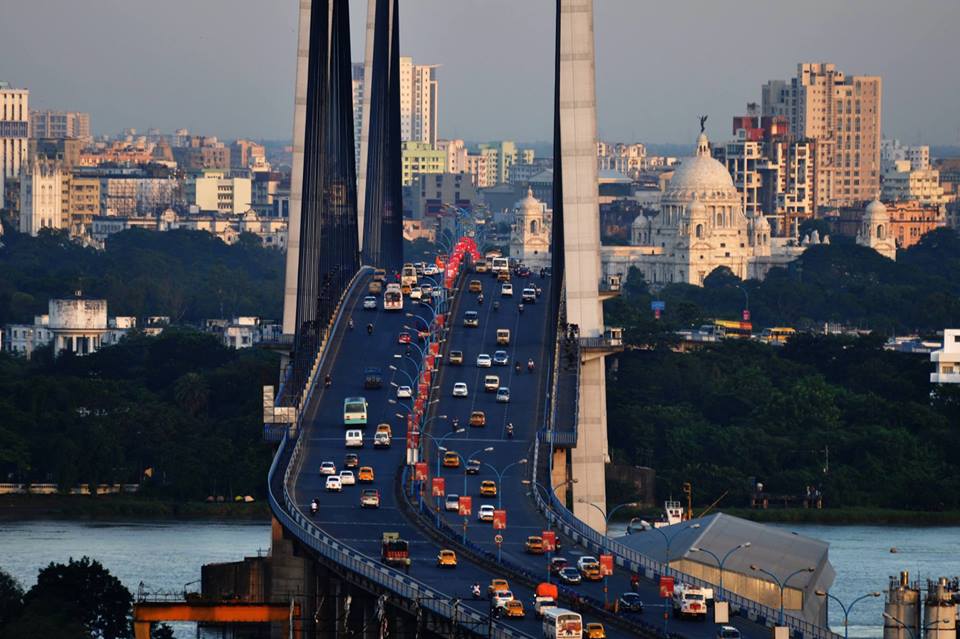
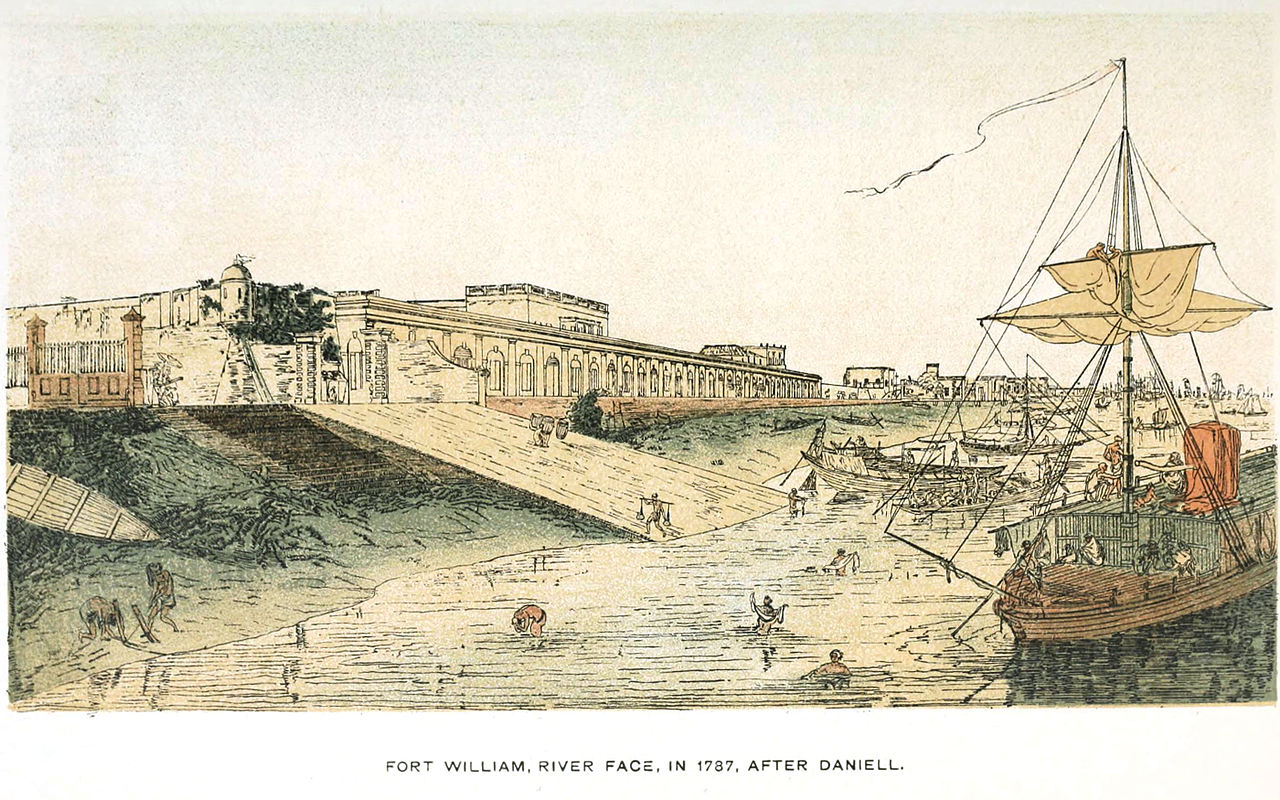
Kolkata grew up from three small villages: Kalikata, Gobindapur and Sutanuti. Having been granted a trading licence by the Nawab of Bengal in 1690, the British East India Company established the settlement of Fort William on the east bank of the River Hooghly. Siraj ud-Daulah, a later Nawab of Bengal, occupied the fort in 1756 but was defeated by the British at the Battle of Plassey in 1757.
In 1772, Calcutta (as it was known to the British) became the capital of all of the East India Company's territories. In the early 19th century, the marshes surrounding the city were drained. Two new urban areas emerged: one, centred on Chowringhee and Dalhousie Square, was mainly British, while the other to the north was Indian.

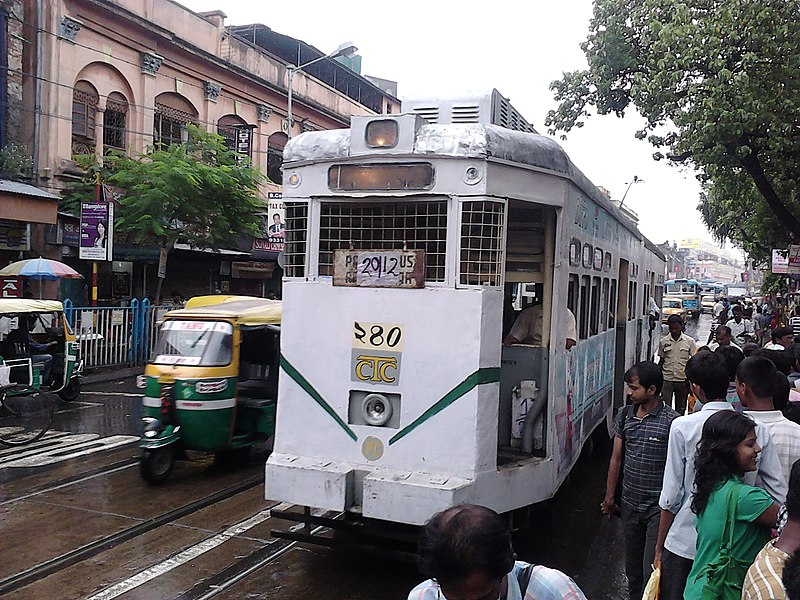
From the 1850s, Calcutta underwent rapid growth, thanks to the expansion of the cloth and jute industries. The city became capital of all India after the establishment of the Viceroyalty (rule by the British crown) in 1858. The capital was moved to New Delhi in 1911. From 1912 until India's independence in 1947, Calcutta was the capital of the Bengal Province.
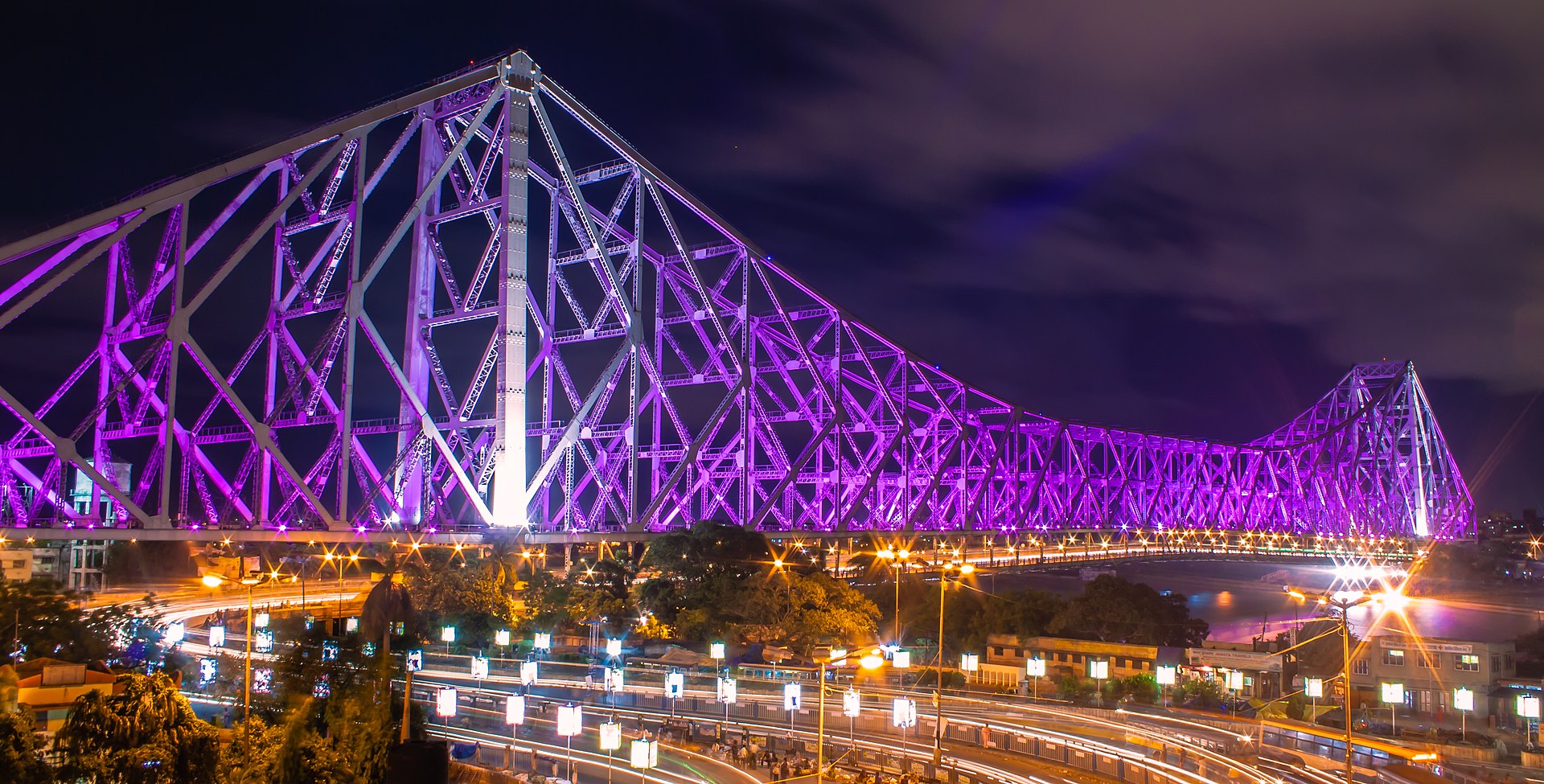
From the 1960s to the late 1990s, the city went into decline as a number of factories closed. Since 2000, the information technology (IT) services sector has revitalized its economy. In 2001, the city's official name was changed to Kolkata in order to match Bengali pronunciation. Today, the Kolkata Metropolitan Region makes up the third largest urban agglomeration in India.


History of West Bengal
The ancient kingdom of Magadha, founded in the 7th century BCE, was made up of regions today comprising Bihar and Bengal. It was one of the four main kingdoms of India at the time of Gautama Buddha, founder of Buddhism. Magadha became part of several Indian empires, including the Mauryan and the Gupta empires.
Following the Ghurid conquests and the establishment of the Delhi Sultanate, the Muslim faith spread across the entire Bengal region. During the Bengal Sultanate, the territory was the world's major trading nation.
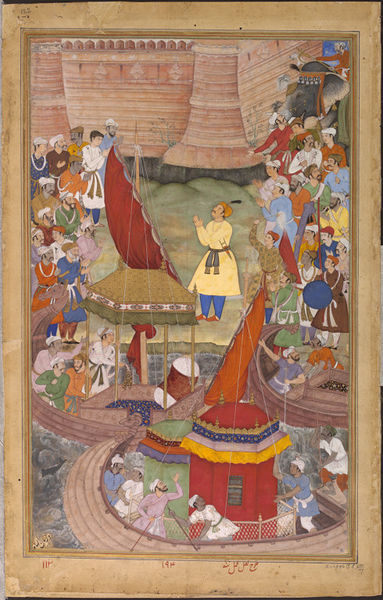
Bengal came under the rule of the Mughal Empire following a campaign of conquest by Akbar in the 1570s. In 1717, with the Mughal Empire in decline, Bengal became self-governing under the Nawabs of Bengal. In this period, before it was taken over by the British East India Company in 1764, Bengal became extremely wealthy through the production of cotton muslin and silk cloth and other industries. The Great Bengal Famine of 1770, caused by drought, crop failure and an outbreak of smallpox, claimed between 7 and 10 million lives. Bengal suffered another major famine in 1943, in which an estimated 3 million people perished.
Consultant: Nicholas Harris
Facts about West Bengal
Area 88,752 sq km (34,267 sq miles) Rank: 13th
Highest point Sandakphu 3636 m (11,929 ft)
Population 100,202,000 Rank: 4th
Capital and largest city Kolkata pop. 4,496,694 (Kolkata Metropolitan Region pop. 22,500,000)
Other large cities Asansol (pop. 1,243,008), Howrah (1,077,075), Siliguri (701,489), Durgapur (581,409)
Main languages Bengali (86%), Hindi (7%), Santali (3%), Urdu (2%)
Main religions Hinduism (70%), Islam (27%)
State bird White-throated kingfisher
State flower Night-flowering jasmine
State mammal Fishing cat
State tree Chhaatim