
British history
The Chartists
The Great Reform Act of 1832 was intended to reform the electoral process and make the House of Commons more representative of the British population. In practice, it gave extra voting rights to the property-owning middle classes, but did not offer anything to Britain's working classes. A group who came to be known as the Chartists decided to press for fundamental changes. The People's Charter (after which the movement was named) of 1838 listed several demands. A huge petition was presented to Parliament in 1839 and again in 1842 and 1848, but none succeeded in obtaining any changes at all. Parliament did eventually reform the electoral system later in the 19th century. Women, however, would still not be able to vote until 1918.
Electoral reform
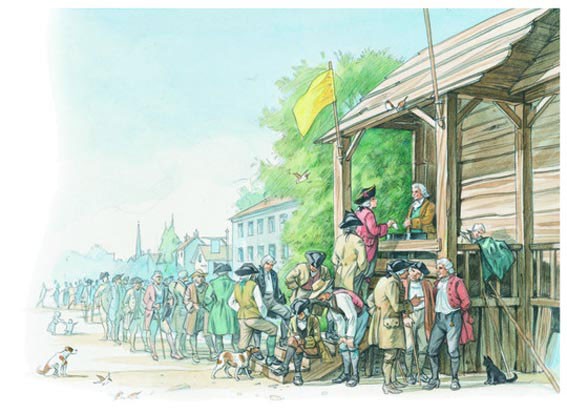
In early 1800s, the House of Commons was unrepresentative of the people. Only the wealthiest men who owned property could vote—about one in eight men in England. Far fewer men had the right to vote in Scotland and Ireland, and no women had the vote anywhere. The industrial Midlands and North of England had few Members of Parliament (MPs), with the large cities of Manchester, Leeds, Birmingham, and Sheffield having no MPs at all.
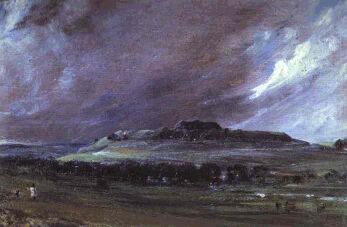
Many constituencies were called “rotten boroughs” as they had almost no voters, but still elected MPs to parliament. Dunwich in Suffolk was largely under the sea yet had two MPs with 32 electors (people with the right to vote). Old Sarum, a rural spot outside Salisbury in Hampshire, had two MPs with even fewer electors: just 11.
There were many attempts to reform this outdated system, and mass meetings were held to voice grievances. The most notorious of these occurred at St Peter’s Fields, Manchester, in August 1819, when 18 people were killed and 400 wounded after soldiers on horseback charged on the crowd. Known as the Peterloo Massacre, the event hardened support for reform.
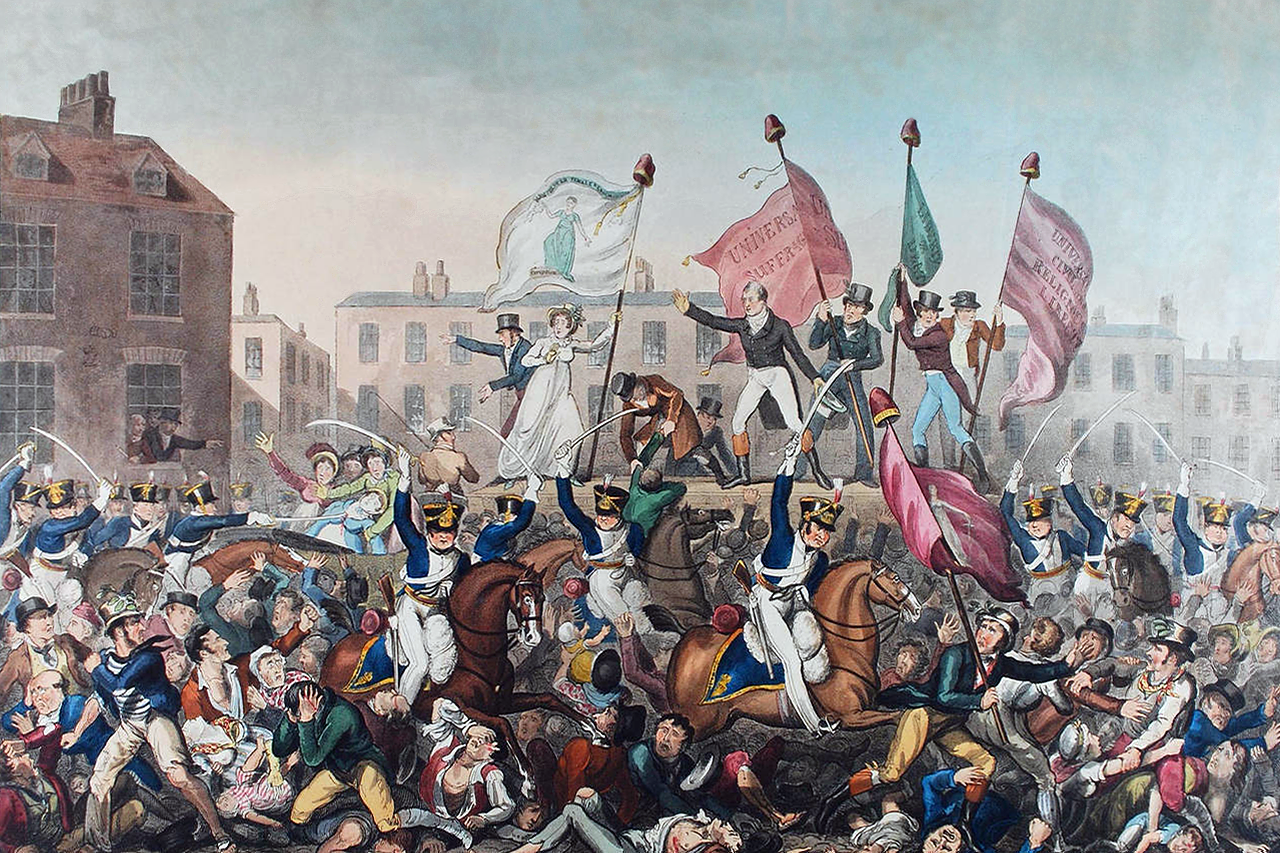
After long debate, the Great Reform Act of 1832 redistributed 143 parliamentary seats from small towns to the English and Welsh counties and the larger industrial towns and cities. Scotland and Ireland both gained more MPs. The qualifications to vote were simplified. Despite these changes, the total electorate rose only from around 440,000 to 652,000 voters, or around 1 in 5 men. Only the property-owning middle classes benefited from the Act: the working classes remained voiceless in the way their own country was run. Having campaigned for the Act, they felt betrayed when it did not give them the vote.

Poor Law
The 1830s and 1840s were a time of falling living and working standards for many working class people, particularly in the Midlands and North of England, Scotland and Wales. The new Poor Law Amendment (1834) abolished payments to families, called "outdoor relief", forcing the poor into workhouses, where families were separated.
Among the working classes, there was a massive wave of opposition to this new Poor Law. It led to a growing feeling that only by securing the vote for working men could things ever be changed.
People's Charter
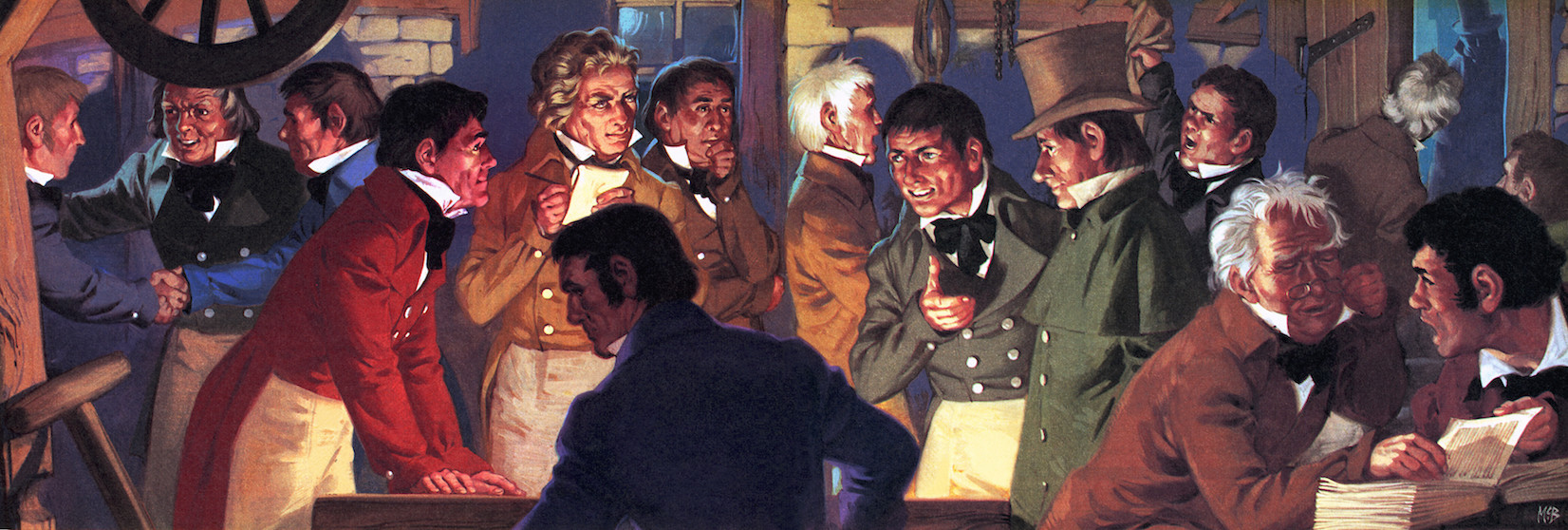
Together with Henry Hetherington and Francis Place, Cornish cabinet-maker William Lovett formed the London Working Men’s Association in 1836. Its aims were "to seek by every legal means to place all classes of society in possession of their equal, political and social rights."
The following year, six MPs and six working men, including Lovett, formed a committee. In 1838 they published the People's Charter, drawn up by Lovett with the help of Place. This set out the movement's demand for six changes to the British electoral system. The object was to make the system more democratic and give working men a say in lawmaking.


The six aims of the People's Charter were:
1. "A vote for every man 21 years of age, of sound mind, and not undergoing punishment for a crime."
2. "The secret ballot to protect the elector in the exercise of his vote."
3. "No property qualification for Members of Parliament to allow the constituencies to return the man of their choice."
4. "Payment of Members, enabling tradesmen, working men or other persons of modest means to leave or interrupt their livelihood to attend to the interests of the nation."
5. "Equal constituencies, securing the same amount of representation for the same number of electors, instead of allowing less populous constituencies to have as much or more weight than larger ones."
6. "Annual Parliamentary elections, thus presenting the most effectual check to bribery and intimidation, since no purse could buy a constituency under a system of universal manhood suffrage in every twelve months."
Support for the Charter spread rapidly and its advocates (supporters) became known as the Chartists. Both nationally and locally, newspapers published news about the Chartist movement. They reached huge audiences. Chief among them was the Northern Star, a newspaper published between 1837 and 1852 that campaigned for better wages and working conditions.
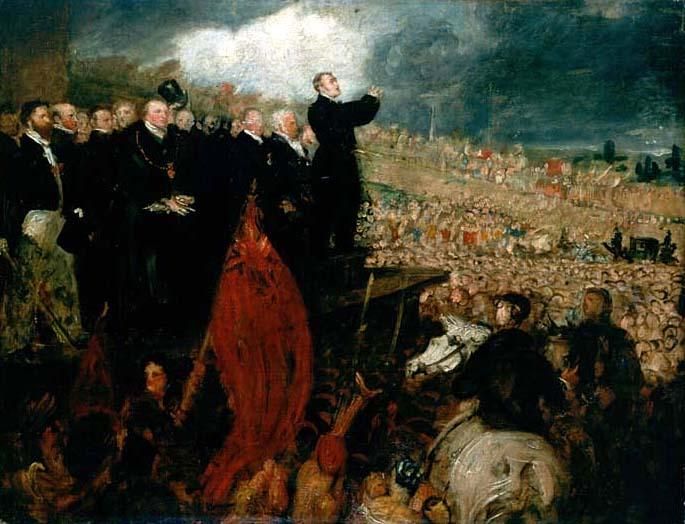
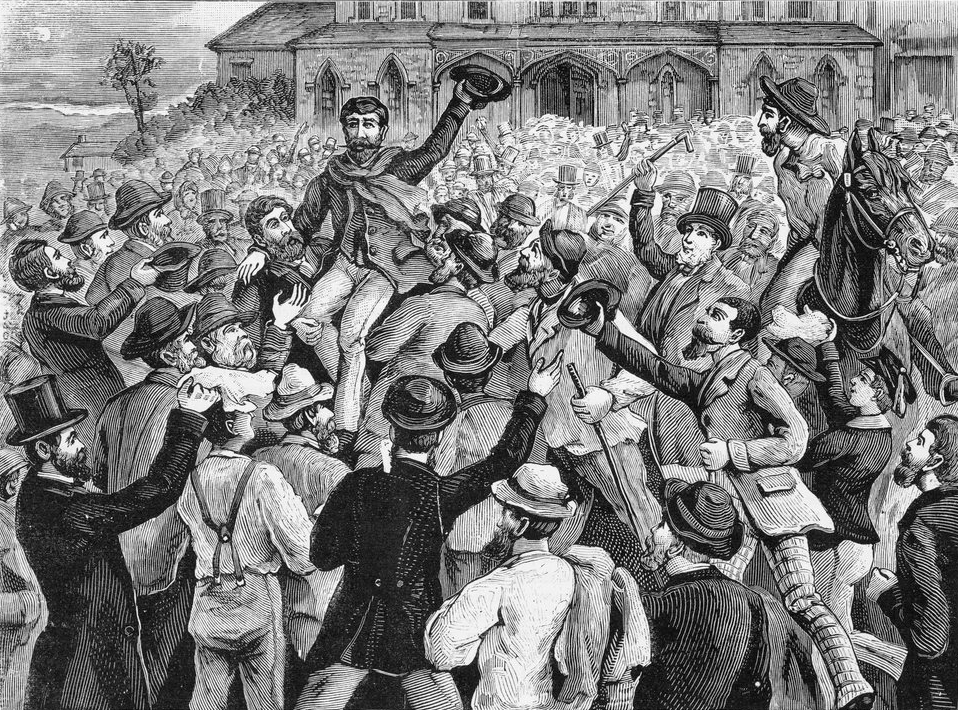
There was a series of large-scale meetings, including one held on Kersal Moor near Salford, Lancashire, on 24th September 1838, which attracted speakers from all over the country. Chartism’s focal points were huge petitioning campaigns in 1839, 1842 and 1848.

Chartist movement
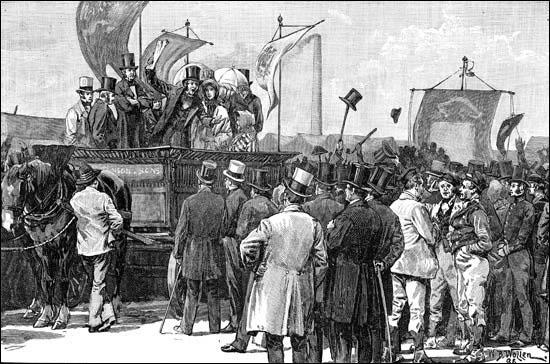
Chartists saw themselves fighting against political corruption and for democracy. The movement also attracted support from groups who campaigned to improve the life of working class people in Britain. Chartism soon gained a following of millions. Support was widespread among working men and women, especially in the industrial regions of the English Midlands and North, South Wales and central Scotland. The movement embraced people from a broad range of occupations, ranging from bakers and basket-makers to veterinary surgeons. It also had many supporters in rural areas as well as amongst the educated middle classes.
While there was much Chartist support for women's suffrage (the right for women to vote), it was decided that calling for it at this stage would damage the prospects for the Charter’s success. Nevertheless, many women attended Chartist meetings and mass demonstrations and formed Female Charter Associations.
Moral or Physical Force?
Within the Chartist movement, there were differences in opinion over the means to achieve its aims. "Moral Force" Chartists, such as William Lovett, believed that non-violent tactics, such as holding public meetings, publishing pamphlets and newspapers, and taking petitions to government, had the best chance of success. "Physical Force" Chartists, on the other hand, were willing to resort to violence should the demands of the Charter not be achieved by peaceful means. This would, they argued, at least make people take notice and force the government into action. Feargus O'Connor, an Irish lawyer living in Leeds, and the publisher of the Northern Star, backed this argument.

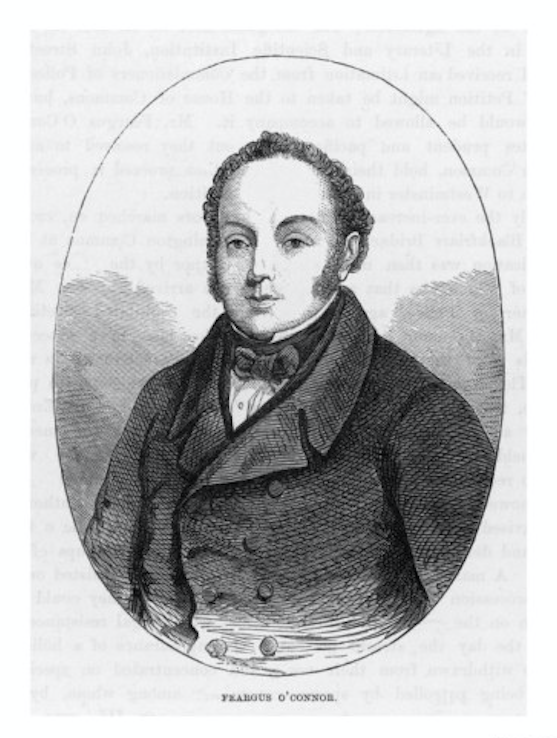
The ruling classes were opposed to Chartism because it threatened their power. Allowing all adult men to vote or stand as an MP would mean they would be unlikely to remain in government. The rise of Physical Force Chartism allowed opponents of the movement to declare that the Chartists did not just want to change the way Parliament was elected, but to start a revolution by stirring up a wave of riots around the country.
First petition (1839)
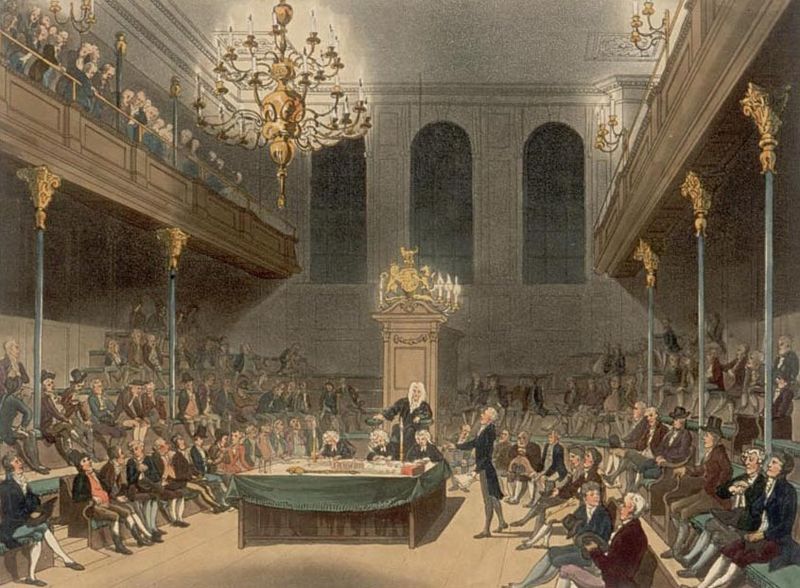
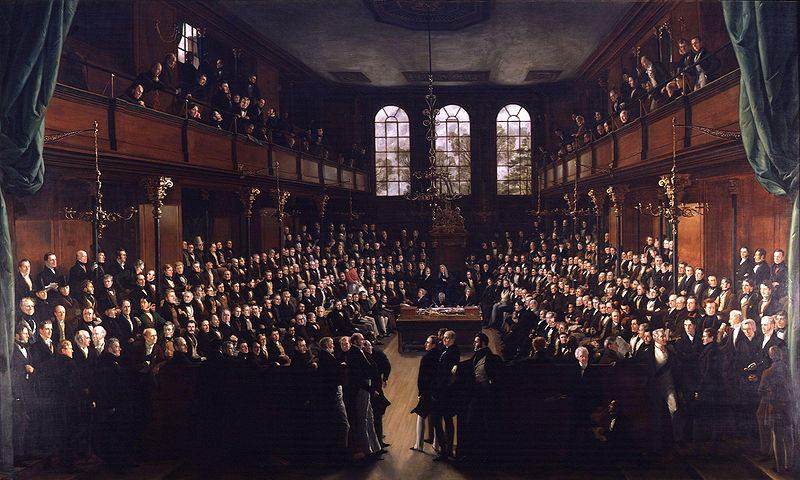
In June 1839, a Chartist petition signed by 1,283,000 working people was presented to the House of Commons—where it was greeted by dismissive laughter. MPs voted on a motion that six representatives of the Chartist movement should be allowed to speak on behalf of the petition at the bar of the House. It was defeated by a large majority. One MP told the House: “Universal suffrage would be fatal to all purposes for which government exists. It is utterly incompatible with the very existence of civilization.”
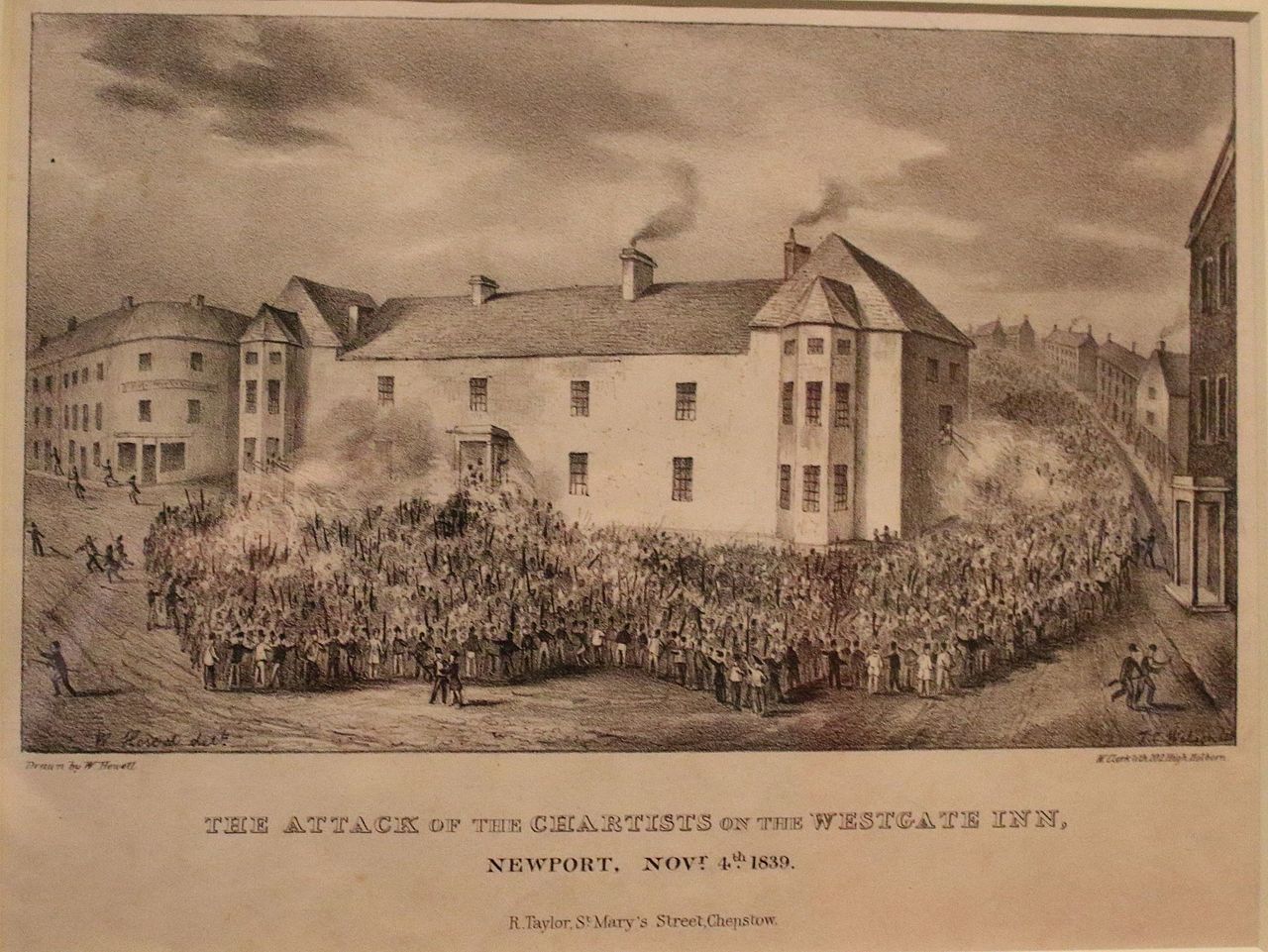
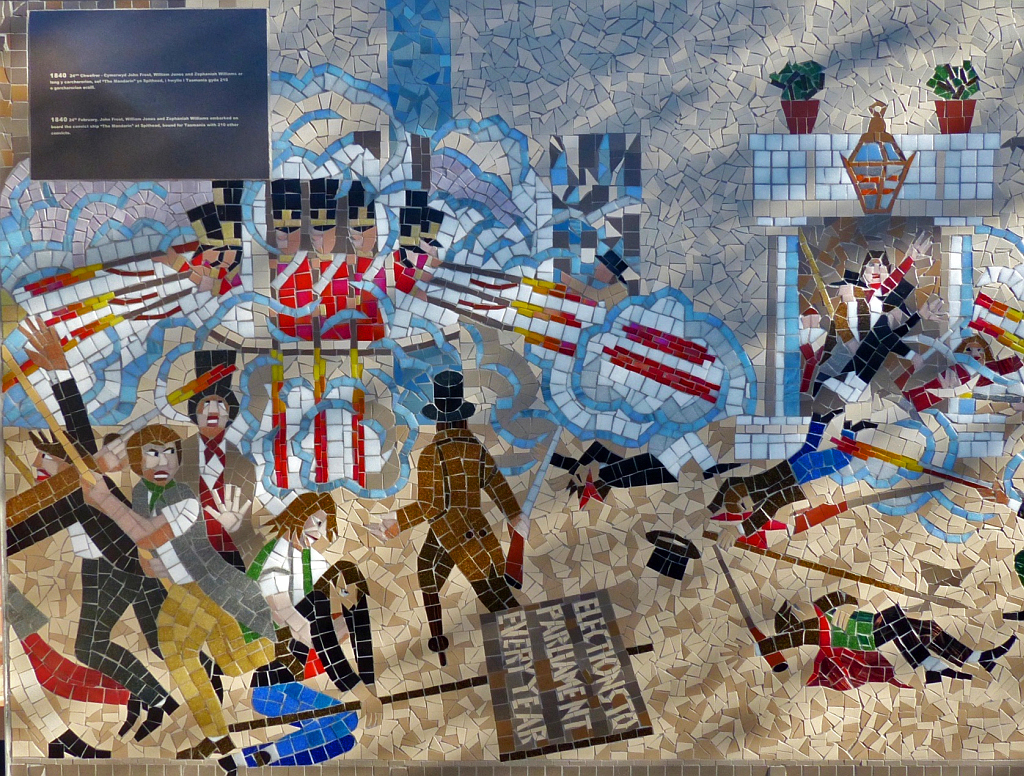
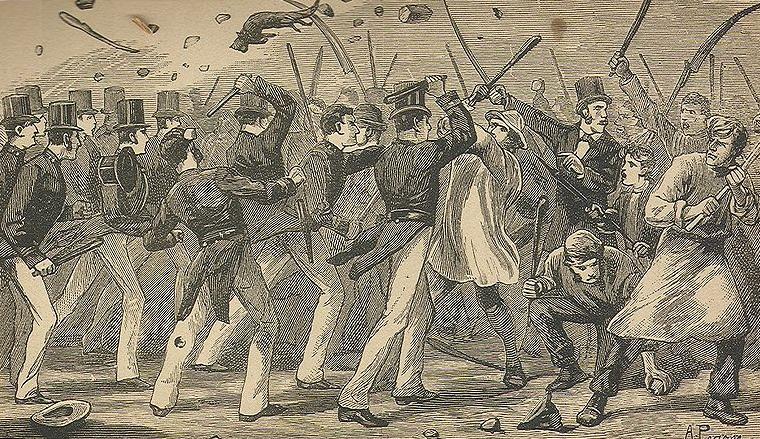
In Yorkshire and in South Wales, anger at Parliament's refusal to receive the petition ran deep. On 4th November 1839, 5000 men marched into Newport in Monmouthshire and attempted to take control of the town. Led by John Frost, they gathered outside the Westgate Hotel, where some protesters were being held. Troops protecting the hotel opened fire, killing at least 22 people and wounding another 50, bringing the Newport Uprising to an abrupt and bloody end.
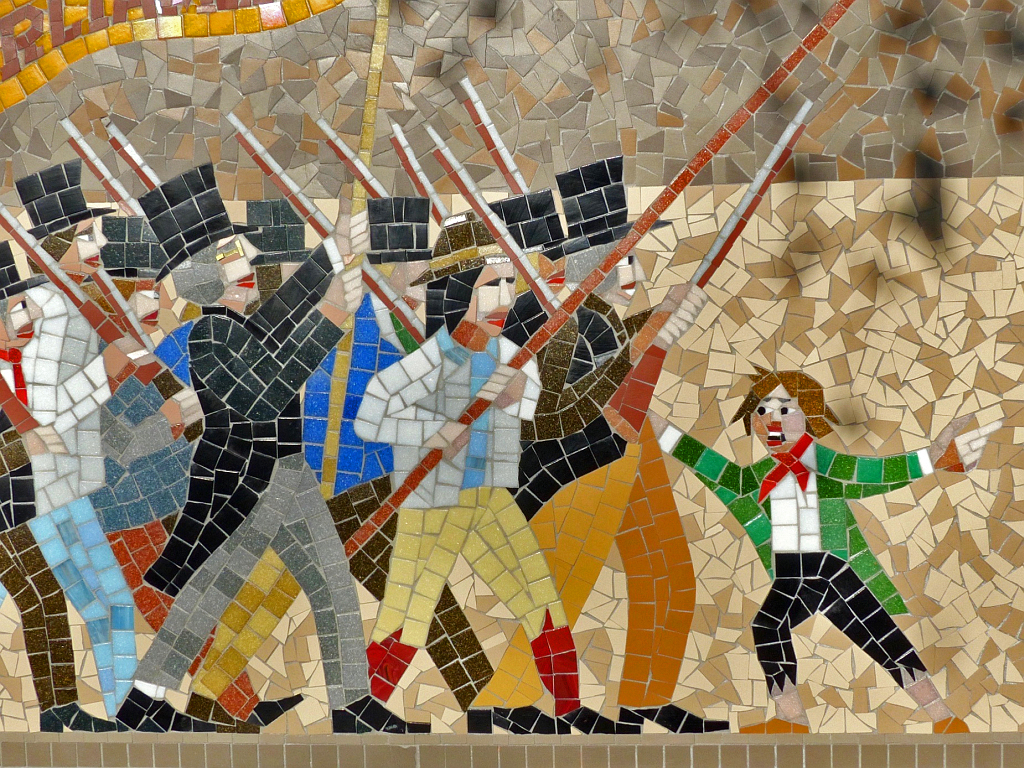
Samuel Holberry led an uprising in Sheffield on 12th January 1840, and Robert Peddie later attempted similar action in Bradford. Frost and two other Newport leaders were convicted and transported to Australia. Holberry and Peddie received long prison sentences with hard labour; Holberry later died in prison.
Second petition (1842)
The second Chartist petition, delivered to Parliament in May 1842, contained more than 3,250,000 signatures—around a third of Britain’s adult population. The petitioners’ demands included not only the People’s Charter, but a clean-up of government corruption, disestablishment of the Church of England and home rule for Ireland. Parliament refused to receive the petition.

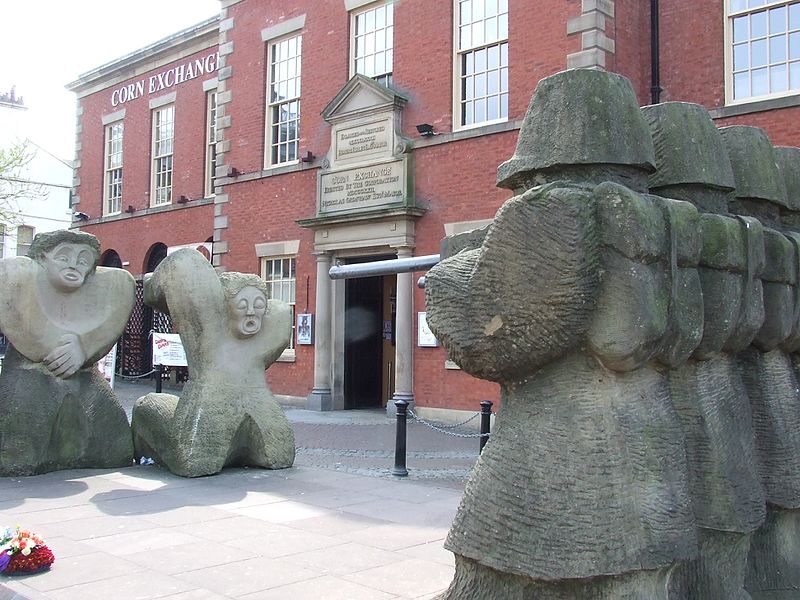
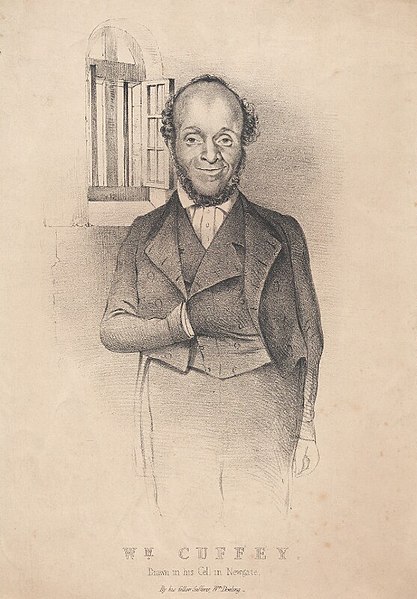
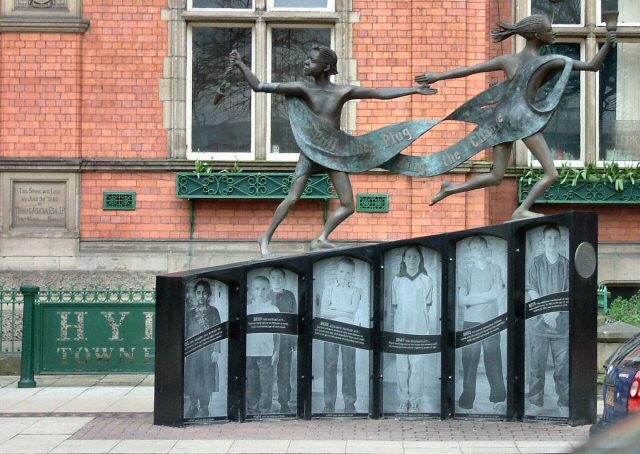
Strikes triggered by wage cuts imposed by employers broke out in the Potteries of Staffordshire in August 1842, spreading to Cheshire, Lancashire, Yorkshire and Scotland. Backed by the Chartists, the strikes erupted into violence, known as the "Plug Plot riots", because the strikers took the plugs from steam boilers to stop them working. Strikers resolved to cease work until their wages were increased and "the People's Charter becomes the Law of the Land". The action led to thousands of arrests, including those of several Chartist leaders, among them O'Connor. Hundreds of people were imprisoned and 79 convicts were transported. One protester, the 19-year-old Josiah Heapy, was shot dead.
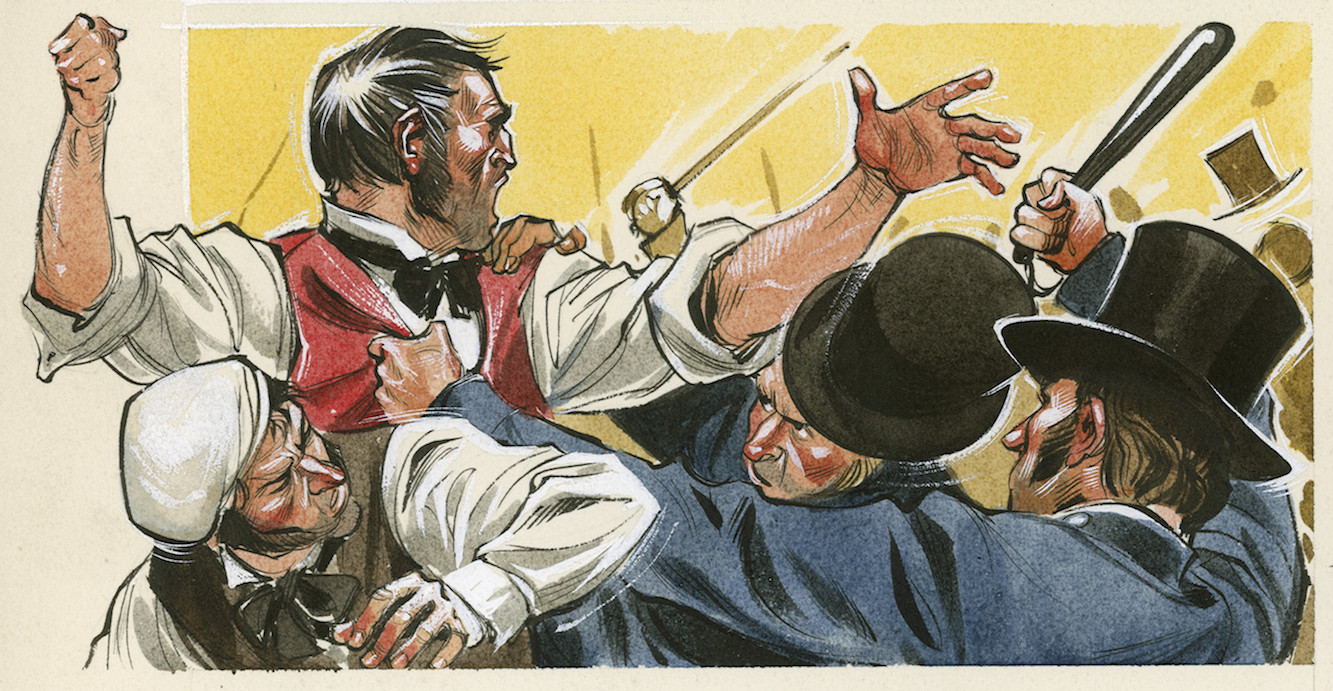
The Chartist movement also sought peaceful means to back their cause. Chartist candidates stood for Parliament at the general elections. In the election of 1847, O'Connor was elected for Nottingham.
Third petition (1848)
Encouraged by the wave of revolutions spreading across Europe in February 1848, the Chartists began to collect signatures for a third petition. Wary of the growing threat posed by a Chartist uprising, the British government made preparations of their own. Troops from all over southern England were moved closer to London and the royal family was evacuated to the Isle of Wight.

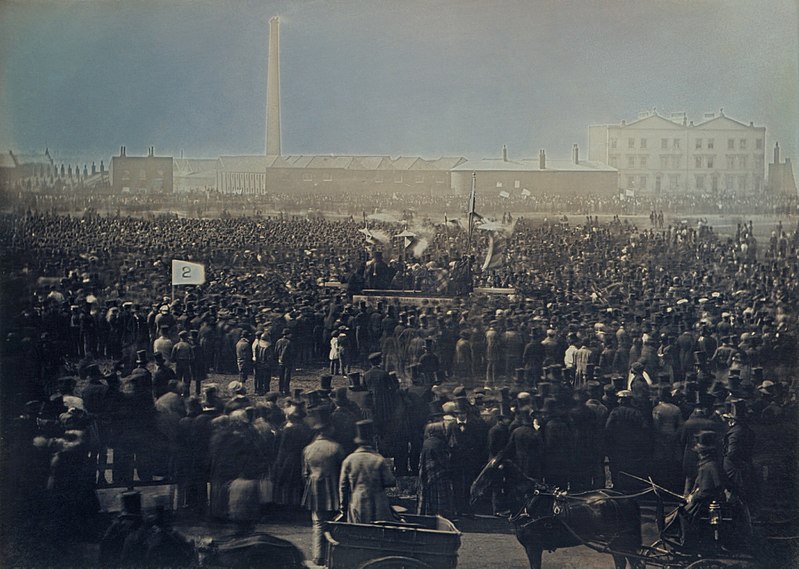
On 10th April 1848, thousands of supporters met at Kennington Common in London. The plan was to deliver a petition—which they claimed had 5,706,000 signatures—to Parliament after a peaceful mass meeting. Anticipating the event, Parliament rushed through changes in the law of freedom of political assembly and speech. The government also decided to mount a large-scale display of force to counter the challenge, recruiting an extra 100,000 special constables for the police force. O'Connor cancelled the planned procession to Parliament to present the petition, sending the petition in three cabs instead. Parliament debated the Charter, but rejected it once more.
Some signatures on the petition were later shown to be false and this was used to discredit it. The demonstration was considered a failure and the rejection of the last petition marked the beginning of the end of Chartism.
Legacy
Although the Chartists gathered massive support for their petitions, all their demands were rejected by Parliament. However, the Chartists' influence persisted and people continued to campaign for electoral reform.
Chartism inspired future challenges to the political establishment. It showed that it was possible for the masses—including the later women's suffrage movement—to rise up and demand change. The Chartist movement brought together working people from all over the country as never before, with newspapers and other publications used as the principal means of communication, rather like social media today.

The enormous level of support for Chartism up and down the country, along with the ever-present fear of civil unrest, helped persuade the government to pass social and economic measures to improve life for the people as a whole—essentially going against the interests of the wealthy property-owning men who made up Parliament. Robert Peel’s 1841–46 government, for example, passed an Act that reformed the law of strikes and established a right to picket peacefully was passed by Parliament as a result of lobbying by the National Association of United Trades, a Chartist-supporting organization.

Many Chartist ideas were included in laws passed later in the 19th century and early 20th century. The Second Reform Act of 1867 gave the vote to all male heads of households over 21 and all male lodgers paying £10 a year in rent. The Ballot Act in 1872 ruled that votes would be cast in secret, a key demand of the People’s Charter. In 1884 the Third Reform Act extended the qualification of the 1867 Act, granting almost two-thirds of men the vote. The payment of MPs was introduced in 1911 and, in 1918, full male suffrage was achieved. In the end, only one of the Chartists’ demands, that parliamentary elections should be held annually, failed to become part of British law.
Chartist-like movements in Canada, Australia and New Zealand, inspired by the movement in Britain, were more successful than the original. Those Chartist leaders who had been transported to Australia spread their beliefs in their new country. In 1854, Chartist demands were made by the miners at the Eureka Stockade on the goldfields at Ballarat, Victoria. Their revolt was suppressed by the military, but within two years, the first elections of the Victoria parliament were held, with near-universal male suffrage and voting by secret ballot.
Consultant: Philip Parker