British history
Wars of the Roses
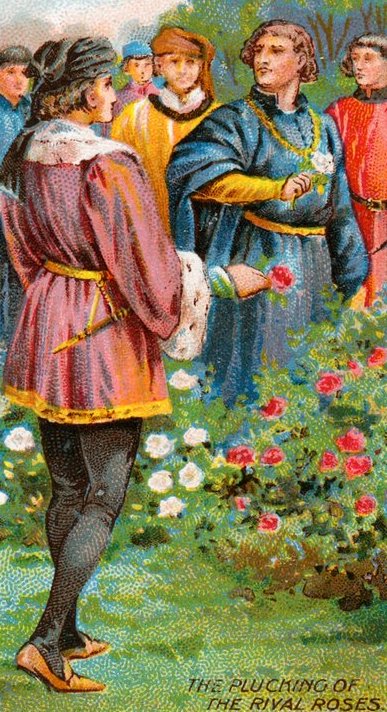
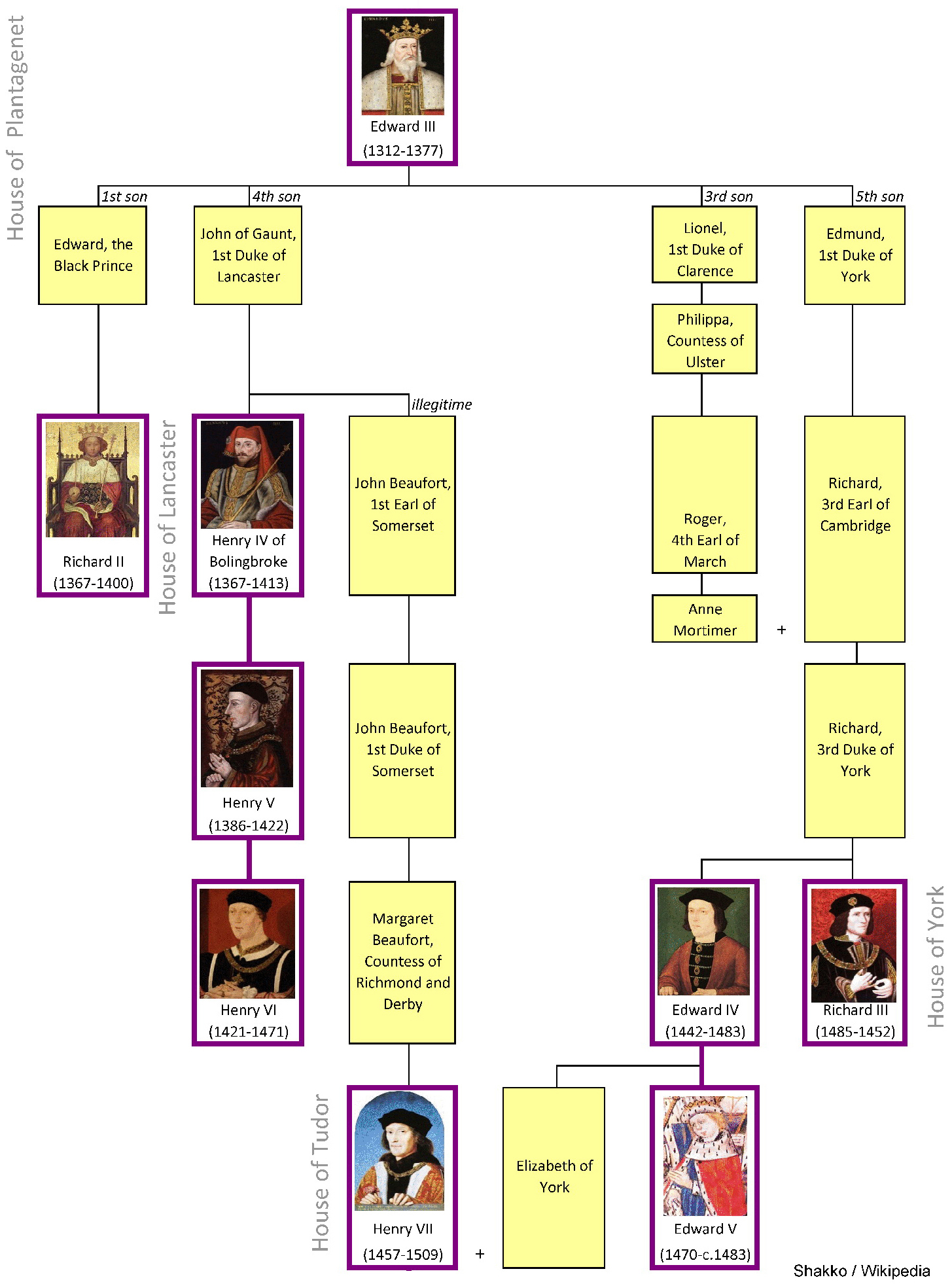
The Wars of the Roses were a series of battles fought between two rival branches of the royal Plantaganet family for the English throne from 1455 to 1487. Members of one branch, the House of Lancaster, were descendants of John of Gaunt, Duke of Lancaster and third surviving son of Edward III. Members of the other branch, the House of York, were descendants of Edmund of Langley, Duke of York, the fourth son of Edward III. This conflict was known as the Wars of the Roses, after the Lancastrian red rose and Yorkist white rose that the two sides used as badges. Fighting broke out between the two sides during the reign of Henry VI, a weak king who suffered from bouts of insanity. Henry, his wife, Queen Margaret of Anjou and their circle of nobles were known as Lancastrians. Opposing them were the Yorkist nobles, led by Richard, Duke of York, Henry’s cousin, who seized the opportunity to stake his claim to be rightful king of England.

The wars begin
1453
Fighting in the Hundred Years' War between England and France finally came to an end with a decisive victory for the French at the Battle of Castillon on 17th July 1453. England lost all its possessions in France except for the Channel port of Calais. Around this time, King Henry VI suffered a complete mental breakdown.
1454
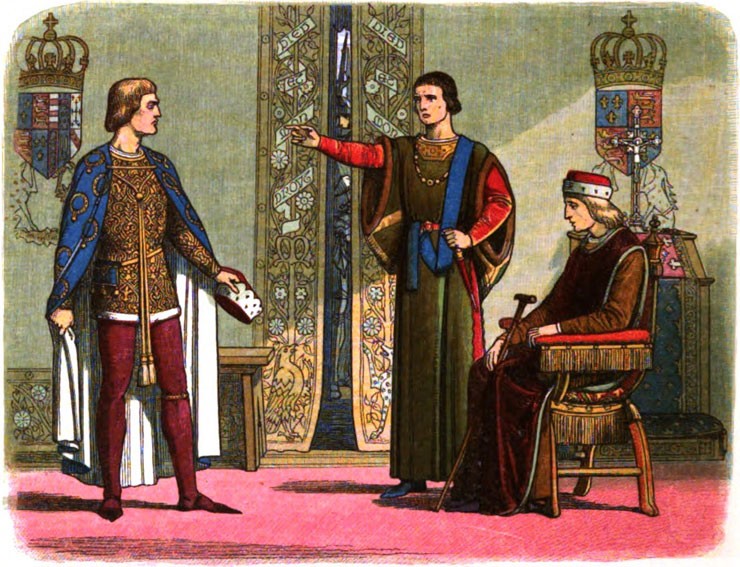
To ensure the country could be governed, Richard of York was appointed Lord Protector and Chief Councillor on 27th March 1454. York appointed his brother-in-law, Richard Neville, Earl of Salisbury, to the post of Chancellor. He also dismissed and imprisoned Edmund Beaufort, Duke of Somerset, one of the Queen Margaret's closest advisers, which caused resentment in Lancastrian circles.
1455
After Henry made a recovery from his mental instability, York was forced out of court and Somerset released. The king and his noble allies decided to hold a Great Council at Leicester. Fearing that charges of treason would be brought against him, York and his allies gathered an army to intercept the royal party on their way north. In the First Battle of St Albans on 22nd May 1455, the Yorkists were victorious. Somerset was killed and Henry captured. Richard of York was re-appointed Lord Protector by Parliament. Meanwhile, the young Richard Neville, Earl of Warwick, succeeded his father, the Earl of Salisbury, as York's key ally. Warwick would become the wealthiest and most powerful English noble of the age.
The struggle for the throne
1456
In February, Henry again recovered from his mental instability. Once more, he relieved York of his office as Lord Protector, insisting on taking over the governance of England himself.
1459
Fighting broke out between the two sides when Queen Margaret, who continued to support her husband Henry, ordered a force to ambush a Yorkist army at Blore Heath on 23rd September 1459. The Yorkists resisted the attack, however, and routed their enemies. At a second meeting of the two sides at Ludford Bridge, near Ludlow, Shropshire, on 12th October, the king himself was present. Many Yorkist soldiers refused to fight against the king, with some even switching to the Lancastrian side. Along with Salisbury and Warwick, the Duke of York fled.

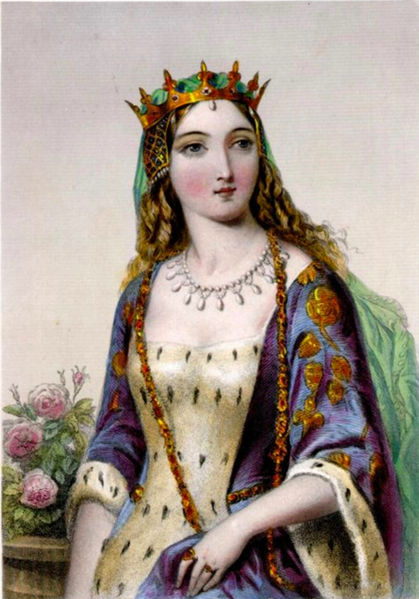
1460
A Yorkist army led by Warwick arrived in Kent from Calais and rode to London, where they received widespread support. Warwick then marched into the Midlands and defeated the Lancastrian army at the Battle of Northampton on 10th July 1460. King Henry was captured for a second time, while Queen Margaret fled.
The Act of Accord, passed by Parliament on 25th October, stated that while Henry VI would retain the crown for life, his son, Edward of Westminster, would not succeed him upon his death. The throne would instead pass to the House of York.
Queen Margaret refused to accept the disinheritance of her son and raised armies in both Wales and Northern England. Sending his 18-year-old son Edward, Earl of March, to gather an army in the Welsh borders, York led an army of his own to challenge the Lancastrian forces in the north. At the Battle of Wakefield on 30th December, the Lancastrians were victorious. York was killed and his ally, Salisbury, captured and executed.
Edward of March, the Duke of York's son, now inherited his father's claim to the throne of England as the new Duke of York.
1461
Edward of York sought to prevent the Lancastrian army in Wales, led by Owen Tudor and his son, joining with the main Lancastrian force in the north. On 2nd February 1461, he decisively defeated the Tudors at Mortimer's Cross.
Fresh from her victory at Wakefield, Queen Margaret marched her forces south and defeated the Yorkist army under Warwick at the Second Battle of St Albans on 17th February. Henry was freed from Yorkist custody after the battle.
The Lancastrians were unable to build on their advantage, however. They had little support in London and Margaret's troops were refused entry. Warwick and Edward of York marched into London where Edward—a much more popular figure than the frail Henry—was proclaimed King Edward IV on 4th March 1461.
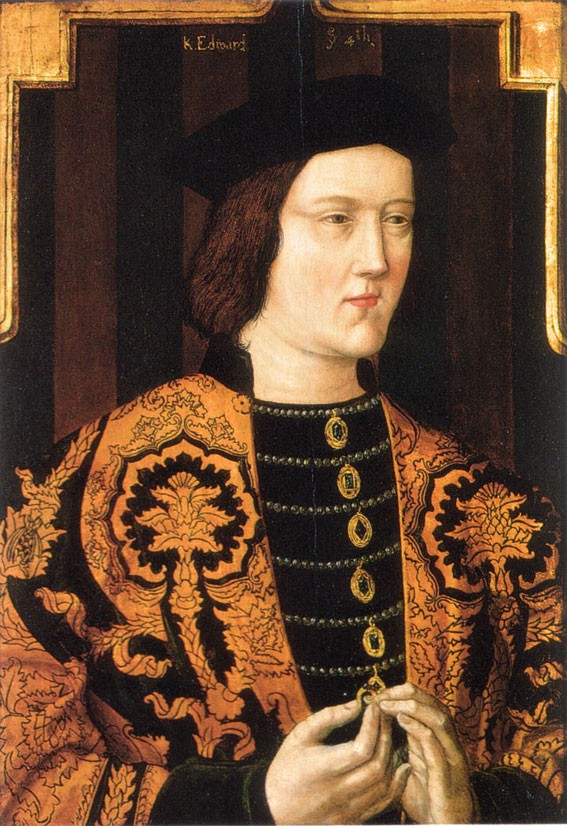
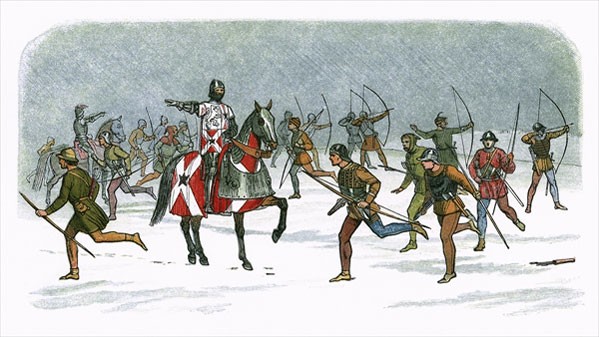
Edward and Warwick then moved against the Lancastrians. They scored a decisive victory at the Battle of Towton in Yorkshire on 29th March 1461, in the largest and bloodiest battle ever fought on English soil. After the battle, Henry, Margaret and their son Prince Edward were forced to flee north to Scotland. Edward of York returned to London for his coronation (which took place on 28th June) while Warwick remained in the north to deal with any further Lancastrian resistance.
The Lancastrians fight back
1464
The Battle of Hexham, fought 15th May 1464, marked the end of significant Lancastrian resistance in the north of England. The Lancastrian army was destroyed by a Yorkist force under Warwick's brother, John Neville. King Henry was captured and taken to London where he was imprisoned in the Tower. Margaret and Prince Edward were forced to leave Scotland and go into exile in France.
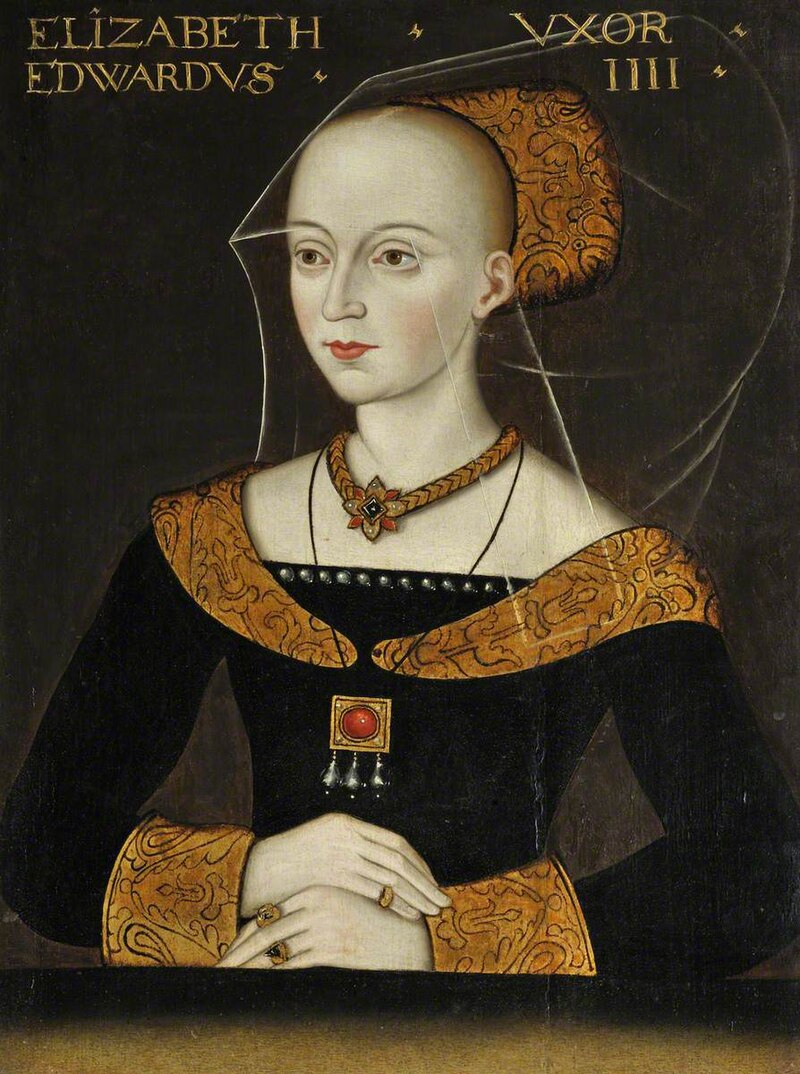
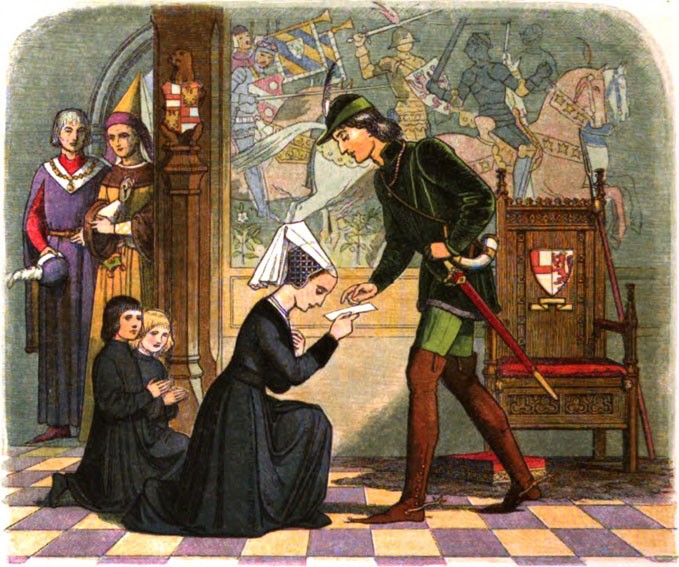
Edward IV owed much of his success to the support of his cousin, the powerful Richard Neville, Earl of Warwick, known as "the Kingmaker". In October 1464, Warwick was outraged to discover that four months earlier, on 1st May, Edward had secretly married Elizabeth Woodville, the widow of a Lancastrian noble. Intent on building an alliance with France, Warwick had been seeking a marriage for Edward to a member of the French royal family. His authority undermined, Warwick broke with the king.

1469
A force made up of rebels in Yorkshire and troops loyal to Warwick defeated King Edward IV's army at the Battle of Edgcote on 26th July 1469. Edward was taken captive by Warwick's brother George Neville and held at Middleham Castle. Warwick hoped to depose Edward and put Edward's 19-year-old brother George of Clarence on the throne. But he realised he lacked support and was forced to release the king in September.
1470
On 12th March 1470, Edward routed a Yorkist rebellion at the Battle of Losecoat Field, near Empingham in Rutland. Warwick and Clarence, who had provoked the rebellion in the hope of capturing Edward, were forced to flee to France.
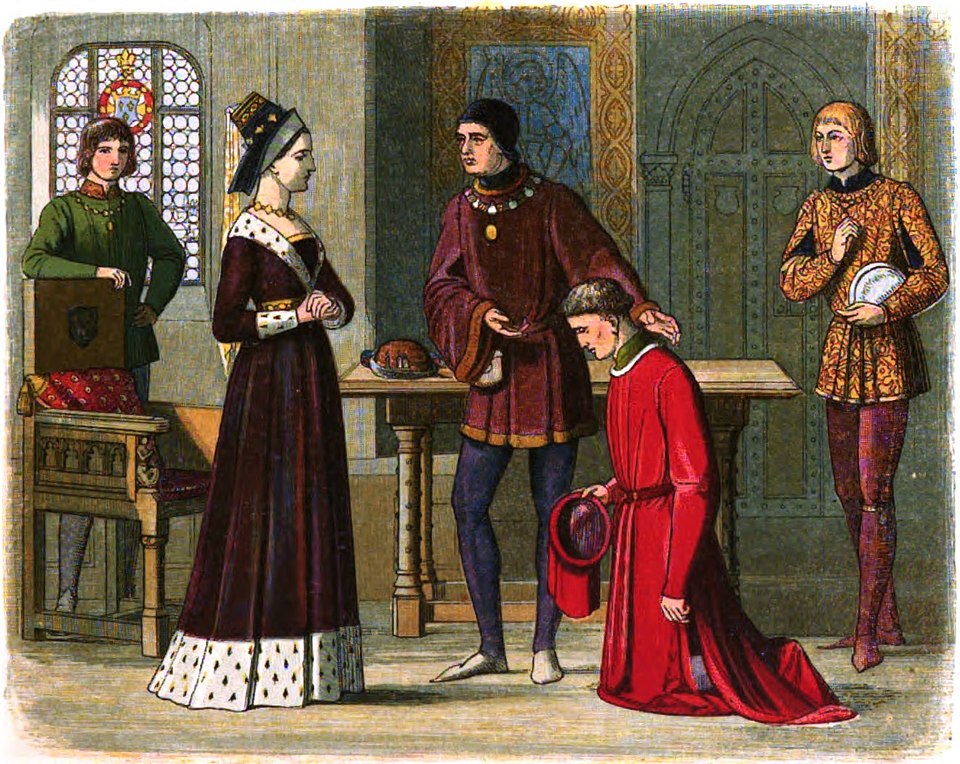
In France, Warwick met and formed an alliance with Queen Margaret. With the backing of the French king Louis XI, who provided ships, men and money, he then launched an invasion of England. On 13th September 1470, Warwick and Clarence landed troops in England on the south coast in two places: Dartmouth and Plymouth. After Warwick entered London in triumph and freed Henry from the Tower on 6th October, Edward and his younger brother Richard of Gloucester fled to Flanders. With Henry—at this point too feeble mentally to rule unaided—restored as king on 13th October, Warwick the Kingmaker had now gained effective control of the throne.
Edward IV returns
1471
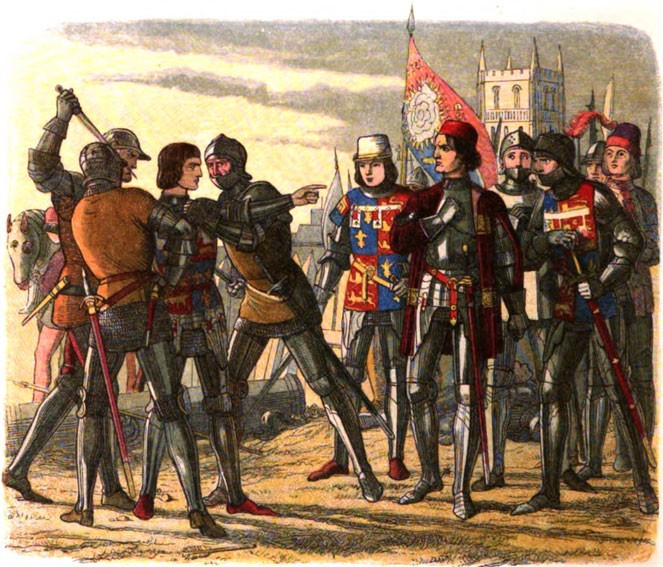
Determined to win back his crown, Edward mounted a counter-invasion. With support from the Duke of Burgundy, he landed at Ravenspurn in Yorkshire on 14th March 1471, and, gathering troops, he made rapidly for London. There they took King Henry prisoner and sent him back to the Tower. Warwick marched his troops against Edward and the two armies met at the Battle of Barnet on 14th April. Warwick's army was defeated and he was killed.


Queen Margaret, meanwhile, landed her forces at Weymouth. Despite their heavy defeat at Barnet, survivors from the Lancastrian army rallied around her. On 4th May 1471, Edward defeated Margaret's army at the Battle of Tewkesbury. Henry VI's heir, Prince Edward, was killed in the fighting, and Margaret herself was captured.
Edward marched to London, arriving on 21st May. Henry, imprisoned in the Tower of London, died that evening—probably killed on Edward's orders. Margaret was kept in prison until she was ransomed by Louis XI in 1475 to France.
Edward would rule unopposed for the next 12 years, during which England enjoyed a period of relative peace.
The Princes in the Tower
1483
On 9th April 1483, Edward IV died. Before his death, Edward had appointed his brother Richard of Gloucester to act as Lord Protector for his 12-year-old son and successor, Edward.
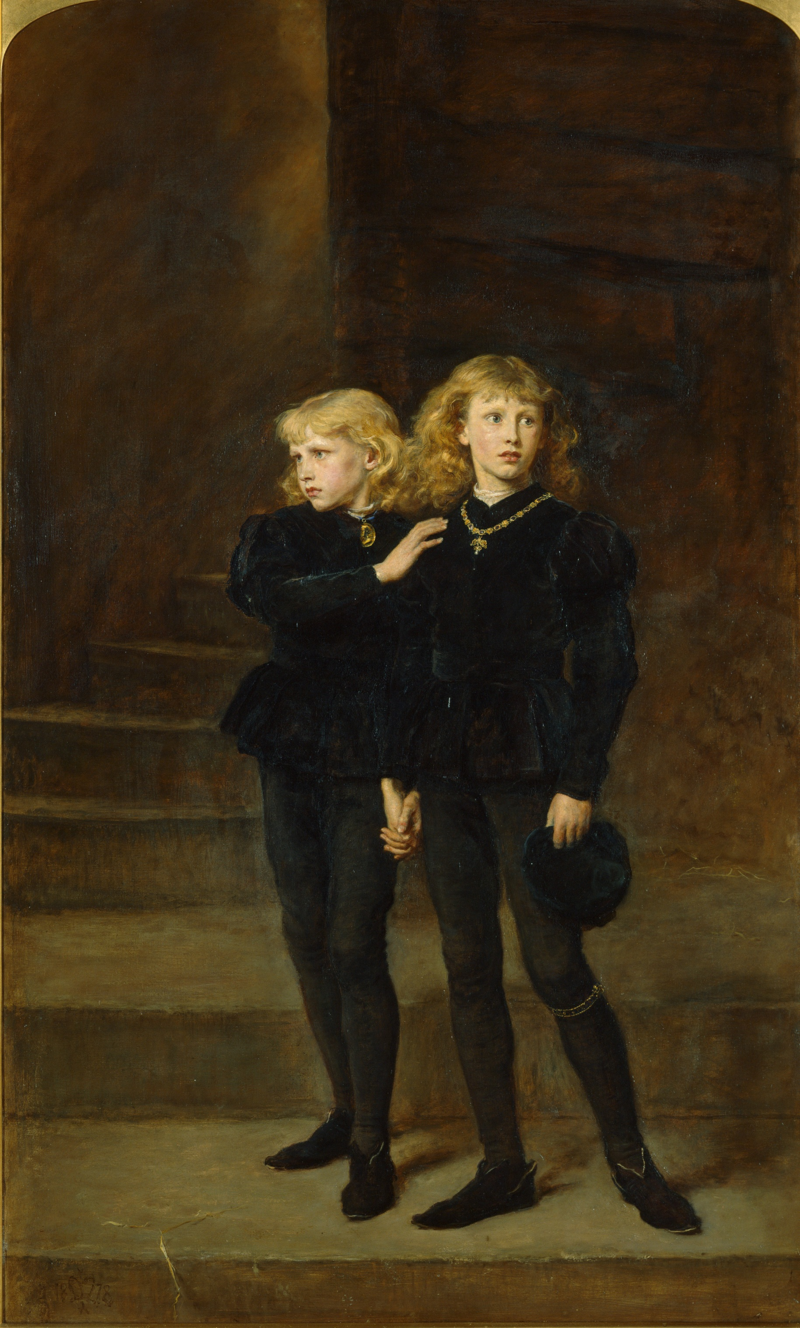
Arrangements were made for the coronation of King Edward V on 22nd June 1483, but before the king could be crowned Richard announced that the marriage of the prince's father, Edward IV, and his wife Elizabeth Woodville had been declared invalid. Officially illegitimate, their children, Edward V and his younger brother Richard of York, were now barred from inheriting the throne. On 25th June, Richard of Gloucester was proclaimed king. He was crowned King Richard III on 6th July. The boys, Edward and Richard, who were known as the "Princes in the Tower", because they had been imprisoned in the Tower of London, were not seen in public after August. Richard was later accused of having had them murdered.
In October, Richard's rule was threatened by a major revolt led by his former ally, Henry, Duke of Buckingham. Richard crushed the uprising and the defeated duke was captured and executed the following month.
The triumph of the Tudors
1485
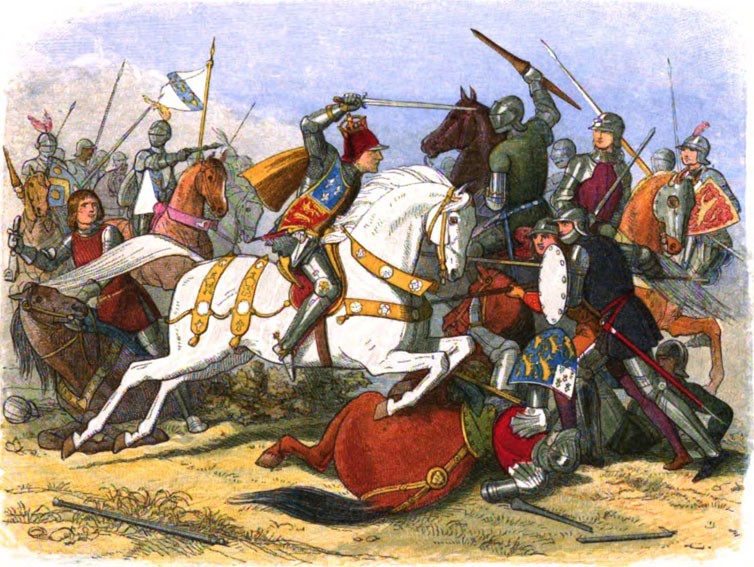
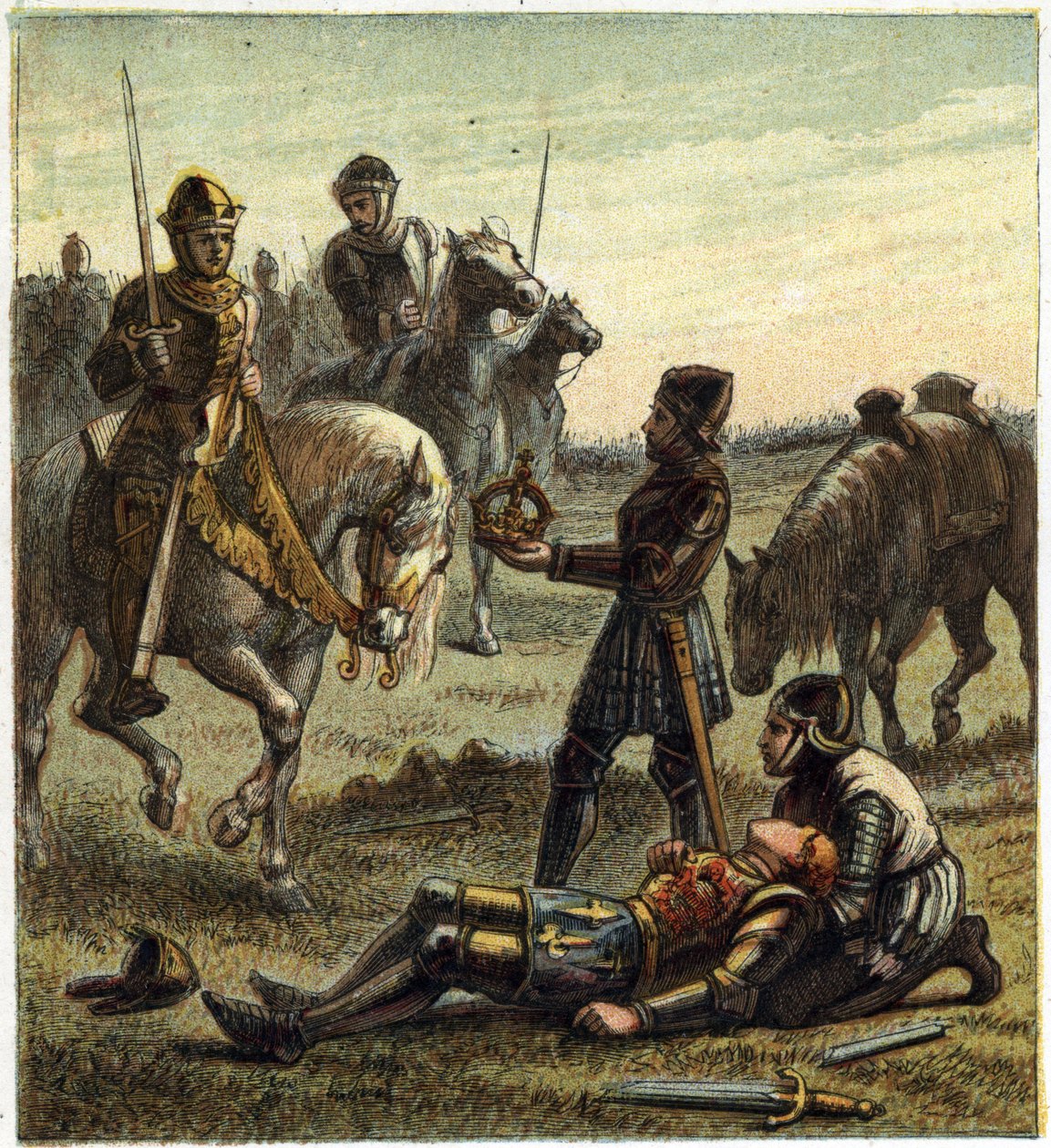
Richard was faced by a far more serious threat in the form of the Lancastrian Henry Tudor, another descendant of Edward III. He returned from exile in Brittany, landing in Milford Haven, Pembrokeshire, Wales, on 7th August 1485. His army faced that of Richard at the Battle of Bosworth Field on 22nd August. Richard was slain at Bosworth, making him the last English king to die in battle.
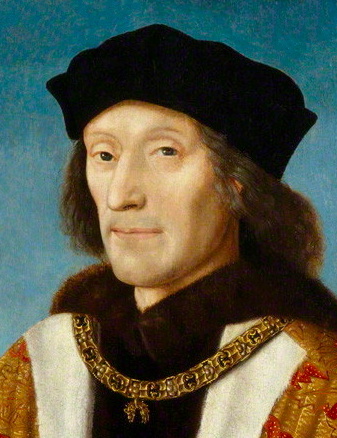
Henry Tudor assumed the English throne and was crowned King Henry VII on 30th October 1485 in Westminster Abbey. He united his own House of Lancaster with the rival House of York through his marriage to Elizabeth of York, Edward IV's eldest daughter, on 18th January 1486.
1487
King Henry faced rebellions by men still pursuing a claim to the English throne. In 1487, Lambert Simnel, a 10-year-old boy, posing as Edward Plantagenet, Earl of Warwick, became the figurehead of a Yorkist rebellion led by John de la Pole, Earl of Lincoln. Henry defeated the rebel forces at the Battle of Stoke Field in Nottinghamshire on 16th June, bringing the Wars of the Roses to an end.