Farming
Crops A-Z
Crops are plants grown for food, either for people or for livestock, or to make textiles, fuel or other products. Some kinds of fungi and algae are also crops. Permanent crops are plants that occupy the land for a number of years and are not replanted after each harvest: examples are fruit and coffee beans, which grow on shrubs and trees. Arable crops must be replanted after each harvest. The most important arable crops are the cereals: these provide many people with their basic source of food, their staple diet. Other important arable crops are vegetables, sugar cane, soya beans, rape, cotton and groundnuts.

Algae
Algaculture is the farming of algae, which are simple plant-like organisms that grow in water or on damp surfaces. Algaculture involves the growing of algae in open tanks and ponds or in photobioreactors (closed containers in which moisture, light and other conditions are controlled). One of the most commonly farmed algae is purple laver, a seaweed. It is widely eaten in Japan (as nori, a wrap for sushi) and is used in Wales to make laverbread. Other algae are farmed to produce health foods, food thickeners, colorants and dyes, fertilizers, bioplastics, drugs and other chemicals. They are also used to manufacture biofuels such as biogas.
Amaranth
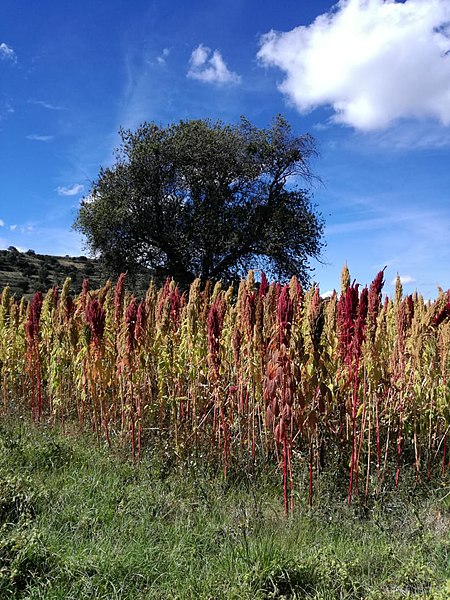
Standing up to 2.5 metres (8 feet) tall, amaranth plants—also called pigweeds—are cultivated and consumed as leaf vegetables in Africa and Asia. In the Americas, they are mainly grown for their seeds. A naturally drought-resistant crop, amaranth grain is increasing in popularity as a source of food. Before the Spanish conquered the Aztec Empire, the indigenous people depended on amaranth seeds—toasted and mixed with honey or chocolate—as a staple. In the US today, amaranth seeds are ground into a flour, then blended with wheat or other flours to make cereals, biscuits and bread. Amaranths are also grown for their oil, dye and flowers.
Bamboo
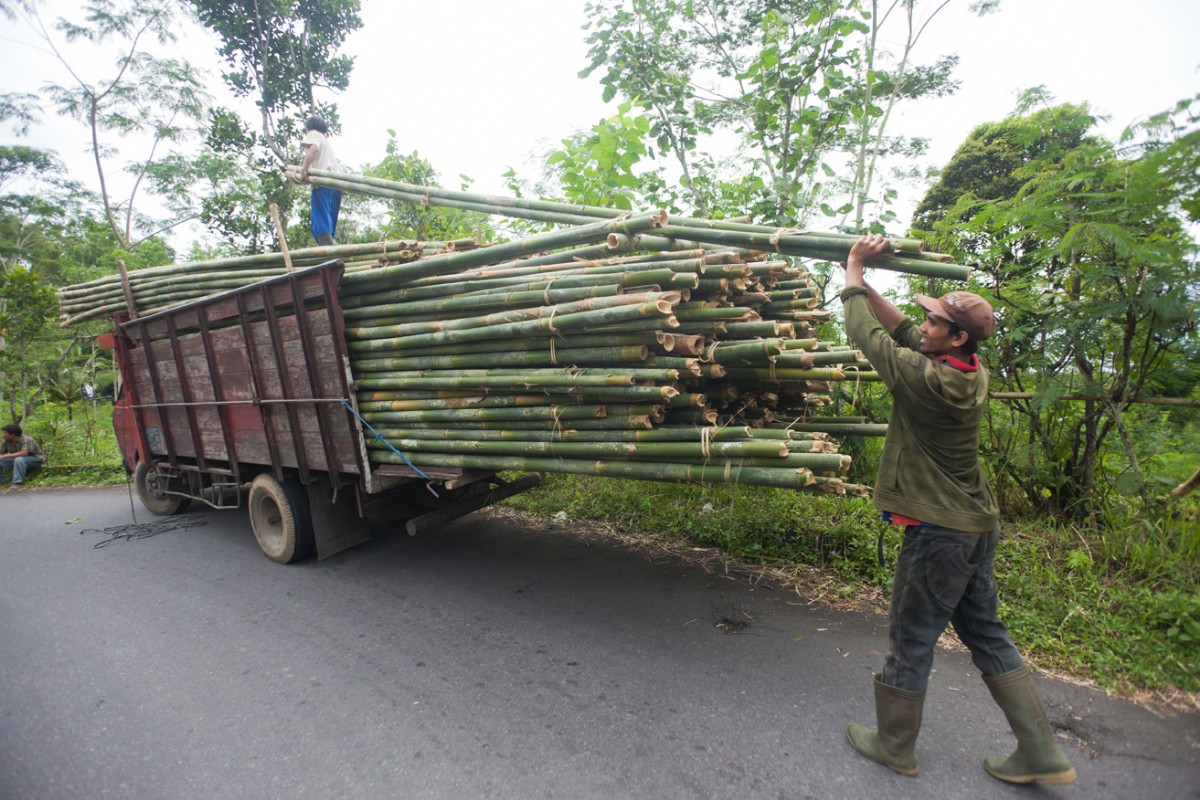
Bamboo is a major crop in southern and eastern Asia. It is a tall, tree-like grass with a hollow stem. Bamboo shoots are eaten in many Asian savoury dishes and soups. Bamboo stems and fibres are extremely strong, so they are used in construction and in products such as chopsticks, furniture, tools and textiles.
Bananas
and plantains
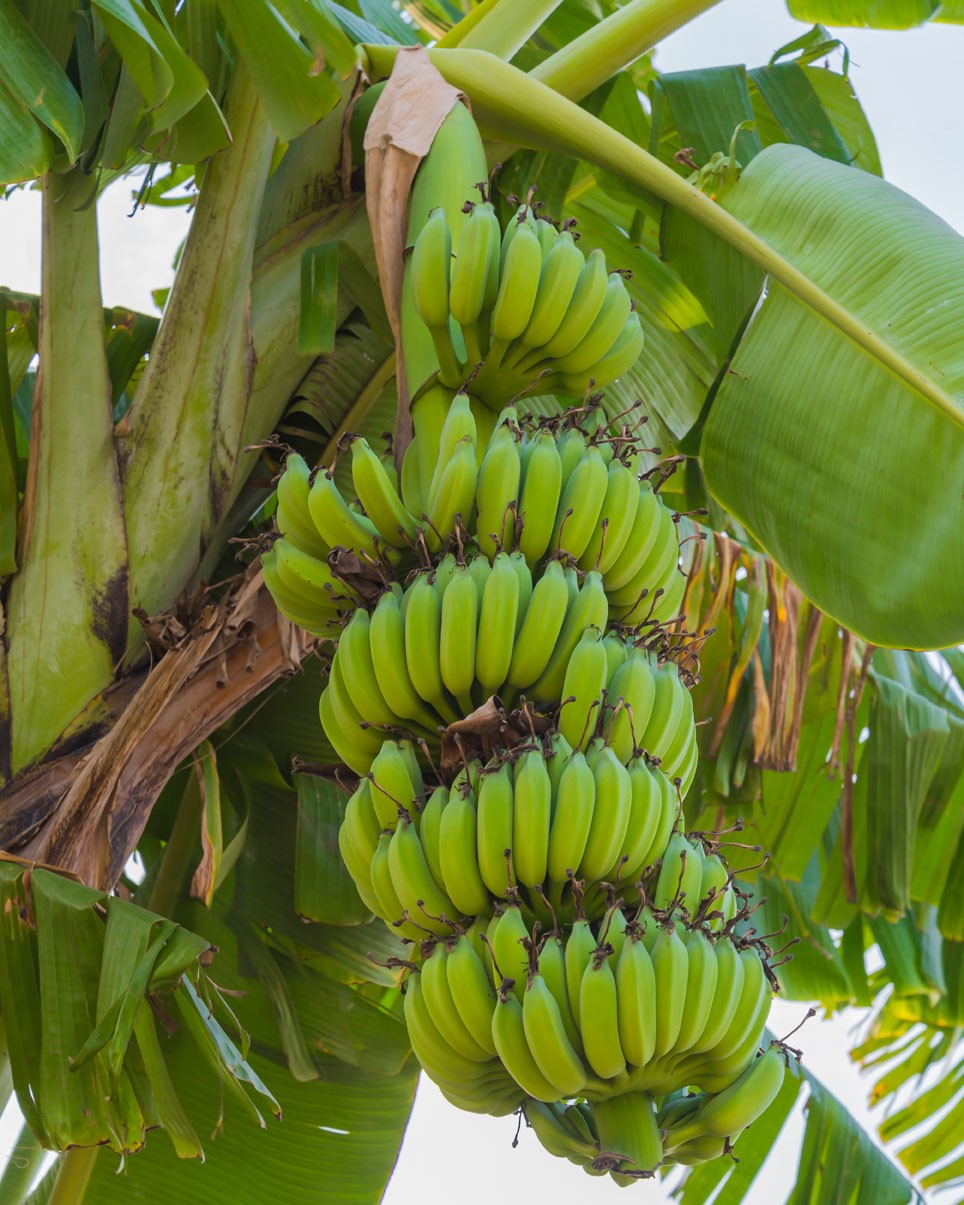
Bananas and plantains are the rind-covered berries of flowering plants in the Musa group. The fruits grow in clusters from the tops of the plants. In English, “banana” usually means the soft, sweet varieties of the fruit. “Plantain” is used for the harder, more savoury varieties. In the tropical regions where the fruits are grown, people do not distinguish between the two.
Bananas and plantains are staple foods for many people in developing countries, where both bananas (usually unripe) and plantains are often cooked and eaten in savoury dishes as a source of starch. The world’s top banana and plantain producers are India, Uganda, China, Philippines and Ecuador.
Beans, peas
and lentils
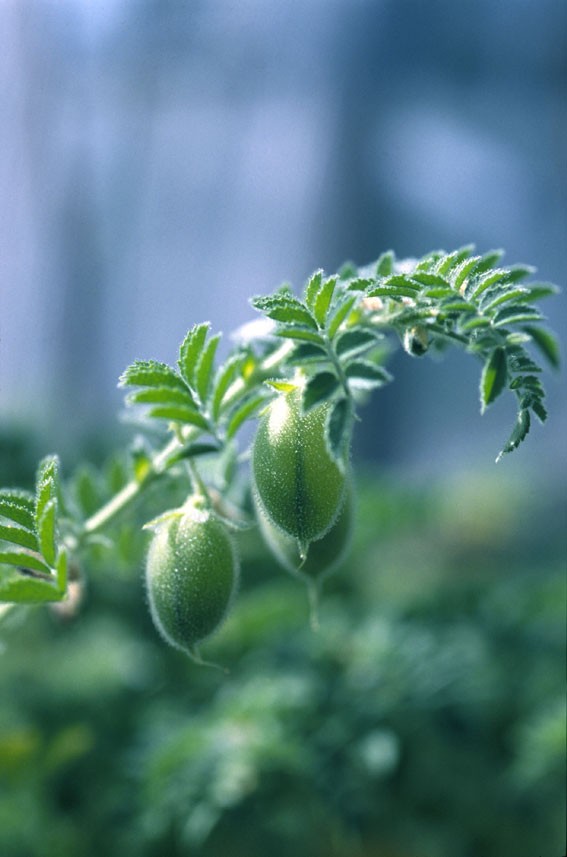
Beans, peas and lentils are pulses or legumes. These crops are produced by flowering plants in the Fabaceae family, which produce edible seeds in pods. Pulses are an important human food because they are rich in protein, carbohydrates, vitamins and minerals; they are also often used as animal feed.
The most commonly grown pulses include lentils, chickpeas, garden peas, broad beans, kidney beans, mung beans, lima beans and navy beans (which are often tinned with tomato sauce as “baked beans”). Pulses are often planted in rotation with other crops within the farming year, because they contain bacteria in their roots that "fix" nitrogen (convert it to ammonia), which helps fertilize the soil.

Biofuels
Biofuels are fuels made from crops and other living organisms. An alternative to fossil fuels, their cultivation is becoming more and more widespread. Some, such as the grass Miscanthus giganteus, are burnt directly as fuel. It is often used in coal-fired power stations alongside coal.
Other energy crops can be converted into gas biofuels and liquid biofuels, including bioethanol and biodiesel. Bioethanol can be produced by fermenting starchy or sugary crops such as maize, sugar cane, potato and cassava. Biodiesel can be made from vegetable oils such as those obtained from rapeseed, soya beans and algae.
Cassava
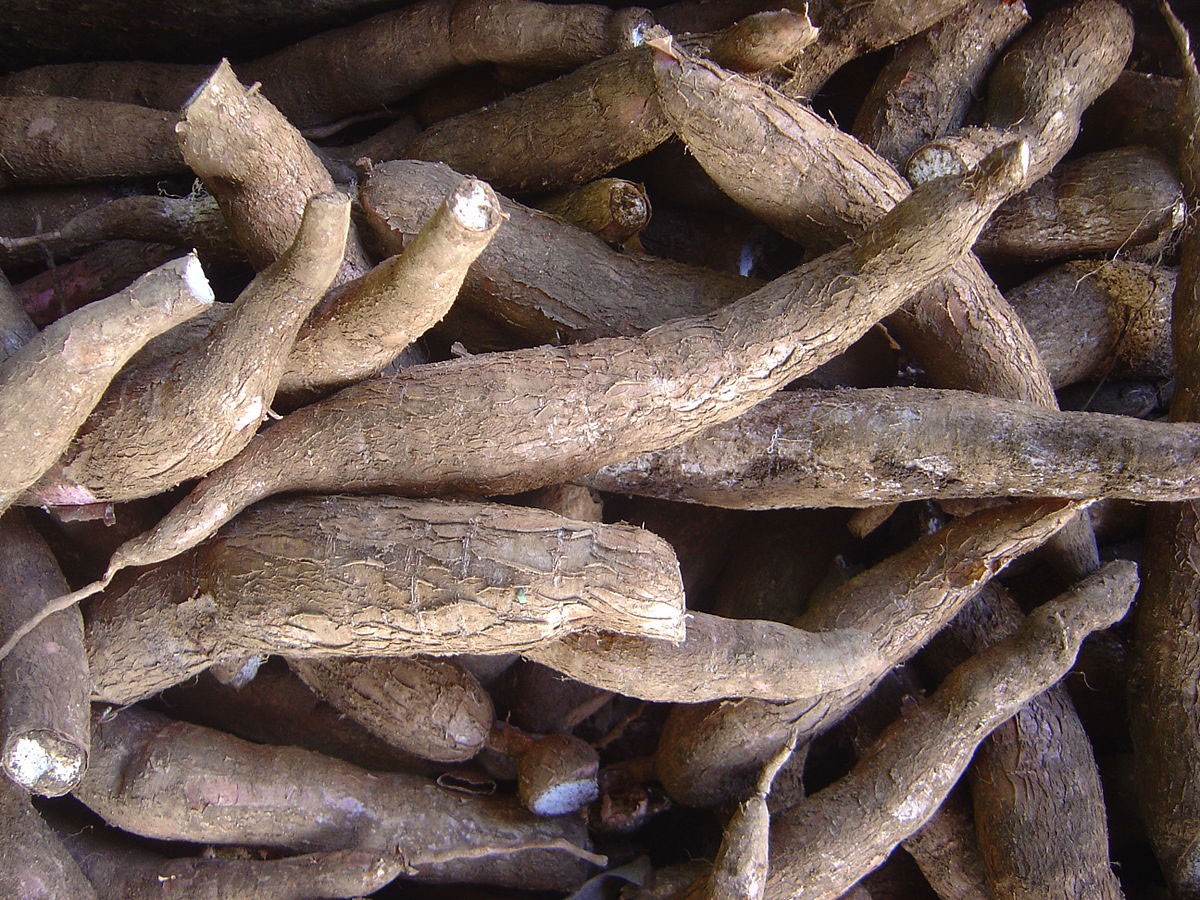
After potatoes, the world’s largest vegetable crop is cassava root. Cassava is a staple food in Africa, South America and southern Asia because it can grow in poor, dry soils. It must be cooked before eating to remove the poisonous cyanide in it. Cassava is commonly boiled or fried in savoury dishes, and can also be made into tapioca (a starchy grain often used in puddings) and bread.
Cereals
Cereals are grown in greater quantities and provide more food energy than any other type of crop. They include, in order of world production: maize, wheat, rice, barley, sorghum, millet, oats and rye.
Cereals are grasses, members of the monocot family of flowering plants. They are cultivated for the edible portion of their grain (small, dry seeds). In developed countries, cereal crops are harvested using combine harvesters, which cut the grass, then thresh (loosen the edible grain from the scaly chaff) and winnow it (separate the grain and chaff).
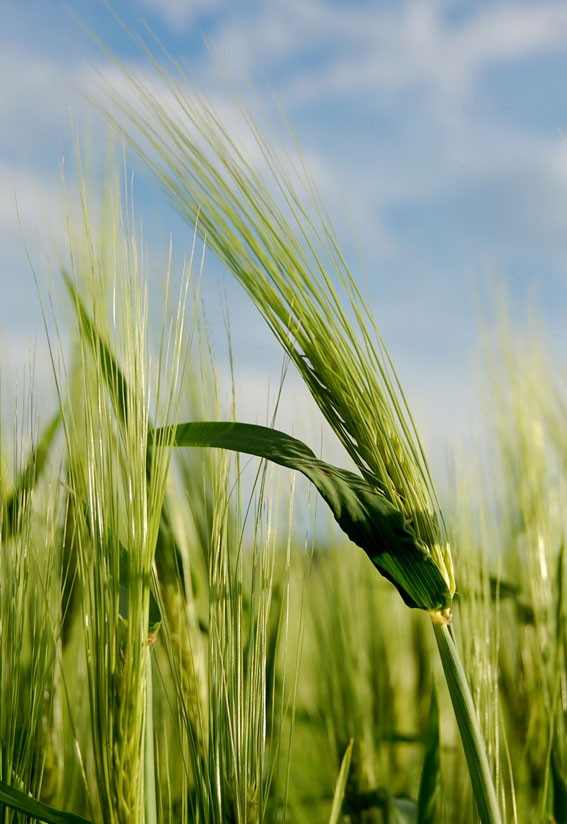
Barley, which is grown in summer in cool regions and winter in the tropics, is used in beer, breads, soups and stews. Oats grow well in lands with cool, wet summers and are commonly eaten as porridge. Sorghum and millet are the chief cereals grown in dry tropical lands: their grain is a staple food in these regions.
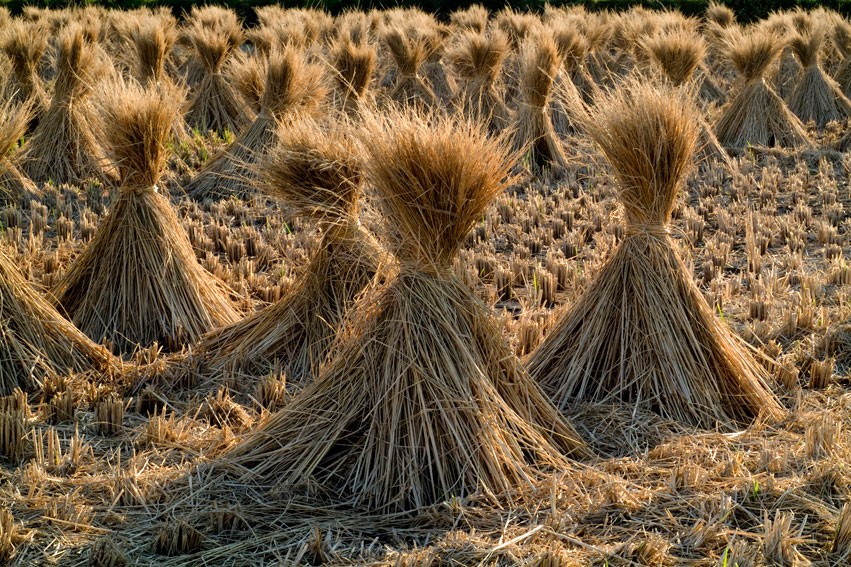
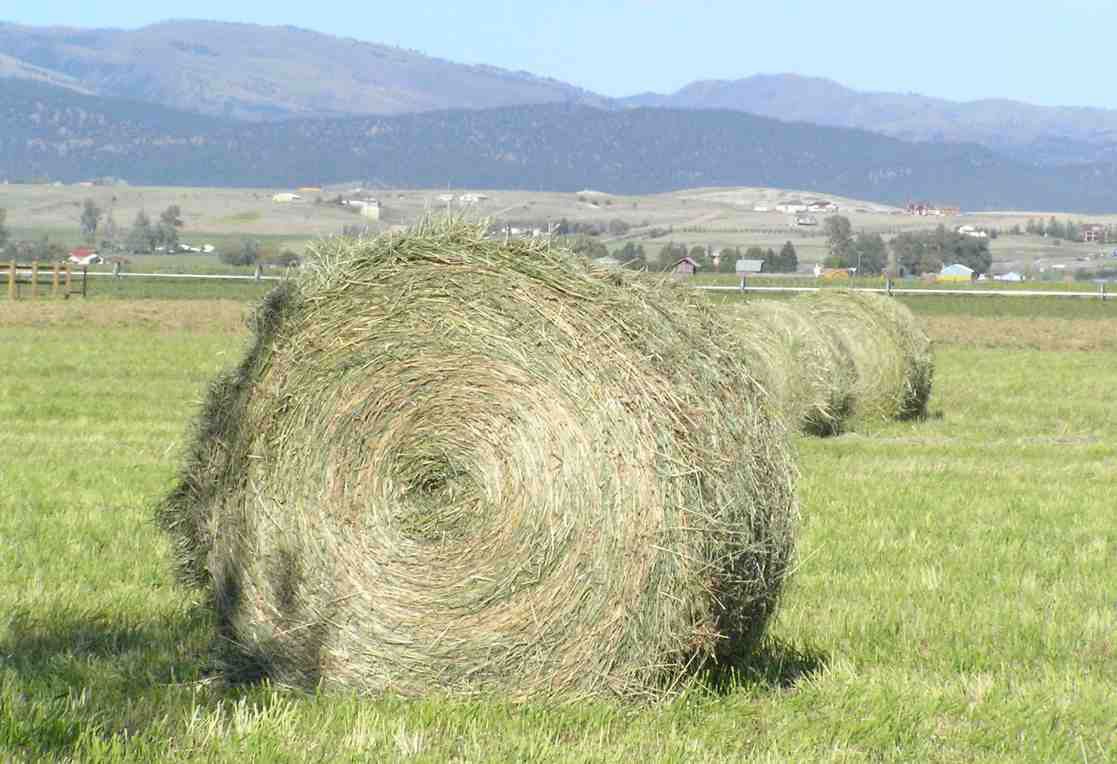
Straw is the dry stalks of cereal plants, including barley, oats, rice, rye and wheat—what is left over after the grain and chaff have been removed during the harvest. It has many uses, including biofuels, livestock bedding, horticulture, roof thatching, hat-making and basket-making. It is often gathered and stored, tightly bound as bales, which may be either rectangular or cylindrical in shape.
Cocoa beans
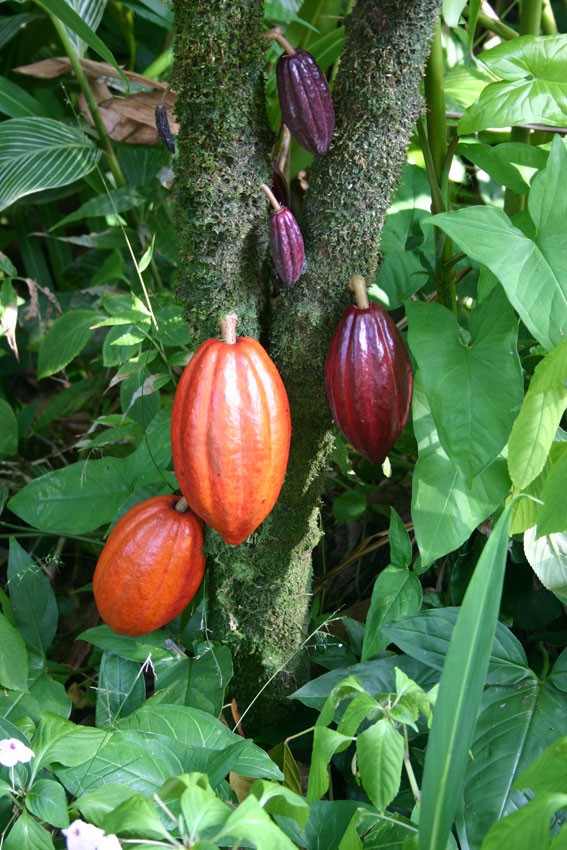
Cocoa beans are the dried and fermented seeds of the cacao tree. Around 20 to 50 seeds form inside pods, which grow directly from the trunk or large branches of the tree. Cocoa beans produce cocoa solids and cocoa butter, which are made into chocolate (often with the addition of milk and sugar).
The cacao tree is native to Central and South America and was introduced to the rest of the world after Spanish colonization of the region. The tree will only grow in tropical regions, with the biggest growers being Côte d’Ivoire, Ghana and Indonesia. Around 90% of cocoa beans are exported to chocolate-makers in other countries. Around the world more than 20 million people depend directly on cocoa beans for their livelihood.
Coffee
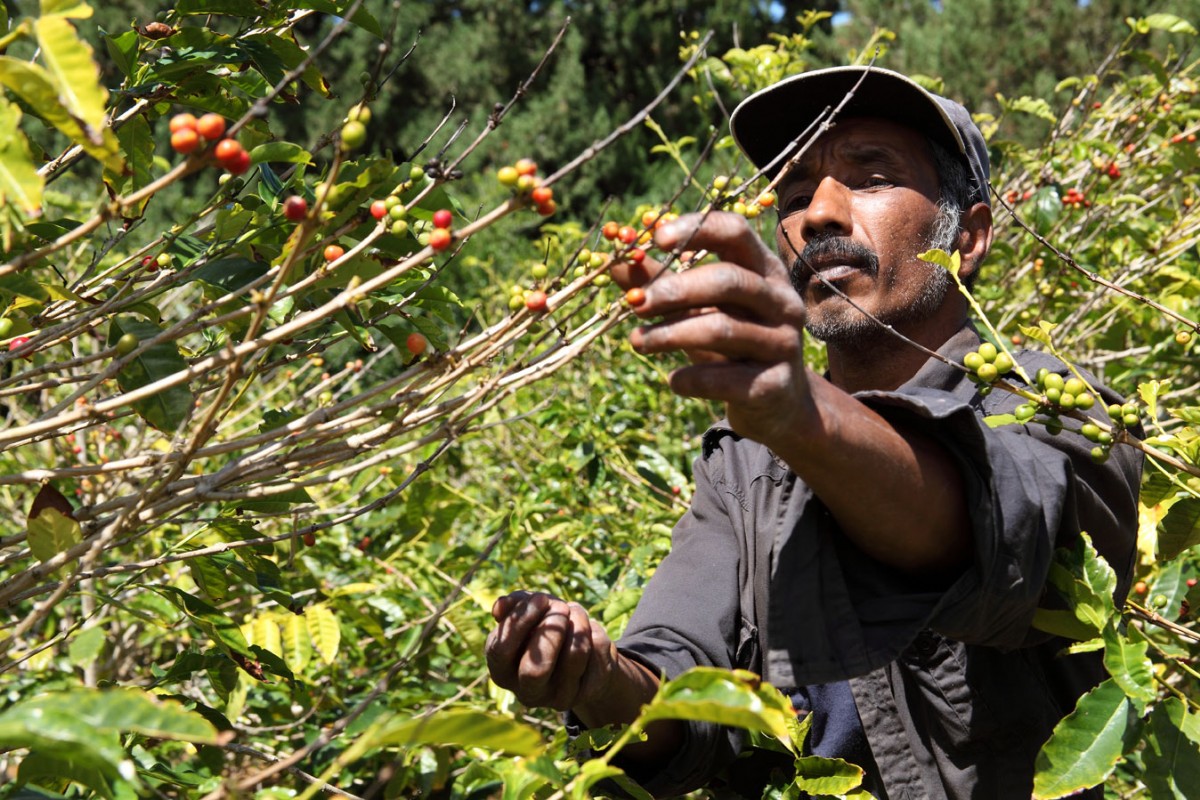
Coffee shrubs are cultivated in more than 70 countries, mostly in Central and South America, Africa and Southeast Asia. What we call coffee beans are in fact seeds of this shrub. They can be roasted, then ground and brewed to make the popular drink. Brazil produces a third of the world's coffee bean output. Two main species of coffee are grown: arabica and robusta. Robusta plants are more resistant to pests and disease, but their beans are bitterer.

Fibres
The most common crop harvested for its fibres is cotton, which is made from the fluffy boll, or protective coating, that forms around the seeds of cotton plants. Cotton is very popular for clothing, due to its softness and coolness.
Bast fibres, also called “soft” fibres, come from the stems of plants. They are usually tougher than seed fibres like cotton. Some, such as flax, which is made into linen, and hemp, can be used for coarser clothes, but most types, such as jute and ramie, are used for upholstery, floor coverings, bags and packing materials. Coir is a fruit fibre, collected from the out shell of a coconut seed.
“Hard” plant fibres are those that help stiffen a plant’s leaves. They are used for floor coverings, bags or hats. Sisal and henequen come from agave leaves, abacá from banana leaves, and raffia from palms. While most plant fibres must first be spun (twisted together) to create a thread or yarn, leaf fibres are stripped straight from the plant.
Flowers and ornamental plants
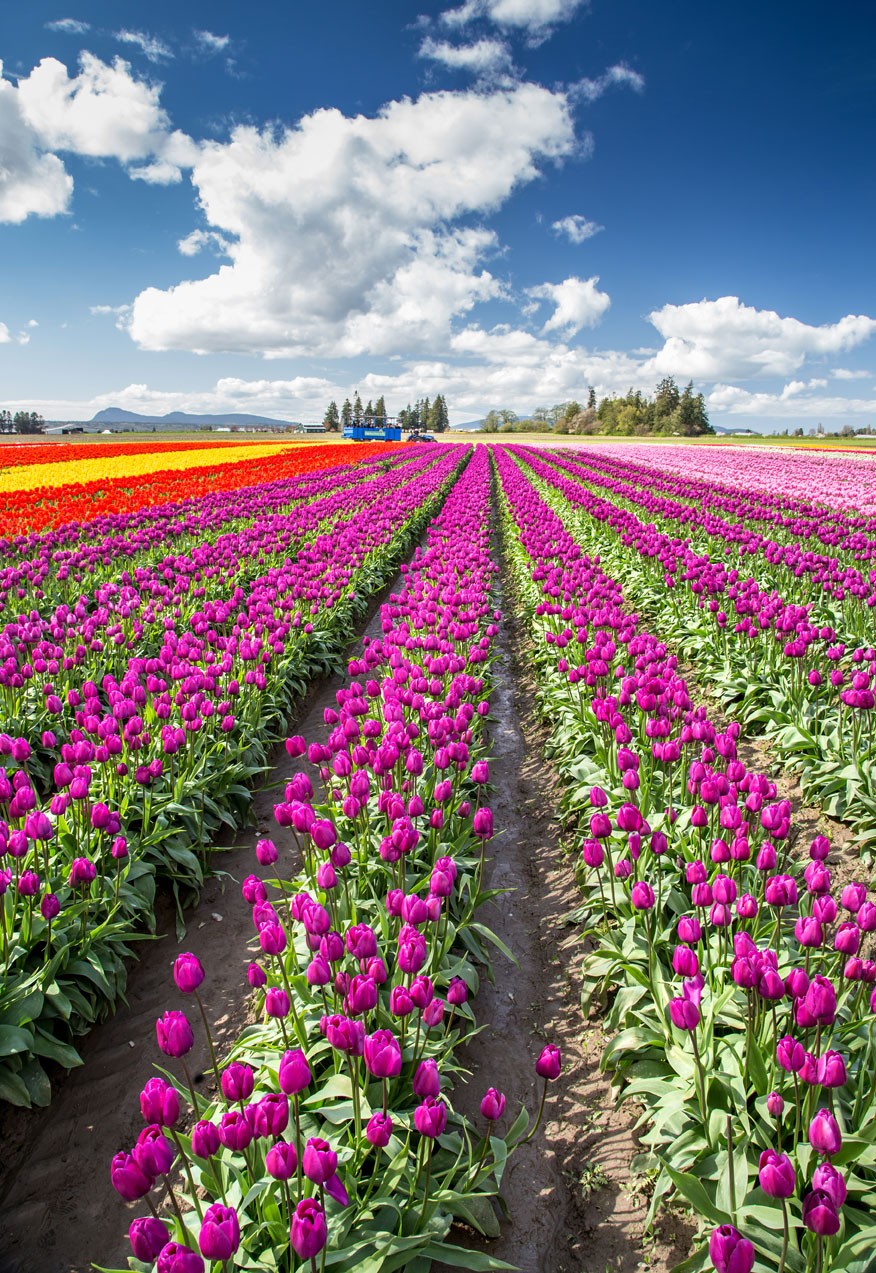
Floriculture is the growing of house or garden plants, as well as cut flowers. It is an important industry for countries in East Africa, Central and South America, the Middle East and Southeast Asia. Plants and flowers may be grown in fields or greenhouses, depending on climate.
Geraniums, busy lizzies, chrysanthemums and petunias are bestselling garden plants, while poinsettias and orchids are popular as house plants. The largest importer and exporter of flowers and ornamental plants is the Netherlands, which is the world’s leading grower of tulips.
Fodder
A range of crops are used as livestock feed, called fodder. Some crops are specially grown for the purpose, for example, types of sorghum and maize, while other fodders are waste products from other crops. The most common fodders are hay (dried grasses and similar plants); silage (fermented field crops); grains such as barley, oats, sorghum and millet; and crops such as alfalfa, clover, groundnuts (seeds that ripen underground), rapeseed, soya beans and turnips.
Fruit
Fruit grows on shrubs and trees. When we use the term “fruit” as a food, we usually mean the edible, sweet, fleshy parts of a flowering plant. For ease of eating, some fruits—such as grapes, satsumas and bananas—have been developed into seedless varieties.
There are several types of fleshy fruits. Berries are produced from a single flower and ovary (the female reproductive organ of a flower). They include: true berries, such as blackcurrants and gooseberries, pepos, such as melons, which have a hardened skin, and hesperidiums, such as oranges and lemons, which have a rind.
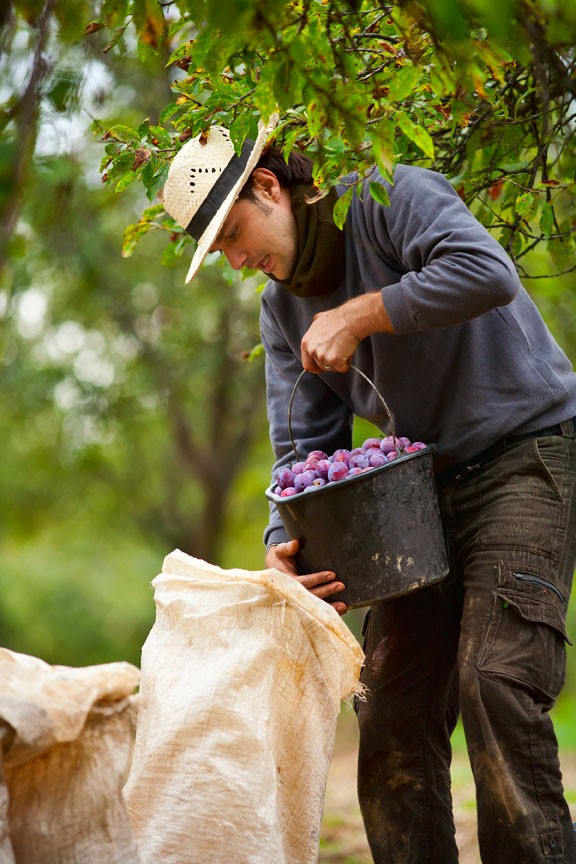
Accessory fruits, in which some of the flesh is made from plant tissue other than the ovary, include plums, cherries, apples and strawberries. Aggregate fruits, such as raspberries and blackberries, form from single flowers in which several ovaries merge together. Multiple fruits, such as pineapples, mulberries and figs, form from a cluster of flowers.

Fungi
Fungi cultivated by humans include mushrooms, truffles and yeasts. Fungi are not plants but a separate kingdom of living things. Fungi are cultivated to be used as food, both directly (mushrooms and truffles) and indirectly, as a rising agent for bread and in the fermentation of wine and beer (yeast). Fungi are also used in the production of antibiotics—penicillin is a fungus—and detergents. They are also effective as pesticides to control weeds, plant diseases and insect pests.
While some mushrooms and truffles are harvested from the wild, the most common method of fungiculture (fungus farming) is to grow them indoors, where light, moisture and substrate (the material on which they are grown, such as straw or sawdust), can be tightly controlled.
Grapes
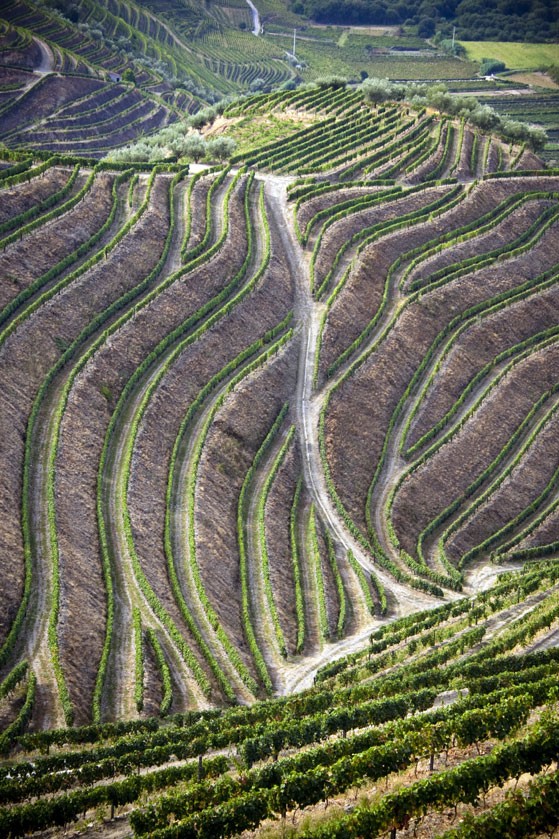
Grapes are one of the world’s largest crops because of their use in wine production. They are berries that grow in clusters on woody vines. The best areas for viticulture (growing grapes) have long, warm summers, good soil and sun-facing slopes, which allow the grapes to receive maximum sunshine.
Grape varieties are divided into wine grapes and table grapes, which are for eating and usually have thinner skins and no seeds. Sultana grapes are the most common variety of table grapes. They are often dried and sold as raisins. Common wine grapes include cabernet sauvignon, merlot and chardonnay. Wine is made by adding yeast to grape juice. During fermentation, the yeast changes sugars in the juice into alcohol and carbon dioxide. Red wine is made from darker-skinned grapes and gets its colour from the skins themselves. White wine is made from the non-coloured pulp of the grapes.
Maize
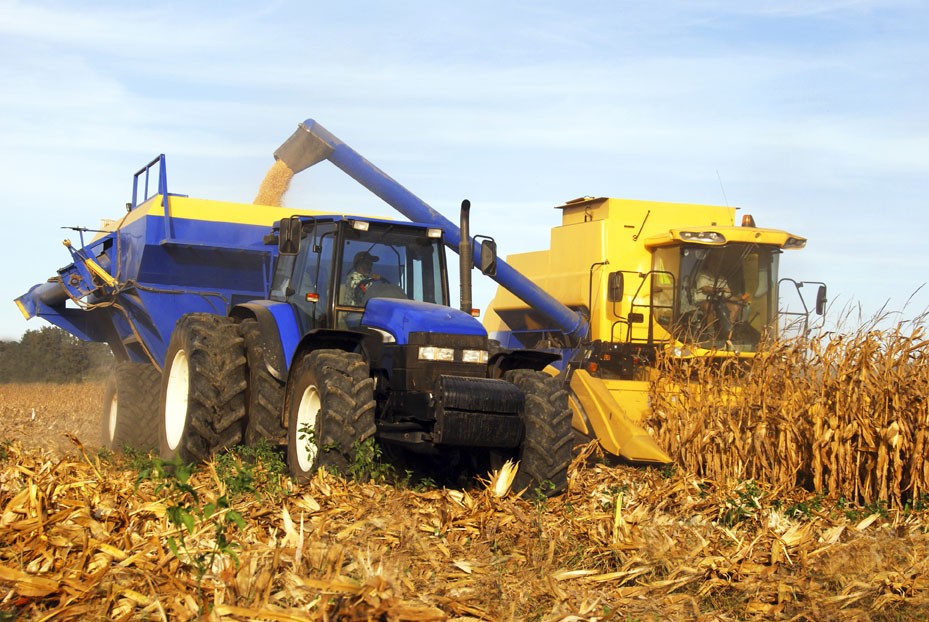
Maize was first cultivated in the Americas. Grown in warm, dry regions the world over, today it is the world’s largest cereal crop by weight. Maize is made into breads, such as tortillas and tacos in Mexico, porridge, such as polenta in Italy, breakfast cereals, alcoholic drinks, such as Bourbon whiskey in the USA, and cooking oil.
Sweetcorn is a special variety of maize with more sugar in its kernels. Popcorn is made from another variety that puffs when heated. Maize is also increasingly being grown for production of the biofuel ethanol.
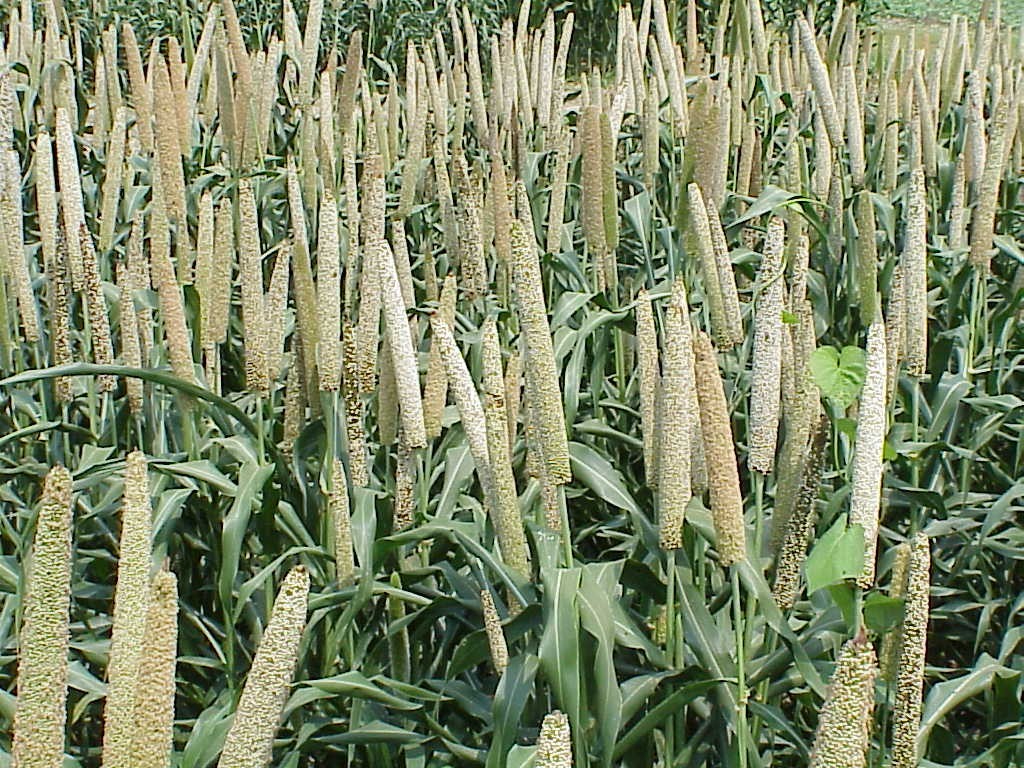
Millet
Millets are a group of small-grained cereals grown in the semi-arid tropics—especially in India, Mali, Nigeria and Niger—for both human food and animal fodder. They are highly tolerant of drought and other extreme weather conditions. Various species of millet were domesticated thousands of years ago in different parts of Africa and Asia. Today, millets are major food sources in dry regions of the world and feature in the traditional cuisine of many African and Asian countries.
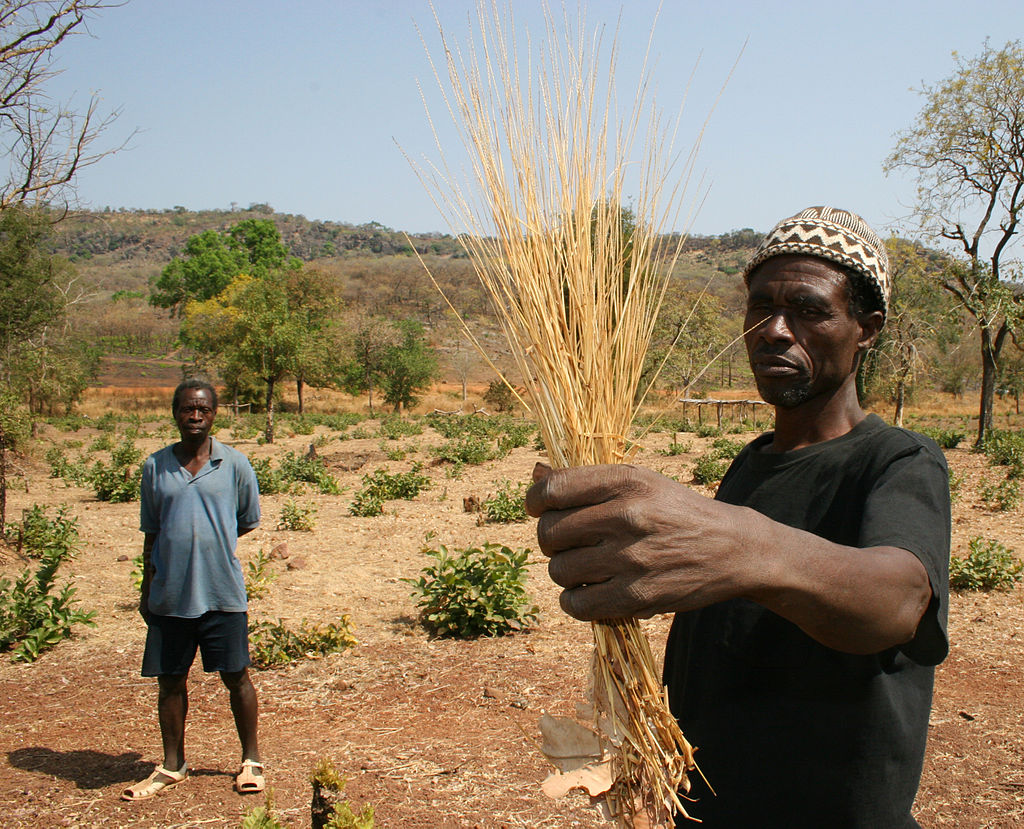
Fonio, a type of millet, is thought to be Africa’s oldest cultivated cereal. In Senegal, Burkina Faso and Mali, fonio was highly valued and would be served on special occasions such as weddings and during Muslims' fasting month of Ramadan. Today, fonio’s qualities—drought-resistant, fast growing, able to thrive in poor soil, highly nutritious—has made it an important crop in regions where water is becoming increasingly scarce, expecially in West Africa. Fonio grains are used to make porridge, couscous, bread and beer.
Nuts
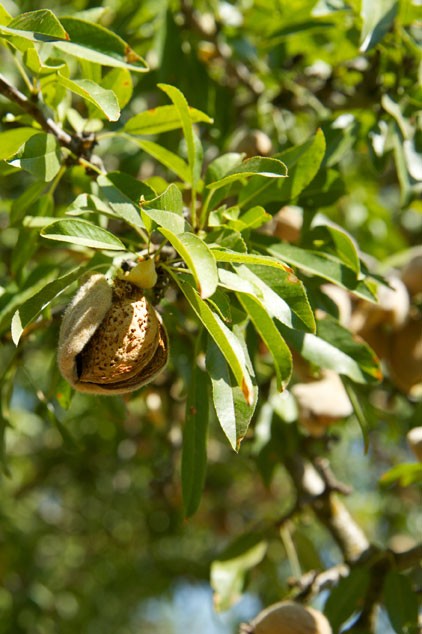
When we talk about “nut” crops, we usually mean edible dry fruits that are surrounded by a hard shell. Nuts are high in energy, oils and vitamins. They are also useful for their oil, used in cookery and cosmetics. True nuts (in which a single seed is fused inside its hard shell) include hazelnuts and chestnuts.
Almonds, Brazil nuts, cashews, macadamias, pecans, pine nuts, pistachios and walnuts are actually all seeds (though commonly called “nuts”) that are harvested from trees. Peanuts and other groundnuts grow on shrubs that belong to the same plant family as beans, peas and lentils.
Oils
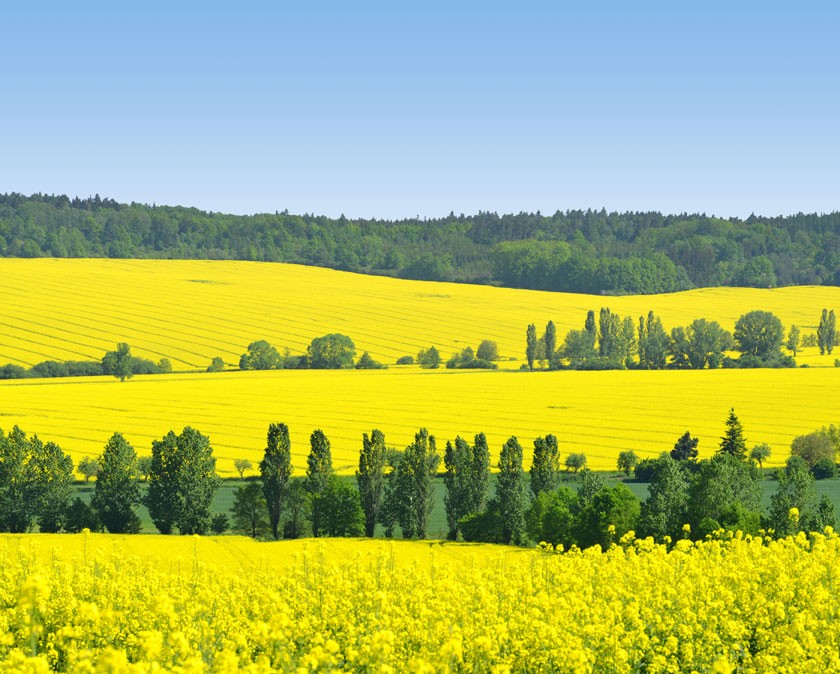
Certain crops are widely grown because of the oil that can be extracted from their seeds or fruits, using a mechanical press or solvents. The three largest sources of vegetable oil are: soya beans, oil palms and rapeseed. Other common oil-producing crops include sunflowers, peanuts, cottonseed, coconuts, olives, maize and sesame. Oils are used in cooking to fry, flavour and add texture. They are also used in products such as soaps, cosmetics, paints and plastics, and are increasingly used to make biodiesel fuel.
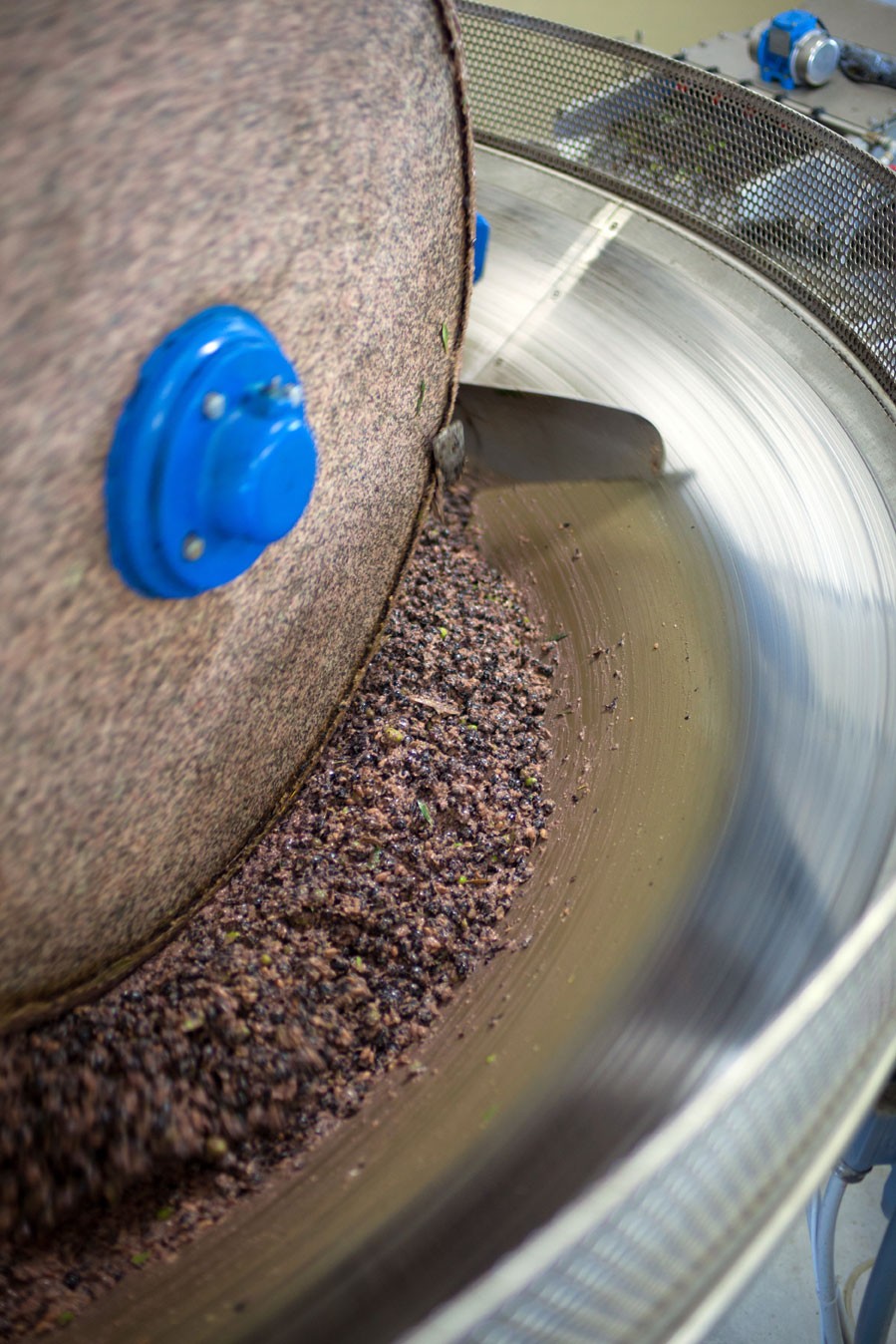
Olives
Olive trees are planted in “groves” in countries around the Mediterranean Sea and in other regions with hot, dry summers and cool, wet winters, such as California, South Africa and Australia. Olives, which are “stone fruits” like plums and cherries, ripen from green to black over the autumn and winter.
About 90% of olives are pressed to produce oil, while the rest are “table olives” for eating. To reduce their bitter taste, table olives must be cured and fermented (for example, in saltwater) before eating. The world’s largest olive-producers are Spain, Italy, Greece, Turkey and Morocco.
Palms
Palms are a family of flowering plants commonly called palm "trees”, although the family also includes shrubs and lianas (vines). Most palms grow in the world’s tropical regions, where useful species are often cultivated on large plantations.
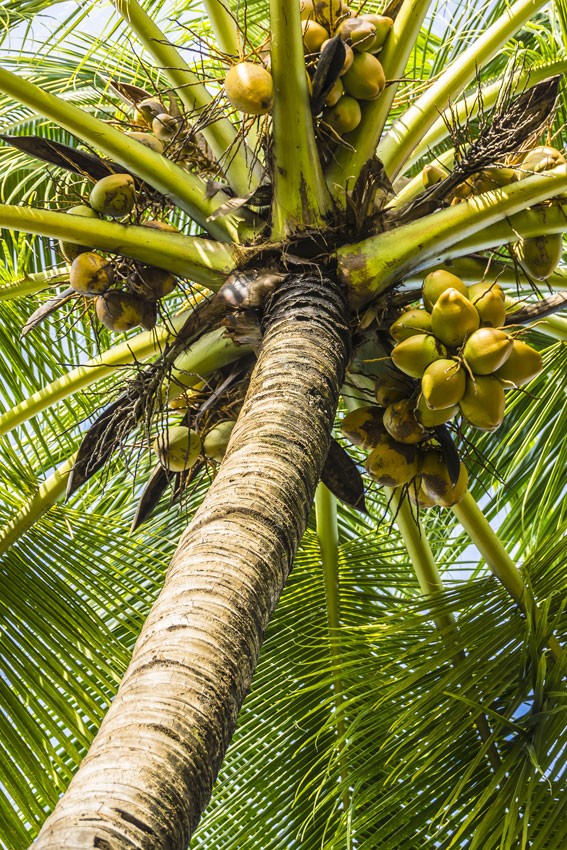
The oil palm is the source of palm oil (from the pulp of its fruit) and palm kernel oil (from the kernel of its fruit). Sago is a starch made from the stems of sago palms. It can make flour, pancakes and puddings. Edible fruits produced by palm species include coconuts and dates. Palm leaves, the stems of rattan palms and coir, a fibre from coconut shells, are used for furniture, basketry, thatching and textiles. Other products obtained from palms include palm wine, waxes, medicines and dyes.
Peanuts
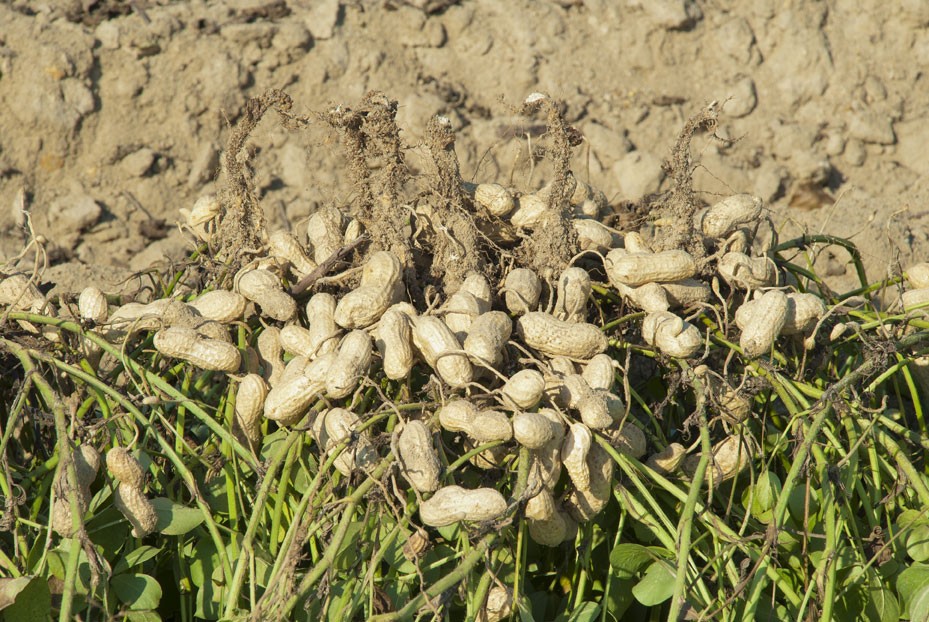
Peanuts are not “true" nuts: they are the hard, dry seeds of the peanut plant, which belongs to the same family of flowering plants as beans, peas and lentils. After a peanut flower has withered, its stalk thickens and burrows into the ground. Under the soil, a pod forms, with one to four seeds inside. Peanuts are harvested by pulling up the whole plant. Peanut plants grow best in warm climates with light, sandy soils.
They are one of the world’s major crops; China supplies about 37% of the world's output. The nuts are eaten in savoury dishes, roasted as a snack, mashed into peanut butter, pressed for their oil, ground into flour or used as fodder. Peanut seeds or shells are also used in the manufacture of products including paints, varnishes, soaps, insecticides, plastics and fuel.
Potatoes
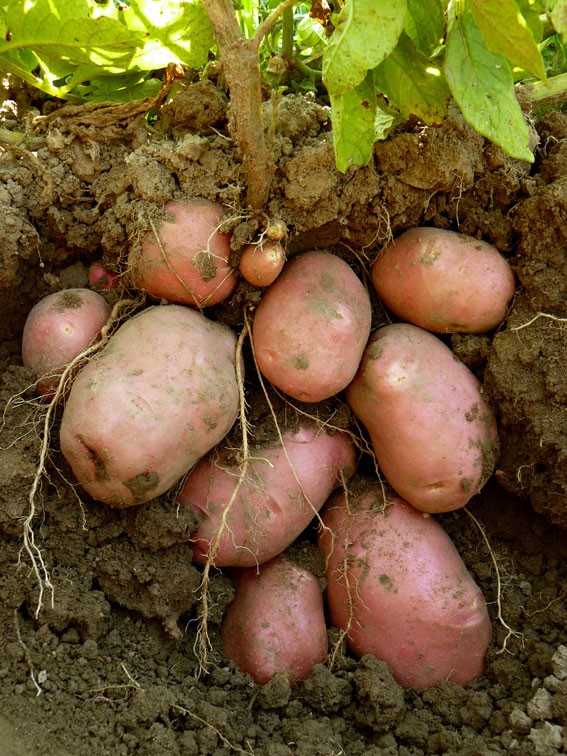
Potatoes are the world’s fifth largest food crop, after sugar cane, maize, wheat and rice, making them the most commonly grown vegetable. China produces about a quarter of the world total. The are the tubers (food stores) of the plant Solanum tuberosum. The potato originated in South America and was spread around the world after Spanish colonization of the Americas. Humans have cultivated over a thousand different potato varieties through selective breeding.
Potatoes grow best in moderately cool temperatures, so they are a summer crop in cooler regions and a winter crop in the tropics. They are grown from healthy tubers, which produce new plants and tubers for harvesting. Around two-thirds of potatoes are eaten by humans while the rest are fed to animals or used to produce starch, for use as a thickener in food or as a glue or coating in industries such as textiles and paper.
Rice
In terms of weight, rice is the third largest cereal crop, after maize and wheat. A staple food for more than half the world's population, rice provides one-fifth of the food energy consumed worldwide. Rice is normally grown in hot, wet climates. The rice seedlings need plenty of water, so they are frequently planted, often by hand, in flooded fields called paddies. While flooding is not essential, it does also reduces growth of weeds and keeps vermin away. In hilly country, the paddies occupy flat shelves of land, or terraces, dug out of the slopes so that the water does not flow away.
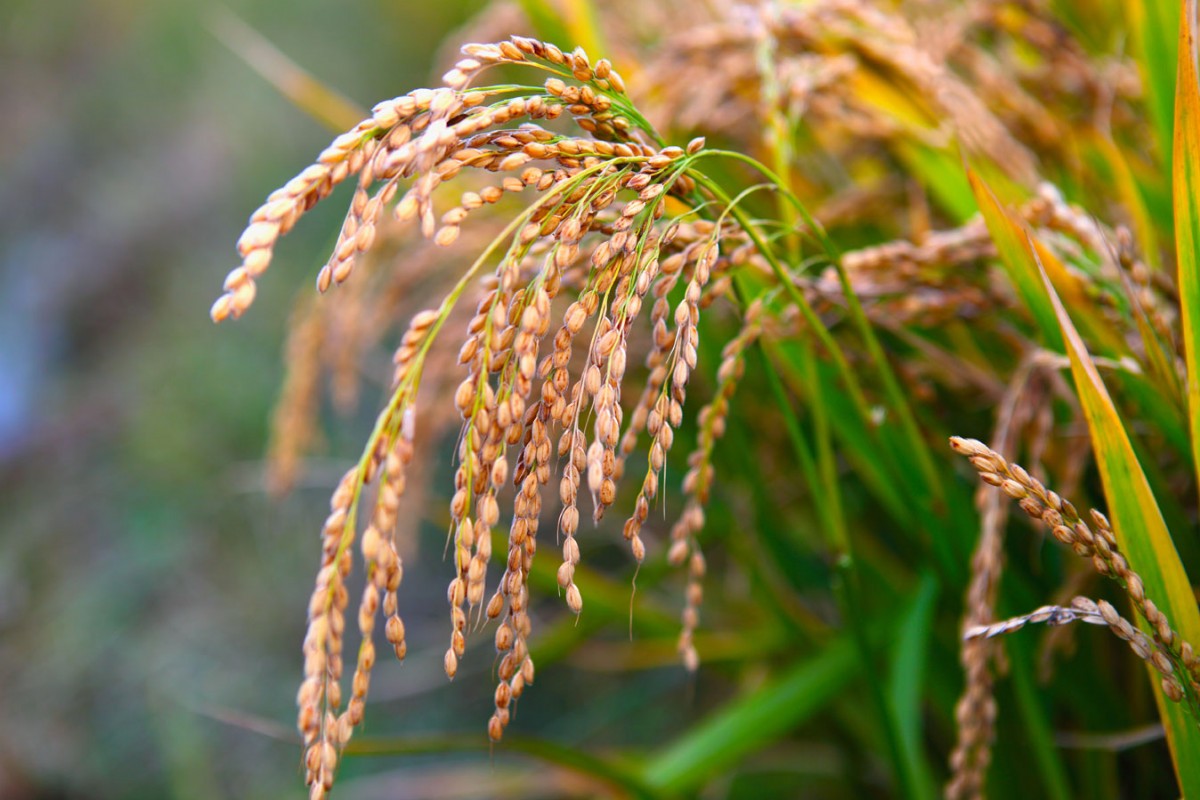
After harvesting, the crop is threshed, to separate out the grain, then winnowed, to lose the husks and grit. As well as being eaten boiled or steamed, rice grains can be made into flour for use in rice milk, rice wine and noodles.
Rubber
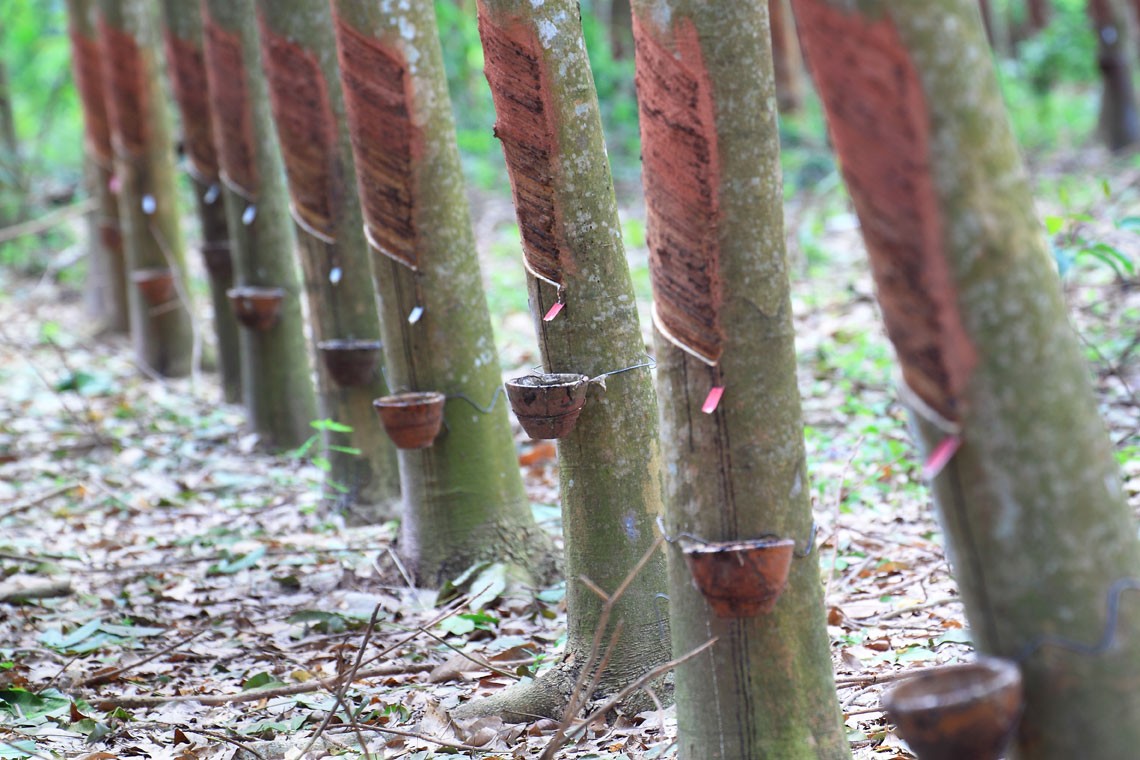
Rubber trees are grown on large plantations in warm and wet regions, particularly in Southeast Asia. The trees are used for the production of natural rubber. It is made from a sticky fluid, called latex, that is collected by cutting the bark of rubber trees. Latex is processed into a tough, elastic solid that is used in products such as tyres, hoses, gloves, adhesives and balloons.
Soya beans
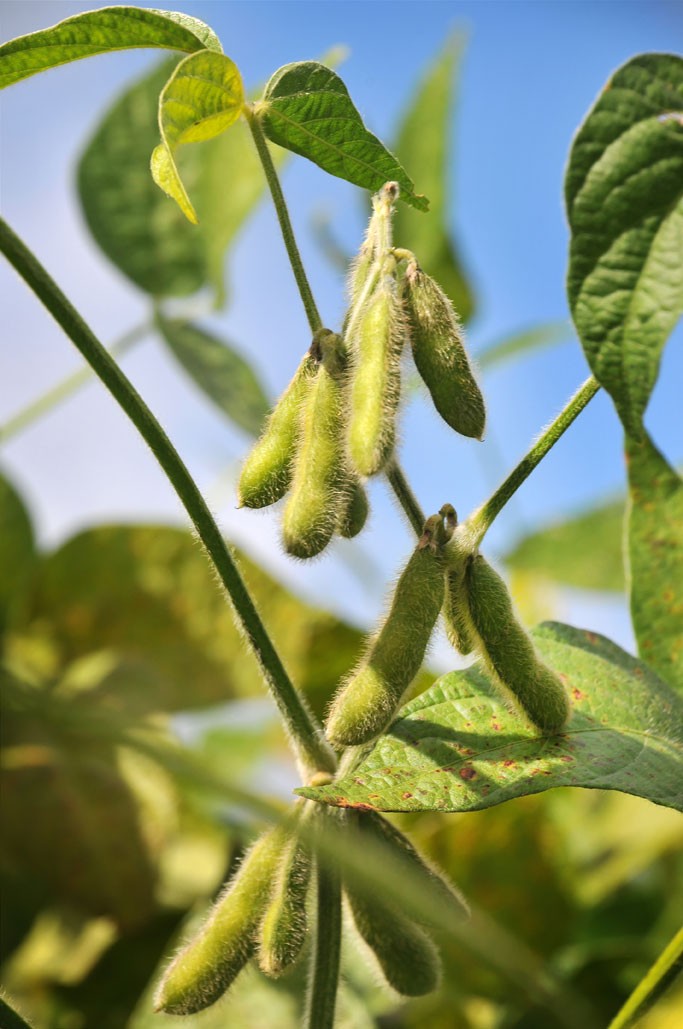
Soya beans are the seeds of a plant from the same family as beans, peas and lentils. They are grown in regions with hot summers. Between them, the USA, Brazil, Argentina and China grow 90% of the world’s supply. With their high protein and oil content, soya beans are one of the world's most important crops. Most are cracked and heated, then have their oil extracted with solvent. The oil is used in cooking and in products such as inks, paints and biodiesel. Soya bean meal, the leftovers after oil extraction, is widely used as animal feed.
Soya beans are also used to make non-dairy food substitutes, such as soya milk and cheese, and meat substitutes. In Asia, soya beans are made into a range of foods, including tofu (from soya milk curds) and tempeh, a cake-like meat substitute from Indonesia. The beans can be fermented to produce soy sauce.
Spices
Spices are the parts of plants added to foods for their flavour or colour. Many spices are also antimicrobial: they slow down the growth of bacteria that could cause illness. For this reason, spices are central to the cuisine of many hot regions, where food is most likely to spoil.
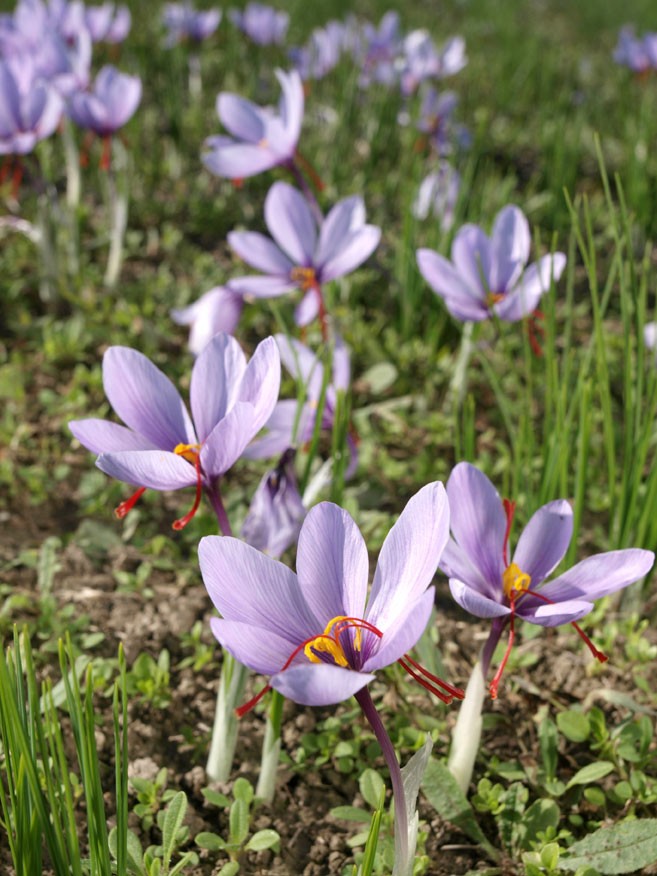
Plant parts used as spices include bark (cinnamon), dried fruits and seeds (black pepper, cumin, mustard, nutmeg), dried flower buds (cloves), flower stigmas (saffron), and roots and rhizomes, which are underground stems (ginger and turmeric). Herbs, such as basil, parsley or coriander, are also used to flavour food but are the leafy parts of a plant.
Many spice plants are native to tropical regions; India supplies 70% of the world’s crop. The world’s most traded spice is black pepper.
Sugar cane
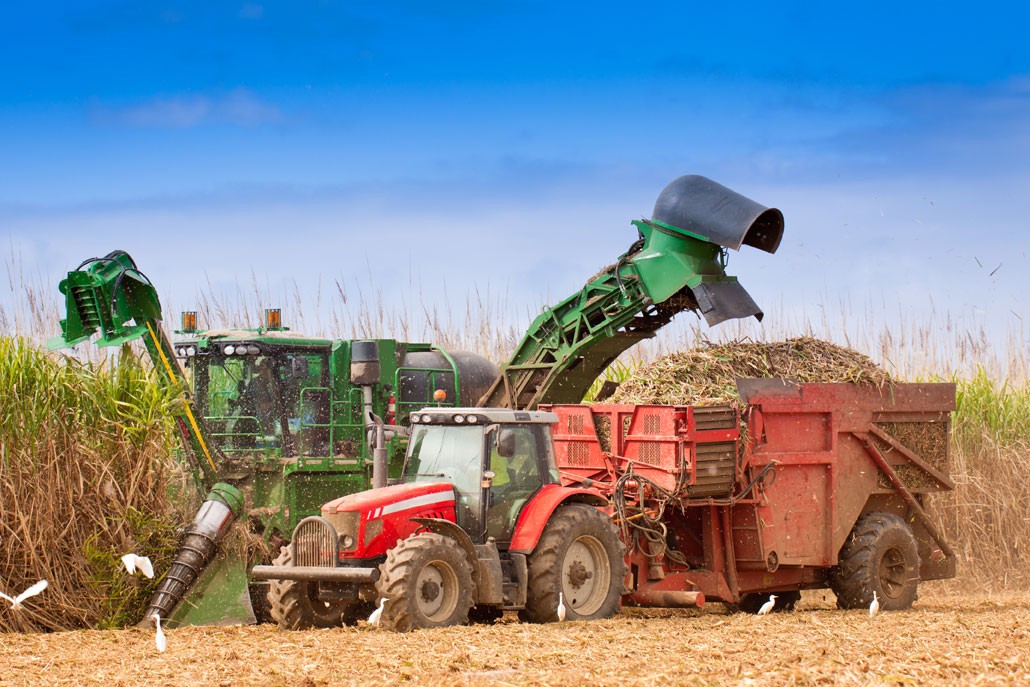
Sugar cane is the world's largest crop: around 1.8 billion tonnes are produced every year. Sugar cane is a grass with a thick, jointed stalk that is rich in sugar. It grows 2 to 6 metres (6–19 feet) tall. After harvesting, the sugar cane is processed in a sugar mill to produce sugar. As well as being used as an ingredient in food, sugar can be made into syrup and alcohol. Sugar cane grows best in hot regions with plentiful rain. The world’s largest producer of sugar cane is Brazil, where the plant is also used to make ethanol for use as a biofuel.

Taro
Taro is one of the most ancient crops of all—there is evidence of it having being cultivated in New Guinea around 10,000 years ago. From around 1300 BC, taro plants were carried by Austronesians, a people originally from East Asia, to the Pacific Islands, where they were adopted and grown by the Polynesian inhabitants.
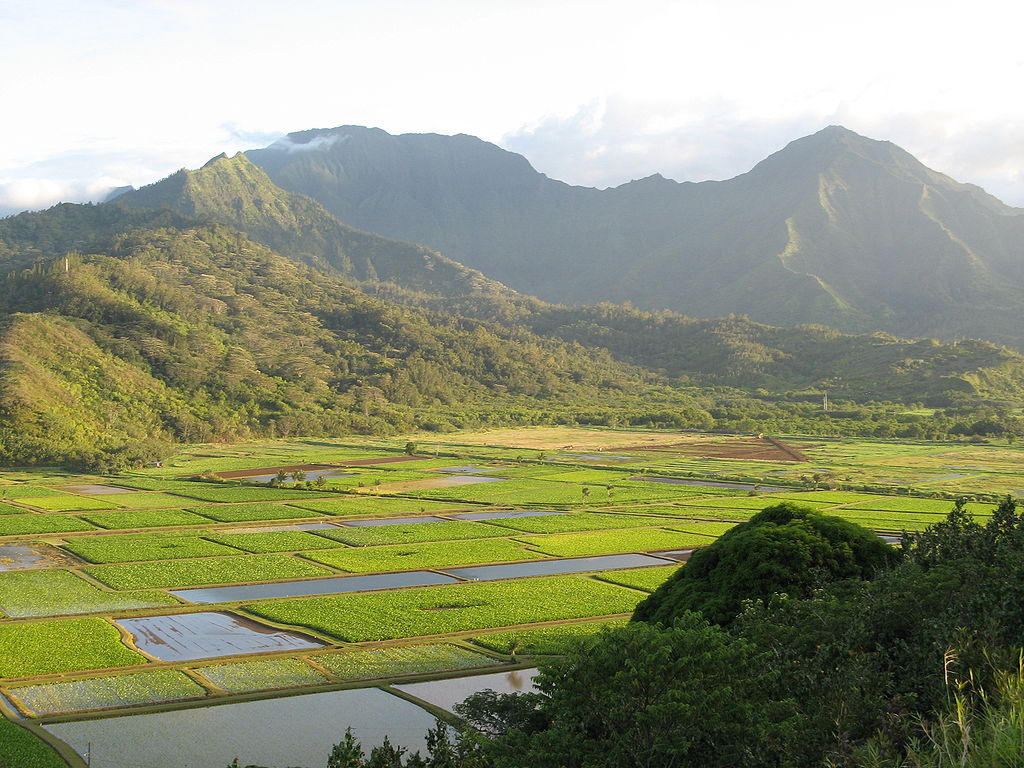
Taro is grown for its corms, the swollen underground stem of the plant. These yam-like vegetables are a staple in many countries of Africa and South Asia as well as a number of Pacific Islands. Taro corms and leaves form the ingredients of many traditional dishes from these parts of the world. Today, Nigeria is the largest producer of taro. One of the few crops (along with rice) that can be grown under flooded conditions, taro is often grown in paddyfields where water is plentiful.
Tea
Tea made by pouring boiling water on dried leaves of the tea plant. This flowering plant, Camellia sinensis, is cultivated in tropical and subtropical regions with high rainfall. The best-quality leaves grow at higher altitudes, as the plants grow more slowly and gain a better flavour.
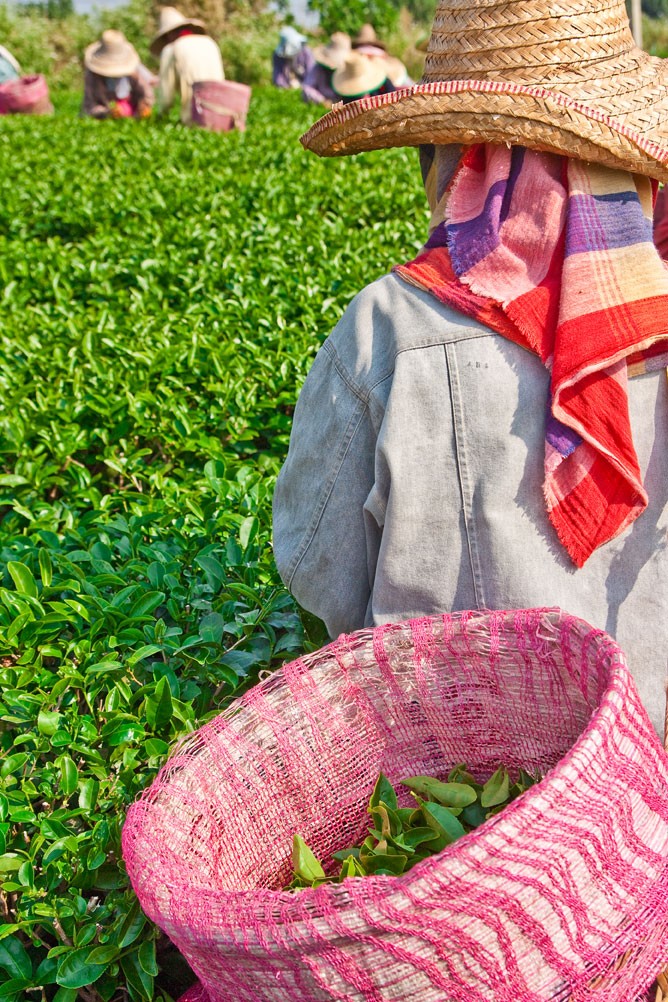
China, where tea-drinking began, is still the largest producer of tea, closely followed by India, where tea cultivation was introduced by the British. Tea leaves and leaf buds are often picked by hand, usually twice a year, in spring and early summer. The leaves are then processed using a range of methods, such as wilting, bruising, steaming, rolling and ageing. Finally, they are dried and packaged. Different types of tea—such as black, green or oolong—are produced by different methods of processing and drying.
Tomatoes
Although the tomato is often called a vegetable because of its savoury taste, it is actually a berry fruit. When measured by weight of crops grown, tomatoes are the world’s most popular fruit. The tomato originated in the Andes Mountains of South America and was spread around the world after the Spanish colonization of the Americas. Tomatoes grow best in warmer climates, although they are often grown in greenhouses in cooler regions.

Tomatoes have been bred into 7500 varieties, from plum tomatoes (often tinned and used for cooking) to cherry tomatoes (often eaten in salads because of their sweetness). Tomatoes are a staple ingredient in Mediterranean cuisine, and are also widely processed into ketchup and juice.
Vegetables
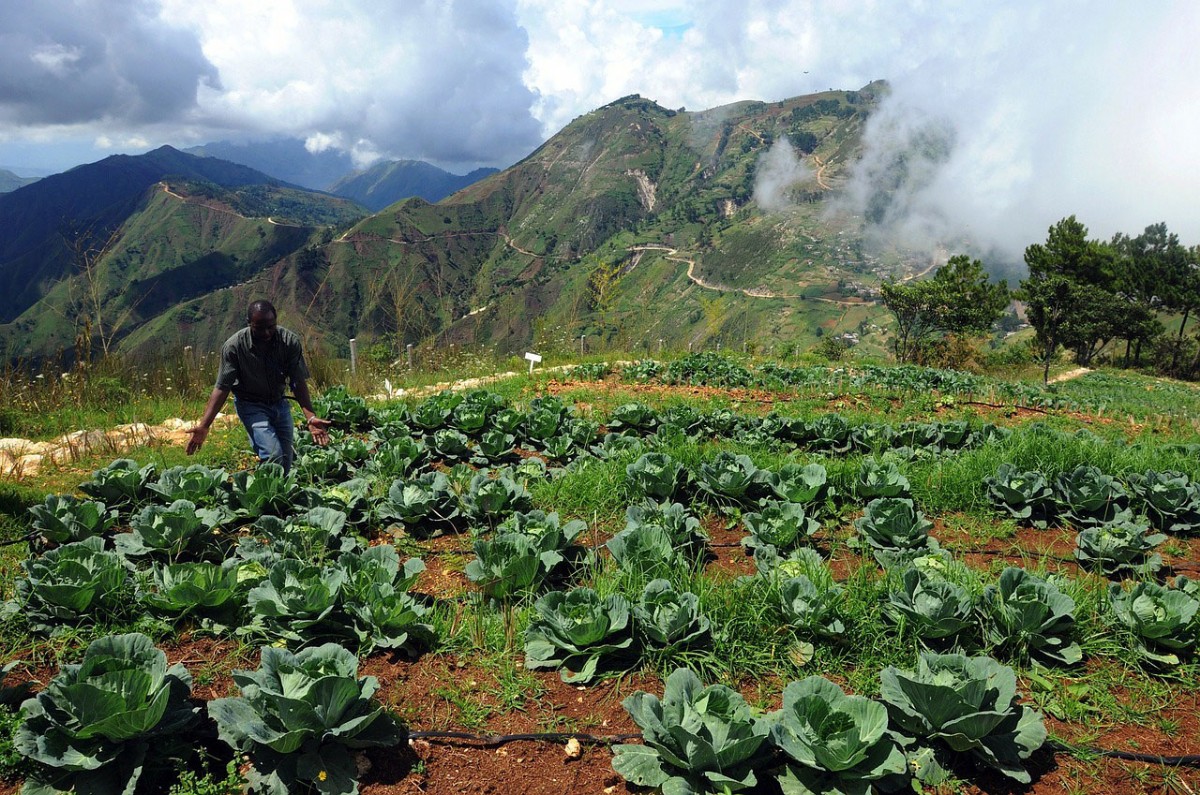
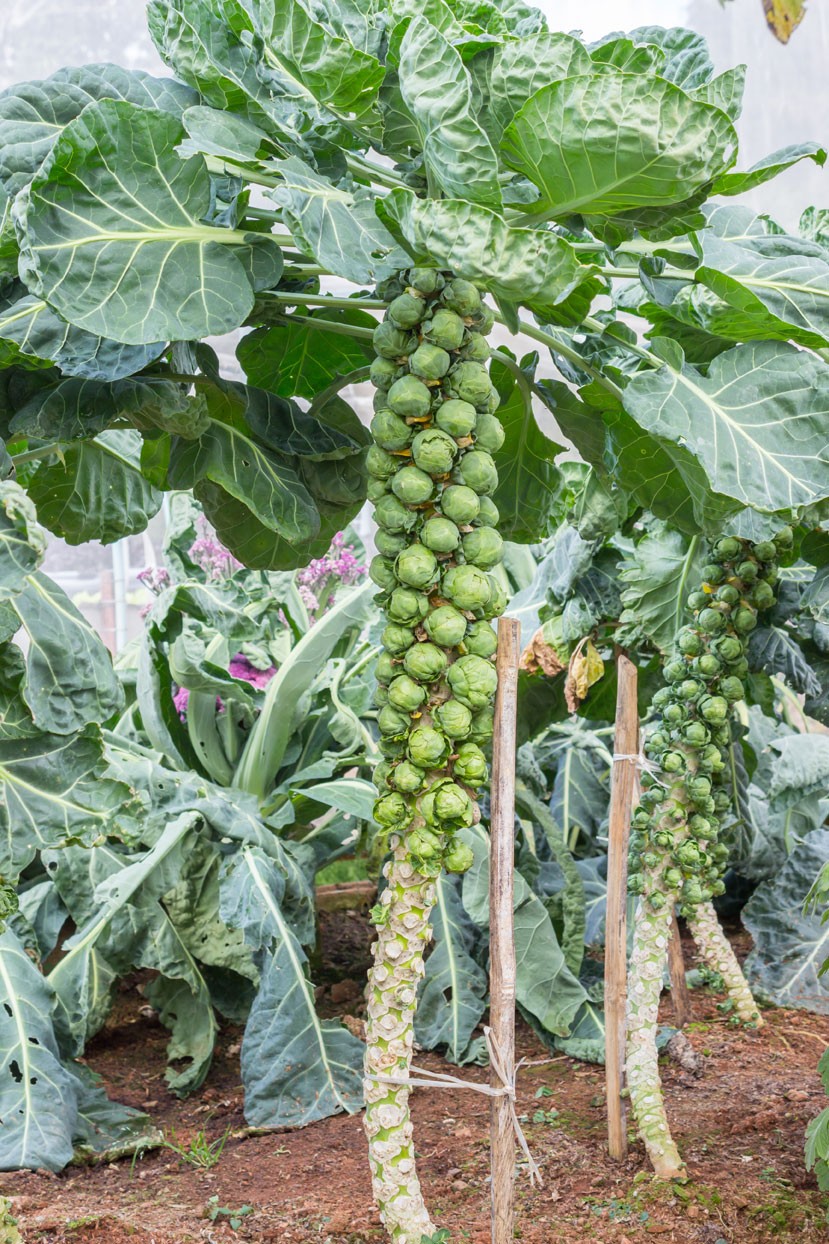
Rich in carbohydrates and vitamins, vegetables are essential crops. When we talk about “vegetables”, we generally mean the edible parts of plants with a savoury flavour. The parts of plants eaten as vegetables are: tubers, which are enlarged parts used to store nutrients (potatoes, sweet potatoes and yams); roots (carrots and turnips); bulbs, which are short stems used to store food (onions and garlic); buds and flower buds (Brussels sprouts, broccoli and cauliflower); leaves and leaf sheaths (lettuce, spinach and leeks); stems, leaf stems and stem shoots (kohlrabi, celery and asparagus); whole-plant sprouts (alfalfa); and fruits (cucumbers and squashes, including gourds, pumpkins and courgettes or zucchini). The world’s largest vegetable crops are potatoes, cassava, yams, sweet potatoes, onions and carrots.
Wheat
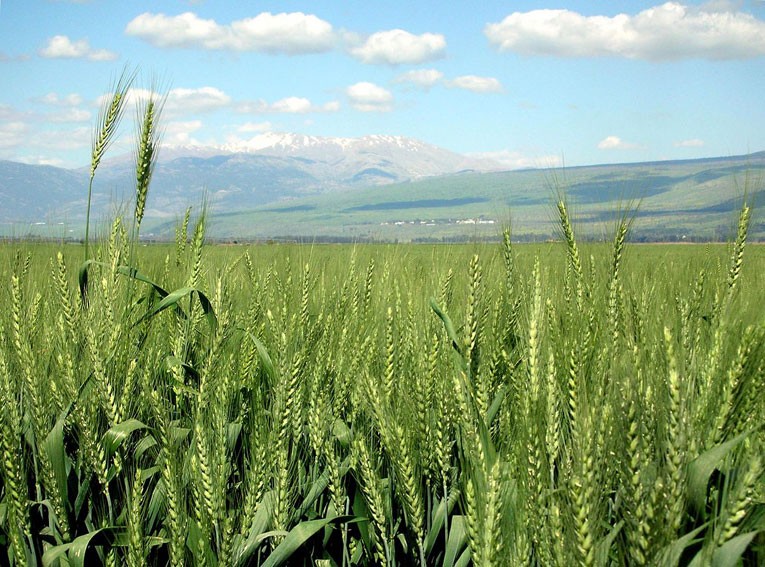
Wheat covers more of the Earth’s land than any other crop, although in terms of weight it is the world’s second largest cereal crop, after maize. Unlike maize and rice, wheat can be grown in cold and dry climates, and is widely cultivated on the plains of North America, Europe, Russia and Central Asia. Wheat is the most common flour used for making bread, including chapatis, baguettes and pitas. Wheat is also used in cakes, pies, breakfast cereals, couscous, pasta and noodles, and for the production of beer and biofuel.