
Mammals
Dogs
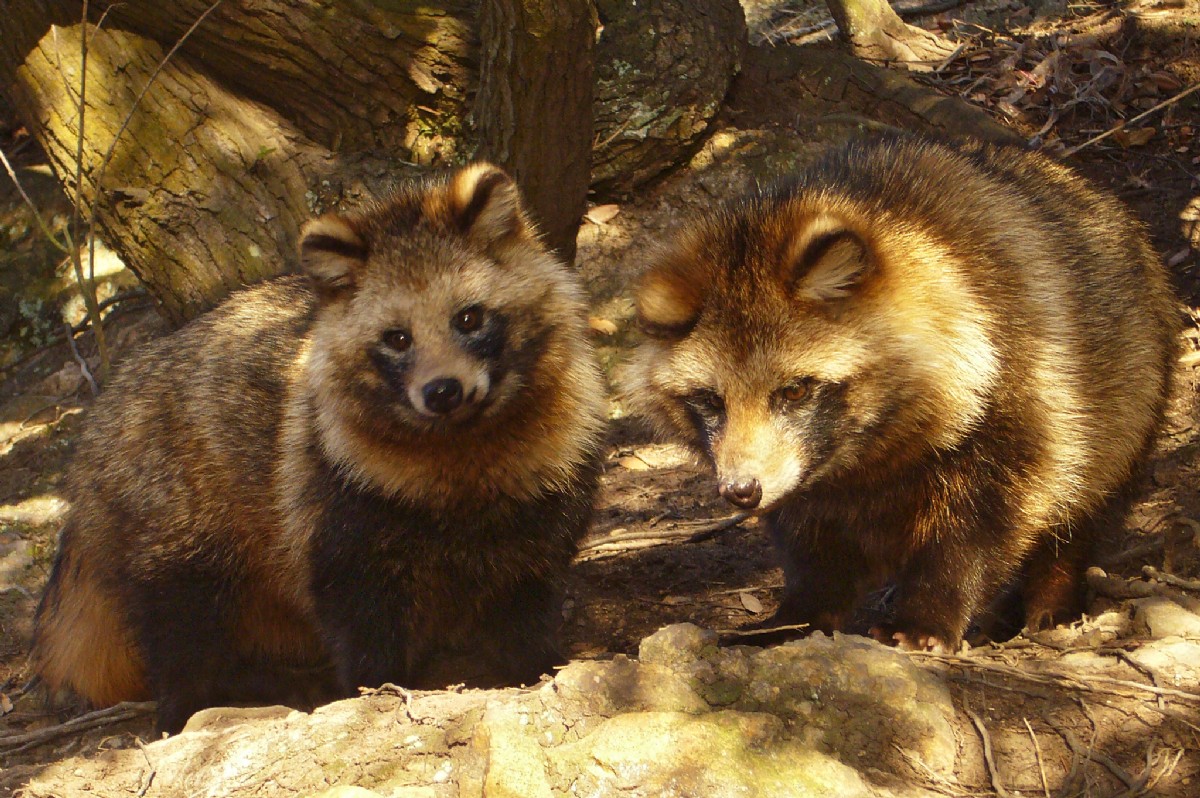
Dogs are carnivores (flesh-eaters) with powerful jaws. Their strong legs carry them great distances when hunting. They grab small prey in their jaws or pounce on them with their front feet. Larger prey is pulled to the ground. A bite to the throat will cause the victim to die from suffocation. Dogs feed on almost anything they can find, including fish, fruit and even insects, as well as their main food, meat. The dog family includes wolves, foxes, coyotes, jackals, African wild dogs, dingos and raccoon dogs. Domestic dogs are descended from wolves.

Packs
Most kinds of dogs live together in family groups. A pair of wolves will form a breeding partnership that can last for life. Their young leave to make their own family groups when they become adults. African wild dogs form large packs where young males are allowed to stay with the pack while their sisters must leave to find a new one. Pack hunters work together to hunt down large prey, and also help to feed and look after the young.
Coyotes
Well known for their distinctive howls, most often heard during the spring mating season, coyotes live in a wide range of habitats across North America. They have also adapted to life in the suburbs and cities and will often scavenge from waste bins and attack pets. They will even mate with domestic dogs. Coyotes live in burrows which they dig themselves, or take over from groundhogs or American badgers. They have large territories, marked with urine, which they patrol along fixed trails. Though coyotes live in small family groups or packs of six or so individuals, they hunt alone or in pairs, usually at night. They most often prey on small rabbits and rodents, although they will also take ground-nesting birds, snakes, lizards, insects and invertebrates.
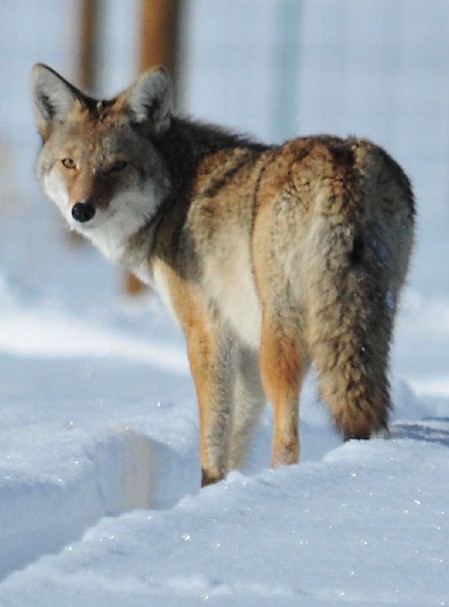
Hunting in pairs, coyotes may go for larger prey, such as deer and livestock. They will readily scavenge on carrion. Fruits and vegetables make up a large part of their diet in the autumn and winter.
Jackals
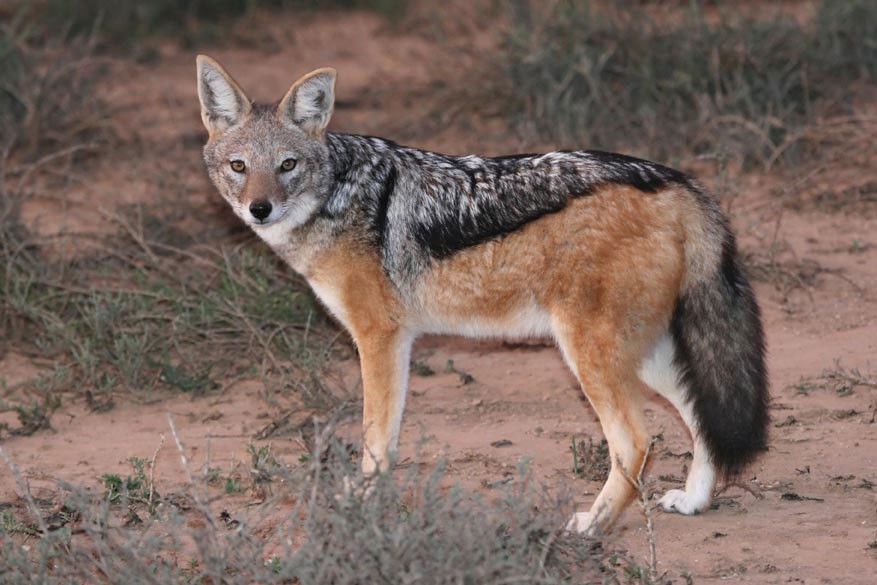
Jackals, found across Africa, South Asia and in some parts of southeastern Europe, are both predators of small- to medium-sized animals and scavengers on kills made by other animals. Their curved, canine teeth are perfect for killing and eating small mammals, birds and reptiles. They also feed on insects, millipedes, spiders and scorpions.
Jackals' long legs and large feet are well suited for long-distance running. They are capable of keeping up a steady speed of 16 km/h (10 mph) over long periods in pursuit of larger prey. Upon capturing an antelope, for example, jackals make no attempt to kill it, but simply rip open its belly and start to feed even while the animal is still alive.
African wild dogs
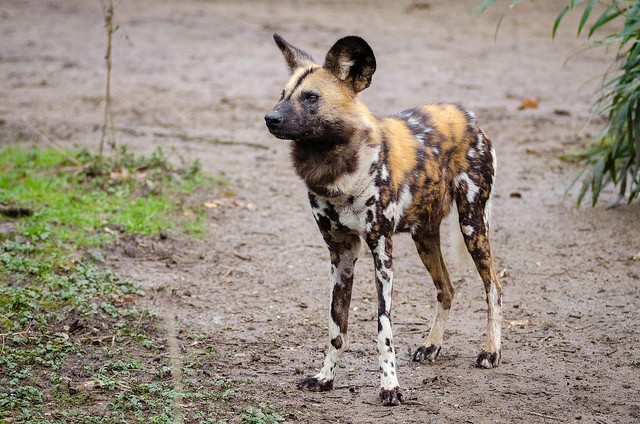
The African wild dog hunts in packs and small groups. Ungulates such as zebra, warthogs, impalas, gazelles and springboks are its usual prey, although they will also attack large ground-living birds, especially ostriches.
The pack firstly charges at the herd, causing it to stampede in panic. The dogs then single out an individual and give chase. A long pursuit wears their victim down and normally results in a kill for the pack. They have a much higher success rate than cheetahs, or even lions. The African wild dog is an endangered species due to habitat loss and hunting by humans.
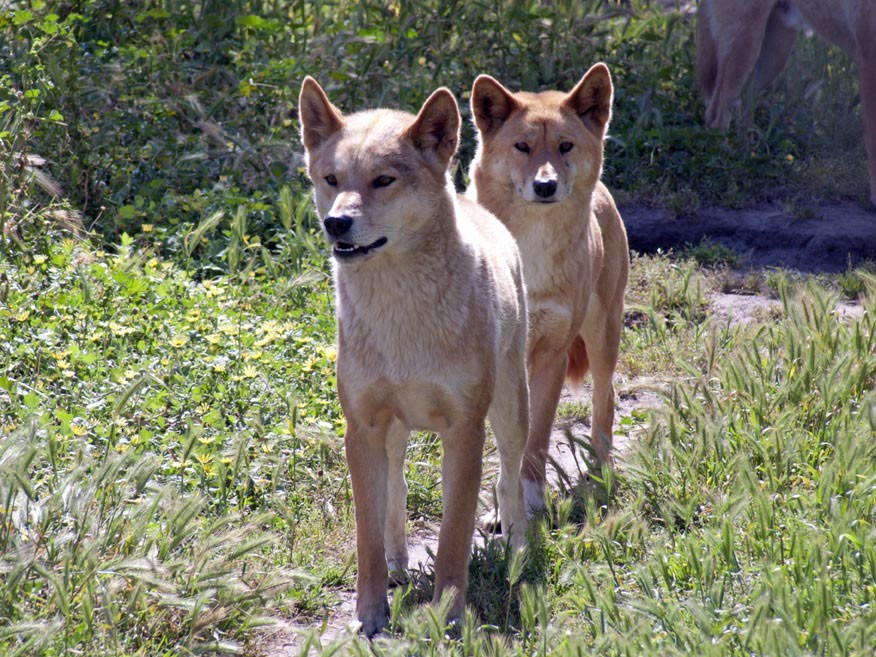
Dingo
The ancestors of modern dingos may have been domestic dogs brought to Australia by travellers from Southeast Asia between about 5000 and 12,000 years ago. Originally used as hunting animals by Aboriginal peoples, they soon returned to the wild and spread out to inhabit deserts, grasslands and forests across Australia.
Dingos are the continent's largest land predators. They hunt a wide range of animals, ranging in size from kangaroos and livestock, through wombats, possums and rabbits, down to birds, lizards and even insects. They will also scavenge carrion. They have interbred widely with domestic dogs, either feral or pets, so a "pure" dingo might now be quite rare. Dingos form stable family groups, or packs, and establish territories.
Consultant: Chris Jarvis