
Mammals
Foxes
Foxes are members of the dog family with pointed muzzles and bushy tails. There are 13 species of fox. They include the red fox, which is by far the commonest and most widespread kind, the fennec fox and kit fox, which both inhabit deserts, and the Arctic fox. Foxes usually live in small family groups and are omnivorous: they eat most foods. Many hunt small mammals such as rodents. The red fox's adaptability has earned it a reputation for cunning.
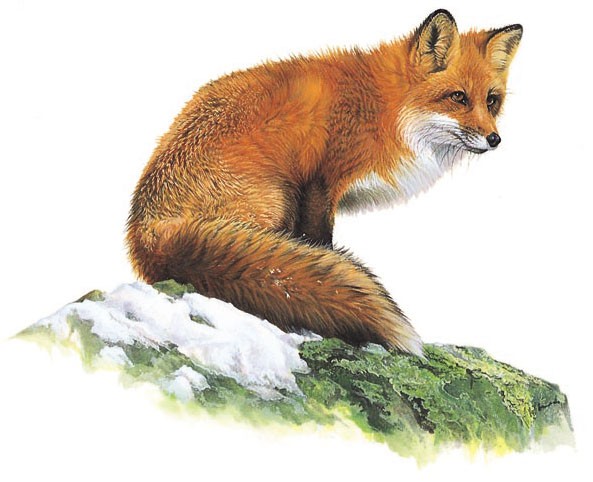
Red fox
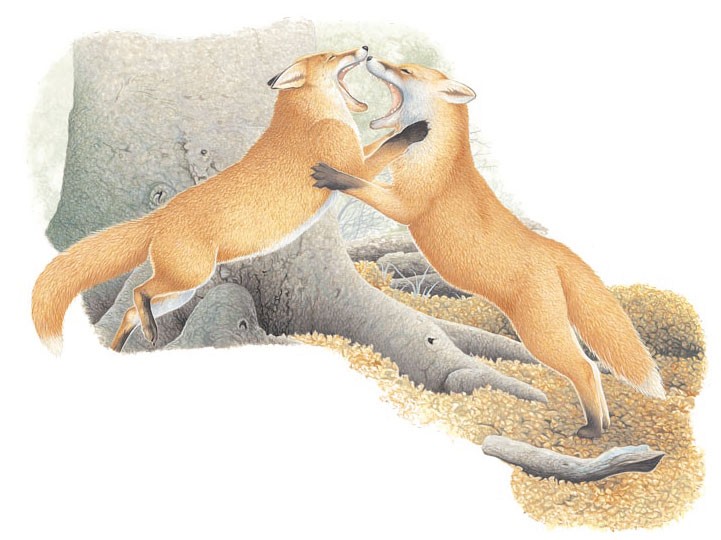

The red fox is an omnivore: it will feed on almost anything, from mice and rabbits to birds, fruit, worms and insects. It has particularly acute hearing, enabling it to locate its prey, mostly rodents, from a distance. It catches them by pouncing on them.
Red foxes look for mates in January. They become unusually active, wandering around in search of a partner. As they move through the night, they make loud screams as a way of finding one another. Once united, the male and female stay together throughout the mating season. After mating, the foxes look for a suitable den, such as a hollow log or the abandoned burrow of another animal. This is where the female will give birth about two months later.
Urban foxes
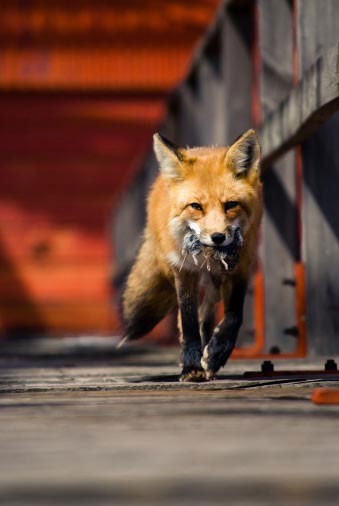
As their natural woodland habitat is reduced, many red foxes have adapted to life in cities and towns. They were first sighted in cities in Europe, North America and Australia in the 1930s. Foxes come out at night to raid people’s dustbins for scraps of food, and may even make their “earths”, or dens, in people’s gardens. City-dwelling foxes grow larger than rural ones, because of the abundant food and lack of predators.
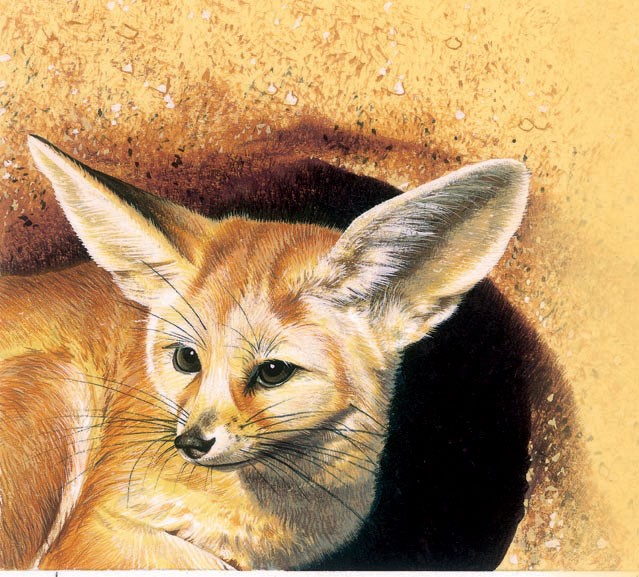
Fennec fox
The fennec fox is a small fox from the deserts of North Africa. It has very large ears, which help to keep it cool, as it gives out a lot of body heat through them. Thick fur on its feet protect them from hot sand. The fennec fox hides from the heat of the day in its burrow, only coming out at night to hunt. It gets most of the water it needs from its food.
Kit fox
The kit fox, from North America, shelters from the desert heat in cool burrows under the ground. It emerges from its burrow as the sun sets. The kit fox uses its speed and keen sense of hearing to run down kangaroo rats, lizards and rabbits.
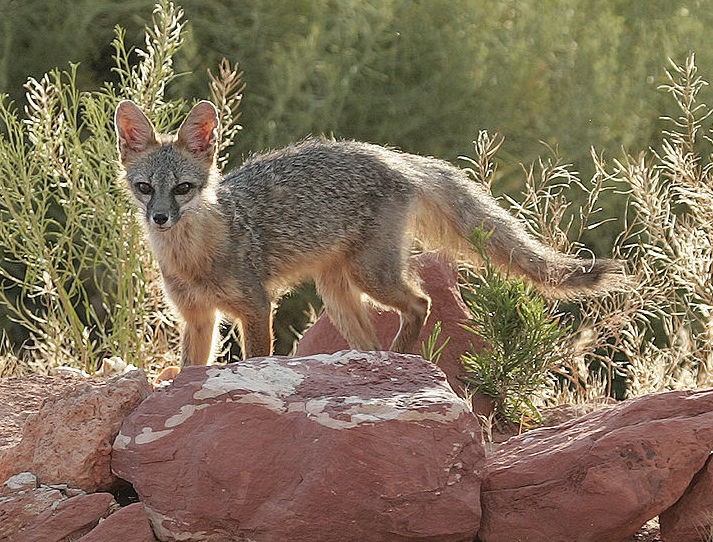
Grey fox

The grey fox was once widespread across North America, but the massive increase in human population in the last two centuries and the loss of its woodland habitat has allowed the red fox to become more numerous. The grey is still dominant in the West. It is the only American dog that can climb trees.
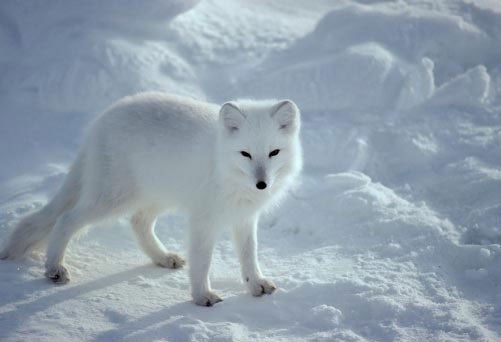
Arctic fox
The Arctic fox is a small fox from the far north. It has tiny ears and thick fur for insulation. Like many Arctic animals, its brown fur turns white in the winter, for better camouflage against the snow and ice. Its paws are fur-covered, enabling it to walk on ice in search of food.
As well as prey such as lemmings, voles and seal pups, it also eats fish, eggs, berries and seaweed. The Arctic fox's keen hearing enables it to locate the position of prey under the snow. It then pounces through the snow to catch its victim.
Consultant: Chris Jarvis