
Mammals
Tiger
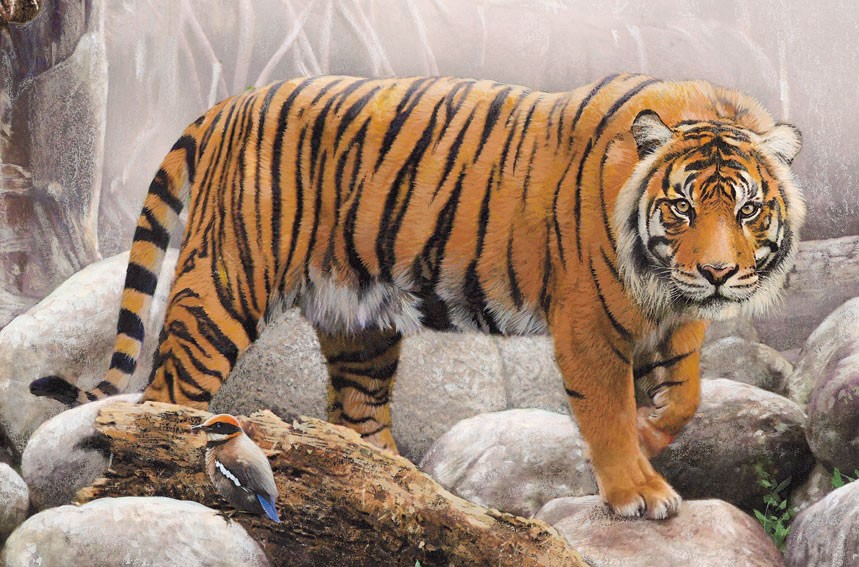
The tiger is the world’s largest cat. It has a huge, muscular body and powerful jaws with long, sharp teeth. The dark stripes on its coat help it to blend into its surroundings. Hidden in tall grass, the tiger can get close to its prey and catch it by surprise. Tigers are solitary animals. Each has its own territory, marked out with urine, averaging about 100 square kilometres of land (40 square miles). Other tigers seldom dare to move on to another tiger’s territory.

Habitat
Tigers live in a wide range of habitats across Eastern Asia, providing there is dense vegetation cover and water nearby. Bengal tigers live in forests, swamps and mangrove. Others roam across grasslands and savanna, while the Siberian tiger lives in taiga forests. Tigers are very territorial. To identify his territory, a male sprays urine on trees and leaves dung on trails. They do not tolerate other males invading their territory, but disputes rarely become violent.
Fierce hunter
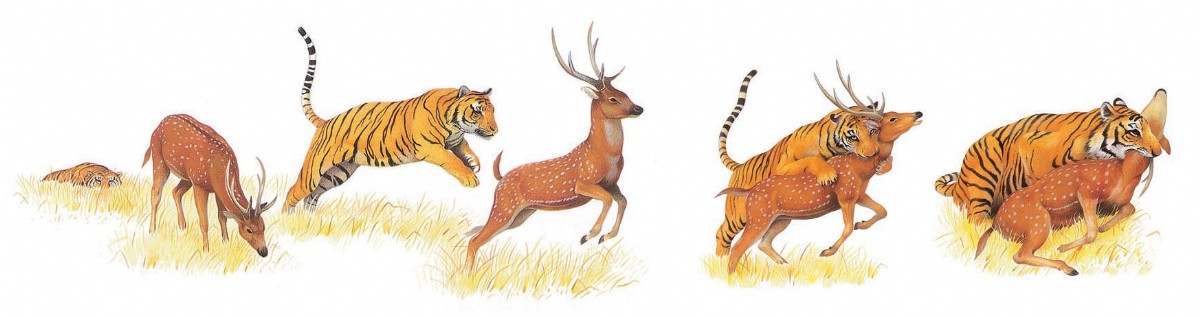
Tigers are solitary hunters. They stalk and ambush their prey of deer, water buffalo, tapir, wild pigs and other mammals, preferring young or sick animals. They will also scavenge on carcasses.
Tigers mainly hunt in the twilight when their striped coats help to hide them in the dappled light of the forest floor. In the dark they can see six times better than humans can. But the tiger’s sharpest sense is its hearing—used to listen out for intruders or perhaps a passing meal.
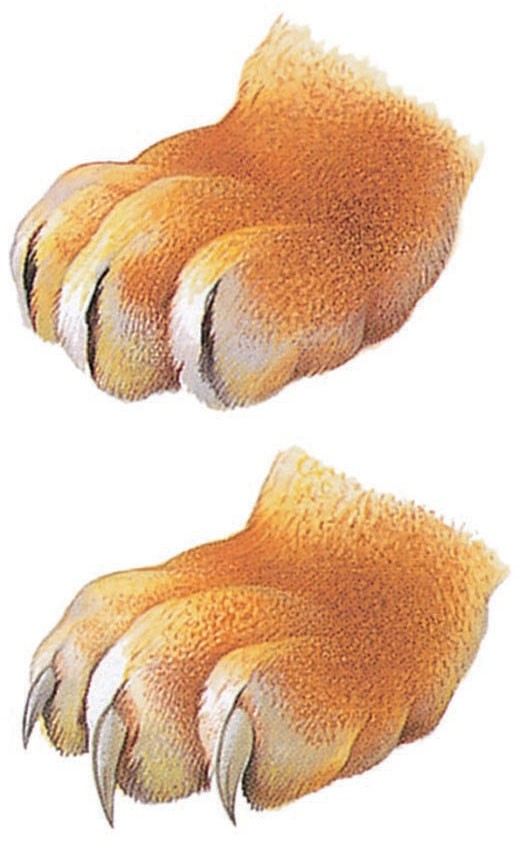

Having spotted its prey, a deer, for example, it creeps slowly up to it. Then, from a crouched position low in the grass, it suddenly leaps. Off its guard, the deer is wrestled to the ground. With a bite to the neck or throat using its long, pointed canine teeth, the tiger kills its victim instantly, and drags it to a safe place to eat. Its molars act like scissors, slicing up strips of flesh for the tiger to swallow.
Raising cubs
A newborn tiger cub weighs only about 1 kilogram (2 pounds) and is blind and helpless. Cubs feed on their mother's milk until they are old enough to catch their own food. When they are about four months old, it is time for their mother to teach them to hunt. Observing their mother is the best way for them to learn. Then, the cubs themselves start to practise hunting. At first they kill rodents, birds and other small creatures under their mother’s supervision. In time, the family hunts as a group. But the cubs stay dependent on their mother until they are around 15 months old.

Taking a dip
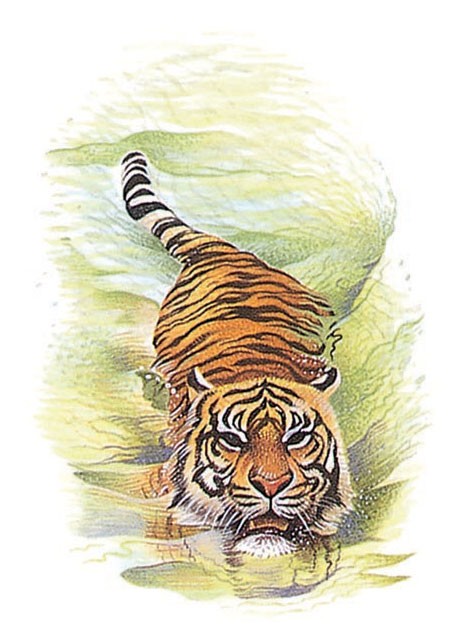
Tigers need to be near water. They are strong swimmers, a feature shared by only the jaguar among the other big cats. Tigers may drag their prey to a pool or riverside, so that they can drink while they eat. In hot climates tigers often spend the daytime standing in water, just to keep cool.
Subspecies
There used to be nine subspecies of tiger. Today only six subspecies survive. The largest is the shaggy-coated Siberian tiger, while the smallest is the sleek Sumatran tiger. The others are the Bengal (the commonest), Indochinese, Malayan, Sumatran and South China tigers. The three subspecies of tiger that are extinct are the Caspian, Bali and Javan.
Siberian tiger

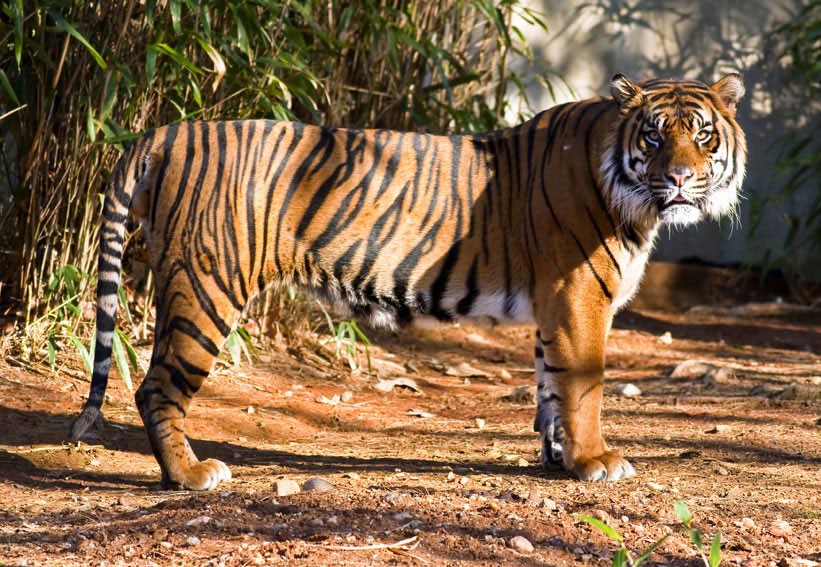
An adult male Siberian tiger can weigh more than 300 kilograms (660 pounds) and grow up to 3.3 metres (11 feet) long. It needs to eat about 10 kilograms (22 pounds) of meat a day. The Siberian tiger is also one of the rarest cats, with only about 450 tigers left in the wild. Thick fur and belly fat keep it warm in the Siberian cold.
Rare in the wild
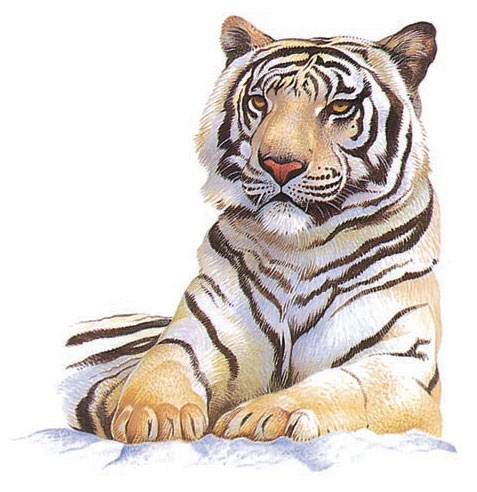
Until about 100 years ago, tigers were found across Asia, from Turkey to the Russian far east, and south to the islands of Indonesia. now they are found in isolated pockets in India, China, Southeast Asia, the Indonesian island of Sumatra and southeastern Siberia.
Over the last century the total number of tigers living in the wild has dropped from about 100,000 to an estimated 5500. As forests have been cleared for farming and building, tigers have lost their homelands and died out.
Poachers are also a threat to the tiger's survival. They hunt and kill tigers and sell their skins for clothing or rugs and their bones and other body parts to make medicines used in traditional Chinese medicine.
Project Tiger
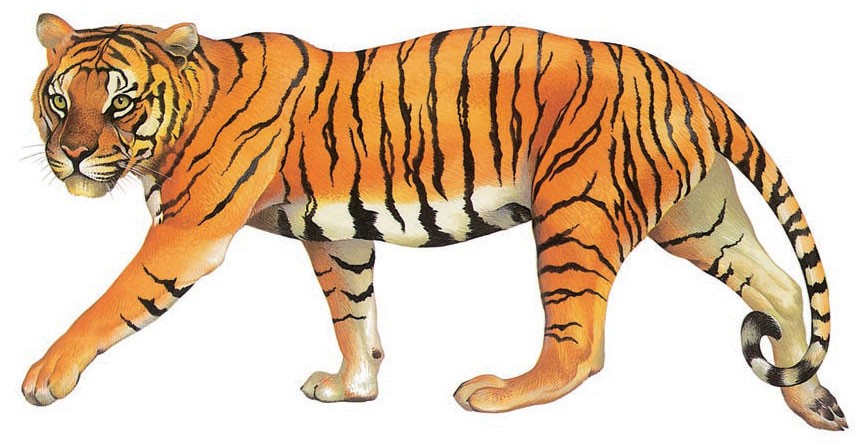
Project Tiger is a tiger conservation programme launched in November 1973 by the Government of India. Its aim then (as now) is to protect the Bengal tiger from extinction and ensure a viable population in its natural habitats. By the early 1970s, numbers of tigers had dropped to around 1800 individuals—driven to the edge of extinction first by British hunters during the era of British rule in India and then by rapid urbanization. Under the project, reserves where the tigers could live and breed, were created. These reserves have increased in size over the years and now cover 2.4% of India’s geographical area.
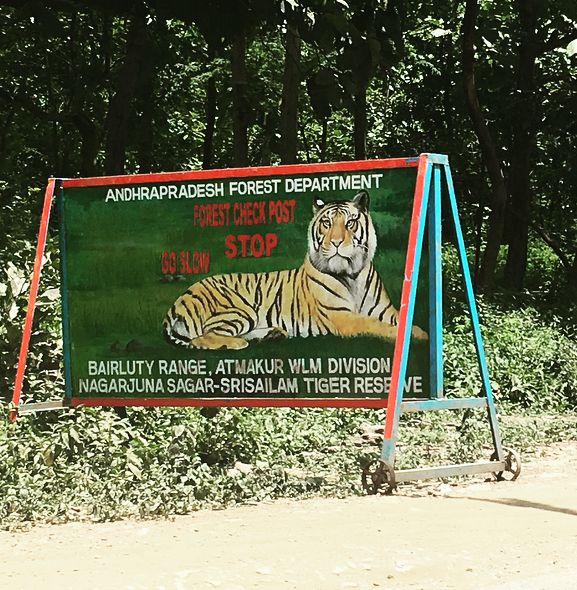
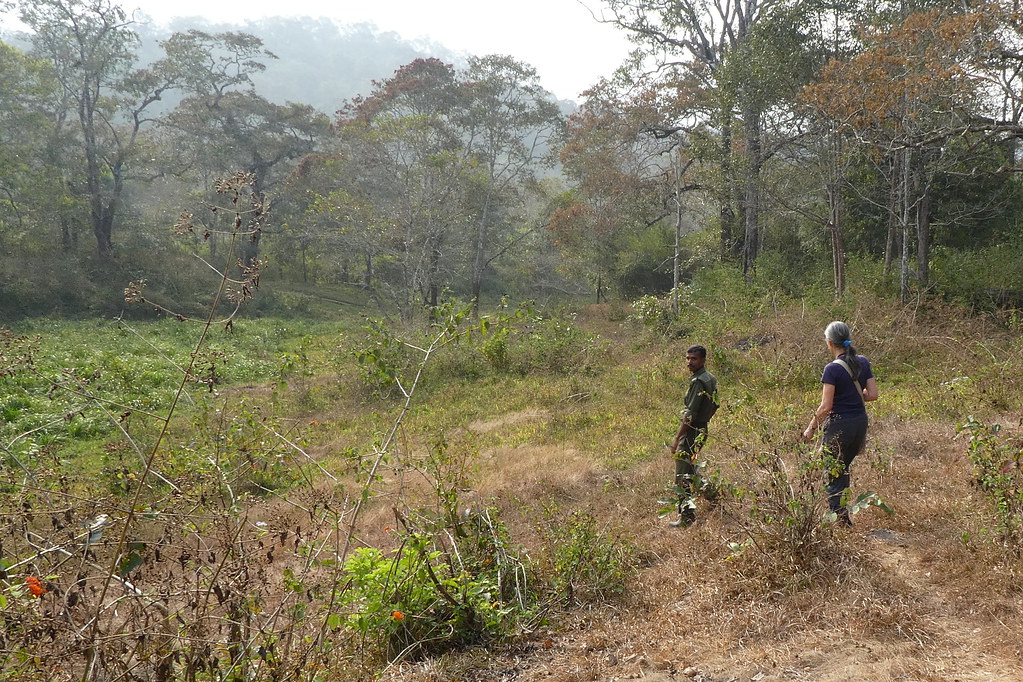
Tiger numbers are now up to more than 3300 and are increasing by 6% a year. Better surveillance has reduced the threat of poaching. There are concerns over inbreeding—the production of offspring from individuals that are closely related—as the reserves become isolated from one another. This may lead to a decrease in the biological fitness of the tiger population over time.
Consultant: Chris Jarvis